


Why the Hands-Free Advantage Changes Everything
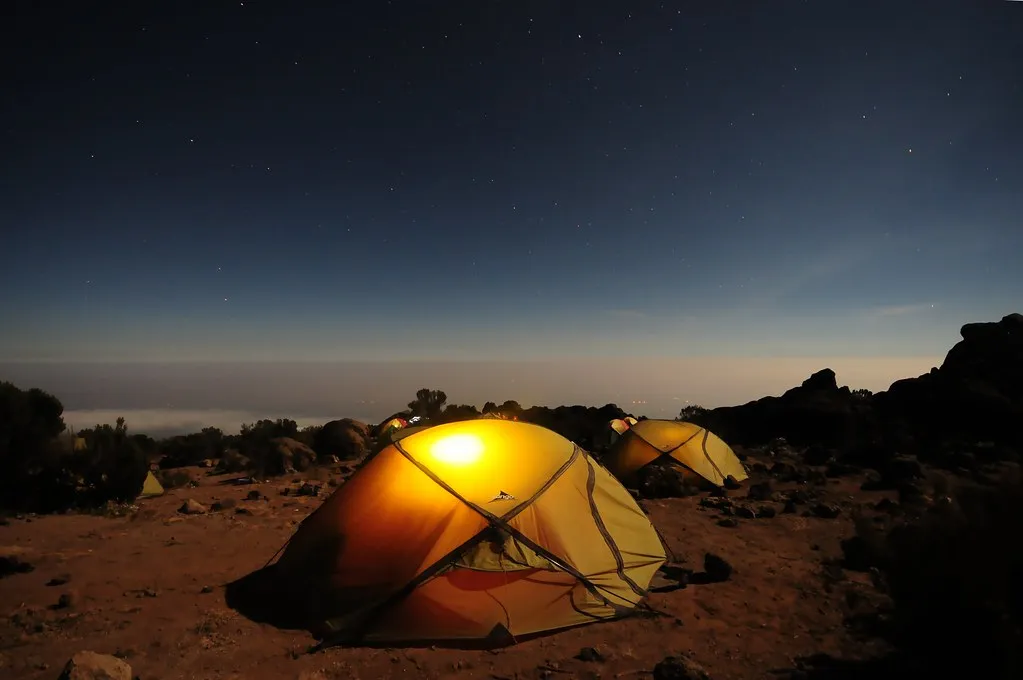
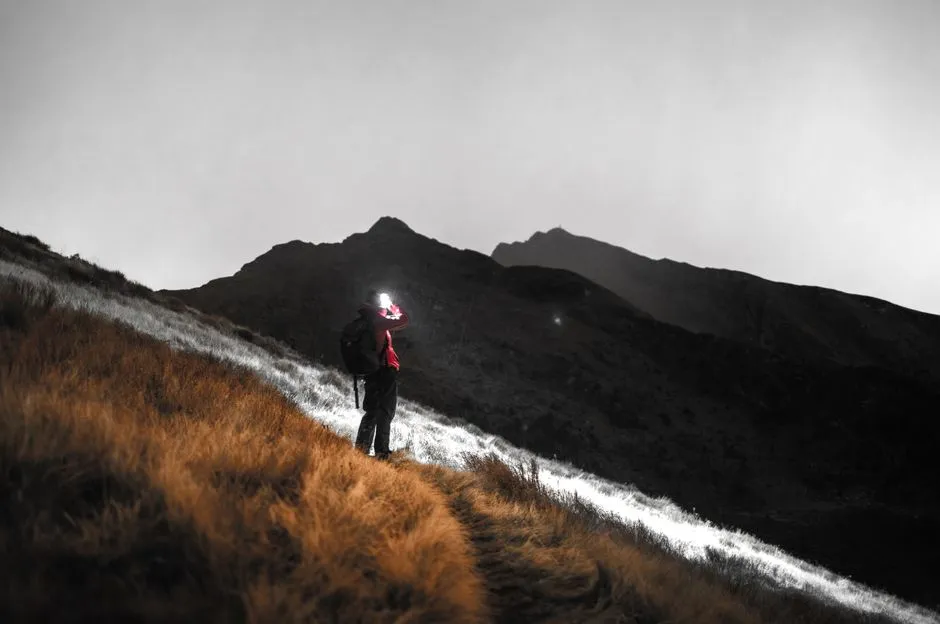
The core advantage of a headlamp over a flashlight is that it is hands-free, meaning you can use your hands for things like using trekking poles or scrambling and climbing rocks. That sounds simple. In practice, it completely changes how you experience camp after dark.
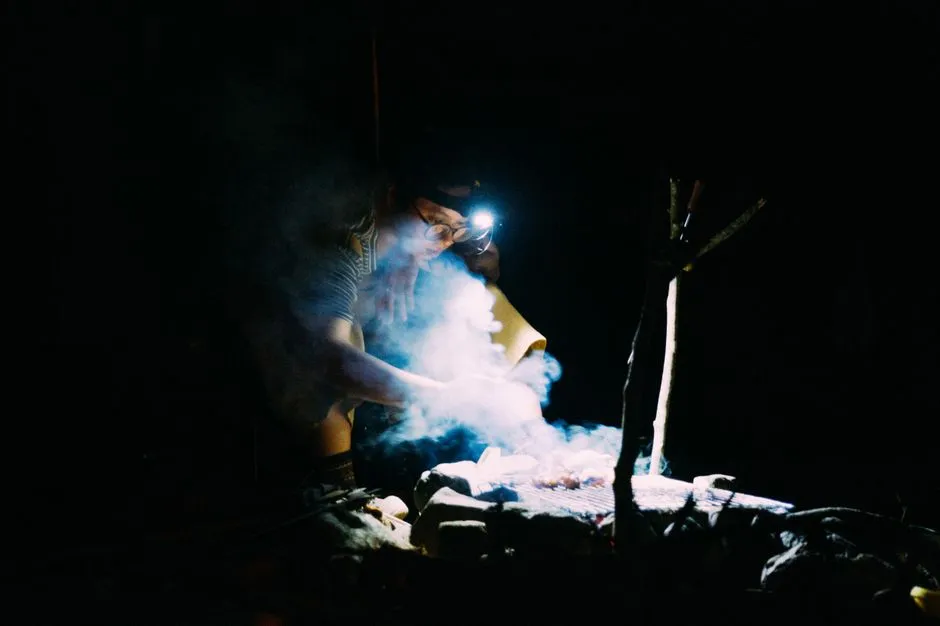
Headlamps make it easier to do camp chores that require your hands, like cooking dinner or setting up a tent in the dark. Try peeling garlic with a flashlight tucked under your chin and you’ll understand exactly why experienced campers made the switch and never looked back.
Weight: Where the Headlamp Wins the Numbers Game
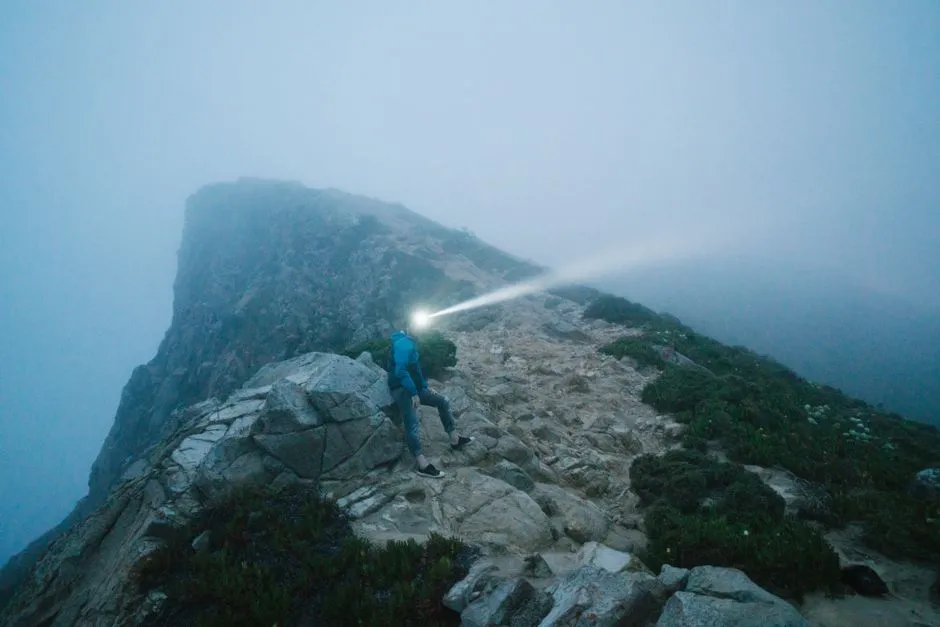
A headlamp in the two to three ounce range is barely noticeable, while a heavy flashlight at five or more ounces competes with a meal’s worth of food for space in an ultralight kit. For multi-day backpacking trips, those grams add up quickly and matter a great deal.
The Petzl Swift LT, for instance, weighs just 1.5 ounces and provides a wide beam for navigating rocky trails and completing camp chores after dark. That’s roughly the weight of a set of car keys. It’s the kind of number that makes every gram-conscious packer smile.
Red Light Mode: The Feature That Surprises New Converts
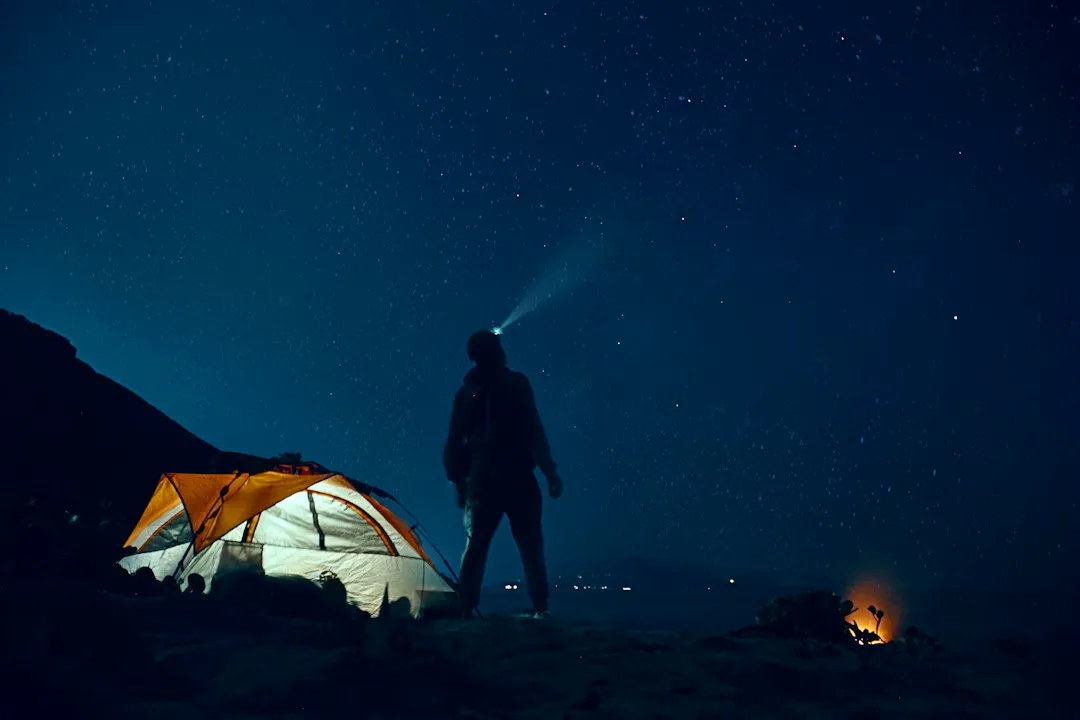
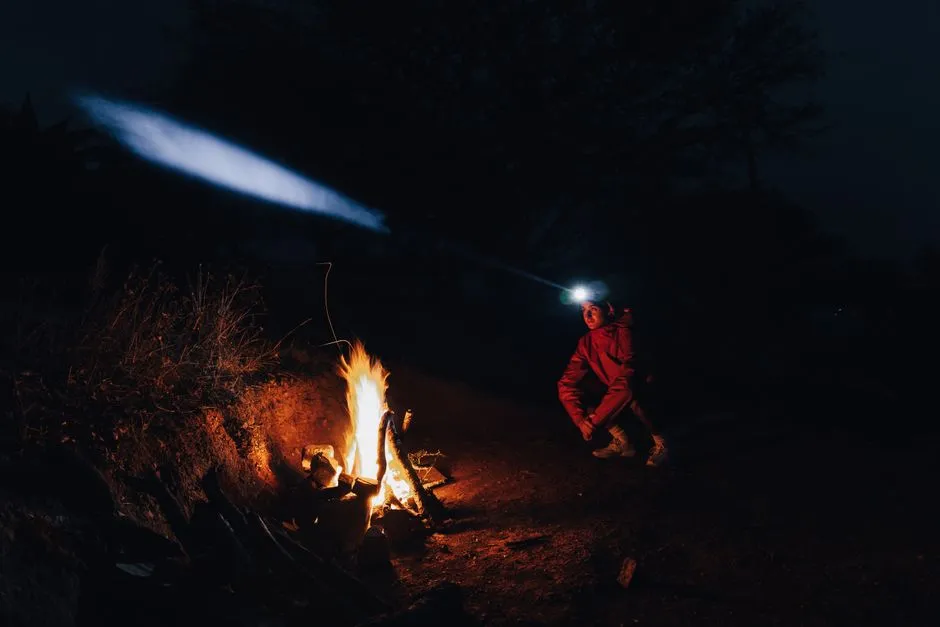
Camping headlamps with red light modes serve dual purposes: illuminating trails while preserving night vision and minimizing wildlife disruption. This is one of those features you don’t fully appreciate until you’ve stumbled out of your tent at midnight and been blinded by your own white light.
Having a headlamp with red light is especially useful for preserving night vision without disturbing other campers or wildlife around you. The 660nm red light wavelength specifically helps protect night vision, maintain peripheral visibility, and reduce eye strain, making it well-suited for nighttime use.
Rechargeable via USB-C: No More AA Battery Panic
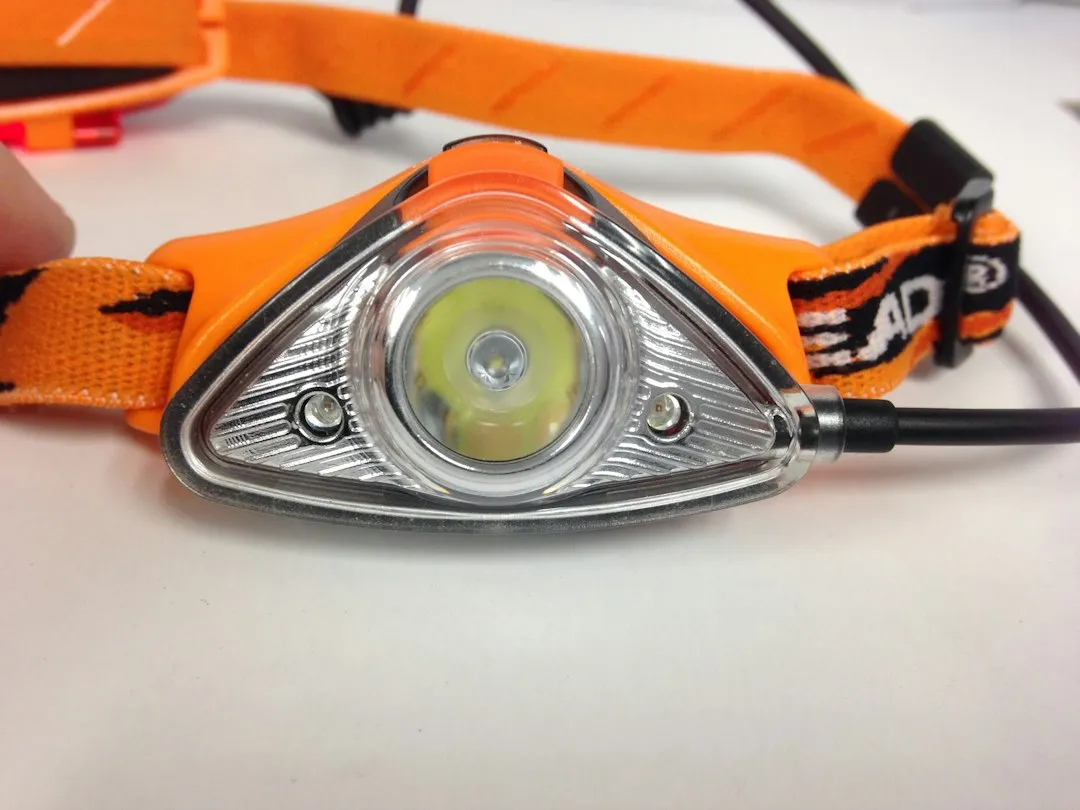
USB-C rechargeable headlamps provide quick two to three hour charging with runtimes extending up to thirty hours on a single charge. That’s a meaningful shift from the old routine of stuffing spare AAA batteries into every corner of your pack.
A compact lightweight headlamp that charges via USB-C and delivers reliable performance over consecutive nights in the field is the right call for extended backcountry trips. It also means you can recharge from a power bank, a car outlet, or a solar panel, which makes logistics considerably simpler on longer journeys.
Brightness Modes Built for Real Camping Scenarios
Brightness is measured in lumens, and the higher the lumen count, the stronger the illumination. That said, more lumens also mean faster battery drain. For general campsite use, a range of 150 to 300 lumens is usually sufficient.
Floodlights produce a wide, uniform light that is good for close-range tasks, and the floodlight mode works well when you’re in camp. A spotlight mode, by contrast, produces a focused, long-range beam. The best headlamps on the market in 2026 let you toggle between these modes instantly, often with a single button press.
Top Headlamps Experienced Campers Are Actually Using in 2026
The Petzl Swift LT is widely regarded as the best backpacking headlamp. While it isn’t absolutely the lightest headlamp tested, it’s more comfortable and feels sturdier than the most ultralight options while only weighing a fraction of an ounce more. It’s also brighter than other headlamps in its weight class at 380 lumens.
The Petzl Actik Core delivers 450 lumens and is equipped with a versatile hybrid power option, making it suitable for hiking and camping. With a lightweight yet sturdy build, it’s an excellent pick for environmentally mindful adventurers seeking dependable lighting. The Fenix HM50R V2.0, at just under three ounces with battery and headband, delivers 700 lumens with a beam reaching 377 feet, along with four brightness levels, red light modes, and IP68 waterproof rating.
Waterproofing Ratings That Actually Matter on the Trail
Quality headlamp models incorporate rechargeable batteries, water resistance, and adjustable brightness across multiple settings. This matters more than most gear guides acknowledge. Rain doesn’t wait for a convenient moment, and a headlamp that shorts out mid-downpour is worse than useless.
The Fenix HM50R V2.0 carries an IP68 waterproof and dustproof rating along with two-meter impact resistance. IPX8 ratings, found on several leading 2026 models, mean the unit can handle full submersion, which is reassuring if you’re crossing streams or caught in a serious storm.
How the Headlamp Handles Camp Tasks a Flashlight Simply Cannot

Headlamps are the ultimate tool for hands-free lighting, giving you the freedom to handle tasks without juggling a flashlight. They are perfect for cooking at camp, pitching your tent after dark, or reading inside your sleeping bag.
Headlamps provide hands-free movement, which makes them especially useful around camp. Most experienced campers use a combination of lighting types instead of relying on a single light alone. Still, when something has to be the primary tool, the headlamp wins consistently among those with real backcountry miles behind them.
The Case for a Backup: When Flashlights Still Earn Their Place
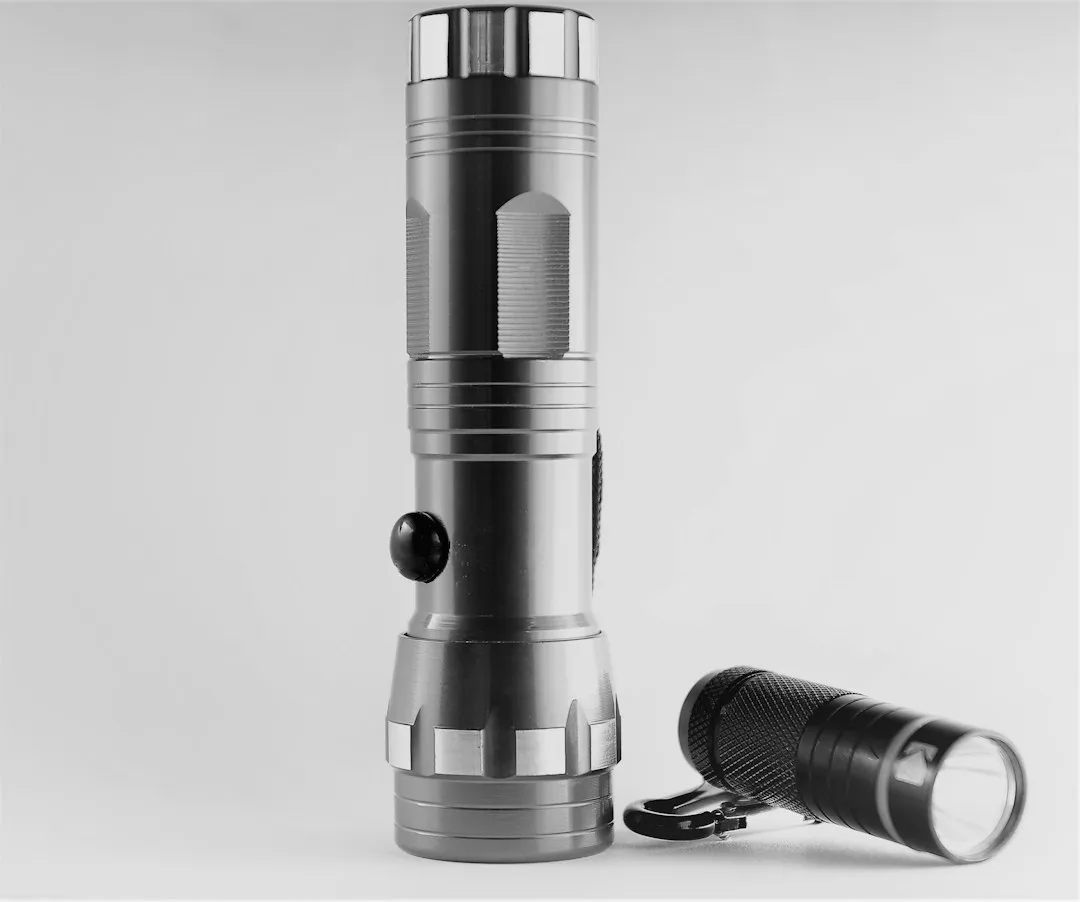
The advantage of flashlights over headlamps is that they allow you to focus a beam better. Runners can also prevent their shadow from impacting the beam. The brightest light mode of a flashlight is often spotlight mode, so if you’re trying to find wildlife or get a very detailed look at a particular area, a flashlight may be a better option.
Searching for firewood calls for a flashlight. Identifying animals in the brush requires a strong spot beam, and a high lumen camping flashlight punches through rain and fog better than a small headlamp. Many experienced campers carry a compact headlamp as their primary light and a small flashlight as a situational backup, not the other way around.
Lumens, Runtime, and What the Specs Actually Tell You
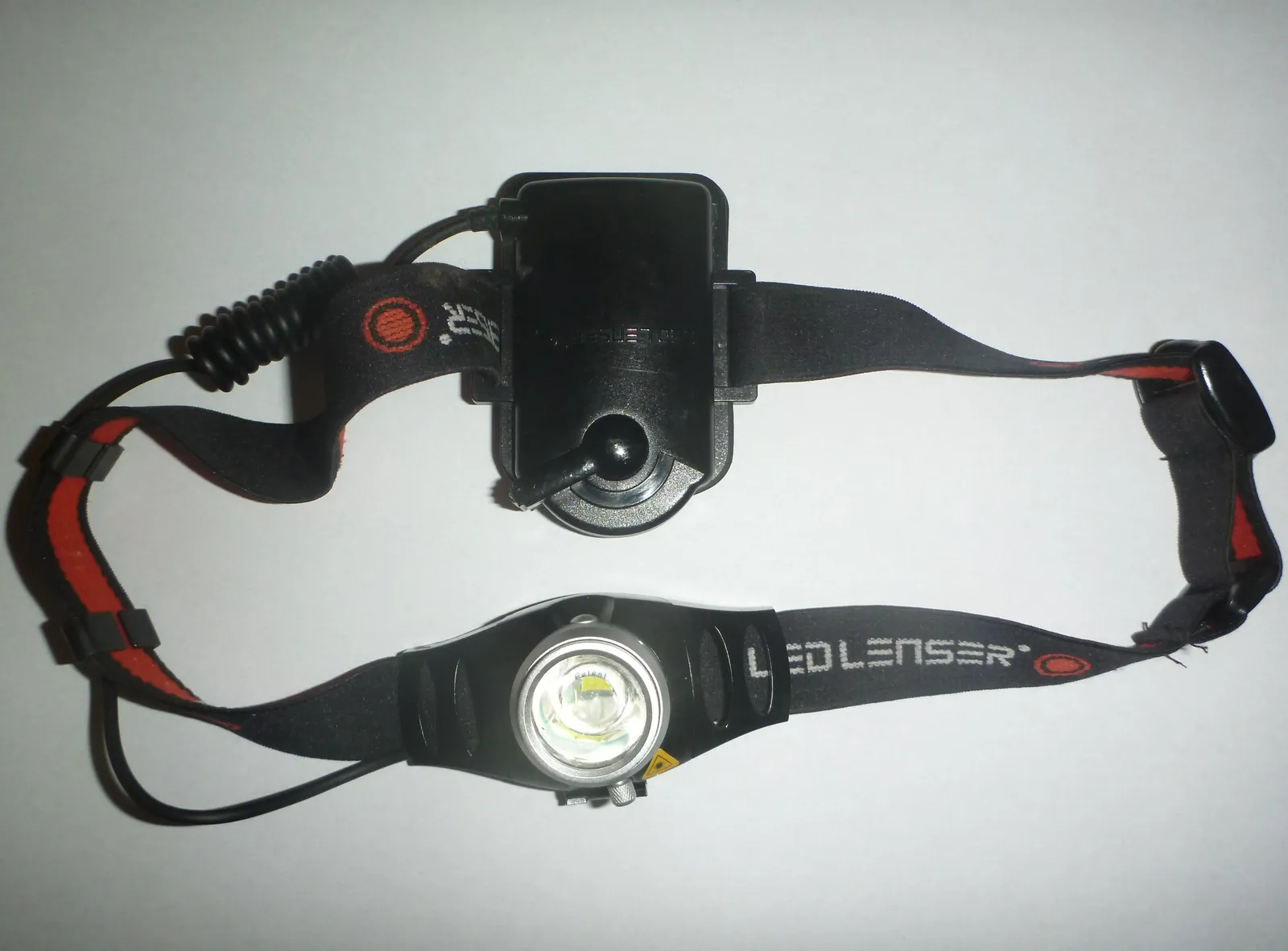
The Nitecore NU27, for example, offers three color temperatures each with five brightness settings, two red-light modes, a battery life indicator, a lock, and USB-C charging. The depth of these options reflects how seriously the headlamp category has matured in recent years.
Lightweight designs weighing between roughly two and two and a half ounces with adjustable headbands ensure comfort for extended wear across various head sizes. Runtime figures worth trusting are those measured at usable brightness levels, not at the lowest possible setting, so reading the fine print on spec sheets matters before buying.
The Takeaway
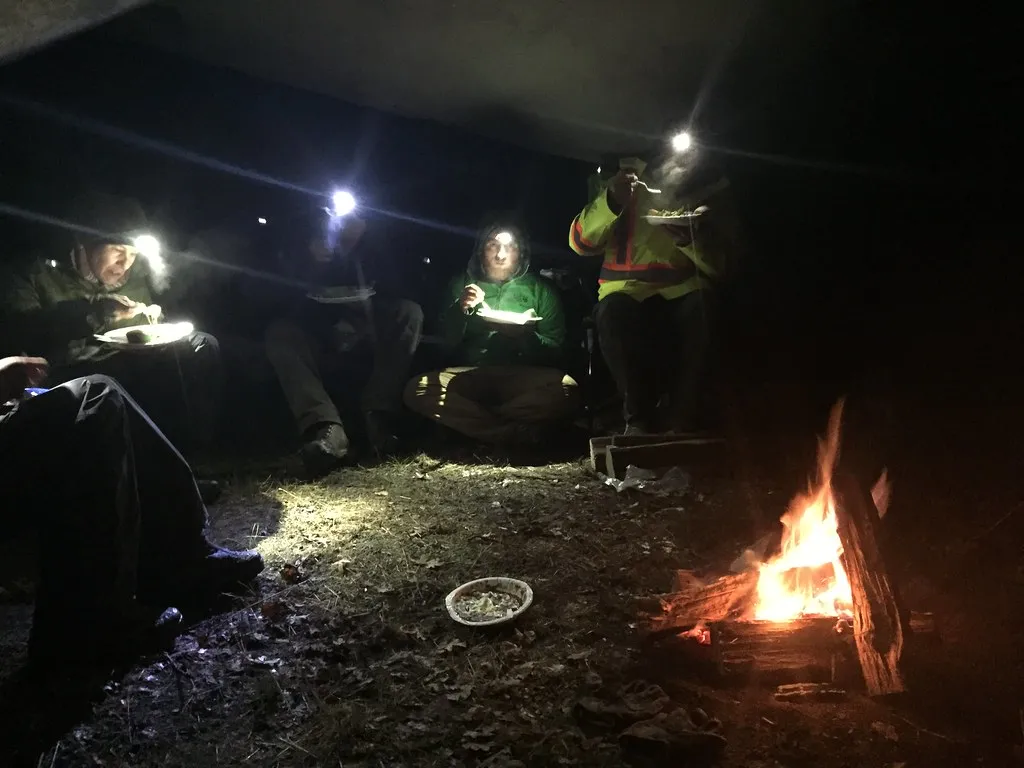
The headlamp versus flashlight debate has a clear winner for most campers: the headlamp. Hands-free operation, lower weight, and increasingly competitive brightness make it the smarter choice for backpacking, hiking, and general camp use.
The flashlight isn’t obsolete, but its role has quietly shifted. For most of what you actually do in the dark at camp, the headlamp handles it better, lighter, and with both hands free to do the work. Experienced campers figured this out long ago. The gear just keeps getting better.
AI Disclaimer: This article was created with the assistance of AI tools and reviewed by a human editor.