

The 30-30 Rule: The Core Guideline Every Hiker Needs
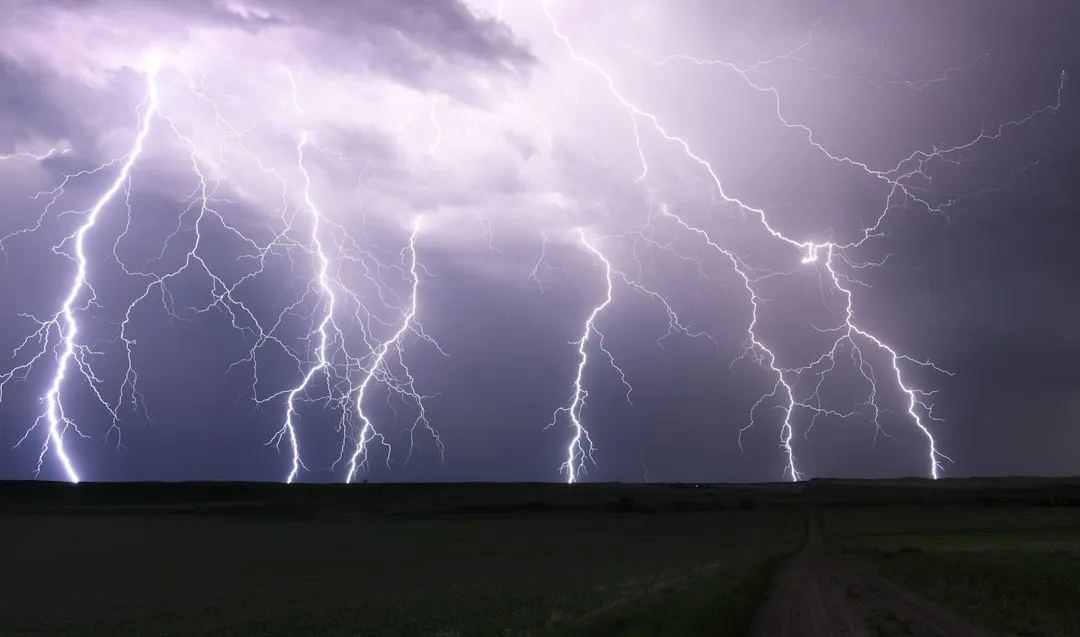
The “30-30 Rule” is the foundational lightning safety principle for hikers, and it uses the relationship between lightning and thunder to gauge how close danger actually is. It’s a two-part guideline: if the time between seeing lightning and hearing thunder is 30 seconds or less, you should seek shelter immediately, as the storm is close enough to be dangerous.
The second part is just as critical: remain sheltered for 30 minutes from the last strike. Lightning can strike beyond the audible thunder range, so don’t let your guard down when the storm seems to have passed. It’s crucial to wait at least 30 minutes after hearing the last clap of thunder before resuming activity.
Why Clear Skies Are Not a Safe Signal
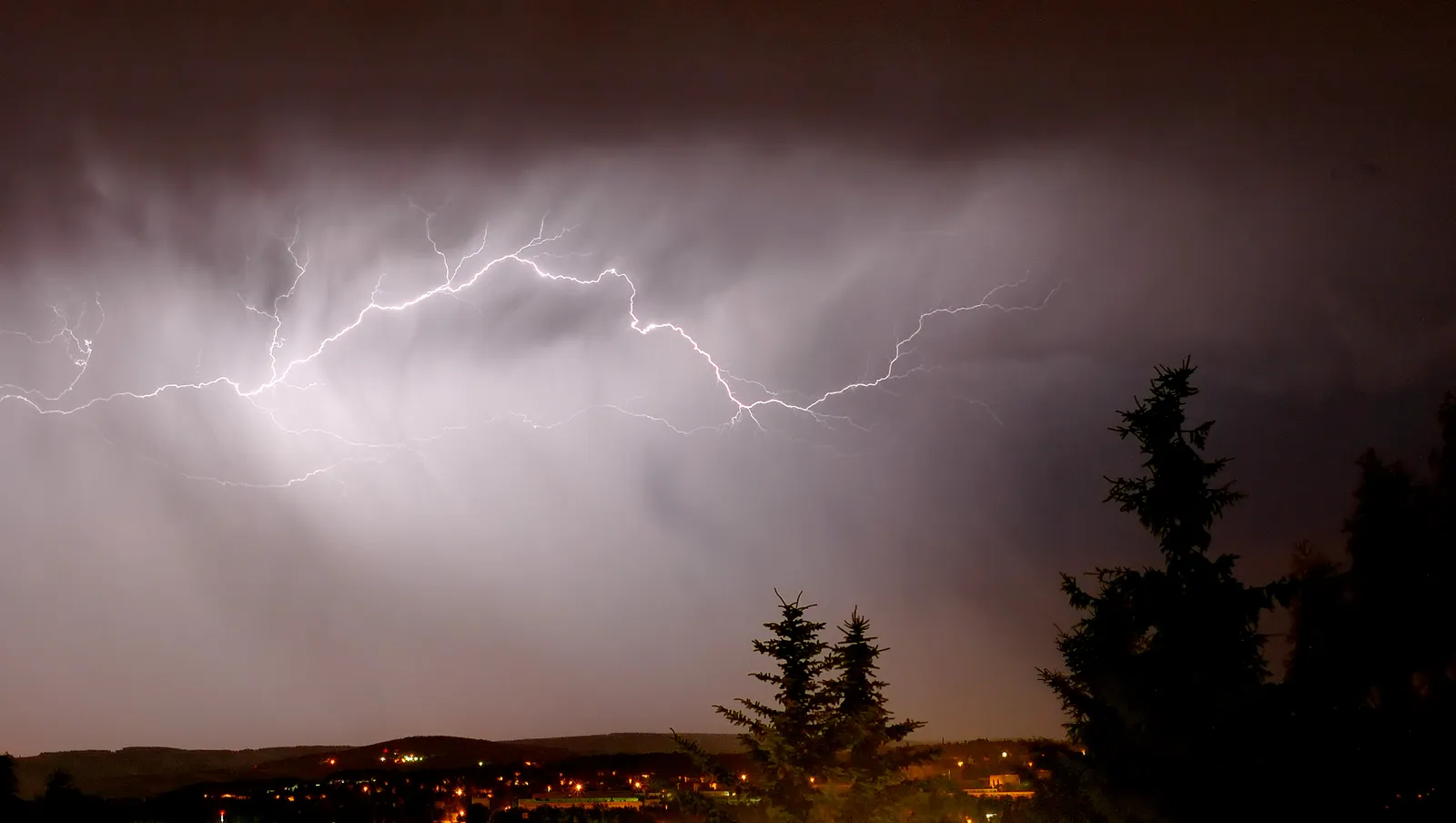
One common misconception is that if it’s not raining or storming in your immediate area, you’re safe from lightning. In reality, lightning can strike as far as 25 miles away from the thunderstorm itself.
A “bolt from the blue” is a cloud-to-ground flash which typically comes out of the side of the thunderstorm cloud, travels a relatively large distance in clear air away from the storm cloud, and then angles down and strikes the ground. These lightning flashes have been documented to strike more than 25 miles away from their parent thunderstorm, and they are especially dangerous because they can appear to come from a clear, cloudless sky, catching people far from the storm completely by surprise.
The Science of Bolts From the Blue
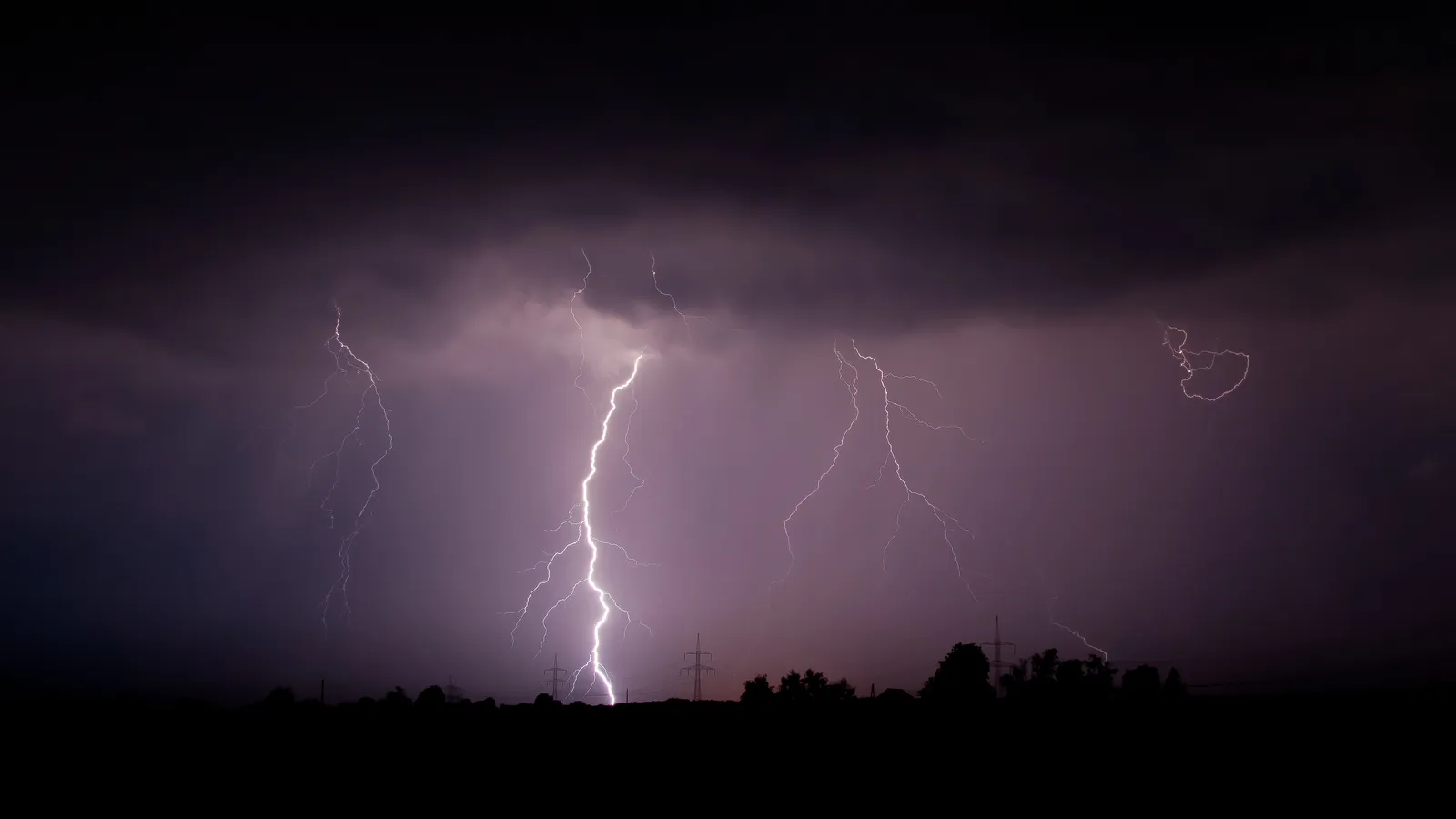
One of the most surprising examples of lightning behavior is the “bolt from the blue,” a strike that appears to come from a clear sky. These flashes originate from the back side of a cumulonimbus cloud, travel through clear air, and then angle downward to strike the ground well away from the parent thunderstorm.
These strikes develop deep within a distant thunderstorm. Energy builds in the storm’s upper anvil, then shoots sideways through clear air, sometimes 10 to 25 miles or more before hitting the ground. NOAA’s National Severe Storms Laboratory even documented a case of a helmeted bicyclist experiencing a lightning strike to the head under fair weather conditions with a cloudless sky. It was determined the bolt probably originated in a thunderstorm about ten miles away, obscured by mountains.
The Real Fatality Numbers Hikers Should Know
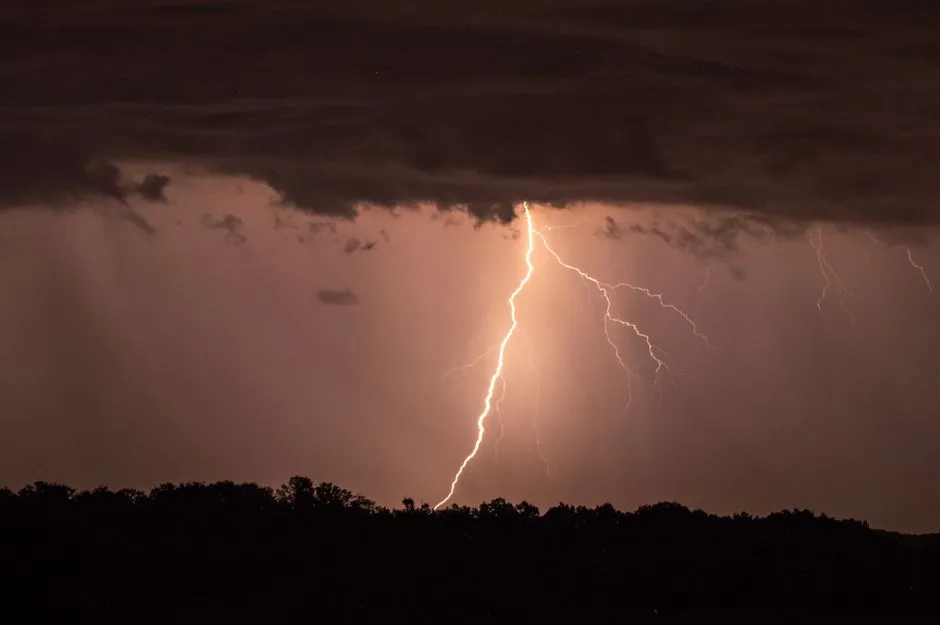
From 2006 through 2024, 492 people were struck and killed by lightning in the United States, with almost two thirds of those deaths occurring to people who had been enjoying outdoor leisure activities. In 2025 alone, there were 21 recorded lightning fatalities in the U.S., making it the deadliest year for lightning since 2022.
When Lightning Safety Awareness Week began in 2001, the United States averaged 50 deaths per year due to lightning. Now, the ten-year average is 21 deaths per year. This reduction is largely due to greater communication of lightning danger and people taking action when thunder roars. The numbers have improved, but they haven’t disappeared, and the hikers and campers in those statistics largely thought they had time.
Mountain Terrain Changes the Risk Dramatically

In mountainous areas, thunderstorms typically develop in the early afternoon, which is why experts plan to be off exposed terrain by noon. It is possible that only half an hour may elapse between a beautiful blue sky and a storm. Thunderstorms can form very quickly, especially in the mountains in summer.
In Colorado, for example, monsoon moisture often builds daily storms after noon. In the Cascades, conditions can go weeks without lightning and then suddenly produce several days of late-afternoon activity. Knowing the rhythm of your region allows you to plan summit pushes early and be well below treeline before the clouds start to boom.
Use Your Ears, Not Just Your Eyes
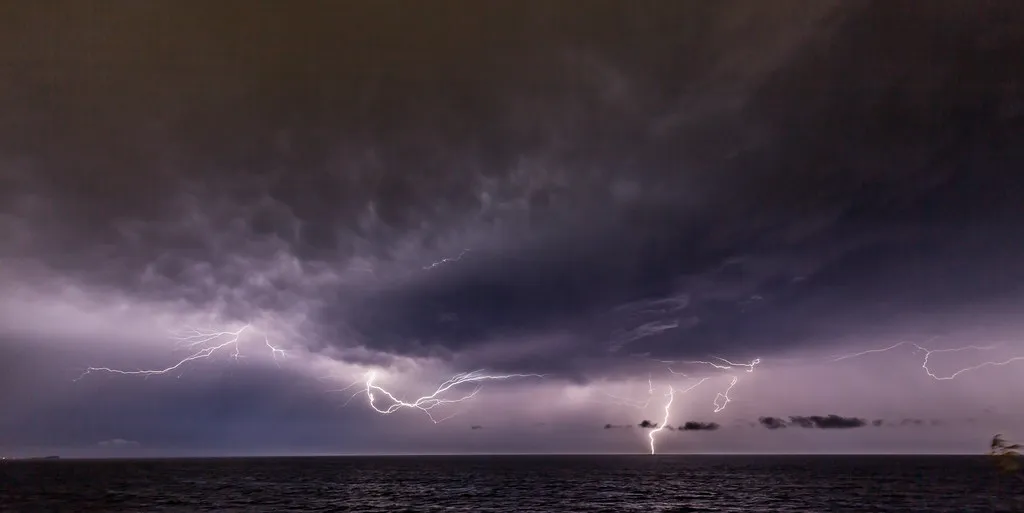
When it comes to lightning risk under a seemingly clear sky, use thunder rather than sight as your cue. If you can hear thunder at all, you are within striking distance and should be indoors. The absence of rain, wind, or visible cloud overhead does not change that.
Lightning can strike 15 kilometers or more ahead of a storm. If you can hear thunder, you are within striking distance. Lightning can strike 6 miles away from the thunderhead, and occasionally even farther. Trusting your eyes over your ears is one of the most common mistakes hikers make in the backcountry.
Where to Go and Where Not to Go
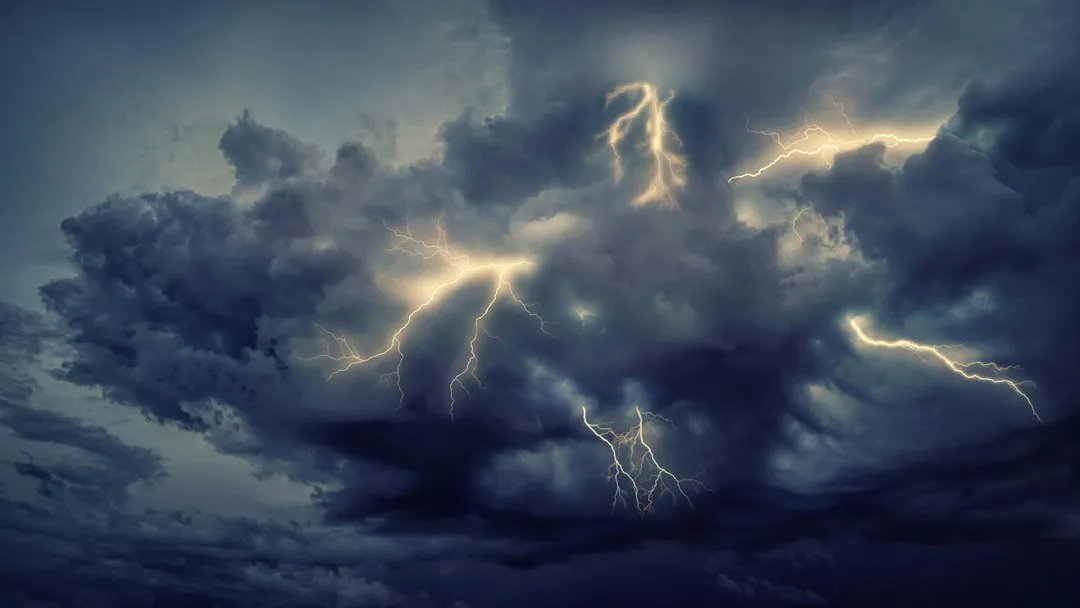
Lightning is attracted to the tallest points at the highest elevations. If there is nowhere to go and it is unsafe to descend, look out for deep caves, ditches, divots, or any other low points. Distance yourself from tall, isolated objects, as they are the most likely targets for the impending strike.
Do not seek shelter under a picnic shelter, lone tree, or other isolated object. These will attract lightning. Rain won’t kill you, so it’s better to be wet and alive than dry and dead. If you have a metal frame pack, leave it 100 feet from where you are seeking shelter, and leave hiking sticks or poles with your pack.
The Lightning Position: What to Do If You’re Caught in the Open

If you’re completely trapped in an open and exposed area, do not lie flat, as this increases your risk from ground currents. Instead, sit on your backpack or foam sleeping pad to add a layer of insulation, keeping your feet close together.
Spread your group out by at least 100 feet to minimize the risk of multiple people being struck at once. It’s not a perfect solution, but it reduces the odds of serious injury or death if lightning hits nearby. This crouched position does not eliminate your risk of being struck, but it does reduce the chances of serious injury because the electrical charge will disperse more quickly.
Know the Warning Signs Before the Storm Arrives
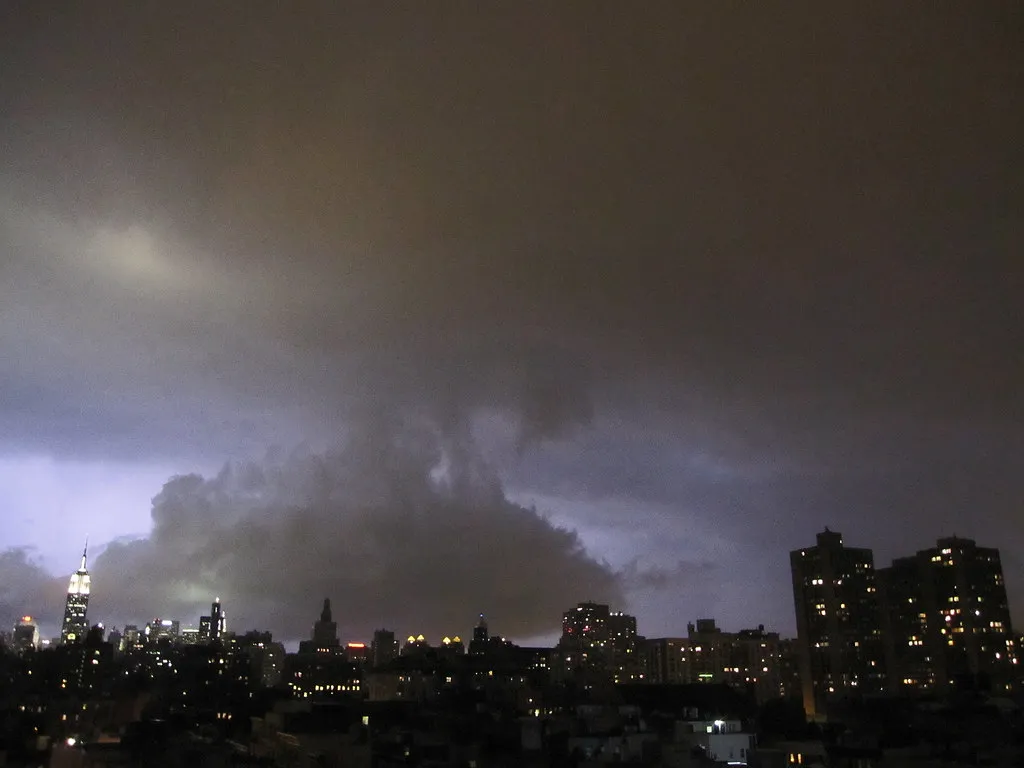
Key warning signs to watch for include rapidly building dark clouds, sudden gusts of wind, temperature drops, distant thunder growing louder, and alerts from forecasting apps and local weather services. These are the cues to start moving, not to wait and see.
If your hair is standing on end, or you feel a buzzy sensation pass across your skin, you’re in immediate danger of being struck. Your body is acting as a “positive streamer” that can connect with charged particles in the storm clouds. At that point, there’s no time for debate. Drop your poles, crouch low, and move away from anything tall.
Plan Your Hike Around the Weather, Not the Other Way Around

A core golden rule for alpine hiking is to plan to be off exposed terrain by noon to early afternoon. Start early, summit early, and descend before storm activity peaks. You are far less likely to be exposed to thunderstorms if you leave early and return by early or mid-afternoon.
If you are hiking in mountainous terrain that involves ascending to high altitudes or moving through open fields with no trees in sight, exercise serious caution. Wait for clear skies and favorable weather conditions before venturing above treeline or into exposed areas, as a lightning storm in such locations is extremely hazardous. Checking a live lightning strike map before and during your hike adds a layer of awareness that the naked eye simply can’t provide.
Final Thoughts
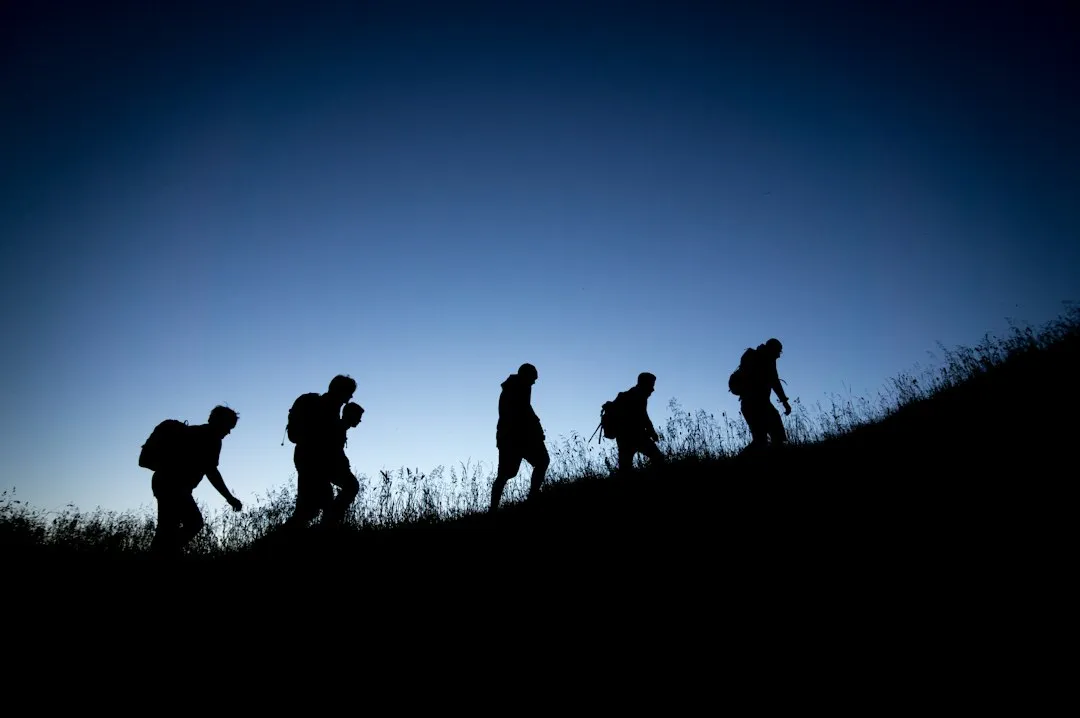
The rule is straightforward: when you hear thunder, you’re already in range. Blue sky above you is not permission to keep climbing. Both “heat lightning” and “bolts from the blue” correct the same misconception: that a clear sky overhead means no lightning risk.
Lightning is unpredictable. While the 30-30 Rule provides strong guidelines, risk still exists. The hikers who stay safest aren’t necessarily those who know the most about weather science. They’re the ones who act on what they hear, not just what they see, and who build a turnaround time into every mountain day before the sky even has a chance to change its mind.
AI Disclaimer: This article was created with the assistance of AI tools and reviewed by a human editor.