
Know the Rule Cold Before You Even Pack
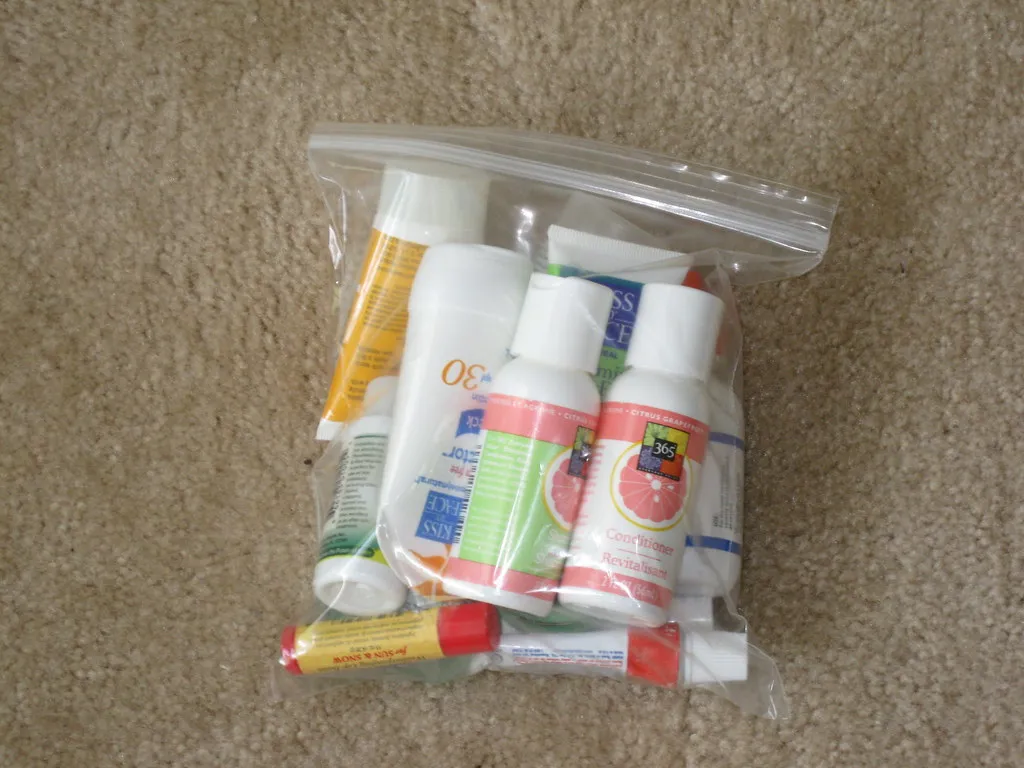
The TSA’s liquid limit for carry-ons, known as the 3-1-1 rule, allows 3.4-ounce (100 milliliter) liquids to be carried by one passenger in one quart-size bag. That structure, three numbers, one simple concept, is your starting point for every packing decision you’ll make.
In the 3-1-1 rule, the “3” refers to the maximum limit of 3.4 ounces per container, all containers must fit within a clear one-quart bag, and each passenger is allowed only one of these bags. It sounds simple enough, but violations at the checkpoint are surprisingly common, and they cost everyone time.
This rule has been in effect since 2006 and is part of TSA’s larger security strategy, aimed at limiting the risk of dangerous liquids being brought on board any aircraft. Knowing it well isn’t about compliance alone. It’s about not being the reason the line stalls.
The Container Size Is What Gets Confiscated, Not the Volume Inside
Every individual container of liquid must be 3.4 ounces or smaller. The TSA measures the container size, not how much product is left inside, so a half-empty 6-ounce bottle of shampoo will still be confiscated because the container itself exceeds the limit.
This catches people off guard more than almost anything else at security. You might have only a tablespoon of conditioner left in a large bottle, but TSA’s concern is the container it’s in, not the quantity remaining.
If you can spill it, spread it, spray it, pump it or pour it, and it’s larger than 3.4 ounces, it should go in a checked bag. Transfer your products into proper travel-sized containers at home, well before you reach the airport. That one habit alone removes a common friction point entirely.
Use a Clear, Accessible Quart Bag, and Keep It at the Top of Your Bag
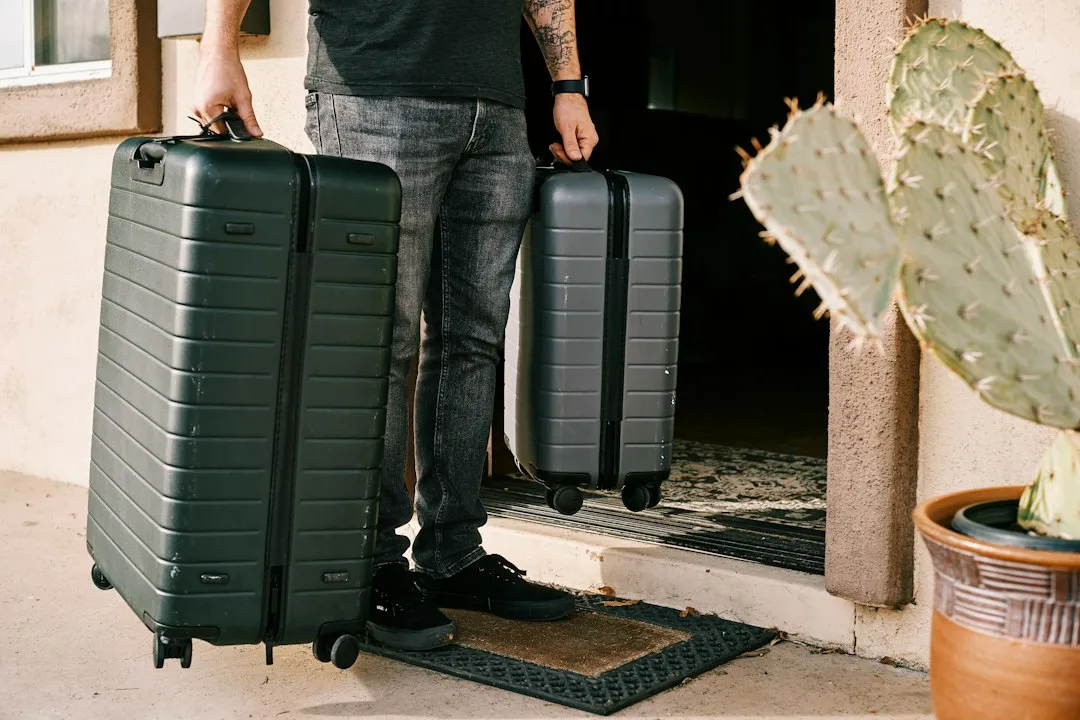
Placing liquid items in the small bag and separating them from your carry-on baggage facilitates the screening process. This is direct guidance from the TSA itself, and it’s worth taking literally.
Packing your luggage strategically can significantly speed up your time at security, and keeping your liquids easily accessible is a core part of that. Putting your quart bag at the very top of your carry-on, right where you can grab it without unpacking, takes seconds instead of minutes.
You must present the bag separately during airport security screening, which allows security officers to easily see the contents and ensure they comply with the rules. Having it ready before you even reach the bin is a small act that keeps the line moving for everyone.
Consolidate Everything Into One Bag, Not Multiple Pockets
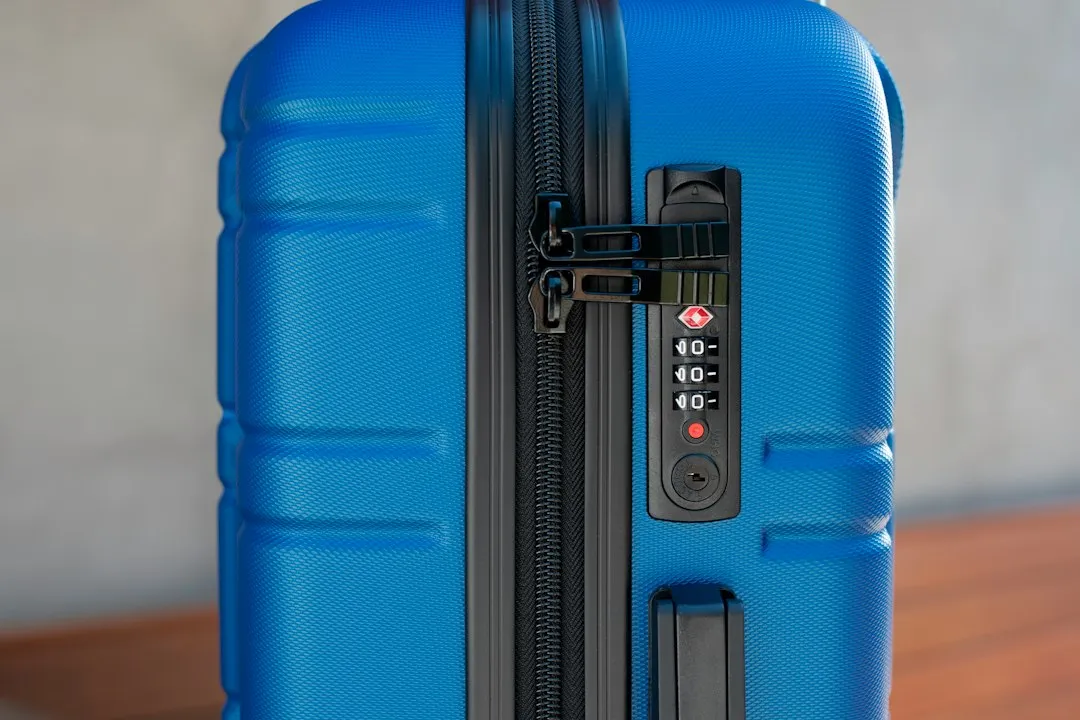
Consolidating bottles into one bag and X-raying them separately speeds up screening. Every time TSA searches a carry-on, it slows down the line. Scattering lip balm in one pocket, eye drops in another, and hand cream in a third is a fast path to a bag check.
Practicing the 3-1-1 rule will ensure a faster and easier checkpoint experience, and when in doubt, putting liquids in checked luggage is always an option. Simpler is always better at security, where seconds matter more than you might expect.
Understand What Counts as a Liquid
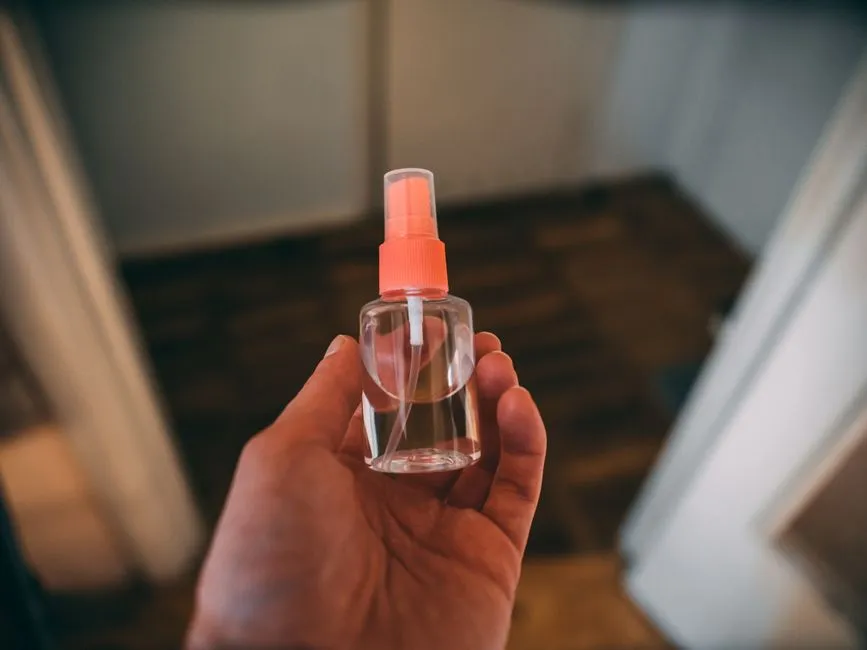
Many travelers stumble here. Gels, creams, pastes, and aerosols all fall under the same rules as liquids. That includes toothpaste, peanut butter, hummus, hair gel, spray deodorant, and even peanut butter again, yes, TSA classifies it as a gel.
All liquids, aerosols and gels packed in carry-on bags must be 3.4 ounces or less. Travelers must pack certain foods such as sauces, jam, preserves and wine, which are considered liquids or gels, in checked bags if they exceed 3.4 ounces.
A surprising number of confiscations at checkpoints involve food, not toiletries. If it pours, spreads, or oozes, it’s probably a liquid in TSA’s eyes. Check the TSA website’s “What Can I Bring?” tool if you’re ever unsure about a specific item before you pack.
Medications and Baby Formula Play by Different Rules
Medication in liquid form over 3.4 ounces is allowed in carry-on bags in reasonable quantities for a flight, and passengers don’t need to place medically required liquids in a zip-top bag. However, you must tell the officer you have medically necessary liquids at the start of the screening process.
Exemptions include baby formula and breast milk in any quantity, medications in liquid form with documentation, hand sanitizer up to 12 ounces, and contact lens solution and other medical necessities. Declaring these items upfront, calmly and early in the process, prevents delays rather than causing them.
Medically required liquids are subject to additional screening that may include travelers being asked to open containers. Being prepared for that possibility, rather than surprised by it, keeps your checkpoint experience from going sideways.
CT Scanners Are Changing the Game at Major Hubs
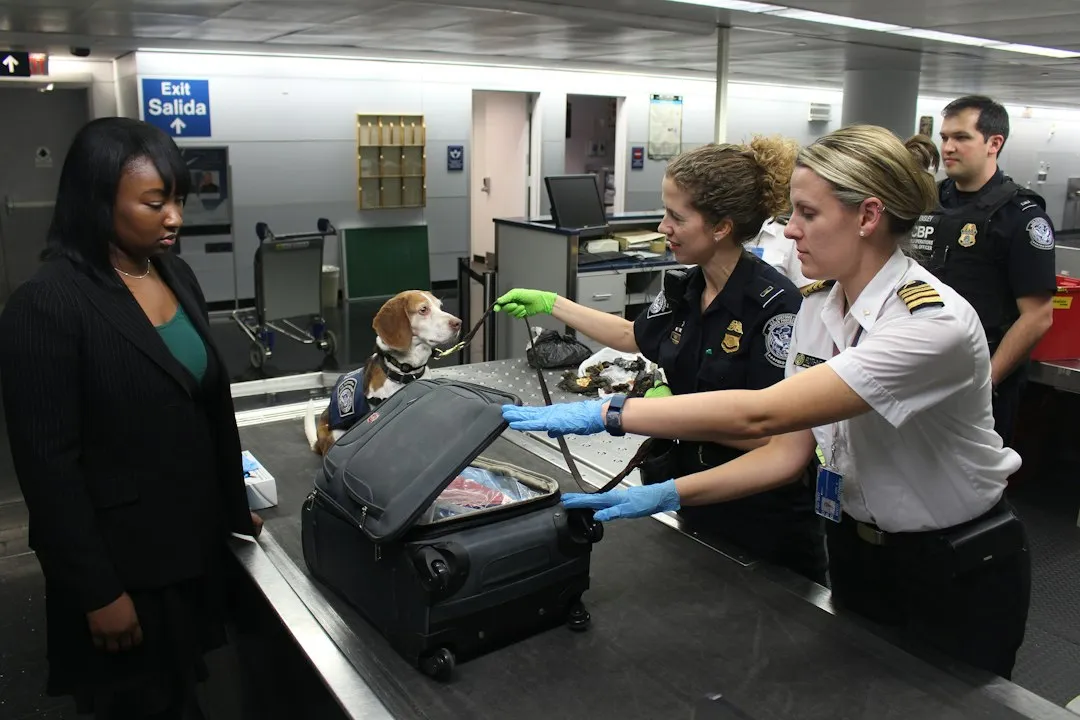
What has changed recently is the technology used to screen liquids at a growing number of airports. CT scanners create a three-dimensional image of bag contents, allowing TSA officers to identify liquids and other items with far greater precision than conventional X-ray machines.
CT scanners have been rolling out across major U.S. airports since 2019, and by early 2026 they are operational in some capacity at most large hub airports including Atlanta, Los Angeles, New York JFK, Chicago O’Hare, and Dallas-Fort Worth, among others.
The practical benefit for travelers at airports equipped with CT scanners is that you no longer need to remove your liquids bag or your laptop from your carry-on before sending it through, as TSA officers can see through the bag clearly enough without you unpacking it. Still, the 3.4-ounce limit itself hasn’t changed at most checkpoints.
The 3-1-1 Rule Still Applies Almost Everywhere, So Pack to the Strictest Standard
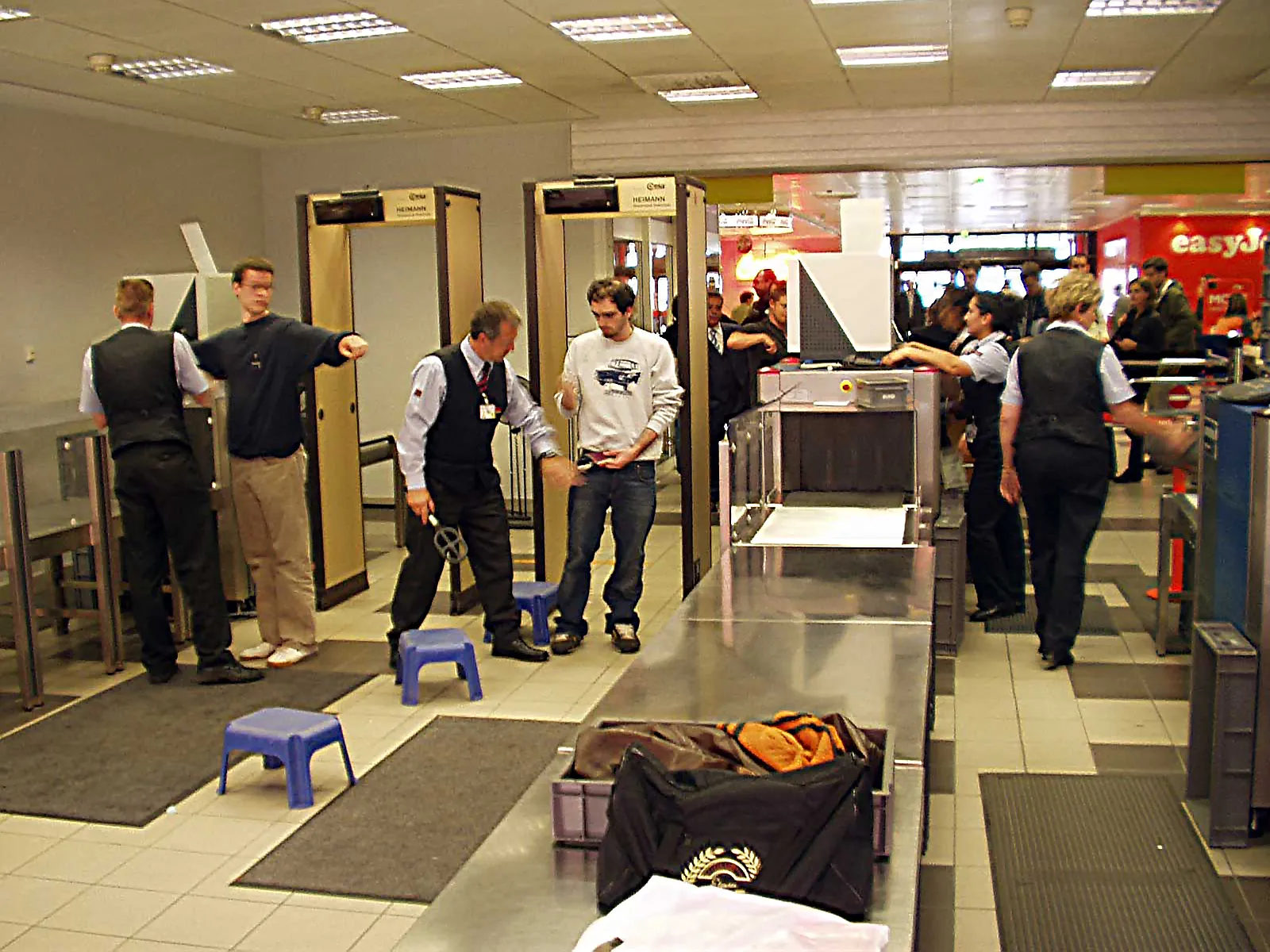
The 3-1-1 rule remains the federal standard, and relaxed rules apply lane by lane and airport by airport as CT scanners roll out. If your trip involves a connection through a smaller airport or a return leg from an airport without CT lanes, pack to the 3-1-1 standard or risk surrendering full-size products halfway through the trip.
The CT program does not mean every security lane at every listed airport uses a CT scanner. TSA is introducing the systems progressively, and a passenger may still encounter a conventional X-ray lane at an airport where CT units are already installed elsewhere.
The smartest strategy right now is to pack compliantly for the old rules and treat any CT-scanner exemption as a pleasant surprise, not a given. Always check signage at your specific checkpoint, since instructions vary by lane and airport.
International Rules Differ, Sometimes Significantly
Several UK airports including Bristol, Gatwick, Leeds Bradford, and Luton allow liquids up to 2 liters at CT-scanner checkpoints, and European airports with new 3D scanners have implemented similar relaxations. This is a meaningful difference from the U.S. standard, and it surprises many American travelers heading abroad.
The EU follows similar rules to the U.S., with 100-milliliter containers in a 1-liter clear bag, one per passenger, though some airports with advanced CT scanners have relaxed liquid limits, with policies varying by airport rather than by country.
If you have a connecting flight through another security checkpoint, duty-free liquids purchased internationally may be confiscated if they exceed 3.4 ounces and are not in sealed, tamper-evident packaging. That bottle of olive oil from a market in Florence needs to go in your checked luggage on the way home.
TSA PreCheck Lets You Skip the Liquids Scramble Entirely
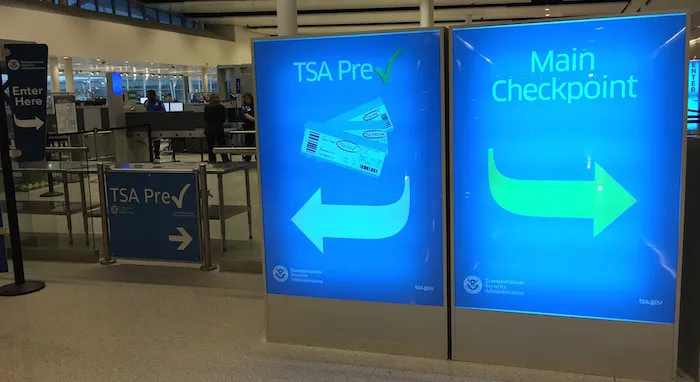
TSA PreCheck is a program that speeds up the security screening process for known travelers based on a prior risk assessment. With PreCheck, you get dedicated screening lines, can leave your shoes, jacket, and belt on, and your liquids and electronics can stay in your bag.
According to the TSA, 99 percent of PreCheck passengers wait less than 10 minutes to get through security. That number tells you everything about how much preparation and trusted traveler status matter.
Enrollment involves an online application followed by an in-person appointment at an enrollment center. It’s a straightforward process, and for frequent travelers, the time savings across even a handful of trips makes it worthwhile many times over.
The Takeaway
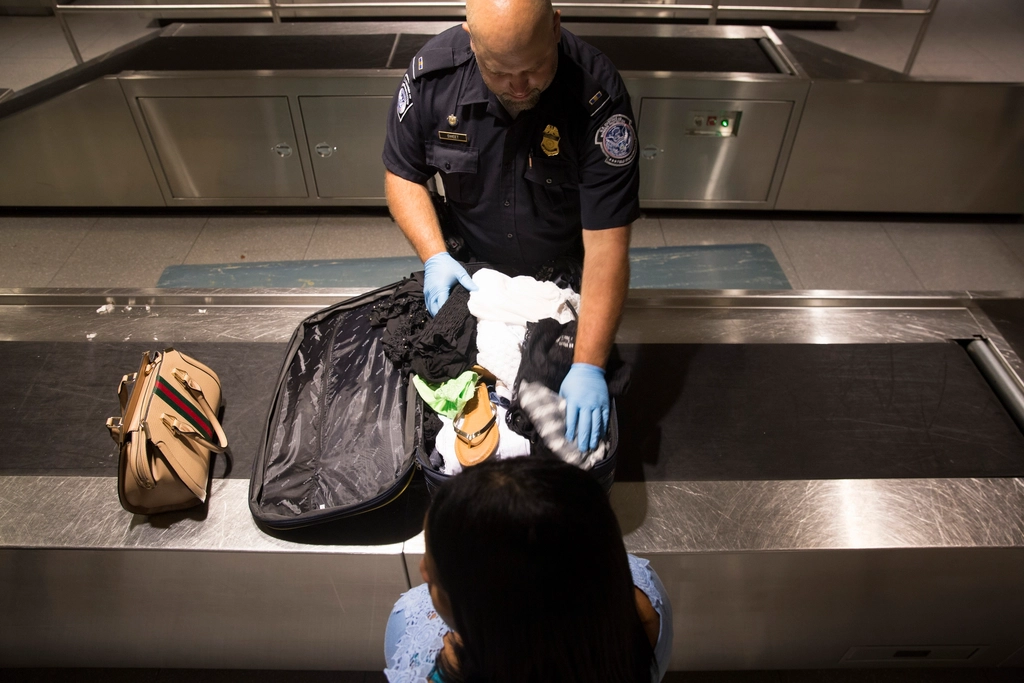
The liquid container trick isn’t really a trick at all. It’s just preparation done properly. Use correctly sized containers, pack them in a clear quart bag you can grab without digging, and keep that bag near the top of your carry-on. Know what counts as a liquid, declare your medical necessities, and stay current on the rules at your specific airports.
Airport security isn’t designed to be adversarial. Most delays at the checkpoint trace back to travelers who didn’t have time to research the rules before they packed. A few quiet minutes at home, toiletry bag in hand, is all it takes to make that checkpoint feel routine instead of stressful.
The line moves faster when everyone knows what they’re doing. You can be that person.
AI Disclaimer: This article was created with the assistance of AI tools and reviewed by a human editor.