
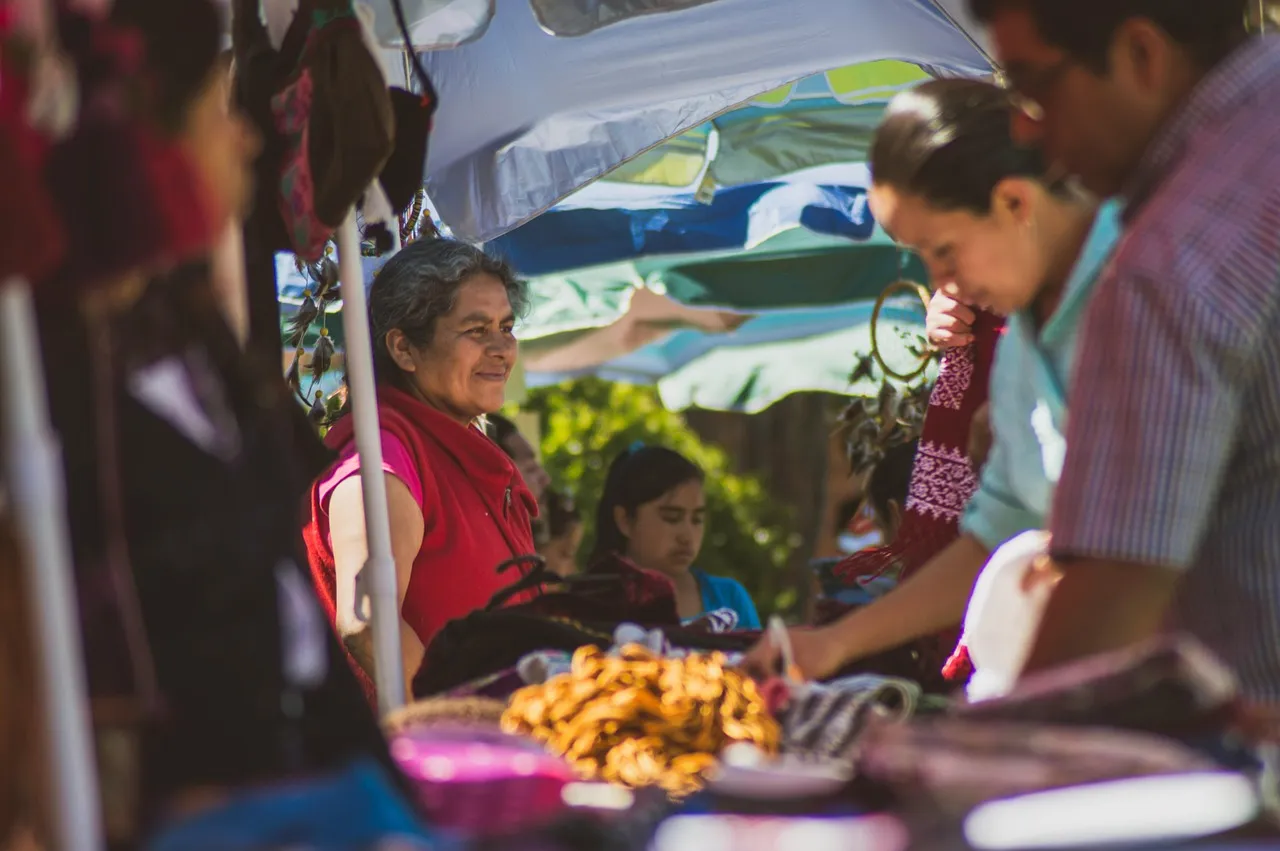

Oaxaca doesn’t ask much of you. Show up, pay attention, and it will do the rest. This southern Mexican state carries one of the most layered cultural identities in the entire hemisphere, where pre-Hispanic ritual, colonial history, and daily modern life exist not as separate chapters but as one continuous conversation.
Oaxaca has 16 recognized indigenous groups, 570 distinct municipalities, a gastronomic tradition that UNESCO considers irreplaceable, and a mezcal industry that has gone from local secret to global obsession in a single decade. For the traveler willing to go beyond the zócalo, the rewards are serious and lasting.
A Destination on the Rise: Why Oaxaca Draws Serious Travelers
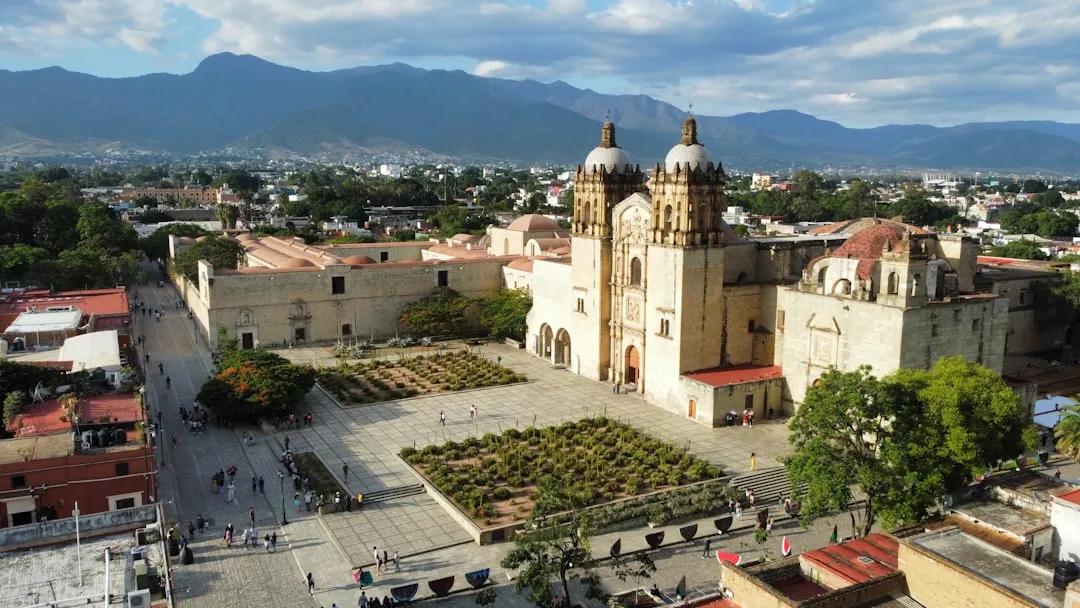
Oaxaca has transformed from a backpacker secret to a mainstream cultural destination, with visitor numbers climbing from roughly 400,000 international tourists in 2015 to over 1.2 million in 2024. That’s a remarkable leap for a city that long existed in the shadow of Cancún and Mexico City.
Oaxaca visitors average 7 to 9 nights compared to beach resorts’ 4 to 6 nights, with many booking extended stays to study Spanish, cooking, or traditional crafts. That pattern tells you something important: people aren’t just passing through. Oaxaca International Airport welcomed over 1 million passengers in 2025, a 4.9% increase over 2024, at a time when many other Mexican destinations are seeing slower growth.
Indigenous Roots: The 16 Peoples Who Shape Everything

Oaxaca has a large native indigenous population, well over 30% of the state, compared to 10% for Mexico as a whole, according to the 2020 INEGI ethnic report. This isn’t background color. It is the entire canvas. More than 300,000 people are monolingual in one of a wide variety of native indigenous languages, and unlike Yucatán, where the indigenous culture consists of closely related Mayan groups, the indigenous people in Oaxaca are from many different cultures. The Zapotec and Mixtec are the two largest ethnic groups, but there are numerous other indigenous ethnicities, each with their own unique traditions.
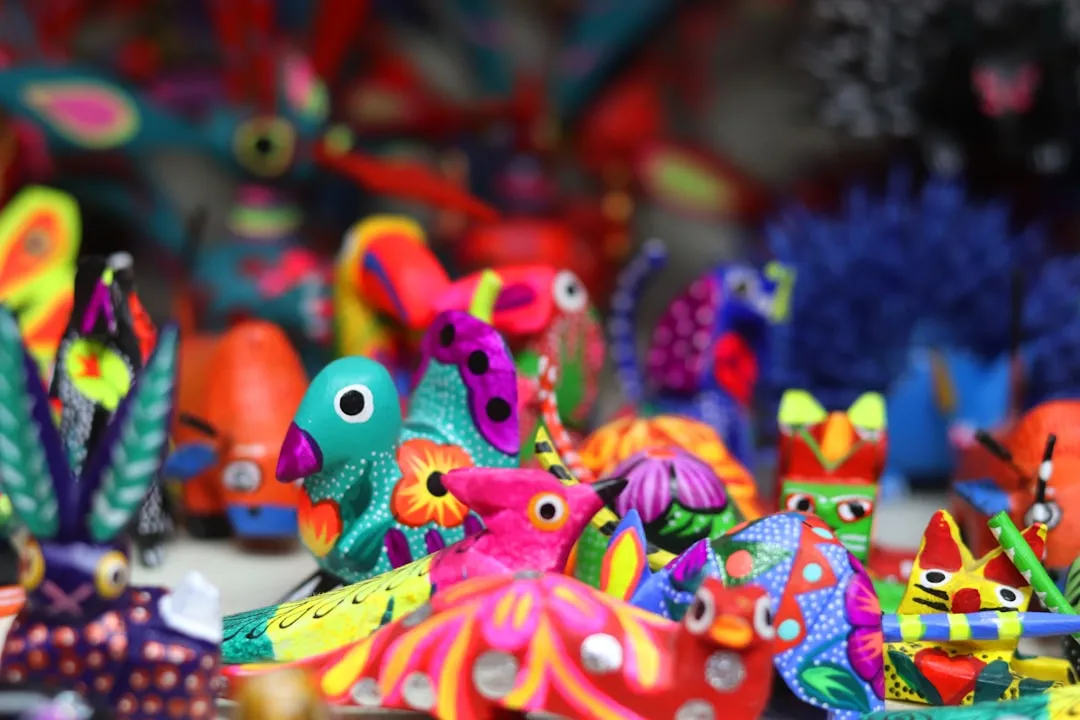
Handicrafts in Oaxaca are not mere products; they are a reflection of the identity, beliefs, and stories of the indigenous communities. Each piece tells a story and is steeped in history, often passed down through generations. The artisans employ techniques that have been honed over centuries, keeping alive the cultural heritage of their ancestors.
The Guelaguetza: More Than a Festival, a Philosophy
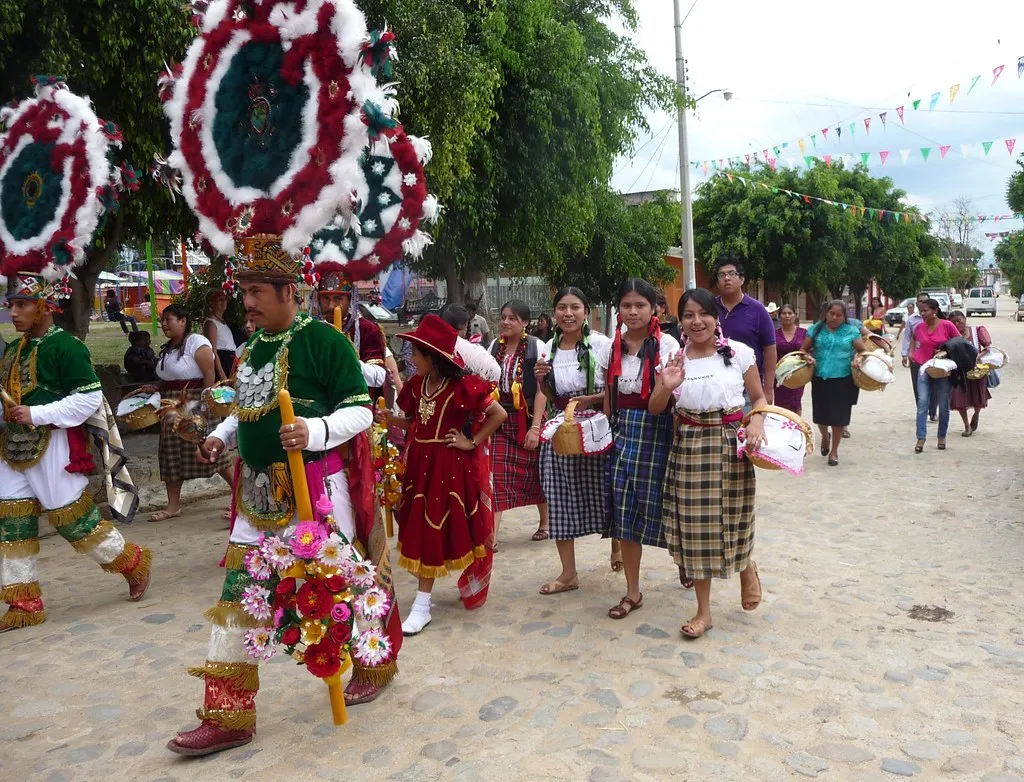
The word Guelaguetza comes from the Zapotec language and is usually interpreted as the “reciprocal exchanges of gifts and services,” in keeping with the importance in indigenous cultures of sharing, reciprocity, and extended community. It’s a useful entry point for understanding how Oaxacan culture actually works, not as spectacle but as lived principle.
In contemporary Oaxaca, indigenous communities from the state gather at the Guelaguetza to present their native cultures, mainly in the form of music, costumes, dances, and food. It is the most famous indigenous gathering of its kind in Mexico. The Guelaguetza 2025 ran from July to August with over 150 cultural, artistic, and gastronomic activities across 31 venues, drawing over 44,000 attendees to the Lunes del Cerro alone.
As the festival became a bigger tourist attraction, some indigenous leaders objected to the ancient traditions being used for commercial purposes. Some people in Oaxaca have supported a return to the celebrations as they believe they were practiced, for the peoples themselves, before European colonialism and the current system. That tension is worth understanding before you go.
Barro Negro: The Pottery of the Night
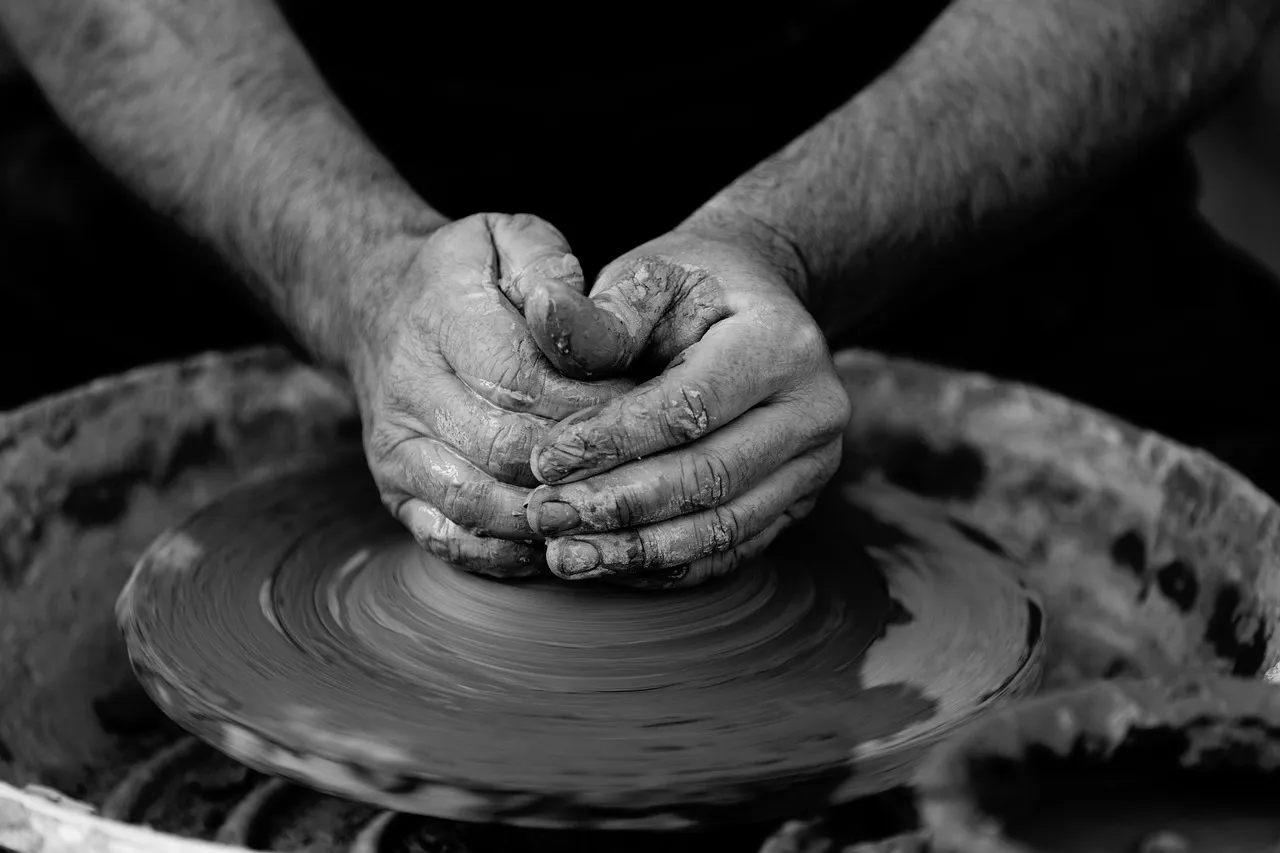
The earliest examples of black pottery were found in Monte Albán, a Mesoamerican Zapotec and Mixtec stronghold dating back to 500 B.C., situated roughly five miles southwest of Oaxaca City at the point where Oaxaca’s three main valleys converge. That’s a craft tradition stretching back two and a half millennia.
The process is as much materials science as artistry. The sealed kiln deprives the fire of oxygen, forcing carbon from the smoke to bond with the clay body. The polished surface reflects light rather than absorbing it, creating the signature metallic sheen that barro negro is famous for today. Without glazing or paint, the transformation is entirely the result of chemistry, heat, and timing.
About 600 families in the area surrounding San Bartolo Coyotepec are dedicated to the craft. Visiting a family workshop there is one of the more grounding cultural experiences available in the region. You’re watching something genuinely ancient happen in real time.
Oaxacan Textiles: Weaving Identity Into Every Thread

Among the most notable handicrafts are the textiles produced by the Zapotec and Mixtec communities. These textiles, often woven on traditional backstrap looms, feature intricate designs and vibrant colors derived from natural dyes. The use of organic materials not only enhances the aesthetic quality but also reflects a deep respect for nature. For instance, cochineal, a natural dye sourced from insects, produces rich reds, while indigo yields beautiful blues.
Teotitlán del Valle is famous for its intricate rugs, woven with traditional Zapotec designs. Travelers can visit family-run workshops to see these masterpieces being made. The Mixteca Alta, a remote mountain region of northern Oaxaca, is home to Mixtec and Triqui-speaking communities whose textile and folk art traditions have endured for centuries.
Monte Albán: Standing Inside Zapotec History
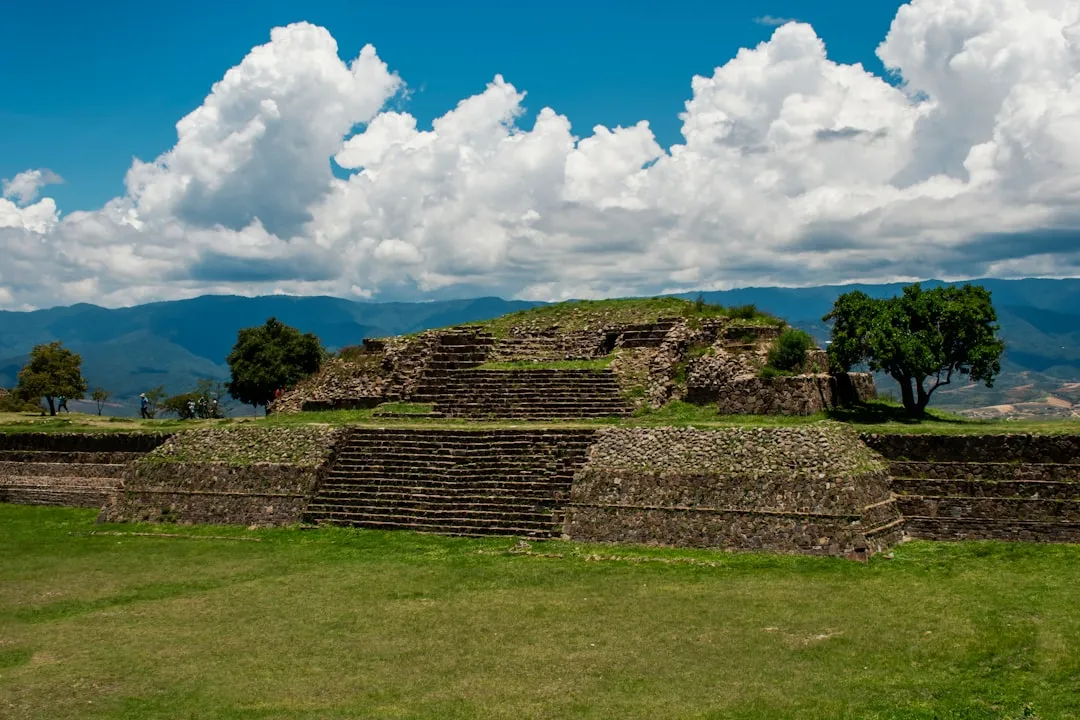
Inhabited over a period of 1,500 years by a succession of peoples, including Olmecs, Zapotecs, and Mixtecs, the terraces, dams, canals, pyramids, and artificial mounds of Monte Albán were literally carved out of the mountain and are the symbols of a sacred topography. UNESCO recognized both the site and the historic city centre in 1987.
Once the Zapotec capital, Monte Albán features terraces, dams, canals, tombs, a field for tlachtli ball games, pyramids, and artificial mounds carved out of the mountain. The city, which extends over four square miles, flourished from about 500 BCE to 850 CE. Walking the main esplanade at sunrise, before the tour buses arrive, is genuinely affecting.
Día de Muertos: A Tradition That Lives, Not Just Commemorates
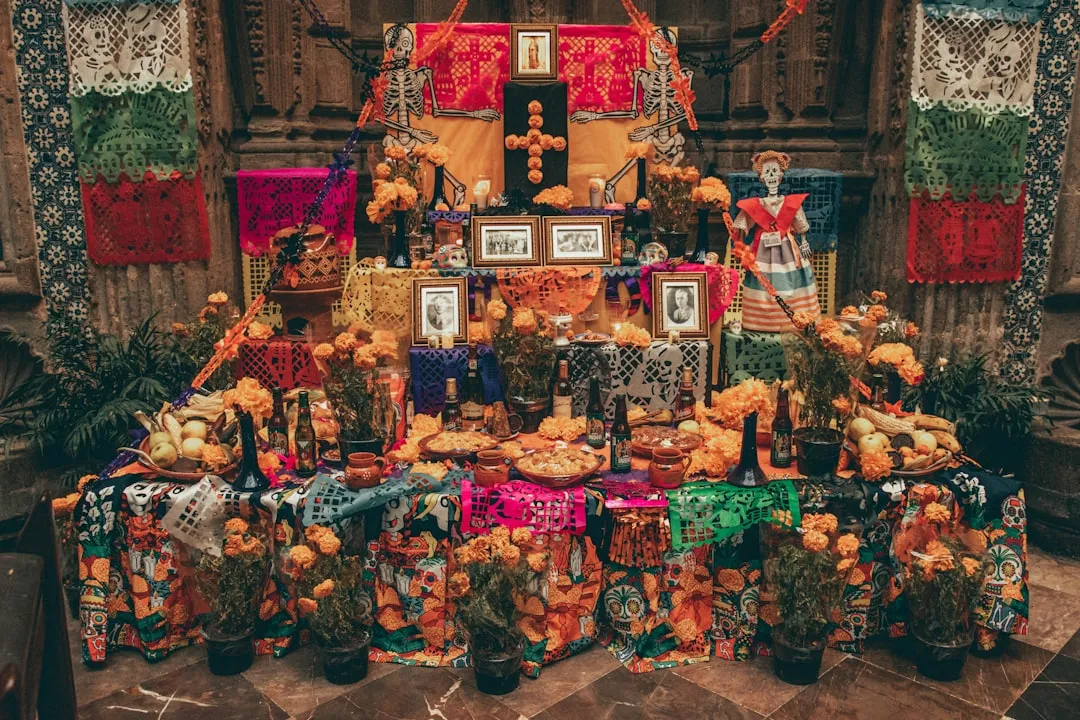
The Día de los Muertos celebration in late October and early November has become a major tourism driver, with hotel occupancy reaching 95 to 100% and prices doubling during the festivities. Book accommodation months ahead if you plan to attend.
Altars are one of the most important Oaxaca Day of the Dead traditions. They feature all the items common in other areas of Mexico, but add the mole that is central to Oaxacan cuisine, lots of marigolds and cockscomb flowers, chocolate, and local fruits. The cemeteries in Oaxaca are full of locals holding overnight vigils to celebrate their dead loved ones with candles, music, food, and drinks. These gatherings are intimate and communal. Enter them with respect.
Día de Muertos officially spans October 31 to November 2. According to tradition, the gates to the spiritual realm open at midnight on October 31 and the spirits of children can rejoin their families for 24 hours. The spirits of adults can do the same on November 1, and everyone is welcome on November 2.
The Mezcal Trail: Craft Distilling as Cultural Act
Oaxaca produces over 90% of all certified mezcal in Mexico, supporting more than 125,000 families, with the global mezcal market valued at over 1.1 billion USD in 2024. The numbers are significant, but the real story is what happens inside a palenque.
The tradition of mezcal production is deeply ingrained in Oaxacan culture. The artisanal methods of distillation reflect centuries of tradition, and a visit to a local palenque allows visitors to witness the craft firsthand. Sampling mezcal in its many forms, from smoky to fruity, is essential, accompanied by the local ritual of sal de gusano and orange slices.
The vast majority of Oaxacan mezcal, classified as artesanal, showcases a commitment to traditional craft-based methods. While Espadín is the most common agave, the use of dozens of wild agaves is what gives Oaxacan mezcal its incredible complexity and value. The 2025 Mezcal Fair brought together over 100 certified mezcal producers across 380 stands, combining cultural exposition with commercial exchange.
The Food Tradition: Seven Moles and a Living Culinary Heritage

Oaxaca’s cuisine merges culinary traditions from at least sixteen indigenous groups, Afro-Mexican populations, and Spanish traditions. That’s not a marketing line. It’s a verifiable fact you taste in every bowl of mole negro, every tlayuda pulled from a comal, every cup of Oaxacan chocolate.
Ancient ingredients like corn, cacao, and native chiles meet Spanish influences introduced during colonization. Oaxacan cuisine is recognized as part of Mexico’s UNESCO Intangible Cultural Heritage. Few places in the world carry that designation for their food, and fewer still deserve it as genuinely as Oaxaca does.
UNESCO and the Push for Responsible Cultural Tourism
UNESCO is implementing a program in nine cities across Latin America and the Caribbean to foster a renewed relationship between urban planning and intangible cultural heritage, alongside sustainable and ethical tourism. One of these cities is Oaxaca. The intent is to ensure that traditions don’t get hollowed out by the very tourism they attract.
One of the agreements reached was the development of the first Inventory of Intangible Cultural Heritage of Oaxaca city, after which comprehensive technical guidelines for urban planning will be established, incorporating a cultural and living heritage perspective. Faced with ongoing challenges, many indigenous communities are actively working to preserve their cultural heritage. Grassroots initiatives have emerged, focusing on cultural education, language revitalization, and the promotion of traditional practices. One notable example is the establishment of community-based organizations aimed at strengthening cultural identity among the younger generations. These organizations often run workshops that teach traditional crafts, music, and dance, ensuring that knowledge is passed down through generations.
Oaxaca is not a museum. The traditions here are practiced, contested, loved, and protected by the people who inherited them. The traveler who comes with that understanding, who buys directly from the artisan, asks before photographing a ceremony, and takes time to sit with the discomfort of what rapid tourism does to a place, tends to leave having received something that no itinerary can fully plan for. That quality of attention is what Oaxaca quietly asks of the people who come through its door.
AI Disclaimer: This article was created with the assistance of AI tools and reviewed by a human editor.