


Most of us board a long-haul flight with little more on our minds than finding our seat and figuring out the entertainment system. We know flights can be uncomfortable. We expect stiff joints, a dry throat, and the peculiar fog of crossing several time zones in a metal tube. What we don’t usually expect is a medical emergency unfolding quietly in our legs while we sleep.
The reality is that certain symptoms during or after a long-haul journey deserve far more attention than they typically get. One in particular, a condition that can go from mild discomfort to life-threatening in hours, is dismissed by travelers every single day. Understanding what to watch for could genuinely save your life.
The Core Threat: What Deep Vein Thrombosis Actually Is

Blood clots can form in the deep veins of your legs during travel because you’re sitting still in a confined space for long periods of time. Deep vein thrombosis (DVT) occurs when a blood clot forms in a vein, often because blood is flowing too slowly through the veins and pooling there. The condition is sometimes dismissed as a problem that only happens to older or unfit travelers, but that assumption is dangerously wrong.
DVT occurs when blood clots in one or more veins. It can happen at any time, but people who travel on long-haul flights are at higher risk because they sit for long periods of time. More than 300 million people travel on long-distance flights each year, and blood clots can be a serious risk for some of these long-distance travelers.
Swelling in One Leg: The Symptom That Demands Attention

A deep vein thrombosis more often causes pain, tenderness, redness, warmth, or swelling in one leg. Some clots cause no obvious symptoms. Seek prompt medical advice if these symptoms develop. The crucial distinction here is the word “one.” General puffiness in both feet after a long flight is common and usually harmless.
Certain warning signs, such as one-sided swelling, calf pain, redness, or shortness of breath, may indicate a serious condition like deep vein thrombosis or a pulmonary embolism, both of which require urgent medical attention. Pain in the leg that gets worse when you stand or walk is especially important when there is also swelling or redness.
Why Sitting Still at Altitude Makes Things Worse
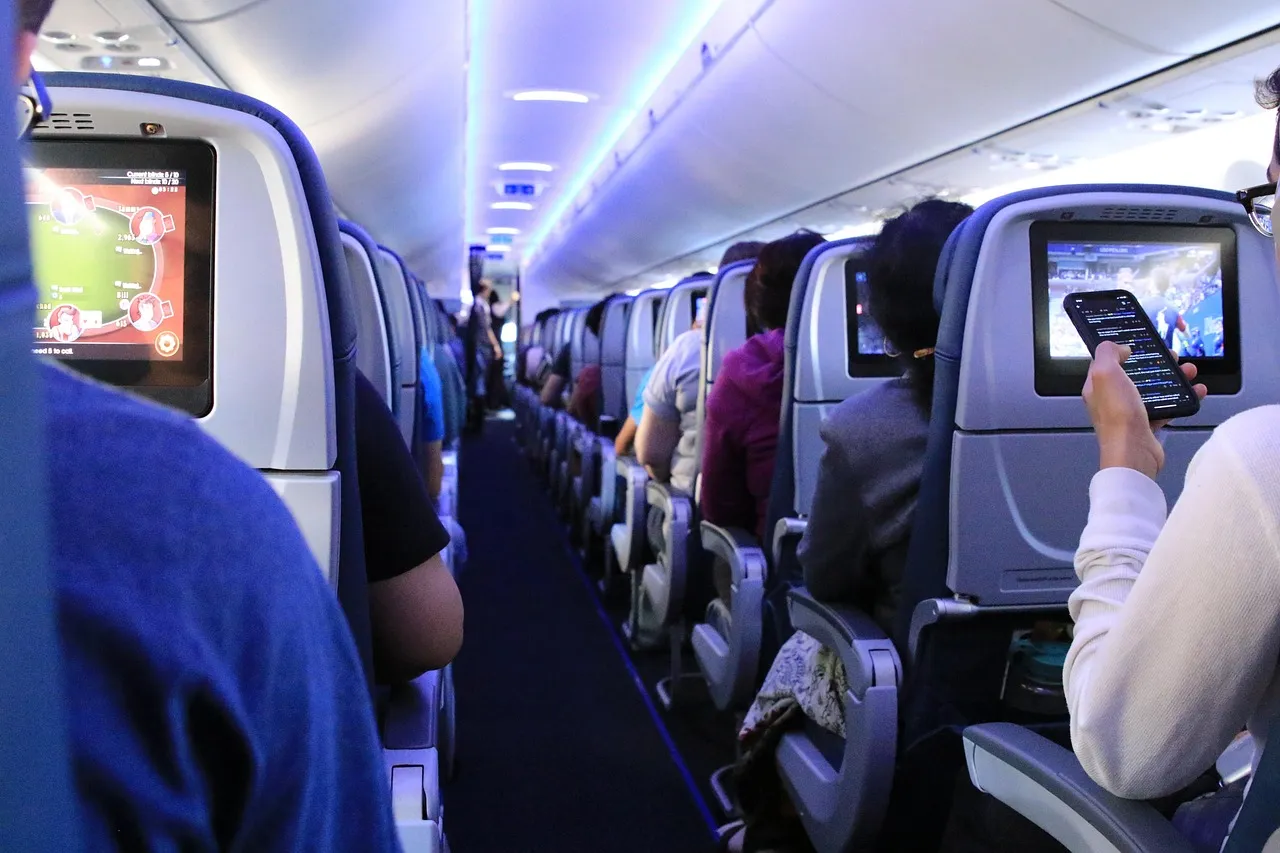
Sitting still for four or more hours slows down the blood flow in your legs, making your blood more likely to clot. Your calf muscles act like a pump when you walk, helping squeeze the veins and push blood back to your heart. Without that movement, blood and fluid can collect in your lower legs.
As airlines push flight durations further, up to 22 hours nonstop, crews and passengers spend longer in a confined environment with reduced cabin air pressure, equivalent to being at 5,000 to 8,000 feet. Cabin pressure also plays a role. Airplanes are pressurized, but not to the same level as sea level, and changes in pressure can affect how fluid moves in the body.
The Numbers Behind the Risk

According to the NHS, the risk of healthy people developing DVT is 1 in 107,000 for flights less than four hours, 1 in 4,600 for flights over four hours, and 1 in 1,200 for flights over 16 hours. Those numbers shift meaningfully with individual health factors. The LONGFLIT study showed that up to 6 people with risk factors out of every hundred on a plane may develop DVT after long flights, and being stuck in the middle seat may increase the risk of developing DVT up to fourfold.
Long-haul flights of 8 hours and longer double the risk for isolated calf muscle venous thrombosis, which also translates into an increased risk for deep venous thrombosis. A study limited to pulmonary embolisms noted a 17-fold increase in risk with flight distances over 5,000 km, equivalent to more than 6 hours of flying time.
When a Clot Reaches the Lungs: Pulmonary Embolism
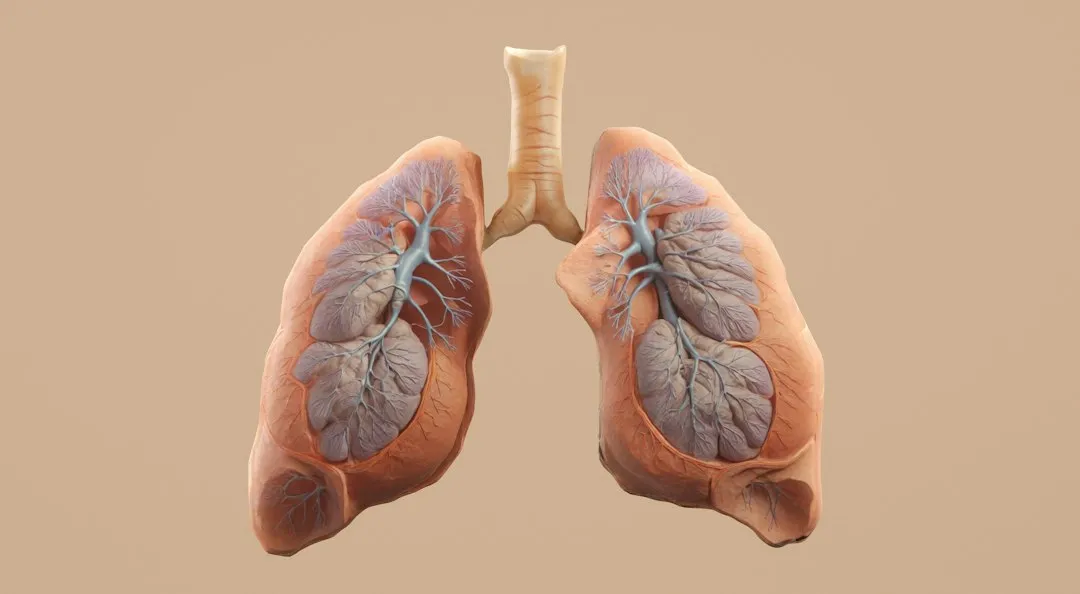
Deep vein thrombosis can develop into a pulmonary embolism, which is a potentially life-threatening complication that occurs when a blood clot breaks free and gets stuck in a blood vessel in a lung. This is the scenario doctors genuinely fear, and it can unfold with alarming speed. If left untreated, about one in ten people with a DVT will develop a pulmonary embolism.
Sudden shortness of breath, chest discomfort, or a rapid heartbeat could indicate a pulmonary embolism, an emergency situation that requires immediate care. Swelling in one leg accompanied by chest pain, shortness of breath, or coughing up blood requires urgent medical attention, as it may indicate a blood clot or pulmonary embolism. These are the moments where acting fast is not optional.
The Silent Cases: When There Are No Symptoms at All

About half of people with DVT have no symptoms at all. This is what makes the condition genuinely treacherous. You can land, collect your luggage, take a taxi to your hotel, and be carrying a dangerous clot with no awareness of it whatsoever. Blood clots might show up right away or develop within a month after flying.
Research suggests that DVT can surface any time between a few days to about four weeks after a long-haul journey, although the highest risk typically appears in the first two weeks following the trip. The British Society of Hematology guideline states that VTE may be attributable to travel if it occurs up to eight weeks following the journey. That’s a long window to stay alert.
Who Faces the Highest Risk

Those who are obese, over the age of 60, take birth control pills or hormone replacement therapies, or who smoke have a higher risk of developing deep vein thrombosis. Passengers with deep venous thrombosis had at least one risk factor for venous thrombosis, including being over 45 years of age or having an elevated body mass index.
Blood clot risks during air travel aren’t the same for everyone. Risk level depends on medical history, physical traits, and lifestyle choices. Travelers who have had a previous DVT face especially elevated odds. Nearly half of patients who were diagnosed with VTE had a past history of VTE.
The Economy Class Myth and Where You Actually Sit
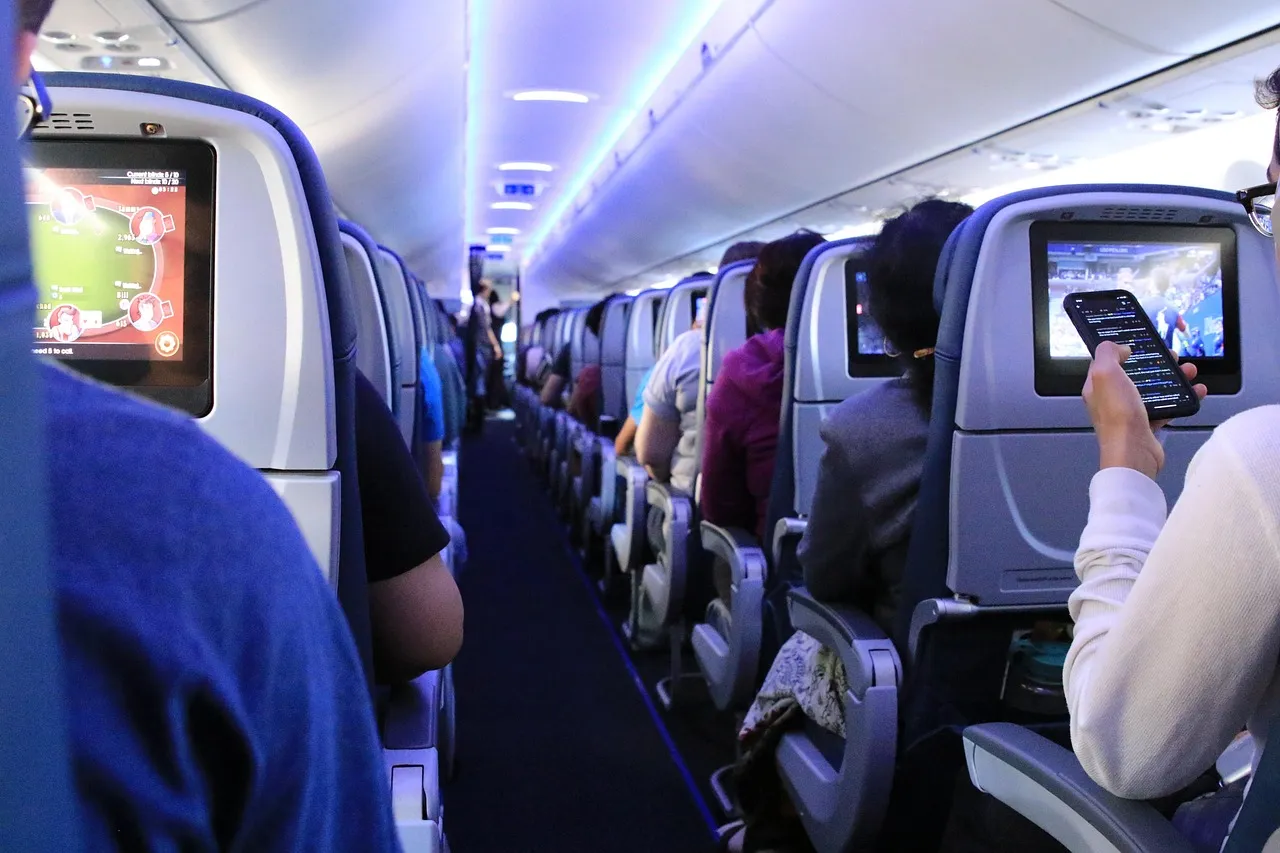
So-called “economy class syndrome” doesn’t discriminate as to where you’re sitting. Doctors have had patients who travel in business class also develop DVT. The term stuck around because the cramped conditions of economy seats reduce the natural tendency to move, but the real problem is immobility, not ticket class. Research has found that roughly 85% of DVTs were observed in passengers in non-aisle seats.
While people used to define long-haul flights as eight hours, there’s data to suggest that even four hours is now considered long enough to pose a meaningful risk. Choosing an aisle seat and actually using the freedom it provides to stand and move makes a practical difference that goes beyond comfort.
What Doctors Recommend to Reduce the Risk
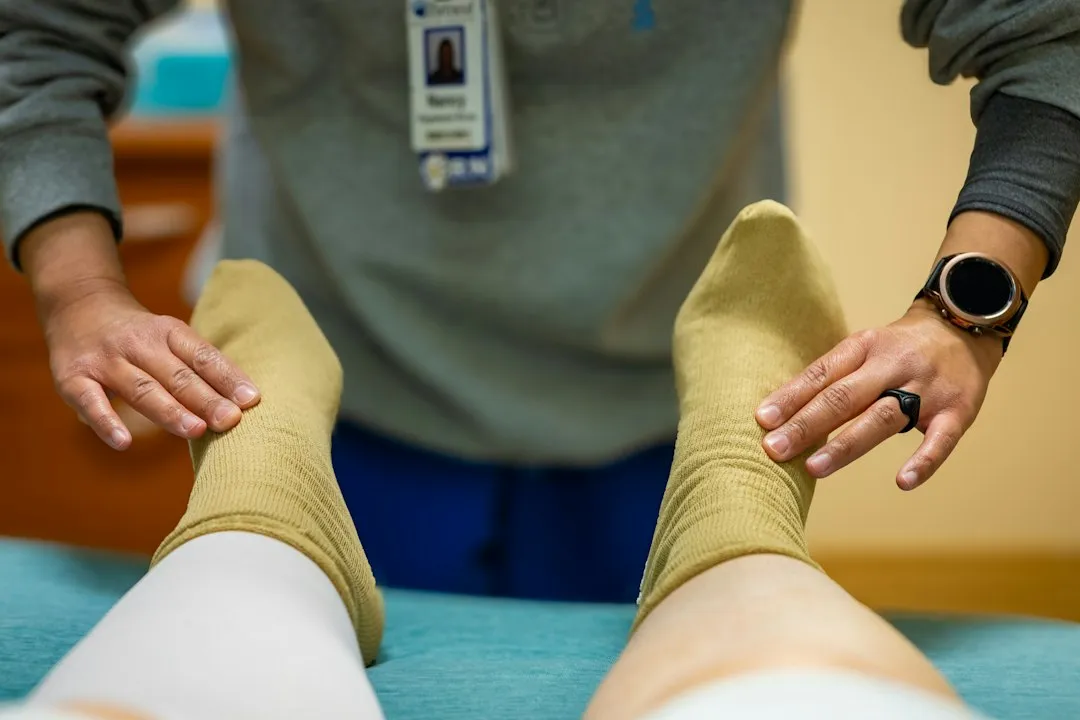
Mayo Clinic suggests drinking plenty of water, standing and walking around the plane during the flight, circling your ankles while sitting, and wearing support stockings. To prevent blood clots while flying, walk around the cabin every one to two hours, perform seated leg exercises, stay hydrated by drinking water regularly, and avoid alcohol and caffeine.
Some travelers wear compression stockings to prevent travel-related thrombosis. The stockings put pressure on the veins, which helps to send blood from the legs back to the heart. Several studies involving a total of more than 2,600 airline passengers looked into whether compression stockings can reduce the risk of thrombosis when flying, and the evidence supports their use.
When to Seek Immediate Medical Help
The NHS says you should seek urgent medical attention if, while flying, you develop breathing difficulties and swollen, painful legs, especially if one is more swollen than the other. You may also notice a heavy ache in the affected area, warm skin in the area of the clot, and redness at the back of the leg below the knee. None of these should be written off as normal travel fatigue.
If you notice leg swelling, pain, redness, or warmth in the days following your flight, don’t hesitate to get it checked. More urgent symptoms, such as sudden shortness of breath, chest discomfort, or a rapid heartbeat, could indicate a pulmonary embolism, an emergency situation that requires immediate care. Call emergency services, not a pharmacist. Not a travel clinic. Emergency services.
A Measured Takeaway for Every Long-Haul Traveler

Ultra-long-haul flights increase exposure to immobility, low cabin pressure, low humidity, and fatigue. Most healthy travelers will complete a long flight without any serious consequence, and it’s important to keep that perspective. Even if you travel a long distance, the risk of developing a blood clot is generally very small.
Still, “generally small” is not the same as “zero,” and the consequences of missing the warning signs are severe enough to merit real attention. One-sided leg swelling, persistent calf pain, unexpected breathlessness, or chest discomfort after a long flight are not symptoms to sleep off. They’re symptoms to act on. The gap between a treatable clot and a life-threatening emergency is often nothing more than the time it takes to ask for help.
AI Disclaimer: This article was created with the assistance of AI tools and reviewed by a human editor.