


There was a time when driving carried a kind of social contract. You waved when someone let you in. You kept your lights low for oncoming traffic. You moved right when you didn’t need to pass. These weren’t laws exactly, more like shared understandings that kept the whole system running smoothly. Somewhere along the way, that contract started to fray.
The numbers tell a striking story. Roads are more congested, tempers are shorter, and a set of once-common courtesies has quietly disappeared from everyday driving. What follows is a look at ten habits that used to define road etiquette, grounded in current research and what experts are actually saying in 2025 and 2026.
1. Using Your Turn Signal Every Single Time
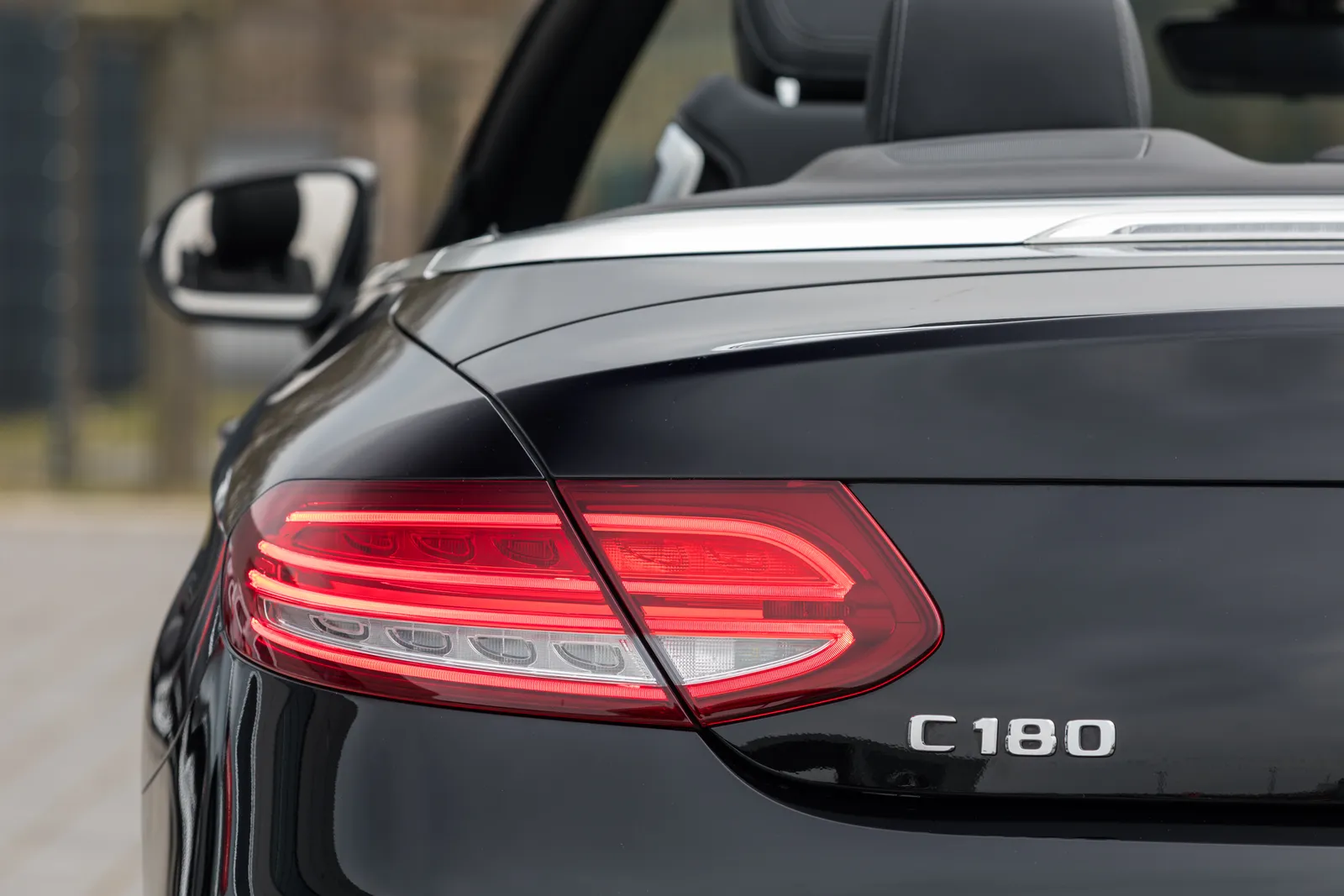
According to a study by the Society of Automotive Engineers (SAE), drivers fail to signal when switching lanes roughly half the time and fail to signal when turning about one in four times. That’s not an occasional slip. That’s a widespread habit of omission that carries real consequences. The SAE found that nearly two million automobile crashes in the United States are directly attributed to improper or absent turn signal usage, a figure that surpasses accidents caused by distracted driving.
Drivers across the U.S. fail to use their turn signals in situations where they should a staggering 750 billion times a year. The reasons given are telling: roughly two in five signal-avoiders said they didn’t have time, and nearly a quarter admitted they were just too lazy. For something that takes a single finger and less than a second, it’s a remarkably poor trade-off against the risk involved.
2. Keeping a Safe Following Distance
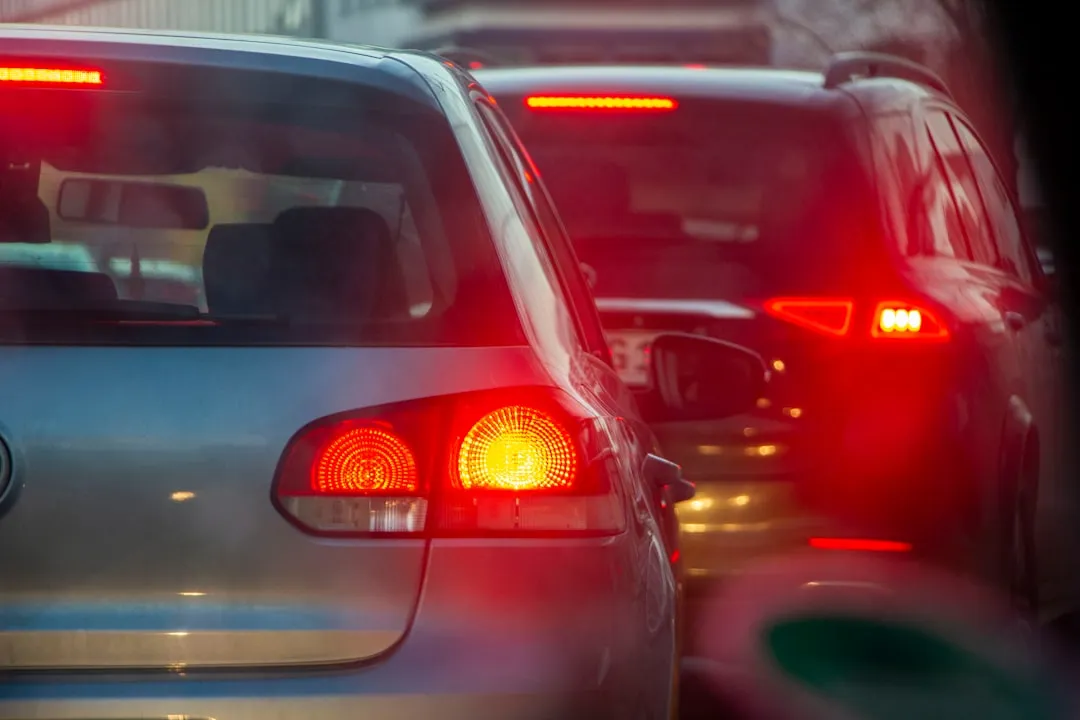
Following too closely contributes to around eight percent of people killed or seriously injured each year on England’s motorways and major A roads, which equates to an average of 147 casualties annually based on five years of data. In the U.S., the picture is similarly troubling. When the Zebra conducted its road rage survey, the top behavior people reported experiencing was tailgating. Around 45% had experienced it in 2024, and that figure climbed to roughly 52% in 2025.
The UK’s Department for Transport found that in 2022, 198 people were killed and 6,730 were seriously injured in crashes where tailgating was a factor. The frustrating reality is that tailgating rarely saves time. Tailgaters often apply their brakes frequently because they don’t have time to react to speed changes ahead of them. This causes drivers behind them to brake as well, creating a chain reaction that results in traffic slowdowns and ironically increases the chances of rear-end collisions.
3. Letting Pedestrians and Cyclists Have Their Space
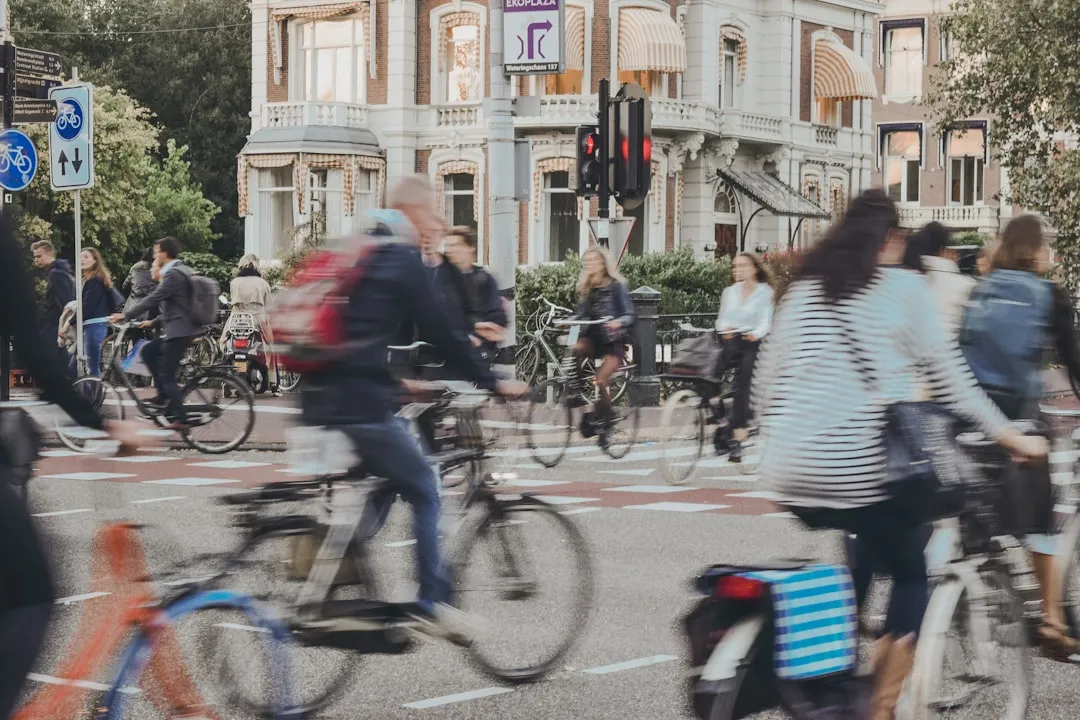
Pedestrian and cyclist safety has become a genuine crisis on modern roads. According to the National Highway Traffic Safety Administration, there were an estimated 39,345 traffic fatalities in 2024, a figure significantly higher than a decade prior. Distracted and impatient driving is a direct contributor, and the most vulnerable road users bear the heaviest cost. Distracted driving leads to approximately nine fatalities every single day in the U.S.
Drivers do still observe some safe behaviors around vulnerable road users: the majority report taking extra care around pedestrians and exercising caution around cyclists. Yet the self-reported nature of these surveys matters. Most drivers perceived themselves more favorably than others, with nearly four in five believing they drove more safely than those around them. That gap between self-perception and reality is where the problems live.
4. The Disappearing Act of the Courtesy Wave
The courtesy wave, that small acknowledgment when someone lets you merge or yields the right of way, has become almost a relic. It was never a legal requirement, but it served a real social function. Research from the AAA Foundation for Traffic Safety confirms that the smallest gestures of acknowledgment genuinely matter. The AAA study found that encouraging good road etiquette may be the most effective way to reduce aggressive driving and road rage, with simple actions like letting others merge and offering a friendly wave helping to de-escalate tension.
Road etiquette and manners appear to be a protective factor against aggressive driving. Drivers who indicated that good manners were important to them were less likely to have high levels of engagement in aggressive driving. The courtesy wave, in other words, isn’t just politeness. It’s a small intervention in what is increasingly a cycle of hostility. The AAA study found that the more drivers are exposed to aggressive behavior on the road, the more likely they are to drive aggressively themselves, creating a self-fulfilling cycle where impatience and hostility become the norm.
5. Staying Right Except to Pass
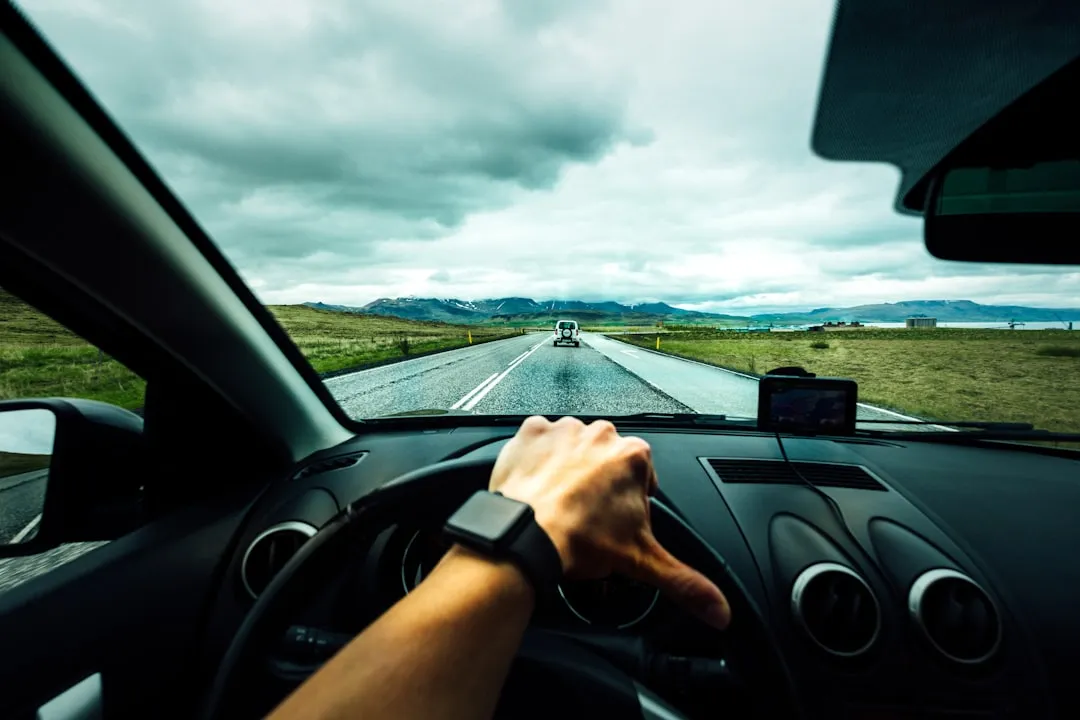
Left lane camping, the practice of cruising indefinitely in the passing lane, is one of the most reliably infuriating habits on modern highways. It’s also increasingly illegal. In 2025, one U.S. state passed a law forbidding driving in the left lane without passing, with violations carrying a fine. Left lane camping can get you a ticket in multiple states. Massachusetts, New York, Washington, and Arizona have similar laws on the books.
Left lane camping is dangerous, causing more accidents than drivers going ten miles per hour over the speed limit. The frustration it creates also feeds directly into the aggressive driving cycle. About 20% of millennials have admitted to slowing down to annoy or educate people who want them to move over, and about 30% use the left lane to cruise on highways. Treating the left lane as a general travel lane rather than a passing lane ripples into congestion, tailgating, and weaving, all of which are rising.
6. The Art of the Proper Merge
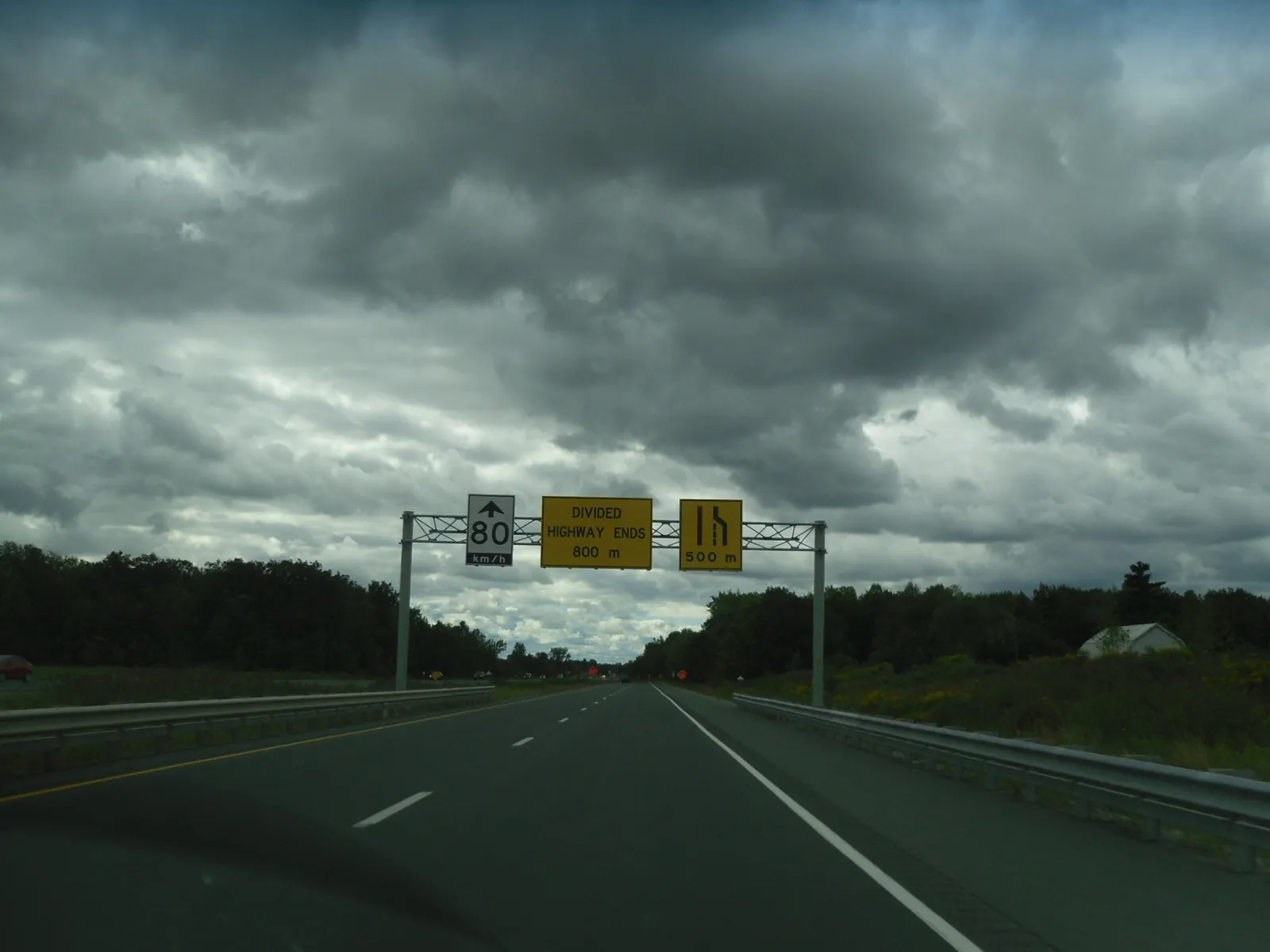
Few moments on a highway generate more confusion, and more misplaced rage, than a merging situation. Many drivers treat someone staying in a closing lane until the last moment as an act of selfishness. The opposite is actually true. The zipper merge is a traffic management technique where drivers maintain both lanes until reaching a designated merge point, then alternate into the open lane. This method improves traffic flow and reduces congestion by maximizing the use of available road space.
A study by the Minnesota Department of Transportation found that zipper merging can reduce traffic backup by as much as 40%. Data from Inrix found that American drivers in 2025 spent nearly 50 hours a year sitting bumper to bumper, up from 44 hours in 2024. Proper merging behavior, practiced consistently and cooperatively, is one of the few things drivers can actually do to ease that number. According to the U.S. Department of Transportation, other than severe weather, merging is the biggest enemy to the flow of traffic.
7. Driving Without Distraction
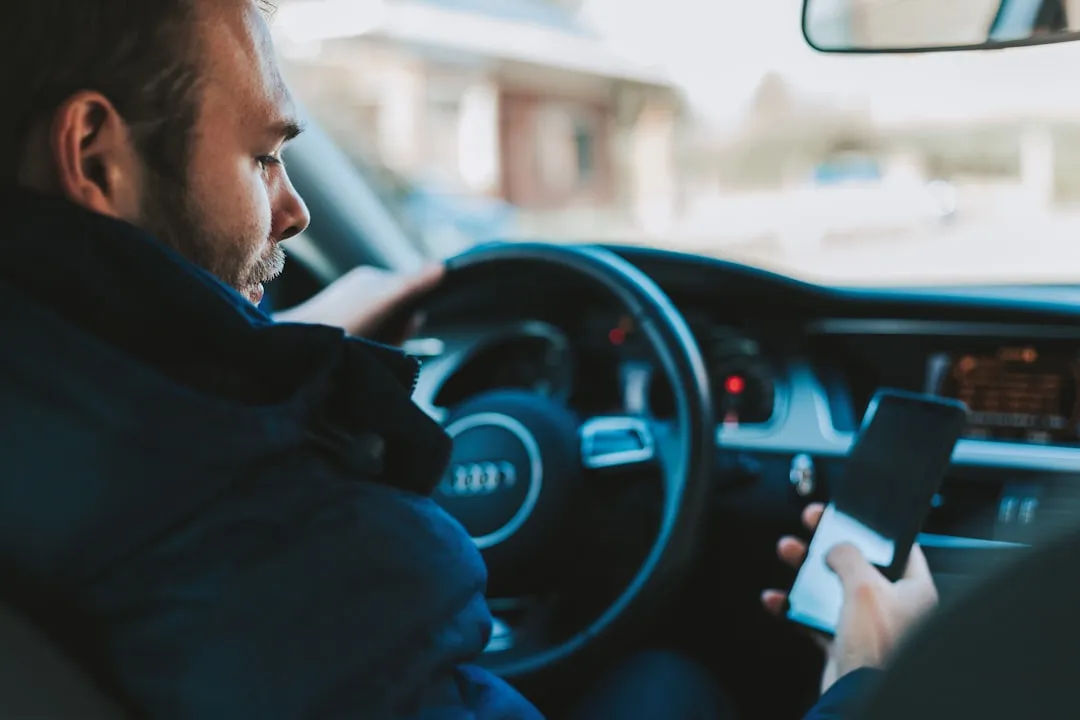
Nearly four in ten U.S. adult drivers admitted to being involved in a minor fender bender or accident due to a moment of distraction. Still, the behavior persists. Over half of drivers surveyed said they only look at their phone while stopped at a red light, treating a momentary pause as a safe window for checking messages. It isn’t. Texting while driving involves all three types of distraction, visual, manual, and cognitive, and can take a driver’s eyes off the road for an average of five seconds, which at highway speeds is like driving the length of a football field without looking.
The majority of drivers report that 88% of people around them use cell phones while driving, ranking it among the most commonly observed risky behaviors. As of 2025, 48 states have enacted laws banning texting while driving, yet enforcement remains inconsistent and behavior has been slow to change. The phone has effectively replaced the act of paying attention as the default passenger-seat activity, only it’s increasingly happening in the driver’s seat too.
8. Dimming High Beams for Oncoming Traffic
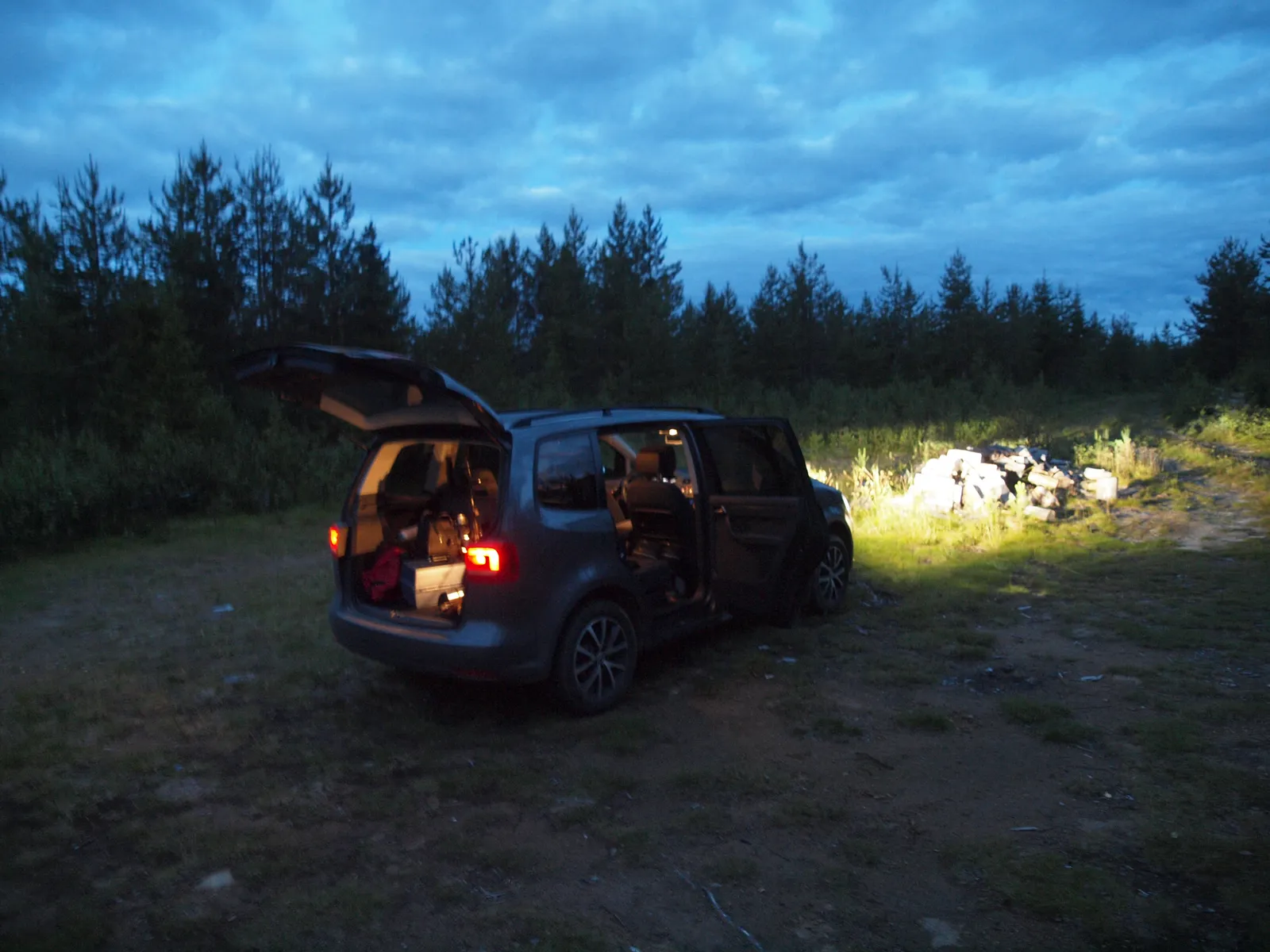
High beam courtesy is one of the oldest unwritten rules of the road. It is also one of the most casually violated. Modern LED and adaptive headlights have made cars brighter than ever, which makes the failure to dip beams for oncoming drivers more impactful than it once was. The habit of switching to low beams when another car approaches seems to have quietly slipped away for a significant portion of drivers, even when the glare being created is severe enough to cause temporary blindness.
Traffic safety researchers have long flagged improper headlight use as a contributing factor in nighttime collisions, particularly on rural and two-lane roads. Understanding the cultural context of driving, along with the personal factors that influence driving behavior, is essential for explaining why risky behaviors continue to contribute to tens of thousands of traffic fatalities each year. High beam etiquette is exactly the kind of small, habitual behavior that slides under the radar of enforcement but compounds into real danger after dark.
9. Taking Personal Responsibility for Road Behavior
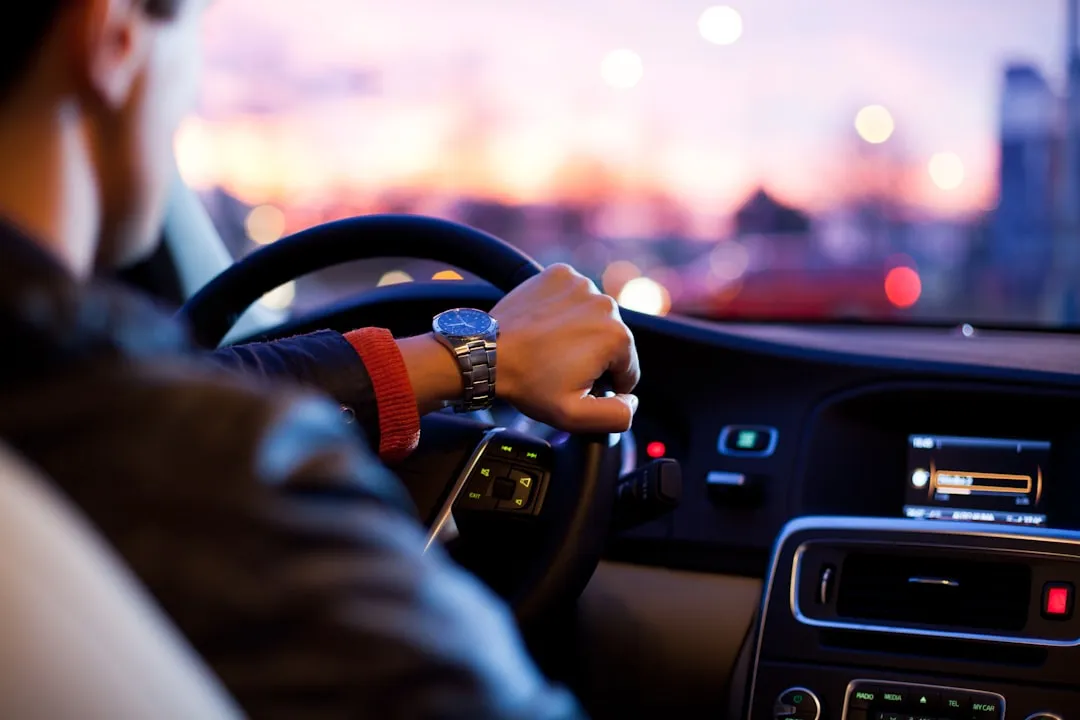
There is a persistent disconnect between how drivers see themselves and how they actually behave. According to survey data, people have a tendency to assume they are better drivers than they actually are. More than half of drivers describe themselves as somewhat or very cautious, but the majority say they obey speed limits only sometimes, rarely, or never. This gap isn’t a minor statistical quirk. It reflects a cultural reluctance to own the role each driver plays in road safety.
Nationwide’s 2024 Driving Behavior Survey found that while many drivers think they’re good at driving and don’t exhibit distracted behaviors, most think others are bad drivers and roads are unsafe. This suggests an unwillingness to take responsibility for driving dangers, making it hard to improve. Despite widespread recognition of deteriorating road conditions and escalating risks, there is a collective reluctance to assume responsibility for improving driving habits. Good etiquette, at its core, requires acknowledging that you’re part of a shared system, not just passing through it.
10. Controlling Temper Behind the Wheel
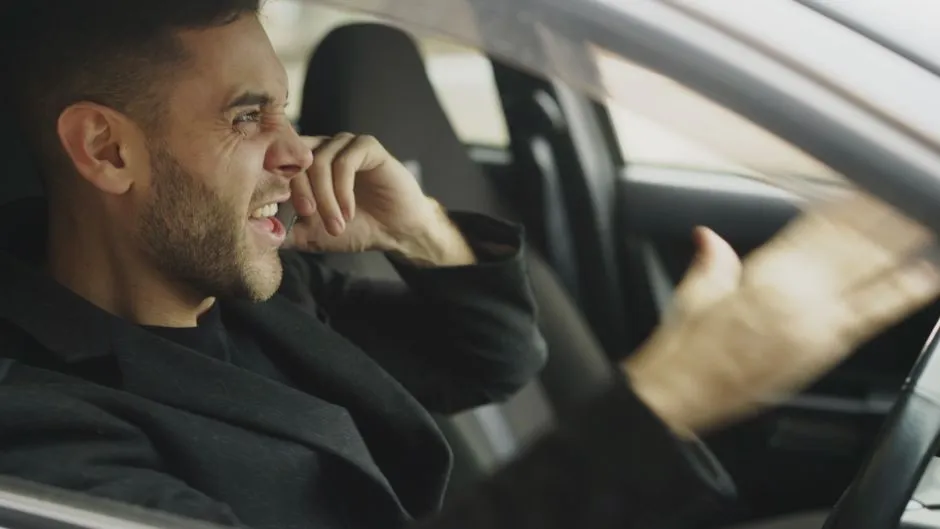
A staggering 96% of drivers admit to engaging in aggressive driving behaviors over the past year, according to a 2025 study from the AAA Foundation for Traffic Safety. That number is almost too large to process, but it tells you something important: aggressive behavior has ceased to be the exception. In fact, roughly three quarters of people believe that road rage has increased, and that number held reasonably steady across all generations and genders.
A total of 12,610 injuries and 218 murders have been attributed to road rage over a seven-year period in the United States, and according to the NHTSA, 66% of traffic fatalities are caused by aggressive driving. Reported road rage shootings have surged by over 400% in recent years, with drivers being responsible for shooting 3,095 people, 777 fatally, between 2014 and 2023. Those figures represent the extreme end. Yet the everyday root is familiar: a feeling of entitlement, a shortened fuse, and the anonymity that comes with being inside a vehicle. Patience behind the wheel was once considered basic. It now qualifies as something closer to a civic virtue.
The Road Still Belongs to All of Us

Road etiquette was never really about courtesy for its own sake. It was practical. It kept traffic flowing, kept tempers manageable, and kept people alive. The AAA’s own research concluded that road etiquette and manners can be a protective factor against aggressive driving. The habits listed here aren’t relics of a more polite era. They’re functional tools that still work, if people choose to use them.
Overall, phone use at red lights has normalized distracted driving, intentional speeding and aggression are common, and self-perception of cautious driving contrasts sharply with reported levels of misconduct. The data makes a clear case, but data rarely changes behavior on its own. What changes behavior is a shift in what drivers consider normal and acceptable. That shift starts with the small decisions: signal early, give space, dim the lights, let someone in. None of it is complicated. It’s just been forgotten.
AI Disclaimer: This article was created with the assistance of AI tools and reviewed by a human editor.