
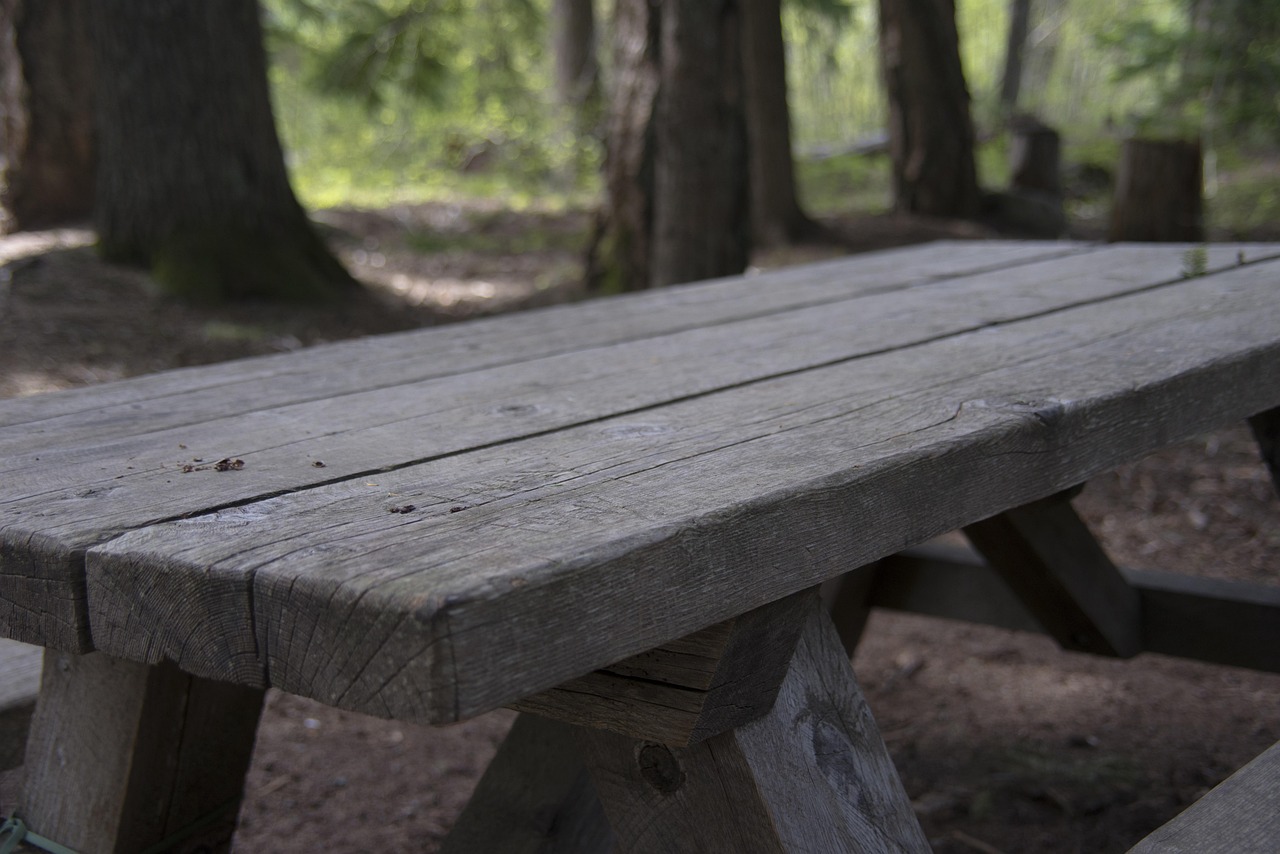

There was a time, not so long ago, when a family road trip meant stopping at a shaded pull-off, spreading a cloth over a wooden picnic table, and eating a proper meal with the sound of wind in the trees and the distant hum of passing cars. Nobody called it a wellness ritual. It was just what you did. You stopped. You ate. You breathed for a minute before getting back behind the wheel.
That small, low-cost tradition has quietly faded. Today, most drivers pull into a gas station forecourt for a microwaved sandwich eaten in the front seat. The picnic table sits empty, often forgotten, sometimes overgrown. This article is about why that matters more than we think, and why, in 2026, it might be exactly the right time to bring that habit back.
Where It All Began: A Picnic Table Made from Scrap Wood
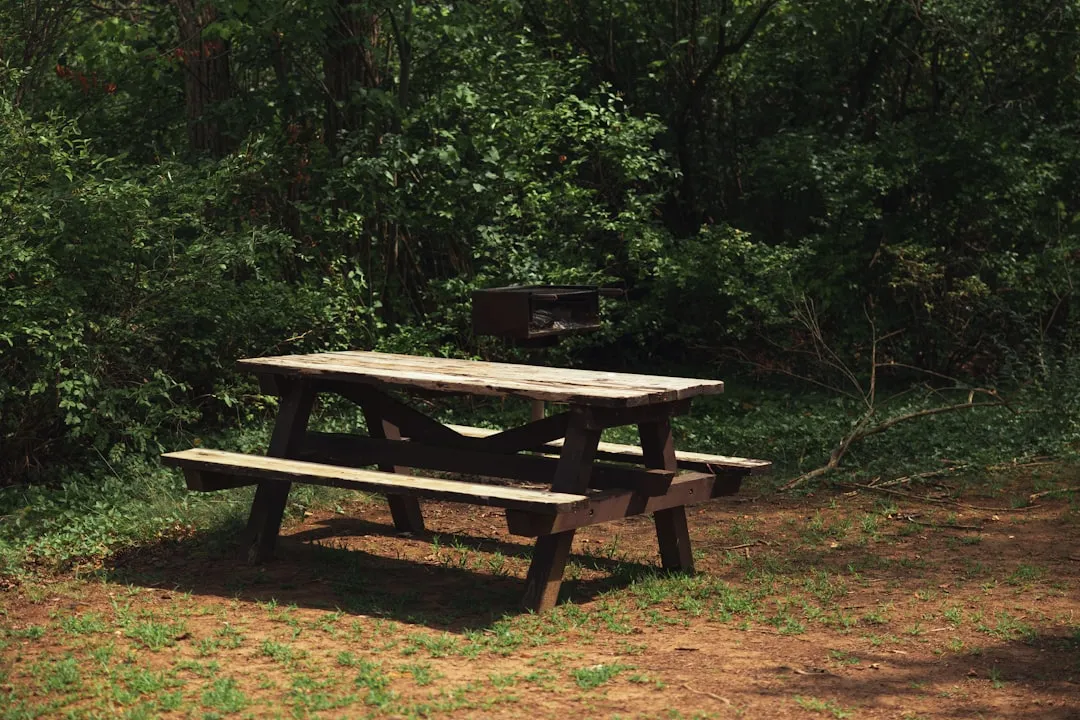
In 1929, a county road commissioner in Michigan set his snowplow operators on a new downtime task: constructing roadside picnic tables from scrap wood. These handy new amenities debuted in the spring, set out beside highways, and were met with delight by weekend joyriders and serious travelers alike. The publicly owned rest area was born.
The story goes that a young county engineer named Allan Williams had spotted a family trying to eat a picnic lunch from a tree stump alongside their parked car. They had a spread out on a white cloth, but couldn’t sit comfortably around their makeshift table. In the days that followed, Williams saw this scene repeated with increasing frequency. An outdoorsman himself, he decided people deserved better facilities for resting along the highways.
During the Great Depression, Civilian Conservation Corps crews, responsible for much of the natural “parkitecture” style of the national parks, also worked for state highway commissions. The Corps created rustic structures and posted historic markers at rest areas and roadside parks in Minnesota, Texas, Nevada, Arkansas, and several other states. That early investment in roadside dignity quietly shaped American travel culture for generations.
The Interstate Era and the Rise of the Safety Rest Area
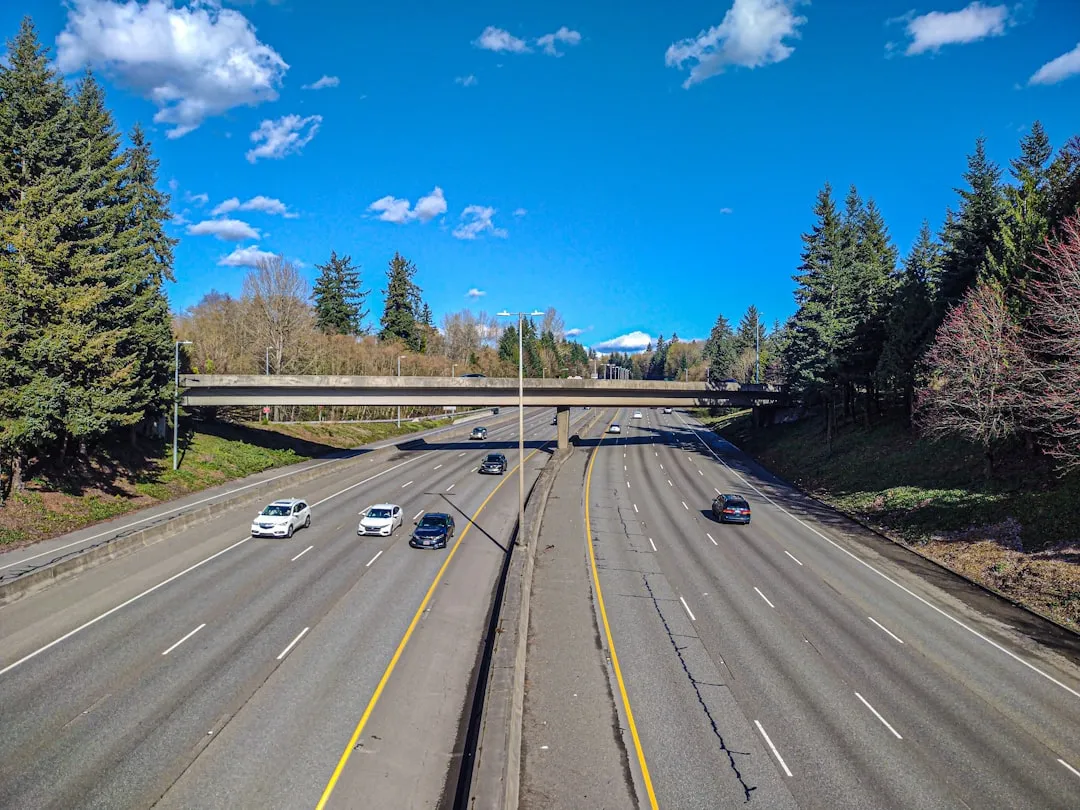
The Interstate Highway System was first conceived in the late 1930s but did not come to fruition until the mid-1950s with the passage of the Federal Aid Highway Act of 1956. With it came a new vision for what a roadside stop could be, something intentional rather than improvised.
Safety rest areas were constructed as part of the Interstate Highway System, modeled after roadside parks, to provide minimal comfort amenities for the traveling public, generally consisting of toilet facilities, drinking water, picnic grounds, and information dispersal. Early in their developmental history, however, design aesthetics moved in the tradition of roadside architecture that dominated American highways in previous decades. Safety rest area sites emerged as unique and colorful expressions of regional flavor and modern architectural design.
When stopping at an interstate rest area, travelers could expect to find flushing toilets, running water, travel information, picnic tables often accompanied by barbecue grilles, shelters to protect them from the sun and wind while enjoying a picnic lunch, walking paths, and in some places children’s play equipment. These were considered genuine public assets, not afterthoughts.
The Architecture of Place: More Than Just a Bathroom Stop
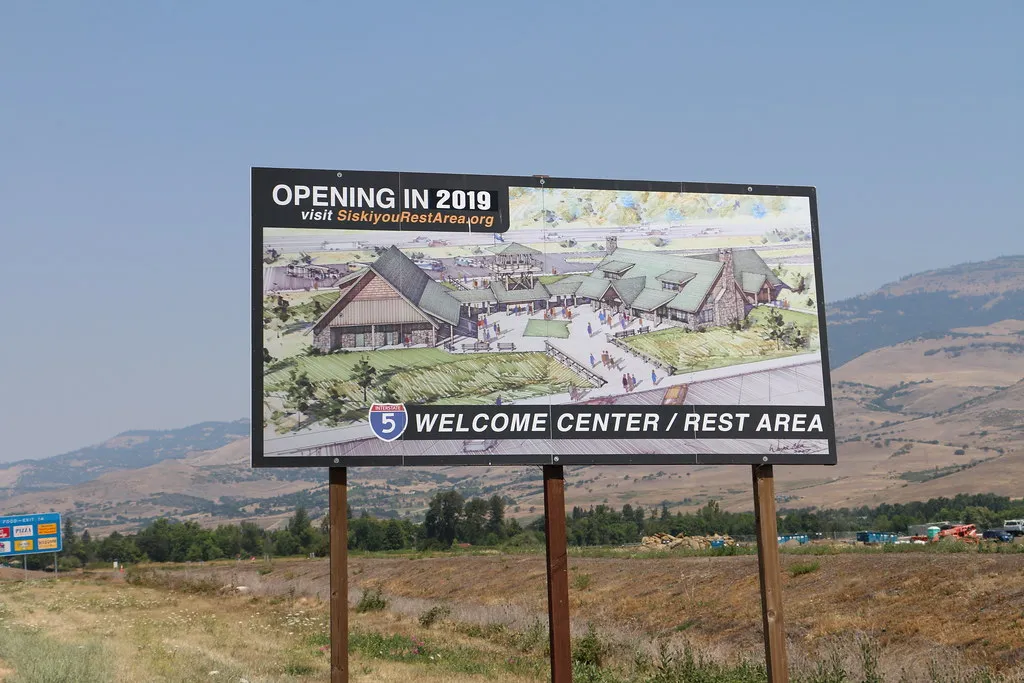
Safety rest area sites emerged as unique and colorful expressions of regional flavor and modern architectural design. Safety rest areas functioned to create a context of place within the Interstate System, achieved through the implementation of unique and sometimes whimsical design elements and the use of regionally signifying characteristics.
A lot of rest stops portray the characteristics of the local area or state. For example, rest areas in Oklahoma had picnic tables modeled after tipis, in Texas you’ll find Texas flags, and in New Mexico you’ll find the yellow state flag and adobe-like structures. This wasn’t decoration for its own sake. It was a way of telling travelers where they were.
South Dakota chose a single unifying element to tie together its rest areas along I-90. In the 1970s, nine 56-foot-tall sculptures were erected at the rest areas, each a circle of long concrete poles that leaned together to support each other, representing the tipi poles of Plains Indians. Along New Jersey’s turnpike and highways, the state honors its celebrity residents and natives by naming rest areas after them. The roadside stars include Whitney Houston, James Gandolfini, Jon Bon Jovi, Frank Sinatra, Walt Whitman, Connie Chung, and Celia Cruz. The famous names are prominently displayed and sometimes accompanied by an exhibit and photos.
The Slow Disappearance: Budget Cuts and Changing Habits
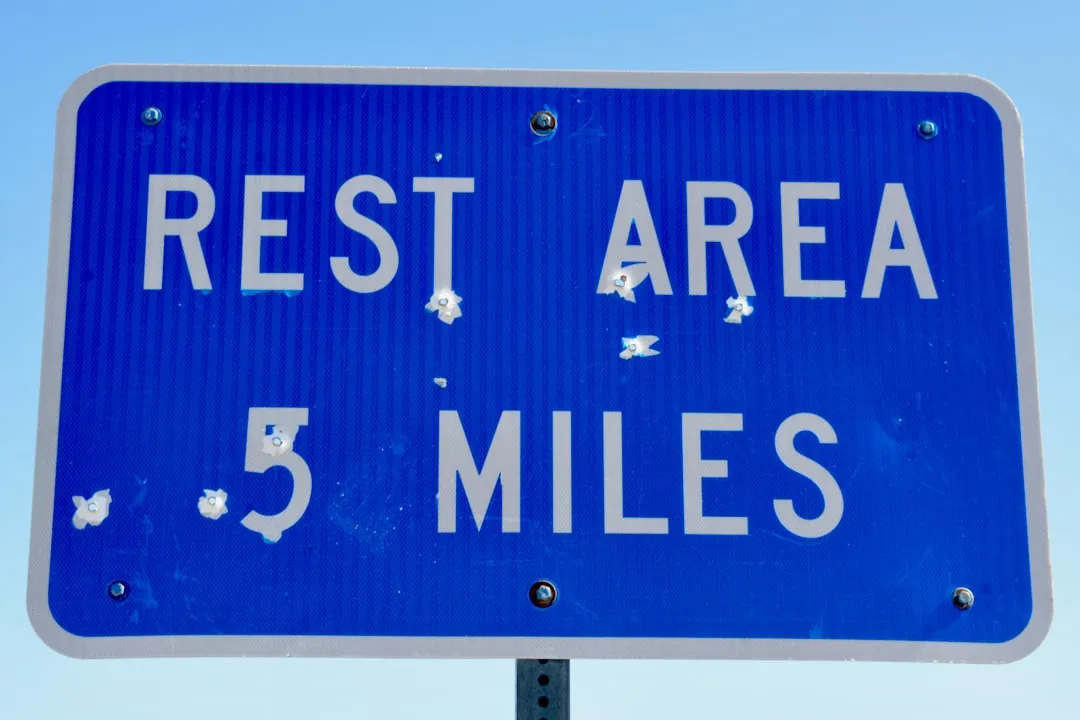
For more than half a century, old-fashioned, no-frills highway rest stops welcomed motorists looking for a break from the road, a bathroom, or a picnic table where they could eat lunch. In some states, these roadside areas are disappearing. Cash-strapped transportation agencies are shuttering the old ones to save money, or because they don’t attract enough traffic, or because renovating them has become too costly.
Over time, fast food chains, gasoline stations, and motels have sprung up just off exits, offering more services to drivers. “Decades ago, when these rest areas went in, we didn’t have a convenience store or a truck stop at every exit, like we do now,” said Tammy Williams, an engineer for the South Dakota Department of Transportation.
Unfortunately today, many states are doing away with these rest areas, as the more amenity-rich gas station stops have taken their place. The tradeoff is real but worth examining. A gas station offers more calories and faster checkout. What it doesn’t offer is shade, stillness, or a reason to sit down with the people you’re traveling with.
The Safety Case Is Stronger Than Ever
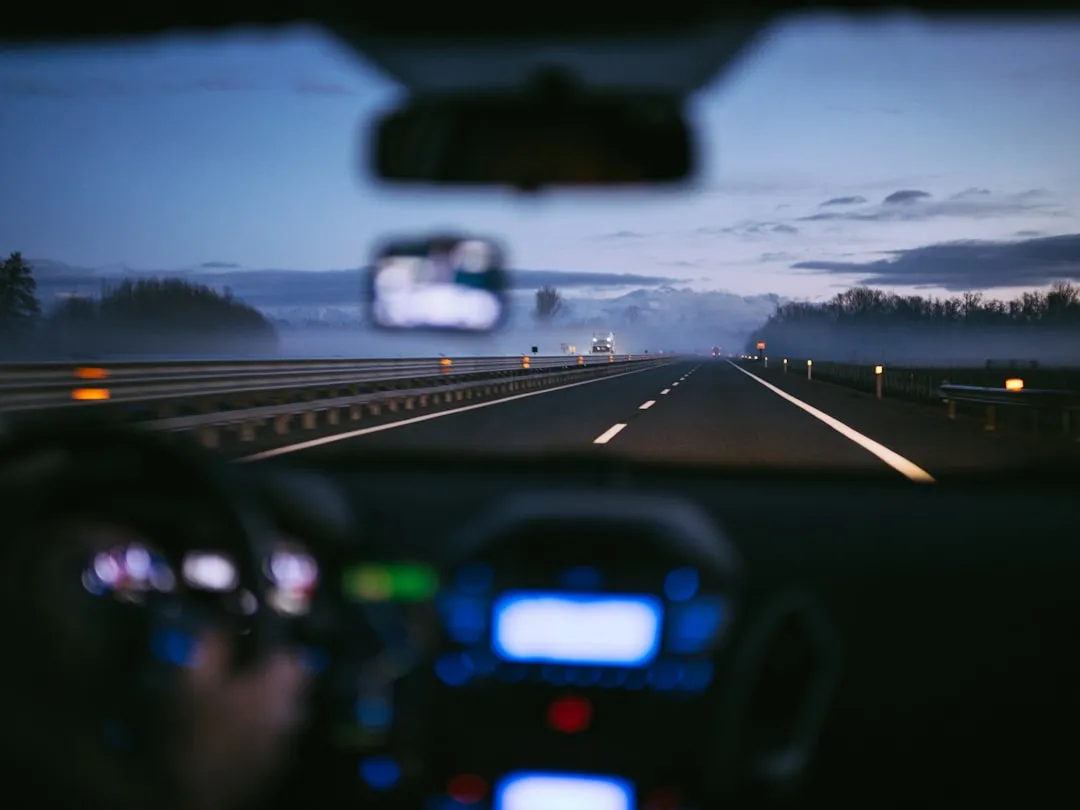
More than 6,300 people died in suspected drowsy driving crashes in 2023, ten times higher than the 633 deaths officially reported in federal statistics. The Governors Highway Safety Association conducted a comprehensive analysis in 2025 that uncovered this hidden toll by cross-referencing multiple sources, including the Fatality Analysis Reporting System and the Crash Investigation Sampling System.
According to AAA, drowsy driving accounts for about 328,000 crashes annually on the roadway, 109,000 injuries, and 6,400 fatalities each year. NHTSA estimates fatigue-related crashes resulting in injury or death cost society $109 billion annually, not including property damage. These are not abstract numbers. They represent real people who simply needed a proper break.
Those making a long-distance drive should take regular breaks at rest areas and for meals, according to the Governors Highway Safety Association. A real picnic stop, the kind where you get out of the car, walk around, and sit for 20 minutes, is not a luxury. It’s exactly the kind of break that keeps a driver alert and a family safe.
What Eating Outdoors Actually Does to Your Brain

A 2024 study in Communications Psychology found that experiencing nature led participants to choose healthier foods compared with urban or control conditions. In 2024, French researchers gathered 3,726 people from three countries and offered everyone the same snacks: fruit, nuts, biscuits, crisps. Across five different experimental setups, the same result appeared: in nature, people chose healthier options. More nuts, fewer crisps. No willpower required. The environment did it.
A 2019 study in Frontiers in Psychology demonstrated that 20 to 30 minutes of nature exposure produces a measurable reduction in salivary cortisol beyond normal decline. The combination of sunlight exposure and fresh air triggers serotonin production, improving mood and reducing anxiety, according to NIH research.
For families, eating outdoors can be a special bonding experience. It provides an opportunity to break away from the usual routine and engage in more open and relaxed conversations. That sounds modest until you consider how rarely it happens spontaneously on a typical road trip today.
The Regional Identity We Used to Get for Free
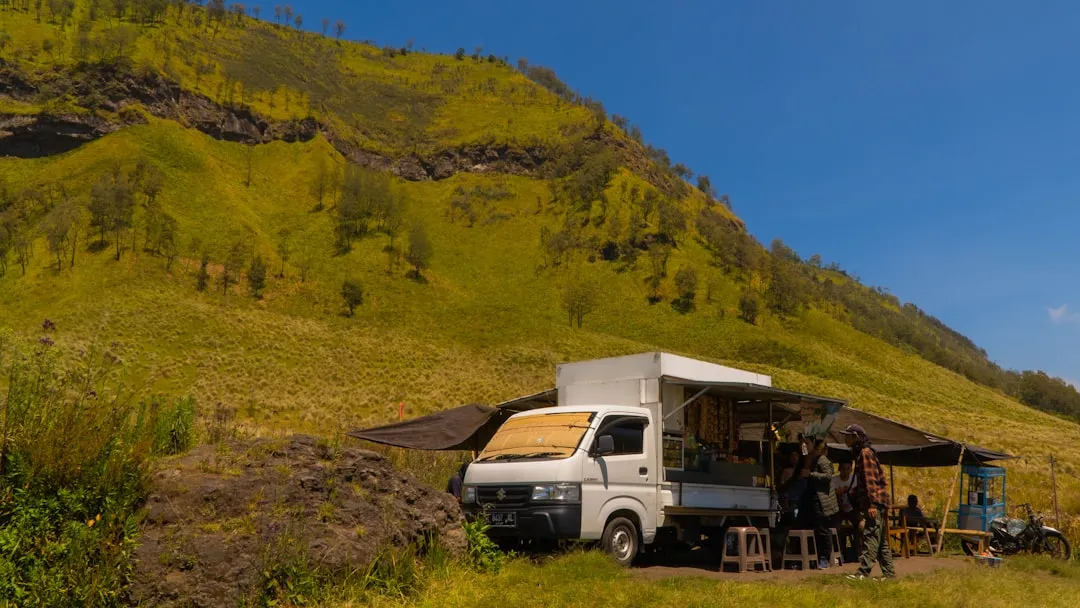
In light of their favorable reception, department of transportation developers began to see that rest areas were more than the practical function they served. They were state ambassadors. Developers perceived their ability to provide notable roadside facilities as a means of creating a positive reflection on the quality of their state government and its citizenry.
Safety rest areas took the place of both the roadside park and the roadside store. While the sites did not allow for commercial business, they did provide a place where travelers could stop, rest, eat a picnic lunch, appreciate local landscapes, and enjoy the use of comfort facilities. The functionality of these sites made feasible the less tangible directive of connecting people with the regions they passed through.
There’s a genuine loss when that disappears. Stopping at a regional rest area in the 1970s told you something about where you were. The building’s materials, the shape of the shelter, the landscape framing it all had meaning. Stopping at a chain service plaza tells you something too, but what it says is mostly the same everywhere you go.
The Childhood Memory We Keep Rediscovering
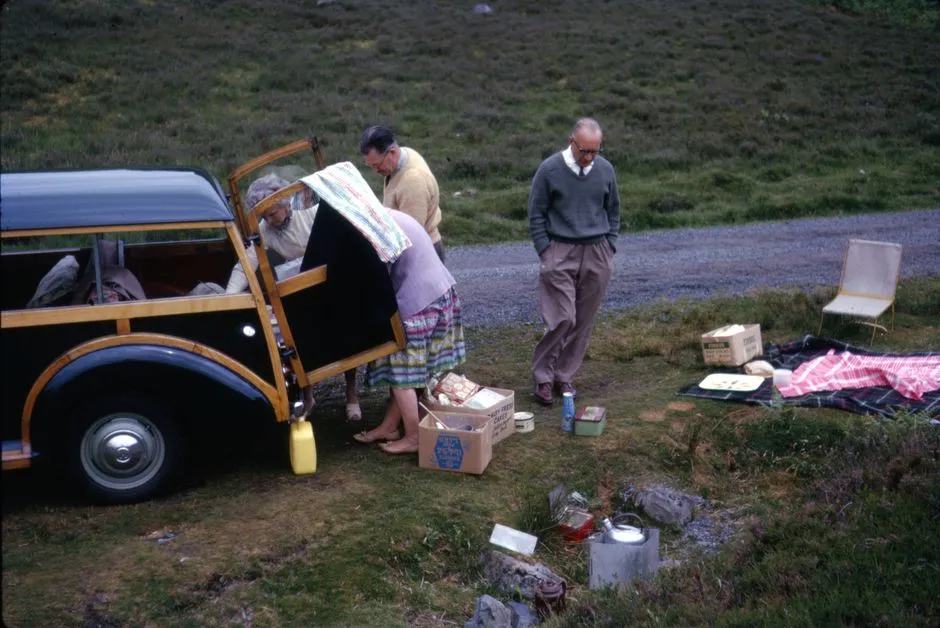
Before drive-through restaurants and commercial tourism centers began to dominate, these small structures provided a safe place for travelers to pull over and stretch their legs. For many Americans of a certain age, the roadside picnic stop is bound up in some of the warmest travel memories they carry.
Families depended on roadside parks across the USA during long summer road trips. The habit of getting up early, driving until mid-morning, finding a picnic table, and cooking a simple meal before continuing onward was a genuine travel rhythm that shaped how families experienced distance.
What is striking is how many people, when asked about road trips from childhood, mention the picnic stop without being prompted. It was slow, unscheduled time. No screens, no ordering, no waiting for a check. Just a table, some food from a cooler, and the particular quality of light you only get when you’re somewhere between places.
States That Are Still Getting It Right
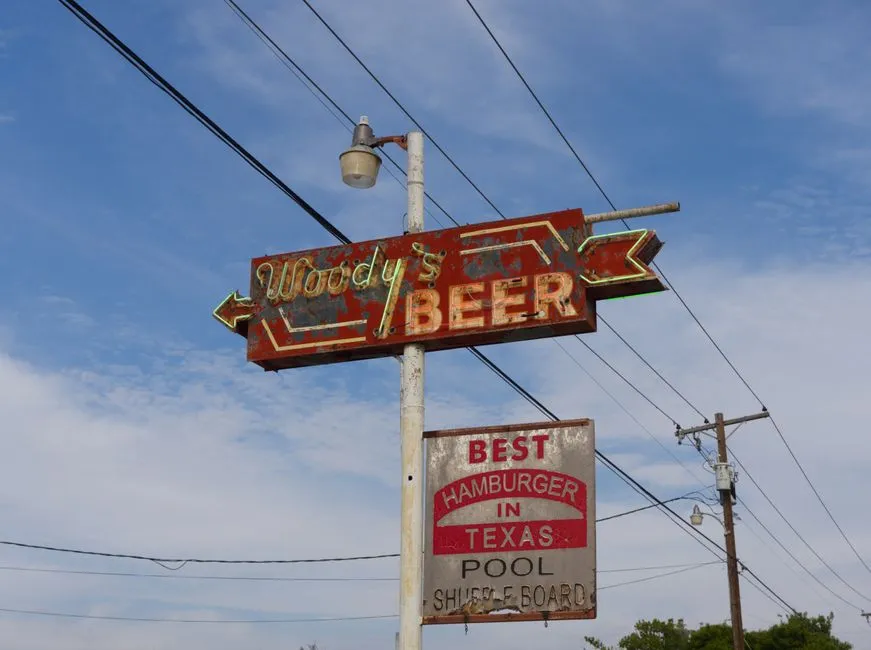
Texas stands out as an example for maintaining, modernizing, and updating its roadside facilities. The modern architecture of some safety rest areas in Texas honors regional farming with architectural elements that closely resemble windmills, silos, and barns.
Over the past decade, Iowa has updated its rest areas to celebrate the state’s history and cultural contributions. California, faced with an aging rest area system used by more than 100 million people a year and a legal requirement to comply with the Americans with Disabilities Act, began a major program of rehabilitation for its 88-unit system. These are not small investments, but the numbers suggest they’re justified.
Safety roadside rest areas provide opportunities for travelers to safely stop, stretch, take a nap, use the restroom, get water, check maps, and exercise pets. Rest areas reduce drowsy and distracted driving and provide a safe and convenient alternative to unsafe parking along the roadside. The case for keeping them well-funded essentially writes itself.
What a Revival Could Actually Look Like
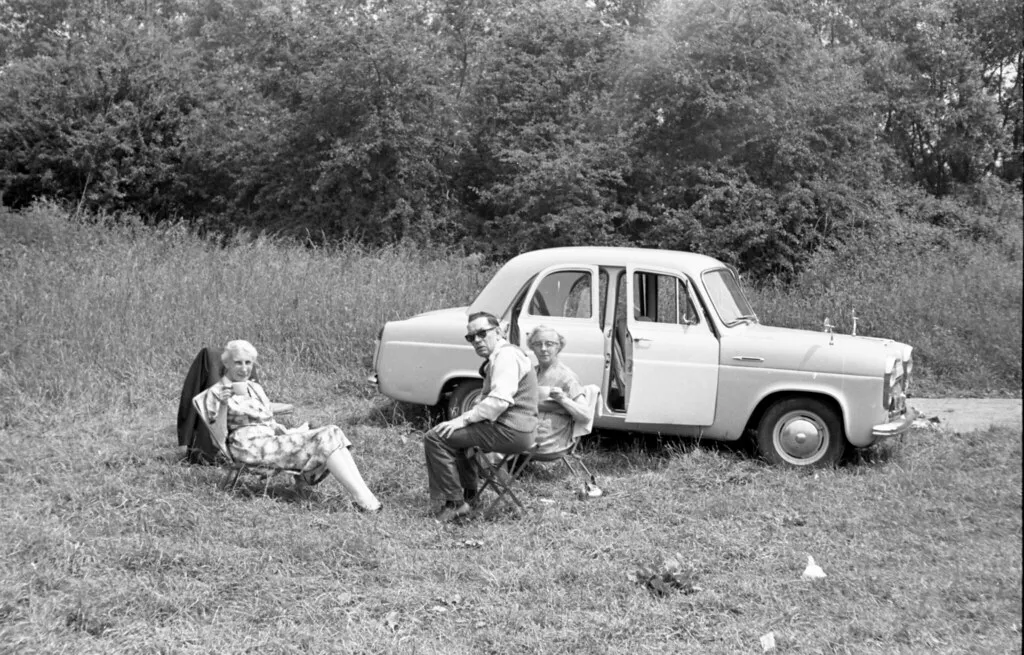
Bringing back the roadside picnic doesn’t require a federal program or a design competition. It requires, mostly, a shift in how travelers think about time. The rest stop exists. The picnic table is usually still there. The question is whether drivers choose to use it or treat it as scenery.
Being outdoors enhances social connections during meals because open-air environments reduce psychological barriers and encourage shared experiences that promote openness, conversation, and bonding. Research from 2018 to 2024 confirms that outdoor dining environments create pleasant communal spaces that encourage conversation and social bonding. A twenty-minute picnic beside an interstate is, in that light, a genuinely useful act.
Many rest stops have an antiquated charm, a beautiful simplicity, or a more modern veneer, yet they all achieve the same thing: they let drivers stop in the midst of their journey and immerse themselves in the landscape, breathe in the air, look at the land before they continue onward. That is a remarkably generous offer from a piece of public infrastructure. Most people have simply forgotten it’s there.
The Road Ahead: Why This Moment Is the Right One
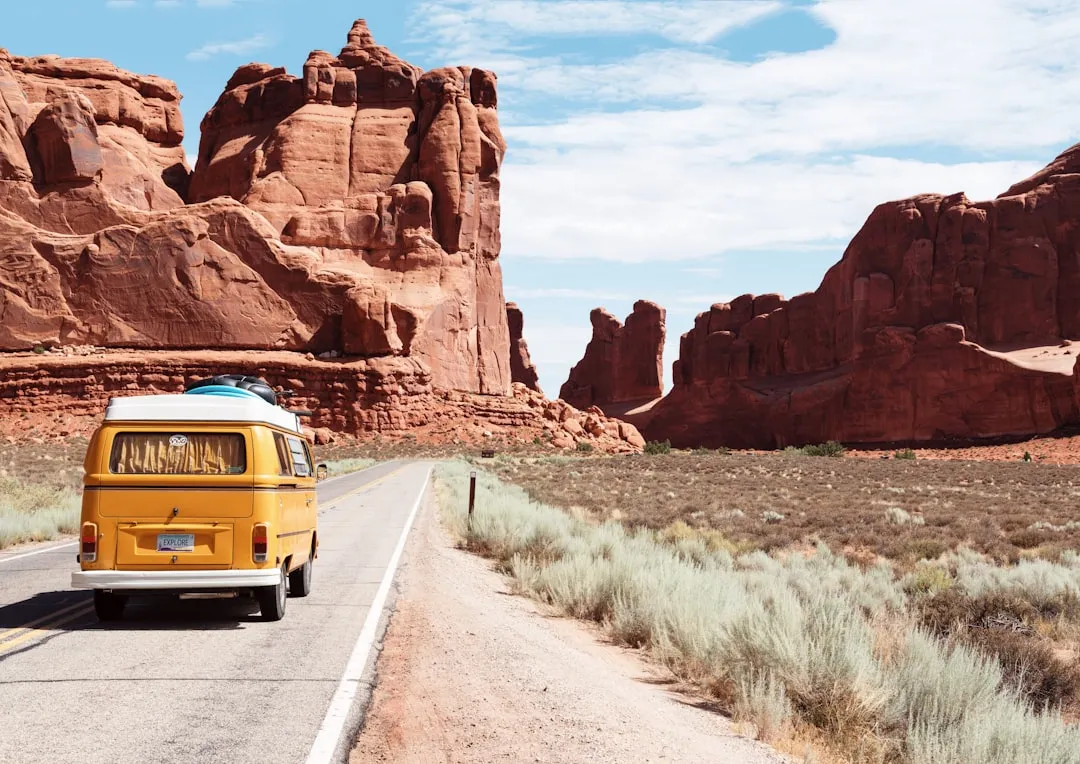
There’s something worth noticing about where travel culture has ended up. People are spending more money on experiences, more energy on wellness, and more thought on how to travel with intention. The roadside picnic stop asks for none of that language. It just asks you to park, step outside, and eat lunch like a human being for twenty minutes.
As we gain increased appreciation for our mid-twentieth century architectural landscape, it is becoming increasingly important to look for significance in unlikely places. The history of safety rest areas is one that we participate in each time we visit one of these sites.
In an era defined by speed, the deliberate pause carries real weight. The best road trips have always been the ones where the journey itself was the point. A shaded table, a sandwich from a cooler, and twenty minutes of open air somewhere between here and there, that’s not nostalgia. That’s just good travel.
AI Disclaimer: This article was created with the assistance of AI tools and reviewed by a human editor.