


Most travelers pack carefully, lock their doors, and maybe ask a neighbor to check the mail. Then they slap a luggage tag on their suitcase with a full home address written in clear block letters, walk through one of the busiest public spaces in the world, and think nothing of it.
That small tag, dangling from a handle, can undo a lot of careful preparation. In a digital age where personal data is easily exploited, a visible luggage tag can give burglars everything they need. It’s one of those risks hiding in plain sight, the kind most people don’t realize until they start thinking about it.
The Tag Is Readable by Anyone Who Walks Past
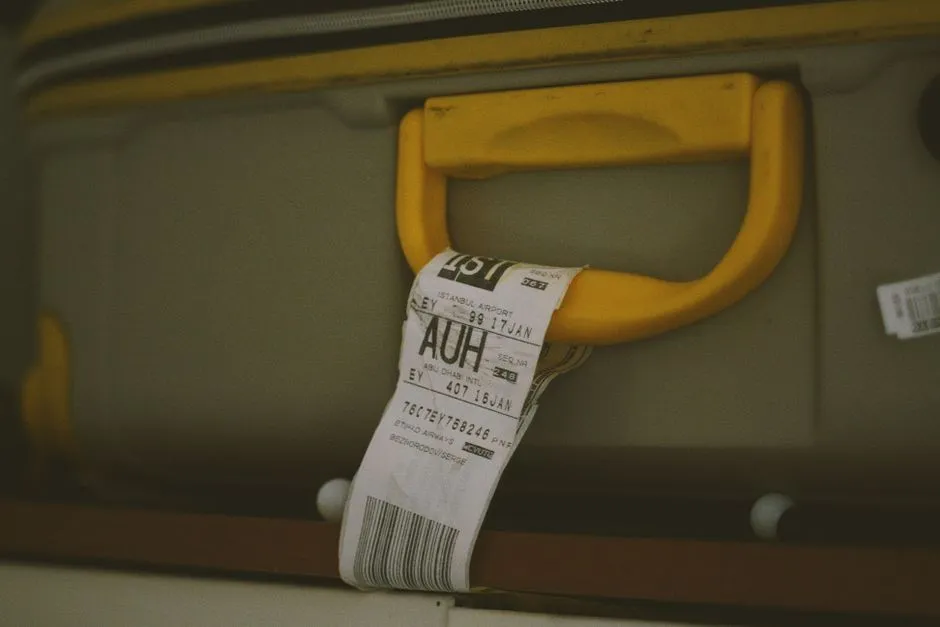
When travelers place their full name and home address on a luggage tag, they’re broadcasting private information to anyone who glances at the bag. Airports, baggage handlers, and fellow travelers all pass close enough to read that tag. The exposure isn’t theoretical. It happens at check-in queues, baggage carousels, and taxi lines.
This very personal information can indicate that your home is empty during the journey. Ill-intentioned people can read it in queues or near carousels. It takes only a few seconds of casual attention to capture a name, street, and city.
Your Home Address Signals an Empty House

Broadcasting your home address while you’re thousands of miles away is basically a “nobody’s home” sign for burglars. Thieves scan airport luggage tags looking for exactly this info. The gap between “someone reads your address” and “someone checks whether your home is empty” is smaller than most people assume.
While it seems logical for bag return, displaying your home address broadcasts to anyone handling your bag, or even just observing it, that your home might be empty. This information could potentially be used by opportunistic criminals for burglary or, in extreme cases, identity theft. The concern is grounded in how crimes of opportunity work: low effort, high reward.
The Vacation Season Burglary Connection Is Real

Summer months continued to be peak times for home burglaries in 2023. This increase is likely due to homeowners going on vacation, leaving their homes unattended for extended periods. More burglaries happened in June than any other month, accounting for roughly eleven percent of all reported cases, according to a Safewise survey.
According to FBI data, roughly seven in ten burglaries happen when nobody is at home. Looking at residential burglaries in 2024, more than half took place during the daytime. Criminals actively target empty properties, and a luggage tag with a home address confirms exactly what they need to know.
The Barcode on the Airline Tag Carries Even More Data
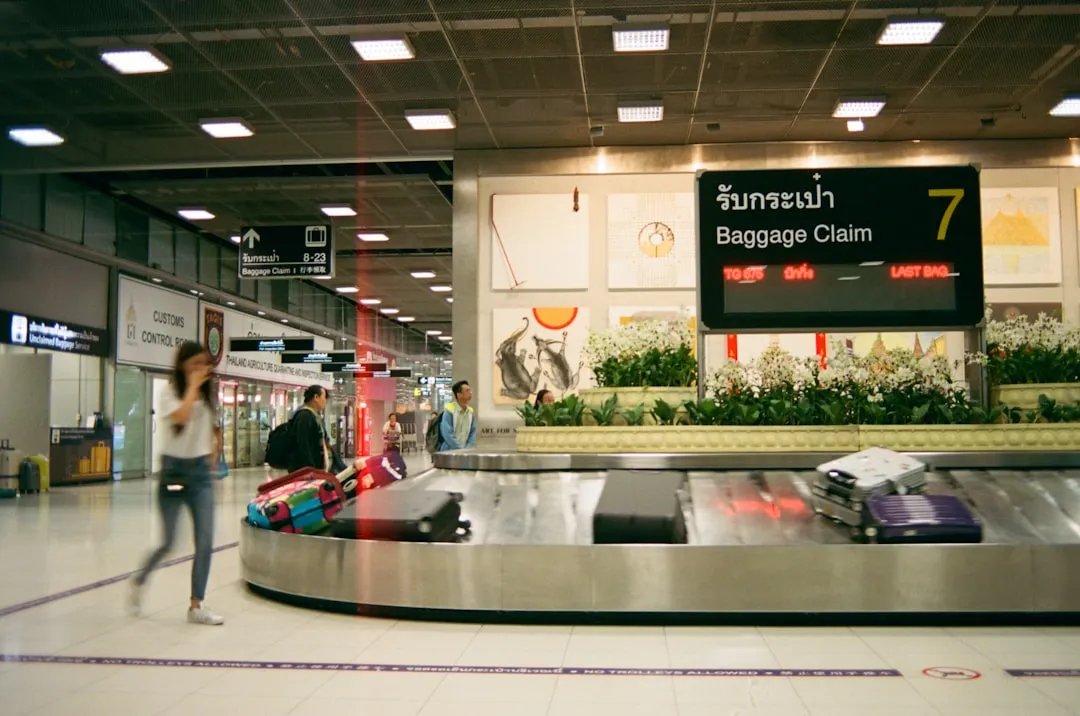
That unique baggage number isn’t random. It’s a direct link to your passenger record in the airline’s system. With it, a scammer could access details like your itinerary, your contact information, and even your home address. The barcode on your luggage tag can be scanned with a barcode or QR code reader or even a phone app, and once that code is read, it can unlock your frequent-flier account, which often holds a goldmine of information: past and upcoming trips, saved payment methods, and loyalty points.
With access to your travel dates and your home address, they can perfectly time a break-in. The combination of a departure date and a home address is precisely what a burglar planning ahead needs. There’s no guesswork required on their part.
Discarded Tags at the Airport Are Being Harvested for Fraud
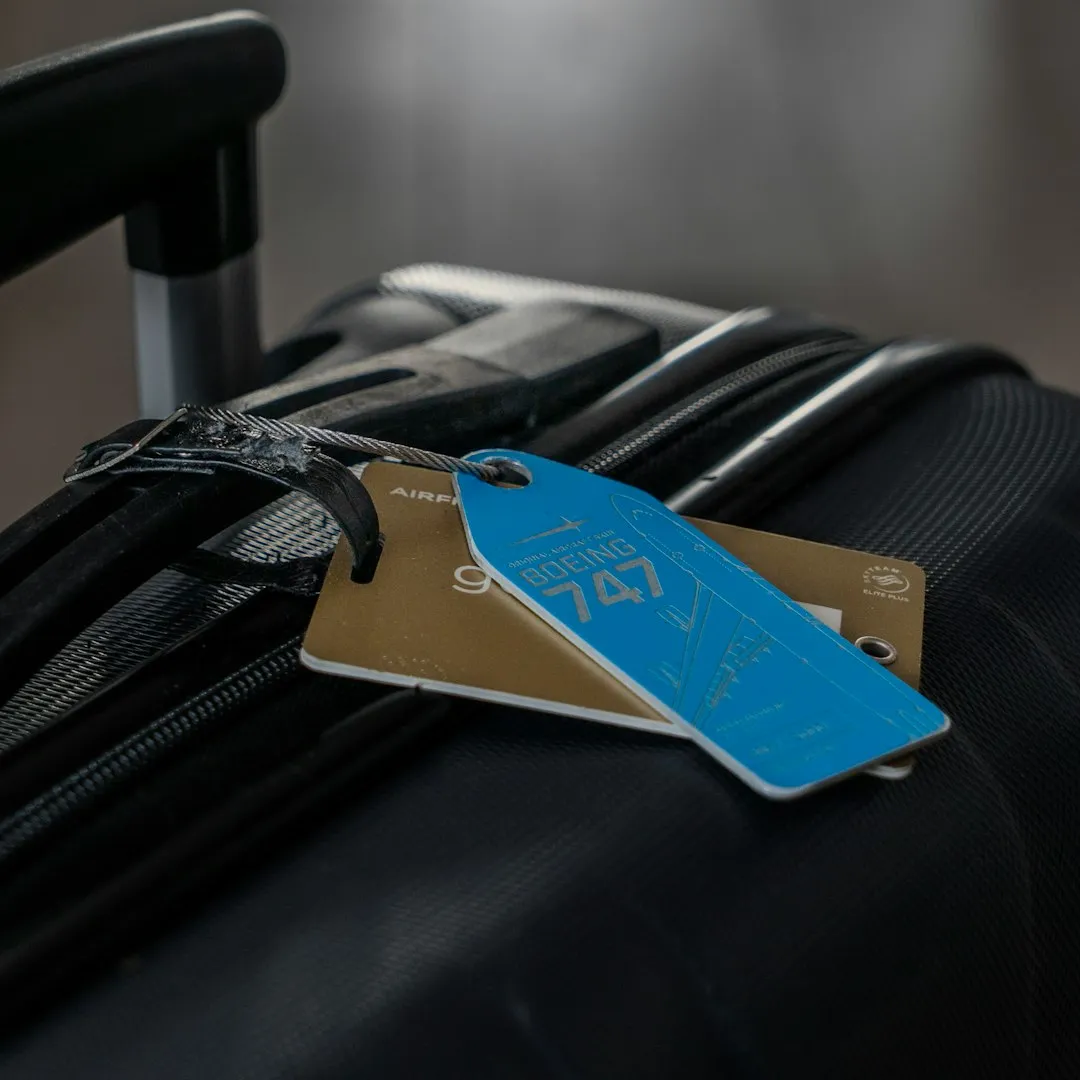
A Delta baggage claims manager took to Reddit to warn travelers about a scam happening in airports that targets passengers who have checked luggage and are returning from their trip. The manager explained they had been seeing an increase in fraudulent claims for missing items that were not coming from the actual bag owners.
Scammers carefully observe passengers who remove and discard their luggage tags in baggage claim areas. They then use this discarded information to submit reimbursement claims to airlines. That little adhesive tag contains your name, flight number, destination, and sometimes even your frequent flyer details. If a bag is genuinely lost, the fraud could delay or even block reimbursement for a legitimate claim. Luggage tags also often contain a passenger’s name, point of origin, destination, and flight numbers, which are details that could be used for more sinister reasons.
A Phone Number on the Tag Can Lead a Thief Straight to Your Door

A home phone number on a luggage tag may not be safe either, as a thief could use a reverse lookup website to find the corresponding address. What seems like a harmless contact detail can become a searchable data point. Free and paid reverse-lookup tools are widely accessible and take only moments to return results.
Many travelers overlook the security risks associated with displaying personal details like name, phone number, and home address on luggage tags. Whether you’re at the airport baggage claim, boarding a train, or moving through crowded spaces, exposed information can be misused for identity fraud, stalking, or scams. Using a mobile number rather than a landline at least reduces the direct lookup risk.
Social Media Amplifies the Problem

Stay off social media when it comes to your home. Sixty percent of the burglary victims surveyed said they were active on social media daily or several times a week. Posting plans about going out on the town or flaunting beach shots from your vacation is a neon sign to burglars that no one’s at home.
Your Instagram username on a tag doesn’t help return lost luggage. What it does do is let strangers connect your bag to your online life, where you’ve probably posted photos of your home, your car, your kids’ school, and everything else. A tag and a social profile together paint a very complete picture for someone looking for an opportunity.
Homes Without Security Systems Face Significantly Higher Risk
Homes without a security system are roughly three times more likely to be broken into and burglarized, according to Alarms.org. Notably, nearly half of people don’t have a home security system installed. That gap matters most precisely when a home is unoccupied for days at a time.
A University of North Carolina study found that roughly six in ten burglars said they would avoid homes with visible security systems. The National Neighborhood Watch says communities with active schemes experience sixteen to twenty-six percent fewer burglaries on average. Visible deterrents work, but they have to be in place before you leave.
What Your Luggage Tag Should Actually Say
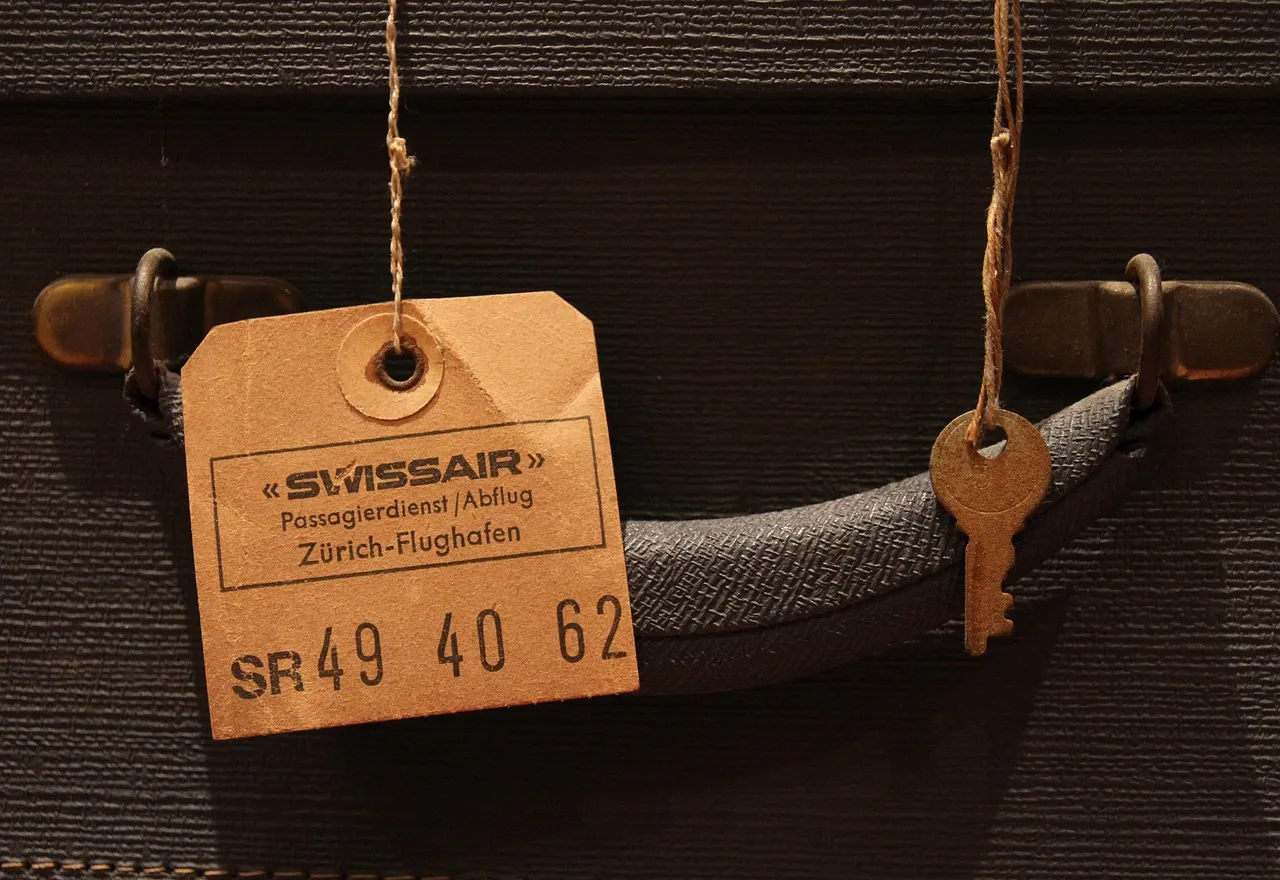
Avoid displaying personal information on luggage tags, such as your home address. Instead, include a phone number or email address in case you lose your luggage. This prevents potential thieves from knowing where you live and reduces the risk of identity theft or home burglary.
If you absolutely need a physical address, use your workplace or list your destination address instead. Your hotel for the next week beats your empty house any day. Always place a second, more detailed tag or a business card inside your checked luggage. This should include your full home address, an alternative contact number, and perhaps even your itinerary or hotel information for the immediate destination. That way, airline staff can access it if needed, but no one passing your bag in a crowded terminal can.
Dispose of Tags Properly, Both Outbound and on the Return

Flyers who check luggage should always wait until they’re back home to discard the sticky paper tags affixed to bags by airlines. One commenter warned not to throw your baggage tag away in your hotel room either. As a former hotel employee noted, there have been instances of fraud using bag tags found at hotels.
The risks associated with luggage tags might seem minimal, but the consequences can be significant. By taking simple precautions, like immediately removing and properly disposing of your luggage tags, you can significantly reduce your vulnerability to identity theft, burglary, and other threats. Shredding them at home takes about ten seconds and closes a gap that most travelers never knew existed.
Conclusion
The luggage tag risk isn’t about dramatic heists or elaborate crime rings. It’s about simple opportunity. A home address on a tag, paired with the undeniable fact that you’re currently somewhere else, is enough information for a motivated criminal to act on.
The threat is not fiction, even if it remains rare. Public areas of airports make reading a label effortless. An unoccupied home attracts unwanted attention. The fix, using only a name and email on the outside of a tag, takes less than a minute and costs nothing.
Travel security is usually discussed in terms of what happens to your bag or your wallet at the destination. The luggage tag problem is one that reaches all the way back to the front door you left locked at home. One small piece of plastic or card stock can be the weakest link in an otherwise careful plan. Fix the tag. Protect the house.
AI Disclaimer: This article was created with the assistance of AI tools and reviewed by a human editor.