


The Scale of the Problem: Travel Fraud Is Growing Fast
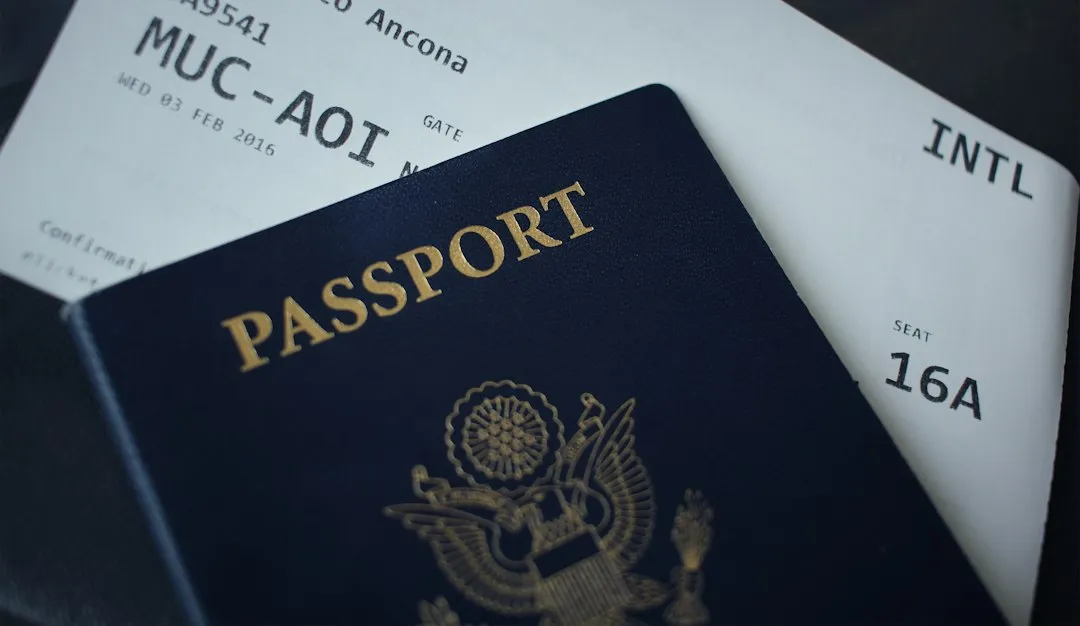
A 2024 global study by the online protection company McAfee Labs revealed that roughly more than a quarter of Americans have fallen victim to travel-related scams. Around nearly one in four of those victims lost more than $1,000 in a single incident. These aren’t just phishing emails or fake booking sites. Luggage tags are increasingly part of the picture.
Identity theft reports filed between January and September 2025 already exceeded the total number filed in all of 2024, and losses have grown at an average rate of roughly 27 percent per year, signaling a sustained, structural escalation rather than a temporary spike. The physical tag on your suitcase is one small but real entry point into that broader landscape.
What an Airline Baggage Tag Actually Contains
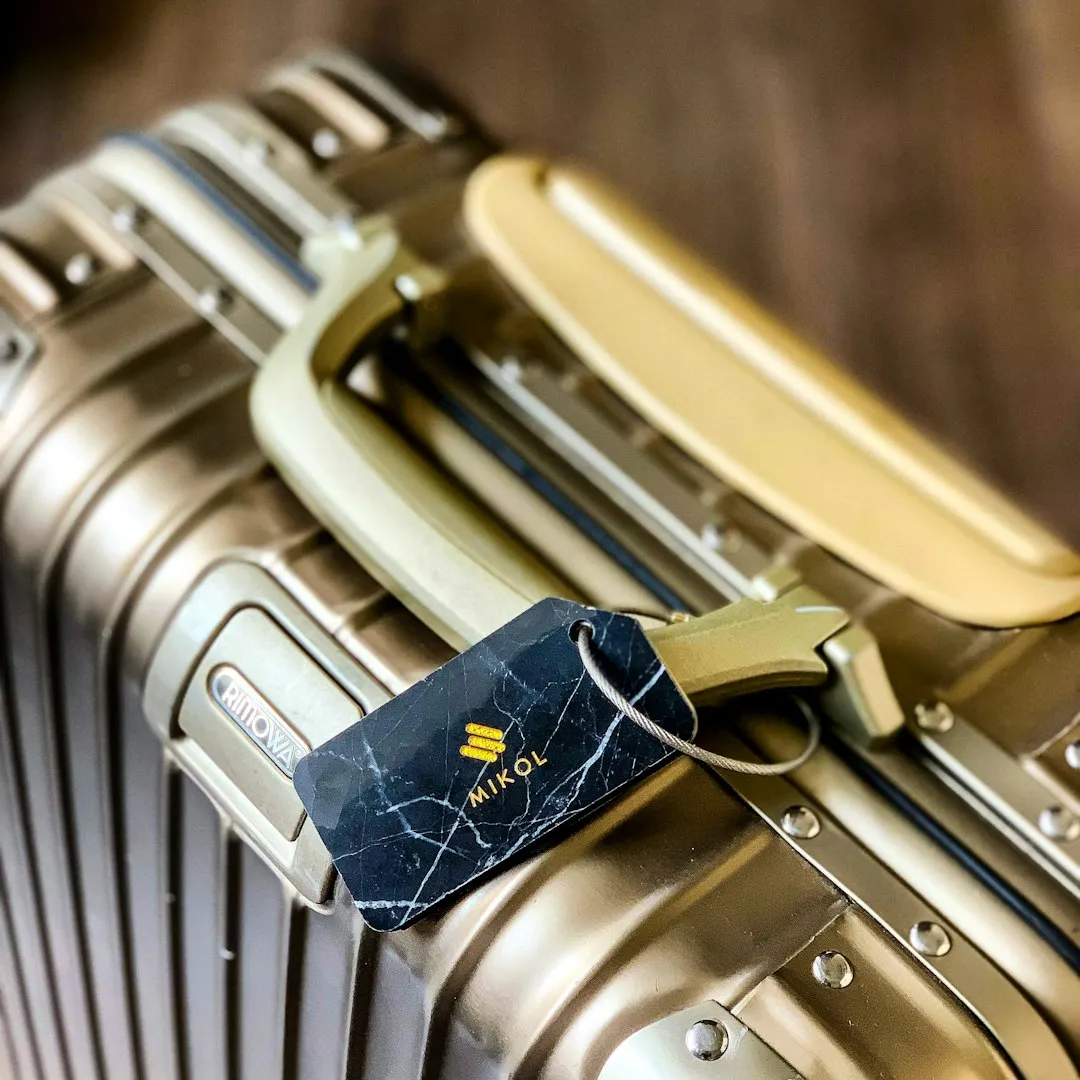
A baggage tag contains your name, flight numbers, airline information, baggage number, and sometimes membership numbers. That combination sounds ordinary enough. The issue is what someone with bad intent can do with it.
That unique baggage number isn’t random. It’s a direct link to your passenger record in the airline’s system. With it, a scammer could access details like your itinerary, your contact information, and even your home address. The barcode on your luggage tag can be scanned with a barcode or QR code reader or even a phone app.
The Simple Flip Trick That Most Travelers Skip
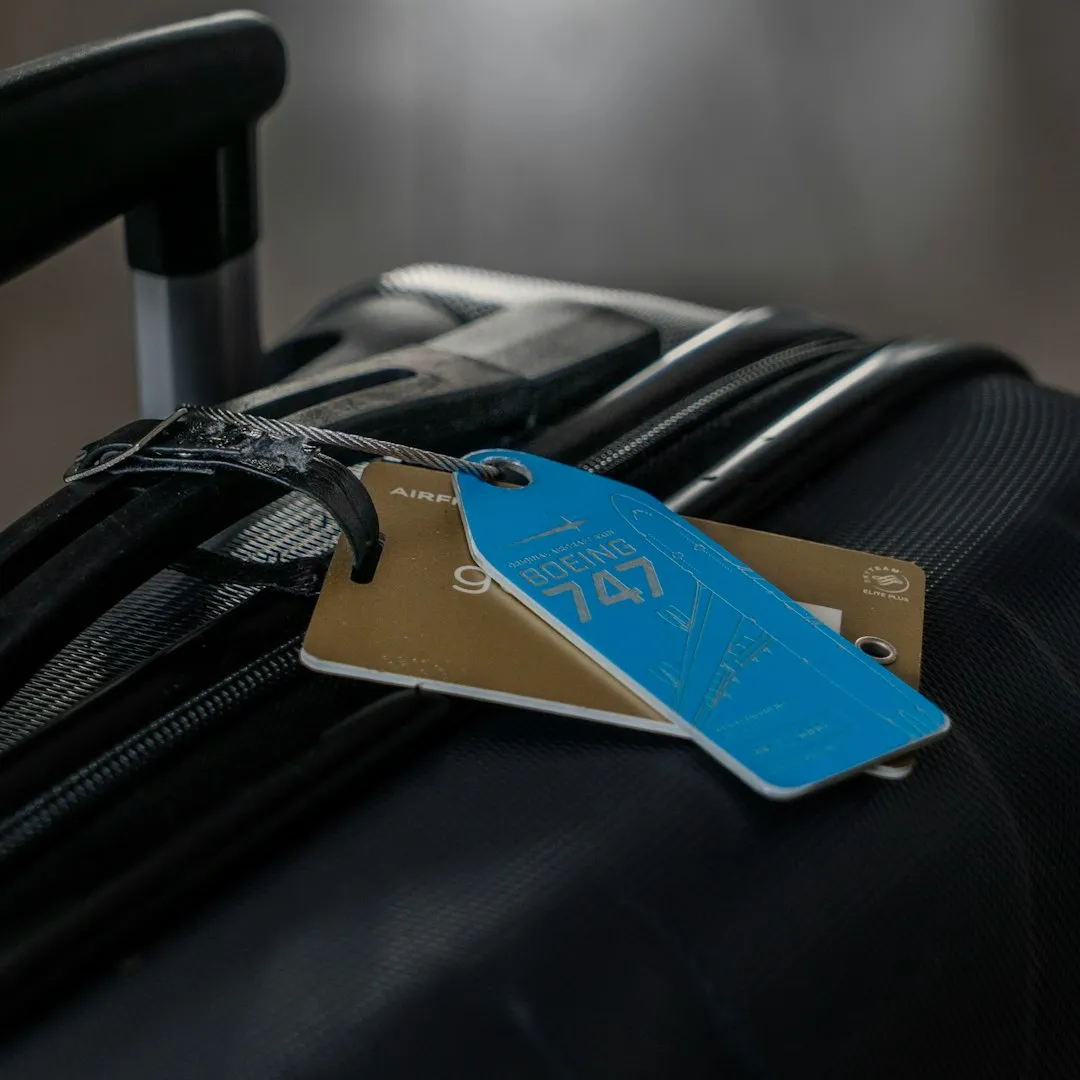
To protect your privacy, travel safety experts suggest flipping your luggage tag information backward. This keeps your details available if your bag is lost while preventing easy access for passersby. It takes about three seconds to do and costs nothing.
In a widely shared video, a travel expert urged fliers to always flip their identification cards on their bags so the writing isn’t visible to others. That way, the tag still contains the information needed in case your bag gets lost, but strangers cannot read it at a glance. Airline staff who need to identify the bag can still do so by lifting the flap, but a passerby cannot.
Your Bag Passes Through More Hands Than You Realize

Your luggage passes through many hands, including airline staff, baggage handlers, and hotel personnel, increasing the chance of unintended exposure. That’s a long chain of opportunity for your details to be seen, noted, or misused.
2024 was a record-breaking year for air travel, with global passenger numbers reaching 5.3 billion, the highest in aviation history. More passengers means more bags in circulation, more handlers, and more moments where a visible tag carries real risk. Scale matters here.
Never Write Your Home Address on the Tag
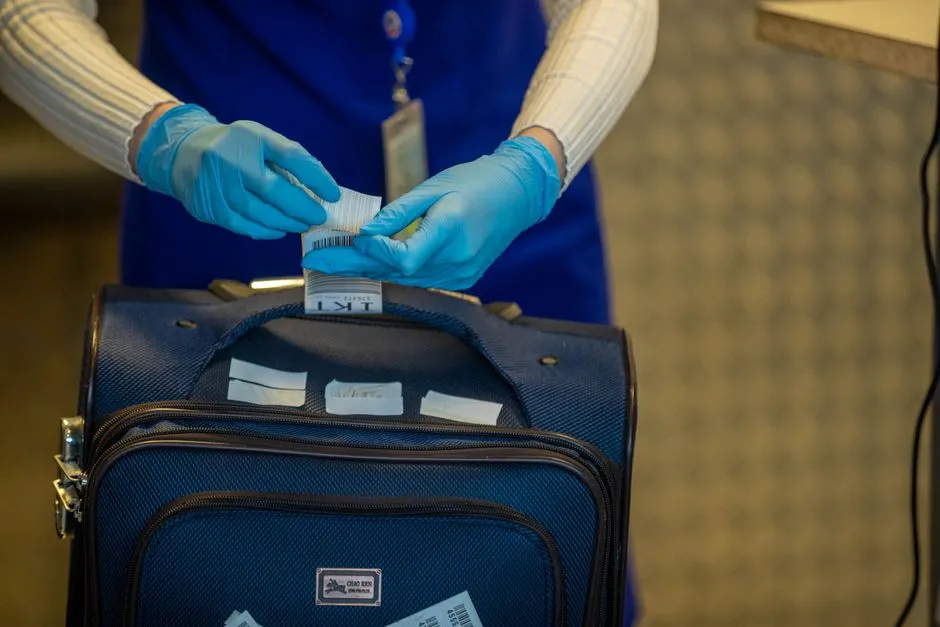
While it may seem like a good idea to put your full home address on your luggage tag, experts advise against it. This information can expose you to potential risks such as burglary or identity theft. Instead of your full address, experts suggest providing only your city and country. This provides enough information for the airline to identify where you’re from without giving away your exact location.
Don’t write your travel dates or list your full itinerary on a tag. You’re telling potential thieves exactly how long your house sits empty. It’s a small detail with genuinely serious implications.
Don’t Throw Away Your Bag Tag at the Airport
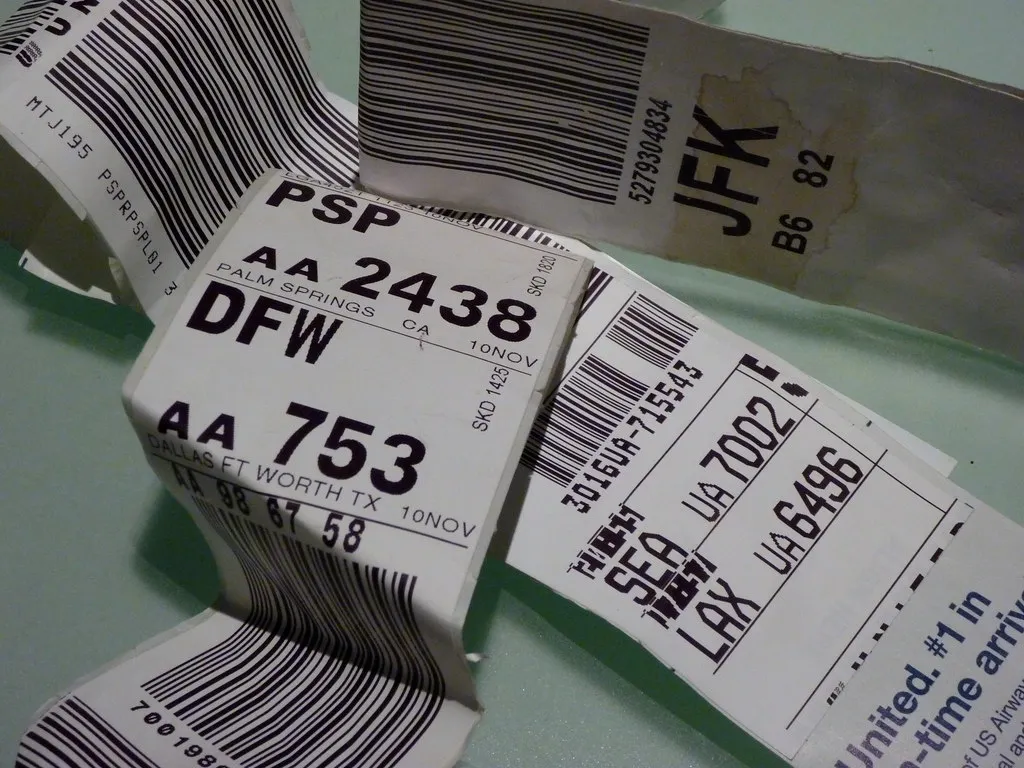
Scammers watch for travelers who remove their luggage tags in baggage claim areas. Once the tags are thrown away, they’re retrieved from trash bins and used to file reimbursement claims with all the stolen information. This scam has been documented in growing numbers across major U.S. airports.
Travelers should treat their baggage tag like an ID and not discard it like normal trash. Don’t throw your tag away at the airport or even in your hotel room where someone could access it. Keep the tag until you are home and dispose of it by shredding it or cutting it up. Your boarding pass deserves the same treatment.
The Fraudulent Claims Scam: How It Works in Practice

The scam works like this: bad actors pick up a thrown-out paper tag in the baggage claim area of the airport, then use the info on the tag to submit a fraudulent claim for missing items. Reports from airport staff indicate an influx of false claims being filed in this way.
Scammers can use your name to create a fake email address and, after making up other contact information, submit a claim to an airline for a lost, delayed, or damaged bag to get money. Victims who have had a tag stolen could run into issues if they need to file their own legitimate claim, leaving the airline’s baggage claim department to decide which claim is real and which is fake. That dispute process can be slow and stressful.
What Information Belongs on a Luggage Tag and What Doesn’t

There’s zero reason to put your passport number, driver’s license number, or social security number on a luggage tag. Airlines don’t need them, and you’re just handing sensitive data to anyone who walks past your bag. These numbers are identity theft gold.
Stick to your first name, a secondary or travel-specific email address, and a mobile number with the country code. Advisories recommend listing only your city and country, a destination-based email or secondary phone, and your name, with the tag turned away from passersby. Less is genuinely more when it comes to what you write on that small card.
Smart Tags and the Privacy Trade-Off

A 2024 study by the International Air Transport Association found that only about one in eight lost bags equipped with Bluetooth tracking tags were recovered using the tag alone. Most recoveries occurred because passengers manually reported loss to airlines first, then used the tag as secondary confirmation once the bag reappeared in baggage claim.
Most budget smart tags transmit identifiers without cryptographic obfuscation. Researchers at ETH Zurich demonstrated in March 2024 that these identifiers can be captured, cloned, and used to spoof proximity alerts, potentially triggering false notifications or masking actual movement. Smart tags have genuine value, but they come with their own vulnerabilities worth understanding before you rely on them exclusively.
The Broader Baggage Picture: Why Tags Still Matter for Recovery

The mishandling rate for bags dropped to 6.3 per 1,000 passengers in 2024, down from 6.9 the previous year, a 67 percent improvement since 2007. This drop is even more significant considering the surge in global traffic, which grew by 8.2 percent in 2024 alone. Progress is real, but tens of millions of bags are still mishandled every year.
Traditional paper luggage tags contribute to these losses. They tear off easily, get wet and become unreadable, or fall apart during the journey. Standard luggage tags for international travel can’t withstand rough handling. A clearly written tag, placed with the info facing inward and protected by a durable cover, remains one of the most reliable recovery tools available to a passenger.
Final Thoughts

Protecting your luggage tag information isn’t about paranoia. It’s about recognizing that airports are high-traffic, high-opportunity environments where small habits carry real consequences. Flipping the tag, shredding it after your trip, and limiting what you write on it are steps that take almost no effort.
Until airlines and airports put better safeguards in place, the burden falls on passengers to protect their own information. That means treating something as ordinary as a bag tag like sensitive data. One small, consistent habit can close a gap that most travelers don’t even know they have.
AI Disclaimer: This article was created with the assistance of AI tools and reviewed by a human editor.