


Summer is peak flying season, and airports across the country are gearing up for another punishing stretch of packed terminals, long security lines, and skyrocketing fares. Millions of Americans are planning to travel between June and August 2026, and a good number of them will make the same costly, avoidable mistakes that have tripped up travelers for years. The troubling part is that most of these errors happen before anyone ever reaches the gate.
This summer, sticker shock is already sidelining some travelers, while others are determined to get away even if it means digging deep. According to Deloitte’s survey of over 4,000 Americans, roughly 45% of respondents are planning vacations this summer, the lowest figure in the last six years. Understanding what goes wrong before, during, and at the airport can save serious money and a lot of headaches.
Booking Way Too Early – or Way Too Late
One of the most persistent myths in travel is that booking months ahead always gets you the best price. It feels responsible, but the data tells a different story. The most affordable booking window for domestic economy flights is actually 15 to 30 days before departure, with flights during this timeframe averaging around $130 less than bookings made more than six months out.
Meanwhile, international travelers can save an average of $190 by booking 31 to 45 days in advance rather than six months in advance. A good rule of thumb is to avoid booking flights more than eight months in advance, since airlines haven’t yet released their sale inventory at that stage.
On the other end of the spectrum, booking last minute, meaning within three weeks of your departure date, rarely pays off for summer travel. The sweet spot is narrow, and most travelers miss it entirely by going to one extreme or the other.
Still Believing the “Travel Tuesday” Myth
One of the most widespread booking mistakes is assuming that “Travel Tuesday” is still the cheapest day to book a flight. That may have been true ten years ago, but the latest research from Expedia shows the cheapest day to book and depart is now Friday.
Airfare pricing in 2026 is increasingly shaped by machine learning systems that analyze demand patterns in real time. Airlines now respond faster to concerts, sporting events, weather disruptions, school calendars, and competitor sales, which means old universal booking rules matter less than they once did.
According to Expedia’s Air Hacks Report, the smartest strategy is to book on Monday, fly on Thursday for international trips or Friday for domestic, and choose Tuesday if you want the least crowded travel day. Clinging to outdated advice is one of the quieter ways summer travelers consistently overpay.
Skipping Travel Insurance
While about one in five travelers say they always or usually buy travel insurance, a much larger portion, nearly 37%, say they never do. Another roughly a third say they purchase it only about half the time or occasionally.
In the summer of 2025, nearly half of travelers cited flight cancellations and delays as their top concern, a jump of 12% from the previous summer. Yet many still gamble without coverage. Last year, increased travel insurance purchases drove an 18% jump in paid claims, pushing average payouts up from $1,900 to $2,609.
Nearly one in four flights across the U.S. ran late or were canceled according to data covering July 2024 to June 2025, with disruption rates as high as 27.3% in some states. Skipping insurance to save a relatively small upfront cost continues to be one of the most financially damaging decisions travelers make.
Ignoring Visa and Entry Requirements
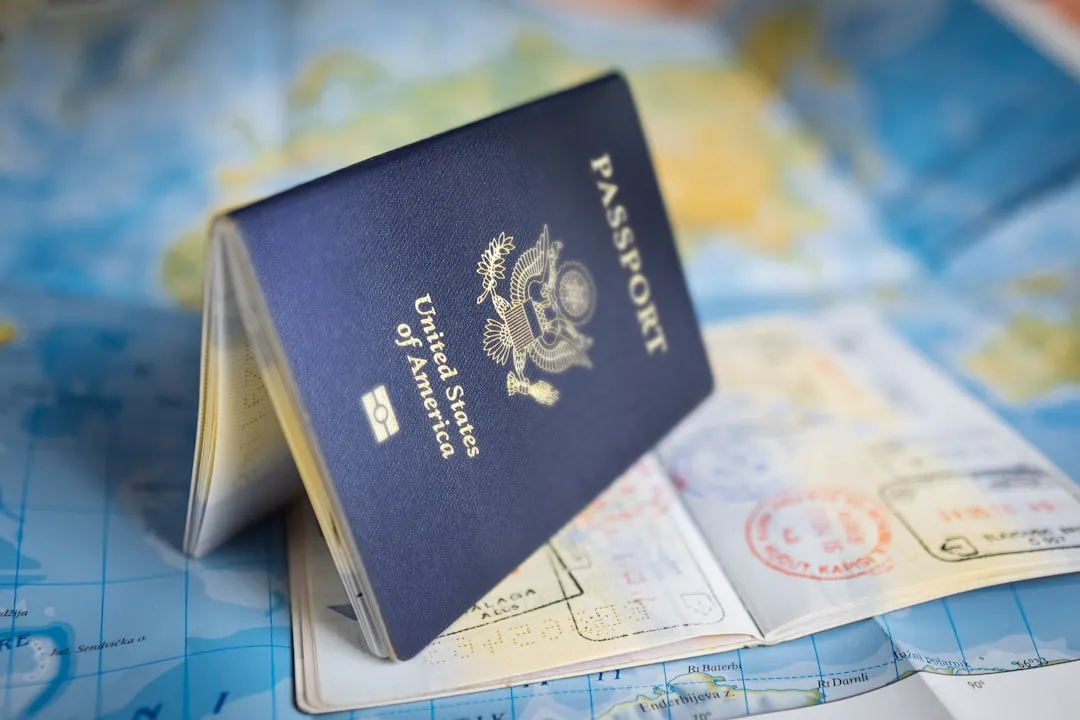
One of the newest travel mistakes is also one of the oldest: forgetting the necessary paperwork. Entry requirements shift more than most people realize, and the consequences of overlooking them can mean missing your flight entirely.
Travelers are also failing to account for changes like the European Travel Information and Authorization System, known as ETIAS, which is a pre-entry requirement scheduled to go into effect at the end of 2026. Even routine destinations can spring surprises if you assume the rules haven’t changed since your last visit.
For official travel alerts, visa updates, and entry requirements, travelers should verify details directly through sources like the U.S. Department of State and airline websites rather than relying on word of mouth or outdated travel blogs.
Flying on Peak Congestion Days
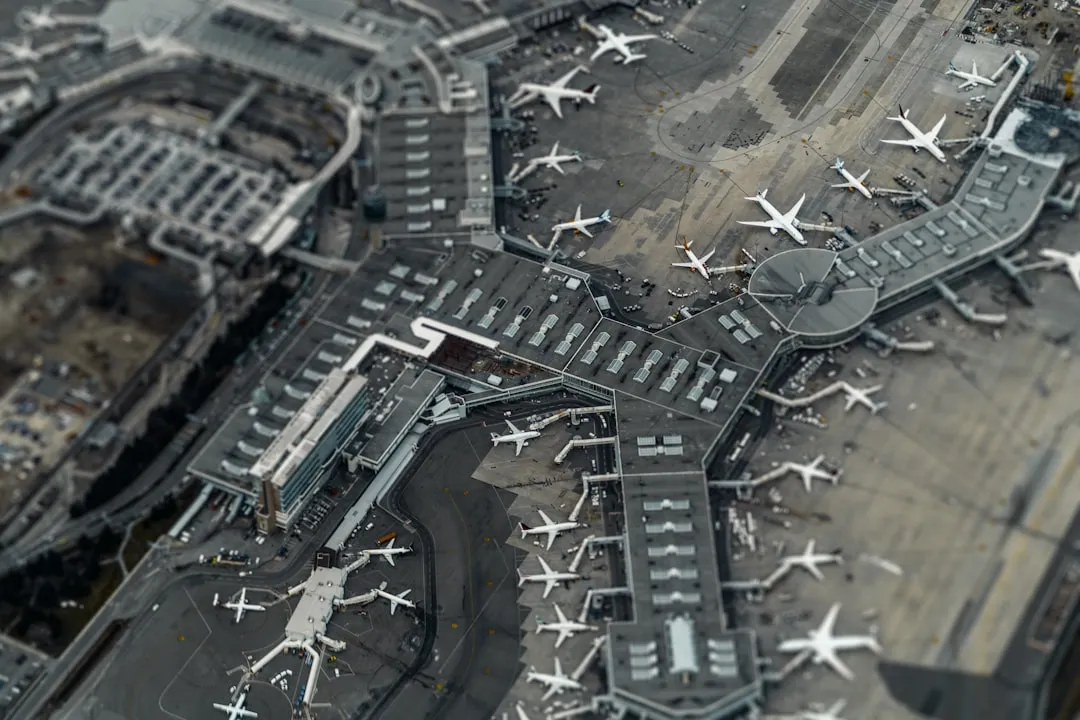
Timing your departure matters beyond just price. Certain dates during summer 2026 are almost guaranteed to be brutal for congestion, delays, and general chaos at major hubs.
Some of the calmest individual travel dates in 2026 are projected to include June 10 and November 25, while peak congestion is expected around June 24, August 1, and August 15. Most travelers pick departure dates based on their schedule alone, not on flight data, and they pay for it in hours lost at the airport.
On-time flight arrivals in 2025 were at their worst level since 2014, with one in every 12 flights arriving at least an hour late and airlines canceling more than 100,000 flights over the course of the year. Flying on already-congested days compounds these odds considerably.
Choosing the Wrong Airline for Your Route
Not all airlines are created equal when it comes to reliability, and the gaps in performance are wider than many travelers assume. Picking the wrong carrier for a summer trip can mean the difference between a smooth journey and a night on an airport floor.
The worst-performing airlines for cancellations in 2025 were American, Frontier, and JetBlue, while Allegiant, Hawaiian, and Southwest canceled the fewest flights. For on-time performance, Hawaiian, Delta, and Southwest led the rankings, while Frontier, JetBlue, and American brought up the rear.
American topped the list for most canceled flights in 2025, with a cancellation rate of 1.93%. For a summer itinerary with tight connections or non-refundable hotel bookings lined up, choosing a historically unreliable carrier is a risk that is simply not worth taking.
Cramming Luggage to Avoid Baggage Fees
Baggage fees have climbed steadily, and more travelers are responding by overstuffing carry-ons to avoid checking a bag. It’s understandable, but it carries its own set of problems that can ripple far beyond your own row.
In 2025, roughly 5% fewer bags were checked compared to 2024. If more people try to cram luggage into overhead bins to avoid baggage check fees, it can lead to delays at takeoff. Flight attendants end up gate-checking bags anyway, boarding slows down, and departure times slip.
Lost and delayed baggage claims rose by 107% from 2024 to 2025, with average payouts for missing luggage sitting at around $256. Checking your bag does carry real risk of loss or delay, so weighing your options carefully and understanding your airline’s baggage policies before you pack is worth the extra few minutes.
Letting AI Plan the Trip Without Verification

AI travel planning tools have become mainstream fast, and while they can be genuinely useful for brainstorming, relying on them to do the actual verification work is a growing mistake in 2026.
Failing to research your destination is an easier mistake to make than it might seem. If you’ve traveled somewhere many times before, it becomes tempting to assume you know it well. But times change, and especially in 2026, travelers can’t afford to make assumptions.
Letting an AI plan your trip is a growing problem according to travel industry professionals. AI tools can hallucinate details, cite outdated entry requirements, or miss recent disruptions. Treating AI output as a starting point rather than a final answer is the smarter approach.
Booking Connecting Flights Without Enough Layover Time
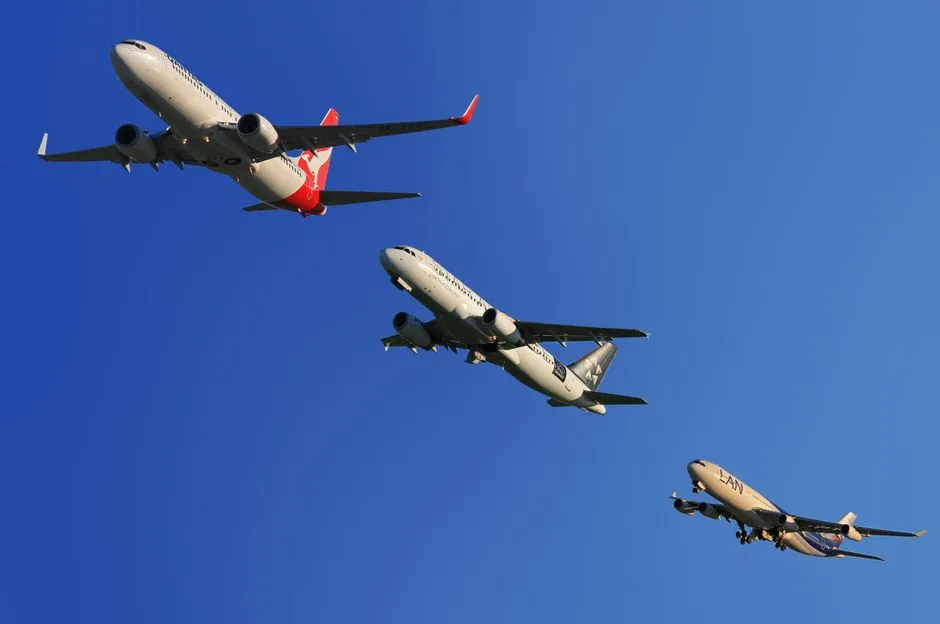
Some expensive booking habits have nothing to do with myths. Travelers still lose money through avoidable mistakes like separating tickets without enough layover time, skipping travel insurance on complex itineraries, or ignoring budget airline baggage rules.
Short connection times that look fine in theory can collapse under real-world conditions: a slightly delayed inbound flight, a gate change, or a long walk between terminals. Domestic connections under 45 minutes at large hub airports are genuinely risky, especially during summer when delays compound throughout the day.
A shortage of air traffic controllers, exacerbated by two recent U.S. government shutdowns, has made air travel more of a headache for passengers heading into 2026. Tight connections that leave no margin for error are a recipe for a missed flight and an expensive rebooking fee.
Waiting to Book and Hoping for a Last-Minute Deal

The dream of snagging a deeply discounted last-minute summer flight has never been realistic for peak travel periods, and 2026 is no exception. Summer airfare simply does not behave like off-season pricing.
New data shows that cash fares for peak summer dates are up roughly 24% year-over-year for domestic searches, while international fares for summer are up around 22%. Waiting it out in hope of a price drop is a strategy that works better in January than in July.
The most effective counter-strategies travelers are using right now include booking earlier (favored by around 42%), traveling during off-peak periods (around 40%), and choosing more affordable destinations (around 35%). None of those options are available to someone who waits until the last week to search. Planning ahead is less exciting than scoring a surprise deal, but it’s almost always the cheaper option in summer.
The Bottom Line
Most summer flight mistakes don’t happen at the airport. They happen weeks or months earlier, in quiet moments at a laptop when someone books too early, skips the insurance page, or assumes the visa rules haven’t changed. The good news is that every one of these errors is avoidable with a modest amount of homework.
The vast majority of 2026 summer travelers plan to take some kind of action to save money on their vacation. A strong majority of Americans also say it’s worth paying extra to buy refundable flights and travel insurance for the flexibility. The data and the instinct are aligned; the gap is in execution.
Summer travel rewards preparation more than luck. The travelers who arrive relaxed are almost never the ones who winged it.
AI Disclaimer: This article was created with the assistance of AI tools and reviewed by a human editor.