


City travel with kids is one of the great joys of family life. The noise, the color, the unexpected detours into bakeries and courtyards and market squares. Most trips go beautifully. Some don’t, and when they don’t, what saves the day is rarely luck. It’s preparation.
One of the simplest and most overlooked pieces of that preparation is the meeting point rule: a pre-agreed, fixed location where every family member knows to go if they get separated. It takes about five minutes to set up before you enter any busy area. Done right, it can prevent one of the most frightening experiences a traveling family can face.
Why More Families Are Traveling Faster Than Ever
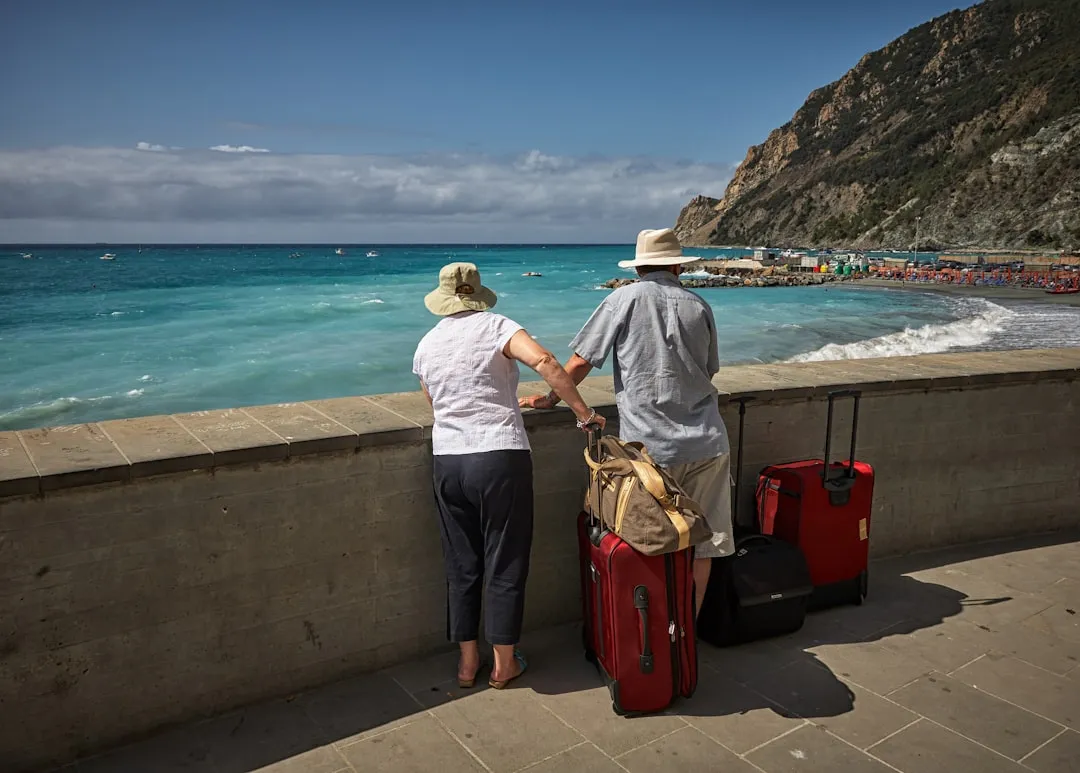
Roughly 85 percent of families say they are very likely to travel with their children in the next twelve months, according to recent family travel research. In 2025, nearly half of all travelers chose multigenerational family trips, a notable increase from the year before. That’s a lot of grandparents, parents, teens, and toddlers navigating unfamiliar train stations, waterfront promenades, and crowded food markets together.
Bigger groups moving through dense, unfamiliar urban environments naturally carry higher logistical risk. The more people in a party, the easier it is for someone to slip around a corner while everyone else moves in a different direction. This is especially true with young children who stop unexpectedly, chase pigeons, or simply get absorbed by something shiny.
What the Research Actually Says About Lost Children

Most cases of children going missing in public spaces point to kids who misunderstood directions, miscommunicated their plans, or simply got lost. The majority of these situations resolve quickly, but the minutes in between are stressful for everyone. The probability of recovering missing children alive in the United States is extremely high, with studies finding that nearly all missing children come home safely.
That reassuring number doesn’t mean families should be casual about preparation. It means that the systems families put in place, including pre-established meeting points, are doing their job. The risk isn’t catastrophe. The risk is panic, wasted time, and a vacation memory no one wants.
How to Choose the Right Meeting Point

In crowded tourist areas, families should establish a clear meeting point before entering. The meeting spot should be a fixed, visible landmark, not a moving target like “near the entrance.” Think: the large fountain in the main square, the clock tower at the edge of the market, or the red awning of the café at the top of the main street. The more visually distinctive the landmark, the better.
Avoid choosing spots inside a building, where exits shift and staff can redirect people without realizing it. Outdoor landmarks that can be seen from multiple angles work best. For each destination and each route to and from that destination, the family should have a specific plan for meeting if they get separated.
Set It Before You Walk Through the Gate
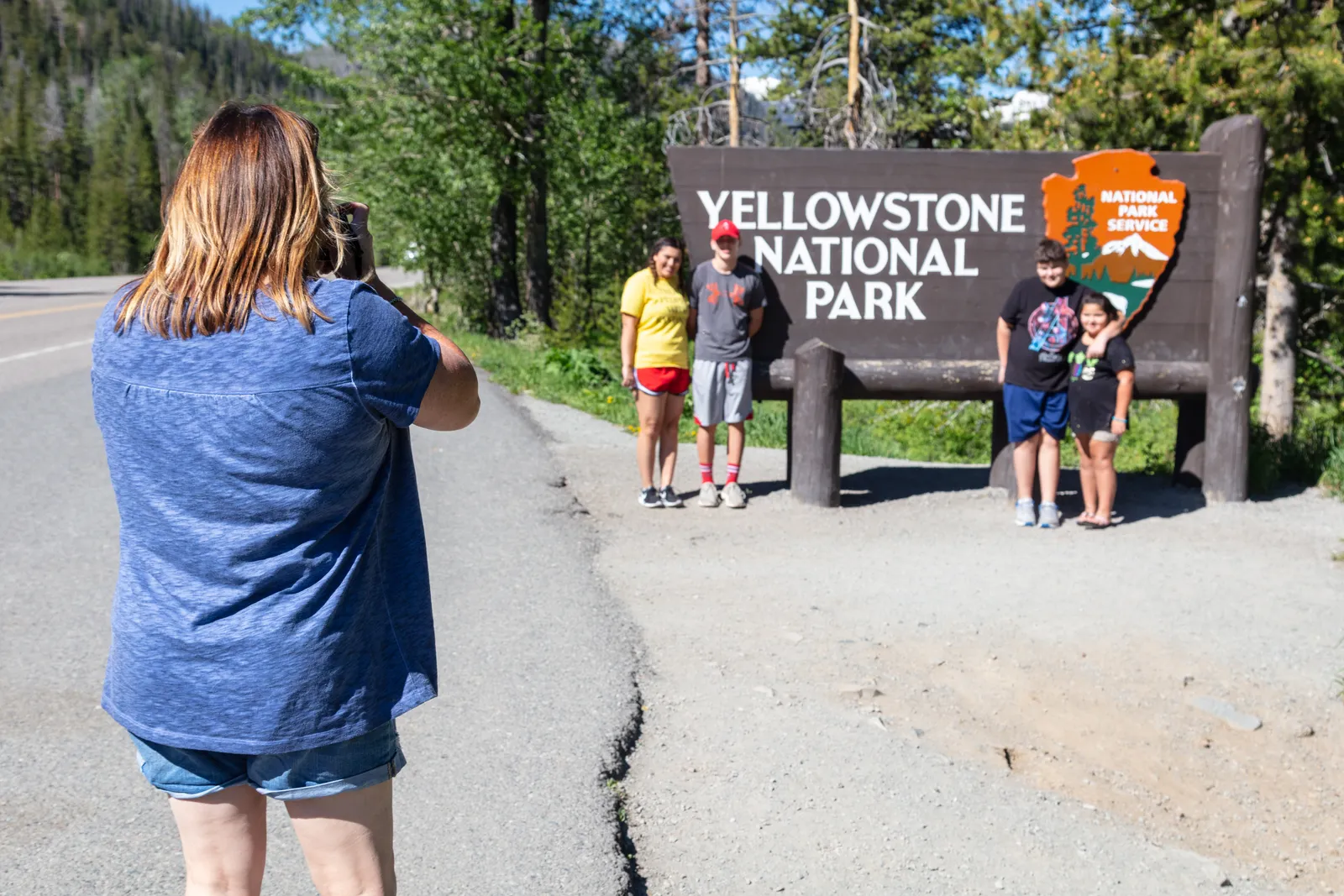
Families should establish designated meeting spots before entering crowded venues, not after. This sounds obvious, but in practice, most families are distracted by excitement at the entrance. They’re juggling bags, strollers, tickets, and wriggling kids. That is exactly the wrong moment to improvise a plan.
Take thirty seconds outside the entrance. Point to the landmark. Say the name out loud. Have older children repeat it back. If your children are young enough to get turned around, walk them over to the spot physically before the group splits up. That sensory memory, standing at the actual place, sticks far better than a verbal description.
Teach Children Who to Ask for Help

Families should have the “safe stranger” conversation. Instead of relying on “stranger danger,” teach children to identify safe people to ask for help if they get lost: uniformed employees, security guards, or other parents with children. Practice what to say: “I’m lost and need help finding my parents.”
If a separation happens, a clear protocol is key. Teach children a simple three-step “lost protocol”: stop where they are, look around for the parent, and find a safe adult such as a uniformed employee. This removes the paralysis that children often feel when they realize they don’t recognize their surroundings. Knowing what to do next is enormously calming for a scared child.
Make Sure Children Know the Essential Information by Heart

This is one of the most important family travel safety steps. Children should be able to clearly recite their full name, both parents’ full names (not just “Mom” and “Dad”), at least one parent’s cell phone number, and the name of the hotel or accommodation. In a stressful moment, a child who can hand a stranger a phone number gets help far faster than one who cannot.
If a child doesn’t have access to a phone, or if it dies, or if they’re with another adult who doesn’t have contact information, that small knowledge gap could turn into a major safety issue. For younger children who can’t memorize this information, ID bracelets or a card tucked securely in their pocket serve as a practical backup.
The Role of Technology: Helpful, Not a Replacement
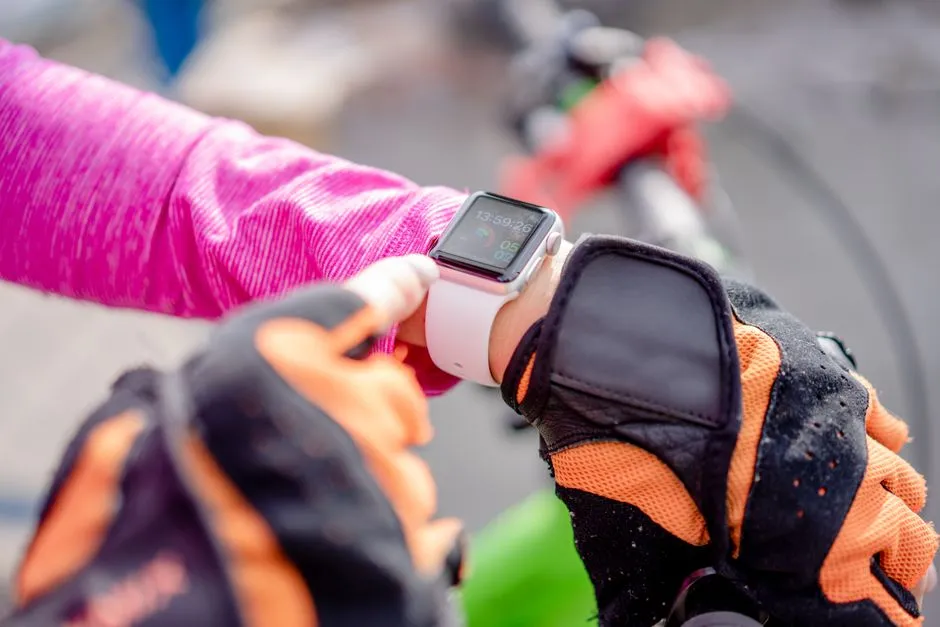
Modern GPS tracking devices offer real-time location tracking and instant alerts without needing a display. Through a mobile app, parents can set safe zones and receive notifications if a child leaves them, and even track routes in real time, keeping the focus where it matters most: safety, accuracy, and peace of mind. Devices like these have become practical and accessible for families traveling in 2026.
Using a GPS tracker like an AirTag, alongside ID bracelets with contact information, adds another layer of security to the family travel plan. That said, technology works until it doesn’t. Batteries die, signals drop in dense urban corridors, and devices fall out of pockets. Technology supports the meeting point rule; it doesn’t replace it. A child who knows where to go and who to ask for help is always the strongest safety layer.
Dress Smart on Busy Travel Days

Using bright, distinctive clothing, establishing regular check-in times, and designating meeting spots are among the best ways to keep track of children in crowded vacation spots. Bright colors aren’t just about visibility in a crowd, though that genuinely matters. They also make it faster for staff and security to identify your child from a description if someone calls in a separation.
Taking a daily photo of each child in their outfit provides an exact visual reference that can be shared immediately with venue staff or local authorities if needed. This is a small habit that takes seconds and has significant practical value. Most parents don’t think to do it until they need it.
Involve Every Member of the Group, Including Grandparents

Multigenerational travel, where grandparents, parents, and children vacation together, is increasingly popular, with over half of parents planning trips that include grandparents and children. That’s wonderful for connection and memory-making. It also means the meeting point conversation needs to include everyone, not just the adults with smartphones.
Older grandparents may feel less comfortable navigating a new city independently if they get separated from the group. They benefit from the same clear landmark and the same plan. Make the conversation a family ritual rather than a safety lecture, because it genuinely applies to everyone. A grandparent who knows where to go is just as reassured as a seven-year-old.
Practice the Plan Before You Need It

A family safety checklist is a written document, not a mental list. Written checklists catch the items that mental rehearsal misses. Building one at least three weeks before departure gives time to act on any gaps. The same logic applies to the meeting point plan. Walk through it at home before the trip. Make it part of the pre-departure conversation the night before you arrive in a new city.
Role-playing “what if” scenarios helps children practice what they would do if they ever needed to call a parent or find help, whether from a uniformed employee’s radio, another adult’s phone, or a venue’s help desk. Children who have rehearsed a plan act on it. Children who have only heard it described often freeze. The difference between those two outcomes is a few minutes of practice at home.
The Takeaway

The meeting point rule isn’t a sign that something will go wrong. It’s a sign that you’ve thought carefully about the trip you’re about to take, and that you respect your children enough to give them real tools instead of just reassurance. Keeping the family together reduces the risk of anyone getting lost or into trouble, and a clear meeting point is the simplest way to keep that connection intact even when a busy city momentarily pulls everyone in different directions.
Pick a landmark. Name it out loud. Make sure every person in your group, from the youngest to the oldest, can say where to go. Then go explore. The city is waiting, and you’re ready for it.
AI Disclaimer: This article was created with the assistance of AI tools and reviewed by a human editor.