
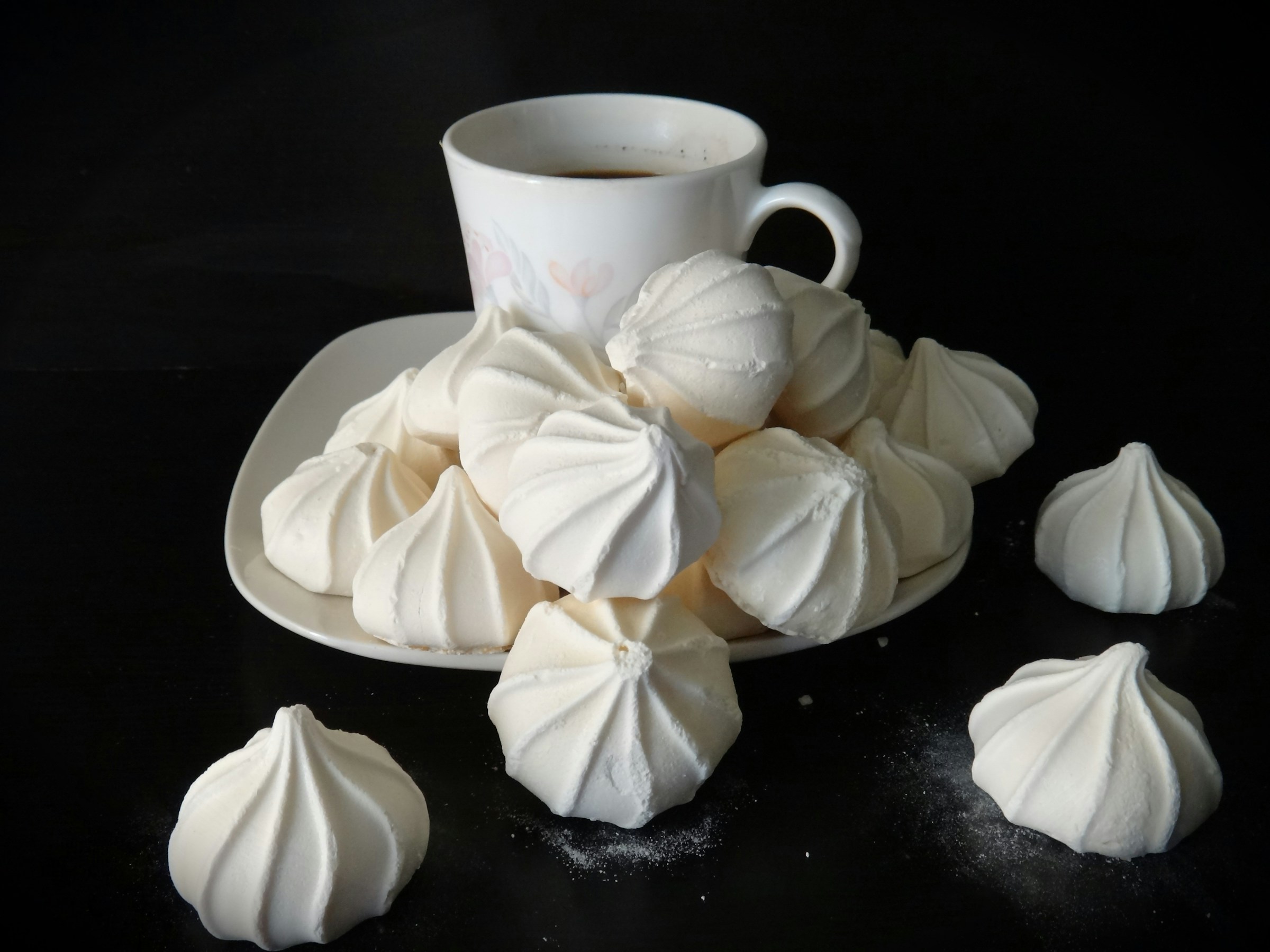

What Exactly Is a Pavlova?
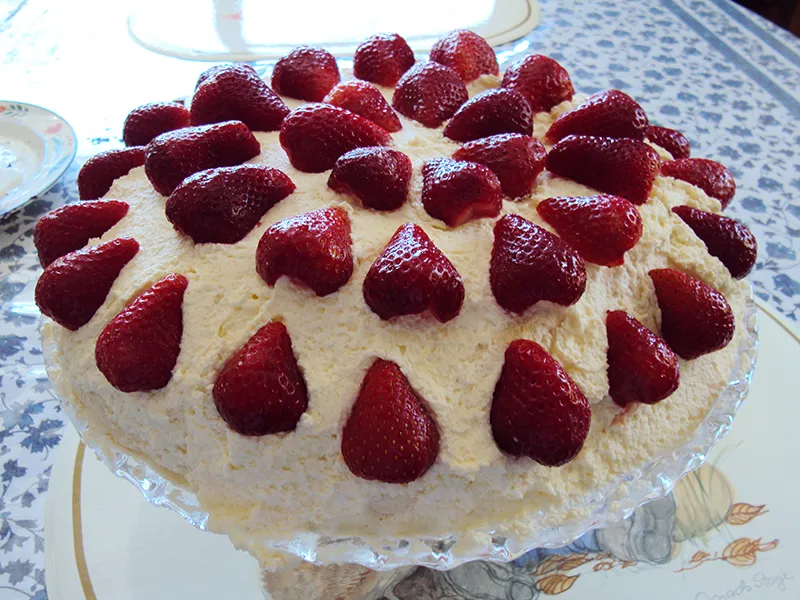
The pavlova is a meringue-based dessert named after the Russian ballerina Anna Pavlova, with a crisp crust and a soft, light inside, usually topped with fruit and whipped cream. What separates it from a standard meringue is that distinctive contrast of textures: crunchy on the outside, yielding and marshmallow-soft within.
It is made by beating egg whites to a very stiff consistency, gradually adding caster sugar before folding in vinegar or another acid, cornflour, and sometimes vanilla essence, then slow-baking the mixture, similar to meringue. The cornflour is the quiet hero of the recipe, responsible for that pillowy center that sets the pavlova apart from its European cousins.
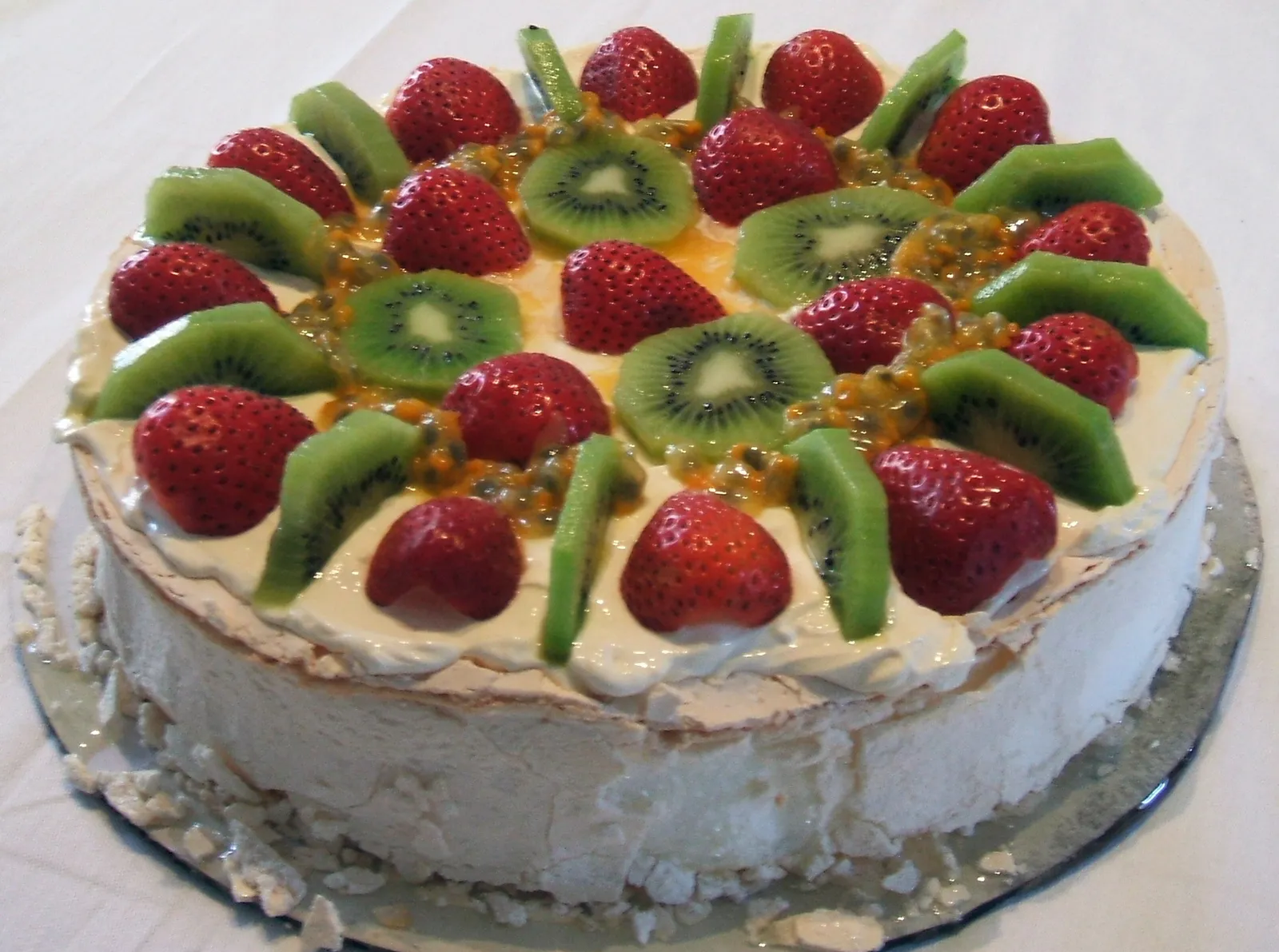
Traditional toppings include strawberries, kiwifruit, passionfruit, and mango – all fruits that reach their peak during the Australian summer. In New Zealand, kiwifruit tends to feature prominently, becoming something of an unofficial emblem of the Kiwi version.
Anna Pavlova and the Tour That Started Everything

The dessert was named after the Russian ballerina Anna Pavlova, who was a megastar when she toured both countries in 1926, though both countries have a different account of how the dessert came to be. Her fame at the time was immense – she was among the most celebrated performers in the world, and her Australasian tour drew enormous crowds.
The dessert was almost certainly named for the great prima ballerina from St. Petersburg, probably to celebrate her hugely successful 1926 tour. This wasn’t uncommon practice at the time: peach melba was invented at London’s Savoy Hotel to pay tribute to the Australian soprano Dame Nellie Melba. Naming dishes after celebrated figures was a genuine culinary tradition of the era.
The pavlova’s popularity may be related to the celebrity associations the name provides, and the visual inspiration from her dancing was clearly part of the appeal. Both countries connect the dessert’s billowing white shape to the lightness and grace of Pavlova’s tutu.
New Zealand’s Case: The Wellington Hotel Chef
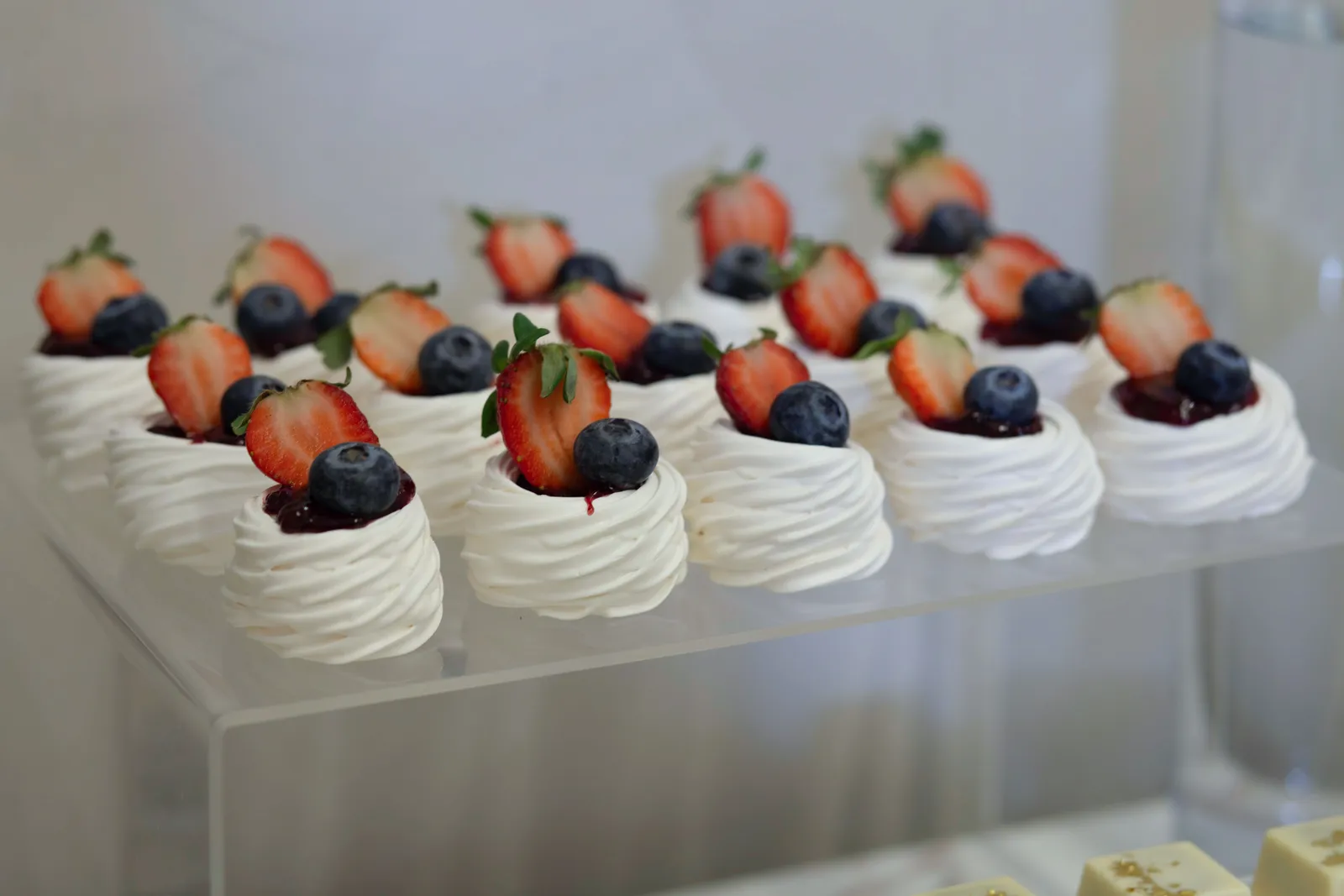
New Zealanders claim that in 1926, a Wellington hotel chef created the pavlova in the ballerina’s honour, citing the dancer’s tutu as inspiration for the white meringue and cream combination. It’s a compelling origin story, elegantly simple and emotionally satisfying. Whether it holds up under historical scrutiny is another matter.
University of Otago’s Dr. Helen Leach found three different recipes in New Zealand cookbooks that were published before 1930, with the first one published in 1927 in a book called Davis Dainty Dishes, published by the Davis Gelatine company. That 1927 date is significant and forms the cornerstone of New Zealand’s documentary claim.
In 2008, Helen Leach published her book The Pavlova Story: A Slice of New Zealand’s Culinary History, where she documented 21 recipes in New Zealand cookbooks for pavlova before the first recipe appeared in Australia in 1940. That numerical gap is hard to argue with – and it has become the most-cited piece of evidence in New Zealand’s favour.
Australia’s Case: Chef Bert Sachse in Perth
Australia’s first claim to the dish dates from 1935, when Herbert “Bert” Sachse, the chef at Perth’s Esplanade Hotel, was asked to come up with something new for the afternoon tea menu. Manager Harry Nairn apparently remarked that his creation was “as light as Pavlova,” and the legend was born.
In 1935, while working at the Esplanade Hotel in Perth, Sachse was looking to create something new and exciting for the hotel’s afternoon tea. He spent considerable time perfecting a meringue recipe that wouldn’t collapse and remained soft in the middle. That focus on texture – the soft centre – is genuinely what distinguishes pavlova from other meringue preparations.
However, one of Sachse’s descendants contacted Helen Leach to suggest their ancestor may have confused the dates, given Pavlova’s death in 1931. In a 1973 interview, Sachse himself explained his creation was an adaptation of a recipe from Australian Woman’s Mirror magazine, submitted by a New Zealand resident. That detail is remarkable, and often gets overlooked in the debate.
The Documentary Record: What the Cookbooks Actually Show
It is clear that the term pavlova is first recorded in New Zealand in 1927, but in this instance it refers to a moulded, multi-layered jelly dessert. The first New Zealand reference to the more familiar meringue dessert occurs in a 1933 cookery book. So the word came first in New Zealand, but the recipe we recognise today took a little longer to solidify.
According to the Oxford English Dictionary, this first mention of a dessert called pavlova appeared in a 1927 cookbook called Davis Dainty Dishes, put out in New Zealand by the Davis Gelatine company. That recipe is for a multi-layered jelly, so it does little to settle the debate.
A recipe for “pavlova cake” was published in The Advocate, a Tasmanian newspaper, in 1935, and a 1937 issue of The Australian Women’s Weekly contains a “pavlova sweet cake” recipe. These Australian records do exist, but they come later than their New Zealand counterparts.
The Surprising European Roots Nobody Talks About
Research conducted by New Zealander Andrew Paul Wood and Australian Annabelle Utrecht found that the origins of the modern pavlova can be traced back to the Austro-Hungarian Spanische Windtorte. It was later brought to the United States, where German-speaking immigrants introduced meringue, whipped cream, and fruit desserts called Schaumtorte and Baisertorte.
Cultural historian Carmel Cedro says the history of the dessert can be traced back to the late 1700s, to the time of the Habsburg dynasty who ruled Austria from 1282 until 1918. The proto-pav’s stronghold was in German-speaking countries, but it began to spread around the world in the 1800s as millions of people emigrated from Europe to places like Australia and New Zealand.
In their research, Wood and Utrecht came across about 150 pavlova-like meringue desserts, typically served with cream and fruit, prior to 1926. They also found more than 50 other dishes named after Pavlova dating prior to 1927. That’s a staggering body of earlier evidence that complicates the Antipodean origin story considerably.
The Researchers Who Tried to Settle It Once and for All
For several years, Annabelle Utrecht, a historian from Australia, and Andrew Paul Wood, an art historian and writer from New Zealand, found themselves in the middle of a food feud. The object of their disagreement was an airy cream- and fruit-topped meringue dessert called pavlova. Both Australia and New Zealand claimed it originated on their soil, so Utrecht and Wood decided to settle the question once and for all.
They spent two years scouring over 20,000 newspapers and more than 10,000 cookbooks. The scale of that research effort is worth pausing on – this wasn’t a casual inquiry. It was one of the most thorough investigations ever conducted into a single dessert’s history.
Wood concluded: “The idea that it was invented in New Zealand or even Australia is a total fiction, as is the notion that the first pavlova desserts are of Antipodean origin.” It’s a conclusion that neither country has been especially eager to accept.
The Texture Debate: Marshmallow vs. Crunch
Beyond the origin question, there’s a quieter but genuine difference between how the two countries actually make the dessert. It’s not just national identity at stake – there’s a real textural divergence that both sides defend with feeling.
According to Dr. Andrew Paul Wood, “I think the Australian meringue is crunchier… the New Zealand one is more marshmallowy inside.” That distinction matters to anyone who has eaten both versions side by side. The New Zealand approach leans into the soft centre; the Australian version tends to have more structural crispness.
In her 2024 book Sift, British pastry chef Nicola Lamb writes that adding cornflour to the meringue base “helps promote this marshmallowy, thick texture.” Both the Sachse recipe and the early New Zealand dairy publications recommended cornflour, which makes the textural divergence more about technique than recipe – a subtle but real difference that home bakers on both sides of the Tasman would recognise immediately.
A Symbol of National Identity Across the Tasman
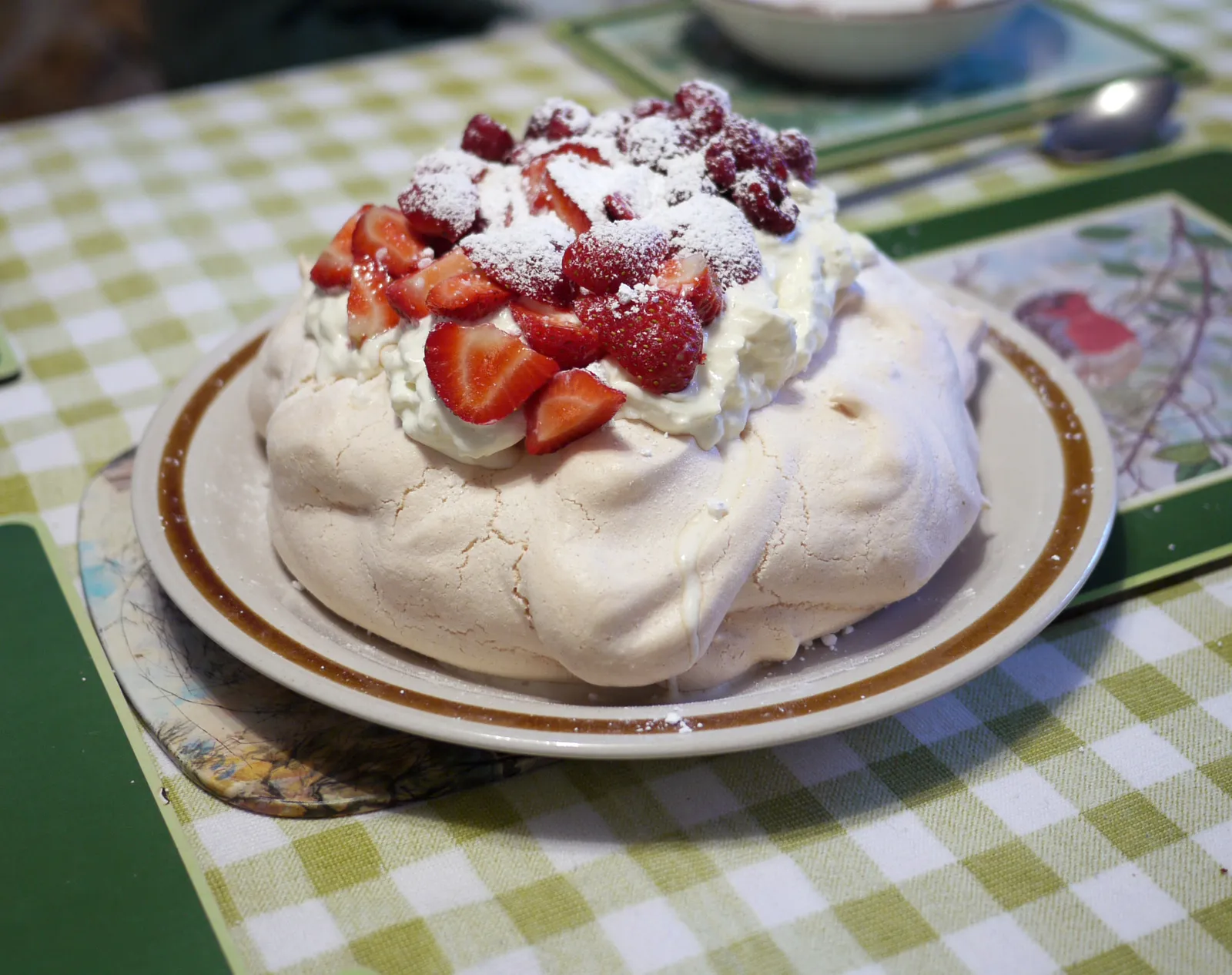
Pavlova is part of the psyche of people on both sides of the Tasman Sea. “It’s part of our Christmas tradition, it’s part of that essential nature of how you conceive your place in the world,” as one Australian cultural historian put it. That’s a lot of meaning to carry for a baked egg-white shell.
As New Zealand is in the Southern Hemisphere, Christmas falls during the summer months and is often celebrated outdoors with barbecues and trips to the beach. New Zealand Christmas dishes include summer fruits and vegetables, a variety of locally-produced meats and seafood, and pavlova dessert.
Professor Paul Freedman, who specialises in the history of cuisine at Yale University, calls international culinary rivalries “an assertion of identity.” When one country “owns” a dish, anyone else making it must prove their bona fides to serve it. So if pavlova is from New Zealand, then their version is authentic, and all others are mere knock-offs. That framing helps explain why neither country has any real incentive to concede the argument.
The Debate Nobody Actually Wants Resolved
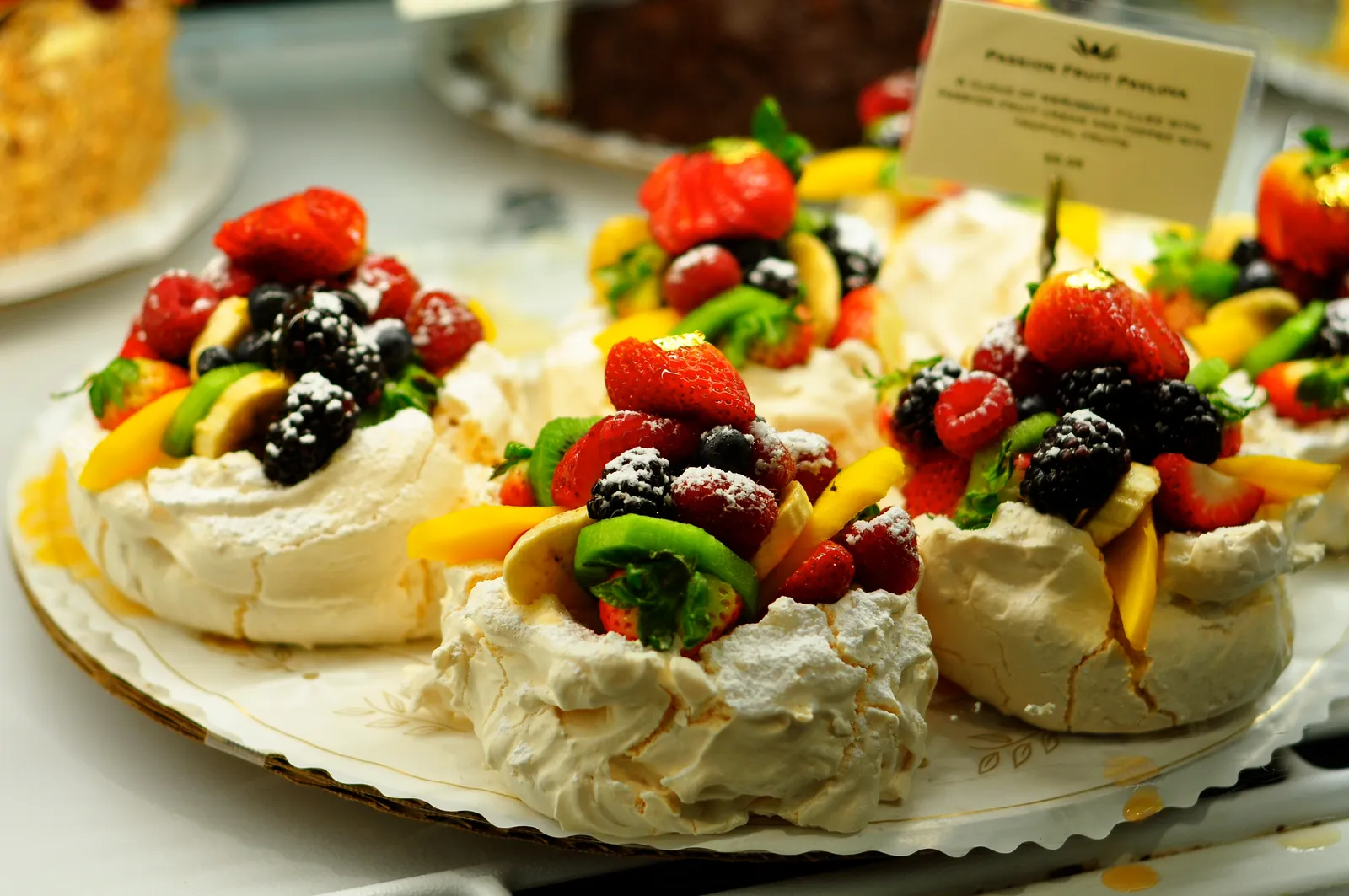
Something of a sibling rivalry exists between Australia and New Zealand, and they love to squabble over who gets credit for anything from Russell Crowe to a racehorse named Phar Lap. One of their longest-running disputes is over the origin of the pavlova. The dessert sits comfortably in a long tradition of friendly, if passionate, Trans-Tasman rivalry.
When asked if the debate could ever be settled, one historian said there might not be any real interest in having a definitive answer. The ambiguity, it turns out, is part of what keeps the conversation alive and the dish culturally relevant. An answered question would close something both cultures seem to enjoy keeping open.
Based on the earliest published recipes currently known, New Zealand appears to have the stronger historical claim. Yet as the evidence from Wood and Utrecht makes clear, the deeper truth is that pavlova belongs to a long line of European meringue traditions that neither country invented from scratch. What both countries did do was make it their own – joyfully, stubbornly, and with considerable skill.
Where Things Stand Today
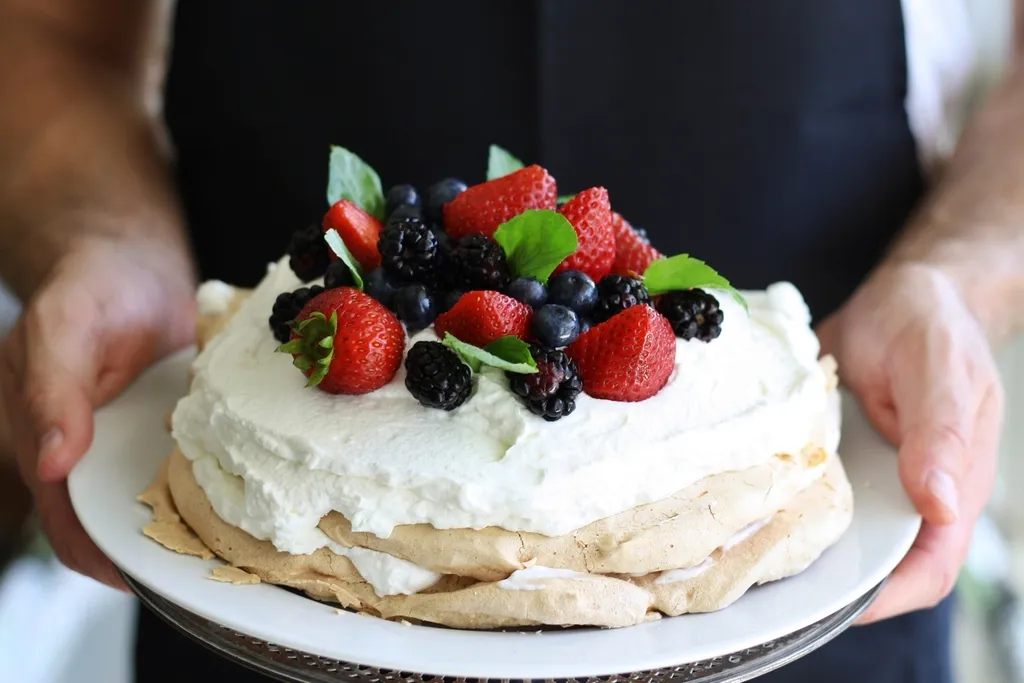
The pavlova remains, in 2026, one of the most beloved and most debated desserts in the Southern Hemisphere. Neither government has formalised a claim, no international body has ruled on the matter, and no amount of archival evidence appears to have decisively shifted public opinion on either side of the Tasman. The debate rolls on, pleasantly unresolved.
The pav is a popular dish and an important part of the national cuisine of both Australia and New Zealand. It is a dessert most identified with the summertime, and popularly eaten during that period, including at Christmas time, though it is also eaten all year round in many Australian and New Zealand homes.
Perhaps that’s the most honest conclusion available: whatever its origins, the pavlova belongs to both places now. It has been shaped, refined, and celebrated across generations in kitchens from Auckland to Adelaide. The Europeans may have built the template, but the Australians and New Zealanders made it into something worth fighting over – and that, in its own way, counts for quite a lot.
AI Disclaimer: This article was created with the assistance of AI tools and reviewed by a human editor.