
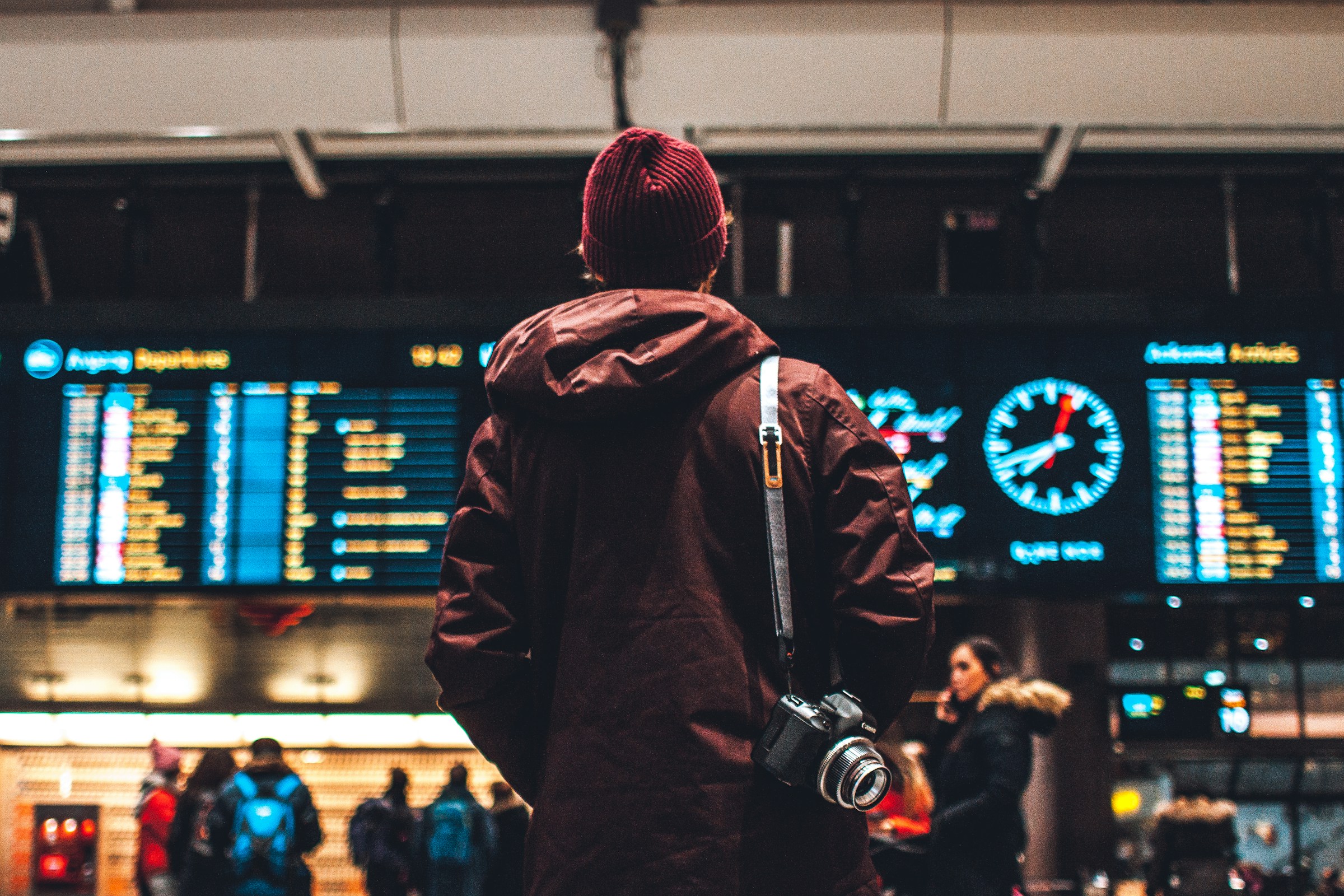

It happens thousands of times a day across airports, stadiums, and courthouses. Someone steps toward the metal detector, the alarm sounds, and the whole line stiffens. The person looks genuinely surprised, reaches into their pocket, finds their keys, and the rest of the queue waits. It’s only about thirty seconds. Multiply that by every checkpoint, every flight, every venue, and the math starts to feel uncomfortable.
The frustrating part isn’t really the technology. Modern metal detection systems are faster and more accurate than ever. The problem, more often than not, is a set of deeply ingrained passenger habits that nobody has ever formally told them to change. These are the ones worth knowing.
Forgetting to Empty Your Pockets Entirely
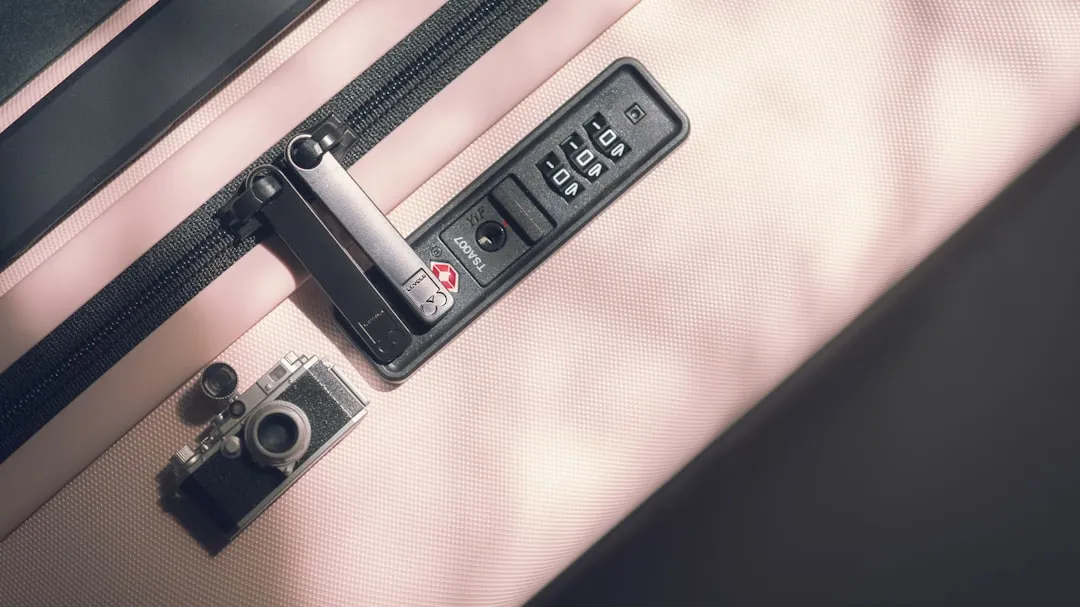
Items left inside pockets often trigger alarms during TSA body scanners, leading to extra screening or pat-downs. Metal items like coins, keys, or phones commonly trigger alarms and can lead to additional screening in the security line. It sounds obvious, but it’s the most persistently common mistake at checkpoints worldwide.
Travelers are advised to empty their pockets completely before reaching the checkpoint to avoid unnecessary delays. Placing all items in a carry-on bag or security bin helps keep the process organized and efficient. Many passengers forget this step when rushing, which leads to avoidable delays. The fix is simple, but only if the habit is built before you get to the front of the line.
Walking Through with a Belt Still On
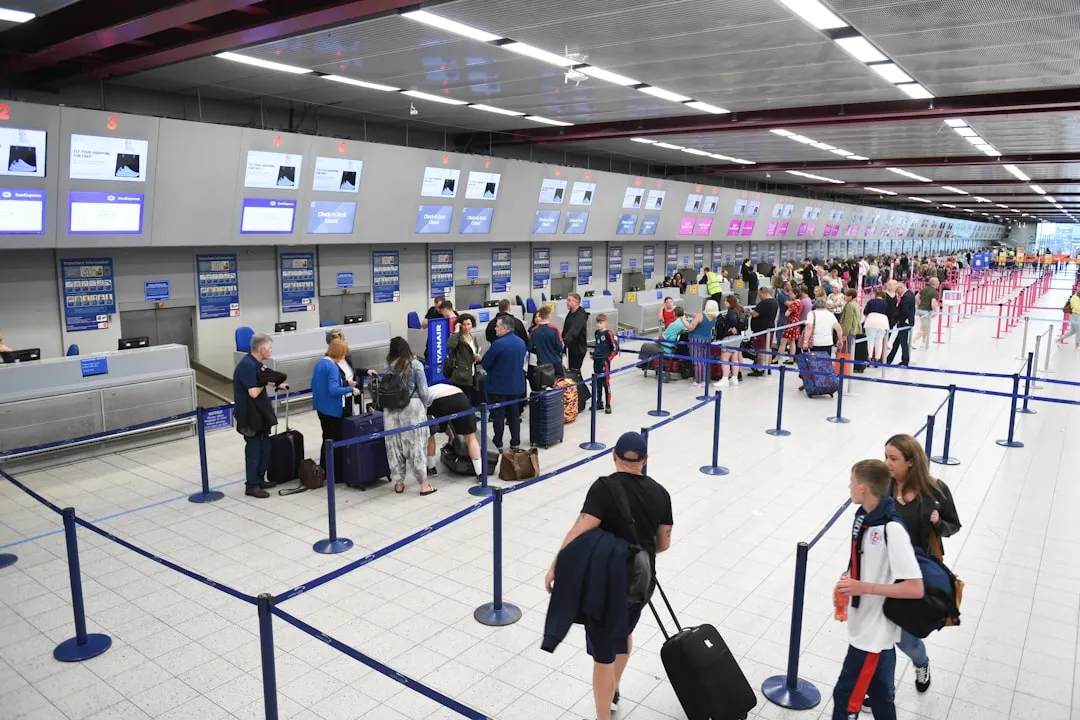
Passengers forgetting to take off their belts or shoes at security checkpoints is considered the most common mistake, with roughly a quarter of survey respondents admitting this. That is a substantial share of travelers causing a predictable, preventable alarm at the exact moment the line needs to move.
While belts are allowed through security, most flyers must remove their belts before walking through metal detectors since the vast majority of belts have metal clasps. It’s best to choose a belt-free outfit or be prepared to remove your belt if you want to wear one. That sounds like a ten-second task, until you’re juggling a carry-on, a laptop bag, your shoes, and your jacket while the line stacks up behind you. Threading a belt back through pants loops under time pressure, with a checkpoint full of impatient strangers watching, is one of those low-grade miseries that’s completely avoidable.
Wearing Chunky or Stacked Jewelry

Layered necklaces, stacked bangles, and oversized hoop earrings might complete your look, but they have a way of completely unraveling your security experience. Former TSA agents have noted that heavy accessories and bedazzled clothing, including sequined tops and metal-studded jackets, can trigger sensitive scanners, leading to additional screening, wand checks, and pat-downs.
Every extra piece you’re wearing is another potential alarm, another bin to fill, another moment of delay for everyone around you. Limiting jewelry stacks and opting for one watch or bracelet rather than several layers is a practical and underrated form of travel preparation. It adds nothing to your journey to wear five bracelets through a checkpoint.
Keeping Electronics in Your Bag

Not removing electronics from carry-on bags fell near the top of the list, with roughly a quarter of respondents confessing to this common checkpoint hiccup. Laptops and tablets are dense enough to obscure other items in the scanner image, which forces agents to re-scan or hand-search the bag.
For standard security screening, the TSA requires passengers to remove shoes, belts, light jackets, liquids, and laptop computers. The rule hasn’t changed, but the habit of ignoring it until you’re at the front of the belt hasn’t changed either. Pulling out a laptop at the last moment while the person behind you is already placing their bin creates a cascade of delays that ripples through the whole queue.
Wearing Lace-Up Boots or Complex Footwear
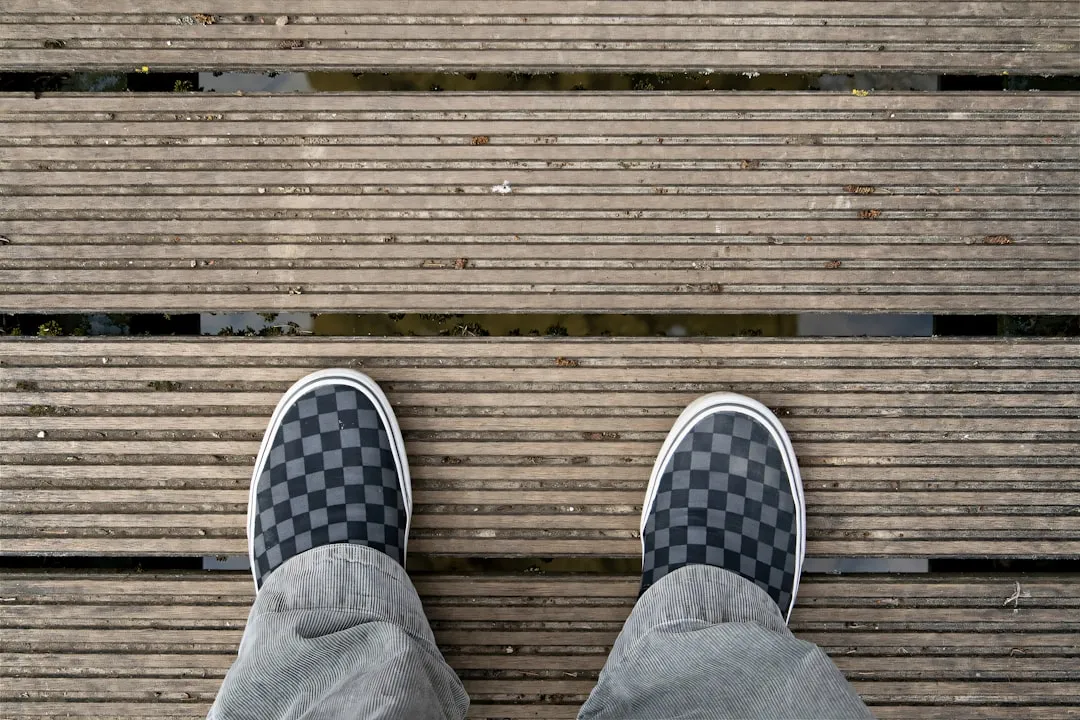
The TSA requires passengers to remove shoes at standard security screening. That means it’s especially important to consider your footwear: with dozens of passengers in line behind you, you don’t want to wear lace-up sneakers or boots that will take considerable time to remove. Slip-on shoes make the security process quicker for everyone.
Wearing slip-on shoes is a smart preparation, though in many lanes in 2026 you may keep them on, it’s best to be ready if asked. The issue is less about the shoe itself and more about what happens when it needs to come off in a hurry. Boots with long laces, multiple buckles, or steel toes create a bottleneck that no amount of efficient lane management can fully absorb.
Walking Through with a Phone Still in Your Pocket
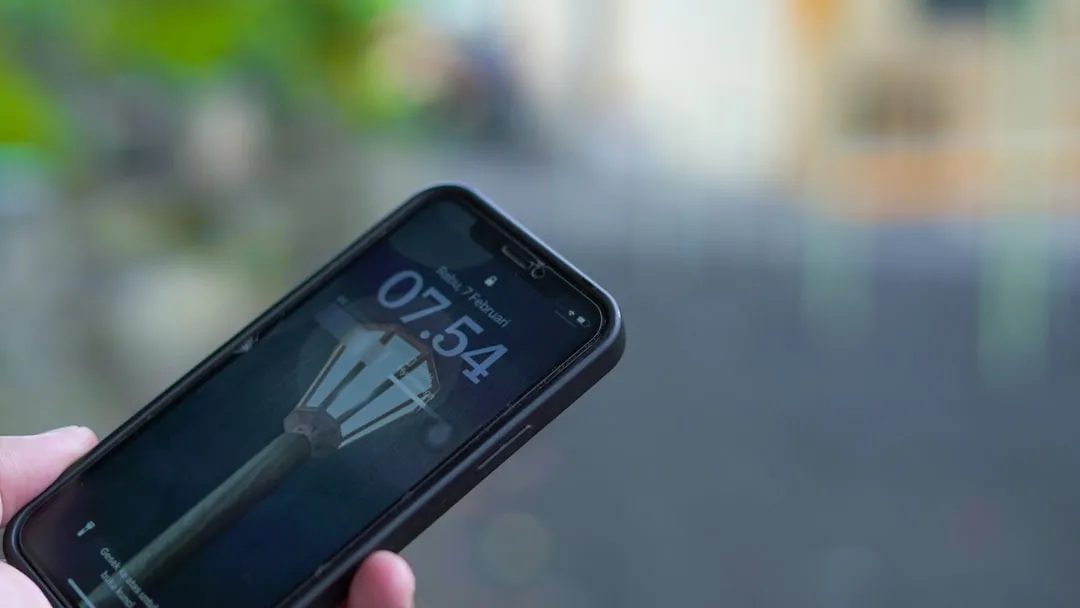
Roughly the same share of passengers who forget to remove their belts also confess to going through a metal detector with a phone, jewelry, keys, or similar objects. Smartphones are among the most reliable alarm triggers at any checkpoint. They are dense, metal-cased, and easily forgotten because we carry them so habitually that we stop thinking of them as objects we’re holding.
Building a “metal dump” habit in the queue, where your belt, watch, keys, coins, and bulky jewelry go straight into your bag before trays appear, cuts alarms and reduces the whole process immediately. Starting this routine while you’re still several people back in the line, not while you’re standing at the detector, is what actually saves time for everyone.
The Compounding Effect at Busy Checkpoints
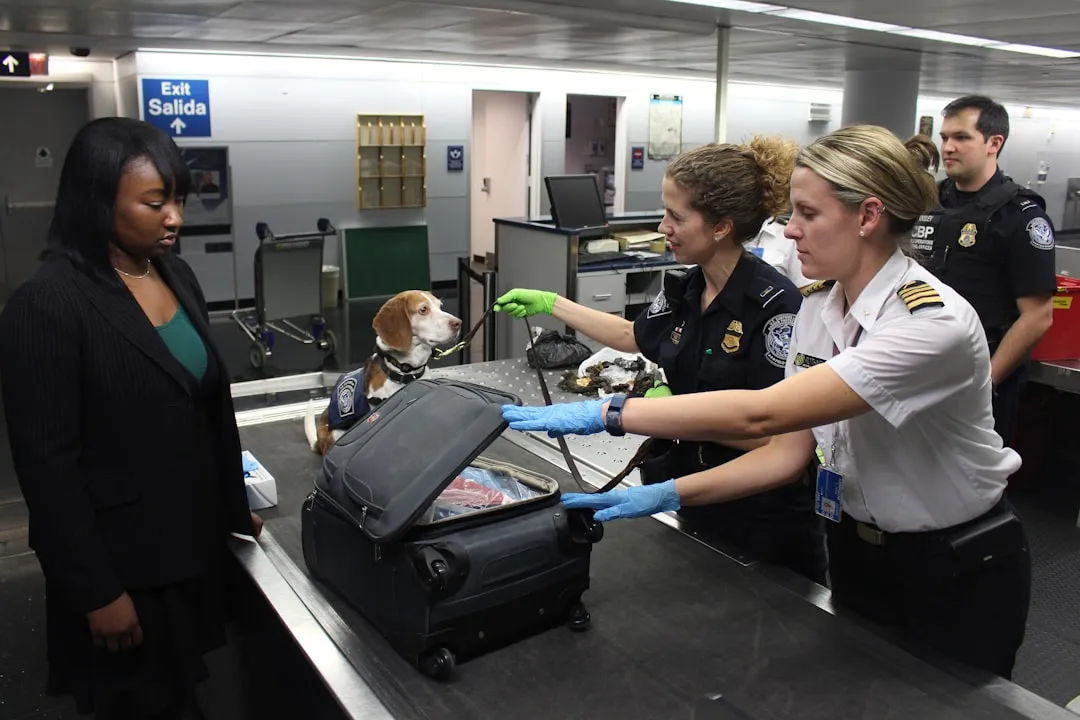
As passenger throughput accelerates alongside global travel recovery, security checkpoints face the dual challenge of maintaining rigorous threat detection standards while minimizing delays and enhancing the traveler experience. Each individual alarm adds only a short pause, but those pauses compound rapidly when screening volumes are high.
Research analyzed hourly and daily TSA data and found that Newark Liberty International Airport has the longest average wait in the country, at over twenty minutes, while travelers can wait in line for a full hour during its busiest period. A meaningful portion of that time comes not from the detector itself, but from the passengers passing through it unprepared. A bewildered traveler who shows up with no idea how the process works, resulting in arguments about liquid allowances and scanners beeping due to forgotten metallic items, causes delays for everybody else and the line at security screening can prove nightmarish for business and leisure travelers alike.
The False Alarm Problem
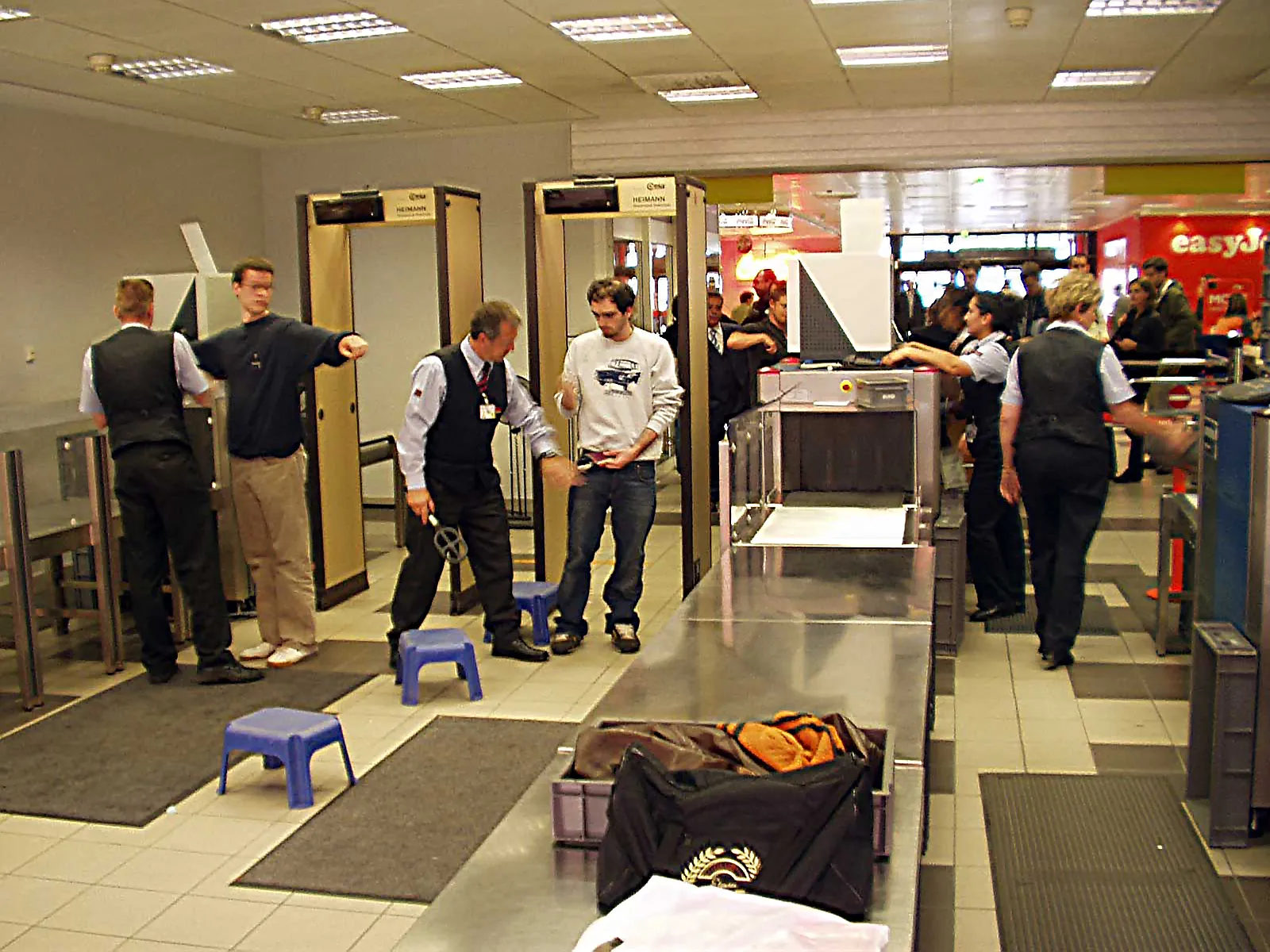
The screening process inherently causes screening delays which frustrate travelers and attendees, particularly at high-volume venues. More critically, the possibility of being pulled aside for a secondary, more invasive screening procedure creates feelings of personal discomfort and privacy violation. False alarms caused by innocent metal items are a significant driver of this secondary screening burden.
Modern walk-through metal detectors now use multi-frequency sensors and advanced data analytics to deliver superior screening performance, and the latest systems can cut false alarms by roughly thirty percent in properly equipped settings. Yet even these improvements only help when passengers aren’t triggering avoidable alarms through habits they haven’t examined. Technology can raise the ceiling, but it can’t fix someone walking through with a key ring in their back pocket.
Medical Implants and the Importance of Communicating Proactively
If you have a joint replacement, pacemaker, insulin pump, hearing implant, or surgical hardware, you can still move through airport security without anxiety once you know the process. Tell the officer proactively by pointing to the location of the implant. Carrying optional documentation or a device ID card is not required, but it can speed resolution.
Implants can alarm walk-through detectors, though full-body scanners typically clear them after identification. The delay happens most often when a passenger says nothing in advance and then reacts to the alarm with confusion or frustration. A brief, calm word to the officer before walking through almost always shortens the process for everyone involved. It is a habit that costs nothing and gains a great deal.
Why Staffing Pressures Make Every Second Count
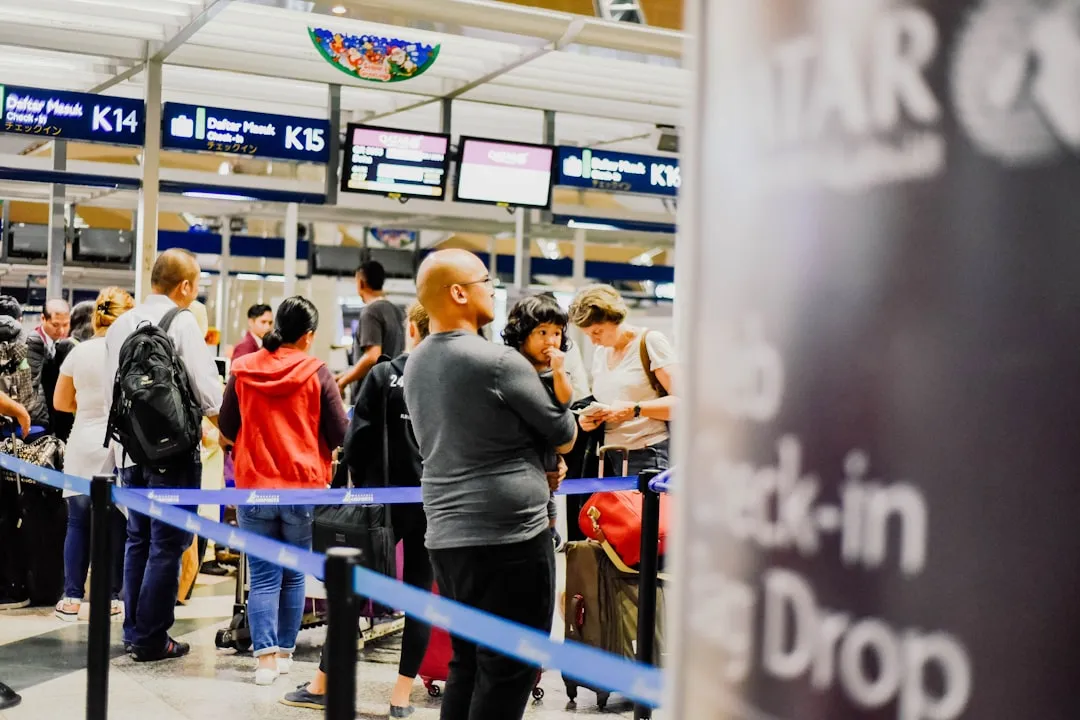
Officials have noted that TSA wait times are unpredictable and can fluctuate sharply as airports struggle with staffing shortages. More than three hundred TSA employees have left the agency since the 2026 shutdown started, and replacing them is a slow process because training takes from four to six months. That loss of experienced personnel means the agents who remain are processing more passengers per hour with less margin for the inevitable alarm-and-investigate cycle.
At some airports, TSA does not have enough personnel to adequately staff its processing lines during peak travel times, leading to longer wait times for airline passengers. In this environment, the individual passenger’s preparation matters more than it might during fully staffed, normal operations. The reliance on human capital means the need for skilled operators presents a persistent operational and financial challenge, and the accurate and efficient usage of advanced walk-through metal detectors requires trained staff. When both sides of the checkpoint are stretched, every unnecessary alarm carries a real cost.
The Simple Fix That Most Travelers Overlook
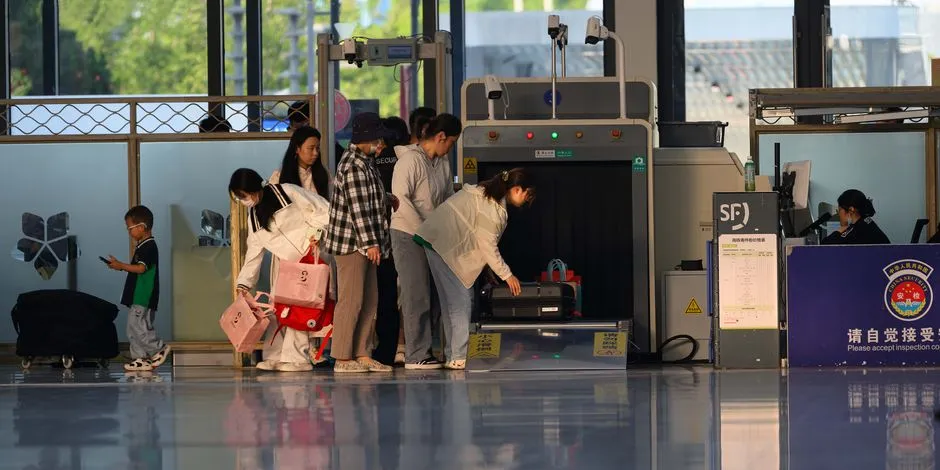
The habit that quietly adds minutes to every security line isn’t really one single thing. It’s the accumulation of small, unconsidered choices: the belt left on, the phone in the pocket, the jewelry still around the wrist. Individually, each pause is brief. Together, across a morning of flights, they represent a meaningful share of the delay that passengers blame on the system.
A low-metal outfit turns security from a guessing game into routine. The goal is simple: fewer removable parts, less interruption, less worry. Preparing while still in the queue, not at the moment you reach the detector, is what separates the passenger who flows through from the one who stops the line. It’s a small shift in awareness, and a remarkably effective one.
AI Disclaimer: This article was created with the assistance of AI tools and reviewed by a human editor.