
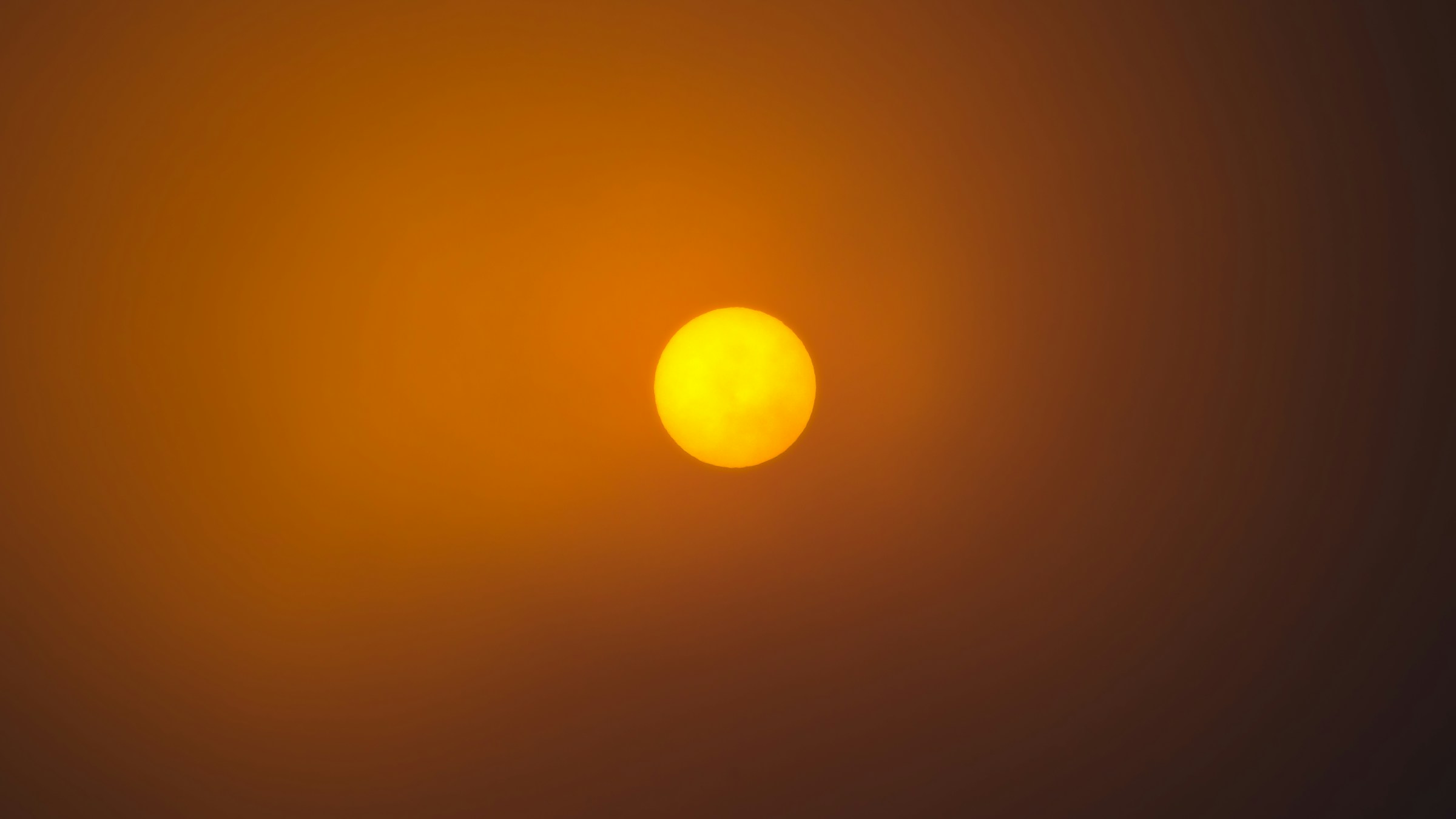
There’s something quietly disorienting about lacing up your hiking boots at 11 p.m. and stepping into full, warm daylight. No flashlight. No moon to navigate by. Just the sun, sitting low on the horizon, painting the landscape in amber and rose. For millions of travelers who make their way to the Arctic each summer, this is not a novelty. It is the whole point of the trip.
The midnight sun is one of the few natural phenomena that genuinely rewrites the rules of travel. Itineraries expand. Mornings and evenings blur into one long, golden window of possibility. What makes it so compelling is not just its science, but the way it reshapes every hour you spend outside.
What the Midnight Sun Actually Is
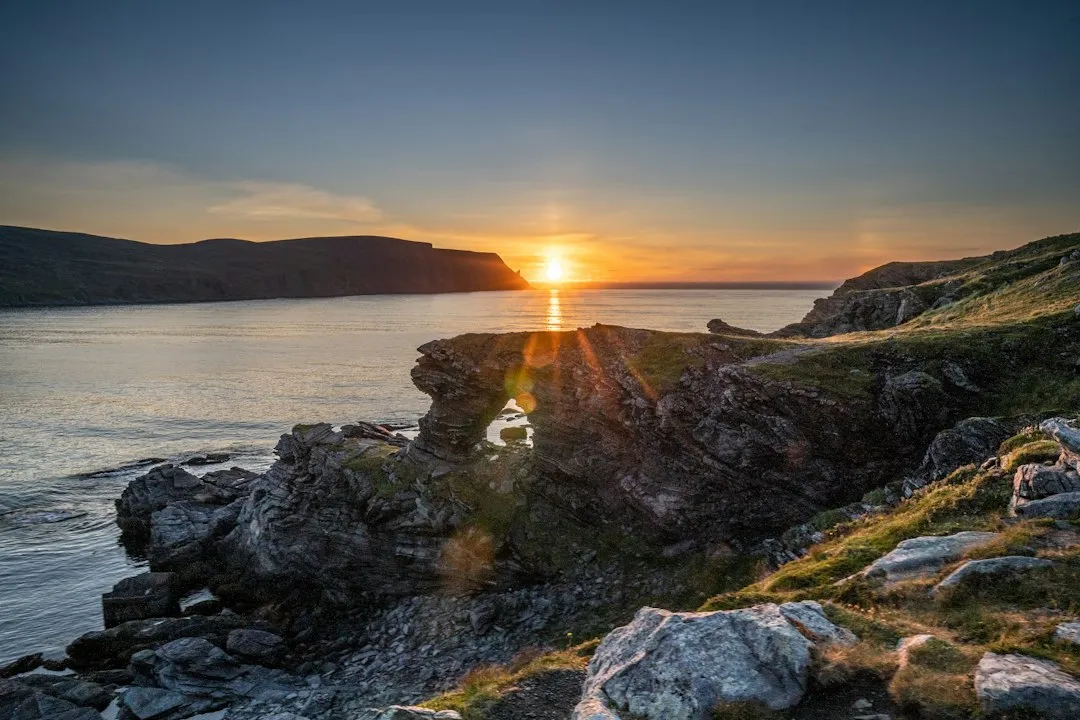
The midnight sun, also known as polar day, is when the sun never sets over a full 24-hour period. It is not a trick of the eye or an optical illusion. It is a straightforward consequence of planetary geometry, and understanding that geometry makes the whole thing feel even more remarkable.
Earth’s equator is not aligned with the ecliptic plane. It is tilted by 23.4 degrees, a property called the obliquity of the ecliptic, or Earth’s axial tilt. As a result of this axial tilt, one of Earth’s poles is normally tilted toward the sun, while the other is tilted away. That modest tilt is all it takes to keep the sun above the horizon for weeks on end.
At the June solstice, the North Pole is pointed toward the sun. No matter how much the Earth rotates, the sun never appears to set, producing the phenomenon of the midnight sun. It sounds almost too simple for something so dramatic.
When and Where to See It
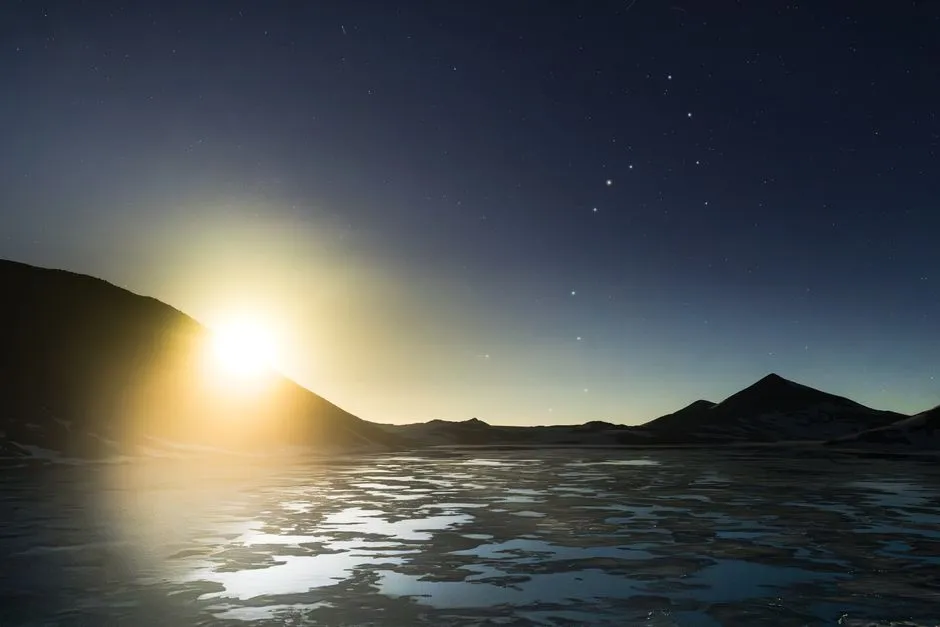
In the Arctic Circle, the midnight sun can be seen in countries like Norway, Finland, Iceland, Sweden, and Canada. Each location has its own character, its own window of time, and its own version of the experience.
The amount of time you can see the midnight sun lengthens the further north you travel. At the Arctic Circle, it is visible from around June 12th until July 1st. In places further north such as Baffin Island and Ellesmere Island, it can be seen from April to August.
The midnight sun occurs during the summer months, typically from mid-May to late July, depending on how far north you are. In Norway, the northernmost areas like Tromsø, the Lofoten Islands, and Nordkapp experience it most vividly. These names have become a kind of shorthand for the phenomenon itself.
Norway: The Benchmark Destination
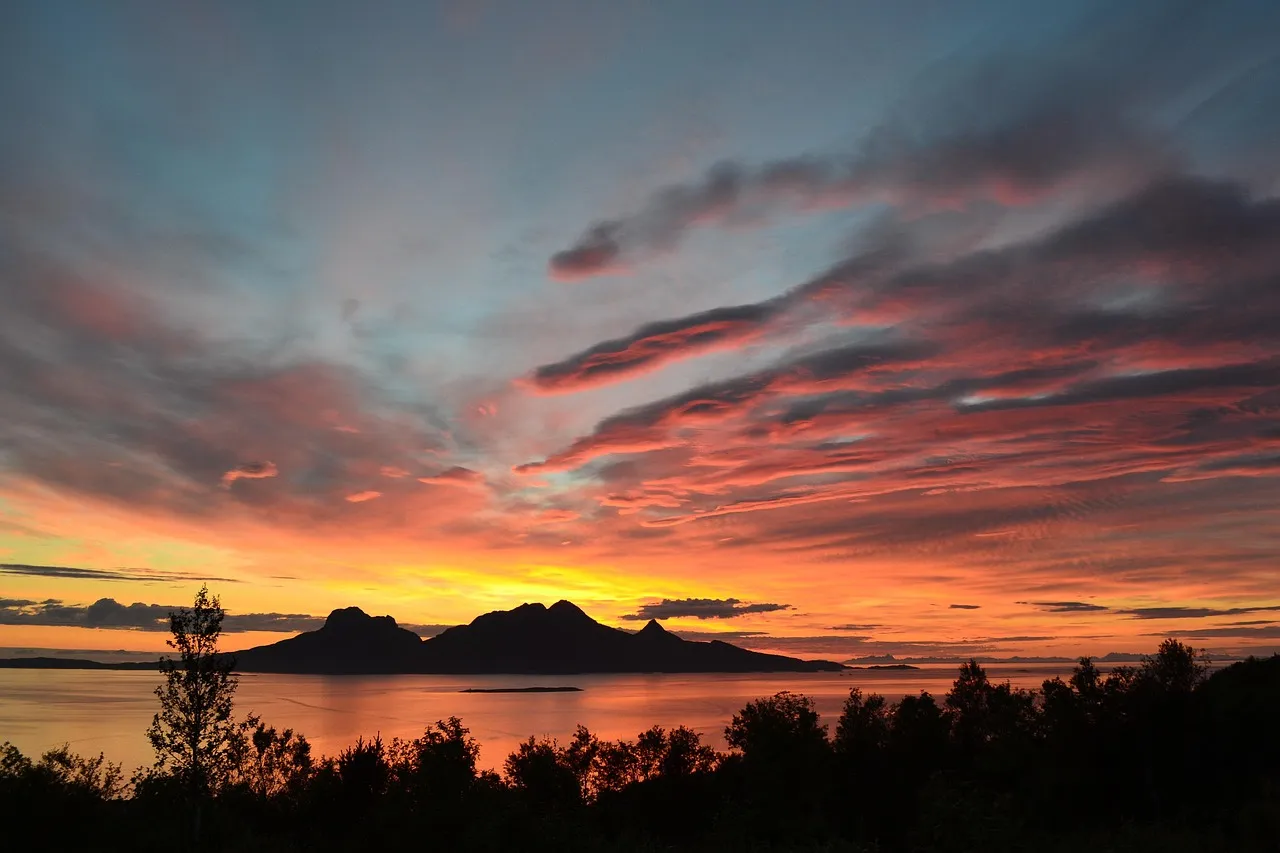
Norway has the most destinations at different latitudes, including Lofoten, Tromsø, Nordkapp, and Svalbard, along with the best tourism infrastructure and some of the most dramatic scenery. It remains the reference point most travelers use when imagining what a midnight sun trip should look like.
Adventurous visitors can head up one of many peaks to see Lofoten under the rays of the midnight sun, with mountain summits like Hoven at Gimsøy and Åndhammarn at Røst being challenging but especially rewarding. Those who prefer to experience the magic from sea level can join midnight sun horseback riding trips on the island of Gimsøy.
Travelers can hike late at night, photograph Arctic scenery without darkness, experience local cultures, and enjoy outdoor adventures at unusual hours. That last point matters more than it might seem. The absence of darkness genuinely extends the possible day in ways that a longer summer evening simply cannot match.
Sweden’s Quieter, More Accessible Side
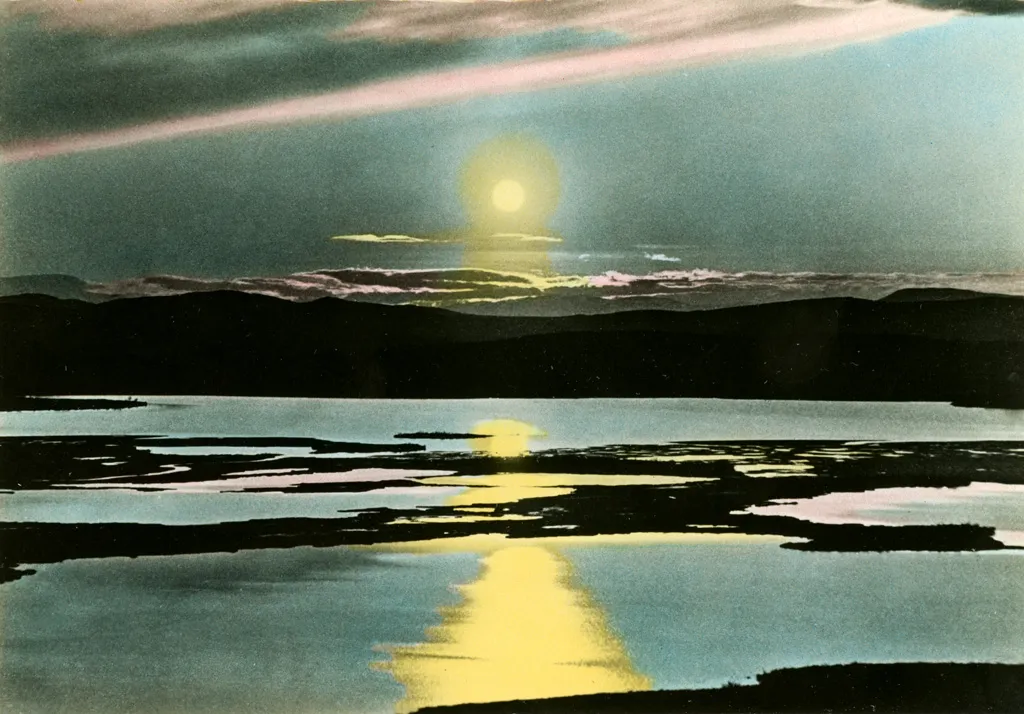
In Arctic Sweden, the midnight sun period generally begins between late May and early June and continues until July. Kiruna experiences the midnight sun from around May 28th to July 14th, while Abisko enjoys the phenomenon from approximately May 25th to July 18th.
Swedish Lapland is considered the budget-friendly alternative to Norway. Abisko National Park, famous for its clear skies and what locals call the “Blue Hole of Abisko,” is equally spectacular in summer. Kiruna, Sweden’s northernmost city, sits just 90 minutes away.
Comparable scenery to Norway, significantly lower prices, fewer crowds, and Sweden’s Right of Access law, known as Allemansrätten, allow visitors to camp, hike, and forage almost anywhere for free. For travelers who want space and solitude alongside the spectacle, Sweden makes a compelling case.
Finland: The Still, Atmospheric North
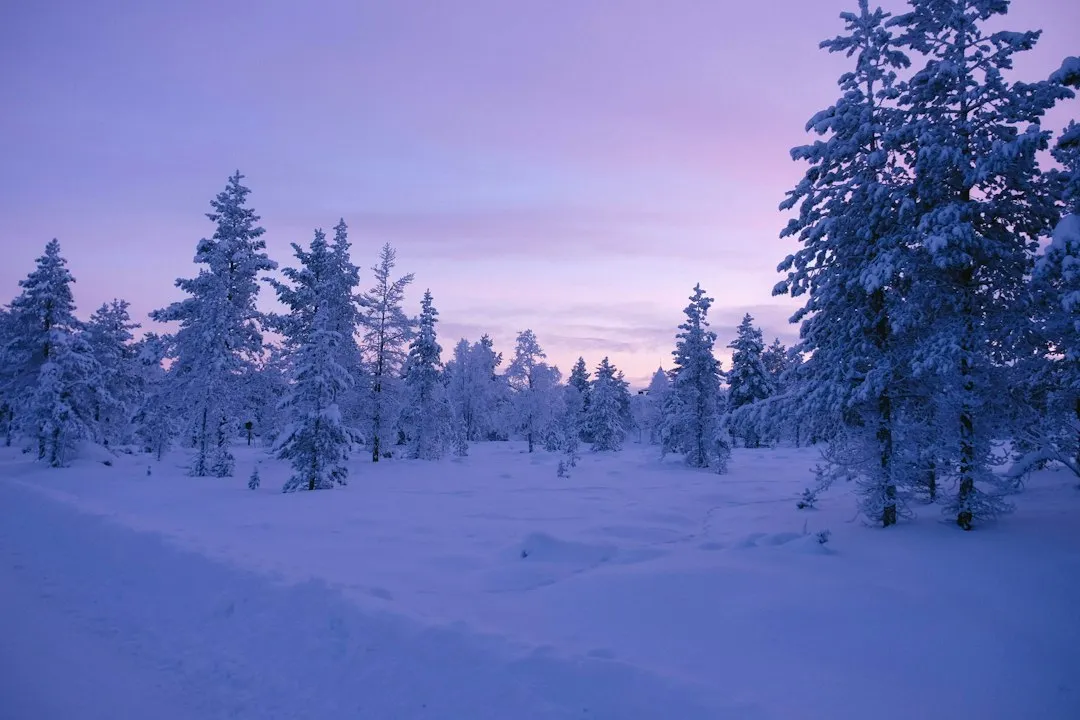
Finland’s Lapland offers the most tranquil midnight sun experience, with vast forests, thousands of lakes, and very few people. The quietness is part of the appeal. There is a slowness to Finnish Lapland that actually suits the phenomenon well.
Finnish Lapland locals use the surreal 24 hours of daylight to take part in their favorite active adventures in natural surroundings. To experience the midnight sun the Finnish way, travelers leave the cities behind between May and August in favor of the country’s northernmost region, where hiking and fishing await.
Locations in Finland known for their midnight sun views include the towns of Rovaniemi, Inari, and Utsjoki. Visitors can also experience the midnight sun in Finnish Lapland National Park and the northern part of the Bothnian Bay National Park. Each of these places carries a different energy, from the relatively accessible Rovaniemi to the raw remoteness of Utsjoki near the Norwegian border.
How It Reshapes Sightseeing Hours
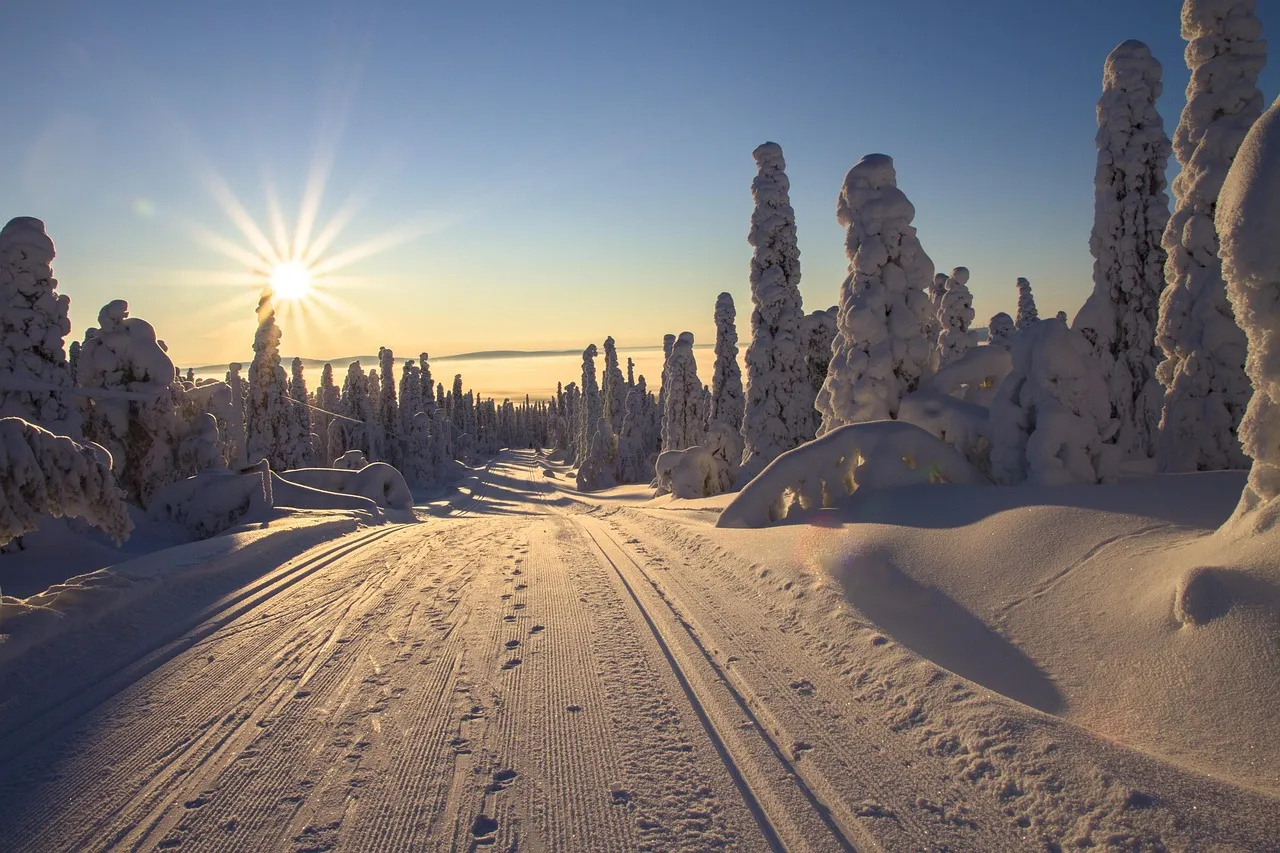
Northern Sweden and Norway experience remarkably long daylight hours, while destinations above the Arctic Circle enjoy the midnight sun, where the sun remains visible throughout the night. These unique conditions allow travelers to enjoy hiking, sightseeing, photography, boating, and cultural events well beyond conventional evening hours.
The midnight sun has become one of Europe’s most attractive summer travel experiences. Unlike traditional beach holidays, it offers visitors a chance to explore landscapes under constant daylight. Crowds that gather at popular viewpoints at noon thin out considerably by 11 p.m., even though the light is often softer and more photogenic at that hour.
Experiencing the midnight sun is less about ticking off sights and more about embracing a way of travelling shaped by light, space, and rhythm. Whether along Norway’s coast, beside a Finnish lake, among Greenland’s icebergs, or across Iceland’s open landscapes, it offers a rare and memorable way to experience the Nordic summer.
The Effect on the Human Body
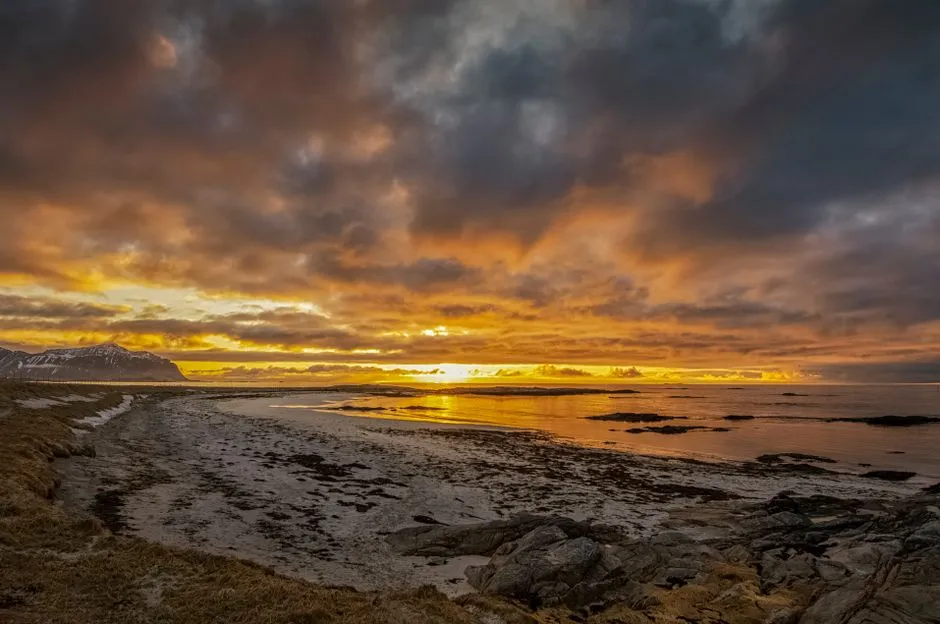
The constant daylight of the midnight sun significantly disrupts the human body’s natural sleep-wake cycle, known as the circadian rhythm. This internal clock is regulated by light and darkness cues. When the sun is continuously visible, the brain receives a constant signal that it is daytime, which can confuse the body’s natural timing mechanisms.
A key biological mechanism affected is melatonin production, a hormone that induces sleepiness. Typically, melatonin increases in the dark, signaling the body to prepare for rest. Under continuous daylight, this natural signal is weaker, leading to suppressed melatonin levels. This suppression can make it difficult to fall asleep and result in reduced sleep quality.
The good news is that you can do a lot to make the midnight sun easier on the body. Blackout curtains are the most useful tool for many visitors. A sleep mask can help too, especially if the room never gets fully dark. Most accommodations in midnight sun regions are well aware of this, and prepared for it.
Midnight Sun and the Rise of Adventure Tourism
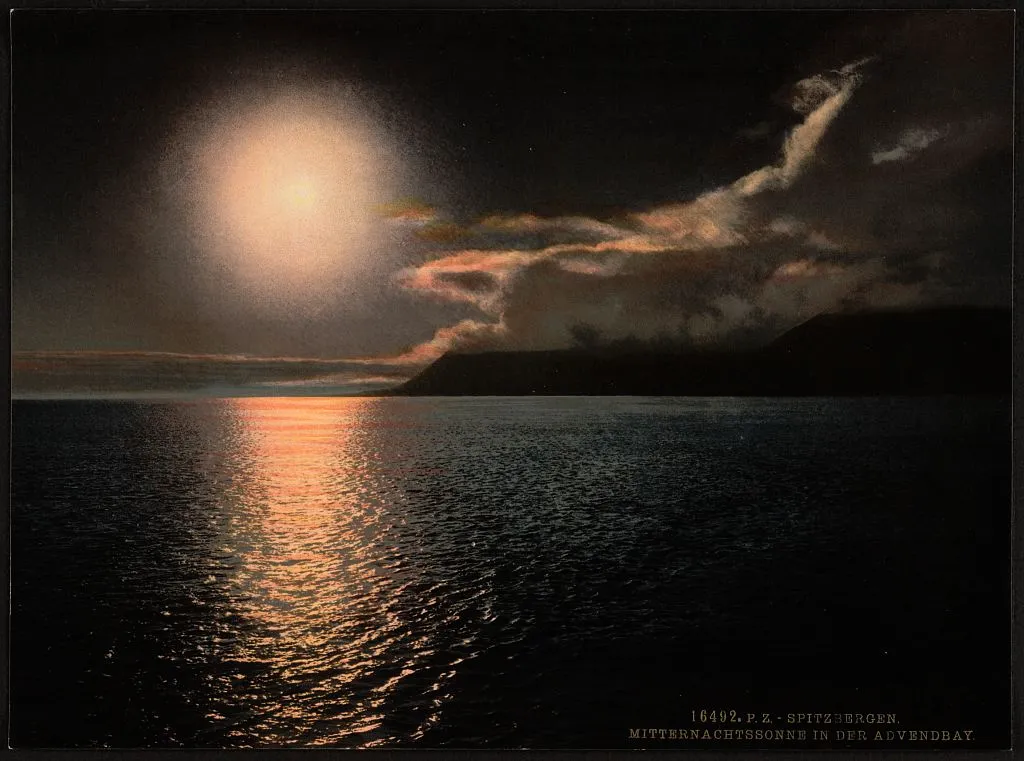
For generations, the vast and rugged expanse of northern Scandinavia was primarily marketed as a premier destination for winter sports, drawing thrill-seekers eager to experience the northern lights, dog sledding, and alpine skiing. However, a profound shift in global travel behavior has fundamentally transformed the region’s tourism landscape.
The growing demand for unique travel experiences is also increasing attention toward lesser-known destinations such as Svalbard, Grímsey, and Murmansk. These places occupy the far edges of the midnight sun zone and offer experiences that feel genuinely off the beaten path.
Tourism authorities and local communities organize numerous public events during the summer season, including open-air concerts, museum exhibitions, artisan markets, traditional craft demonstrations, and cultural performances. The celebration has become an important driver of regional tourism as visitors seek immersive cultural experiences while exploring Scandinavian landscapes.
Midnight Sun vs. Northern Lights: A Common Confusion
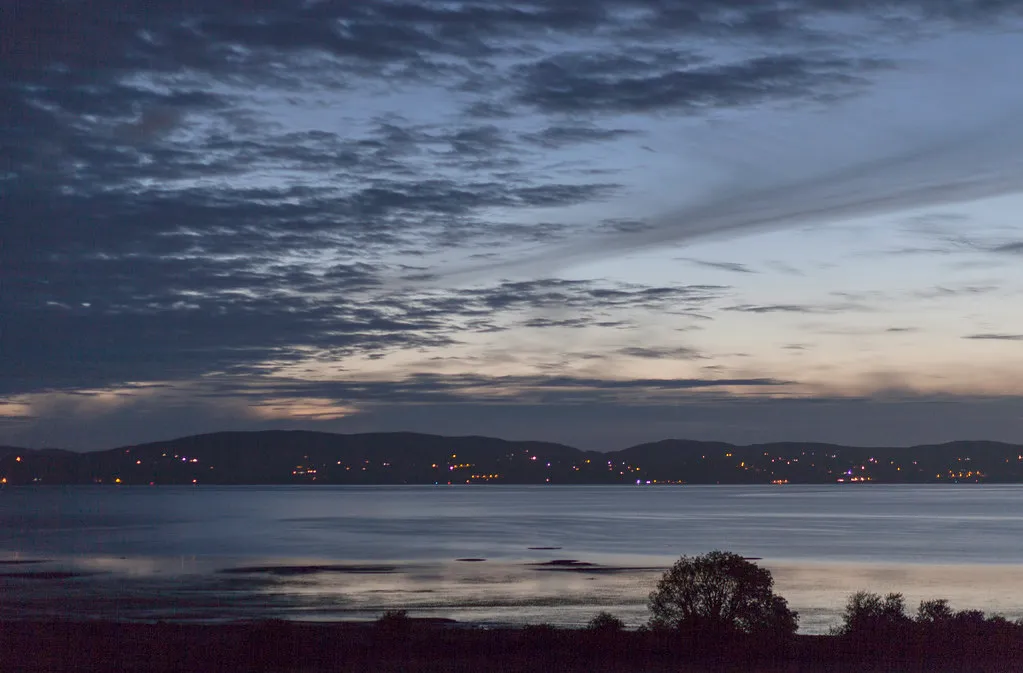
The midnight sun and the northern lights are opposite phenomena. The midnight sun happens in summer, from May to July, when the sun never sets. The northern lights occur in winter, from September to March, when nights are long and dark. Knowing the difference saves a lot of itinerary disappointment.
You cannot see both on the same trip unless you visit during the shoulder seasons, such as early September or late March, when you get brief darkness and the occasional aurora. The shoulder seasons carry their own appeal though: fewer visitors, transitional light that is genuinely beautiful, and the sense of catching a place between its two dramatic moods.
For many travelers, the midnight sun represents something rare: a moment where normal concepts of time disappear. That quality of timelessness is what separates it from other natural spectacles. It doesn’t ask you to watch it from a specific spot at a specific hour. It simply stays, and you move through it.
Practical Tips for Planning a Midnight Sun Journey
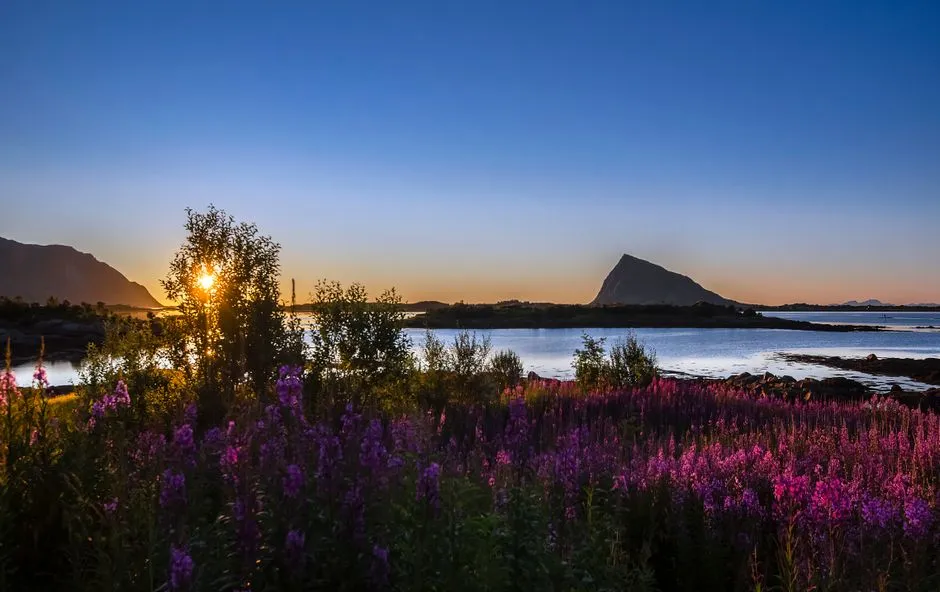
For travelers who prefer a relaxed, well-paced way to experience the midnight sun, escorted summer small group tours are an ideal option. These journeys remove the logistics of driving long distances while allowing time to enjoy the landscape, local culture, and extended daylight. Solo travelers tend to favor the flexibility of self-driving, particularly through Norway and Swedish Lapland.
The closer you are to the Arctic Circle, the longer the daylight stretches, making the phenomenon more intense and unforgettable. Places like Svalbard have 24-hour daylight for several months straight, while areas just below the Arctic Circle still enjoy long golden evenings. Your choice of latitude is essentially your choice of intensity.
Late-night sauna sessions followed by wild swimming are also a popular activity during the midnight sun season, though note that the water only warms up after June. Pack for variable temperatures regardless of the calendar date, and give yourself more time than you think you need. Schedules loosen naturally under permanent daylight, and that is not a problem. That is the experience.
The Takeaway
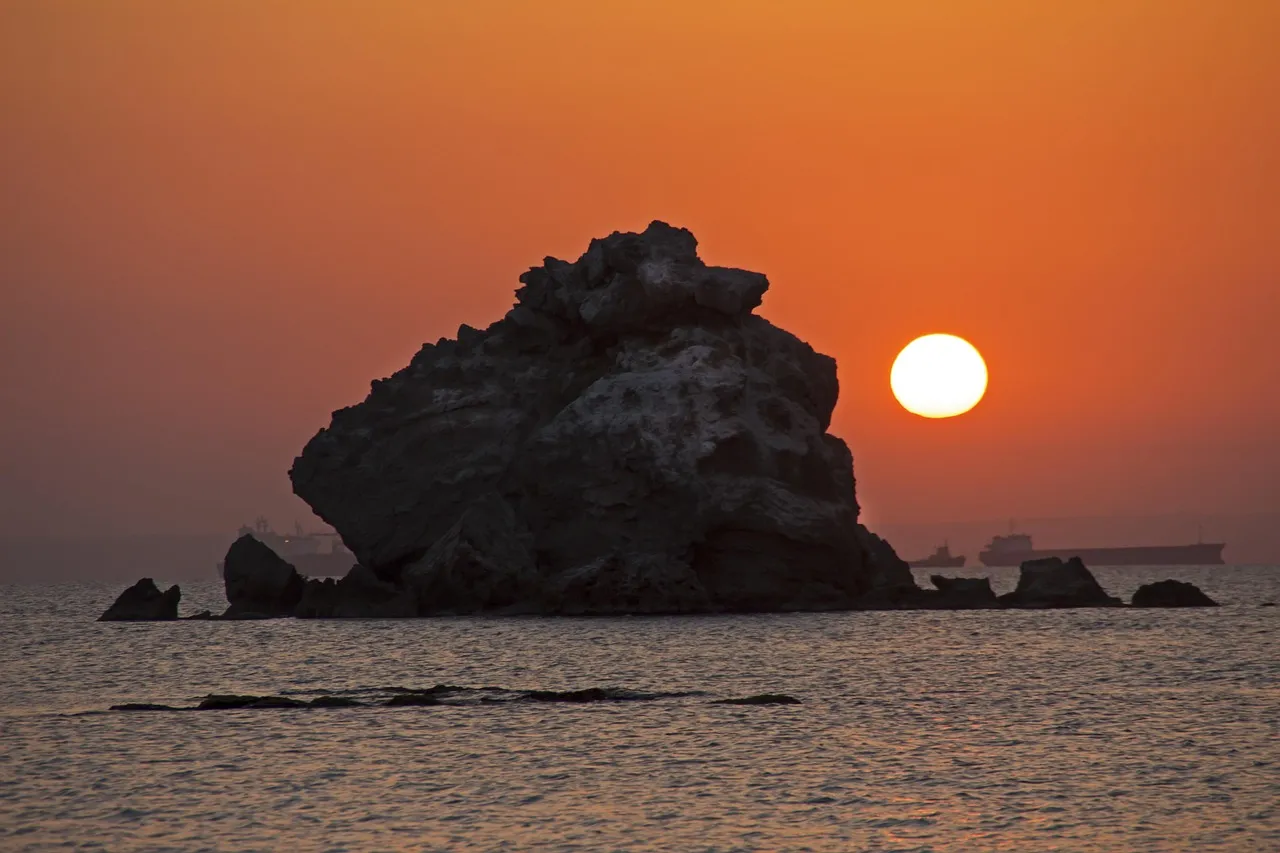
The midnight sun doesn’t just extend the day. It fundamentally changes your relationship with time while traveling. When darkness never arrives to signal rest, you find yourself deciding, consciously and deliberately, when to stop. That shift in agency is something travelers rarely describe in purely practical terms. It feels almost philosophical.
What the Arctic summer offers, beneath all the logistics and latitude calculations, is a reminder that the world has moods and seasons that most of us never witness. Traveling to see the midnight sun is not a box to tick. It is a genuine recalibration of what a day can be, and that is worth the journey north, however far north that turns out to be.
AI Disclaimer: This article was created with the assistance of AI tools and reviewed by a human editor.