
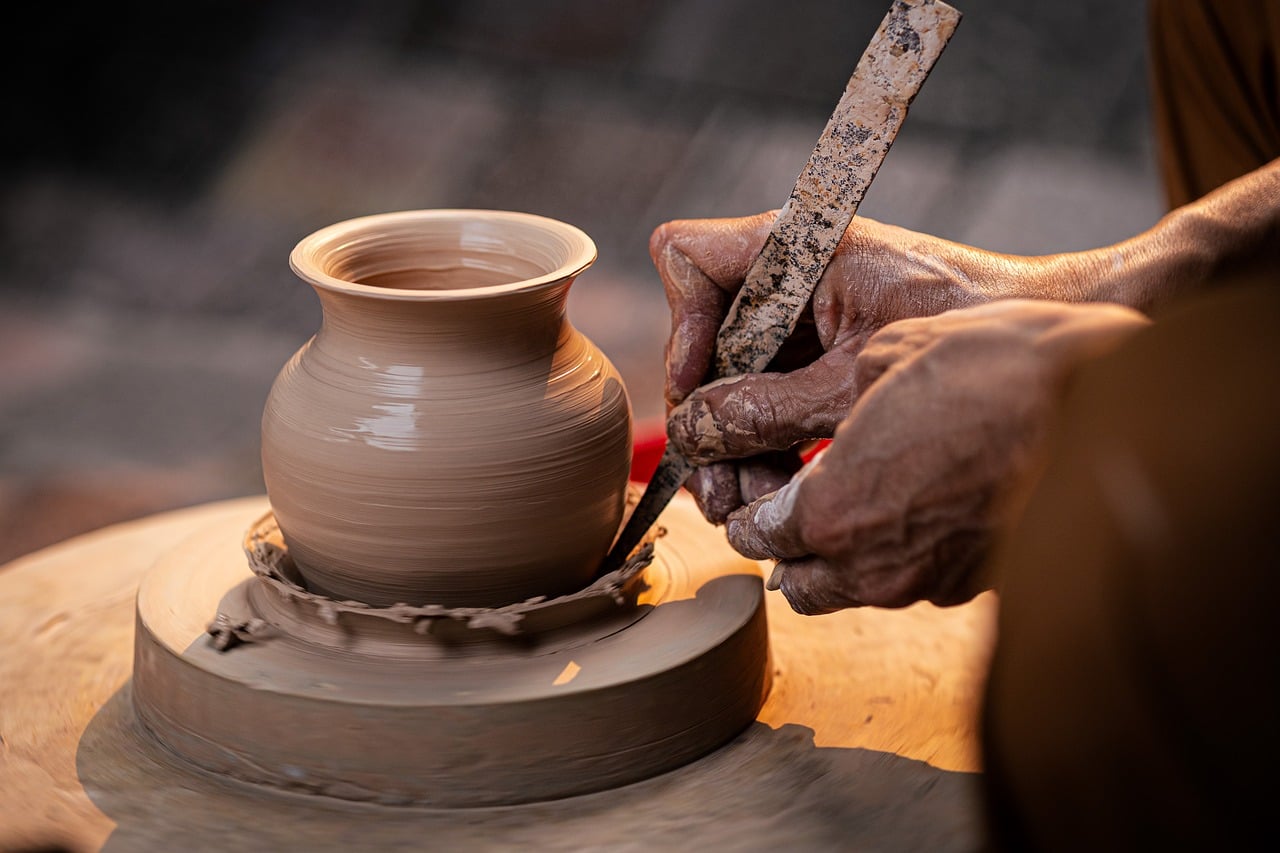

There’s something quietly radical about a traveler who books a flight not for a beach or a monument, but for a pottery wheel, a chef’s kitchen, or a painter’s easel. The idea that a vacation could revolve entirely around deepening a personal passion has moved well beyond niche status. It’s now reshaping how millions of people choose where to go, how long to stay, and what they bring home.
Sometimes called “hobbidays,” a portmanteau of “hobby” and “holiday,” this trend reflects a broader recognition that travel has moved well beyond sightseeing. Holidays are now opportunities for immersive learning and active participation in specific pursuits. What’s driving this shift, and what does it actually look like to build a multi-day trip around a craft or skill? The answers stretch across continents, disciplines, and traveler types.
A Market Telling a Clear Story
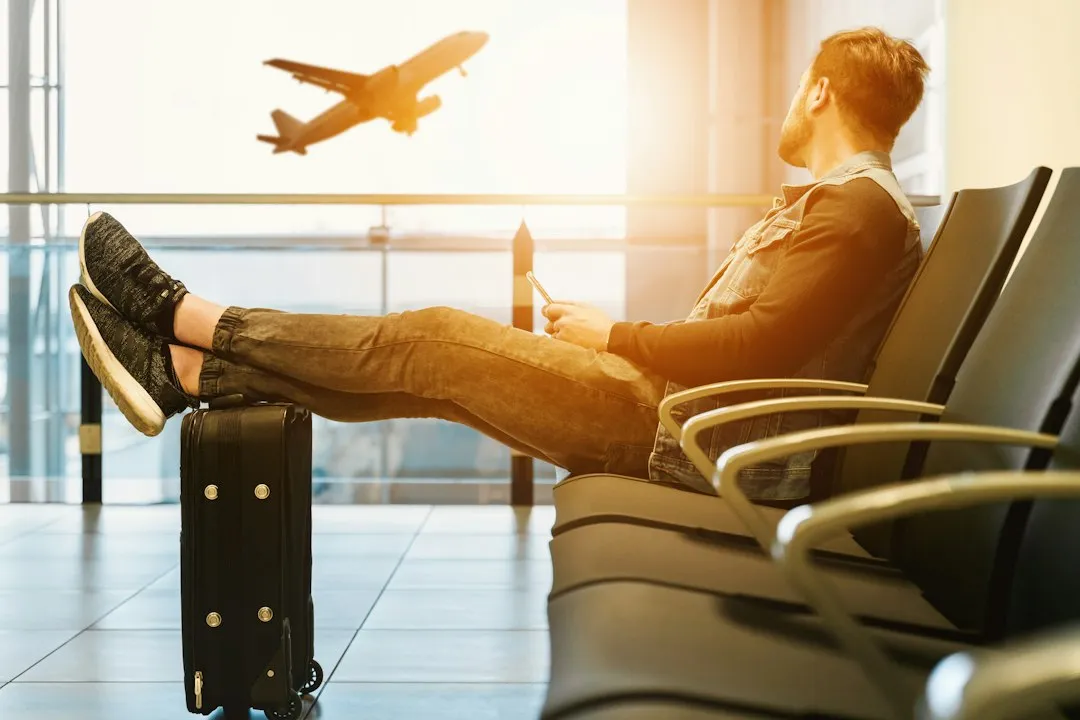
The data behind this trend is hard to ignore. A report from Phocuswright shows that bookings in the global experiences market reached pre-pandemic levels in 2024 with roughly 253 billion dollars in transactions, with figures expected to climb even higher into 2025. That’s not a quiet corner of the travel industry – it’s a dominant force shaping how trips are now planned and sold.
According to Statista, the global travel experience market was projected to reach between 1.1 trillion and 1.3 trillion dollars in 2024, with structured activities accounting for around one quarter of travelers’ total expenditures on experiences worldwide. A survey by GetYourGuide showed nearly all travelers stating that the promise of unique experiences heavily influences their choice of destination.
Software firm Flyware reported that nearly nine in ten tourism service providers have seen higher demand for experiential travel, which typically offers more personalized and unique leisure experiences compared to conventional vacations. Workshop trips sit squarely at the heart of that demand.
Why Hobbies Have Become the New Itinerary
The experience economy is enormous in the travel industry, with fewer travelers seeking traditional sightseeing expeditions. Instead, consumers are pursuing authentic experiences, distancing themselves from mainstream tourism providers and venturing into pastimes that feel more meaningful.
The rapid acceleration of experiential demand is underpinned by several structural shifts: a generational value realignment in which Millennials and Gen Z consumers consistently prioritize experiences over material goods, a post-pandemic recalibration of what constitutes meaningful leisure, and a proliferation of digital platforms that enable hyper-personalized trip curation at scale.
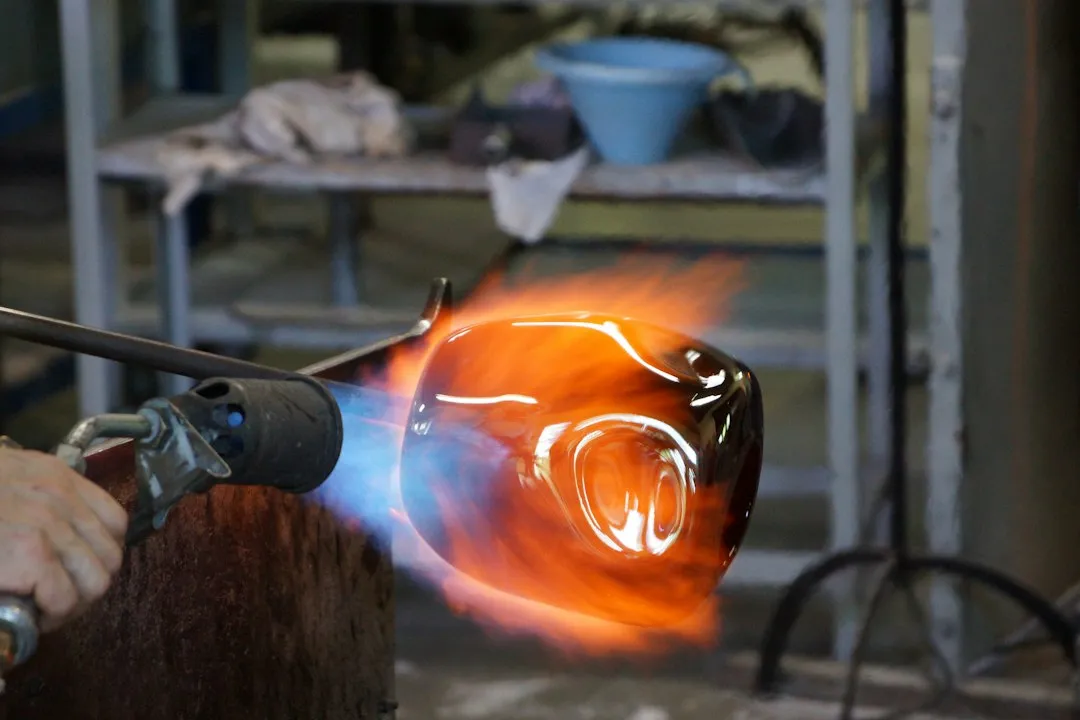
This emerging trend underscores a shift in travel preferences. People are looking for more than just relaxation on vacation; they want to return home with new skills and memories. A week learning glassblowing in Murano or natural dyeing in Oaxaca leaves something tangible behind.
The Science of Why It Feels So Good
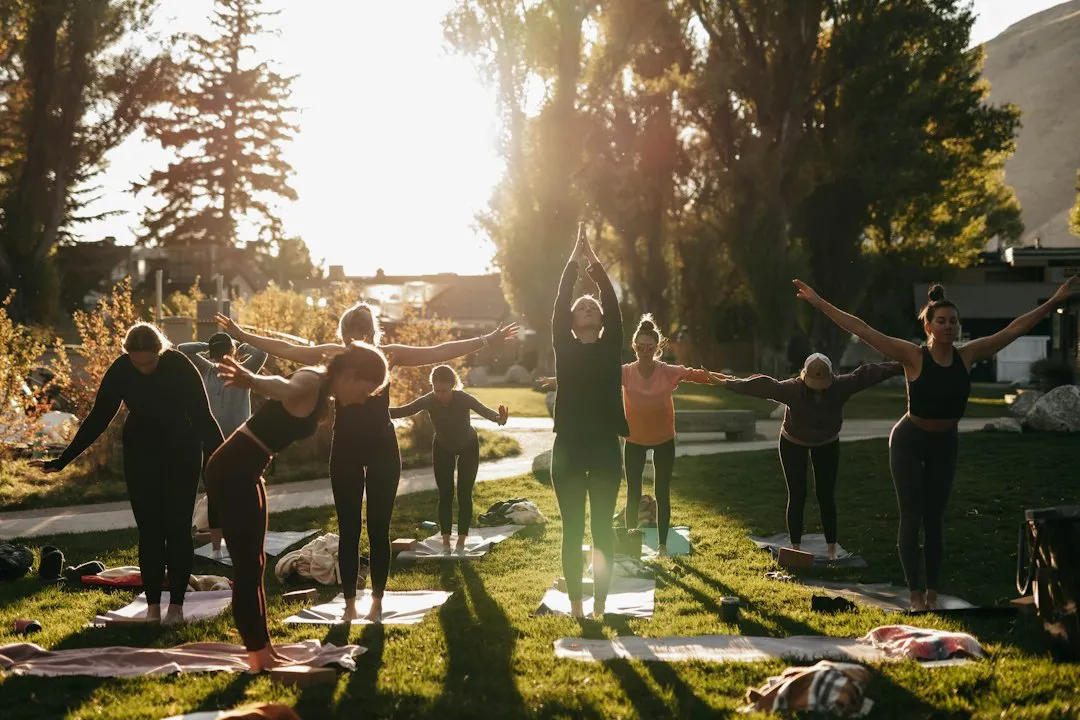
Studies show that actively pursuing a hobby can help you feel more relaxed, positive, and actually less prone to illness as you age. Combine that with the restorative effects of travel itself and you begin to understand why multi-day creative retreats attract repeat visitors.
Having a hobby is linked to long-term happiness in old age – that’s the result of a global study conducted in 2023. The London-based UCL Institute of Epidemiology and Health Care surveyed 90,000 people in 16 countries across Europe, the USA, Japan, and China, and found that people who have a hobby experience a decrease in depressive symptoms and an increase in life satisfaction and happiness.
Workshop travel essentially compresses these benefits into an intentional, time-limited experience. You’re not just on holiday – you’re actively investing in something that research says matters for your long-term wellbeing. That’s a compelling combination.
Culinary Workshop Trips: Learning to Cook Where the Food Was Born
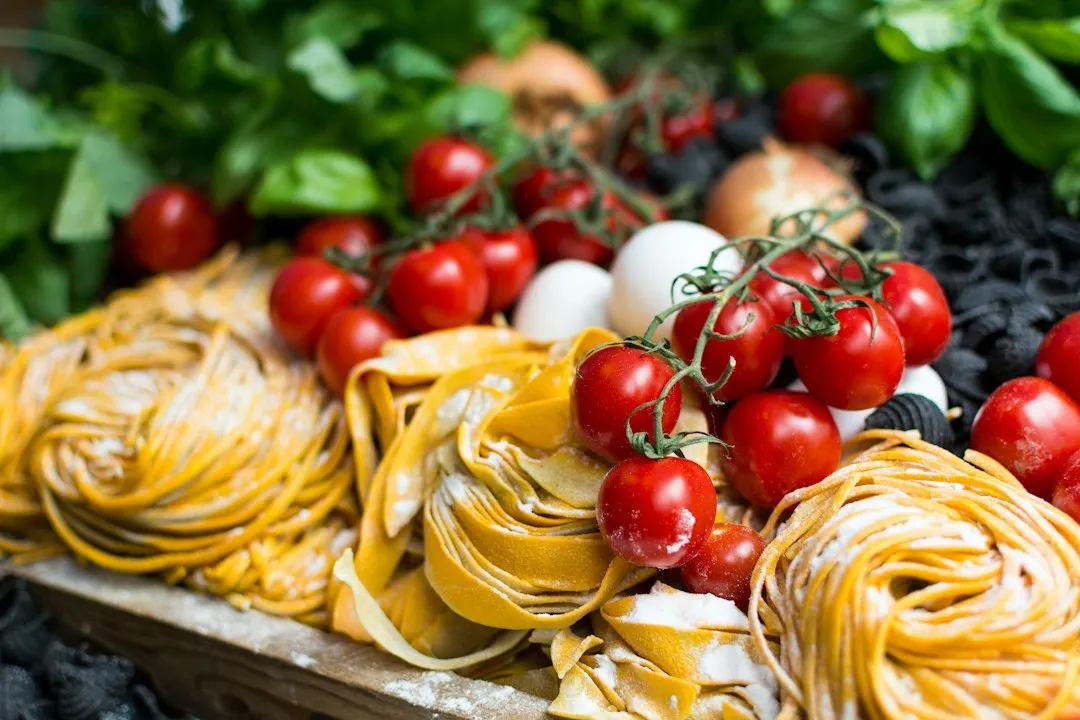
A cooking hobbiday in Italy might include visits to local food markets and workshops with regional chefs, weaving the craft of learning directly into the cultural fabric of the destination. This format, where the skill being learned is native to the place hosting you, tends to produce the most memorable trips.
Pairing world-class lessons with the exploration of picturesque locations known for their rich cultural heritage creates a delightful blend of art, culture, and culinary experiences. Evenings at retreats become about connecting with fellow participants over meals and local wines in charming settings. Meals are prepared with local and seasonal produce, emphasizing regional cuisine.
Culinary workshop trips operate across nearly every inhabited continent now – from hand-made pasta classes in Bologna to spice-blending workshops in Marrakech to fermentation retreats in South Korea. The shared kitchen table has become one of travel’s most reliable bridges between strangers.
Ceramic and Pottery Retreats: Clay as a Global Connector
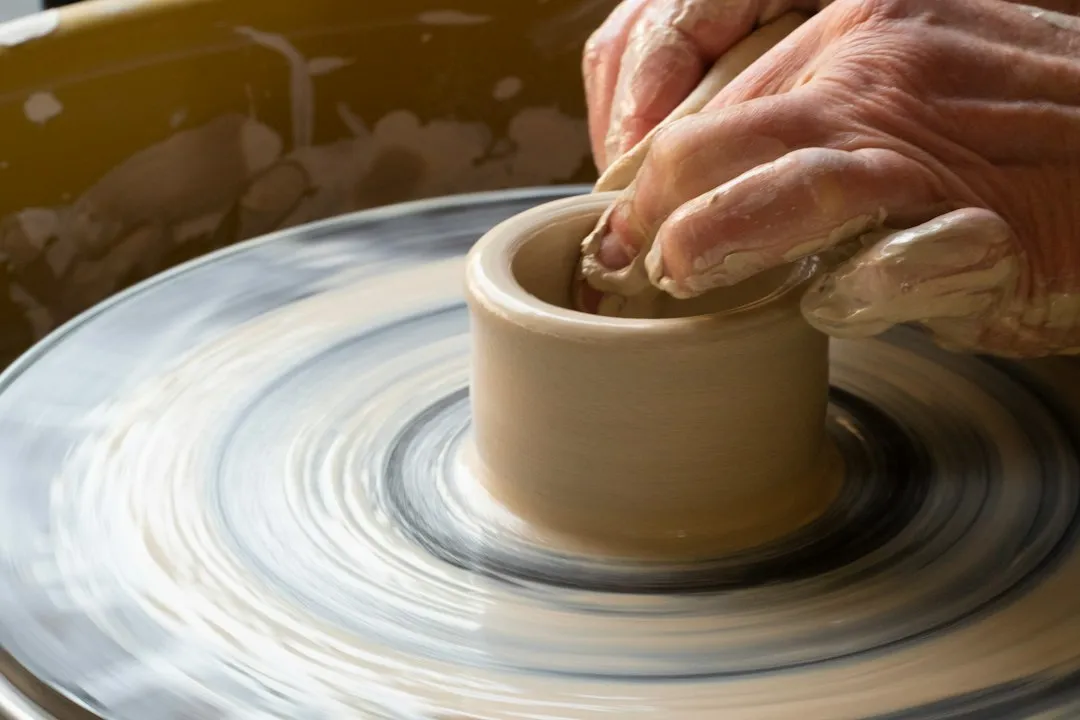
Specialty programs like the one hosted by Craigardan in collaboration with Clay Kitchen Portugal offer ceramic retreats overlooking the stunning landscape of Ribeira da Azenha in Southwest Portugal, bringing together potters for hands-on ceramic education rooted in local tradition.
The best ceramic retreats for artists and hobbyists combine skill-building, studio access, and creative immersion. Clarifying your goals before choosing a retreat – including skill level, technique focus, and whether you’re after networking or relaxation – matters as much as evaluating instructor experience, studio facilities, and kiln access.
Platforms like BookRetreats list hundreds of pottery retreats, reflecting just how widely available this format has become for travelers at every experience level. The appeal of working with clay in a new country, under unfamiliar skies, with materials sometimes sourced from the very land you’re visiting, is genuinely hard to replicate anywhere else.
Art and Painting Retreats: Landscapes as Living Classrooms
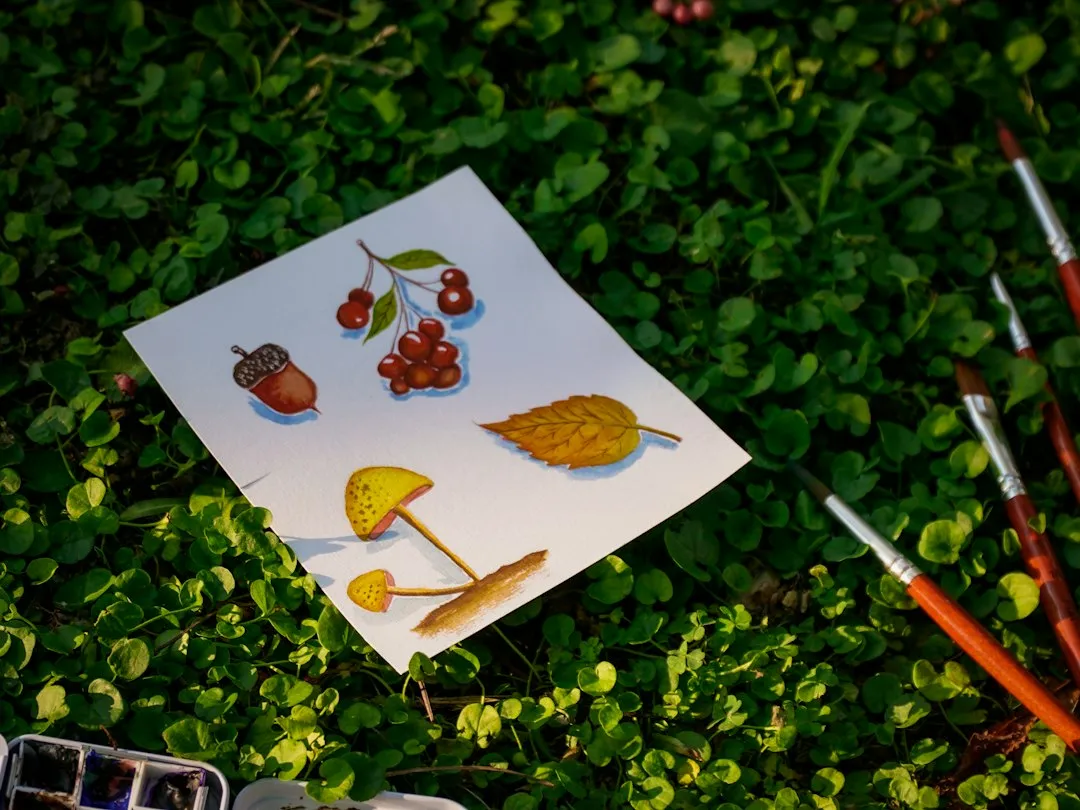
Guided by experienced instructors, artists learn to paint light, shadow, and color while developing their unique styles. Alongside technical guidance, these retreats offer outdoor excursions and workshops to help artists hone their creative skills. These retreats are not just about painting – they’re about experiencing art in its purest form, in the heart of nature itself.
Printmaking art holidays in Tuscany, for example, are set in the idyllic old town of Barga in the stunning hills of Tuscany. The retreat is based at an art venue set in an old medieval town, perched on a hilltop surrounded by panoramic mountain views in charming accommodation with a traditional Tuscan vibe.
The destination doesn’t just provide accommodation – it becomes the subject matter. Painters working on location in the Algarve or the Scottish Highlands are producing work shaped by the specific light, texture, and atmosphere of that place. The trip and the craft become inseparable.
Craft and Textile Workshops: Learning From the People Who Carry the Tradition
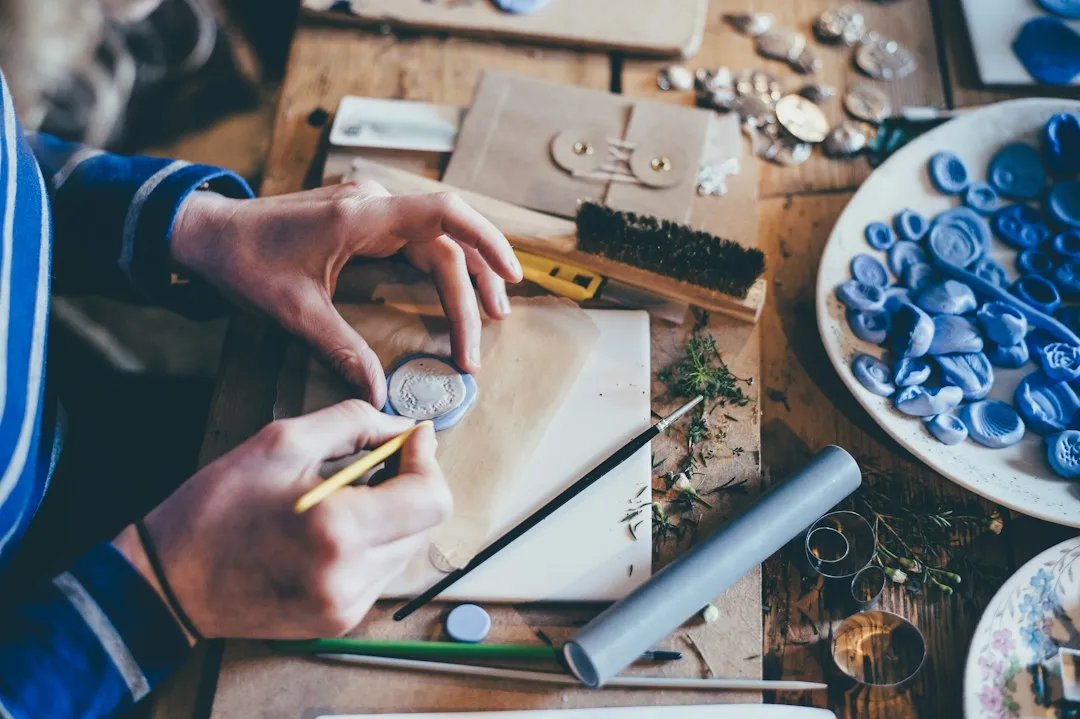
Some operators combine destination-specific experiences with workshops led by local artisans, offering travelers the chance to learn and practice traditional crafts like weaving and pottery. This model is especially meaningful because it places the traveler in genuine dialogue with a living craft tradition rather than simply observing it from a distance.
One example includes a 2024 retreat to Colombia that delved into regional crafts like rug weaving, paper making, printing, and the art of using natural dye, set in the beautiful mountain town of Barichara. Locations like this matter deeply – the craft doesn’t exist in a vacuum, and learning it in its place of origin carries real weight.
Many guests at craft retreats finish multiple pieces, from pottery bowls to woven wall hangings, depending on the craft and retreat length. What you carry home isn’t just a souvenir – it’s evidence of something you actually made, learned, and understood.
The Social Architecture of Multi-Day Workshops
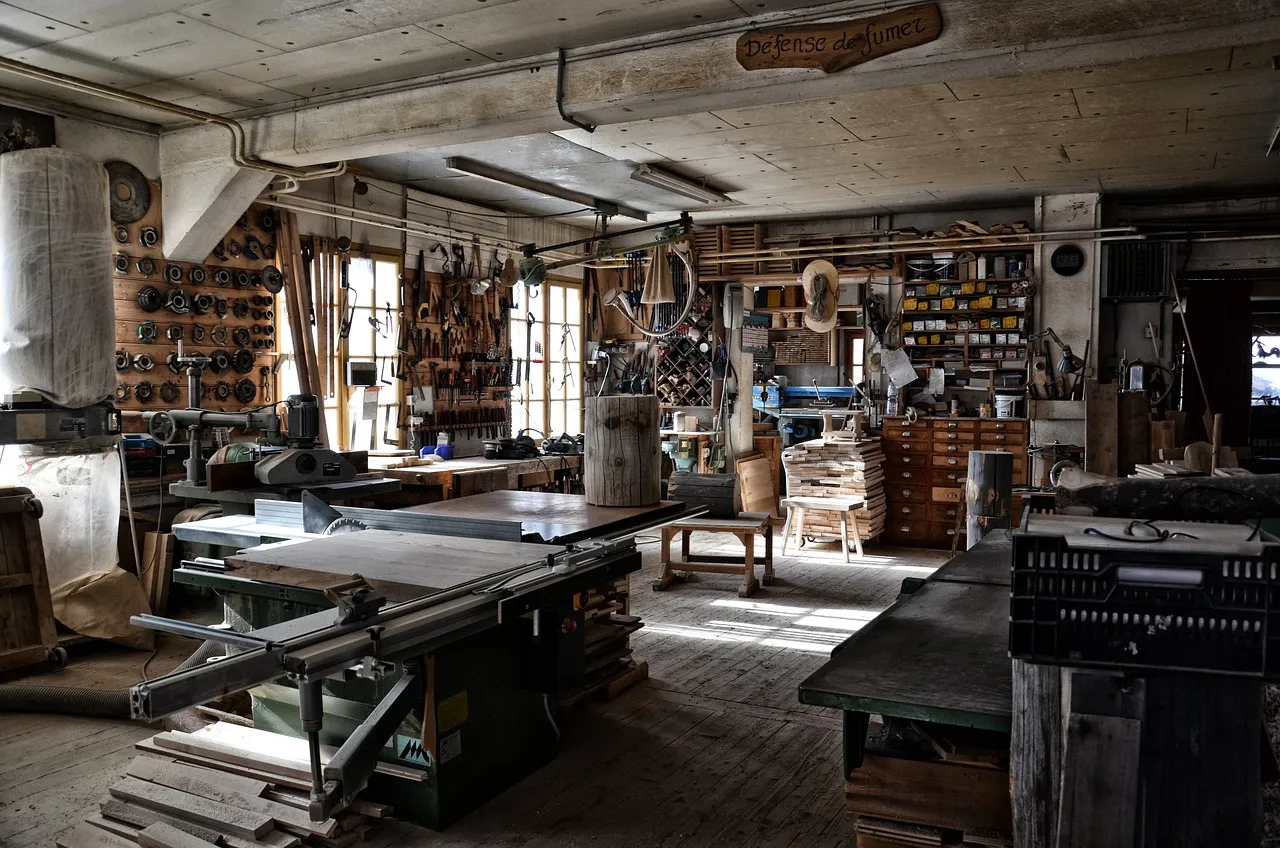
Most guests at workshop retreats book solo. Participants often choose these retreats specifically because they offer lots of creative workshops, a chance to try new things, and an opportunity to be around like-minded people. That social dimension is part of what makes the format so stickily appealing.
Travelers want to feel like their trip offers them access to something truly unique – an experience that connects them deeply with the culture, history, or essence of the destination. From private tours to hands-on workshops, providing access to something rare or exclusive can create a lasting impression.
Spending several days learning the same skill alongside people from different countries and backgrounds tends to produce a particular kind of closeness. There’s something about shared effort, shared failure, and shared small victories at a workbench or easel that builds genuine connection quickly.
Who Is Booking These Trips?
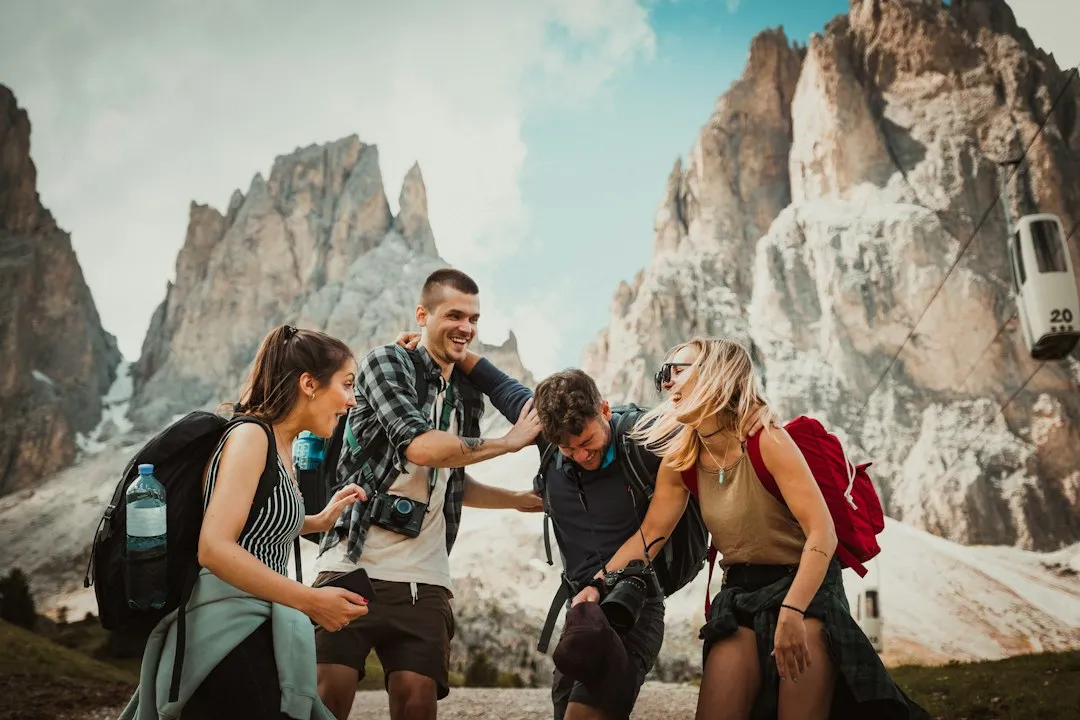
The majority of American travelers find experiential travel appealing for 2025 trips, with a large share drawn to slowcation-style immersive experiences, based on data collected from over 4,000 American travelers in late 2024. Workshop travel fits naturally into both categories.
Luxury hotels are among those best positioned to benefit from the growth in experiential travel. Research from Arival shows that affluent US travelers made up just about a fifth of all travelers in the country but accounted for nearly half of the total amount spent on experiences. They are willing to pay more, with roughly six in ten booking private tours when traveling.
According to global consumer surveys conducted in late 2024 and early 2025, more than three quarters of leisure travelers across 20 major markets indicated that having at least one memorable, locally authentic experience was a primary trip-planning criterion, up from just over six in ten in 2020. That growth signals how mainstream skill-based travel has become across income levels and travel styles.
Sustainability and Responsibility in Workshop Travel
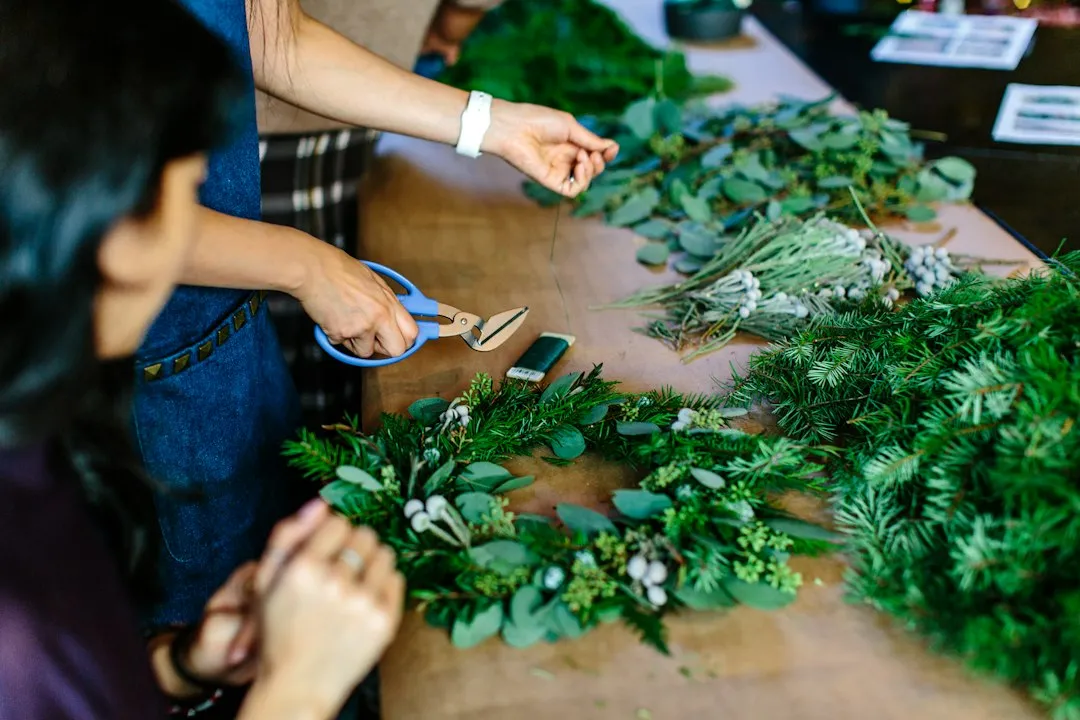
Slow travel, where visitors immerse themselves in local culture for a longer period, is expected to remain popular, alongside purpose-driven adventures that focus on meaningful goals such as wildlife conservation, environmental protection, or preserving traditions. Workshop travel sits naturally within this responsible travel framework.
Leading operators such as G Adventures, Intrepid Travel, and Abercrombie and Kent have embedded sustainability frameworks into their core product development. The broader regenerative travel movement is gaining institutional momentum, with the Global Sustainable Tourism Council and the Adventure Travel Trade Association jointly publishing accreditation standards in 2025 that are becoming prerequisites for premium distribution channel access.
Workshop trips, when done well, channel money directly toward local artisans, instructors, and small accommodations rather than large international chains. The traveler learns something real, the community benefits economically, and the tradition being taught survives into another generation of practitioners. That’s a meaningful alignment of interests.
How to Choose the Right Workshop Trip for You
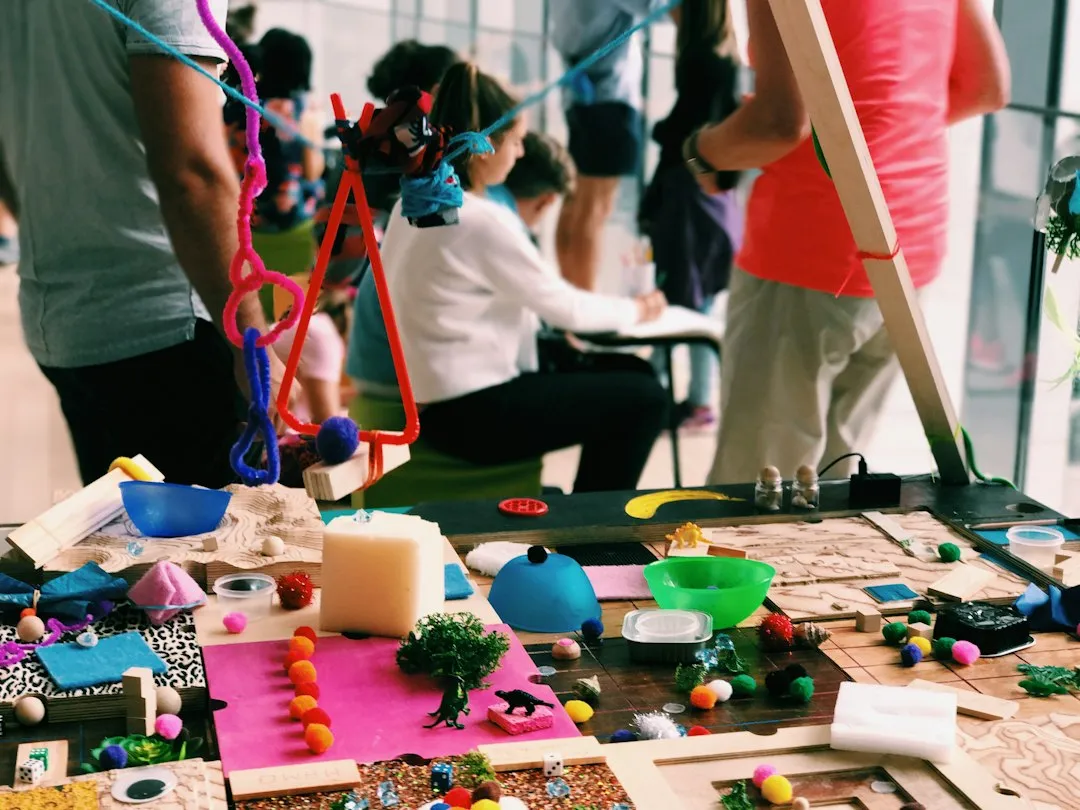
Experiential experiences are those that allow travelers to truly and authentically connect with a place on a deeper level. Whether through adventure, culture, or stepping outside their comfort zone, travelers are seeking meaningful interactions. The best workshop trips are the ones that genuinely align with something you already care about – not just a photogenic backdrop.
Before choosing a retreat, it helps to clarify your goals around skill level, technique focus, networking, and relaxation. Evaluating instructor experience, studio facilities, and materials included is essential, as is considering group size, location, accommodation type, and schedule structure. Budgeting for tuition, materials, travel, and any shipping costs for finished work is also worth doing in advance.
Searching online using terms like your hobby combined with “travel workshop” is a practical starting point. Travel agencies and independent operators specializing in hobby-based trips are increasingly easy to find, and social media platforms can also surface useful options through hobby and travel-related hashtags.
A New Kind of Souvenir
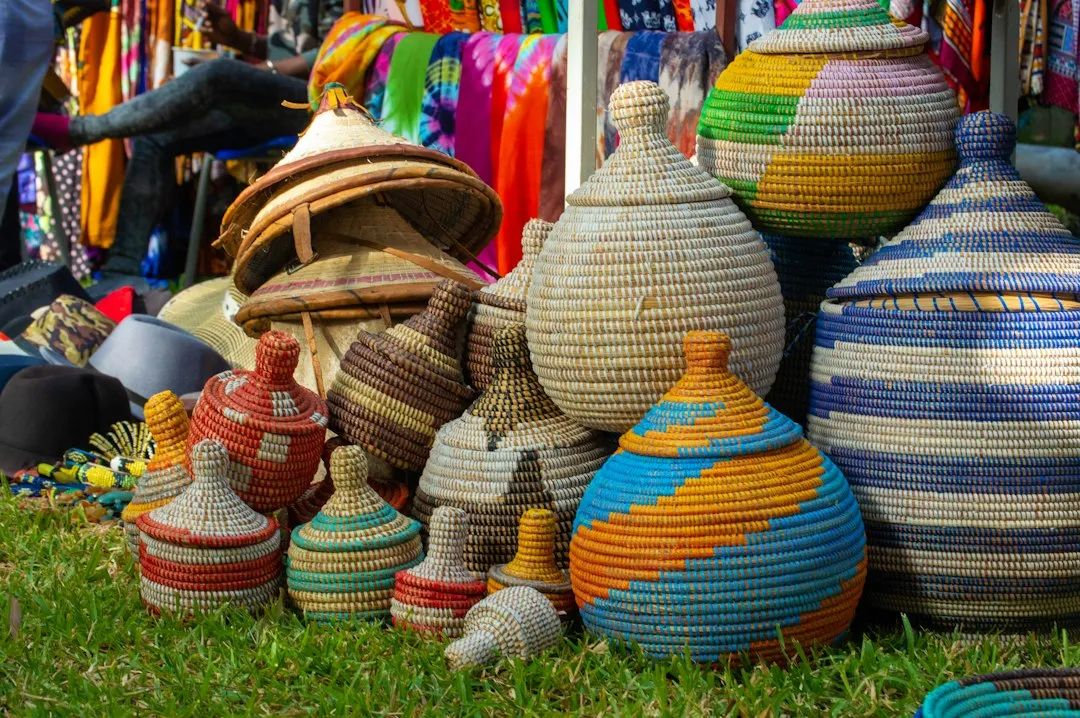
There’s a moment near the end of a good workshop trip that’s hard to describe. You’re holding something you made – a bowl, a sketch, a jar of preserved something – in a place you never expected to be, and the two things are permanently linked in your memory. This wave of change goes beyond adventure tourism or bucket-list escapades. Travelers are increasingly seeking transformative experiences that foster personal growth.
That shift from collecting passport stamps to collecting skills feels like more than a trend. It feels like a different relationship with travel altogether – one where the destination is a teacher, the hobby is the curriculum, and the trip itself becomes the lesson you carry home.
AI Disclaimer: This article was created with the assistance of AI tools and reviewed by a human editor.