

There’s a narrow, sun-dappled alley in the heart of Naples where the most imitated pizza in the world is said to have been born. The address is Salita Sant’Anna di Palazzo, and the pizzeria that stands there has been feeding the city for well over two centuries. Most visitors arrive knowing the legend. Few leave without feeling it.
Pizzeria Brandi carries an almost unreasonable amount of culinary history for a place that still operates a daily lunch and dinner service. Whether you’re a devoted pizza purist or simply curious about where the Margherita really came from, this address is worth understanding on its own terms.
A Pizzeria Older Than the Italian State
The birth of the first pizzerias in Naples coincided with the rise of the first dynasties of Neapolitan pizza makers. One of the most significant was “Pietro e Basta Così,” a pizzeria founded in 1780. It started life as Pizzeria Pietro, after its founder, who was more affectionately known in the neighborhood simply as “il Pizzaiuolo,” or the pizza guy.
Still owned by the Brandi family and with over 250 years of history, the pizzeria is, as co-owner Eduardo Brandi notes, older than the United States. That kind of continuity is rare anywhere in the world, let alone in a city as dynamic and layered as Naples.
How the Name “Brandi” Came to Be
Over the years, “Pietro e Basta Così,” the cradle of a specialty that had become famous all over the world, became the “Antica Pizzeria Brandi,” taking the surname of Maria Giovanna Brandi, Raffaele’s wife. The renaming gave the place a new identity while preserving its roots in the original family lineage.
The Queen called upon the most well-known pizza chef who, at the time, was Raffaele Esposito, the husband of Maria Giovanna Brandi, who owned the original restaurant. The connection between the two families shaped not just a business, but a legacy that persists to this day.
The Royal Visit That Changed Everything
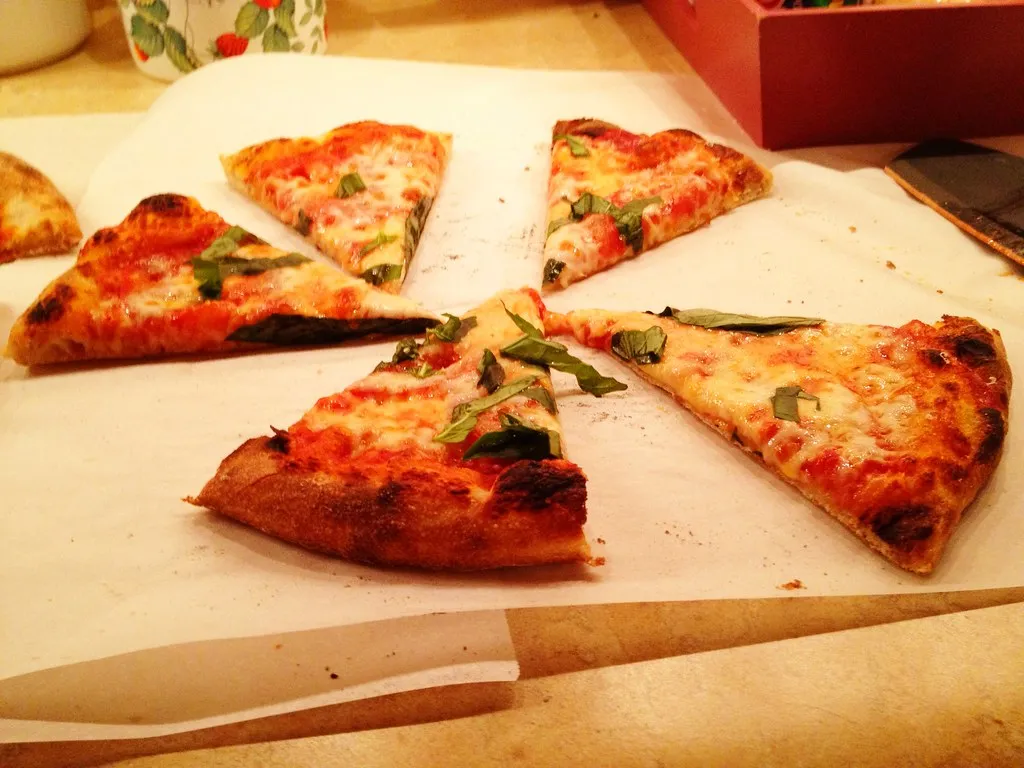
According to popular tradition, in 1889, twenty-eight years after the unification of Italy, during a visit to Naples by Queen Margherita of Savoy, wife of King Umberto I, chef Raffaele Esposito of Pizzeria Brandi and his wife created a pizza resembling the colors of the Italian flag: red (tomato), white (mozzarella), and green (basil).
A popular legend holds that the archetypal pizza Margherita was invented on June 10, 1889, when the Royal Palace of Capodimonte commissioned the Neapolitan pizzaiolo Raffaele Esposito to create a pizza in honor of the visiting Queen Margherita. Umberto and Margherita were indeed in Naples when the pizza letter was sent on June 11, 1889.
Three Pizzas, One Winner
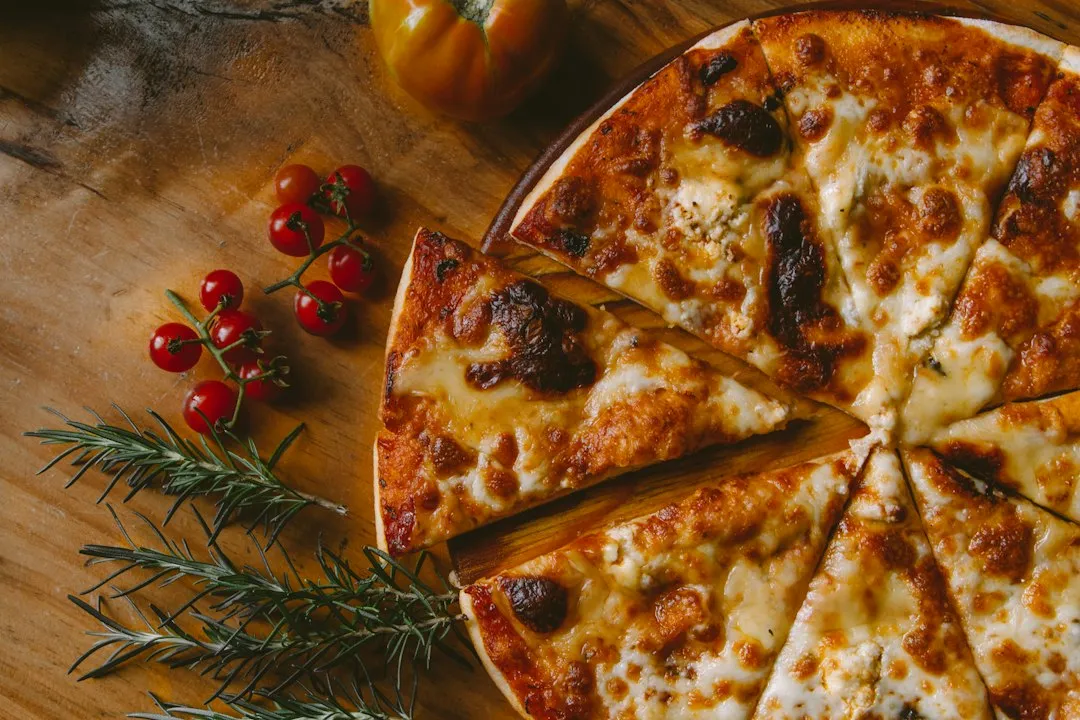
Queen Margherita commissioned Esposito to make three different pizzas for her. Legend has it that the first two were not to her tastes. These included pizza marinara, which featured garlic, and pizza Napoli, which featured anchovy. The third pizza, inspired by the colors of the Italian flag, the Queen approved.
Of the three different pizzas he created, the queen strongly preferred a pizza swathed in the colors of the national flag – red (tomato), white (mozzarella), and green (basil). Supposedly, this type of pizza was then named after the queen, with an official letter of recognition from the queen’s “head of service” remaining to this day on display in Esposito’s shop, now called Pizzeria Brandi.
The Royal Letter and Its Contested Authenticity

A document has come down to us, signed by “devotissimo Galli Camillo, capo dei servizi di tavola della real casa,” dated June 1889, in which Signor Esposito is expressly thanked for the delicious pizzas offered. The creation won the applause of the queen and an official document from a royal representative attesting to her delight. The decree is still on display in the pizzeria, and an official plaque is posted on the wall outside declaring the place of historical significance.
Later research cast doubt on this legend, undermining the authenticity of the letter of recognition, pointing out that no media of the period reported the supposed visit and that both the story and the name Margherita were first promoted in the 1930s–1940s. The debate hasn’t settled, but it has deepened appreciation for just how complex food history can be.
The Combination Was Not Entirely New
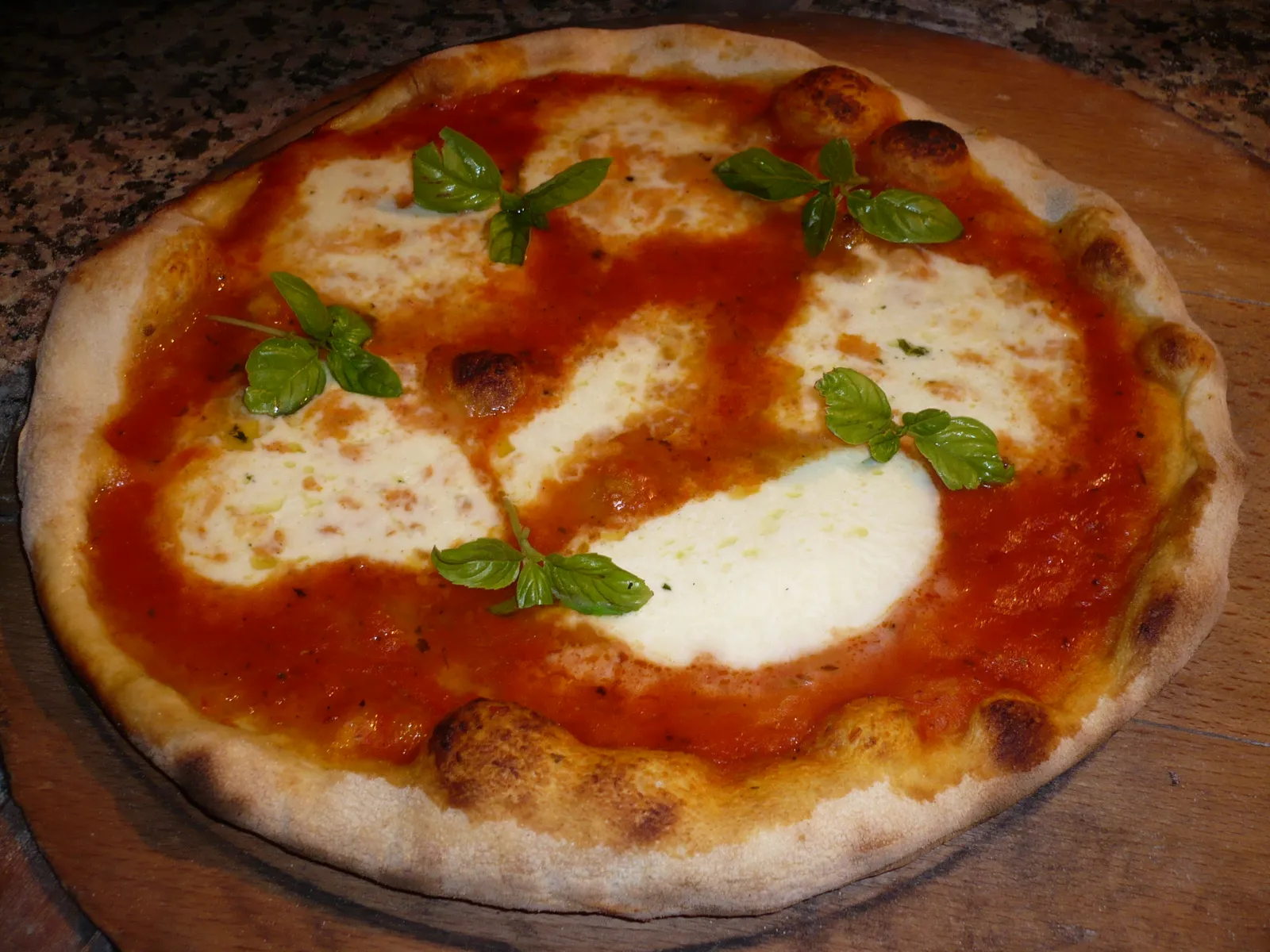
The pizza was probably really served at Pizzeria Brandi, but the use of these three toppings had already been fairly widespread in Naples for decades, and it is described in a 1866 book. That book is Francesco De Bourcard’s “Usi e Costumi di Napoli e contorni descritti e dipinti” (Customs and Habits of Naples Described and Depicted), published in 1853.
The Association for True Neapolitan Pizza (AVPN) has stated that “the Margherita pizza was invented between 1796 and 1810 and was then offered in 1889 to the Queen of Italy.” What Esposito likely did was take a well-loved local combination, elevate its presentation, and give it a name that stuck permanently.
The Plaque That Marks the Spot
Today, a plaque near the Pizzeria Brandi marks the location as the birthplace of the pizza Margherita. It was unveiled in 1989, on the 100th anniversary of its creation. It’s a modest gesture for such an outsized culinary legacy, but fittingly understated for a city that rarely needs to shout about its food.
It might’ve been christened the “Margherita” at the Pizzeria Brandi, but some sources claim the name could also stem from the arranging of mozzarella slices like the petals of a daisy (“margherita” in Italian). Either origin story carries charm, and neither diminishes what the dish has meant to the world.
The Ingredients That Define the Pizza
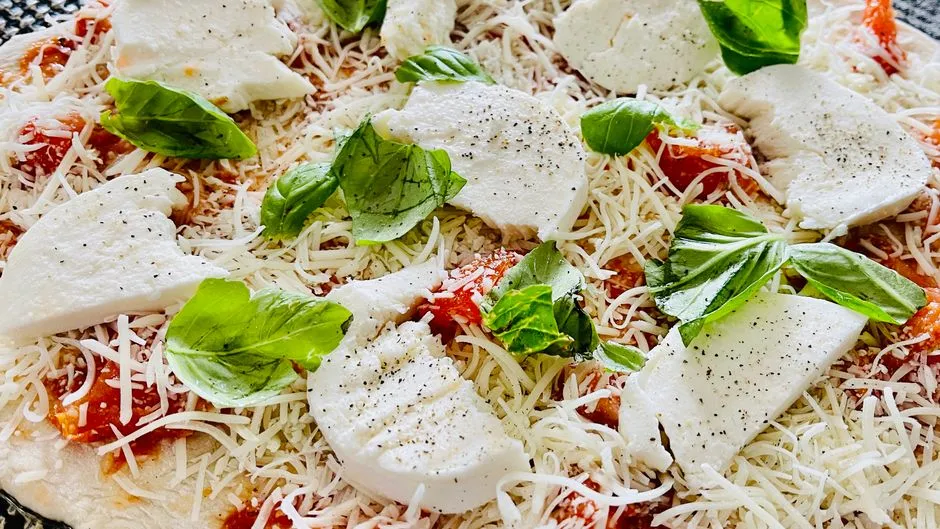
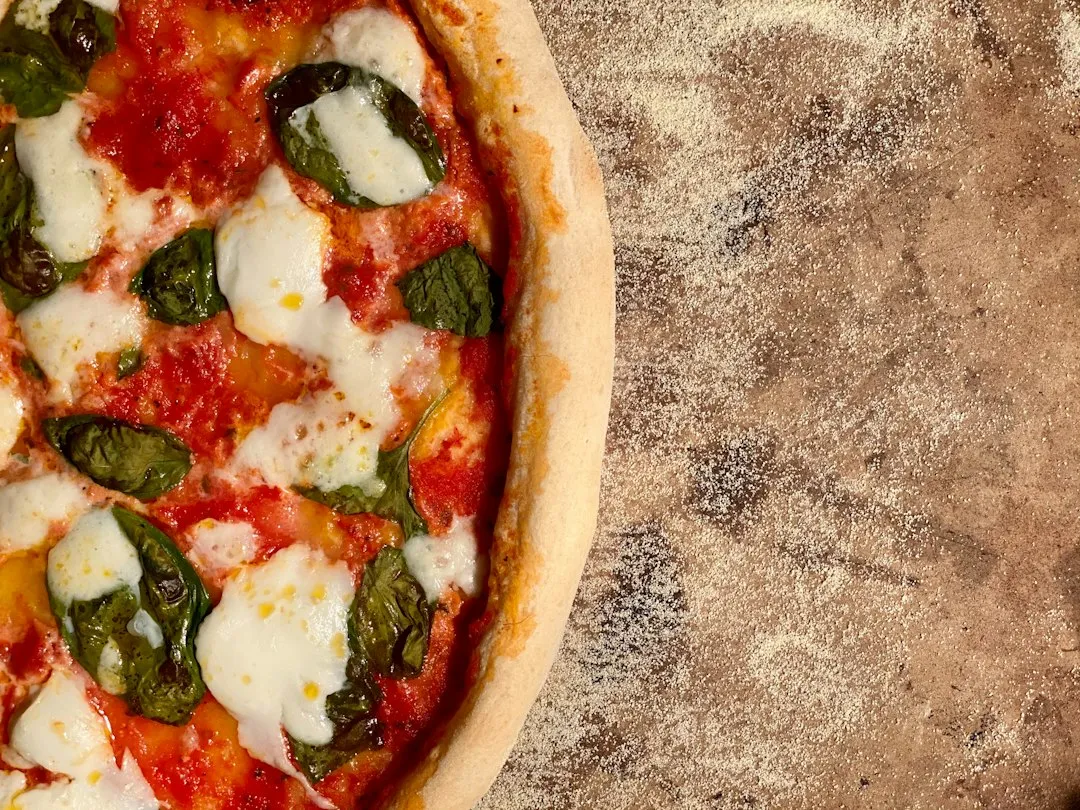
Made with San Marzano tomatoes, buffalo mozzarella, and fresh basil, the Margherita pizza is the perfect blend of simple yet high-quality ingredients, creating a taste that has been enjoyed for over a century. The restraint of the recipe is part of its genius. There’s nowhere to hide when you’re working with three components.
Since 2009, Pizza Margherita is one of the three Pizze Napoletane with an STG (Specialità Tradizionali Garantite, or Traditional Guaranteed Specialty) EU label, together with the Marinara and the Margherita Extra (mozzarella di Bufala Campana DOP, fresh basil, and tomatoes). That official designation protects the recipe at a European level and ensures quality standards for producers who use the name.
UNESCO Recognition and the Living Craft
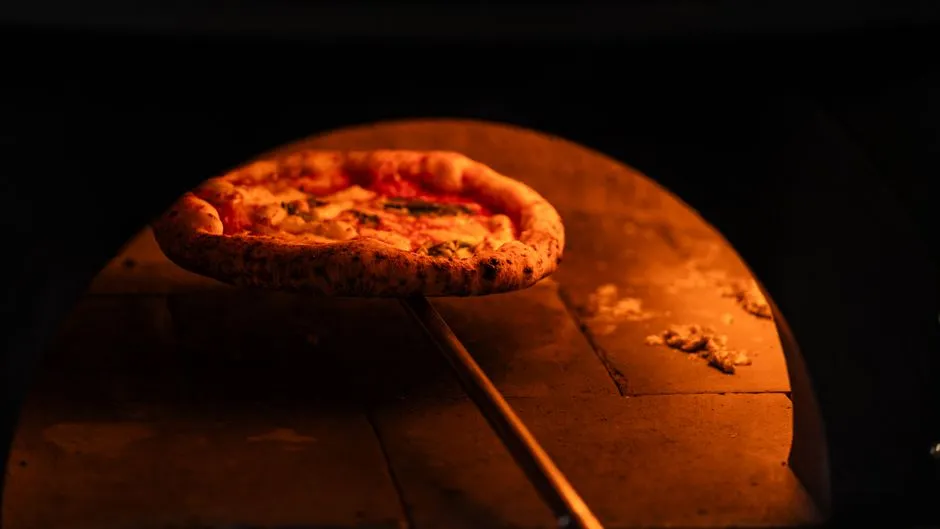
In 2017, UNESCO recognised not the pizza itself, but the Art of the Neapolitan Pizzaiuolo: the manual know-how, the dough spinning, the wood-oven management, and the social tradition of Naples. UNESCO inscribed this practice on the Representative List of the Intangible Cultural Heritage of Humanity.
Not only did UNESCO recognize the art of the Neapolitan pizzaiuolo in 2017, but many Naples pizzerias are now adding gluten-free and vegan options to their menus. Brandi, as one of the most historically significant addresses in the city, sits at the center of that evolving tradition, where centuries of craft meet a changing appetite.
Visiting Pizzeria Brandi Today
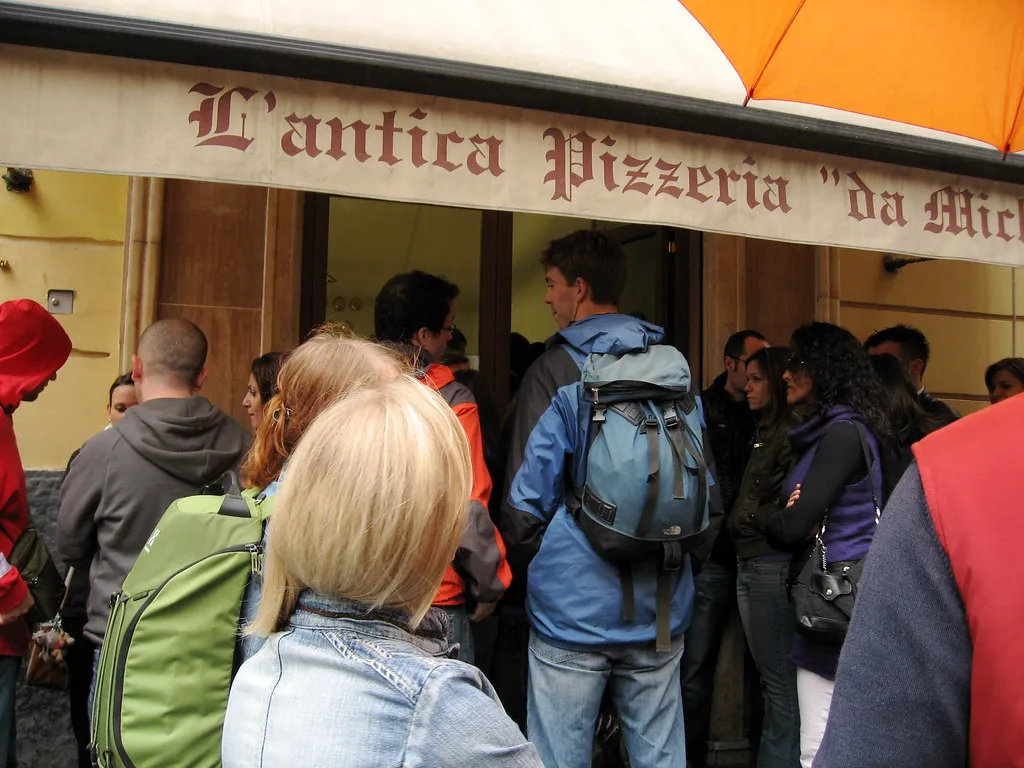
Brandi is located at Salita Sant’Anna di Palazzo, 1/2, in the Chiaia district of Naples. The address is walkable from the Lungomare and from the Piazza dei Martiri. It is the address most consistently cited in accounts of the Margherita pizza’s creation. For anyone interested in the origins of Neapolitan pizza, the address carries genuine documentary weight. The Chiaia setting also places it within one of Naples’ most composed and walkable districts, making the visit practical as well as historically grounded.
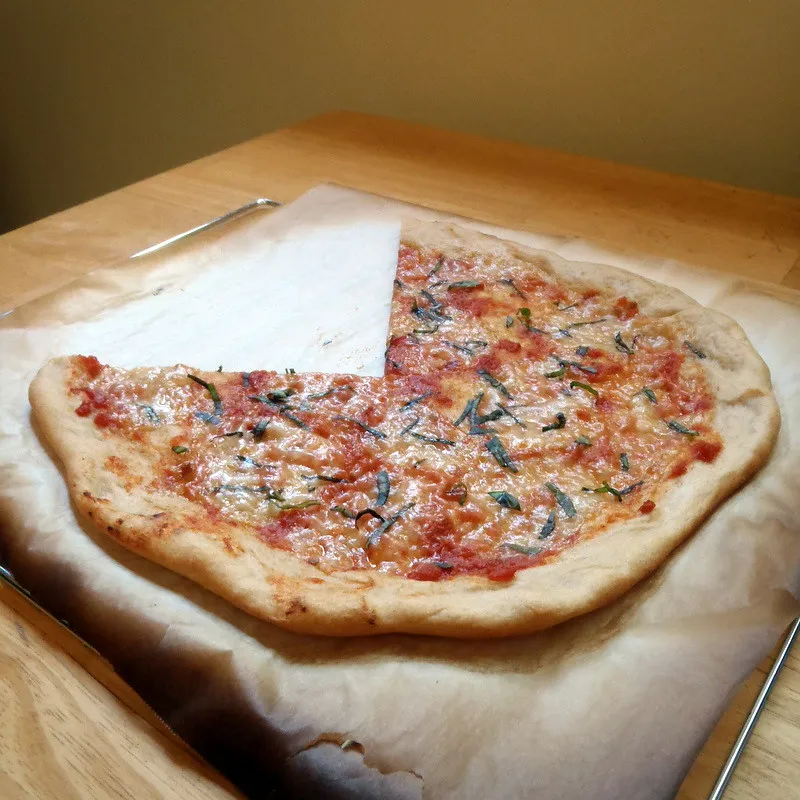
The Margherita is the central reference point at Brandi, given the restaurant’s documented 1889 association with the pizza’s creation by pizzaiolo Raffaele Esposito. In traditional Neapolitan practice, pizza is ordered individually rather than shared, and the Margherita serves as the standard against which the kitchen is judged.
A Legend Worth Sitting With
The story of Pizza Margherita is a reminder that great food rarely has a single, clean origin story. Whatever the real origins of this pizza recipe are, all we know for sure is that Raffaele Esposito’s version for Queen Margherita was the one that made it popular. Since then it has grown into one of the most recognizable symbols of Italian food culture in the world.
Pizzeria Brandi occupies a peculiar and genuinely important place in that story. Whether you approach it as a food pilgrim, a curious traveler, or simply someone hungry after a long walk through Naples, the Margherita it serves connects you to a thread of culinary history that stretches back well over two centuries. Some places earn their reputation quietly, through time. This is one of them.
AI Disclaimer: This article was created with the assistance of AI tools and reviewed by a human editor.