

Something has quietly shifted in how America’s national parks think about access. For much of their history, rugged terrain was treated as an inherent barrier, something to be accepted rather than addressed. That framing is changing, and the results are becoming visible on the ground, on the trails, and in federal law.
Implicit in the National Park Service mission is that all members of the visiting public are afforded access to significant sites and the stories within. Achieving that ideal across hundreds of parks and millions of acres is genuinely difficult. Yet the parks profiled here show what’s possible when design, funding, and intentionality come together.
The Legal Backbone: A New Federal Mandate
Under 16 U.S. Code § 8484, enacted in January 2025, the Secretary concerned is required to select locations to develop at least three new accessible trails on land managed by the National Park Service in each region of the National Park Service. That mandate extends across multiple federal land agencies, creating a coordinated national push.
The law sets a completion deadline of no later than seven years after January 4, 2025, requiring the Secretary, in coordination with stakeholders, to complete each accessible trail developed under the act. It also requires maps, signage, and promotional materials consistent with Architectural Barriers Act guidelines. The scope is significant, and it gives advocates a concrete legal lever to hold agencies accountable.
Acadia National Park: A Historic Network Repurposed for All
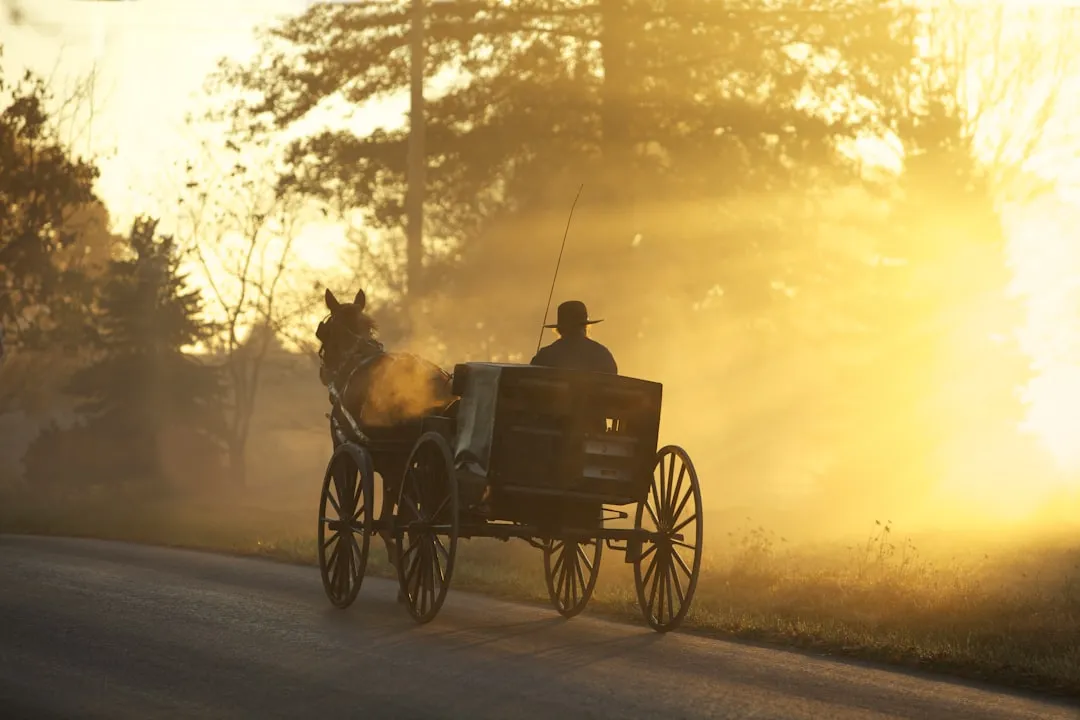
Acadia National Park’s combination of mountains, ponds, seaside cliffs, and salt- and freshwater beaches, together with its 158 miles of trails and 45-mile carriage road system, make it among the most accessible parks in the country. The carriage roads, built between 1913 and 1940, were originally financed by John D. Rockefeller Jr. as a motor-free alternative to the automobile age.
The carriage roads, along with their associated coping stones, gatehouses, and stone-faced bridges, are the best and most extensive example of broken-stone roads in the United States, and they provide access to both sweeping vistas and close-up views of landscapes across the park. For visitors who cannot manage steep hiking trails, these gentle, wide surfaces open an entire landscape. Exceptions to the no-motorized-vehicle rule are in place for individuals with disabilities, a meaningful accommodation that few other parks match.
Yellowstone National Park: Accessibility at Scale
Yellowstone National Park is recognized as one of the most accessible national parks for visitors with mobility challenges, and despite challenges such as weather and high pedestrian traffic, the park has implemented numerous measures to enhance accessibility. That reputation isn’t accidental. It reflects sustained investment across a park that receives millions of visitors each year.
The most popular attraction, the Old Faithful geyser, can be reached from the parking lot by a large boardwalk system. The Canyon area is one of the most accessible regions in the park, featuring accessible viewpoints of the Grand Canyon of the Yellowstone, including Artist Point, Inspiration Point, and Lookout Point, all of which have accessible parking, vault toilets, and routes to overlooks. Few parks can offer this level of geographic spread in accessible infrastructure.
Grand Canyon National Park: Shuttle Access and Scenic Permits
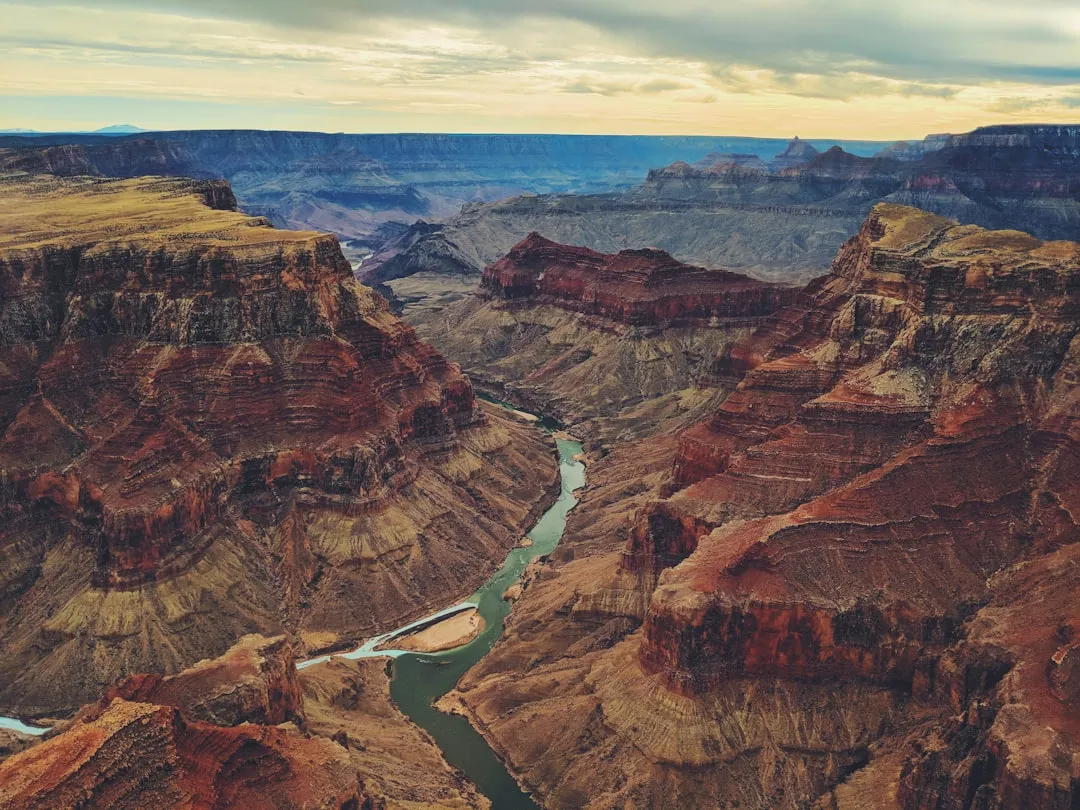
Grand Canyon National Park offers many accessible options for visitors, with all park shuttle buses wheelchair accessible, and the park even offering a Scenic Drive Accessibility Permit, which allows entry for visitors with mobility issues to access some areas that are normally restricted. That permit system is a creative solution to a genuine challenge: some of the most dramatic views sit at the end of roads not normally open to private vehicles.
The South Rim remains the park’s most accessible stretch, with paved pathways running along portions of the rim and connecting key overlooks. For visitors who find steep canyon descents impossible, the rim-level experience is still genuinely stunning. The park’s approach demonstrates that accessibility doesn’t require altering the landscape itself; sometimes it means rethinking who gets a key to the gate.
Yosemite National Park: Sensory Access and Handcycles
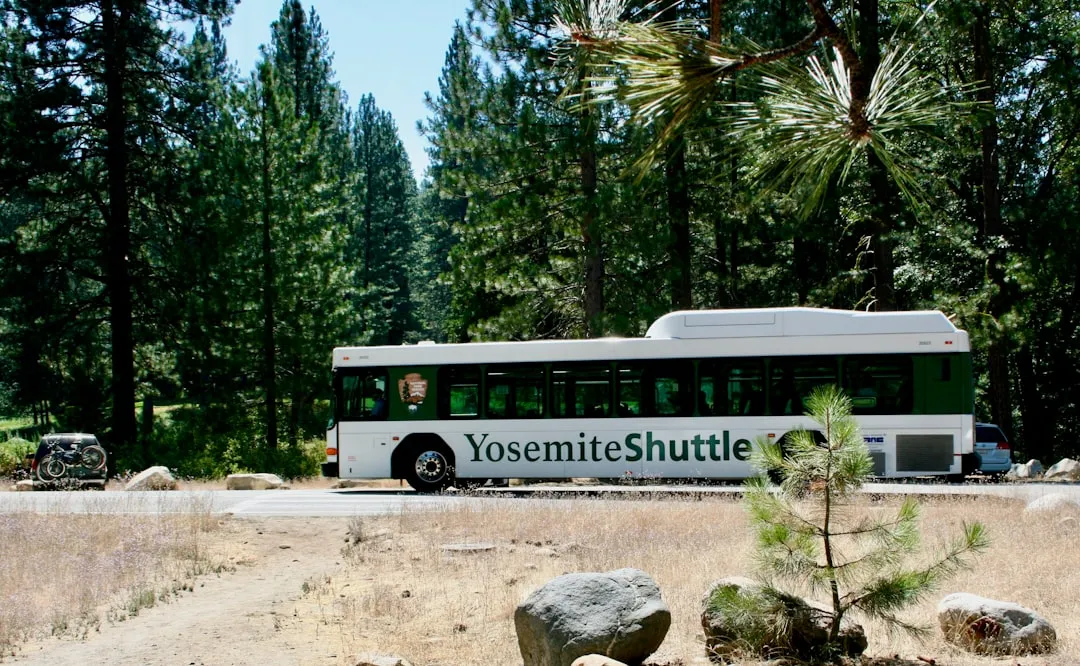
Yosemite National Park offers experiences for nearly every access need, with wheelchair users able to travel through the park on accessible shuttles that drop visitors at paved trailheads, including one-mile routes around Yosemite Falls and Bridalveil Fall. The relatively flat valley floor lends itself naturally to accessible trail design in a way that many mountainous parks cannot replicate.
For visually impaired visitors, tactile models offer multisensory experiences at iconic overlooks, including Tunnel View, which peers over granite giants like El Capitan, Half Dome, and Sentinel Rock. The National Park Service has updated many natural sites and exhibits within visitor centers to include tactile features, audio description, and Braille. Yosemite stands out for applying these sensory tools to its most celebrated landscapes rather than limiting them to indoor exhibits.
Denali National Park: Remote Access Done Right
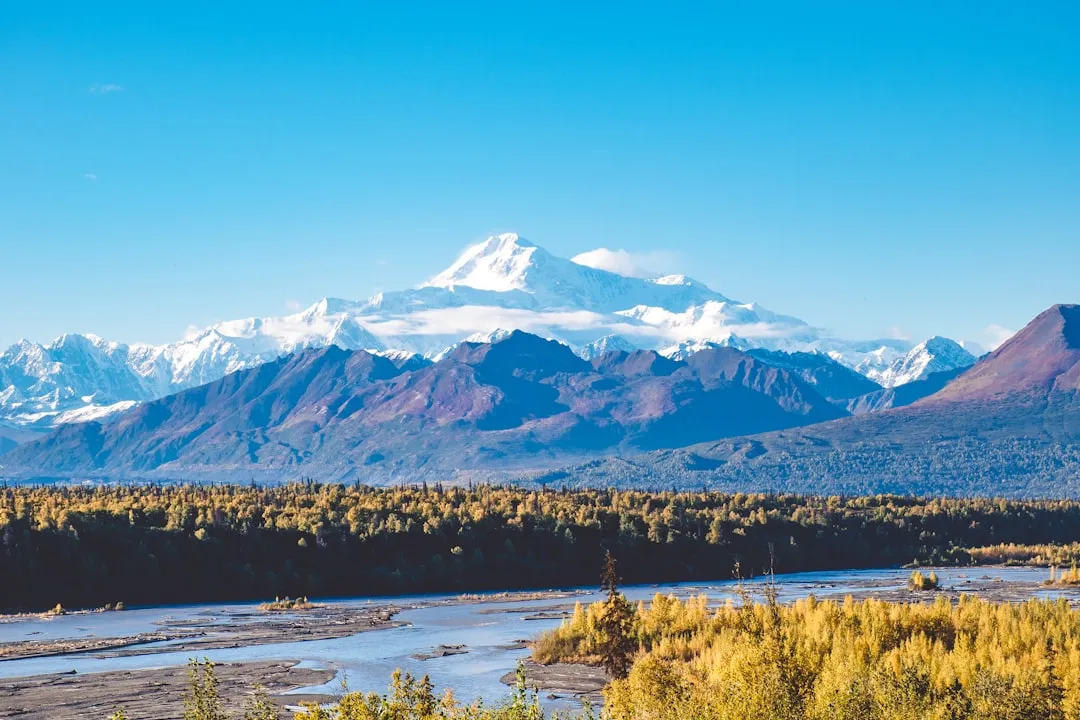
Denali National Park is somewhat difficult to get to for most people, often requiring at least a few flight connections, and the park is mostly wilderness without trails, which adds extra obstacles because of its remote nature. However, once you arrive, Denali has lots of options for persons with disabilities. Remote doesn’t have to mean inaccessible, and Denali makes the case clearly.
There are several ADA trails to choose from, with the Spruce Forest Trail and McKinley Station Trail among the favorites, offering views of the diverse forest, Riley Creek, the Alaska Range, wildflowers, and historic building remains. There is one road in the park, primarily accessed by tour buses or shuttle, and if those cannot accommodate a visitor, they can apply for a road travel permit to drive the road in their own vehicle. That flexibility is rare and worth noting.
Mesa Verde National Park: Cliff Dwellings and Accessible Overlooks
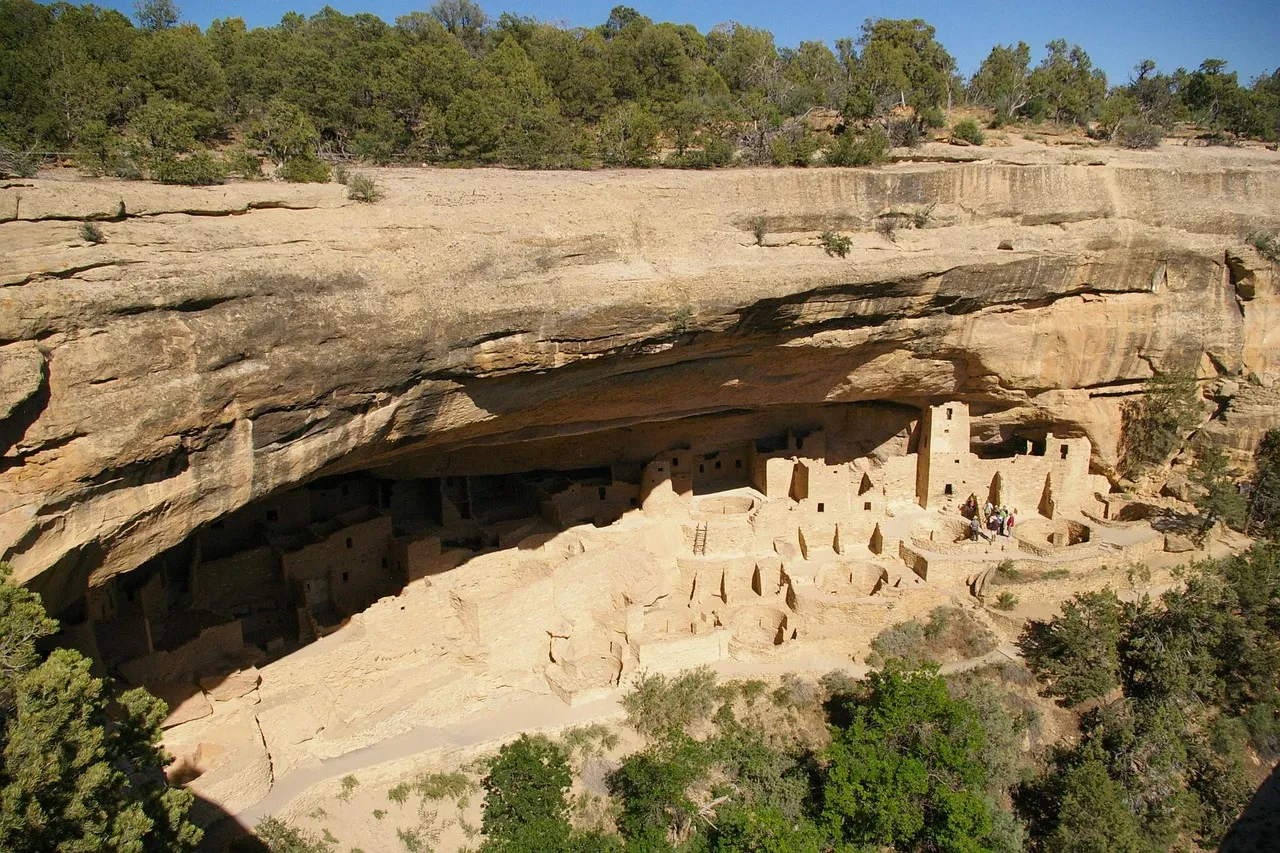
At Mesa Verde, visitors find several facilities, outlooks, and trails accessible for people with limited mobility or other disabilities, while the museum is currently being renovated to meet ADA standards. The renovation signals that accessibility planning here is ongoing rather than finished. Wheelchairs are available to borrow at these facilities, and the Morefield Campground within Mesa Verde has wheelchair-accessible campsites along the Apache Loop.
Spruce Tree House and the Cliff Palace overlooks provide spectacular views of the park and are accessible with assistance. Mesa Verde’s cliff dwellings present a particular design challenge: many of the most historically significant sites sit in deeply carved canyon walls. The fact that overlooks bring those views within reach of visitors with mobility limitations reflects genuine creative problem-solving by park designers.
The Universal Design Principle Behind the Best Trails
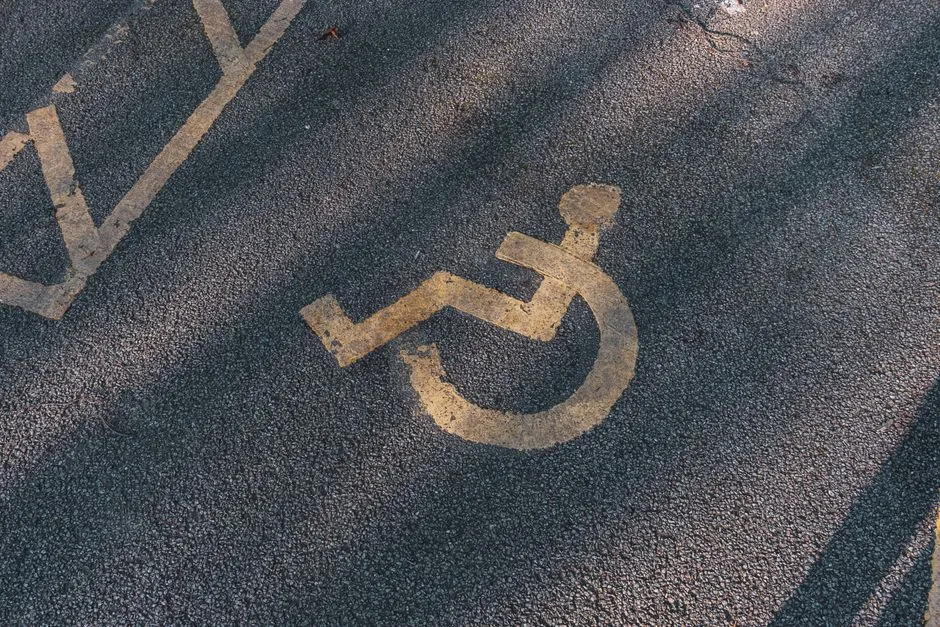
The Allee Trail redesign at Lincoln Boyhood National Memorial uses universal design features that allow visitors of all abilities, disabilities, and preferences to choose between path or stairs, sun or shade, and direct or indirect routes. This approach, designing for the broadest possible range of users from the outset rather than retrofitting after the fact, is increasingly recognized as the gold standard in trail planning.
The NPS has restructured some trails to be wide enough and graded in a way that is accessible for wheelchair users. Width and grade are the two most fundamental technical factors, but the best accessible trail designs also account for resting points, surface texture, shade, and emergency access. When all of those elements come together, the result serves elderly visitors, families with strollers, and anyone with a temporary injury, not only visitors with permanent disabilities.
The Disability Scale: Why This Matters Broadly
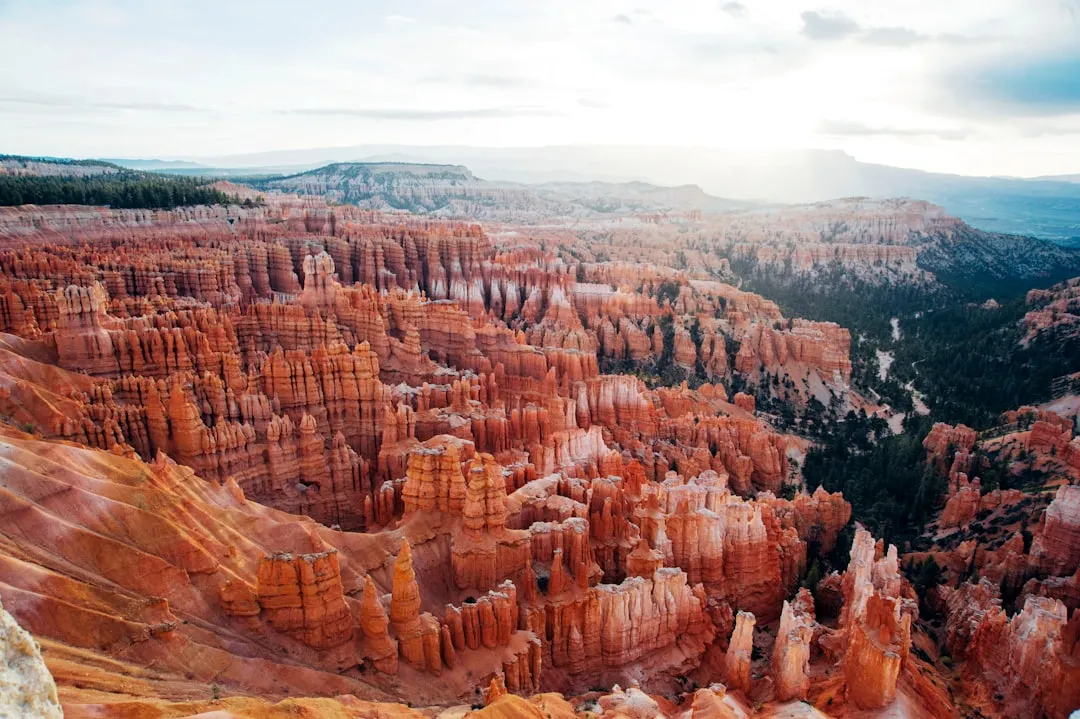
The largest majority of people with a disability, about 56.7 million, or roughly one in five of the population, have a disability, with more than half of them reporting the disability as severe, according to U.S. Census Bureau statistics. That figure underscores how large the audience for accessible outdoor design actually is. National parks that fail to address access are, in effect, turning away a substantial portion of the public they exist to serve.
A handful of parks now offer adaptive equipment for people with mobility impairments, empowering travelers to explore once-off-limits landscapes. Some destinations provide sign language interpretation tours for the deaf or hard-of-hearing, tactile maps for those who are blind or have low vision, and sensory guides for travelers with cognitive disabilities. The range of access needs is wider than a wheelchair ramp, and the better-designed parks are beginning to reflect that reality.
The Honest Gaps: Where More Work Is Needed

While notable advancements have been made in the National Park Service, much is needed to break down the barriers and embrace greater inclusivity, and parks, programs, and leaders across the service need more education, guidance, support, and resources to create more welcoming experiences for a broad spectrum of audiences. Progress is real, but so is the distance still to travel.
Current overlooks at parts of Yellowstone’s Grand Canyon aren’t sufficient to allow visitors who use wheelchairs or otherwise have additional accessibility needs to fully experience the canyon’s beauty, and investing in improved and rehabilitated trails and overlooks directly ensures that the visitor experience there is a cherished memory rather than a chaotic experience punctuated by poor accessibility. Even the parks most celebrated for accessibility still carry specific gaps. Acknowledging them honestly is part of getting to the next stage of progress.
The Path Forward
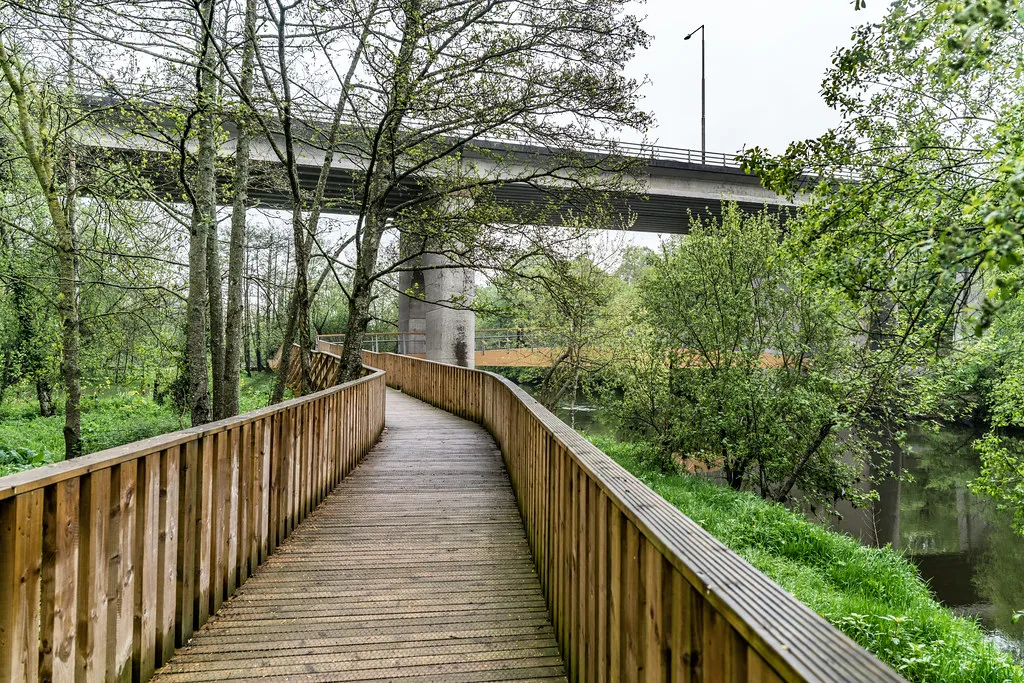
The combination of new federal law, sustained park-level investment, and growing public awareness has created conditions that didn’t exist a decade ago. The 2025 legislation mandating at least three new accessible trails per NPS region gives this effort a structural backbone it previously lacked. What the best parks demonstrate is that accessible trail design isn’t a compromise with the natural environment; done well, it brings more people into genuine contact with it.
The parks profiled here, Acadia, Yellowstone, Yosemite, Grand Canyon, Denali, and Mesa Verde, show different approaches to a shared goal. Some lean on historic infrastructure, others on adaptive technology, others on creative permitting. Together, they sketch what a fully inclusive national park system could look like. It won’t arrive all at once, but the direction is clear, and the legal and cultural momentum is real.
AI Disclaimer: This article was created with the assistance of AI tools and reviewed by a human editor.