
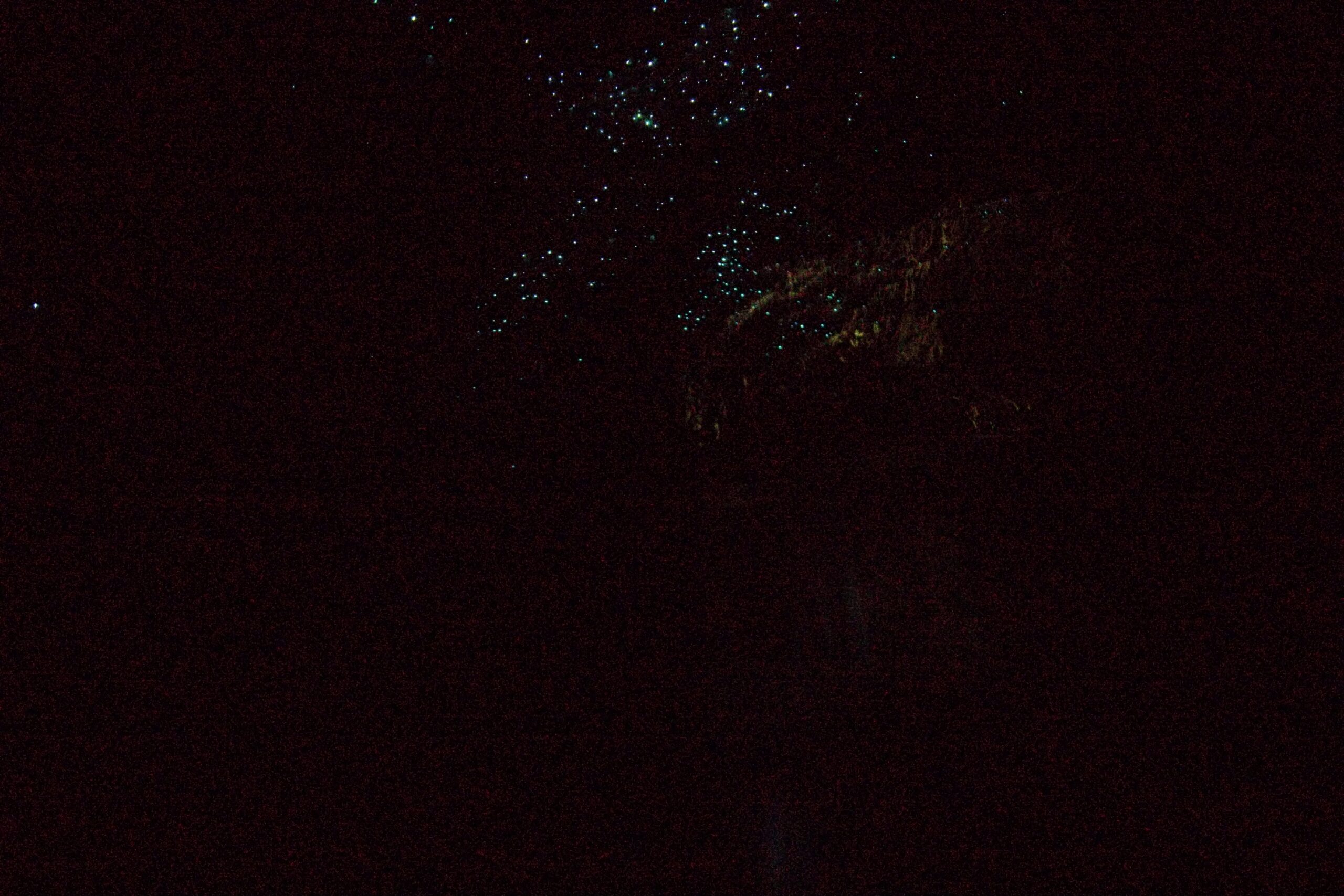

There are places in the world where darkness becomes something else entirely. Step into the right cave in New Zealand, and the ceiling above you dissolves into what feels like a private galaxy, thousands of tiny blue lights suspended in perfect stillness. No sound. No wind. Just light, alive and waiting.
This is not a special effect or a tourist gimmick. It is one of the country’s most extraordinary natural phenomena, and it has been drawing curious travelers underground for well over a century. What makes it genuinely remarkable is that the creatures responsible are found almost nowhere else on earth.
A Creature Found Nowhere Else on Earth
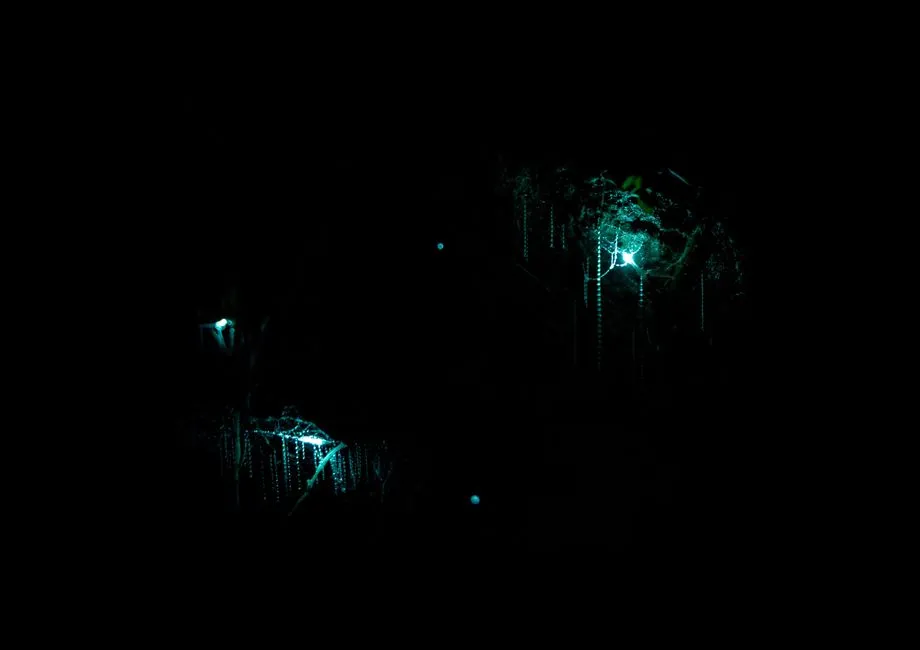
The creatures responsible for this spectacle are Arachnocampa luminosa, a species unique to New Zealand. Despite being called worms, they are actually the larvae of a fungus gnat. The Māori name for them, titiwai, translates beautifully as “projected over water,” a fitting description for creatures so often found clinging to cave ceilings above underground rivers. Eight related species exist in Australia, but only this single species is found in New Zealand.
The Science Behind the Glow
Native only to New Zealand, the Arachnocampa luminosa gnat produces a specialized enzyme called luciferase that creates a chemical reaction within the body, allowing it to emit a blue-green light. Research published in Nature Scientific Reports by scientists at the University of Otago confirmed that the glowworm luciferase is similar in family to firefly luciferase, but the luciferin itself is an entirely novel compound, containing tyrosine and xanthurenic acid. In other words, the glowworm arrived at bioluminescence through its own evolutionary path. If the candidate luciferase is confirmed, this would show that the enzyme independently evolved the ability to produce light at least twice in living organisms, in New Zealand glowworms and in fireflies, but with different substrates.
A Hunting Strategy Written in Light
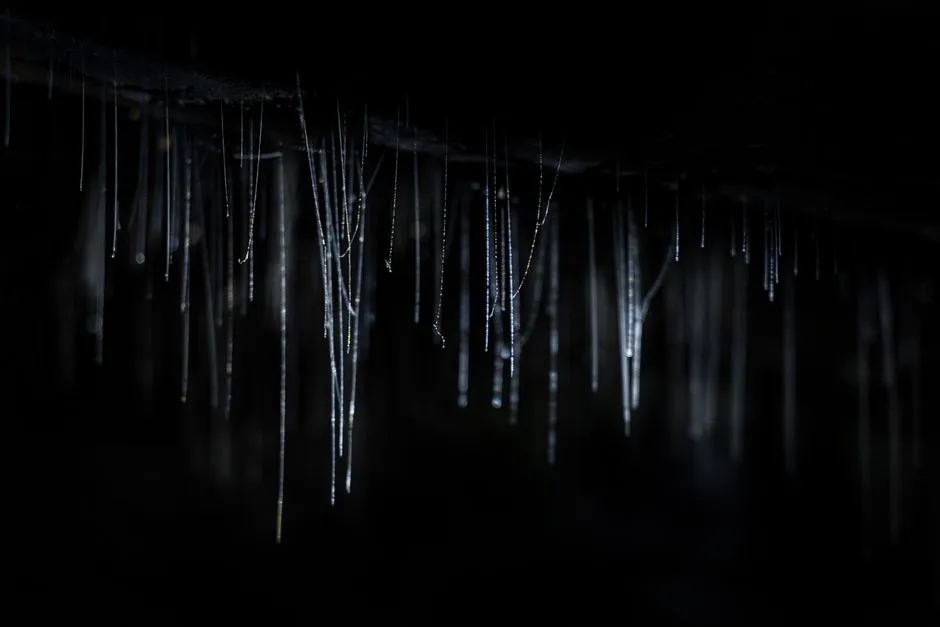
The glow is a clever hunting trick, used to lure flying insects into sticky silk threads that dangle below. The larva hangs from the cave ceiling and casts these threads like a fishing line, sometimes dozens at a time. The glowworm is bioluminescent in most phases of its life, from its early larval form to adulthood, but its wormlike larval stage produces the most impressive display. The hungrier the larva, the brighter it glows, which makes the caves most visually intense precisely when the population is actively feeding.
The Limestone World They Call Home
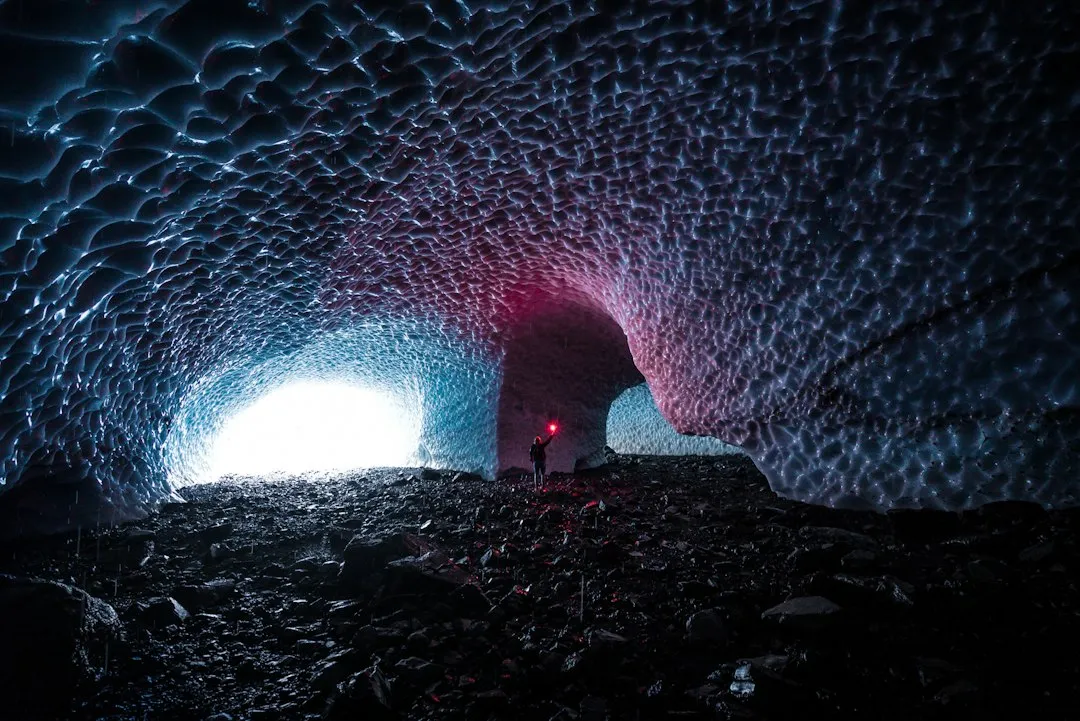
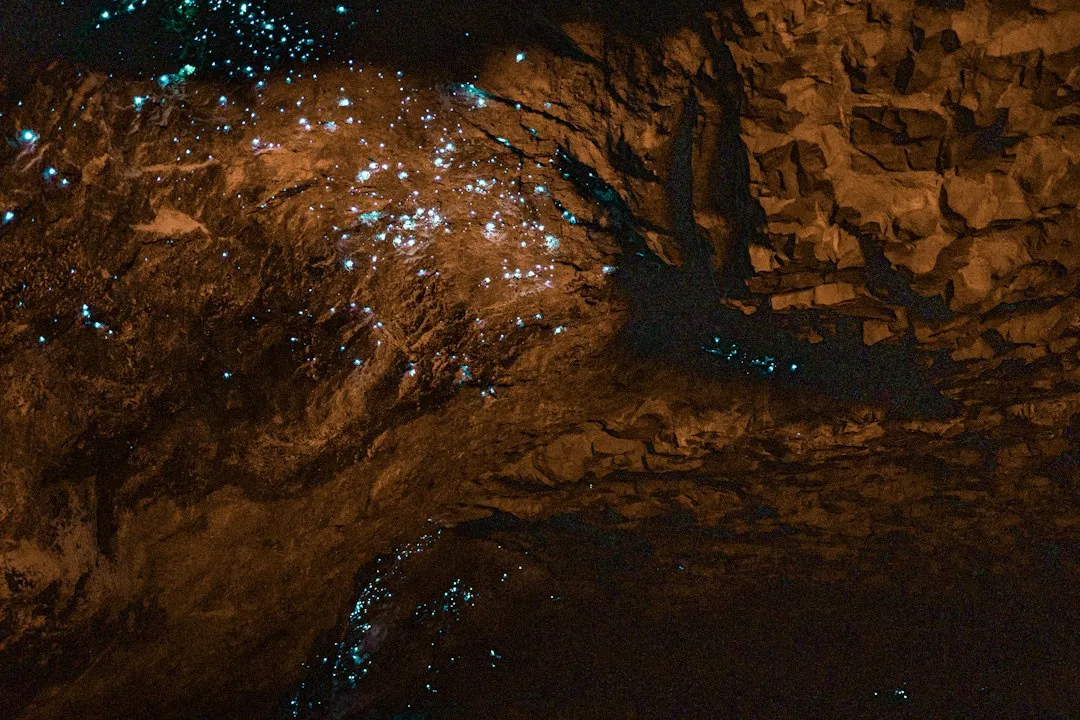
The limestone caves, formed over millions of years, provide the perfect damp and dark conditions for these bioluminescent creatures. The limestone formations within the Waitomo Caves are over 30 million years old. Water erosion has shaped the Waitomo region’s limestone landscape, creating an extensive network of caves, sinkholes, and underground rivers to explore. There are around 300 known caves in the Waitomo region alone.
The Discovery and Its Māori Roots
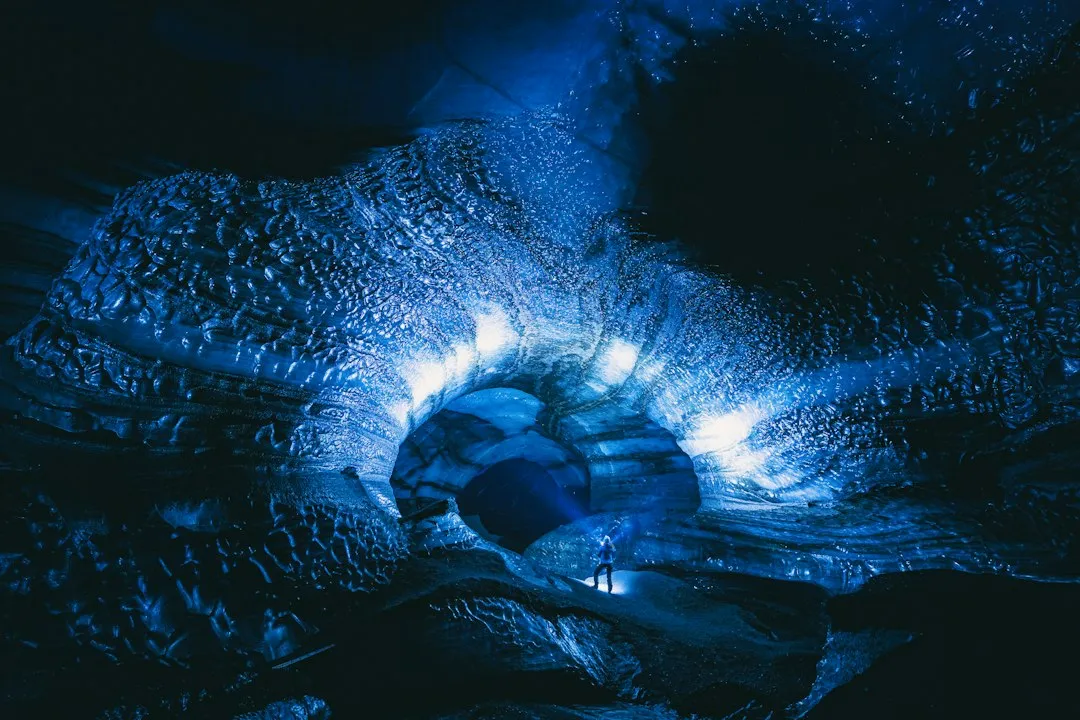
The Waitomo Glowworm Caves were discovered in 1887 by Māori chief Tane Tinorau and English surveyor Fred Mace. They initially explored the caves using a raft made from flax stems. The caves were officially opened to the public in 1889, becoming one of New Zealand’s earliest and most popular tourist attractions. In 1906 the government took over the operation as it had become a major attraction, but in 1989 that decision was reversed and the land returned to Tane Tinorau’s descendants, who run it today. That return of stewardship matters. The caves remain intimately connected to the iwi whose ancestors first carried a flax raft into the dark.
Waitomo: The North Island’s Famous Grotto
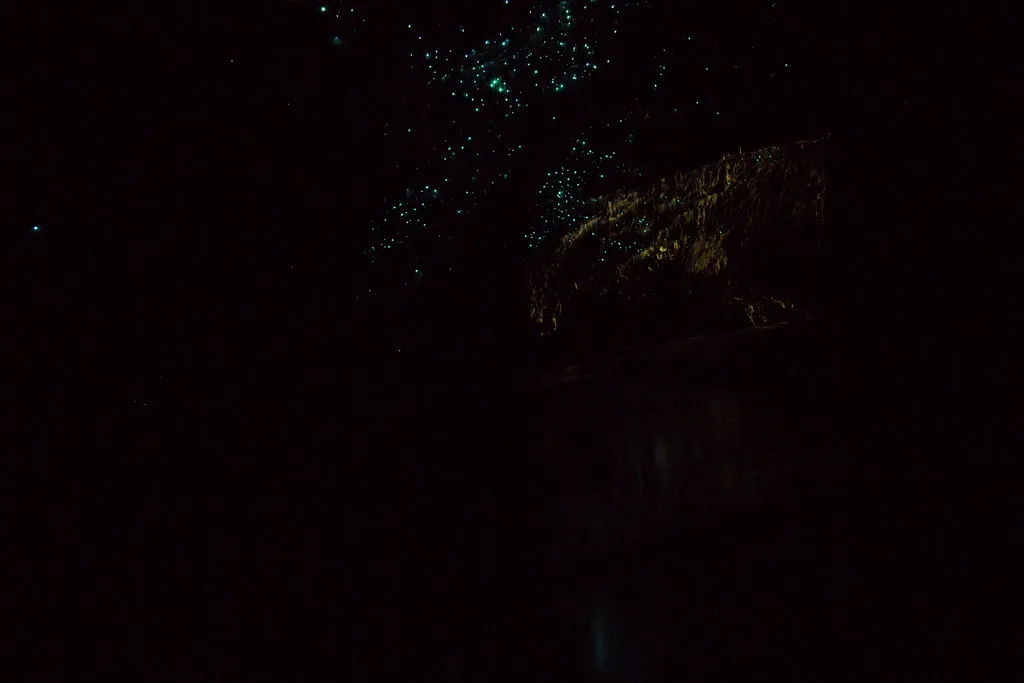
The Waitomo Glowworm Caves are situated in the Waitomo District on New Zealand’s North Island, approximately 200 kilometers south of Auckland. They sit in the Waikato region and represent the larger, more commercially developed glowworm experience, with multiple operators, black-water rafting, and high visitor numbers year-round. The main Glowworm Cave offers a 45-minute walk through lit limestone chambers ending in a silent boat glide beneath the Glowworm Grotto. Historically it has received up to half a million visitors a year, making it one of the most-visited caves in the Southern Hemisphere. The glowworm grotto within the cave is often compared to a natural planetarium.
Te Anau: The South Island’s Hidden Cave
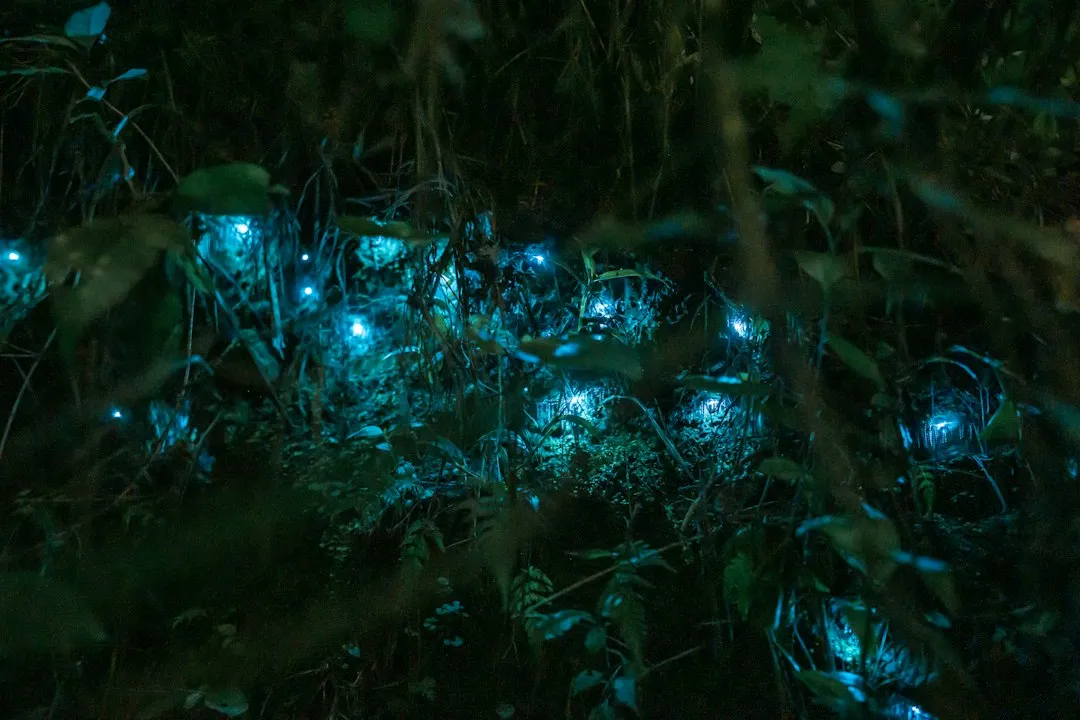
Far fewer visitors know about the glowworm caves on the South Island, tucked inside a living cave system beneath the shores of Lake Te Anau in Fiordland. The Te Anau caves are operated exclusively by RealNZ, on the remote western shore of the lake. There is no road and no track – the only way in is the tour. The Te Anau Glowworm Caves received a TripAdvisor Travellers’ Choice Award 2025, placing them in the top 10% of things to do worldwide. Larval activity is high in winter, making early winter, particularly June and July, a good time to visit Te Anau.
Smaller Caves with Big Displays: The Spellbound Alternative
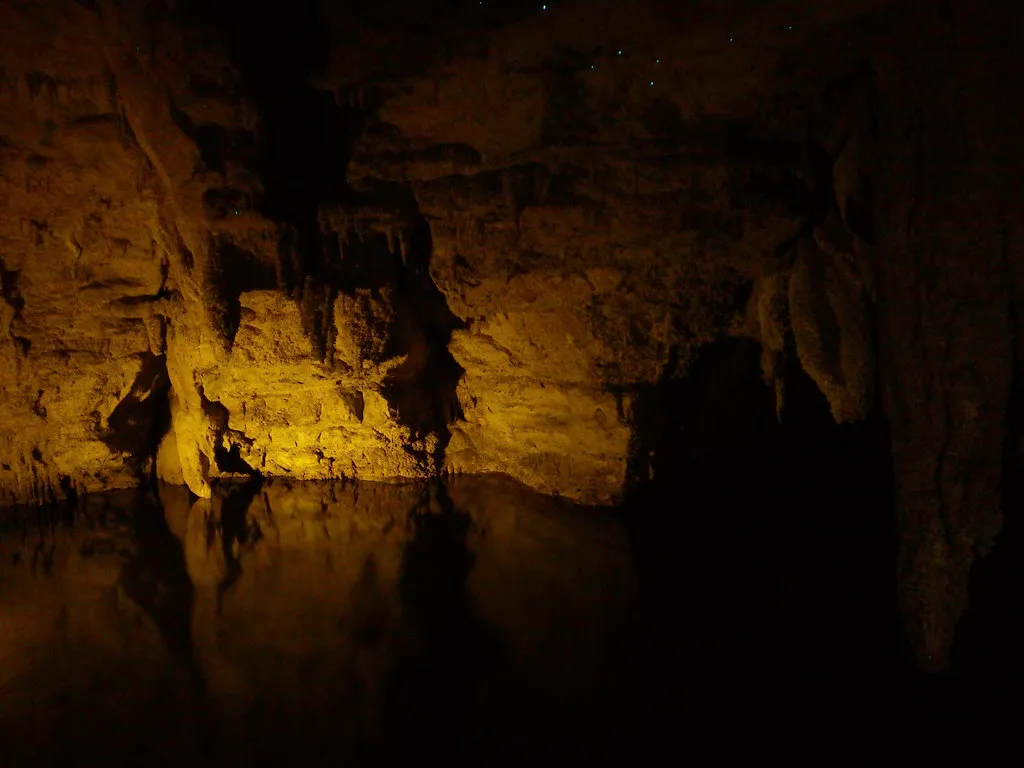
Spellbound runs in the Mangawhitikau cave system about 12 to 15 kilometers south of Waitomo village. Groups are capped at just 12 people. The tour covers two caves over two and a half to three and a half hours, including a long, gentle boat ride and a second dry cave containing moa bones. Photography is permitted inside Spellbound, which sets it apart from the main Waitomo experience. For display quality with time to appreciate it, many experienced visitors rate Spellbound near Waitomo the highest of all the glowworm cave options.
Protecting a Fragile Underground Ecosystem
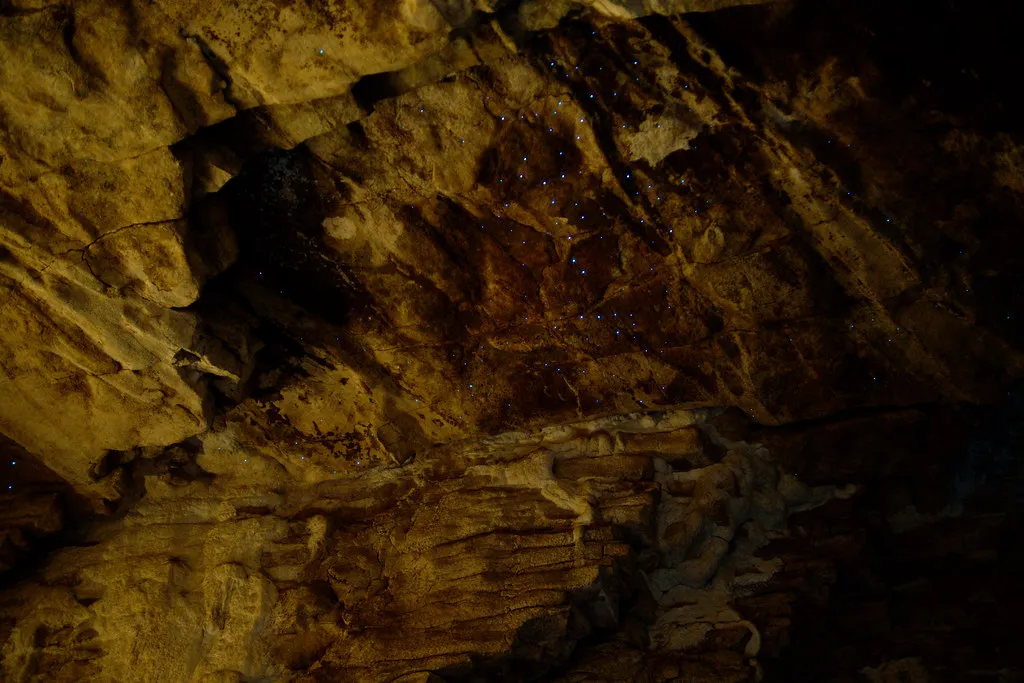
Visitor numbers at Waitomo are controlled, and guided tours follow designated paths and platforms to minimize human impact on cave formations and ecosystems. The caves hover between 54 and 57 degrees Fahrenheit year round, a stable microclimate that the glowworm population depends on. Sudden changes in humidity, carbon dioxide levels from large crowds, or the introduction of light pollution can disrupt the larvae’s ability to hunt and reproduce. Tour sizes, quiet movement, and restrictions on flash photography are all conservation tools, not just visitor management protocols. The caves are alive in a very real sense, and they need careful handling.
Seeing Them in Every Season
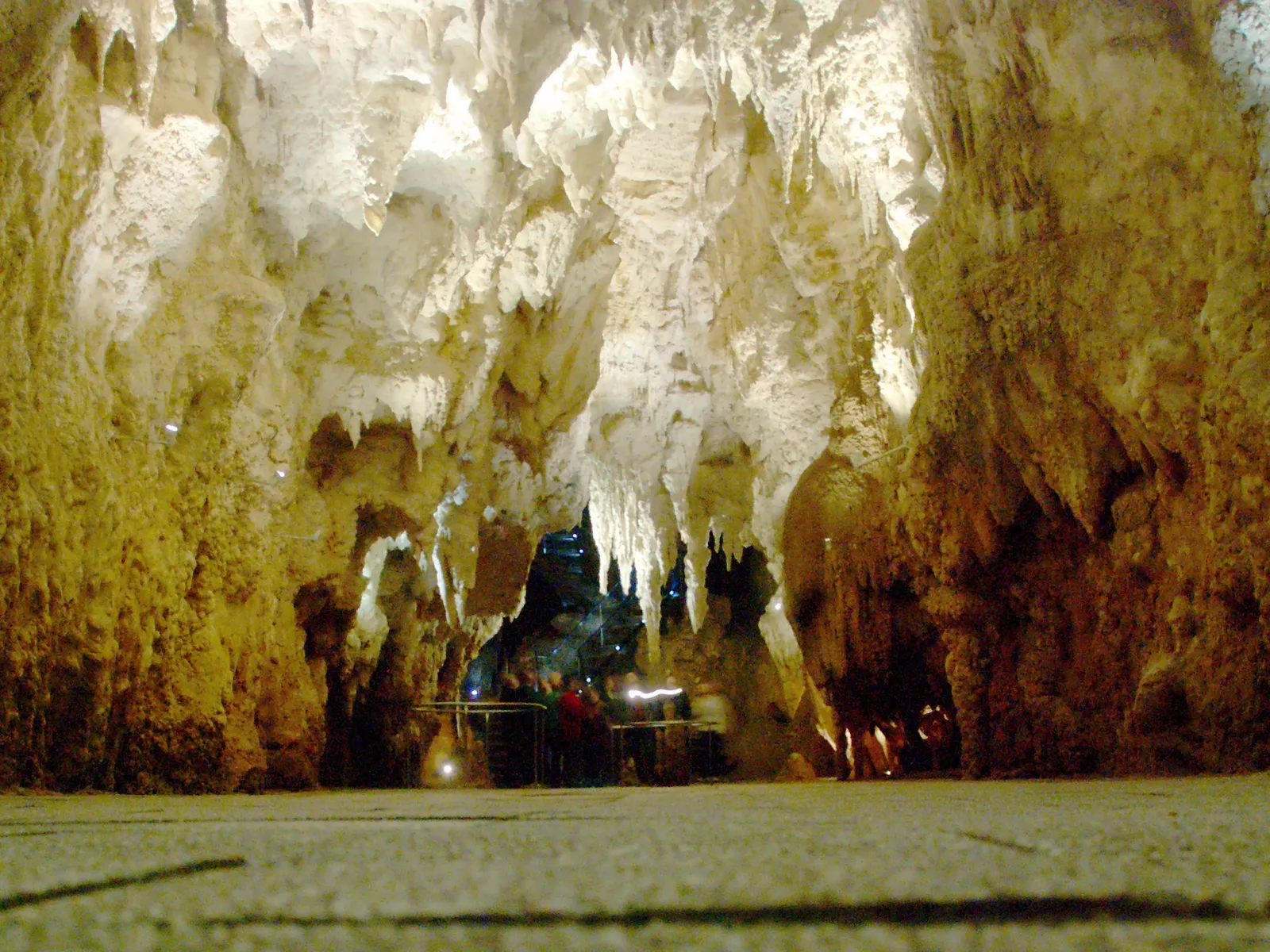
There is real seasonal variation: in most years glowworm numbers at Waitomo are lowest in winter, with long-term monitoring showing the daily brightness peak drifting from around 5pm in early spring to about 8pm in summer. In most years the Waitomo display is brightest through summer, which is also the drier part of the year. Both Waitomo and the Te Anau Glowworm Caves run tours year-round, and glowworms are visible on every departure. The practical upside of visiting in the off-season is real: smaller crowds, shorter queues, and more time in the boat beneath the grotto with nothing but the sound of still water.
A Quiet Wonder That Earns Its Reputation
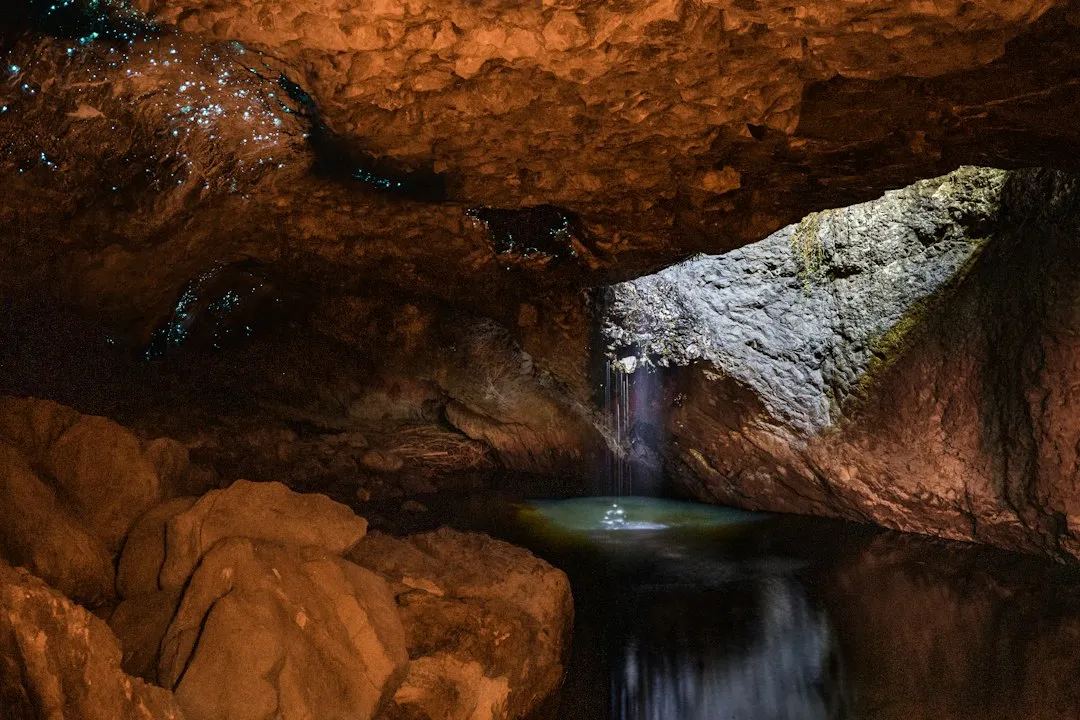
Some natural wonders demand wide open skies or dramatic altitude. This one asks only that you step underground and let your eyes adjust. In caves and forested river gorges across New Zealand, an abundance of star-like lights can be seen when it is dark. The creature responsible for this light, the carnivorous larva of a fungus gnat, has built something that most of the world has never seen.
There’s something quietly affecting about traveling so far, descending into the earth, and finding that the most memorable thing about New Zealand is something smaller than your thumbnail. The glowworm caves have been open to visitors for over 130 years, and they still stop people in silence. That, more than any statistic, is the truest measure of what they are.
AI Disclaimer: This article was created with the assistance of AI tools and reviewed by a human editor.