
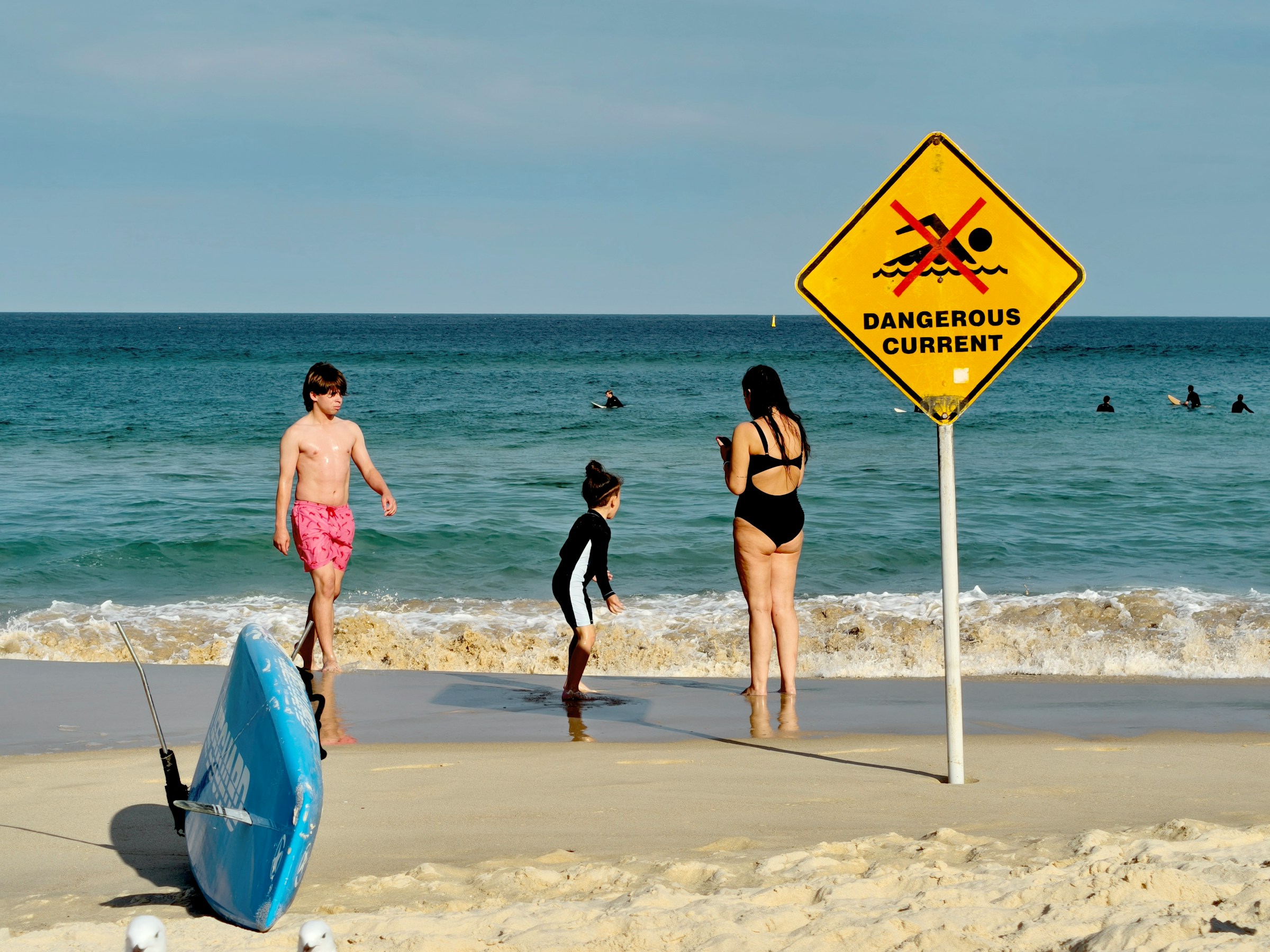

On a bright, clear day, the ocean can look inviting and perfectly safe. Waves are breaking, kids are playing in the shallows, and the water looks like the same familiar stretch of blue it always does. That calmness, it turns out, is precisely the problem.
There is one warning sign in the water that most swimmers walk right past, literally. It doesn’t roar or churn dramatically. It often looks like the most peaceful patch of ocean on the whole beach. Understanding what it actually means could save your life.
The “Calm Patch” That Isn’t Calm at All
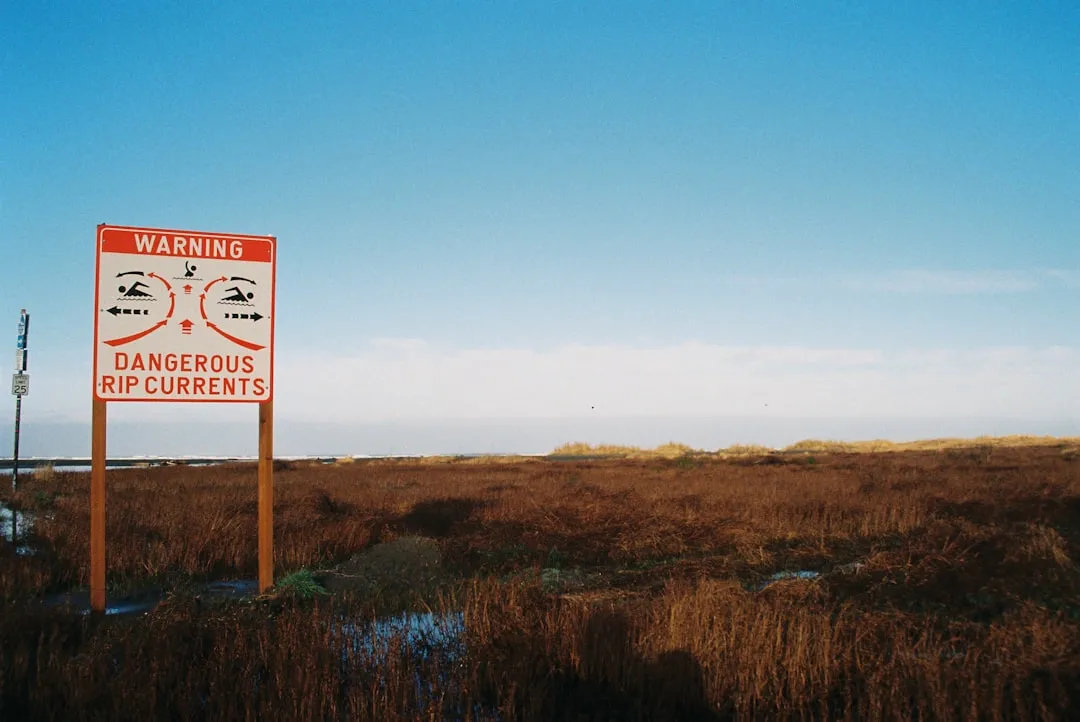
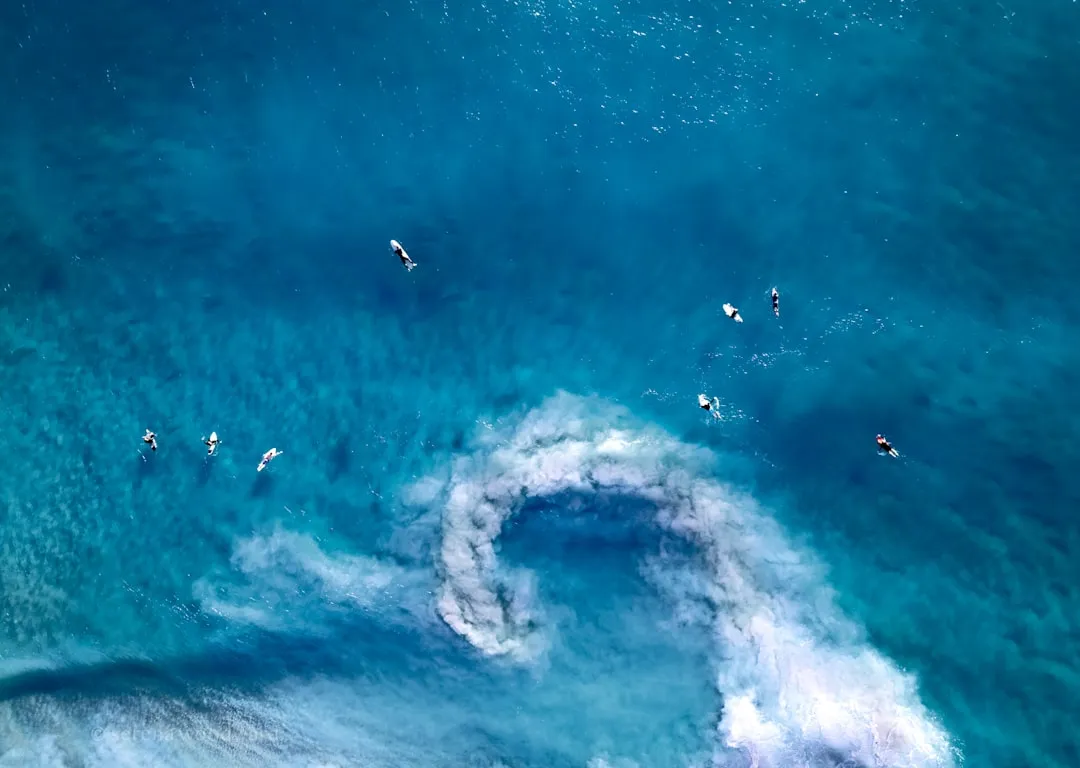
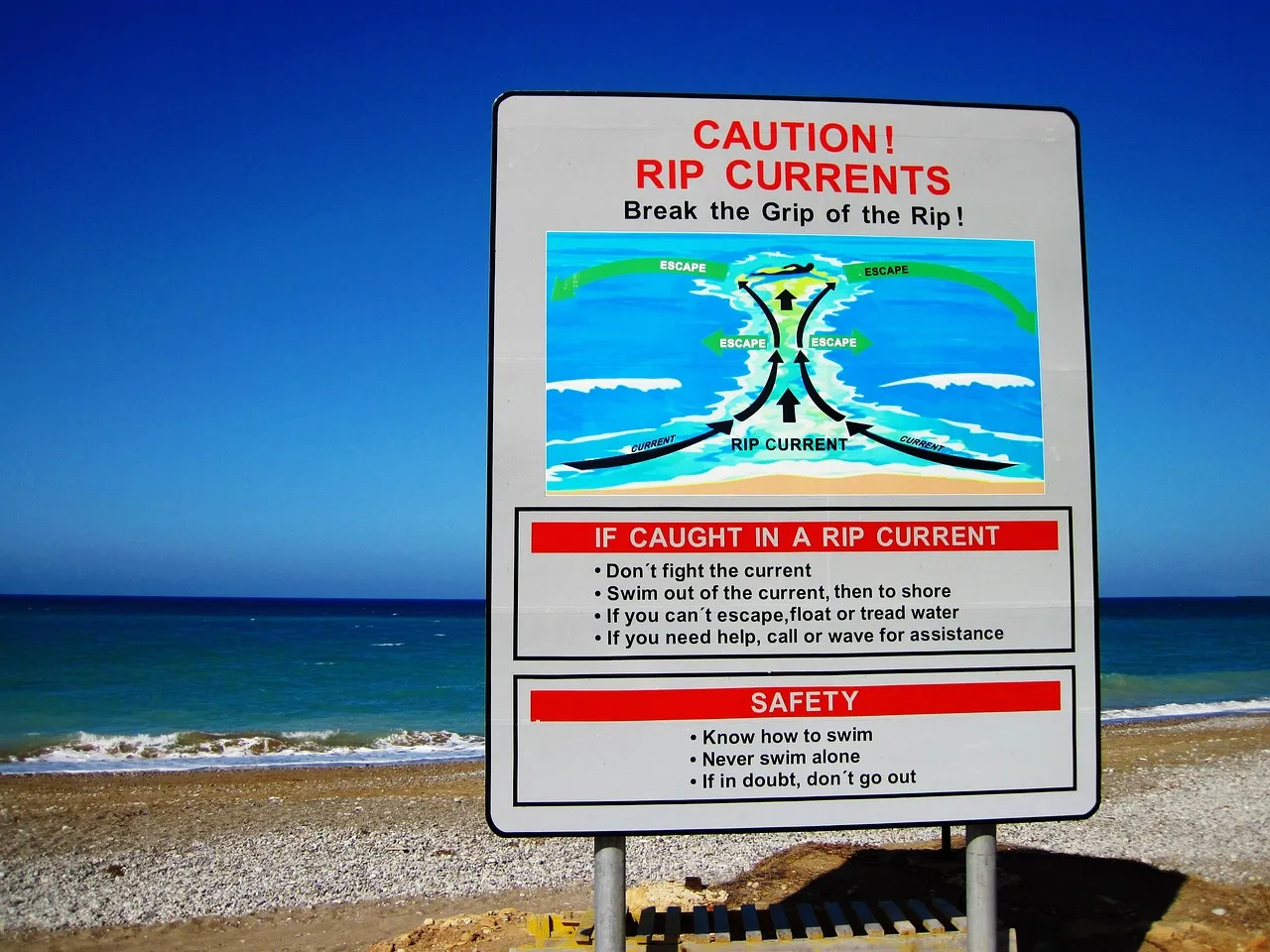
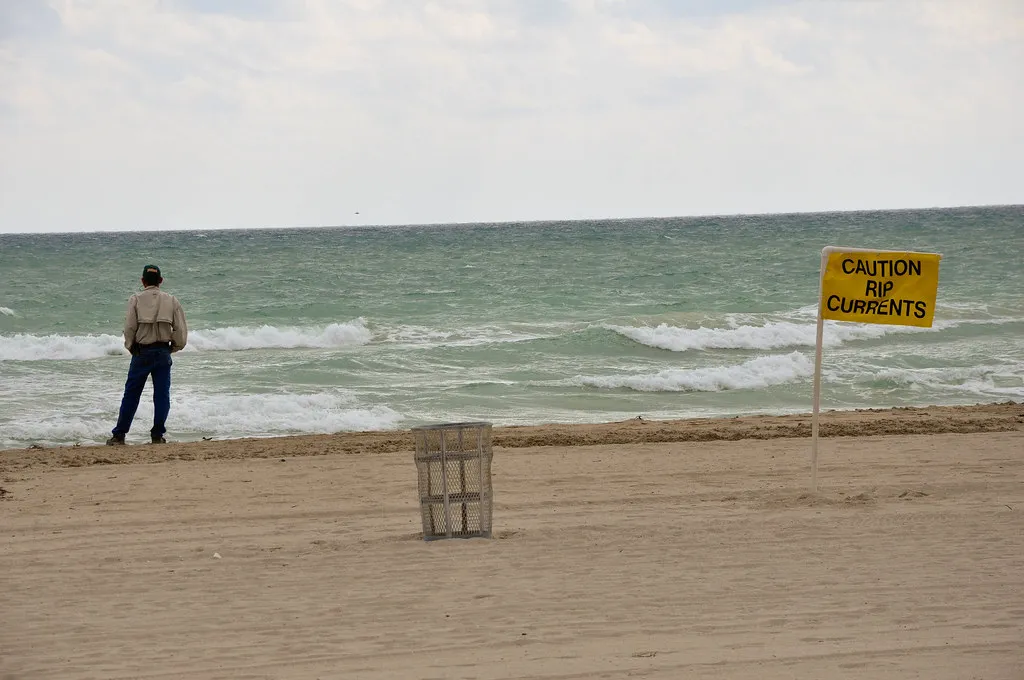
The most telling sign of a rip current is a noticeable gap or break in the pattern of incoming white-capped waves. This flat, quiet-looking strip of water between areas of breaking surf is not a safe channel. It’s where the current is rushing outward with the most force. Waves typically break uniformly along a sandbar, but the outgoing flow disrupts this process, creating a section that appears flat or calm amid surrounding whitewater. This absence of breaking waves marks the path of the strongest offshore flow.
Most beachgoers see this strip of water and feel reassured. No crashing waves means an easy swim. The reality is the complete opposite.
What Rip Currents Actually Are

Rip currents are narrow columns of water flowing rapidly away from the beach, like a swift stream within the ocean. They don’t pull swimmers underwater, but can carry them out a fair distance from shore. This is one of the most persistent misconceptions swimmers carry with them into the water. These currents are not an undertow that pulls a person down, but rather a horizontal conveyor belt that carries a swimmer away from the beach.
A rip current forms when waves push water onto the beach and that water funnels back out through a deeper channel or gap in a sandbar. Rips can move quickly and change shape with tides, swell, and sand movement, which is why they’re so easy to underestimate.
The Speed That Surprises Even Strong Swimmers

Rip current speeds are typically one to two feet per second, but speeds as high as eight feet per second have been measured. That is faster than an Olympic swimmer. This is not a hyperbolic warning. It’s a physical reality that catches experienced swimmers completely off guard. Under certain conditions, rip currents have been clocked at more than five miles per hour, which is faster than you can swim.
The danger is not just the speed itself but the exhaustion it triggers. Drowning deaths occur when people, pulled away from the shoreline, are unable to keep themselves afloat and swim to shore, which may be due to any combination of fear, panic, exhaustion, or lack of swimming skills.
The Scale of the Problem Is Staggering
Going by the number of lifeguard rescues, the biggest hazard at the beach by far is encountering a rip current. According to NOAA, rip currents prompt more than 80% of rescues at surf beaches. The number is remarkable when you consider all the other hazards the ocean contains. Annually, rip currents account for approximately one hundred fatalities and on average fifty thousand lifeguard rescues.
The National Weather Service recorded 16 known deaths from rip currents in U.S. waters in 2024, including fatalities in Florida, Puerto Rico, and Texas. By contrast, there were just two confirmed fatalities from unprovoked shark bites on U.S. shores in 2023. The comparison puts the real risk into sharp focus.
Calm Weather Is No Guarantee of Safety
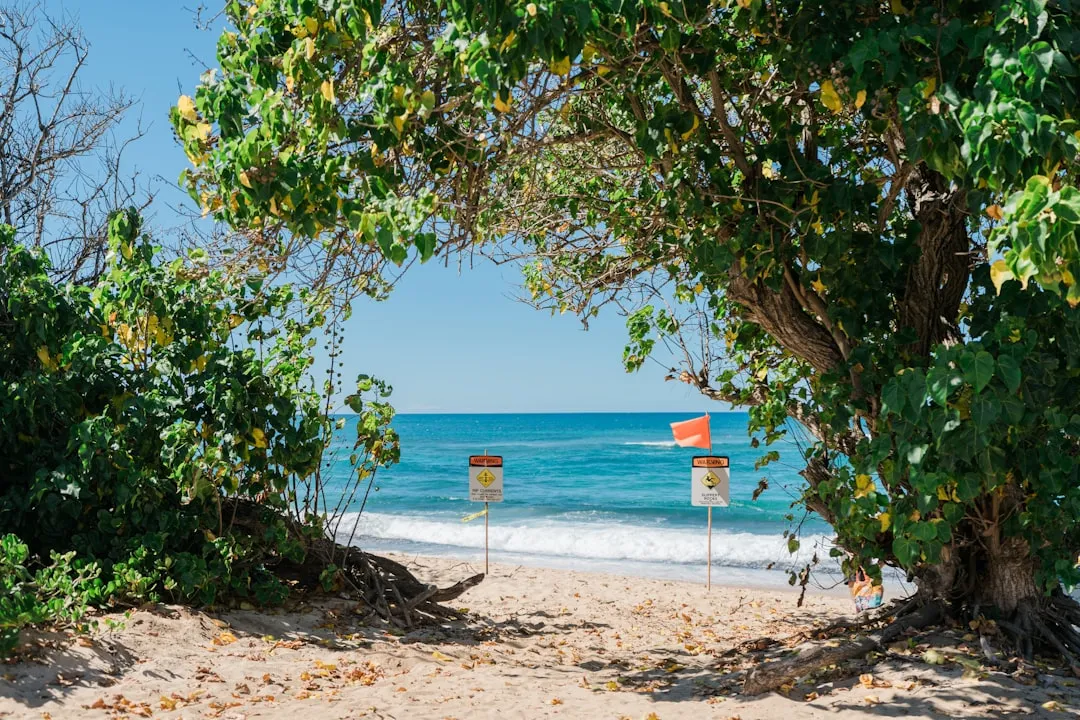
Rip currents can be present on days with even the best beach weather. Even on days with calm surf and light winds, distant storms or hurricanes can cause rip currents. This surprises people who have learned to judge ocean conditions by looking at the sky. The ocean responds to weather systems that may be hundreds of miles away, and the surface overhead tells you nothing about what’s moving beneath it.
Rip currents can be connected to stormy weather but also sometimes occur during sunny days. They can be hard to detect because the surface water often appears calm. That’s the quiet trap the ocean sets on the nicest days of summer.
Other Visual Clues Most People Walk Right Past
Look for discolored water, which appears darker due to deeper water or sand being stirred up; unusual choppiness in sections that look rougher than surrounding areas; and foam or debris moving seaward, which signals a rip current may be present. These cues are subtle enough that they blend into the general visual noise of a busy beach day. Wearing polarized sunglasses helps identify contrasting colors in the water, as deep rip current channels stand out as darker water.
Observing the water from an elevated position on the shore is the most effective way to spot the features of a rip current. Walking up to a dune or lifeguard stand before entering the water takes all of thirty seconds and changes everything you’re able to see.
Only About Half of Beachgoers Bother Reading the Signs

Posted beach signs and flag systems exist for a reason, but research suggests they’re not working well enough on their own. Less than half of surveyed respondents reported reading and following posted beach signs with safety information, while around one quarter reported swimming near lifeguards. That survey, published through Springer in 2024, covered over 1,200 American adults. The results revealed that only 44% of participants were aware that rip currents are the major cause of drownings in the United States.
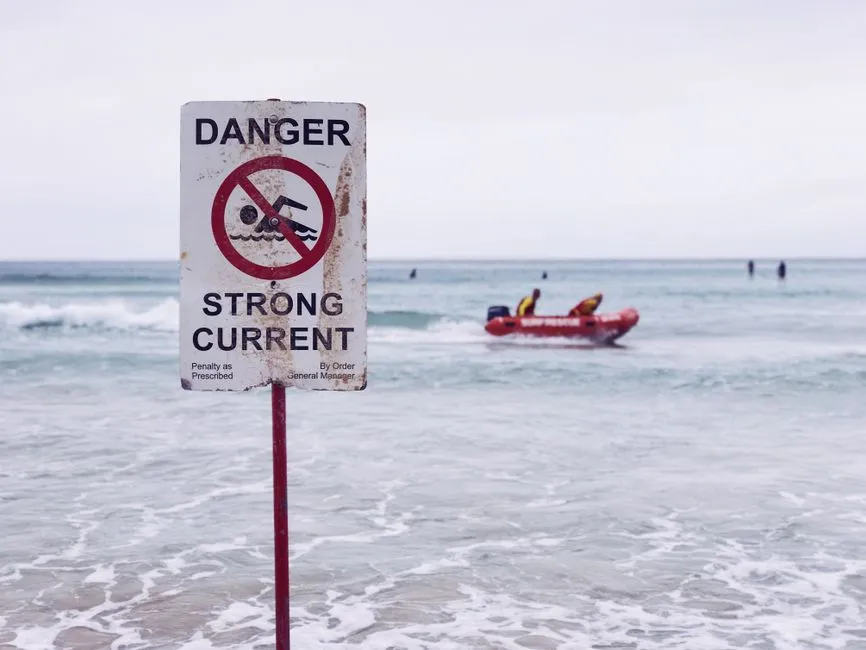
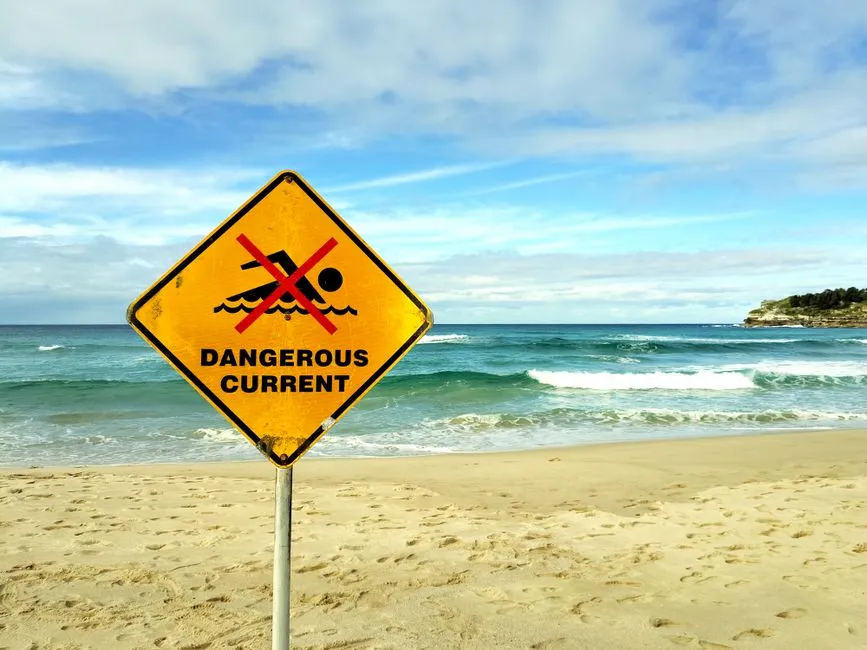
Research shows that people either pay little attention to signs about rip currents or don’t understand them. Information isn’t working to warn people away from these risks, and the consequences are often fatal. The signs are there. The knowledge gap, it seems, is wider than the gap in the waves.
The Deadly Mistake of Swimming Straight Back to Shore
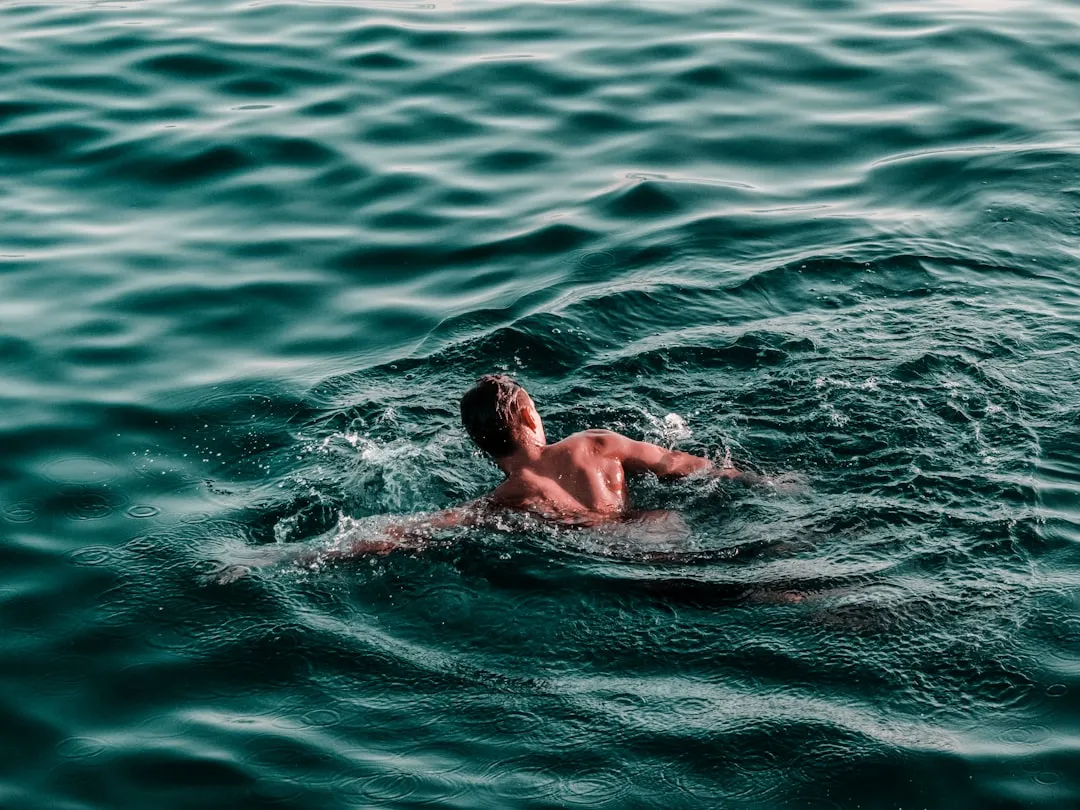
When a swimmer realizes they’re being pulled out, nearly every instinct they have tells them to turn around and fight. This is precisely the wrong response. Your natural instinct may be to try to swim back to shore, but swimming against the current will only exhaust your energy, energy you need to survive and escape. The current flowing outward is often stronger than any person can overcome through brute effort alone.
Many swimmers who get in trouble tire themselves out trying to get back to the beach, lifeguards say. Most rip currents are relatively narrow, often less than 80 feet wide, so a short swim sideways can move you out of the main current. That small repositioning can be the difference between a frightening experience and a fatal one.
How to Actually Escape If You’re Caught
Don’t swim against the current. You may be able to escape by swimming out of the current in a direction following the shoreline, or toward breaking waves, then at an angle toward the beach. You may also be able to escape by floating or treading water if the current circulates back toward shore. The float-first strategy is gaining recognition from safety experts for good reason. It conserves energy while you assess the situation.
If you feel you can’t reach shore, relax, face the beach, and yell and wave for help. All too often, someone attempting to make a rescue without proper training and equipment is the one who drowns. This is why NOAA consistently advises bystanders on shore to throw something that floats and call for a lifeguard rather than enter the water themselves.
Where Rip Currents Form Most Often
Rip currents typically form at breaks in sandbars and near man-made structures such as jetties and piers, and natural structures like caves and cliffs. They are common and can be found on any beach where there are breaking waves, including the Great Lakes. Many swimmers assume they only need to worry on beaches known for heavy surf, but a modest set of breaking waves is all it takes.
Staying at least 100 feet away from piers and jetties is advisable, as permanent rip currents often exist alongside these structures. Someone standing in only waist-deep water can be swept into water over their head in a matter of seconds. The shift can happen before a swimmer even registers that something has changed.
A Global Risk That Keeps Growing
An estimated 4,000 fatal unintentional drownings happen every year in the United States, an average of 11 drowning deaths per day, according to the CDC. Rip currents are a significant driver of that toll at coastal locations. The situation is even more pronounced globally: there are around 300,000 annual drowning deaths worldwide, drowning disproportionately impacts children and young people, and children aged under five years account for nearly a quarter of all drowning deaths, according to the WHO.
Recent data from Australia reinforces the ongoing scale of the problem. In the 2025 to 2026 summer season, there were 50 coastal drowning deaths, 92% of which were male, and 48% occurred on beaches. Among beach drownings, 42% were rip-related. The proportion tied directly to rip currents remains stubbornly consistent year after year across multiple countries.
The Quiet Takeaway
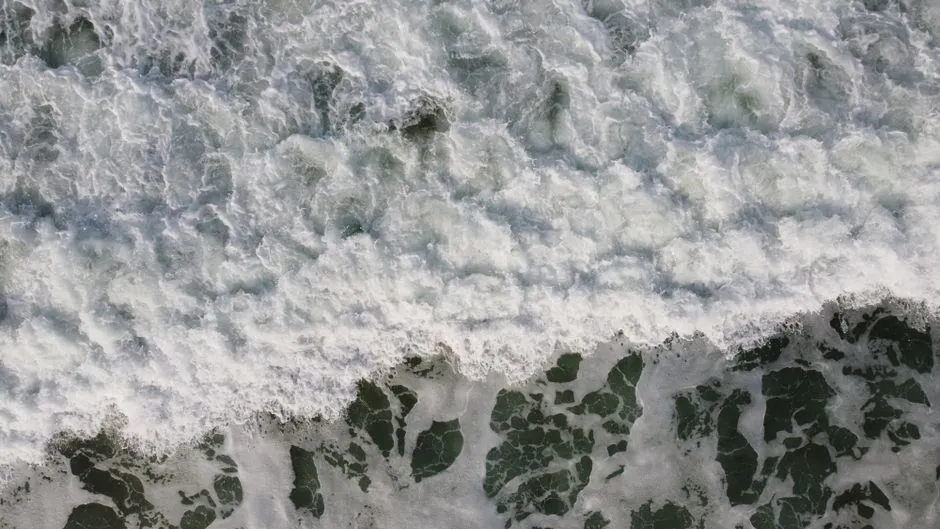
The warning sign most swimmers ignore isn’t a posted placard on the beach, though those matter too. It’s the water itself. Signs of a rip current are very subtle and difficult for the average beachgoer to identify. Look for differences in water color, water motion, incoming wave shape, or breaking point compared to adjacent conditions.
The ocean doesn’t announce its dangers with noise or obvious drama. That smooth, quiet channel sitting between two rows of breaking waves is the warning most people mistake for an invitation. Rip currents are the number-one ocean hazard on surf beaches worldwide, but with knowledge, awareness, and the right mindset, you can stay safe. Spending two minutes watching the water before you wade in costs nothing. What you learn in those two minutes might be the most useful thing you bring to the beach all summer.
AI Disclaimer: This article was created with the assistance of AI tools and reviewed by a human editor.