


What “Off-Season” Actually Means at the Beach

Every coastal destination has its own calendar of high, shoulder, and low seasons, and understanding the difference matters more than most travelers assume. High season is the peak period for travel, when popular destinations see their largest crowds, usually aligning with school breaks, summer holidays, and major festivals, and this window typically spans about three months with demand skyrocketing. Shoulder season sits in the gap between that peak and the true low season, and for beach destinations it usually falls in early fall or late spring.
Shoulder season represents the sweet spot between high and low seasons, offering the perfect compromise for many travelers with pleasant weather, manageable crowds, and prices that are significantly more attractive, typically hovering between 60% and 75% of peak rates. That gap between what a room costs in July and what the same room costs in October is really the whole trick.
The Actual Numbers Behind the Savings

This isn’t just a vague feeling that things get cheaper after Labor Day. Traveling shoulder season between April and June or September and November cuts hotel costs by 30 to 50% at most tropical destinations. Some analyses go even further for the true off-peak stretch.
Off-season months, generally January through March and November, run 20 to 35% below peak pricing, while shoulder season alone can still save travelers 20 to 35% on flights and hotels. Summer months from June through August run 25 to 40% more expensive than shoulder season for most destinations. Layer a few of those savings together, a cheaper flight, a discounted room, and lower restaurant prices, and cutting a beach vacation’s total cost in half isn’t an exaggeration for a lot of travelers.
Hotels and Vacation Rentals Take the Biggest Hit

Lodging tends to be where the real money gets saved, since it’s usually the single biggest line item in a beach trip’s budget. Accommodation accounts for 35% of total vacation costs, making it the single largest expense category in most travel budgets. That means even a modest seasonal discount there moves the needle more than trimming almost anything else.
Recent industry data backs this up with specific figures. Discounted vacation rentals on Vrbo have offered savings of up to $600 per night in beach towns like Myrtle Beach and Pensacola during shoulder season. Meanwhile, rental platforms are seeing this shift reflected in booking patterns rather than just sticker prices, since travelers are actively chasing these windows.
Flights Follow the Same Downward Curve

Airfare doesn’t stay high just because hotels drop, it tends to fall right alongside them. International airfares drop by 33% and domestic airfares fall 21% during shoulder season, while hotels follow suit with international stays down 10% and domestic hotel prices down as well. For beach travelers eyeing destinations across an ocean, the savings can be even steeper.
Airfare to Europe during shoulder season runs about 37% lower than peak summer months, and Spain in particular has seen shoulder season fares drop nearly 47% compared to peak summer, a serious deal for some of the continent’s most popular coastal spots. Closer to home, domestic beach flights show similar patterns, just usually with smaller percentage drops.
Beyond the Big Two: Cars, Meals, and Activities

The savings don’t stop at flights and rooms. Car rental prices can drop by 30 to 50% during shoulder season, and in destinations like the Algarve or Tuscany, travelers can save hundreds on week-long rentals. Dining out gets cheaper too, in some Mediterranean destinations restaurant meals run notably less during the off-peak window compared to July.
Restaurant meals in shoulder season destinations can run 30 to 40% cheaper, with ferry connections still frequent but not overcrowded. Boat tours, snorkeling excursions, and other beach activities often see similar price cuts once the peak crowds have thinned out.
Fewer Crowds, More Room to Actually Relax

Money isn’t the only thing you get back when you travel off-season, you also get your elbow room. From post-Labor Day through late fall, prices and crowds tend to cool, giving travelers some breathing room they don’t get in peak summer. That shift changes the entire feel of a beach trip, from shorter lines at popular spots to actually being able to find a quiet stretch of sand.
Travel experts who track these patterns consistently point to this as one of the underrated perks. Off-season travel doesn’t just offer significant savings on travel costs, it also gives travelers the chance to experience destinations more authentically with fewer crowds, leading to more intimate experiences. For families especially, that can mean the difference between a stressful vacation and a genuinely restful one.
The Weather Trade-Off You Need to Understand
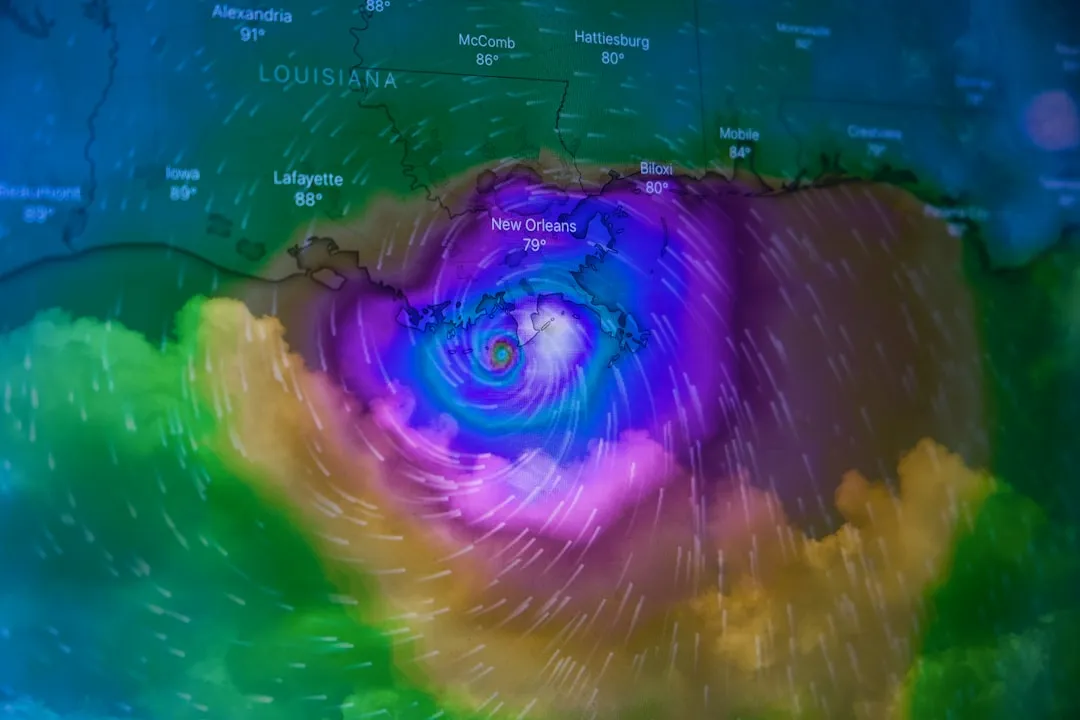
Off-season pricing exists for a reason, and it’s worth being honest about that reason before booking. Weather along Florida and the Gulf Coast tends to be comfortable in September and mild in October, though it’s still hurricane season through November according to the National Oceanic and Atmospheric Administration. This doesn’t mean travelers should avoid these windows, it just means the calculation involves a bit more awareness than a spring or summer trip would.
Keeping an eye on the weather and checking for hurricane warnings during this time of year matters, and travel insurance may be a wise investment for anyone booking a fall beach vacation. A little research into a destination’s specific climate risks goes a long way toward making sure the savings don’t come with unwanted surprises.
Where the Deals Are Currently Strongest

Certain beach regions have built a reputation for especially generous off-season pricing right now. Aruba, known for its white-sand beaches and idyllic weather, sits outside the hurricane belt, making it a strong shoulder-season pick where a flight-and-hotel package for a three-day escape can start around $1,000 per person during the off-season. Along the U.S. Gulf Coast, similar patterns show up in smaller beach towns.
Travelers looking for budget-friendly lodging in Gulf Shores, Orange Beach, and Fort Morgan can benefit from off-season travel, since warm weather and water temperatures often last well into early fall and late spring, making those windows ideal for lower nightly rates. Vacation rental data backs this pattern up on a national scale too, with median shoulder season rental costs coming in well below summer peaks.
How Travelers Are Actually Booking These Trips

This isn’t a niche strategy anymore, it’s becoming mainstream behavior. Nearly half of U.S. travelers plan to take off-peak trips, and searches for vacation home stays are already up 27% year over year for autumn and 25% for spring. Younger travelers in particular are driving this shift.
According to Airbnb, Gen Z search volume for fall travel is up 26%, with many opting for longer, cross-border itineraries than older travelers. The practical advice from experts who track these patterns is fairly consistent: book accommodation and flights early for shoulder seasons, but wait to book activities once you arrive, since local operators often offer spontaneous discounts when demand is lower.
Making the Trade-Off Work for Your Own Trip
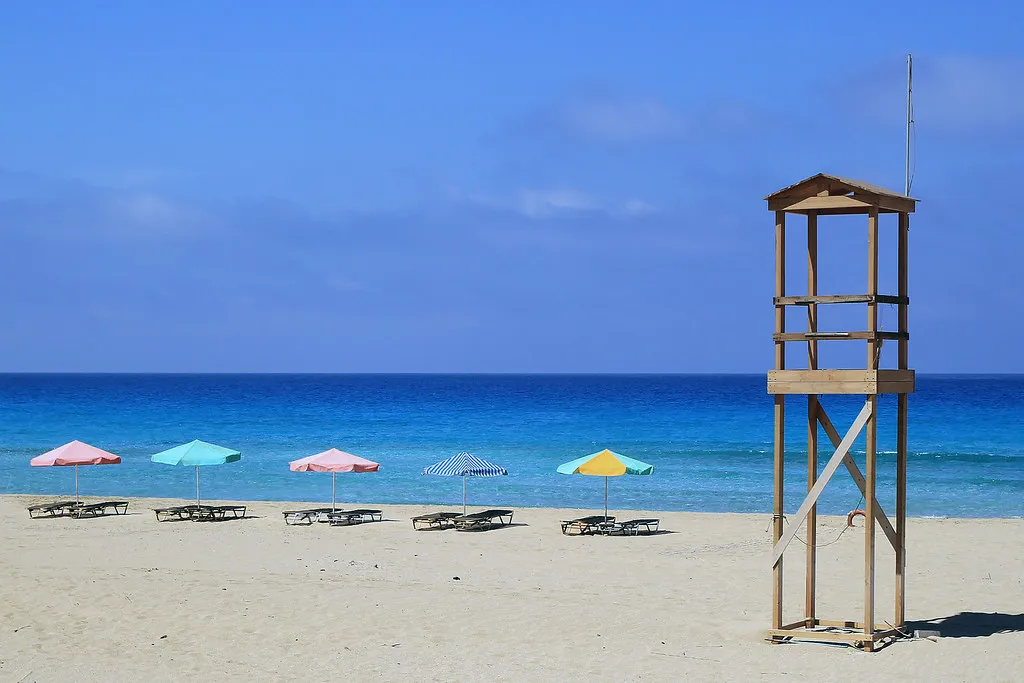
Deciding whether off-season beach travel makes sense really comes down to flexibility. Airfare and hotel prices differ depending on when you book, the days you travel, and whether you book directly or through a portal, but travelers can often count on airfare and hotel deals during off-peak times. The trade-offs are usually manageable, a bit more rain risk here, slightly cooler water there, in exchange for meaningfully lower costs and a calmer trip overall.
For families juggling school calendars or anyone who can shift travel plans by even a few weeks, the math tends to work strongly in favor of going early or late rather than fighting the summer crowds. It’s less about finding a secret hack and more about recognizing that the beach doesn’t actually close when summer ends, it just gets a lot more affordable.
The tide chart doesn’t care what month it is, and neither does the sand. What changes is everyone else’s willingness to show up, and that shift in demand is where the real savings live. A little flexibility on timing, paired with some honest research into a destination’s off-season weather patterns, can turn a beach vacation that once felt out of reach into one that’s genuinely within budget.AI Disclaimer: This article was created with the assistance of AI tools and reviewed by a human editor.