


Most people expect chili to arrive in a bowl, thick and steaming, with maybe a wedge of cornbread on the side. Cincinnati had a different idea. In this southwest Ohio city, a plate of chili looks startlingly like a pasta dish, piled high with finely shredded cheddar, and the locals have been ordering it that way for over a century.
What Cincinnati built around this unlikely combination is something far bigger than a regional curiosity. It’s a food tradition woven into everyday life, neighborhood identity, and even the NFL. Here’s the full story, from its immigrant origins to its current place in American food culture.
The Macedonian Immigrants Who Started It All
Brothers Tom and John Kiradjieff opened Empress Chili in downtown Cincinnati in 1922, with WVXU placing the first parlor at Ninth and Vine and identifying the brothers as Macedonian immigrants who introduced what became Cincinnati-style chili. They weren’t trying to reinvent American food so much as adapt what they knew from home.
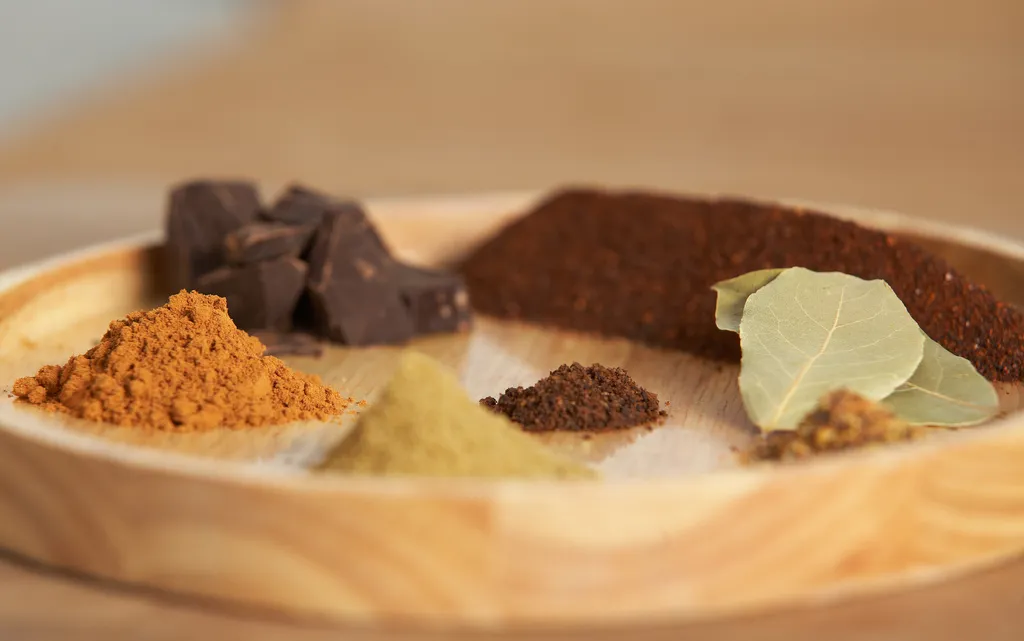
This spice profile comes directly from Macedonian-Greek immigrant cooking traditions, where ground meat is commonly seasoned with cinnamon and allspice in preparations like moussaka and pastitsio. The dish Kiradjieff built in 1922 is essentially unchanged today: ground beef simmered in seasoned water, never browned, thin enough to pour, spiced with cinnamon and allspice, served over spaghetti.
How the Spaghetti Ended Up on the Plate
The first Empress menu offered chili on hot dogs or mixed with spaghetti, according to food historian Dann Woellert. A customer later suggested serving the chili on top of the spaghetti instead, and another customer asked for grated cheese, helping create the layered dish Cincinnati diners recognize today.
He served it over spaghetti because dry pasta was cheap, widely available, and produced by Italian immigrant communities in the same Midwest cities. As Cincinnati chili grew in popularity through the 1920s and 1930s, virtually all chili parlors in Cincinnati served it over spaghetti. A practical choice became a permanent tradition.
The Spice Blend That Confuses Everyone
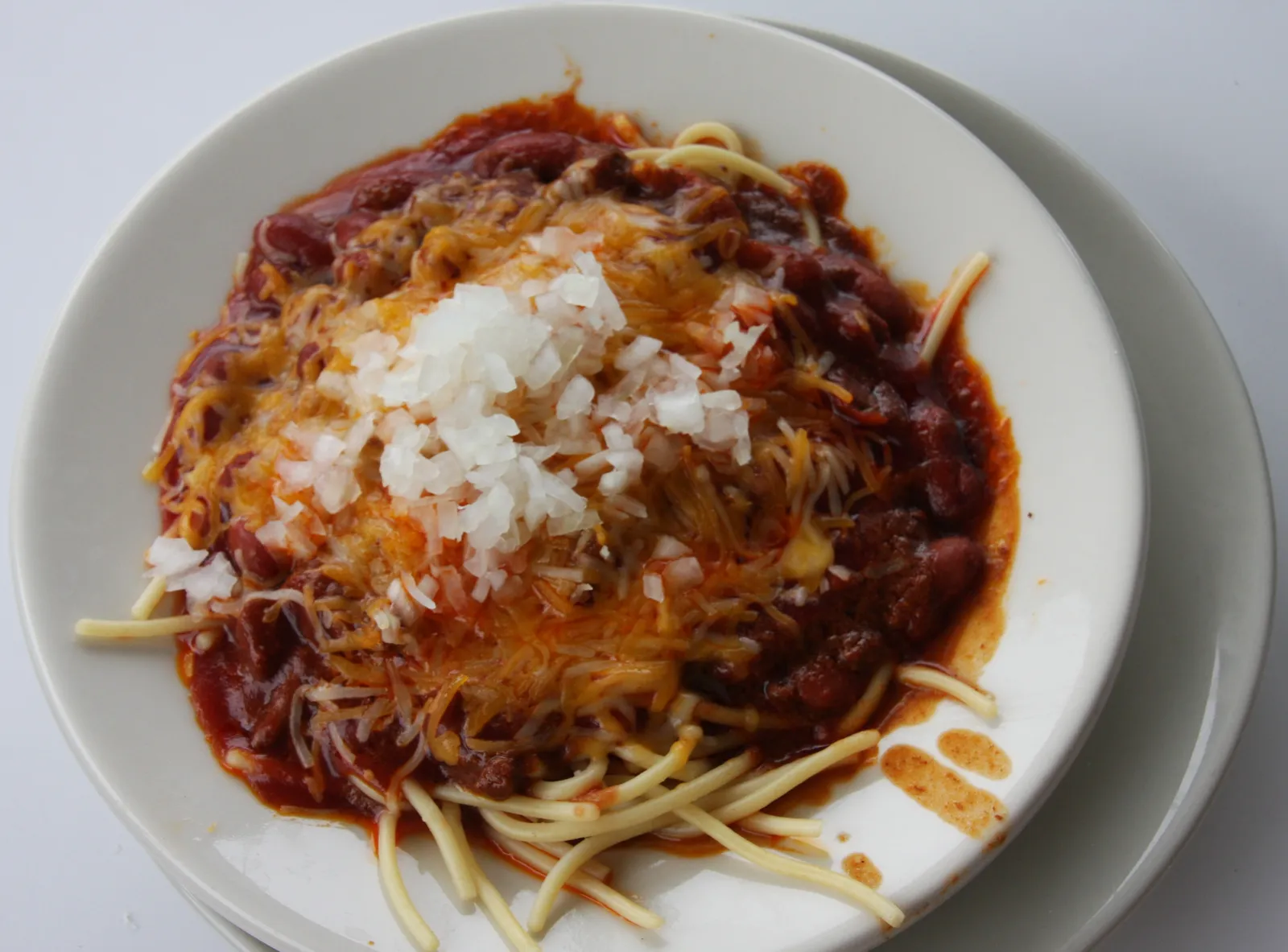
The city’s signature dish is a thin, cinnamon-spiced meat sauce poured over spaghetti and buried under a blizzard of finely shredded cheddar, and it has baffled food tourists and united Cincinnatians for over a century. The flavor profile genuinely surprises first-timers because it leans warm and subtly sweet rather than hot.
The sauce is slightly sweet and filled with a striking blend of aromatic spices, such as cinnamon, nutmeg, allspice, clove, cumin, and chili powder. The texture of Cincinnati chili is thinner than traditional chili, almost like a rich, savory sauce, and it clings to the noodles perfectly, making every bite a balance of smooth, spiced, and a little bit sweet.
The “Ways” System: Ordering Like a Local

At Skyline, a 3-Way means spaghetti, chili, and shredded cheddar. A 4-Way adds diced onions or beans, while a 5-Way includes both. That numbering system gives Cincinnati chili its own vocabulary, and locals can order a full meal with little more than a number.
Cincinnati chili is almost never served or eaten by the bowl. The layered “ways” approach is so embedded that ordering without knowing the system marks you immediately as an outsider. The five-way is a concoction of spaghetti topped with chili, chopped onion, kidney beans, and shredded yellow cheese, served with oyster crackers and a side order of hot dogs topped with more shredded cheese.
Skyline Chili: The Chain That Made It Famous

Nicholas Lambrinides and his sons opened Skyline Chili in 1949 after Lambrinides brought family recipes to Cincinnati. The name came from the view of the Cincinnati skyline from the first restaurant’s location in Price Hill. What began as a single storefront grew into the most recognizable name in Cincinnati chili.
As of August 2021, Skyline Chili operates 160 restaurants. Skyline’s chili, canned chili sauce, and frozen microwave meals are also available in supermarkets, notably at fellow Cincinnati-based Kroger. A recent report put Skyline high on the list of restaurant brands that offer the best customer satisfaction.
Camp Washington Chili: The Cult Favorite
According to a list compiled by LoveFood, the best cult-favorite restaurant in all of Ohio is Camp Washington Chili in Cincinnati, an eatery that has become a landmark since it first opened its doors over 80 years ago. Widely acclaimed since it opened in 1940, Camp Washington Chili is a Cincinnati landmark and a favorite among locals and tourists alike, with demand constant enough that the place is open 24 hours a day, except Sundays.
Camp Washington Chili carries a 4.3-star rating on Google with nearly 5,000 reviews, and is located at 3005 Colerain Avenue. It represents the independent parlor spirit that chain restaurants haven’t fully replaced, drawing visitors who want the experience without the corporate polish.
A City of Chili Parlors Unlike Any Other
A few men sit at a counter at one of 250 chili parlors in town and engage in normal conversation about business and personal matters as they prepare to order their meals. That scene plays out daily across Cincinnati. The parlor is not just a restaurant; it’s a neighborhood fixture in the way a corner bar might be in another city.
Gold Star Chili and Skyline Chili are the two major corporate chain parlors that have created division among residents, but others find solace at the copious independent locations that include Empress, Blue Ash, Camp Washington, Price Hill, or the Blue Jay Restaurant. Chili parlors often double as community gathering spots, where generations of families have eaten together.
The Greek Sauce That Crossed an Ocean
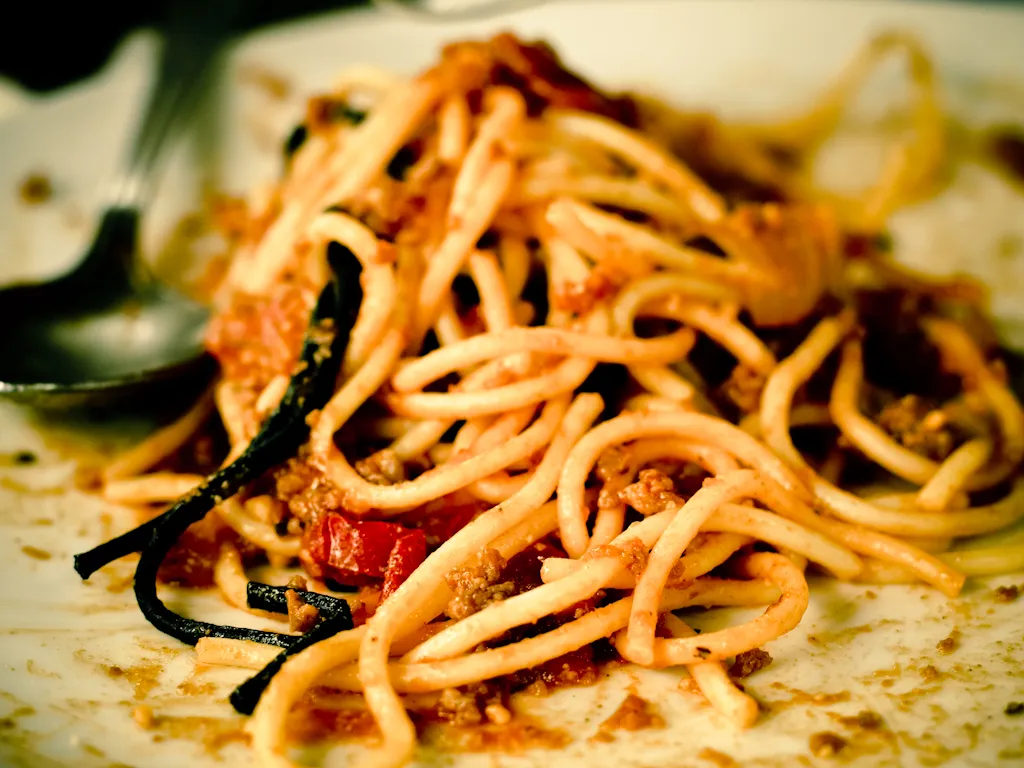
Saltsa kima, Greece’s most popular topping for spaghetti, is a ground beef and tomato sauce often spiced with cinnamon, allspice, and cloves. Pasta topped with saltsa kima is considered the basis for Cincinnati chili, a dish developed by Greek immigrant restaurateurs in the United States in the 1920s.
The Mediterranean spice profile of cinnamon, allspice, and cloves reflects the meat-spicing traditions of the Balkans, where warm-spiced ground meat appears in dishes like pastitsio and moussaka. Cincinnati chili isn’t a strange American invention. It’s an immigrant dish that never forgot where it came from.
When Cincinnati Chili Reached the Senate Floor
Cincinnati chili even became part of a 1974 argument over regional chili pride. Senators from Texas and Arizona sparred over whose chili was better before Ohio’s senator defended Cincinnati’s version. A cook-off followed about a month later, complete with objections to putting chili on spaghetti.
The debate has never really ended, of course. The question of whether Cincinnati chili counts as “real” chili remains alive, though it’s worth noting that some people argue any chili with beans isn’t a real chili either. Cincinnati largely shrugs at the debate and keeps eating.
Cincinnati Chili’s Place in the City’s Identity Today
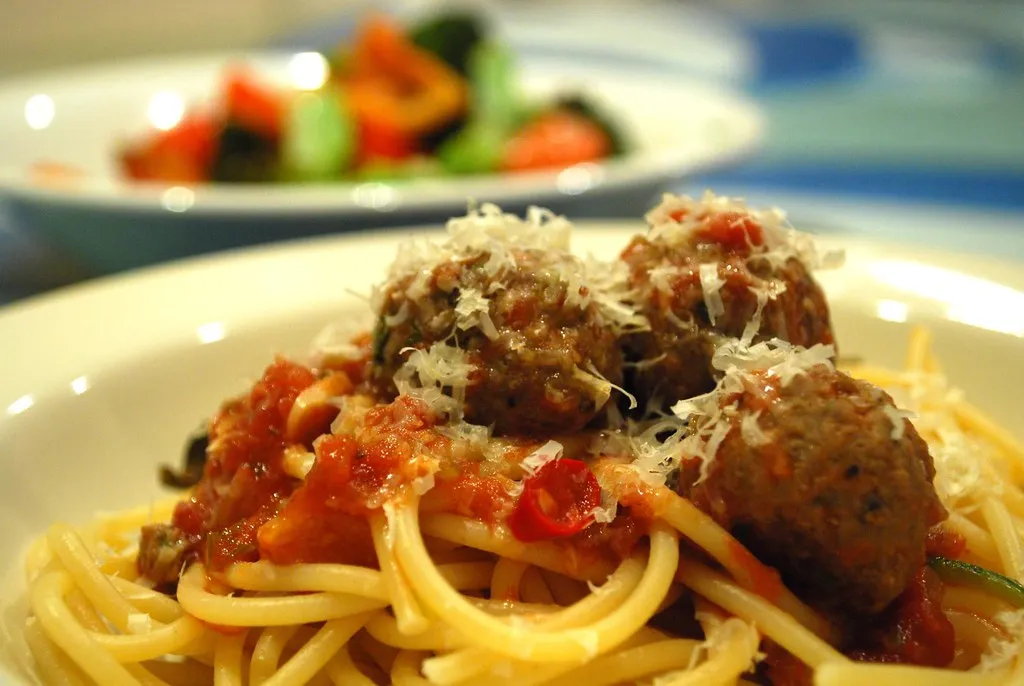
Cincinnati chili looks like a plate of spaghetti wearing too much cheddar until you understand what it means locally. The dish is older than the Bengals’ current stadium, tied to generations of neighborhood chili parlors and now officially linked to the team through Skyline Chili.
Empress Chili still operates today, with multiple Cincinnati-area locations, and is considered the original template from which every subsequent Cincinnati chili chain developed. In Cincinnati and across southern Ohio, chili isn’t just a meal. It’s a cultural institution. Over a century after Tom Kiradjieff ladled his first bowl of spiced meat sauce over pasta at Ninth and Vine, that truth hasn’t changed in the slightest.
The Takeaway
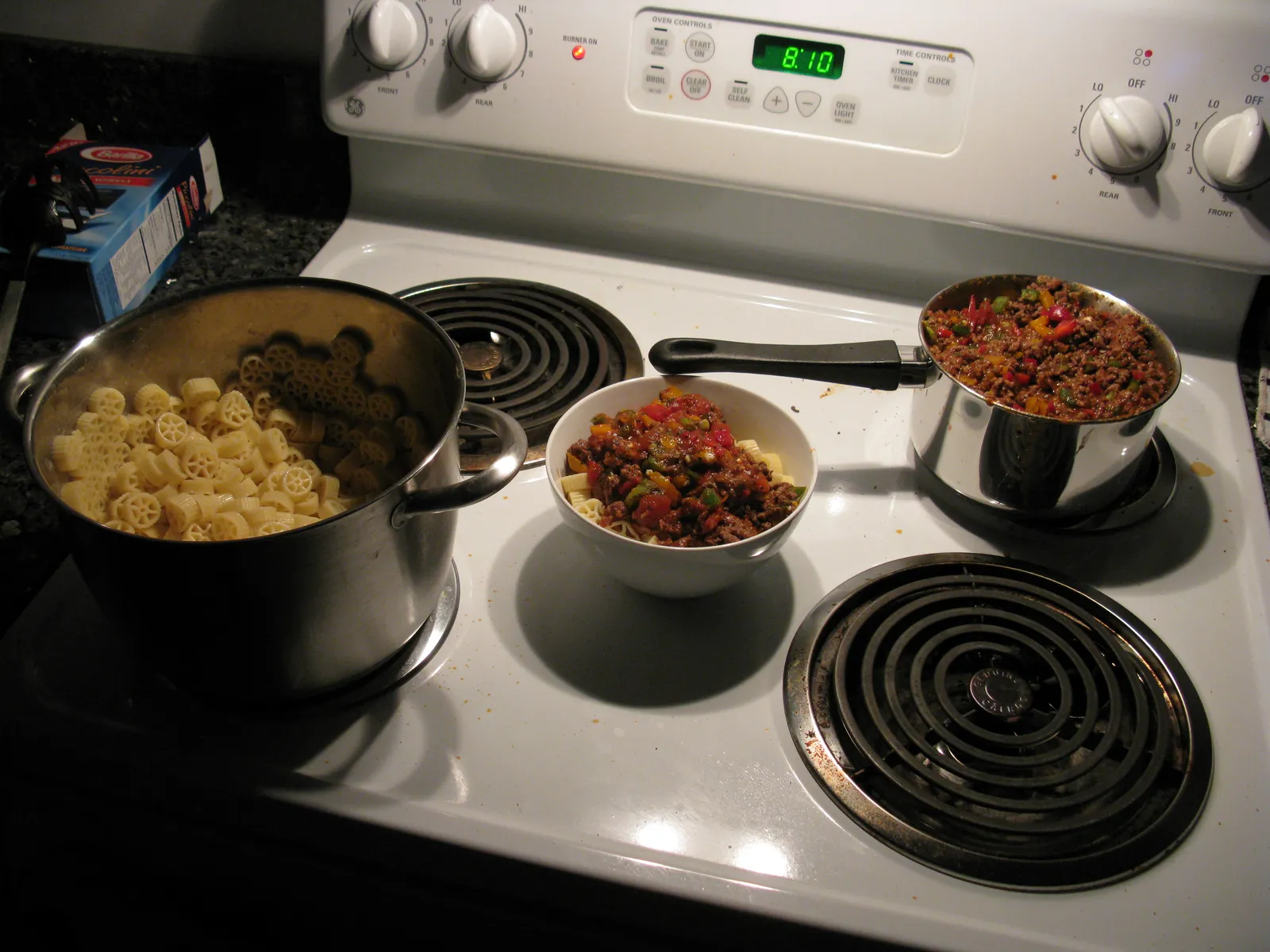
Cincinnati chili is proof that the most distinctive food traditions often come from the simplest circumstances: an immigrant family, an affordable ingredient, and a neighborhood willing to try something new. What started as an adaptation of Macedonian home cooking became the culinary signature of an entire American city.
If you’re visiting Cincinnati for the first time, the question isn’t whether to try it. It’s how many ways you’re willing to order it.
AI Disclaimer: This article was created with the assistance of AI tools and reviewed by a human editor.