
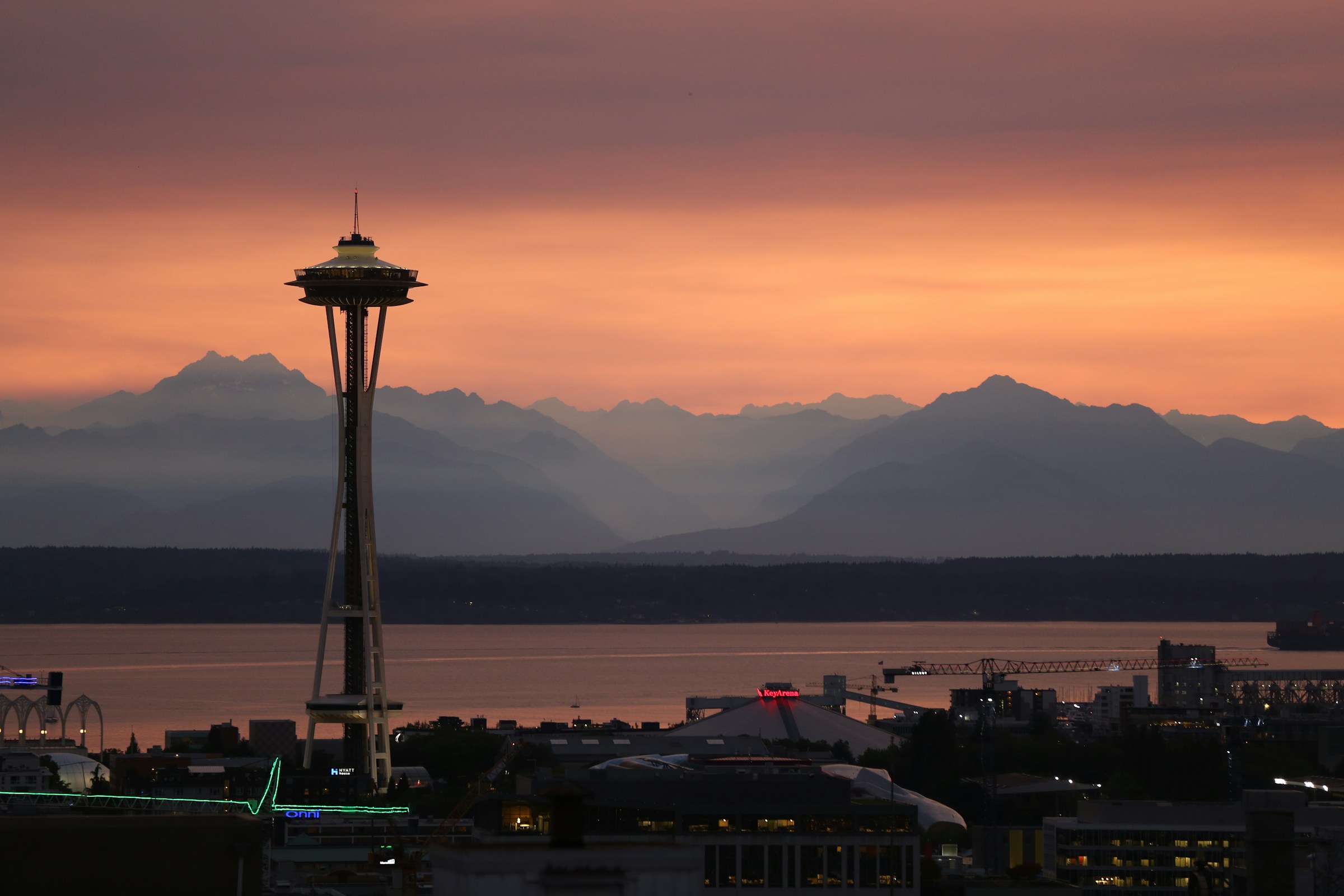

There’s a giveaway almost every longtime Seattleite and Portlander can spot within seconds. It’s not a confused glance at a map or an oversized theme park tote. It’s something far more ordinary, carried above the head, opened with a satisfying click, and absolutely invisible from the closets of most Pacific Northwest locals.
The umbrella. That single item, more than anything else you could wear or carry, is the clearest signal that you’ve just arrived from somewhere else. The story behind why that’s true is more interesting than it first sounds.
A Region That Measures Rain Differently
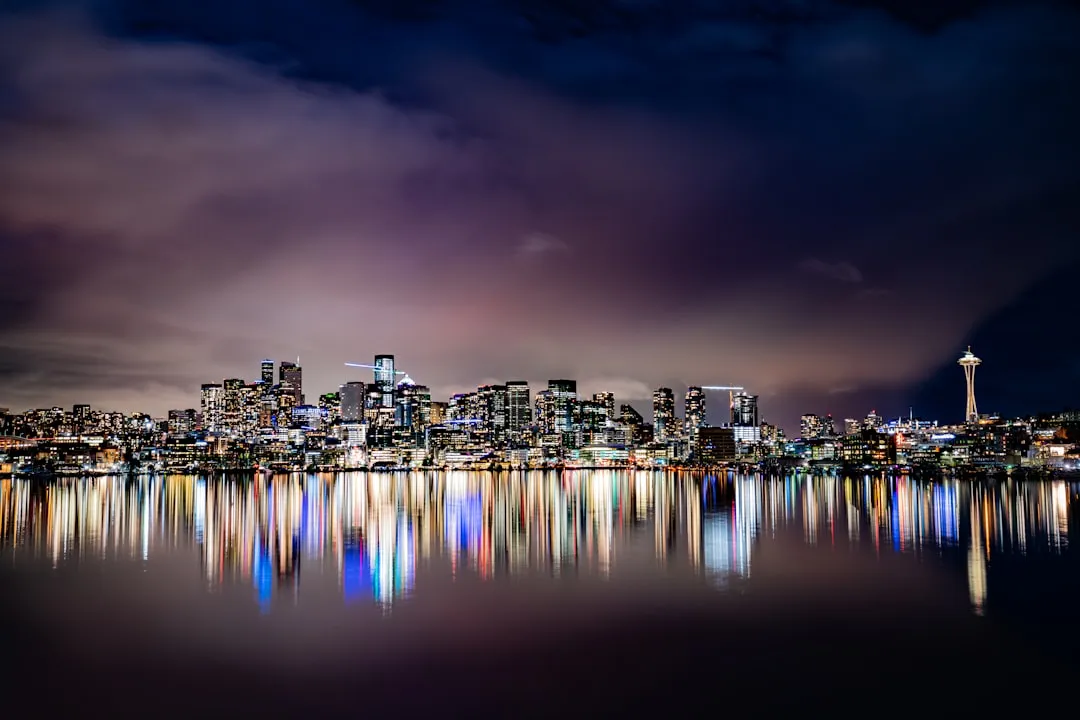
According to data from the National Oceanic and Atmospheric Administration collected at Seattle’s airport between 2022 and 2024, Seattle averaged 148 days per year with at least 0.01 inches of precipitation, but only 88 days per year averaged 0.10 inches or more. That means roughly two fifths of those so-called rainy days had only drizzle, mist, or brief showers.
Seattle ranks in the top five for cloudy days in the country but doesn’t even make the top forty for how much rain it actually receives. That’s because the rain comes in the form of a drizzle, mist, sprinkle, shower, or what locals sometimes call liquid sunshine.
A typical rain in Portland features relatively small raindrops, which don’t have quite the cumulative soaking effect of a heavy thunderstorm elsewhere. The region’s moderate marine climate puts a damper on the intense atmospheric dynamics that produce truly drenching downpours.
The Umbrella as a Social Signal
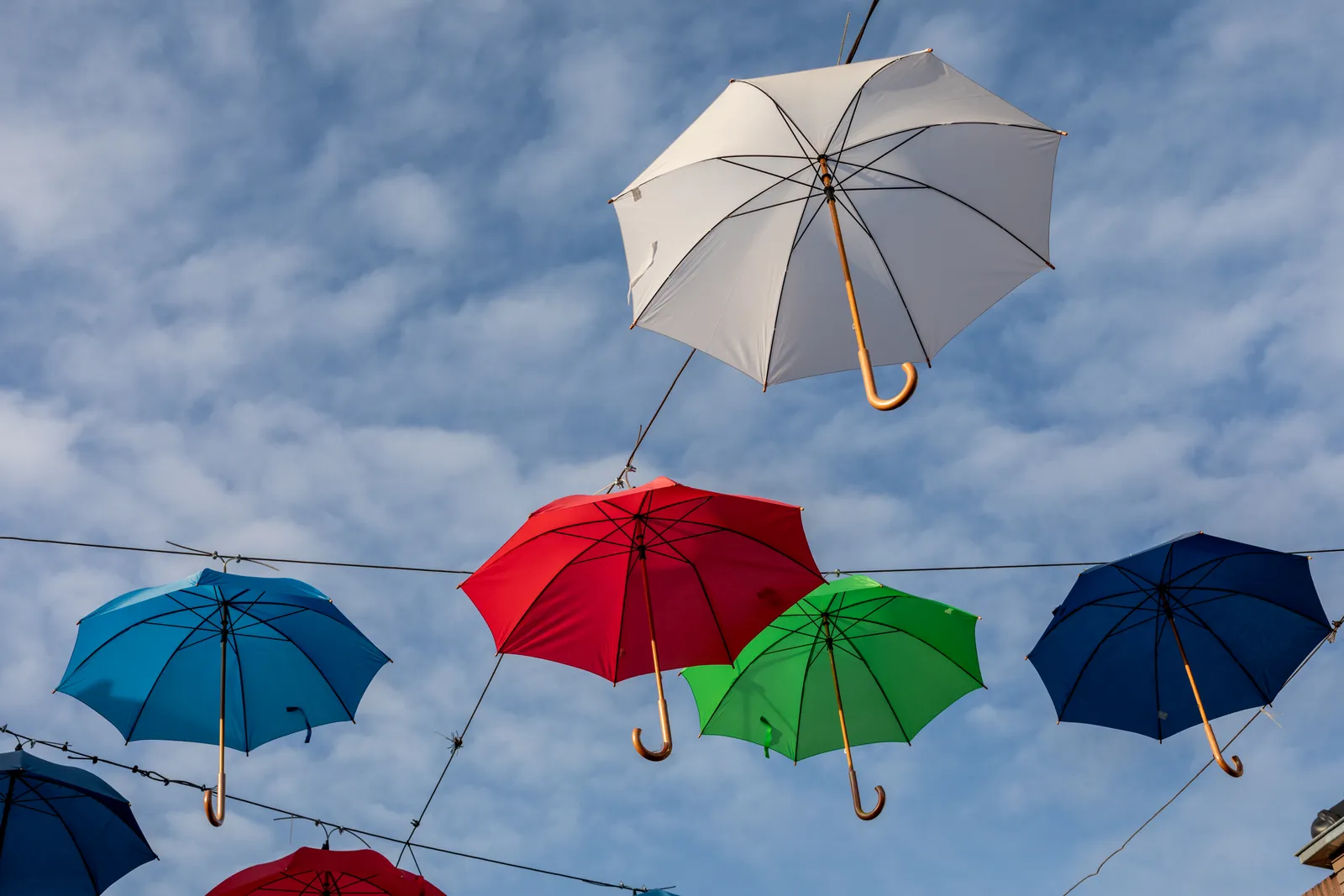
In the Willamette Valley, you’ll be hard-pressed to find many people seeking shelter under an umbrella on rainy days. Locals will tell you it’s easy to spot the tourists precisely because they’re the only ones huddled beneath bumbershoots.
Using an umbrella in Seattle, unless it’s torrential rain, marks you as a tourist or a newcomer, and locals note you “will absolutely be looked upon with derision” for it. That’s a strong cultural signal attached to a fairly mundane object.
There is a well-known stereotype in western Washington that only people new to the region use umbrellas, whereas the real locals wear rain jackets. One longtime PNW writer put it plainly: as a lifelong resident, she has never owned an umbrella and has always owned at least one rain jacket.
Why Wind Makes Umbrellas Impractical
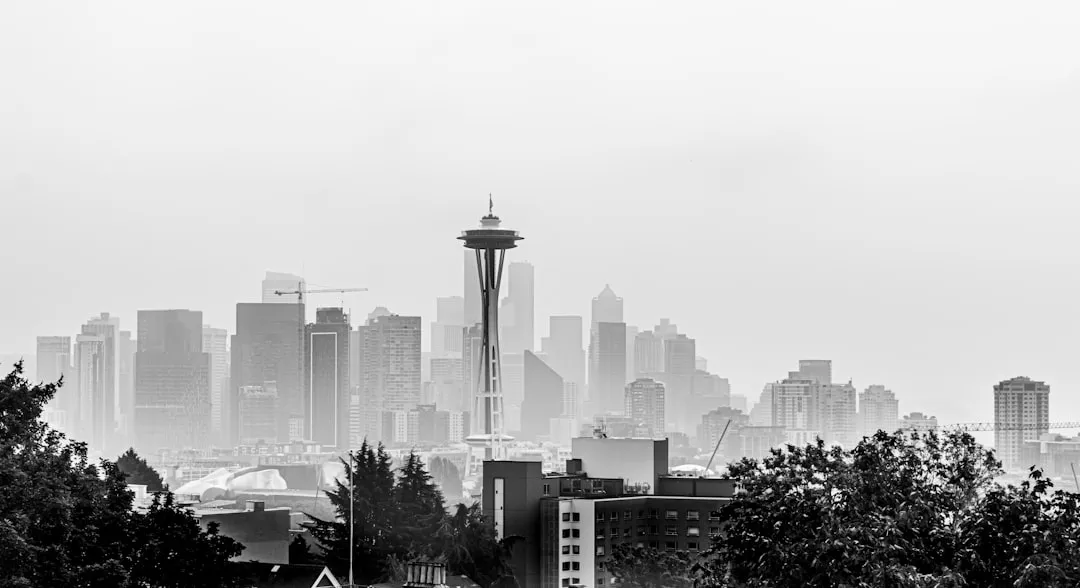
On the occasions when there is significantly heavy rain, it usually arrives with a partner in crime: wind. Wind blows umbrellas inside out, rendering them useless. The same wind that would make you want an umbrella is the well-known destroyer of them.
The Pacific Northwest coast, and even inland areas, can experience strong winds, and umbrellas are often rendered useless or even broken under these conditions.
Seattle rain is typically light and misty rather than truly pouring, which makes an umbrella feel unnecessary for the gentle, persistent drizzle that defines the city’s weather. The city is famously windy, and a flimsy umbrella can quickly turn inside out. For these reasons, locals rely on rain jackets or simply shrug off the damp.
Hands-Free Living Is a Local Value
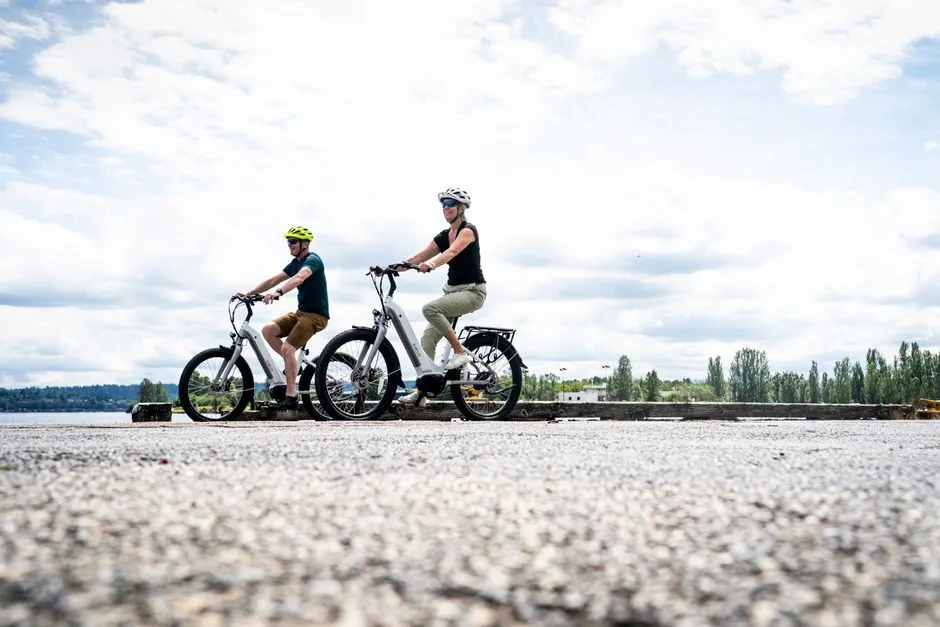
Oregonians often prioritize activities like carrying groceries, holding coffee, or using their phones, all of which become difficult with an umbrella in hand. It’s a straightforward calculation that visitors from drier climates don’t naturally make.
Walking, biking, and transit commuting are widespread in Seattle and nearby cities. Hoods and rain jackets free both hands for bikes and buses, while umbrellas are cumbersome on crowded sidewalks and transit platforms.
The coffee piece genuinely matters here, too. On their way to work, newcomers learn the real reason Puget Sound residents dislike umbrellas: it’s hard to carry coffee, a cellphone, and an umbrella all at the same time.
The Rain Jacket as the True Local Uniform
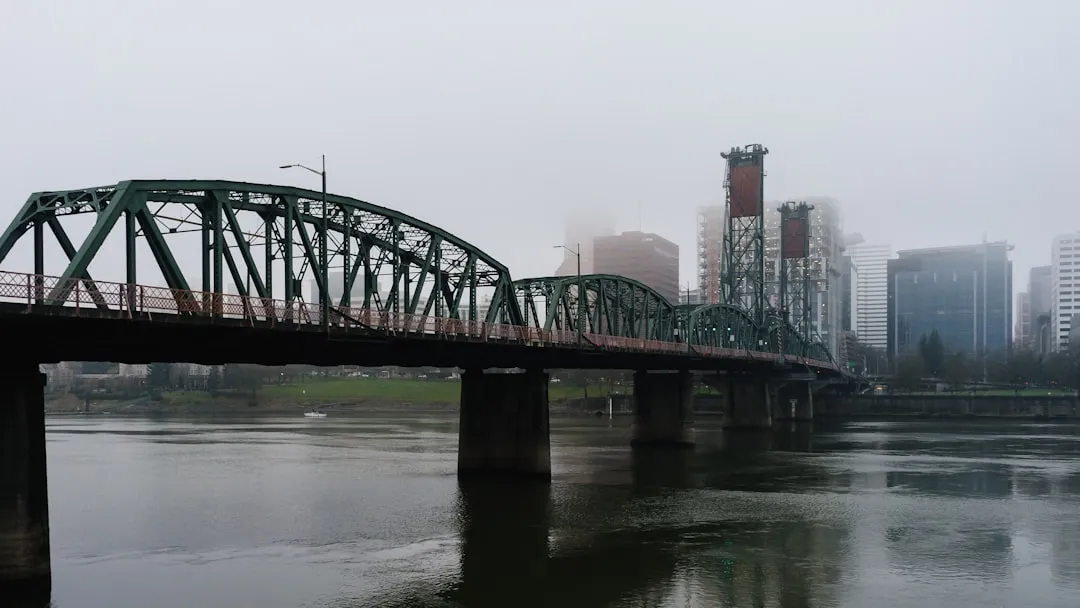
Portland takes on the Northwest style, and locals are seen wearing waterproof clothing, specifically in their footwear and outerwear. Rain boots are not uncommon on wet days, and thinner layers are often piled on under heavier outerwear in the winter months.
Locals live in raincoats for much of the year and are often not afraid of getting a little wet. The hooded rain jacket is the unspoken uniform from October through April, worn in muted tones or earthy colors that blend with the gray-green landscape.
When you ask PNW locals what to wear in the Pacific Northwest, they’ll likely respond with one word: layers. The climate and conditions are extremely varied across the region, and the weather can change in an instant. If you’re not prepared with layered clothing, you’re likely in for an unpleasant time.
What the Layering System Actually Looks Like
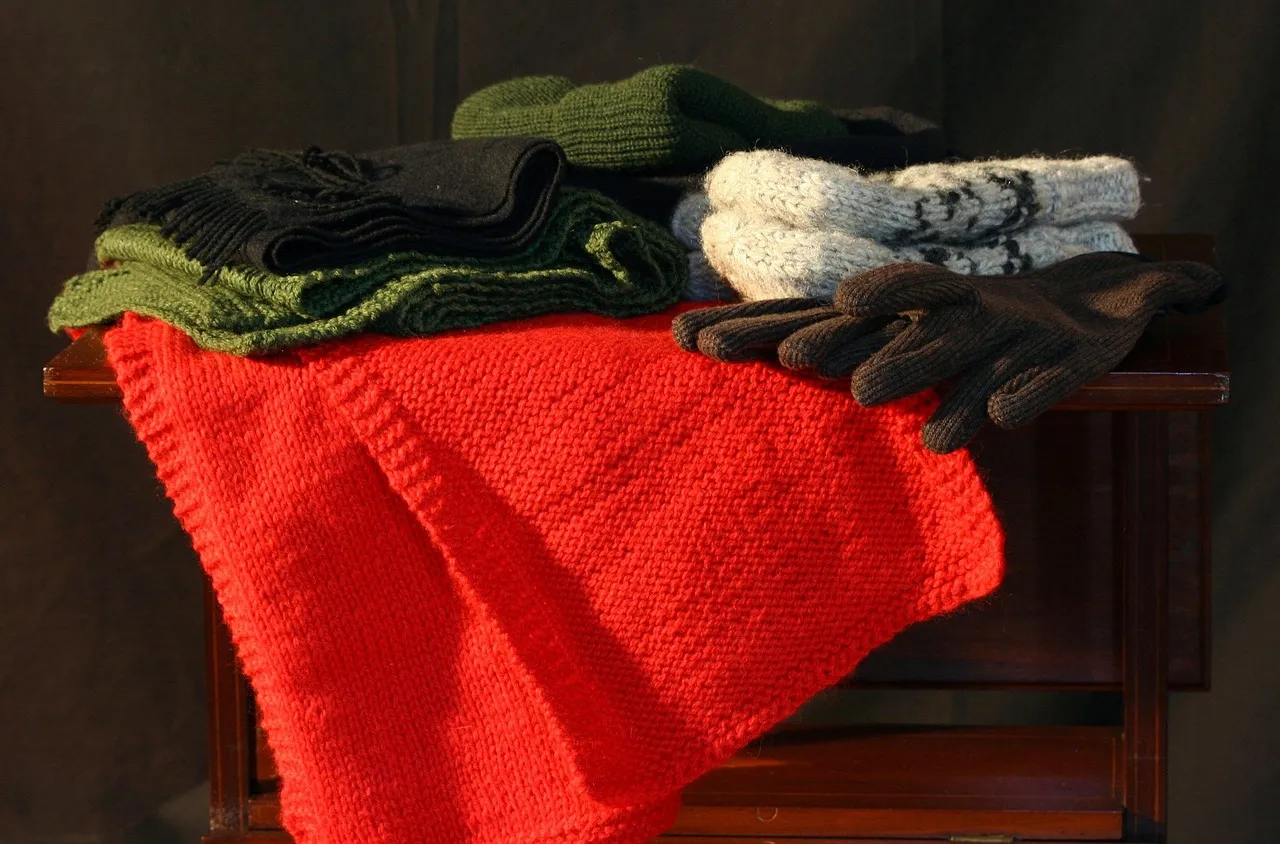
To layer properly, you start with a moisture-wicking base layer to keep you dry and warm. Many locals invest in a high-quality merino wool base layer set as the foundation. A mid-layer like a fleece or flannel adds the warmth needed for PNW temperatures.
The Patagonia Torrentshell rain jackets are often regarded as some of the best rain gear for the PNW. Its three-layer protection is waterproof, windproof, and durable in downpours and drizzles alike. Brands like Arc’teryx and Columbia are equally common sights on local streets and trails.
Strong demand from the Pacific Northwest, Rocky Mountain, and Great Lakes regions drives the United States waterproof outerwear market, where adverse weather conditions and a passion for hiking, skiing, and trail running make waterproof outerwear a practical necessity. It’s not just fashion here. It’s infrastructure.
The Footwear Giveaway That Goes Hand in Hand
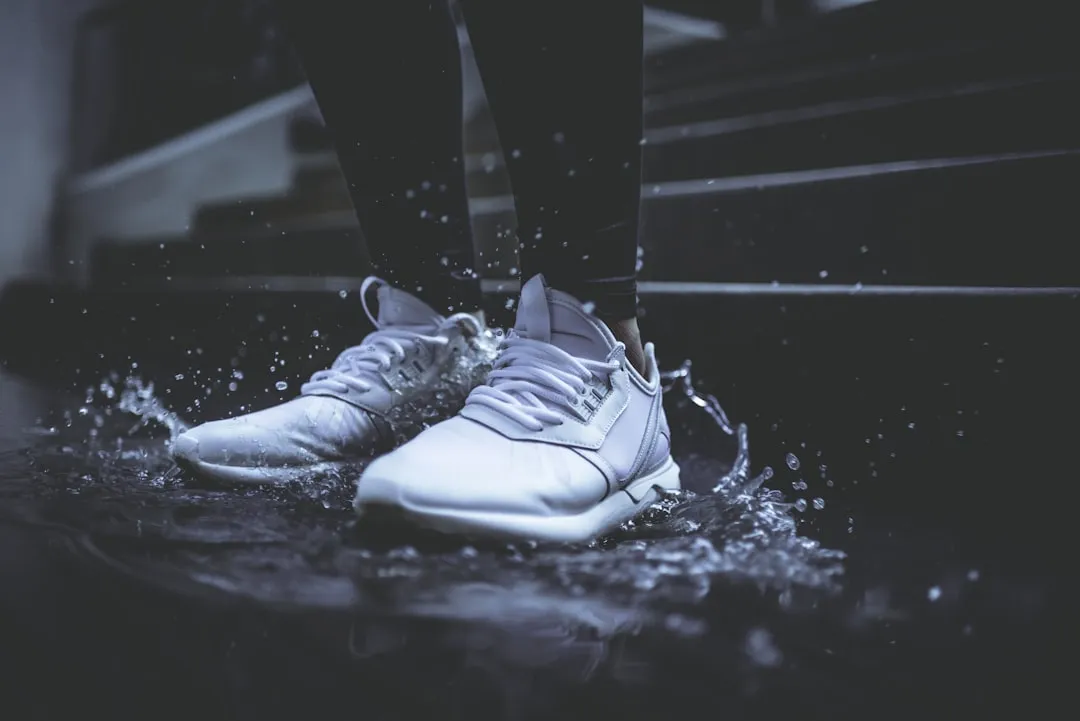
Waterproof shoes are non-negotiable in the PNW, unless you want to feel like you’re slopping through a swamp all day, and rain shells and waterproof pants are considered valuable gear as well.
Many locals aren’t fans of clunky rain boots. Low-top waterproof shoes from brands like Bogs from REI are the preferred choice for those who want function without the bulk.
Tourists often arrive in clean white sneakers or dress shoes, both of which announce their origins loudly by the end of the first rainy morning. The locals have already made their peace with damp pavement and dressed accordingly.
The Cycling Culture Dimension
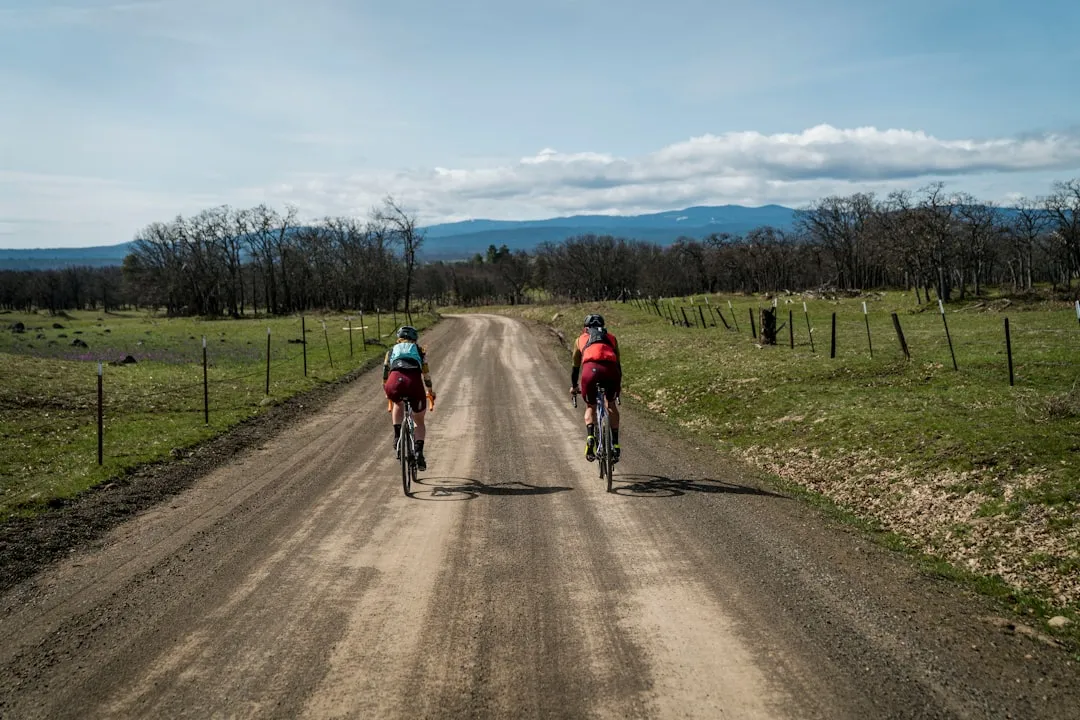
Oregon boasts a vibrant cycling culture, and holding an umbrella while riding a bike is both impractical and dangerous. This is a significant piece of context. Portland consistently ranks among the most bike-friendly cities in the United States, and that culture directly shapes how people dress.
Walking, biking, and transit commuting are widespread in Seattle and nearby cities, and hoods and rain jackets free both hands for bikes, buses, and busy sidewalks. An umbrella simply doesn’t fit into that daily rhythm.
When a city’s infrastructure is built around active, hands-free movement, the clothes its residents choose reflect that. The rain jacket with a fitted hood isn’t a fashion choice so much as an engineering solution.
The Environmental Consciousness Factor

Seattleites are known as an environmentally conscious group and wouldn’t want to create so much wasted, ruined material from broken umbrellas. So they long ago gave up trying to wrestle with umbrellas, embraced their rain jackets, and got on with their days.
Leading brands including Patagonia, Berghaus, Columbia Sportswear, and Helly Hansen have committed to PFC-free DWR treatments and are extensively using recycled materials in their product lines. Over roughly two thirds of consumers in key markets indicated willingness to pay a premium for sustainably sourced waterproof jackets in 2024.
That eco-mindset and a preference for gear that lasts years rather than gets tossed after a single storm is very much part of the Pacific Northwest identity. A good rain jacket, re-waterproofed each summer, reflects both values at once.
What Visitors Should Actually Pack
Packing for Seattle means being ready for anything: sunshine, drizzle, or both on the same day. A light waterproof jacket, comfortable walking shoes, and layers you can add or remove as the weather shifts are the essentials. Even in summer, evenings can be cool, so a sweater or fleece is worth bringing.
Preference for hoods, jackets, hats, and packable waterproof clothing, driven by steady drizzle rather than intense downpours, wind, active commuting, urban layout, and cultural norms, explains why many Washington state residents rarely carry umbrellas. Visitors who adopt that same approach will feel far more at home.
When you live in Seattle or the surrounding area, rain is just a way of life. There’s no use hiding inside until the summer, so locals know you just have to find the best rain gear for the Pacific Northwest. That’s the mindset worth borrowing, regardless of how long you’re staying.
The Takeaway
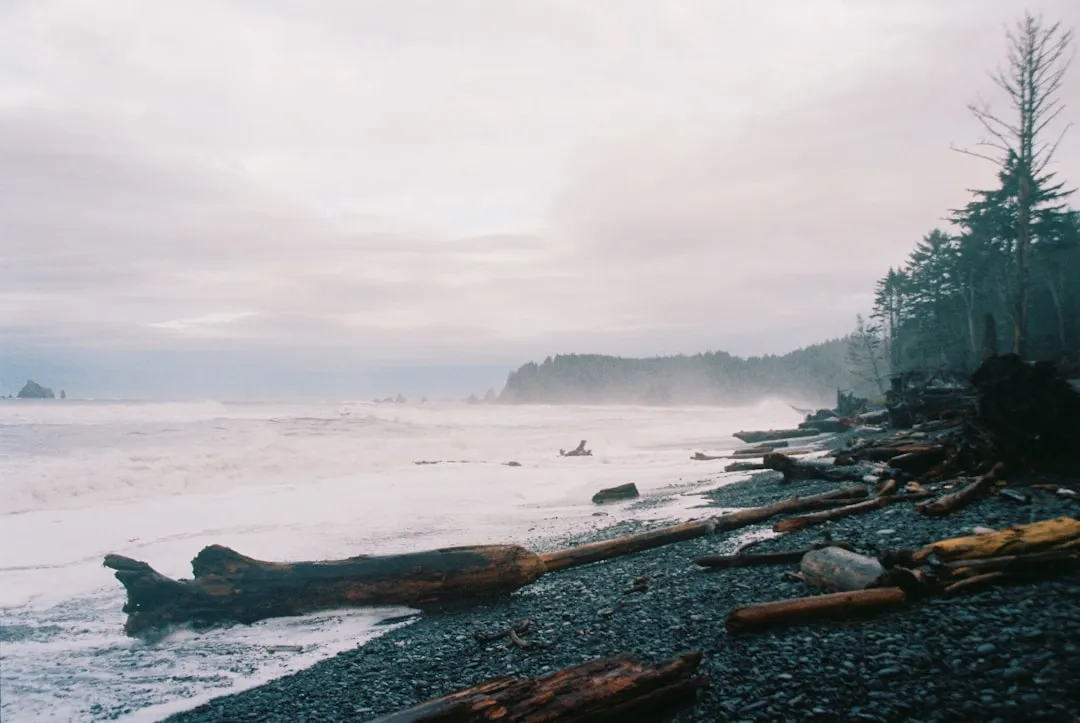
The umbrella question in the Pacific Northwest is genuinely fascinating because it’s not really about rain at all. It’s about how a place shapes the people who live there, and how quickly visitors can sense that culture without quite understanding it. For Oregonians and their neighbors across the region, rain isn’t an inconvenience to be avoided. It’s an integral part of their landscape and their way of life.
Pack your rain jacket. Leave a little room in your bag for the mist to settle on your face without reaching for something to block it. That quiet surrender to the drizzle is, in its own way, the most authentic thing you can wear in the Pacific Northwest.
AI Disclaimer: This article was created with the assistance of AI tools and reviewed by a human editor.