

There’s a certain kind of traveler you’ve probably noticed at the airport. No checked bag receipt, no trolley cart, no anxious wait at the carousel. Just one well-packed bag, slung over a shoulder, and a confident stride straight to the exit. That traveler is part of a movement that’s been quietly gaining momentum for years and has surged again in 2025 and 2026.
One-bag travel isn’t new, but the reasons people are returning to it have shifted considerably. Rising fees, smarter gear, and a growing appetite for frictionless journeys have all played a role. What once defined the budget backpacker is now reshaping how business travelers, weekend explorers, and even families think about packing.
What “One-Bag Travel” Actually Means

For a growing number of travelers, the carry-on bag has turned into much more than a piece of luggage that fits into the overhead bin. One-bag travel is a growing trend with flyers who take a reductionist approach to their packing style. The concept is simple: everything you bring fits into a single bag, whether that’s a carry-on backpack, a compact duffel, or a small hard-shell roller. Nothing gets checked. Nothing gets surrendered.
One-bag travelers pack only what they need, focusing on versatile items, mostly of higher quality and higher function so you can get much more use out of say, a merino T-shirt that can be worn a handful of times and still look fresh without being washed. It’s a discipline more than a luggage size. The philosophy shows up not just in what you pack but in how you think about a trip from the very start.
Why It’s Growing Fast Right Now
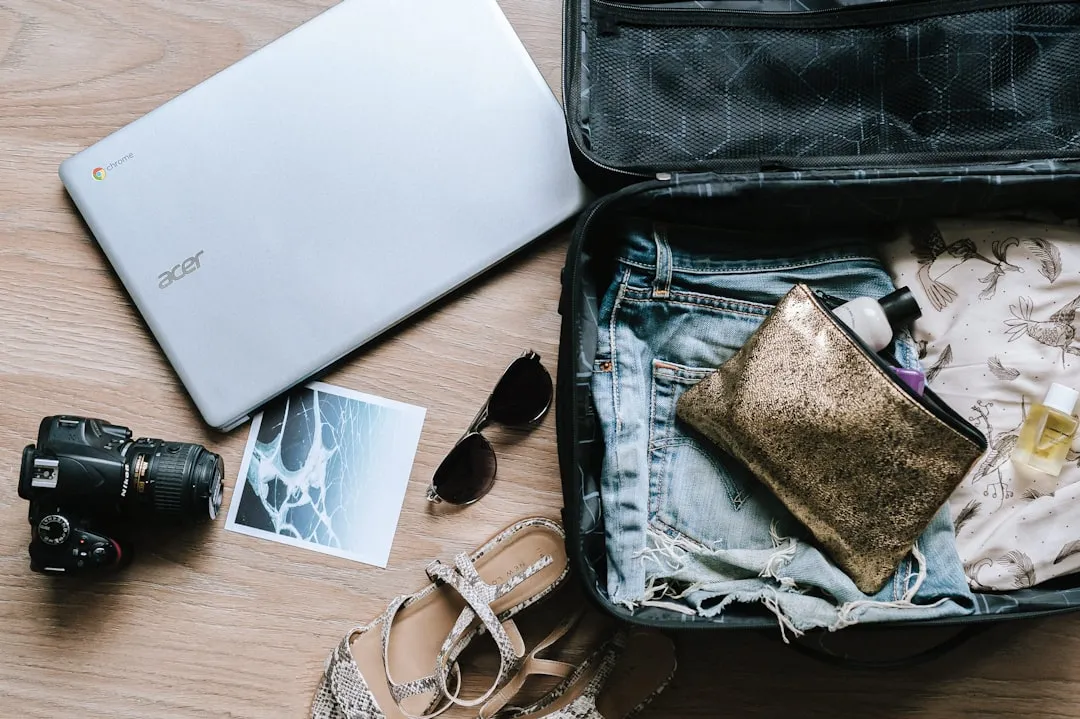
What used to be a habit of backpackers and frequent flyers is now showing up in business trips, weekend getaways, and even week-long family vacations. It’s growing fast in 2026. Several forces are pushing this shift at once. The combination of higher fees, longer baggage wait times, and smarter packing gear has made the case for one-bag travel more persuasive than ever.
Airlines have raised checked baggage fees year after year. Most major U.S. carriers now charge $35 to $50 for the first checked bag on domestic flights. The second one usually costs more. International flights can be pricier still. When you add those costs across multiple trips a year, the savings of skipping the checked bag become genuinely significant.
The Baggage Fee Factor
In 2023, airlines made over $33 billion in baggage fees globally. That figure tells a story about how thoroughly the industry has restructured itself around ancillary revenue. For the traveler on the other side of that equation, the arithmetic is motivating.
In 2025, low-cost carriers tightened cabin-bag policies, with roughly two in five passengers paying an average gate fee of around $51 for oversized carry-ons, up from 38% in 2024, according to the European Consumer Organisation. This kind of fee creep, where even carry-ons now carry a price tag if they’re too large, has pushed many frequent flyers toward smaller, purpose-built one-bag solutions that genuinely comply with size restrictions.
Lost Luggage Is Still a Real Problem
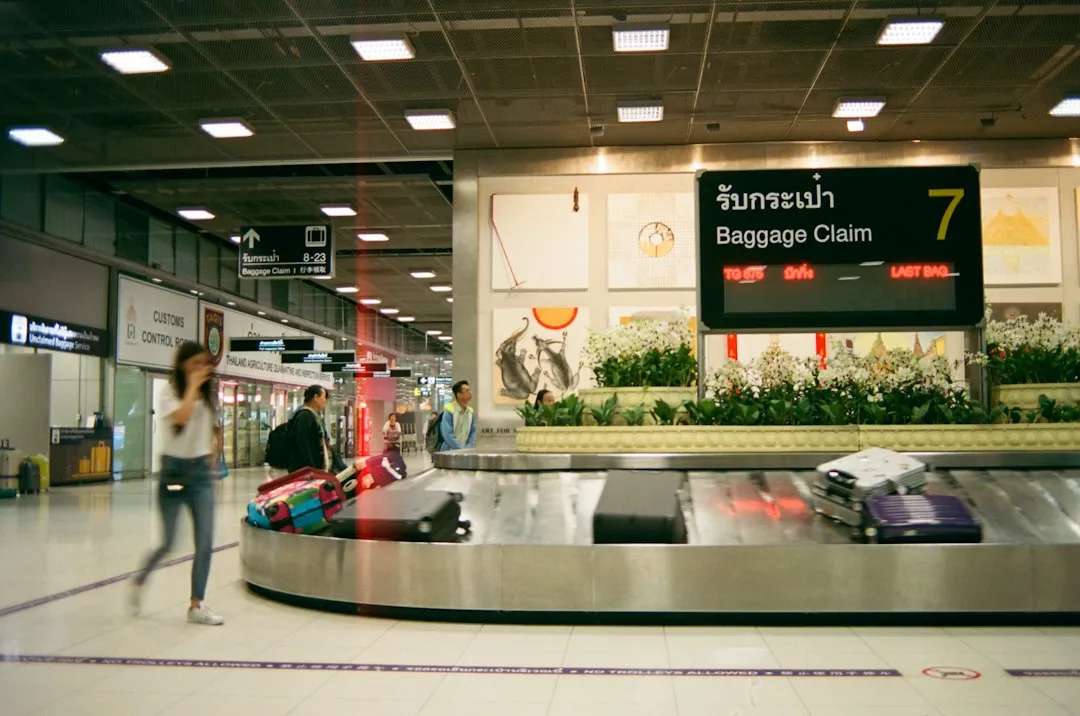
Some 33.4 million bags were mishandled globally in 2024, a slight improvement from 33.8 million in 2023. The global rate was 6.3 per 1,000 passengers, an 8.7% improvement year over year. Progress, yes. Still, tens of millions of bags going astray annually is a number that resonates with anyone who has stood at a baggage carousel watching the belt go around one final, fruitless time.
Baggage mishandling cost the airline industry an estimated $5 billion in 2024, covering courier delivery, customer service, compensation claims, and lost productivity. Notably, around two in five mishandling incidents happen at transfer points, which means connecting flights carry a disproportionate share of the risk. For frequent flyers who transit regularly, the one-bag approach eliminates this particular source of anxiety entirely.
Time Saved Is Travel Gained
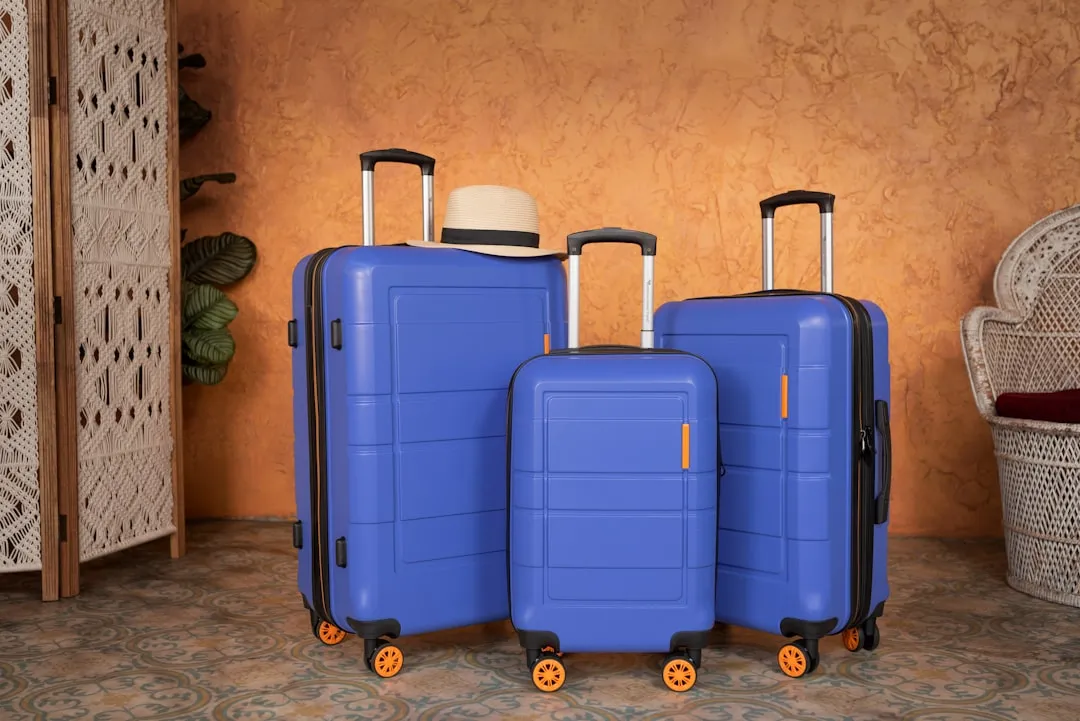
Time is a big factor. Waits at baggage claim have grown longer at many airports. Skipping that step can save 30 to 45 minutes at the back end of your trip, and sometimes more if you’re connecting through a busy hub. Over the course of a year of regular travel, those minutes accumulate into hours. For business travelers in particular, that reclaimed time is genuinely valuable.
For frequent flyers, carry-on luggage is often a lifesaver. It lets you skip the baggage claim, reduces the risk of lost luggage, and keeps your essentials within arm’s reach during a flight. There’s also something quietly reassuring about knowing exactly where your belongings are at every moment of the journey.
Gear Has Caught Up with the Idea
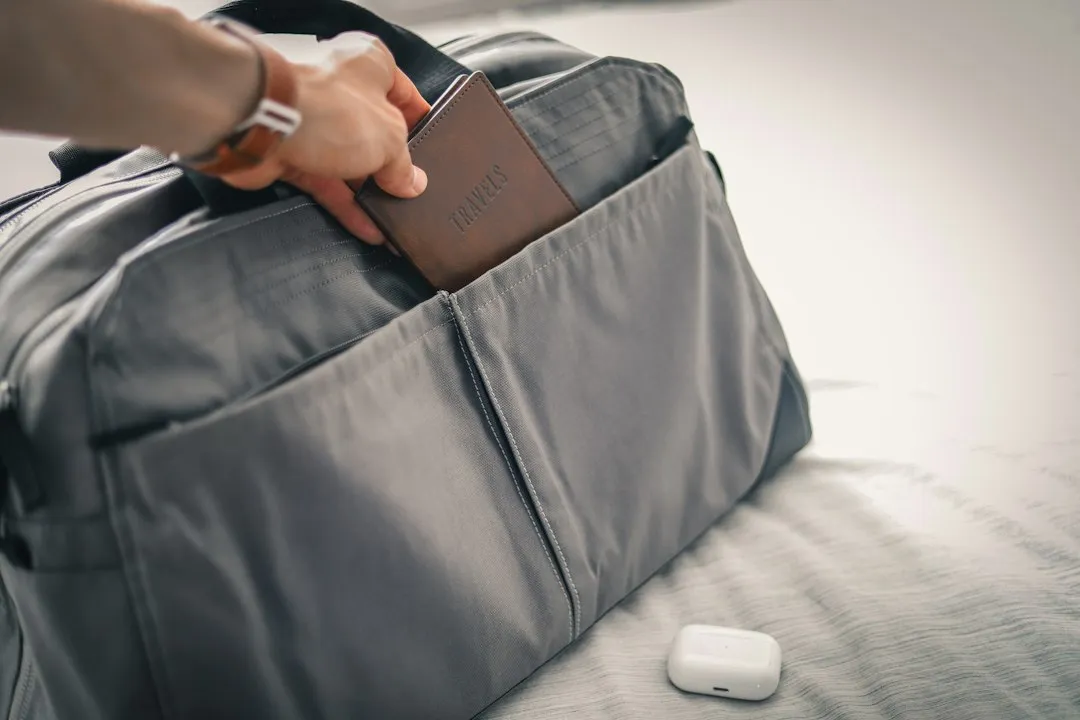
The gear has caught up to the idea. Bags are lighter, fabrics are stronger, and the small accessories that used to take up space are now built to fold down to almost nothing when they’re not in use. That evolution in design is not incidental. It’s what makes the one-bag philosophy practical for trips that once seemed to demand a full checked suitcase.
New technologies and materials allow travelers to have both lightness and durability. Some new bags are made of lightweight yet tough materials, designed to withstand any travel hazards without weighing a ton. Brands have responded directly to the one-bag movement, engineering bags with dedicated laptop sleeves, hidden compression systems, and layouts that pack surprisingly deep. The latest travel bags now have better anti-theft features, such as RFID-blocking pockets for credit cards and passports, slash-proof material, and TSA-approved locks.
The Role of Minimalist Packing Philosophy
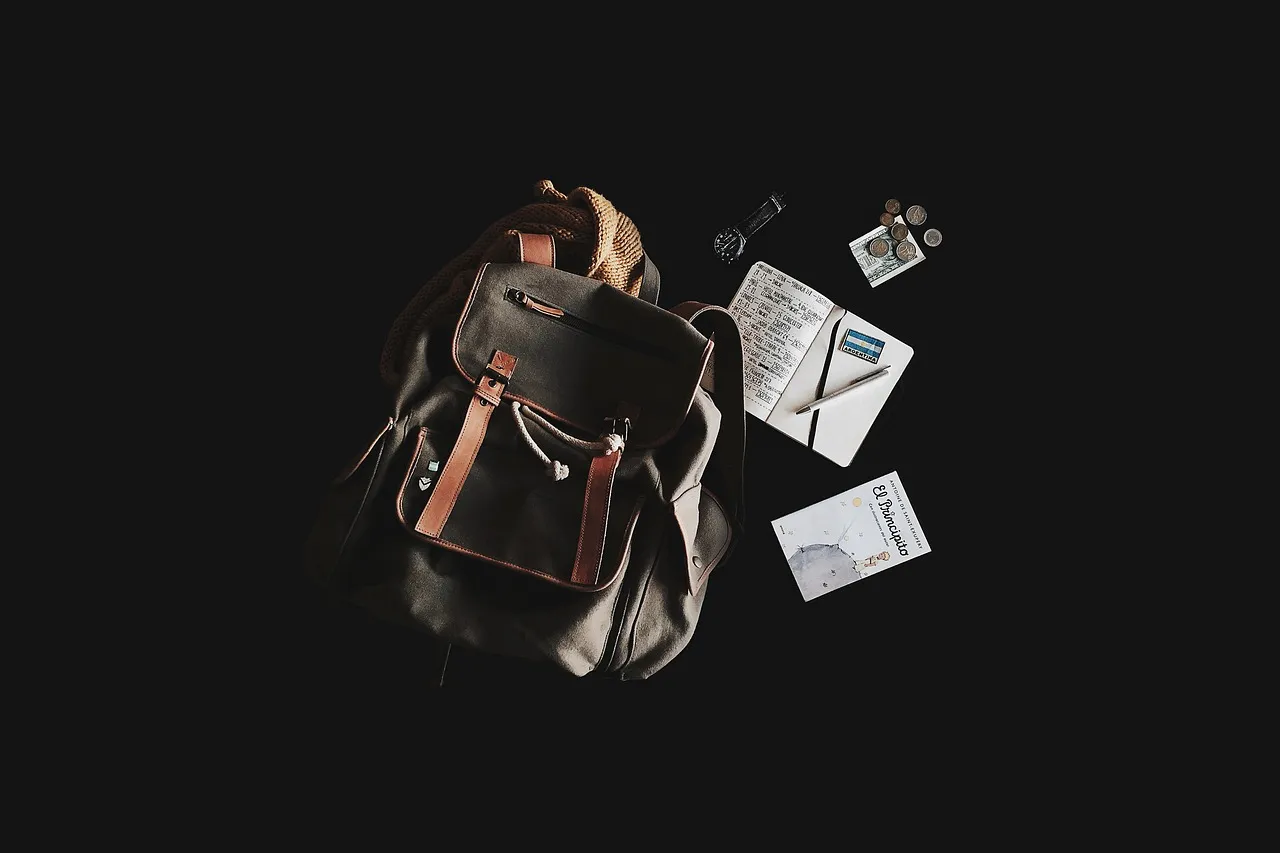
In the minimalist travel era, everyone’s goal is to find the smallest bag that still fits everything they need for the trip. That mindset has philosophical roots that go beyond airport logistics. Many one-bag converts describe a shift in how they approach the trip itself, prioritizing experiences over options, flexibility over comfort padding.
Packing light encourages clearer choices. When you know you can only bring one pair of shoes, you choose the right ones. When you have a single bag, you stop treating clothes as a safety net and start treating them as a considered selection. The mental load of managing luggage also drops, which many travelers report makes the journey feel lighter in ways that have nothing to do with weight.
Business Travelers Are Joining In
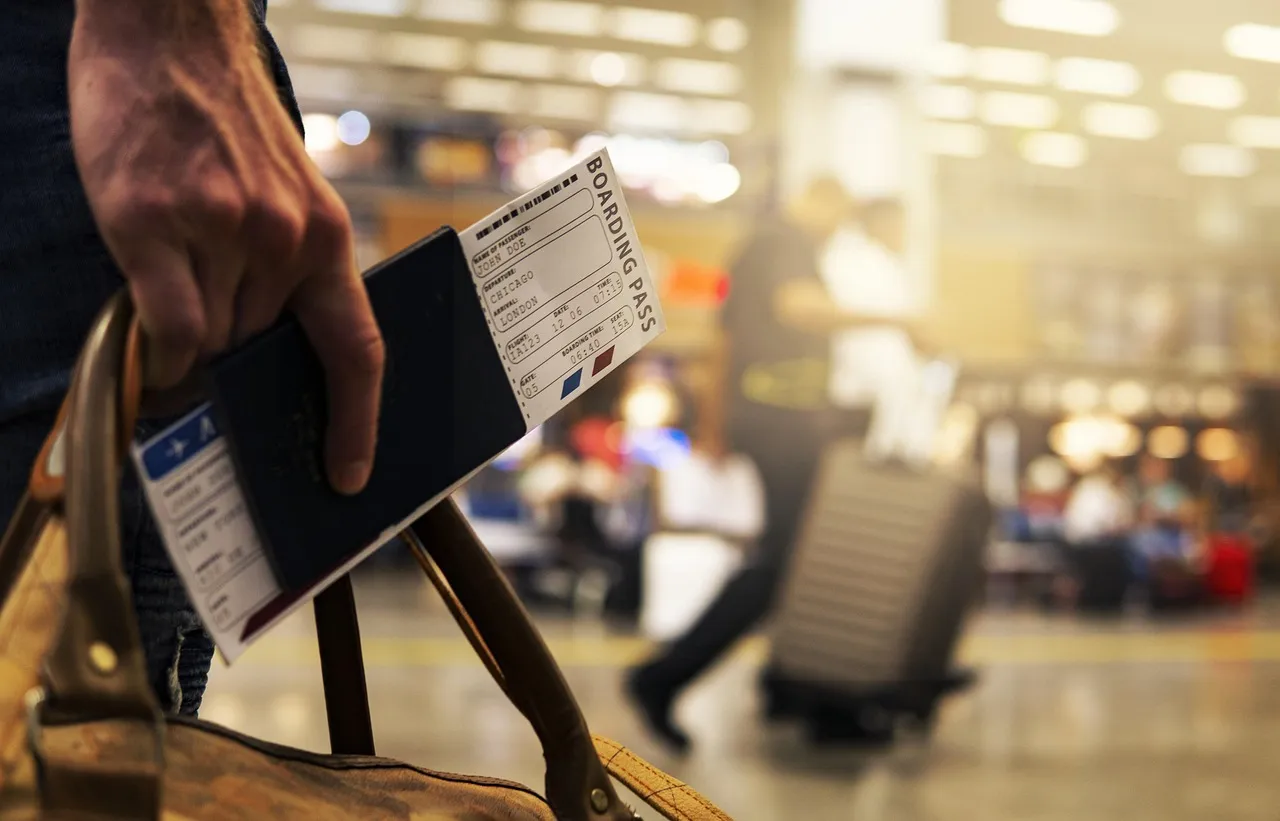
The U.S. remains a major hub for business and corporate activities, resulting in a high volume of business travel. Business travelers often require specific types of travel bags that cater to their needs, such as compact carry-ons with laptop compartments, garment bags for formal wear, and bags that offer both style and functionality. The demand for such specialized travel bags continues to rise with the growth of business travel.
What’s changed is the willingness of professional travelers to commit to a single bag even for longer trips. Wrinkle-resistant fabrics, packable blazers, and versatile footwear have made it genuinely feasible to attend a client meeting Monday morning and be on a return flight by Tuesday, all from one compact bag. The stigma of showing up without a rolling suitcase has faded considerably.
Sustainability as a Quiet Motivator
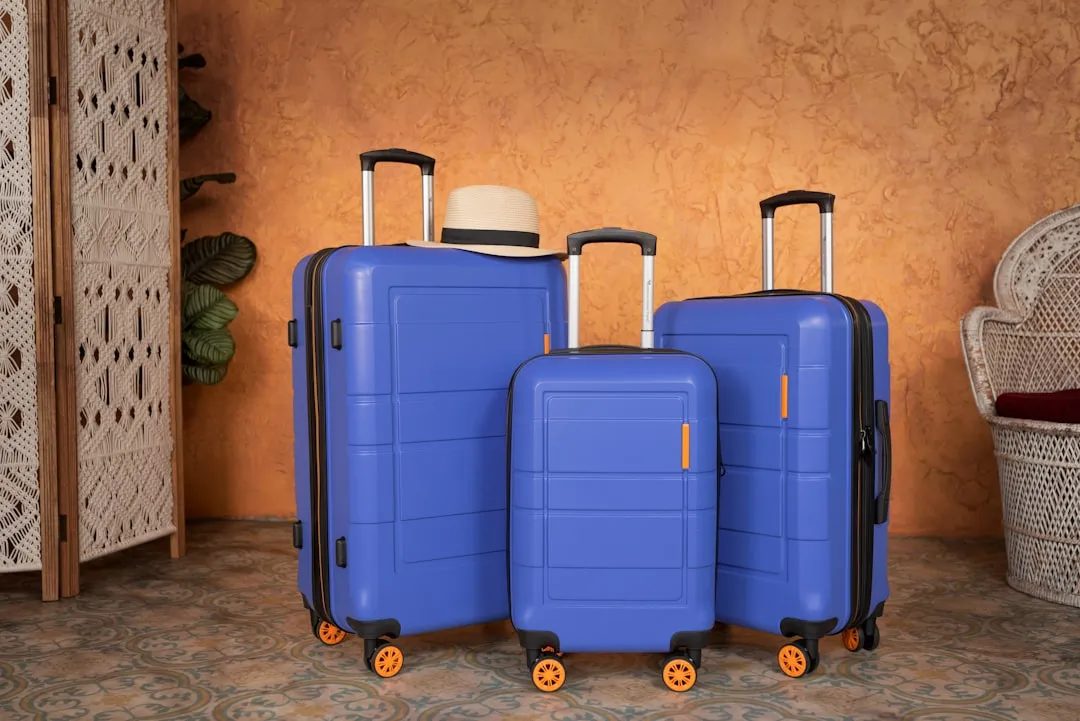
Samsonite revealed that a notable 40% of its 2024 sales stemmed from products made with recycled materials, catering to adventure travelers who prioritize sustainability alongside performance. The overlap between minimalist travel and environmental awareness is real and growing. Carrying less means consuming less and buying less at the destination, which aligns naturally with a more conscious approach to travel.
There is a rising demand for smaller bags that comply with carry-on restrictions. This trend aligns with adventure travelers’ preference for budget airlines, allowing them to invest more in experiences rather than incurring checked-baggage fees. Whether the motivation is environmental, financial, or practical, the result is the same: a lighter footprint, in more than one sense.
The Community Driving the Movement
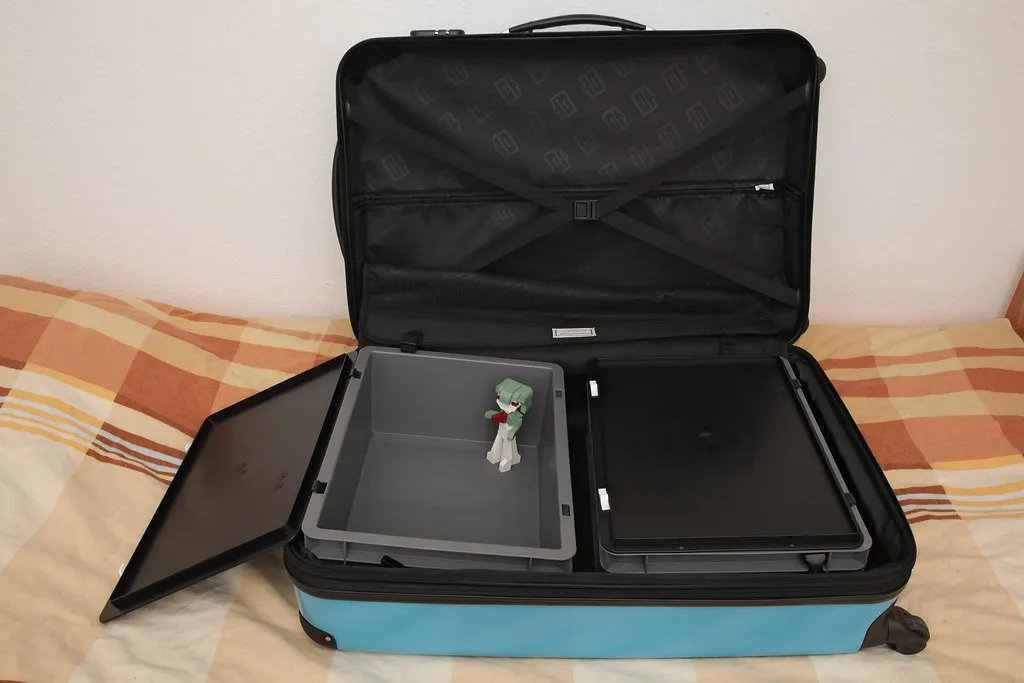
One-bagging, or traveling with just one personal item, has gained popularity among frequent flyers who seek to navigate strict baggage policies seamlessly. This approach helps reduce overhead congestion and ensures quicker boarding. Online communities dedicated to the one-bag lifestyle have grown substantially, with members sharing packing lists, gear reviews, and trip reports from every corner of the world, all from a single bag.
With airlines implementing stricter baggage policies, there’s a growing preference for compact carry-on luggage that meets size restrictions and offers maximum packing capacity. The community around one-bag travel has made that search easier, turning what was once a lonely experiment in minimalism into a well-documented, peer-supported practice. The proliferation of online review platforms and travel blogs significantly influences consumer purchasing decisions, with many travelers relying on peer recommendations and expert reviews when selecting luggage.
The Takeaway
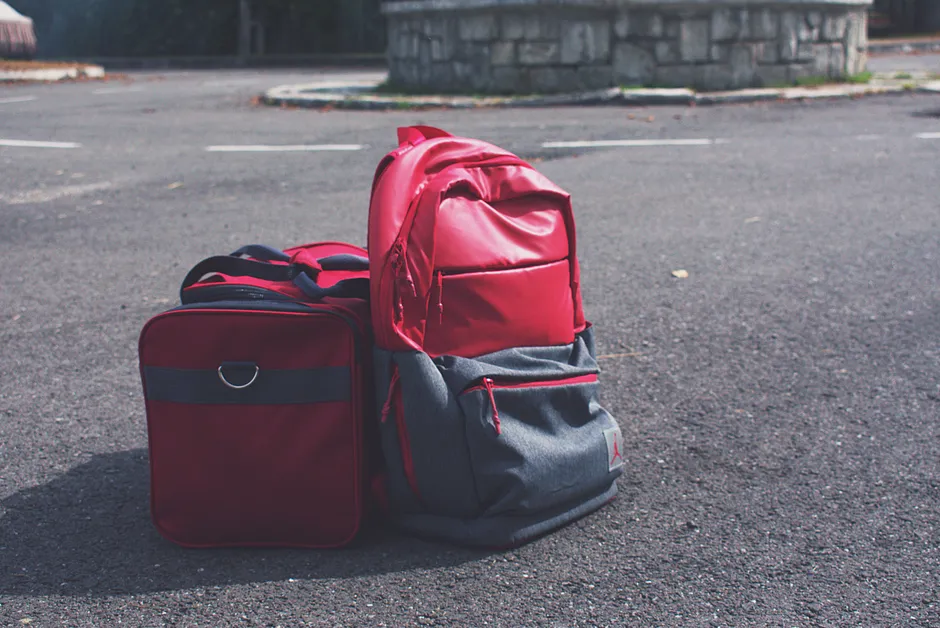
The return of one-bag travel among frequent flyers isn’t a nostalgic trend. It’s a rational response to the way flying has changed: higher fees, longer lines, smarter gear, and a growing preference for journeys that feel clean and purposeful rather than logistically exhausting.
For travelers who haven’t tried the one-bag approach yet, the next trip is a good one to test it on. Most people are surprised by how little they actually need. That surprise, it turns out, is the most liberating part of all. Sometimes the lightest thing you can carry into an airport is a simpler idea of what travel should feel like.
AI Disclaimer: This article was created with the assistance of AI tools and reviewed by a human editor.