

The Incognito Myth That Won’t Die

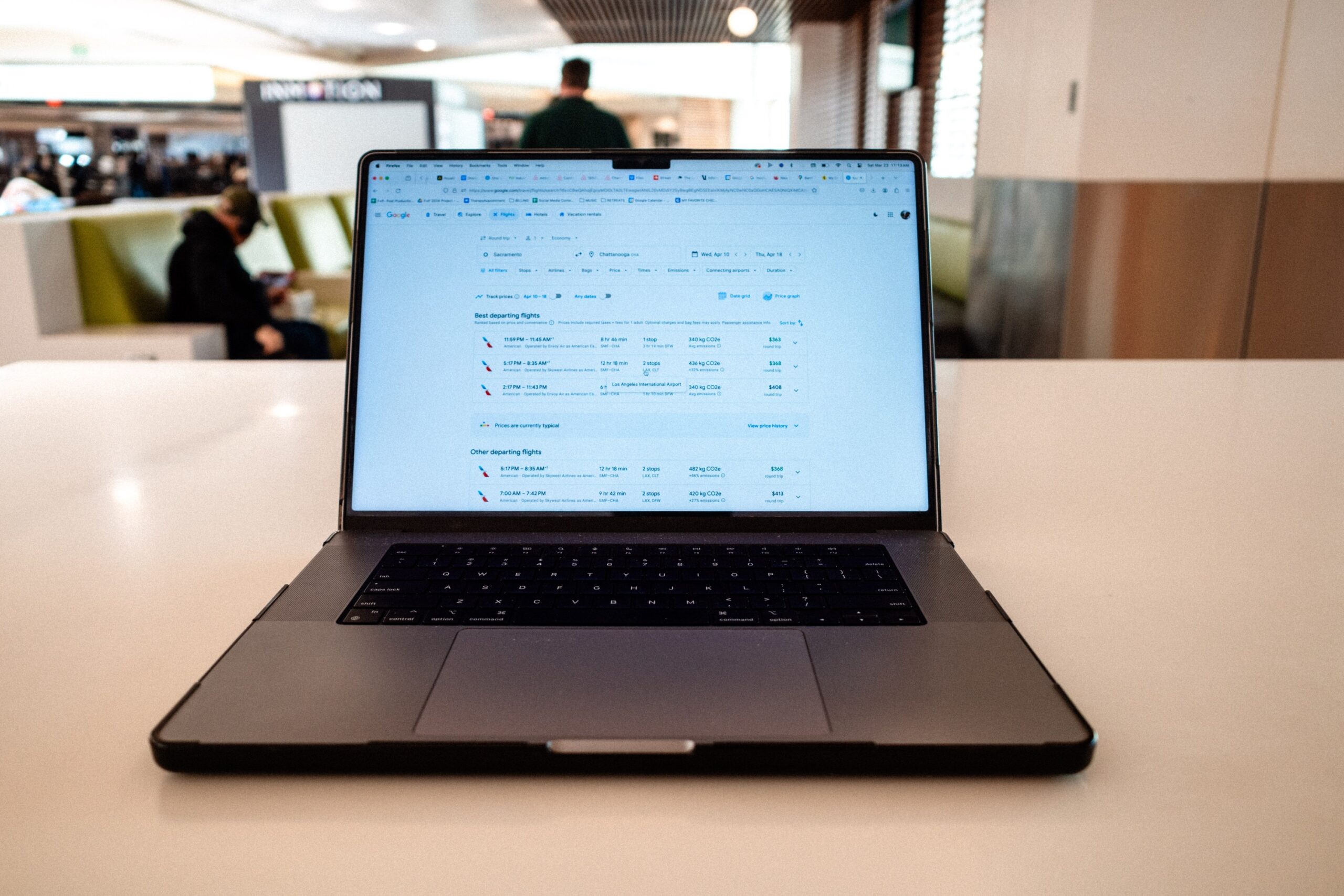
The idea that private browsing keeps flight prices stable has become, as Gizmodo reported in 2024, “a giant myth” – one that industry experts expect to persist for years. Switching to incognito mode when searching for flights is one of the most pervasive so-called tricks in travel, but experts say it simply isn’t true.
Scott Keyes, CEO of Going, has been searching for cheap flights every single day since 2013, and he has not observed any evidence that the trick works. That’s a substantial real-world sample size. Independent testing by Going.com, Business Insider, and Thrifty Traveler has consistently found no individual cookie-based price manipulation on airfare.
What the Data Actually Shows
A 2024 study tested this myth by comparing flight prices in regular and incognito modes across hundreds of searches. Incognito mode showed cheaper flights only about seven percent of the time, but more expensive ones five percent of the time. In roughly nine out of ten cases, prices were completely identical.
A separate investigation conducted in November 2024, using 2,000 flight searches across six major carriers, found that in nearly 59% of cases, using a “clean” browser resulted in lower flight prices when compared to searches made with a cookie-heavy browser. That result sounds compelling, but researchers noted the relationship was more complex than simply swapping browser modes.
Formal academic results strongly suggest that airlines do not use cookies to price discriminate. The price differences observed in testing tend to reflect normal market fluctuation rather than targeted individual pricing.
How Airlines Actually Set Prices

Airlines are not lowering or raising fares based on your cookies or prior searches. They use dynamic pricing that reacts to real-time demand, booking patterns, market conditions, and revenue management algorithms. The system is responsive to the market as a whole, not to your personal search behavior.
Dynamic pricing is aggressive. Fares can change many times daily, with the best deals reserved for those who book early, travel off-peak, or are highly flexible. Price swings, often exceeding $100, can occur several times a day, highlighting the unpredictable nature of airline pricing.
The FTC Looked Into This, and Here’s What They Found
The Federal Trade Commission issued orders in July 2024 to eight intermediary firms that build the algorithms retailers use to set targeted prices. The agency’s preliminary findings, released in January 2025, confirmed that location data, browser history, demographic information, and even mouse movements get fed into pricing systems.
None of the eight firms studied was an airline. Still, the mechanics the FTC documented in retail are the same mechanics the cookie theory has always alleged in airfare. The investigation confirmed that surveillance pricing is real in broader commerce – it just hasn’t been proven to operate in airline ticketing the same way.
The FTC has studied surveillance pricing methods since 2024 and found that retailers often used people’s personal information to set individualized pricing. The airline industry remains a separate case, though regulators are paying closer attention than ever.
The JetBlue Moment That Reignited the Debate
A now-deleted JetBlue post on April 21, 2026, told a grieving customer to “clear your cache and cookies” after his fare jumped $230 in a single day. The episode went viral almost immediately, reigniting the long-running debate about whether browsers and cookies play any role in fare changes.
JetBlue is hardly the first airline to draw attention for potentially changing prices based on a user’s browser history. Experts say opting out of cookies doesn’t really make a meaningful difference, noting that “opting out of cookies doesn’t make you anonymous online.”
Where the Setting Actually Might Help: Third-Party Booking Sites
There might be rare scenarios where incognito browsing helps. If a booking site, not the airline itself, uses cookies for personalized pricing – showing higher rates to returning visitors – it could make a small difference. The distinction between airline websites and third-party aggregators matters here.
Testing has found that price differences between normal and incognito browsing on direct airline websites were rare and typically attributed to temporary caching issues rather than intentional personalization. Third-party platforms, which have their own tracking and personalization systems, may behave differently in certain cases.
So the most cautious advice is this: using private browsing won’t hurt, and it might occasionally help on aggregator sites. It’s just not the powerful lever most travelers believe it to be.
The Real Driver of Price Changes: Timing
What people see when they shop multiple times and find prices changing is a reflection of inventory changes, data caching techniques, and the fact that prices generally get more expensive closer to the departure date, even within a single day. The browser has very little to do with it.
Domestic flights are cheapest one to three months before departure, while international flights are best booked two to eight months in advance. Booking one to three months ahead of a domestic flight can save up to roughly a quarter of the fare compared to last-minute purchases, according to Expedia’s analysis of billions of data points.
Price Alerts: The Setting That Actually Works
Price alerts notify travelers when flight prices drop, allowing them to book at the most affordable rates. By setting up alerts through travel platforms, travelers can stay informed about price changes without constantly checking manually. Understanding how to use these alerts effectively can result in meaningful savings on airfare.
Both Google Flights and Kayak allow you to set up fare alerts for specific travel details, and you’ll receive notifications when the price drops. Monitoring price drops for several weeks before buying makes a measurable difference, especially for international tickets paid in cash. Setting up price alerts to track changes on specific routes helps capture the best deals within the right booking window.
Day-of-Week and Departure Day: What Actually Moves the Needle
Flying on Tuesdays, Wednesdays, and Saturdays is usually less expensive than traveling on Mondays, Fridays, or around holidays. The day of the week matters far more for the departure date than for the date you purchase. Tuesdays and Wednesdays are generally among the cheapest days to fly for domestic flights, and Saturdays often yield good prices since business travelers tend to avoid weekend departures.
Shifting travel by even a day or two can meaningfully cut costs. This kind of date flexibility, combined with price alerts and the right booking window, delivers consistently better results than any browser setting ever could.
Alternative Airports and Flexible Destinations
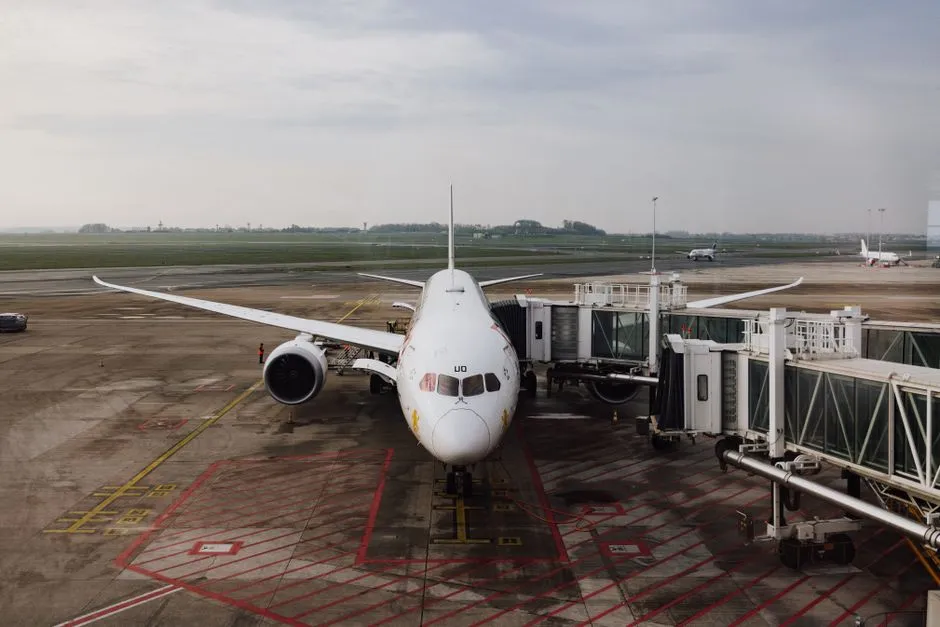
Searching alternative airports and smaller nearby hubs often surfaces lower fares, and opting for non-direct flights can significantly reduce ticket prices. Flying into or out of alternative airports can save money, even when it means a short train or bus ride to your destination.
Finding cheaper flights in 2026 is primarily about timing, flexibility, and using the right tools. Airlines now use AI to adjust prices constantly, and with fewer reliable off-peak discounts, saving money on flights requires genuinely smarter strategies. The browser you use is the least important variable in that equation.
The Takeaway

Incognito mode isn’t dangerous to use, and it costs you nothing to switch to private browsing before a search. But treating it as a reliable way to lock in lower fares gives a false sense of control. Airlines use complex pricing algorithms that consider multiple factors well beyond your browsing history. The bigger impact comes from understanding when and how airlines adjust prices, then using that knowledge strategically.
The browser setting worth your attention isn’t incognito mode. It’s the price alert. Set it, wait patiently, book within the right window, and stay flexible on dates and airports. That combination won’t make for a dramatic travel hack headline, but it’s what consistently puts money back in your pocket.
AI Disclaimer: This article was created with the assistance of AI tools and reviewed by a human editor.