
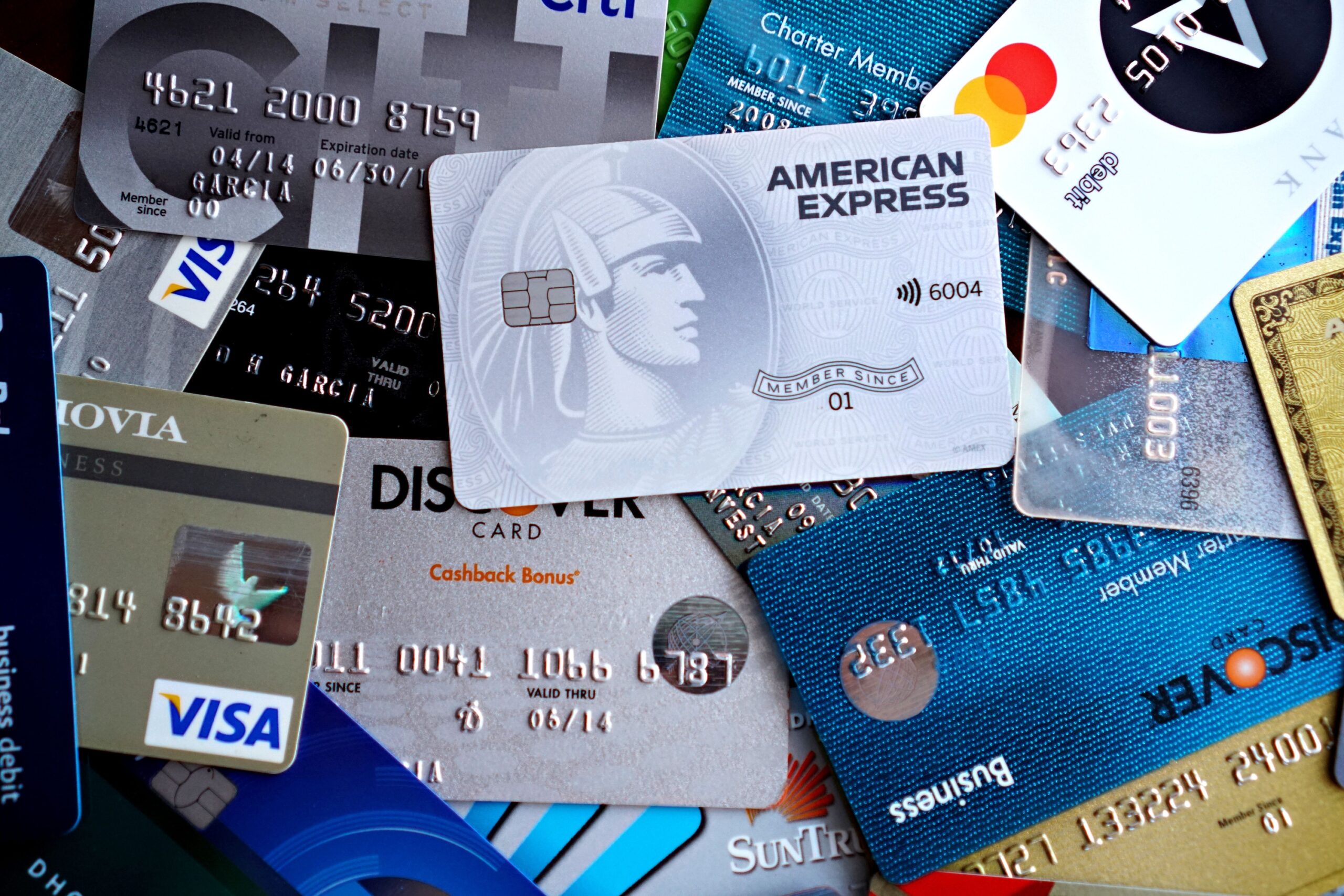

Picture this: you’ve just sat down at a small restaurant in Lisbon, you pay with your credit card, and everything feels seamless. What you don’t notice until you’re home is a quiet surcharge quietly stacked onto every single purchase you made that week. It didn’t require a mistake or a scam. You just used the wrong card, or made one small decision at the payment terminal that cost you money every single time.
That one decision is easier to fix than most people realize. There’s a single swipe habit that takes about three seconds at the point of sale and can eliminate a fee that has become one of the most quietly resented charges in personal finance today.
The Fee Most Travelers Don’t Fully Understand

A 2025 WalletHub survey found that nearly one third of Americans do not know whether their credit card charges a foreign transaction fee, and only about one in eight correctly identified every scenario in which the fee applies. That’s a remarkably wide knowledge gap for a fee that affects nearly every international purchase.
A foreign transaction fee, also known as an international transaction fee, is a common credit card fee charged on international purchases. The fee applies to every qualifying purchase individually, whether the cardholder is traveling abroad or buying online from an international vendor while at home. That last part surprises a lot of people. You don’t even need to board a plane to get hit by it.
How Much It Actually Costs You
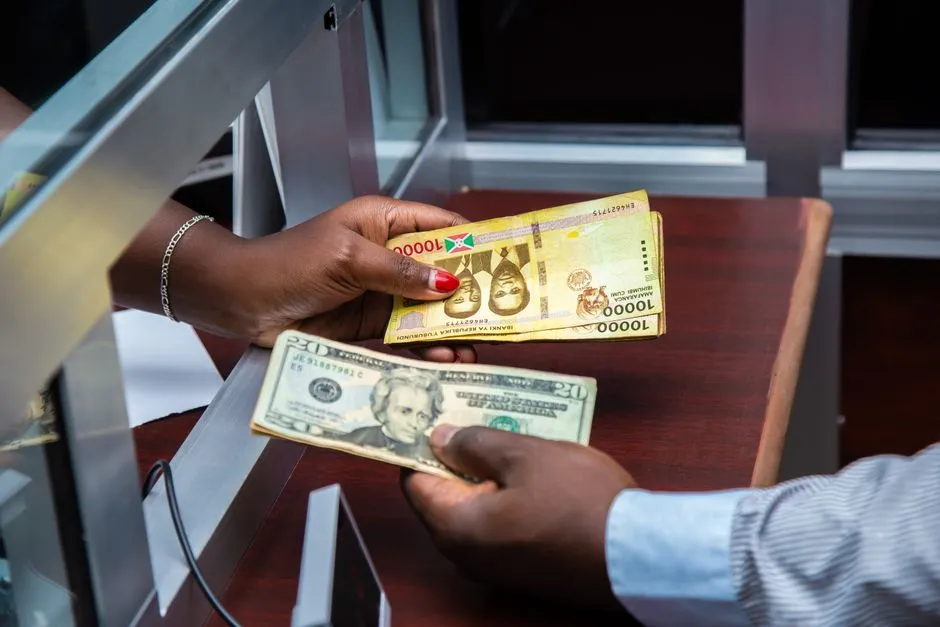
Foreign transaction fees cost between one and three percent of each purchase or transaction processed outside of the U.S., and the average fee sits at 1.59% in 2026, according to WalletHub’s Credit Card Landscape Report. That might sound trivial on a single coffee or market purchase.
If you spent three thousand dollars at a hotel abroad, you could be looking at an additional ninety dollars in fees. Scaled up to fifty thousand dollars in annual international card spend, a three percent foreign transaction fee adds up to fifteen hundred dollars a year. For frequent travelers or even occasional ones with a big trip planned, that’s real money walking out the door.
The Habit: Always Pay in Local Currency
Here’s the actual habit. When you hand over your card abroad or tap to pay, the payment terminal will often prompt you with a choice: pay in U.S. dollars, or pay in the local currency. Always choose the local currency. Every time, without exception.
Dynamic currency conversion, or DCC, is when a merchant or ATM abroad offers to charge your card in your home currency instead of the local one. It sounds convenient, but uses a poor exchange rate with a built-in markup, often several percent, so you should almost always decline it and choose to pay in the local currency. The habit is that simple. One tap on the correct option, and you’ve protected yourself.
Why Dynamic Currency Conversion Is a Trap

Dynamic Currency Conversion is a common credit card trap for international travelers that can add an extra three to five percent markup on purchases through inflated exchange rates, according to data from Visa. That markup gets quietly folded into the exchange rate the merchant uses, which is almost never competitive.
Paying in your home currency at a foreign terminal might seem like a convenient way to avoid foreign transaction fees, but it isn’t. The exchange rate offered ranges from bad to awful, and you may still pay a foreign transaction fee since some credit card issuers base these fees on where the transaction takes place, not the currency you chose. So DCC can actually cost you twice: once with a poor exchange rate, and again with your card’s standard foreign fee on top.
Check Your Card Before You Travel

A foreign transaction fee is a surcharge that roughly ninety percent of credit cards add to transactions processed outside of the U.S. That’s a staggering proportion, and it means the card most people already carry in their wallet is very likely charging them every time they swipe abroad.
You can check your card agreement’s Schumer box for a summary of your card’s terms and conditions, including fees you may be charged. It takes two minutes and removes all guesswork before you travel. Make sure you apply for a no-foreign-fee card before you book reservations or depart for your travels.
Cards That Waive the Fee Entirely
Foreign transaction fees typically add an additional one to three percent onto the cost of your purchase. However, plenty of credit cards, especially travel rewards credit cards, do not charge them. The gap in the market for fee-free cards has grown considerably as competition among issuers has intensified.
If you’re planning an international trip, one of the easiest ways to save money is by using a credit card that charges no foreign transaction fees. Well-reviewed options in 2026 include the Chase Sapphire Preferred, Capital One Venture Rewards, and several no-annual-fee cards like the Wells Fargo Autograph and Capital One Quicksilver, according to NerdWallet and The Points Guy. Capital One, for instance, doesn’t charge foreign transaction fees across its card lineup.
Online Shopping Triggers It Too

Most travelers think of this as a problem that only surfaces at airports or hotel front desks. The reality is more nuanced. A foreign transaction fee can apply when you’re traveling abroad or when you’re making purchases from internationally based merchants online or by phone.
The fee is based on where the transaction is processed, not where the cardholder is located. So booking a stay through an international hotel’s own website, purchasing from a foreign retailer, or even subscribing to an overseas streaming service can all quietly trigger the fee from the comfort of your own couch. The habit of choosing the right card applies at home just as much as it does at a café in Bangkok.
How the Fee Is Structured Behind the Scenes
A foreign transaction fee generally combines charges assessed by the card network, such as Mastercard or Visa, and the card’s issuer, such as Bank of America or Citibank. The issuer decides exactly what foreign fee the card ultimately has. That’s why two Visa cards from different banks can have completely different foreign fee structures.
Foreign transaction fees are charged in addition to any currency conversion fees and are not the same thing. This distinction matters because they can stack. A card with a two percent foreign fee, combined with a poor DCC conversion rate at the terminal, could add up to a meaningful cost on a large purchase. Understanding both layers helps you see why the local-currency habit alone isn’t always enough without the right card to back it up.
Your Rights at the Payment Terminal
Merchants are not supposed to force DCC on you, and in most jurisdictions they are required to give you a clear choice. As a customer, you are entitled to full disclosure of DCC, conversion rates, final costs, and any other fees charged for the transaction. You also have the right to refuse DCC.
If you refuse DCC at the point of sale but the charge later appears on your bill with an inflated currency conversion rate, you can dispute the charge with your issuing bank. If that doesn’t work, you can take up the issue with the relevant card network’s global compliance program. It’s reassuring to know this recourse exists, though the far easier solution is to simply stay alert at the terminal in the first place.
The Attitude Shift Behind the Habit
Eighty-four percent of respondents to WalletHub’s 2025 survey consider foreign transaction fees a “rip-off,” and more than half said they would consider switching card providers the next time they get charged one. The awareness is growing, even if the action hasn’t always caught up.
Some debit cards also have no foreign transaction fees, but using a credit card for purchases is better because you benefit from enhanced fraud protection. Combining a no-fee credit card with the habit of always choosing local currency is the cleanest approach available to most travelers today. The habit costs nothing to adopt, takes seconds to execute, and pays off on every single swipe you make overseas.
The Takeaway
The one habit is this: every time a payment terminal abroad asks whether you want to pay in dollars or in the local currency, choose the local currency. That’s it. Pair it with a card that waives foreign transaction fees before your trip, and you’ve closed the door on one of travel’s most unnecessary costs.
Fees like these thrive on inattention. They’re designed to look like a non-issue at the point of sale, only to show up quietly on a statement days later. A little preparation and one deliberate tap at the right moment can make the difference between a trip that cost what you budgeted, and one that didn’t.
AI Disclaimer: This article was created with the assistance of AI tools and reviewed by a human editor.