
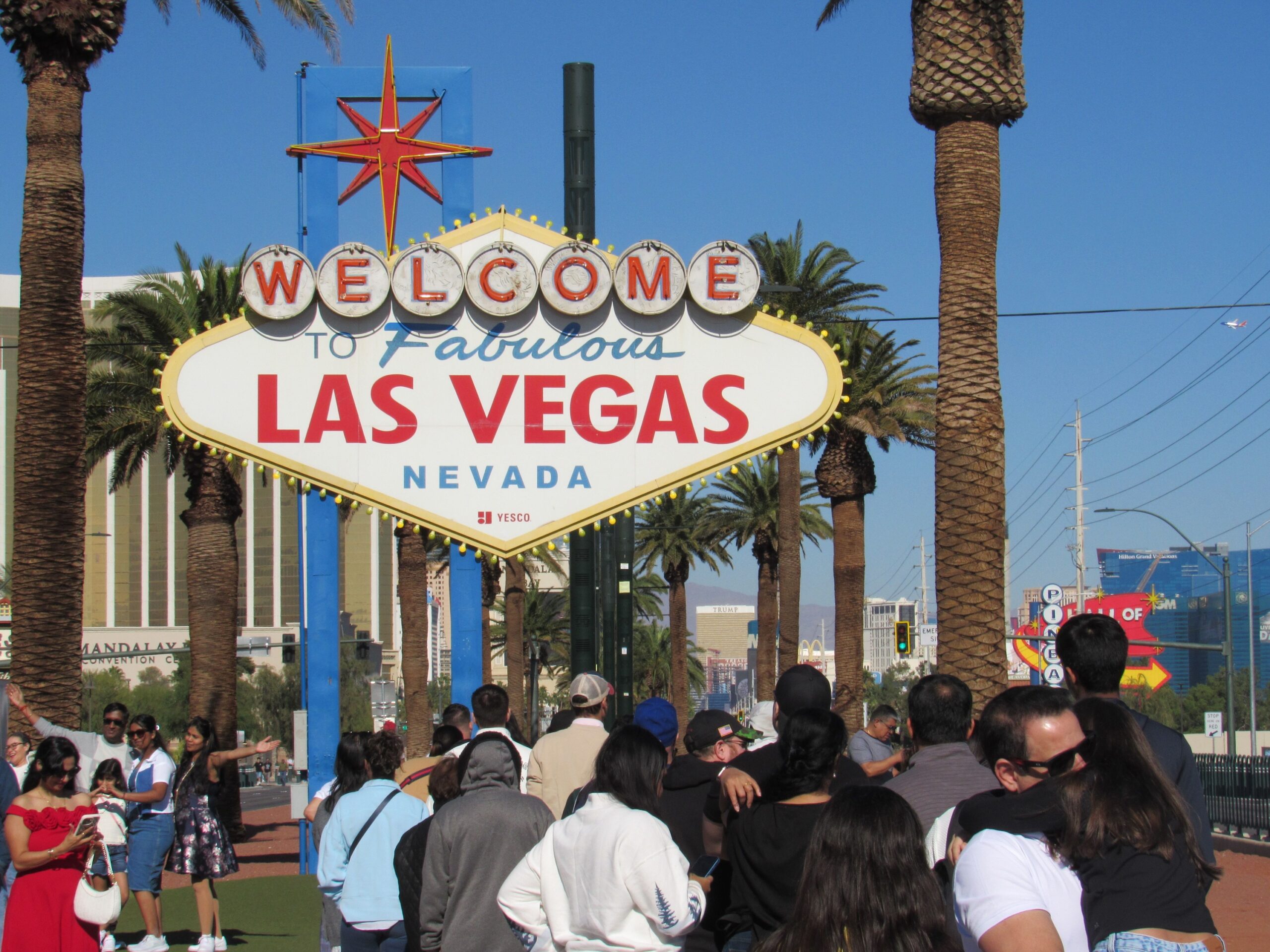

There’s something almost universal about the first Las Vegas trip. You land, you see the lights, and somewhere between the airport and the Strip, a quiet confidence takes over. You’ve seen the movies. You’ve heard the stories. How hard can it be?
Pretty hard, it turns out. According to the Las Vegas Convention and Visitors Authority’s 2024 Visitor Profile Study, a full 86% of visitors to Las Vegas are returning guests, with only 14% being first-timers. That means the city is largely navigated by people who already know its rhythms, its traps, and its tricks. If you’re new, you’re at a real disadvantage, and most rookie travelers don’t know it until they’re already overspending, overtired, or both.
The single biggest mistake isn’t one dramatic blunder. It’s a cluster of small, avoidable choices that compound quietly throughout the trip. Here’s what to watch for.
Underestimating How Much the Hotel Will Actually Cost

The price you see on a booking website is almost never the price you’ll pay. Resort fees are mandatory daily charges added to your room rate at nearly every Las Vegas hotel, ranging from roughly $30 to $55 per night, and they are not included in the advertised room price on most booking sites. That gap between listed rate and actual cost has become one of the defining frustrations of a Vegas trip.
Mandatory resort fees now range between $40 and $65 per night before tax at most Strip properties, with luxury resorts like Bellagio, Aria, and Wynn charging approximately $55 daily. A 2025 tracking survey found the average resort fee reached $40.04.
As of May 12, 2025, casino resort hotels and other short-term lodging providers must include all mandatory fees aside from occupancy taxes in their upfront advertised rate. In plain terms: if a room costs $243 a night with the resort fee included, that is the number that must appear first in any booking display. Still, the fees themselves haven’t disappeared. Always verify the full nightly cost before confirming your booking.
Thinking the Strip Is Easy to Walk

One of the biggest mistakes first-time visitors make is underestimating distances. On a map, everything looks tight and compact. In reality, the scale of these properties is genuinely hard to grasp until you’re in the middle of it.
The Strip stretches over four miles, and those massive casino floors add countless steps to your day. Those “just across the street” destinations are deceptively far, and blisters can ruin your entire trip.
The Las Vegas Strip may seem short on a map, but in reality, each block can feel like several long, hot city miles. First-timers often assume they can easily walk from hotel to hotel, only to end up exhausted and sore. The monorail, trams, and rideshare services exist for good reason. Use them.
Not Taking the Desert Heat Seriously Enough
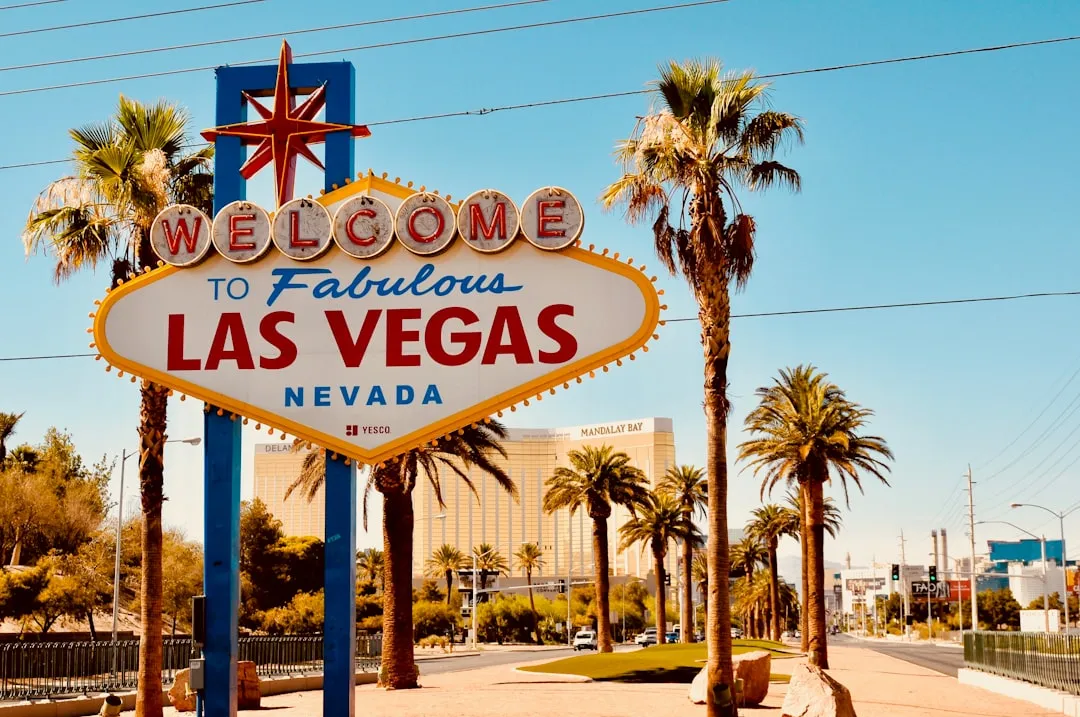
Las Vegas is located in the Mojave Desert, and the dry heat can catch first-time visitors off guard, especially if you’re walking the Strip for hours or enjoying pool parties during the day. Even outside of summer, dehydration can happen quickly due to the low humidity and air-conditioned casinos.
The desert heat in Las Vegas is dry and deceptive. You may not sweat much, but dehydration sets in quickly, especially with alcohol consumption. Many visitors forget to drink enough water, leading to fatigue, headaches, or worse.
Buy cases of water from CVS, Walgreens, or ABC stores instead of paying premium prices at hotel gift shops. Summer months often see temperatures exceeding 100°F (38°C). Plan accordingly, especially if you expect to spend time outdoors between venues.
Gambling Without Any Sort of Budget

Gambling losses per visit hit an all-time high in 2024 at $820, compared with $591 in 2019, even as the average time spent gambling fell to 2.5 hours per day. That’s a striking number, and it reflects how quickly things can escalate without a clear plan.
Gambling without setting a budget makes it easy to overspend quickly. The casino floor is designed to disorient: no clocks, no windows, and a constant low hum of ambient noise that makes it genuinely hard to track time. First-timers are especially vulnerable to this environment.
Setting a daily spending cap helps you keep track and make thoughtful decisions. You’ll avoid regrets and feel better knowing you stayed within your means. Carrying cash or using a prepaid card can also help limit overspending. Treat any gambling budget as entertainment spending, not as an investment.
Arriving Without a Plan for Shows and Dining
Las Vegas is home to world-renowned restaurants, and many book out days or even weeks in advance. First-timers often assume they can just walk in, only to face long waits or get turned away.
Booking shows and experiences last minute typically results in higher prices or sold-out performances. The city moves fast, and popular experiences have genuine scarcity, especially during conventions or major events. Las Vegas is a popular destination for conventions, sporting events, and big-name concerts, and these events can pack hotels and drive prices sky-high.
Before finalizing your travel dates, check a local event calendar to see what’s happening in town. Planning around major events can save you money on lodging and help you avoid big crowds. A little research before you leave home makes an enormous difference once you’re on the ground.
Falling for Street Promoters and Sidewalk Scams
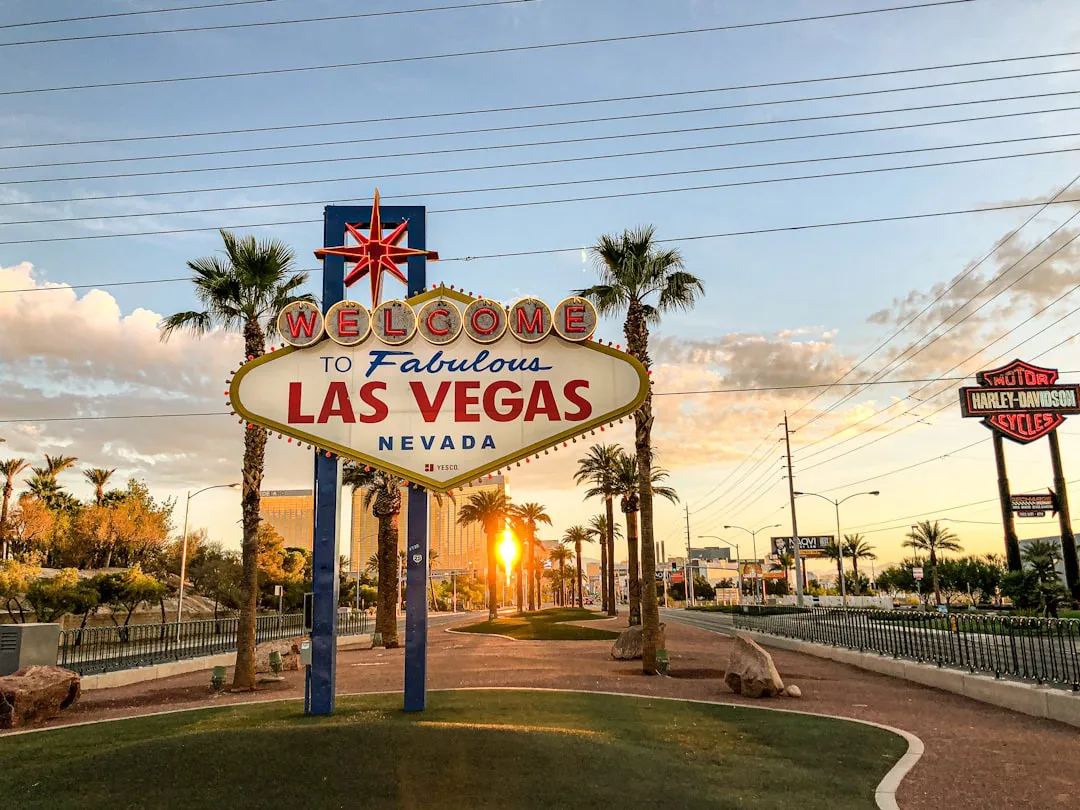
As you explore the Strip or Downtown, you’ll likely encounter promoters offering free tickets, tours, or giveaways. While some deals are legitimate, many come with hidden catches such as mandatory presentations, long waits, or pressure to purchase upgrades. It’s always wise to research offers before accepting them and trust your instincts if something feels too good to be true.
Vegas sidewalks are full of hustlers looking to separate you from your money. CD “promoters” hand you a “free” album then demand $20, and long-hauling taxi drivers take the scenic route to run up your fare.
Street performers and vendors might seem entertaining, but not all interactions are friendly. Some people dressed in costumes or handing out flyers will push for tips or try to sell you something aggressively. Others may distract you while someone else tries to take your wallet. Staying alert is simply part of navigating the Strip as a newcomer.
Spending Every Meal on the Strip

Overspending on food and drinks inside hotels, where prices are often much higher than off-Strip options, is one of the most common financial mistakes visitors make. The convenience of staying in-resort for every meal adds up surprisingly fast across a multi-day stay.
While the Strip is packed with popular restaurants, prices can be high and wait times can be long. Some of the best meals in Vegas are found off the Strip in neighborhoods like Chinatown or the Arts District. These local spots often offer delicious food at a fraction of the cost.
Food and drink spending per visitor averaged $615 in 2024, according to LVCVA data. That’s a real budget line item. Spreading meals between on-Strip dining experiences and neighborhood spots off the Strip is one of the simplest ways to keep your trip from going over budget.
Ignoring the ATM Fees Inside Casinos

Many first-time visitors don’t realize how much they’re paying just to access their money. Casino-floor ATMs are notoriously expensive, and the fees are often charged in addition to whatever your own bank charges for out-of-network withdrawals.
Steer clear of ATMs on the bustling casino floor, as they often come with higher fees. Your best bet is to scout for ATMs in quieter spots around the hotel or even at nearby convenience stores.
To avoid excessive fees, withdraw cash ahead of time or use ATMs located in convenience stores or grocery chains off the Strip. Better yet, set a cash limit for each day to control your spending and stick to your budget. It sounds small, but these fees accumulate across a four-day trip faster than most people expect.
Staying Glued to the Strip and Missing Everything Else
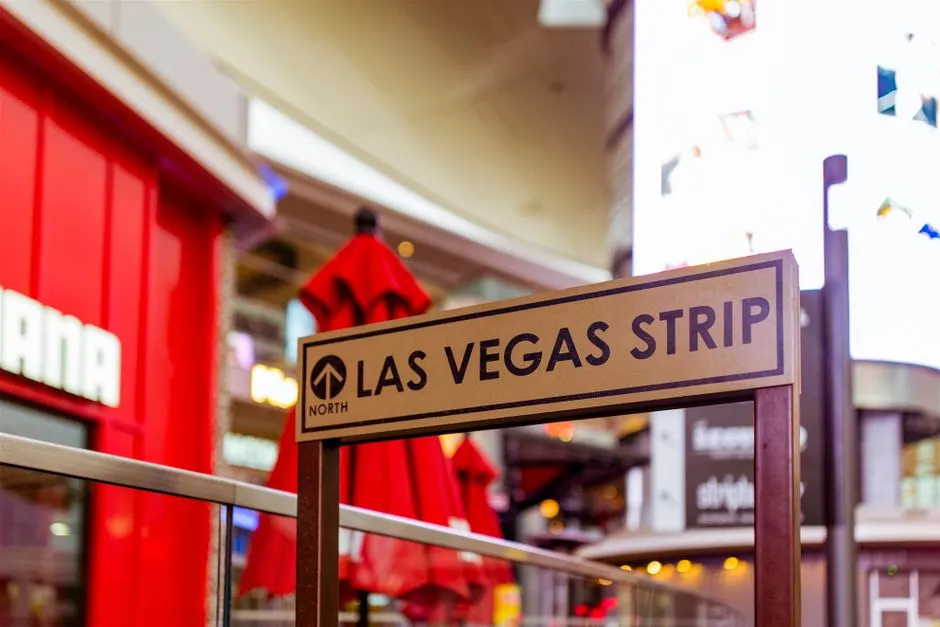
Spending all their time on the Strip, missing Downtown Las Vegas, local neighborhoods, and nearby attractions is one of the most commonly reported regrets among first-time visitors.
The Strip dazzles, but limiting yourself to this four-mile stretch means missing Las Vegas’s other amazing spots. Downtown’s Fremont Street offers vintage Vegas vibes with cheaper gambling, fun light shows, and great people-watching.
Explore further to discover amazing spots like the iconic Hoover Dam, a marvel of engineering. Check out the vibrant art installation Seven Magic Mountains, a colorful and whimsical sight that’s easy to reach. Also, don’t miss the stunning Red Rock Canyon, a natural wonder near the city. Las Vegas has always been more than its famous boulevard, and many first-timers leave without ever discovering that.
Over-Planning Every Hour of Every Day

With the distance and heat, you won’t be able to see and do as much as you perhaps originally planned, so don’t over-plan those itineraries. This is advice that sounds obvious but almost nobody follows. The city’s sheer volume of options creates a kind of decision anxiety that leads people to schedule back-to-back-to-back activities and then wonder why they’re exhausted by day two.
Vegas tempts you to go all-out immediately, gambling all night, club-hopping until dawn, and starting again at breakfast. Most visitors find three to four days hits the sweet spot. The sensory overload of lights, sounds, and 24/7 activity can wear you down quickly.
Vacation and pleasure remains the dominant reason for Vegas trips, with over half of all visitors citing it as their primary motive. Pleasure, by definition, requires some breathing room. Leave gaps in your schedule. Some of the best moments in Vegas happen when you wander without a plan, and that’s a lesson most first-timers only learn the second time around.
One Last Thing Before You Land

Las Vegas rewards preparation more than almost any other destination. The city welcomed nearly 41.7 million visitors in 2024, and the vast majority of them left satisfied. Overall satisfaction among visitors was high, with 87% of survey respondents saying they were very satisfied with their visit. The city works, and it works well, when you approach it with clear eyes.
The travelers who struggle are almost always the ones who assumed Vegas would take care of them automatically: that rooms would be priced as advertised, that distances would be manageable, that budgets would stretch. They don’t, and they won’t.
Go with a plan, stay curious about what lies beyond the Strip, and treat the whole experience as something to be savored rather than consumed all at once. The city has more than enough to offer. The question is whether you arrive ready to meet it on its own terms.
AI Disclaimer: This article was created with the assistance of AI tools and reviewed by a human editor.