
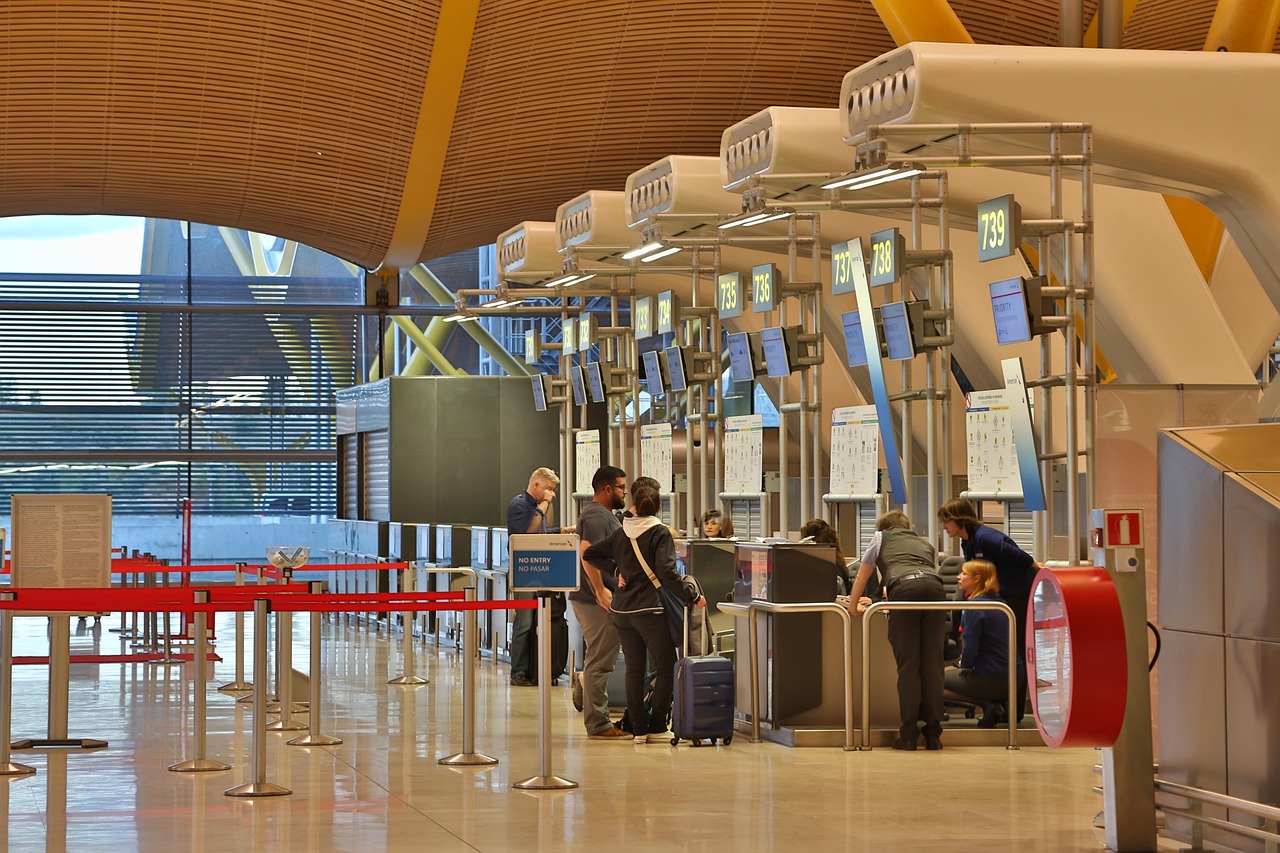

Missing a flight is one of those travel moments where everything seems to collapse at once. The gate is closed, the plane is taxiing away, and a long queue of other frustrated passengers is forming at the service desk. What most travelers don’t realize is that the words they choose in those first few minutes can mean the difference between a costly new ticket and a free rebooked seat on the very next departure.
There’s a specific phrase that seasoned travelers and flight crew insiders point to again and again: “I was delayed by circumstances outside my control. Can you place me on standby under the flat tire rule?” It’s not magic, and it doesn’t work every single time. What it does is signal to the gate agent that you know your options, and that shifts the conversation entirely.
What the Flat Tire Rule Actually Is
The flat tire rule is an unofficial, discretionary airline policy that allows passengers who miss their flight due to circumstances beyond their control to be placed on standby for the next available departure at no additional charge. The name originates from the classic scenario of a traveler getting a flat tire on the way to the airport, and despite its name suggesting a formal regulation, it is not codified in any airline’s contract of carriage.
It emerged during the regulated era of U.S. aviation as a standard practice and persists today as a courtesy that most major domestic carriers extend to passengers who arrive at the airport shortly after their scheduled departure. Knowing the rule exists is already half the battle, because most passengers simply don’t know to ask for it by name.
The Exact Phrase and Why It Works
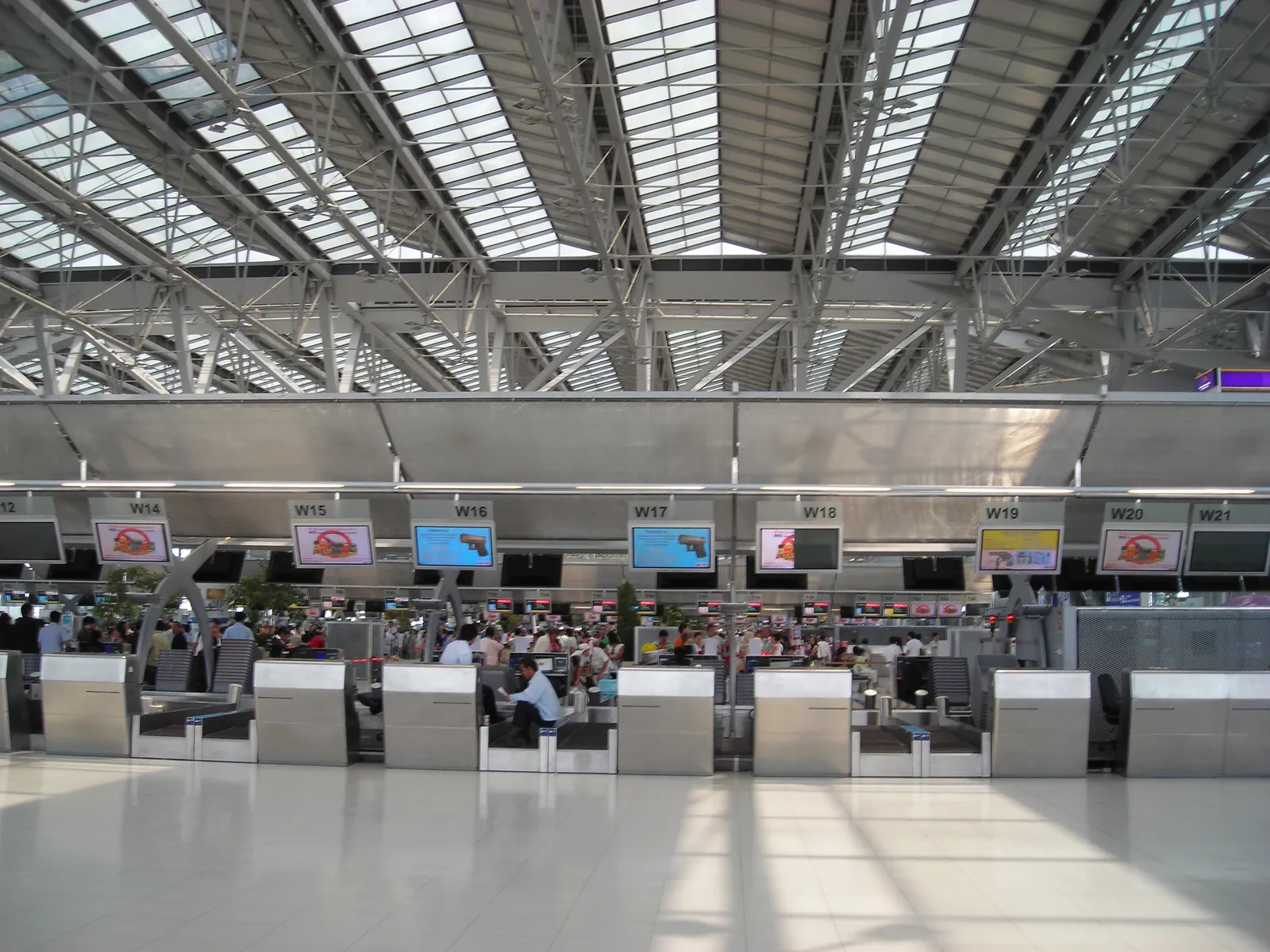
When you walk up to the service counter after missing your flight, the single most effective thing you can say is: “I was delayed by circumstances outside my control. Can you apply the flat tire rule and place me on standby?” This works for a specific reason: it reframes the interaction from a penalty situation into a courtesy request, and it demonstrates you understand the system.
In-person requests to agents tend to succeed more often than phone-only interactions. Being direct and polite matters too. Explaining that you were delayed by circumstances beyond your control and asking specifically about standby options is the approach that gets results. Gate agents deal with angry, demanding passengers constantly. Someone who arrives calmly, knows the terminology, and asks rather than demands stands out immediately.
Which Airlines Still Honor It and How Much Time You Have
American Airlines is the only major U.S. carrier with an official version: arrive at the airport within two hours of your scheduled departure and you can be rebooked as a standby passenger on the next flight without change fees or fare difference. American Airlines and Southwest will both place you on the next available flight at no additional cost if you show up within two hours after your originally scheduled departure time.
Others, like United, provide a 30-minute window for free rebooking or standby on a later flight. Delta has no published policy and handles late arrivals case by case at agent discretion, so showing up quickly after departure and explaining honestly gives you a real shot, but no guarantee. Timing is everything, which is why calling ahead before you even reach the airport matters so much.
Call the Airline Before You Even Get to the Airport
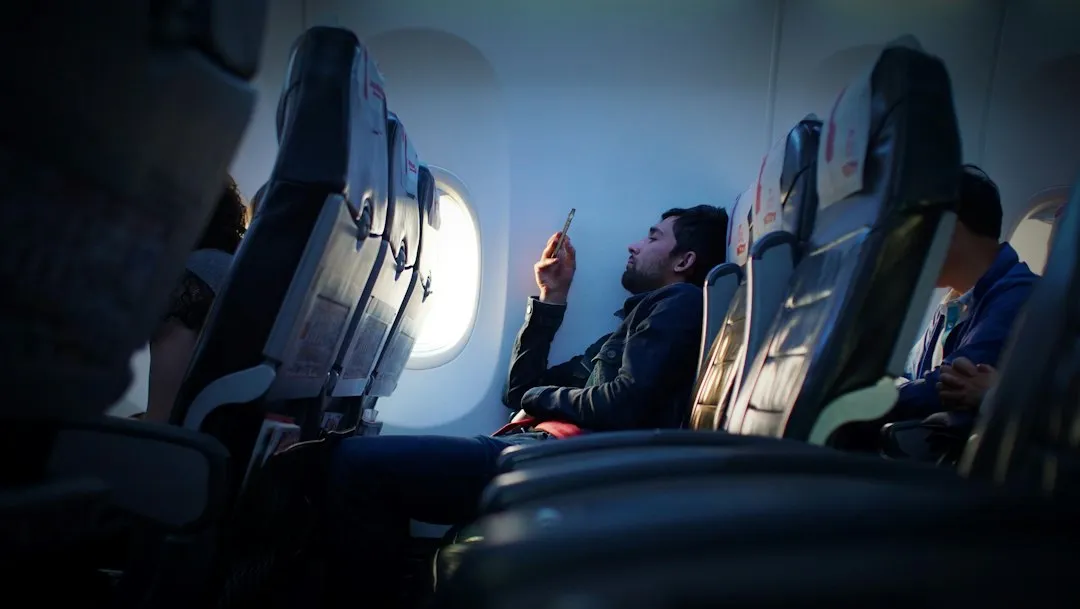
The moment you know you’ll miss your flight, contact the airline, even before you get to the airport. Some airlines will rebook you if you speak to them before your plane takes off. Others may treat you as a no-show if you don’t check in or cancel your ticket. That distinction matters enormously for what happens to the rest of your itinerary.
Contacting before departure keeps you in the system as an active passenger, opens rebooking and standby options, and usually preserves your fare’s value. Even a two-minute call from a traffic jam can change your outcome completely. It puts your name in the system as someone who flagged the situation rather than simply vanished.
What Happens If You Say Nothing: The No-Show Risk
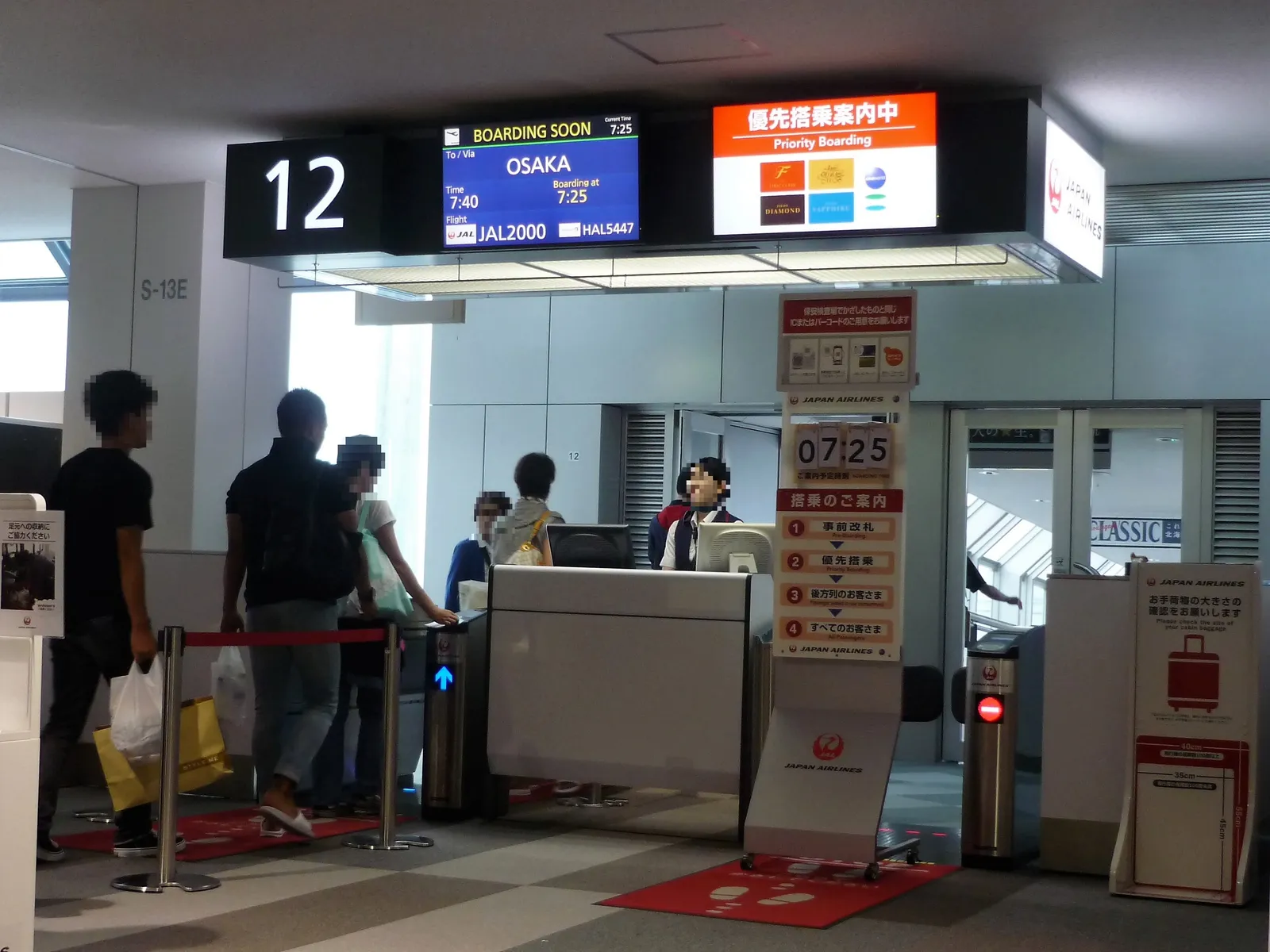
If you miss the flight because you arrived late to the airport, missed check-in, or didn’t board on time, the airline may treat you as a no-show. Being classified as a no-show triggers the harshest outcome: your seat releases, your fare may forfeit, and connected segments can vanish entirely.
This is the worst-case scenario that the flat tire rule is designed to help you avoid. Many travelers don’t realize that missing a single leg can automatically cancel all remaining segments in a booking. Under current U.S. DOT rules, passengers who purchase non-refundable tickets and arrive at the airport late are not entitled to a refund when the flight operates as scheduled. Your rights are genuinely limited here, which is why knowing the informal rules becomes so important.
When the Airline Is at Fault, Your Rights Are Much Stronger
If both flights are on the same booking and the airline’s delay causes you to miss the second one, the airline will generally rebook you to your final destination. This is the most common scenario where passengers ask whether they can rebook a missed flight for free, and the answer is often yes, provided the missed connection happened because of the airline and the itinerary was ticketed together.
If your flight is canceled, most airlines will rebook you on their first flight to your destination on which space is available, at no additional charge. In these carrier-caused situations, you don’t need to invoke the flat tire rule. The responsibility flips: the carrier rebooks you on the next available flight at no charge, and for overnight disruptions within its control you can reasonably ask about meal or hotel accommodations.
How the DOT’s 2024 Rules Changed the Landscape
In April 2024, the U.S. Department of Transportation issued a final rule to address persistent issues reported by airline passengers who were trying to obtain refunds they were owed. The DOT rule created universal standards for refunds owed to airline passengers traveling on flights to, from, or within the United States, and specified for the first time the types of flight changes deemed significant that entitle a passenger to a refund.
The DOT’s April 2024 final rule on passenger refunds, which took effect for large carriers in October 2024, requires airlines to automatically issue cash refunds rather than travel credits when a flight is canceled or significantly changed and the traveler declines the alternate option. All ten major U.S. airlines now guarantee free rebooking and meals, and nine guarantee hotel accommodations when an airline issue causes a significant delay or cancellation. These are real, enforceable commitments.
The Role of Fare Type and Loyalty Status
Fare type, loyalty status, available seats, documentation, and travel insurance can all affect the financial impact of a missed flight. A basic economy passenger invoking the flat tire rule is in a very different position from an elite frequent flyer doing the same thing. Elite status members may receive more flexibility and waived penalties.
This doesn’t mean casual travelers are out of luck, but it does mean being realistic about what to expect. Ticket fare type and loyalty status are both considered by agents. If you’re flying basic economy or haven’t traveled much with the airline, there’s a chance they may not be able to do anything. Knowing this in advance helps you calibrate your expectations and pivot to other options faster if needed.
What to Do If the Flat Tire Rule Doesn’t Work

During declared weather disruptions or major operational events, carriers typically issue travel waivers allowing customers to rebook within a defined window without paying change fees or fare differences. If the flat tire rule doesn’t apply to your situation, check whether a weather or operational waiver is currently active for your route. These are often posted on airline websites during major disruptions and can be just as useful.
If all else fails and you’re forced to pay for a new ticket, consider sending an email to the airline after your trip. Written follow-up requests for goodwill credits or partial refunds sometimes succeed where in-person requests didn’t, especially if you can document what caused the delay. Travel insurance is another genuine backstop, particularly for policies that cover “missed departure” as a named event.
One More Thing: Weather Waivers Are Underused
During declared weather disruptions or major operational events, carriers typically issue travel waivers allowing customers to rebook within a defined window without paying change fees or fare differences. Most passengers don’t think to check for these waivers because they aren’t prominently advertised. A quick search of the airline’s website under “travel advisories” or “travel alerts” before you reach the counter can reveal options that the agent may not proactively offer.
The broader point is that airline policies, at least for passengers who do their homework, tend to be more flexible than the initial experience suggests. There were 21 passenger experience improvements in the federal law passed in May 2024, adding to the rules already approved by the DOT in April of that year. Passengers in 2026 have more leverage than they did just a few years ago, provided they know how to use it.
The Takeaway

A missed flight doesn’t have to mean an automatic financial loss. The phrase “I was delayed by circumstances outside my control, can you apply the flat tire rule?” won’t work in every case, but it opens a conversation that a vague, panicked explanation never will. It tells the agent you know your options and that you’re worth helping.
Speed matters, tone matters, and understanding the distinction between carrier-caused and passenger-caused delays matters most of all. The passengers who consistently navigate these situations well aren’t lucky. They’ve simply learned that the right words, delivered calmly and quickly, carry real weight at the service counter.
AI Disclaimer: This article was created with the assistance of AI tools and reviewed by a human editor.