
Most parents flying with kids have been there: the seat map opens up, options are scattered, one child ends up two rows ahead, and suddenly what should be a family vacation starts with a negotiation at 30,000 feet. The row you pick as a family isn’t just a comfort question. It shapes how safe, calm, and connected the whole experience feels from wheels up to wheels down.
There’s no single row number that works on every aircraft or every airline. But there is a clear type of row that consistently delivers for families, and it comes down to knowing exactly what each section of the plane offers and what it costs you.
Why the Bulkhead Row Keeps Coming Up for Families with Infants

The best place to sit on a plane with a baby is generally in the bulkhead row, as it provides extra legroom and a bassinet attachment for infants. This isn’t just comfort advice. The bassinet, sometimes called a sky cot, can be the difference between a manageable overnight flight and a genuinely exhausting one.
Bulkhead seats are the best option for infants because airlines attach bassinets to the wall in front of you, giving your baby a dedicated sleep surface during flight. The extra floor space also lets you lay a mat for diaper changes and gives you room to hold a baby without elbowing your neighbors.
Bulkhead rows are the section directly behind a wall or divider. These seats remove the row in front of you, which means more legroom, room to stand, stretch, or help your child move around without disturbing others. That matters enormously when you’re managing a lap infant and a carry-on full of supplies.
The Bassinet Question: Which Airlines Actually Offer Them
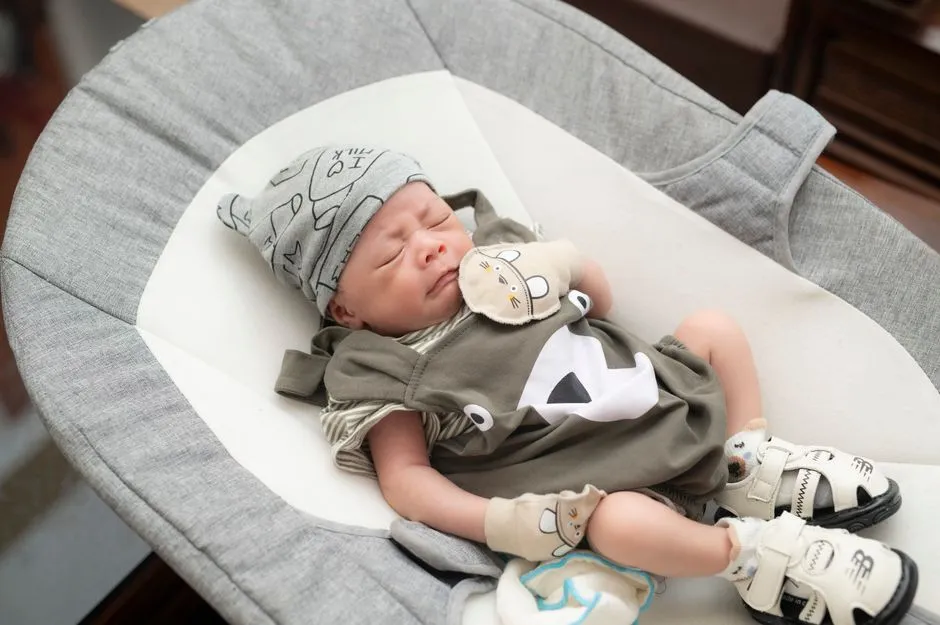
Parents flying with a baby should aim for bulkhead seats. These have additional space and often come with an optional bassinet attachment. Many airlines, such as British Airways and Emirates, allow travelers to reserve bassinets on long-haul flights in advance.
Airlines without bassinets include Alaska Airlines, Southwest, Ryanair, and EasyJet, so plan accordingly. Most airlines also require you to hold your baby during takeoff, landing, and turbulence, meaning the bassinet folds away or must be vacated. It’s worth confirming this policy directly with your carrier before you assume the bassinet will serve as a full sleep solution.
Lap infants cannot sit in exit rows or in seats with airbag seatbelts, typically row 1 on many aircraft. On the child’s second birthday, they must have their own purchased seat, and both the FAA and the American Academy of Pediatrics strongly recommend purchasing a seat and using an FAA-approved car seat or the CARES harness for children under 2.
Why Over-Wing Rows Are the Smart Choice for Kids Prone to Motion Sickness
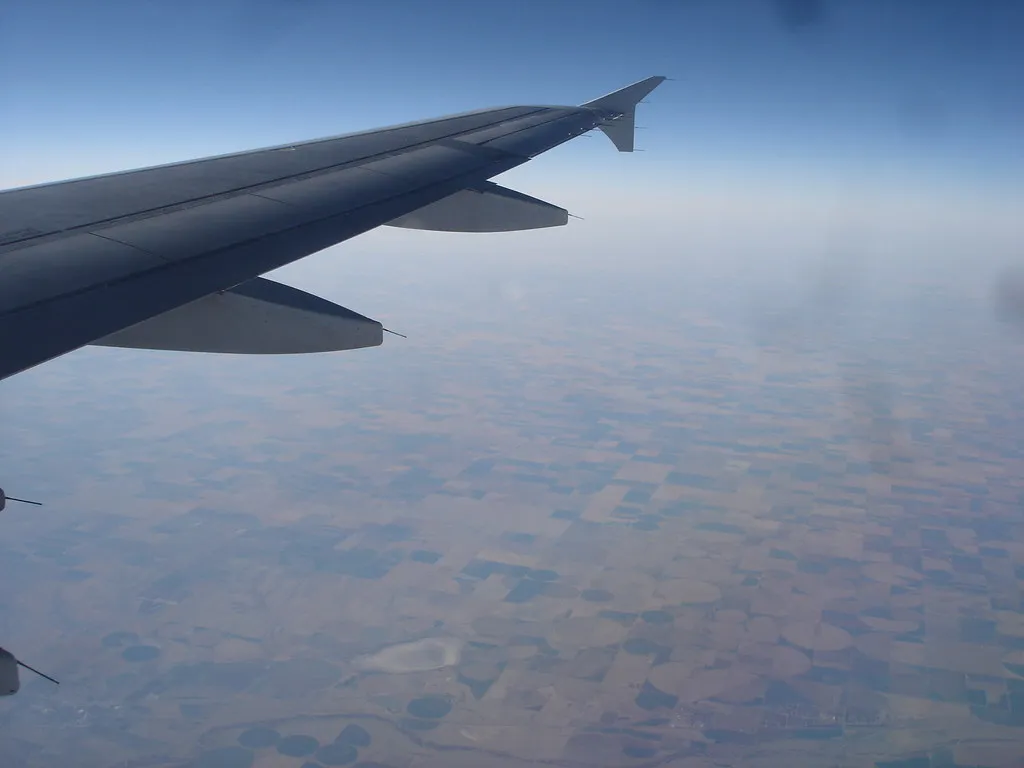
Seats over the wings, typically rows 15 to 25 on most narrow-body aircraft, experience the least turbulence. The wings are the plane’s center of lift and gravity, and the front and rear of the fuselage amplify pitch and roll like a seesaw. For children prone to motion sickness, this is the most important seat selection factor.
The smoothest ride is directly over the wings, at or near the aircraft’s center of gravity. Think of the plane like a seesaw. The center of gravity is the fulcrum. Passengers seated there barely move, while passengers at the extremes, especially at the back, get the full seesaw effect.
The wing zone, roughly rows 10 to 20 on most narrow-body jets, offers the best stability and least turbulence, making it ideal for travelers who get motion sickness or simply want a calmer ride. Booking the full row here as a family means every member benefits from that smoother experience, not just the adults.
The Real Trade-Off with Bulkhead Seats Families Should Know About
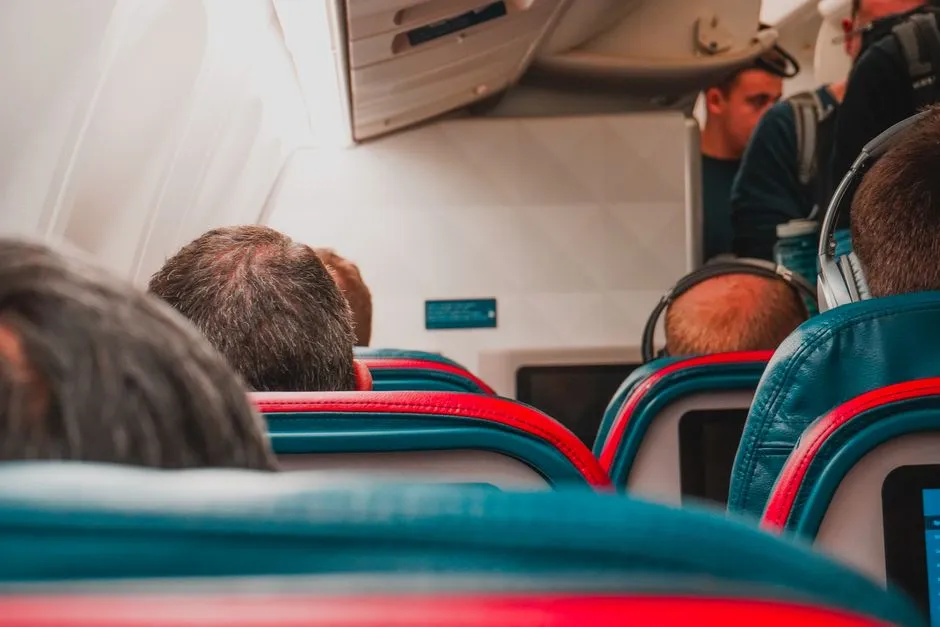
You cannot store bags under the seat in front of you because there is no seat in front of you. Everything must be overhead for takeoff and landing. If you need snacks, toys, bottles, or wipes constantly, you may find yourself standing up often, which can become tiring.
Bulkhead seats, the row directly behind a wall or divider, offer legroom but zero under-seat storage. For a parent traveling with a toddler, that bag under the seat often functions as a small treasure chest. Losing access to it during critical moments is a genuine inconvenience worth planning around.
The practical workaround is simple: pack a small, lightweight tote that fits in the seat pocket in front of you, or ask the flight attendant if you can retrieve one item from the overhead before the seatbelt sign turns off. It’s a small adjustment that keeps the bulkhead row working in your favor.
How Aircraft Type Changes Everything About Which Row to Book
The best seat depends on your child’s age, your aircraft type, and your family size. A family of four on a narrow-body Boeing 737 faces a very different seating puzzle than the same family on a wide-body Boeing 777.
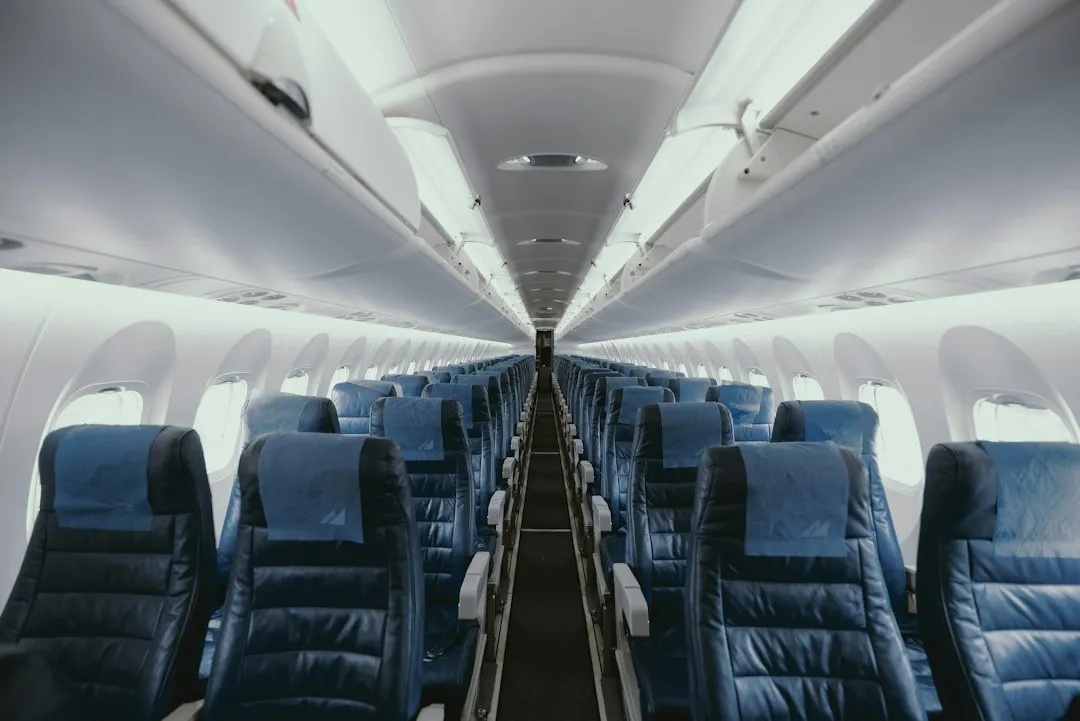
On 3-3 narrowbody aircraft like the 737 and A320, book a window and middle seat, and leave the aisle for the parent. On widebody 2-4-2 aircraft like the 767 and A330, pairs of two seats eliminate the middle-seat problem entirely. On widebody 3-4-3 aircraft like the 777 and A350, the centre four seats work brilliantly for families, with parents on the aisles and children in the middle.
Families of four can often split with one parent taking one child and the other taking another. Families of five can be more challenging, though the central aisle on very wide-bodied aircraft sometimes contains five seats. If not, one parent will generally need to sit with one child while the other sits with two children, perhaps in the row behind.
The U.S. Policy Landscape and What It Means for Your Booking Strategy
In the U.S., no law currently requires airlines to seat families together for free. The Department of Transportation proposed a rule in August 2024 that would ban fees for adjacent seating when children 13 and under travel with a parent, but as of May 2026, it has not been finalized. The Trump administration has not moved it forward.
Seven major U.S. carriers have voluntarily committed to free adjacent seating on the DOT’s Family Seating Dashboard: American Airlines, Delta, United, JetBlue, Frontier, Allegiant, and Alaska Airlines. These airlines guarantee that at least one parent or accompanying adult sits next to each child 13 or under, at no additional charge, in all fare classes.
Consumers traveling with young children have reported feeling undue stress and anxiety when they are unable to receive assurances that they will be seated next to their young children before travel. Although most airlines indicate that gate agents and flight crew will attempt to seat families together during the boarding process, these attempts are often taxing and sometimes unsuccessful. Proactive booking, not gate-day hope, is the more reliable strategy.
Why Booking Early Is the Single Most Effective Move a Family Can Make
The most important rule to make sure you all sit together is to book flights and reserve seats early. That’s the simplest and cleanest way. Second, list all family members on the same reservation. If someone booked at a different time, link their reservation to yours.
The earlier you book your family’s travel, the more likely you will be able to select seats next to each other. Airlines generally know that travelers belong to a single party if all the passengers are on the same reservation, so booking everyone together saves you from explaining it later. Reserve seats when you purchase tickets, not later, even if you have to pay a little more.
Even if you pay for your entire family to sit together, you’re at the mercy of the airline when it comes to seating. Things like last-minute aircraft changes or overbooking can render your seat reservations useless, with airline check-in staff telling you that you can request a refund for the money paid to select seats. Knowing this risk encourages flexibility and having a backup plan ready.
Exit Rows: Why Families Must Always Avoid Them
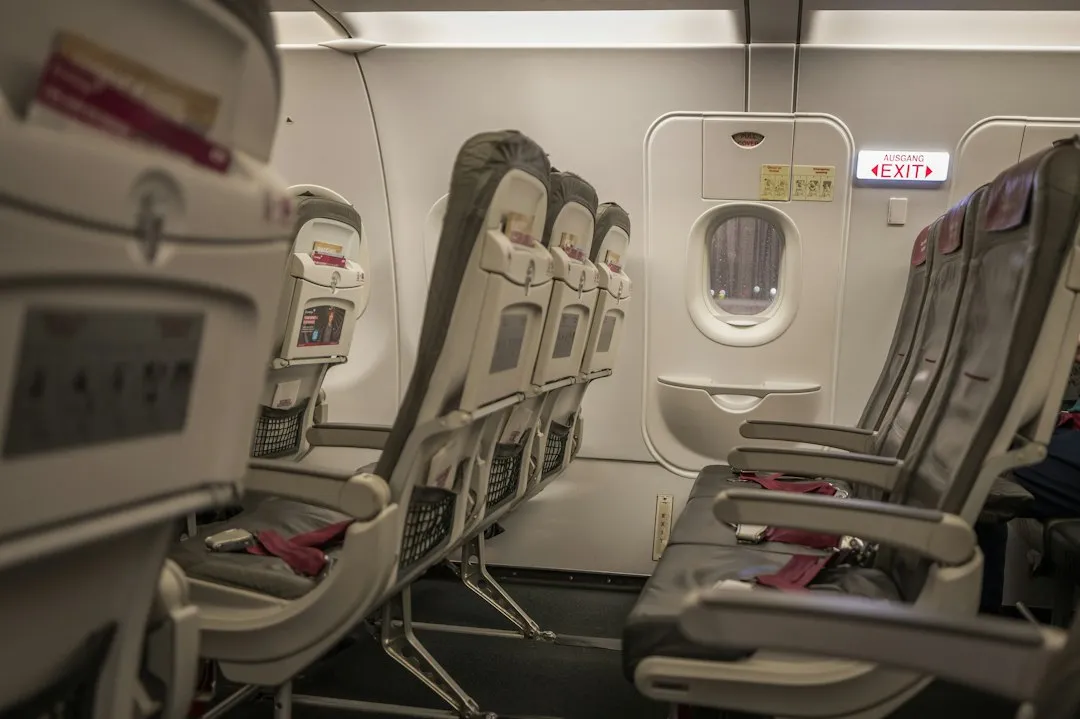
Exit rows offer extra legroom but are off-limits when traveling with kids. Airline systems should automatically block minors from these seats. Don’t try booking in an adult’s name because gate agents will catch it and reassign you, possibly to less desirable seats. If you accidentally select an exit row, contact the airline immediately to change.
Turbulence is the leading cause of in-flight injuries to children. Exit rows add another layer of complication: passengers seated there are expected to assist in emergencies, a responsibility that is incompatible with actively parenting a young child during a crisis situation.
There’s also a practical gap between what exit rows promise and what they deliver for families. The extra legroom sounds appealing, but without the ability to place a child there, it creates awkward seat splits that no family wants to manage mid-flight.
How European Carriers Handle Family Seating Differently
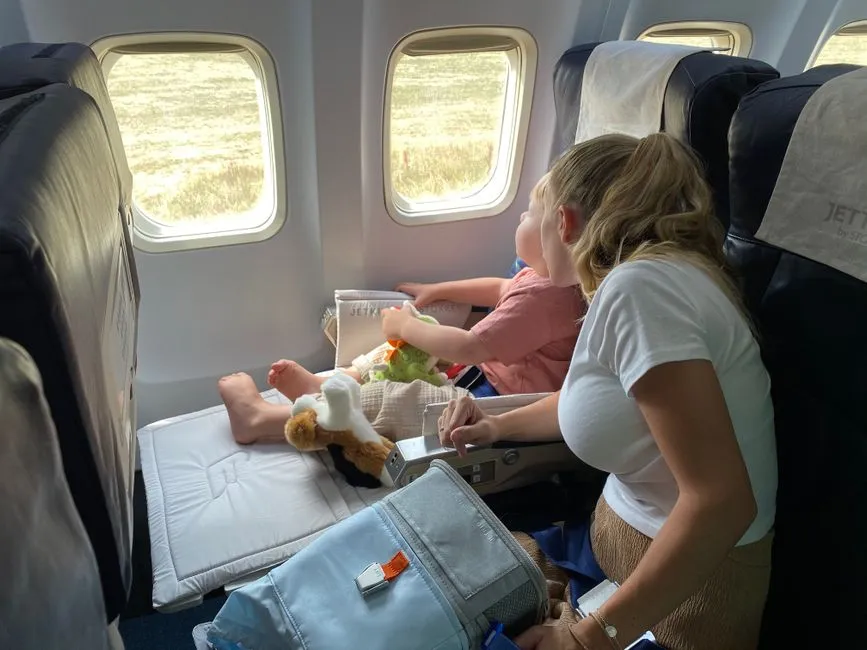
Among major budget airlines, Ryanair requires at least one adult to pay for a seat reservation, after which up to four children can sit with that adult. EasyJet’s system tries to seat families together, but can only guarantee children under 12 will be seated “close” to an adult, possibly across the aisle or one row away.
Some European carriers do guarantee family seating. British Airways guarantees all children under 12 will be seated with an accompanying adult, though families may be in adjacent rows or across the aisle rather than side by side. Jet2 always tries to seat children under 12 next to adults, with children no more than one row away if that isn’t possible.
Research by Which? found that roughly nine in ten passengers who didn’t pay for seat selection still ended up seated with their travel companions on participating airlines. That figure is encouraging, but it also leaves a meaningful proportion of families exposed to separation, particularly on fuller flights during peak travel periods.
The Row That Families Should Actually Prioritize When All Factors Are Considered
The best seat on a plane for families depends on the children’s ages: bulkhead rows for infants for bassinet access and extra floor space, aisle seats for toddlers who need frequent bathroom trips, and over-wing seats for kids prone to motion sickness. The answer isn’t one universal row. It’s the row that matches your family’s specific situation on that specific aircraft.
For most families with children between the ages of two and ten, the over-wing rows represent the strongest all-round choice. Seats near the wings provide the smoothest ride and most stability because they sit closest to the aircraft’s center of gravity and lift, which means less rocking during turbulence, and that matters a lot on longer routes.
Pair that stability with a full row booking in the window-middle-aisle configuration, and you get contained, calm, manageable travel. The children have something to look at, parents have aisle access, and the whole group isn’t fighting the seesaw effect at the back of the plane. Selecting the right seats is essential for family travel. It ensures everyone sits together, provides comfort for children, and makes it easier for parents to attend to their kids’ needs.
The Takeaway
No single row works for every family on every flight. A family with a newborn needs the bulkhead. A family with motion-sick kids needs the wing. What unites all of it is the principle of intentionality: book deliberately, book early, and book everyone on the same reservation.
The families who arrive calmer aren’t always the ones who paid the most. They’re the ones who thought through the seating map before the boarding gate opened. That small investment of planning, usually under ten minutes with a seat map tool, pays dividends from the moment everyone settles in together.
AI Disclaimer: This article was created with the assistance of AI tools and reviewed by a human editor.