

The Real Price Tag Nobody Shows You Upfront
The average RV rental costs around $184 per night as of early 2025, but that number is just the starting point. What first-timers rarely anticipate is how quickly the true total climbs once you add fuel, campground fees, mileage overages, and cleaning charges.
On a typical peer-to-peer booking, the final bill can run more than 54% higher than the listed nightly rate, even before factoring in campground stays or gas. Mileage is often handled with a daily allowance of roughly 100 to 150 free miles, with additional miles charged at $0.35 to $0.55 per mile, which adds up fast on any real road trip.
Fuel alone for a week-long trip can range from $280 to $650, depending on the RV class, distance, and terrain. Sit with that number before you book, not after.
Campground Costs Are a Budget Category of Their Own
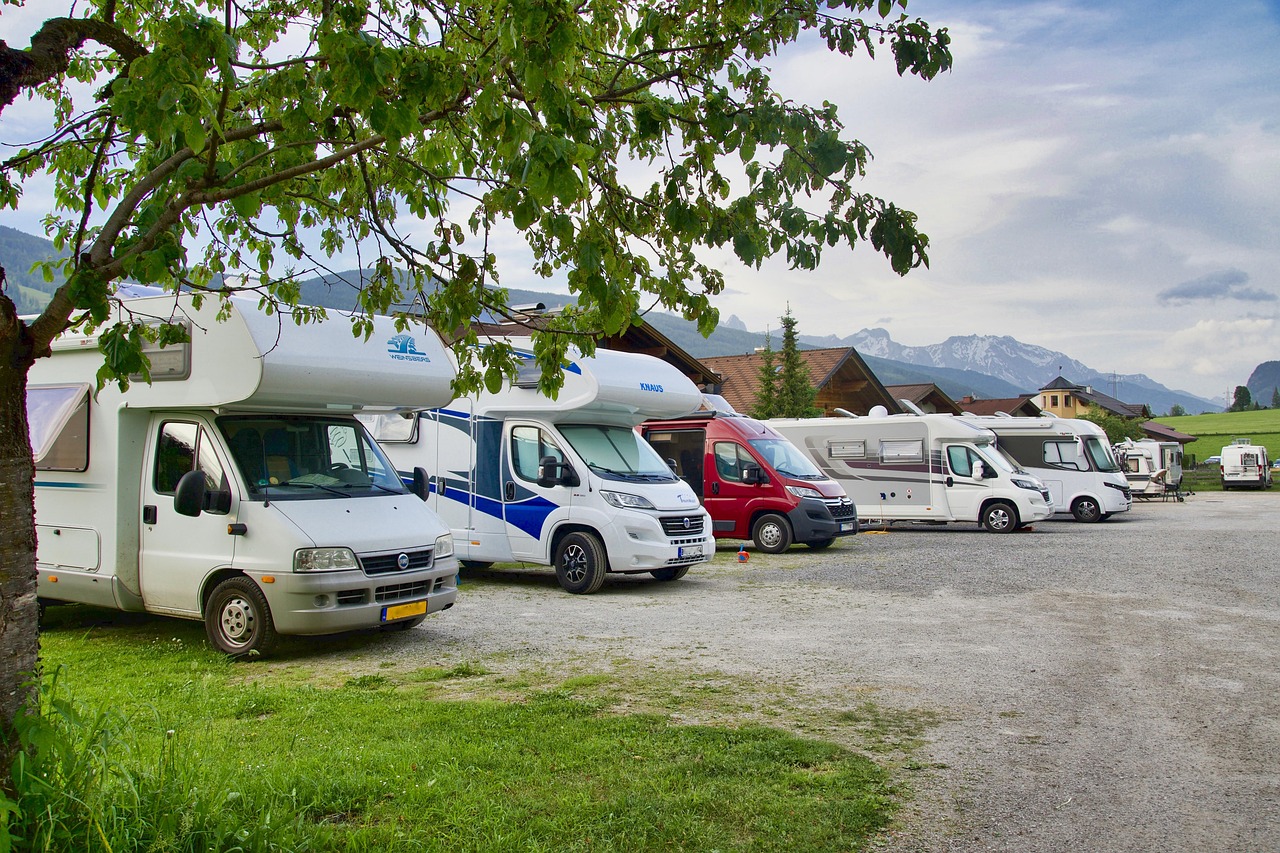
The average RV campground fee in the United States ranges from $30 to $100 per night, but that spread is wide and often misunderstood. Many first-timers budget for the nightly rate without accounting for what’s actually included at that price point.
Private parks with full hookups typically run $40 to $85 per night, while amenity-heavy destination resorts can charge $80 to $160 or more. Resort fees, booking fees, and local taxes can easily push a listed $75 campsite to close to $100 in practice, and that’s before any site-upgrade charges.
National park campgrounds, often the most coveted spots, range from $20 to $50 per night and frequently require reservations made six months in advance. Book early or accept that your dream site may already be gone.
Understanding Hookups Before You Arrive
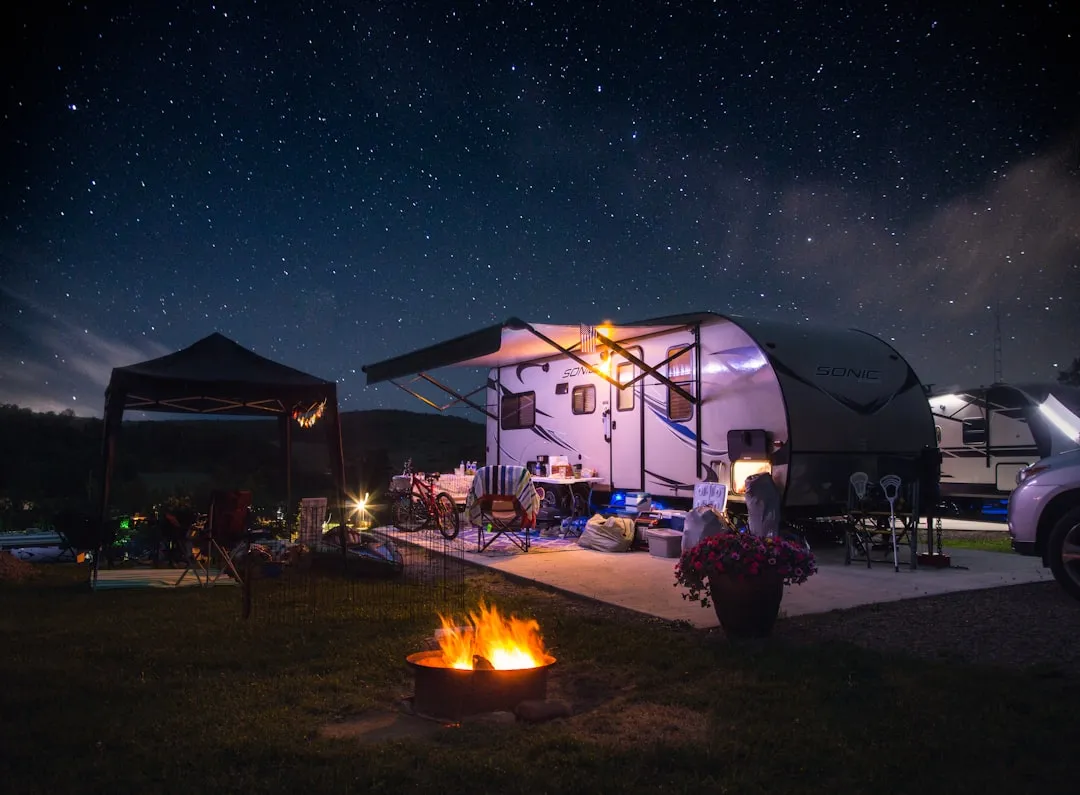
RV hookups provide water, electricity in either 30 or 50 amp service, and sewer connections at campgrounds, with full-hookup sites offering all three, while partial hookups may only include electric and water. Many first-timers assume every campsite works the same way, which leads to real frustration at check-in.
Dry camping sites cost little or nothing per night and typically offer only a dirt or gravel pad with no utility hookups of any kind. If you’ve never managed your water and power independently, a dry camping site on night one is a steep learning curve.
Sites with partial hookups often have a central dump station to empty waste tanks and will usually include bathroom and shower access. Knowing which type of site you’ve booked before you arrive saves a lot of scrambling.
The Black Tank Is the Thing Nobody Wants to Talk About
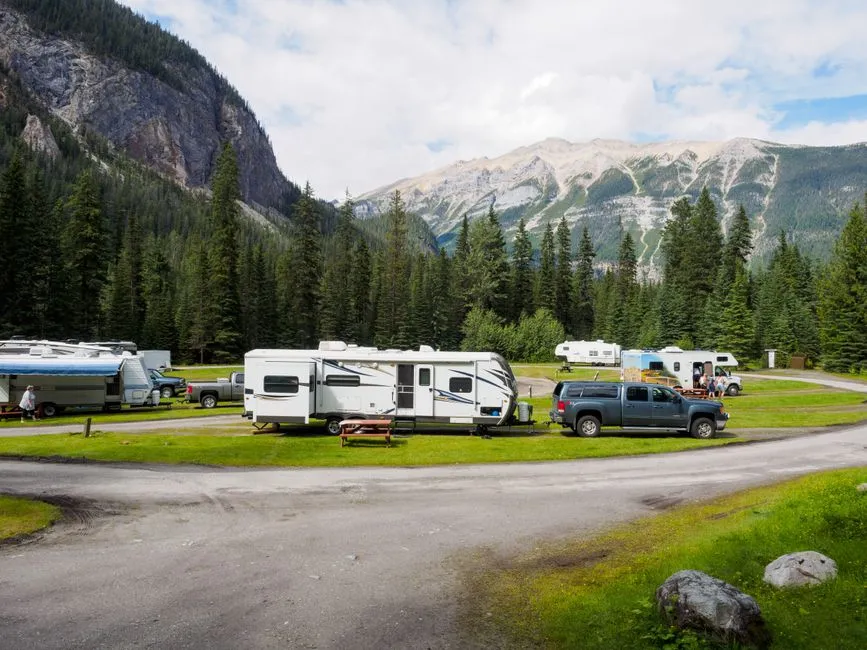
Most rental orientation walkthroughs cover a lot of ground quickly, and the waste management system often gets the shortest explanation with the highest consequence if you mishandle it. Leaving the black tank valve open while connected to a sewer hookup leads to what experienced RVers call a “poop pyramid,” a genuine mess that forms when liquids drain without solids. It sounds absurd until it happens to you.
If you return the RV without emptying the black and grey water tanks, most rental companies charge a dumping fee of around $75. Most campgrounds with hookups have dump stations, and many truck stops do as well, so there’s rarely a good excuse not to handle it before the return.
The rule is simple: keep the black tank valve closed until the tank is mostly full, then dump it properly at a designated station. Getting comfortable with this process by day two makes the rest of the trip significantly cleaner in every sense.
Driving a Large Vehicle Is a Genuine Skill

Most rookie mistakes come down to underestimating the size of the rig, with common slip-ups including driving off with the awning still extended, mismanaging tank levels, and forgetting about tail swing when turning. None of these are signs of incompetence. They’re signs of inexperience with a large, unfamiliar vehicle.
Most first-time renters report feeling comfortable behind the wheel within the first hour, and practicing in an empty parking lot before hitting the highway helps build confidence fast. Writing your RV’s exact height on a sticky note attached to the dashboard is one of the simplest and most effective steps you can take, since height clearance errors are among the most common and most expensive beginner mistakes.
Bridges and tree branches don’t make exceptions for first-time drivers. Know your height, trust it, and look it up before every unfamiliar route.
The Walkthrough Is Not Optional
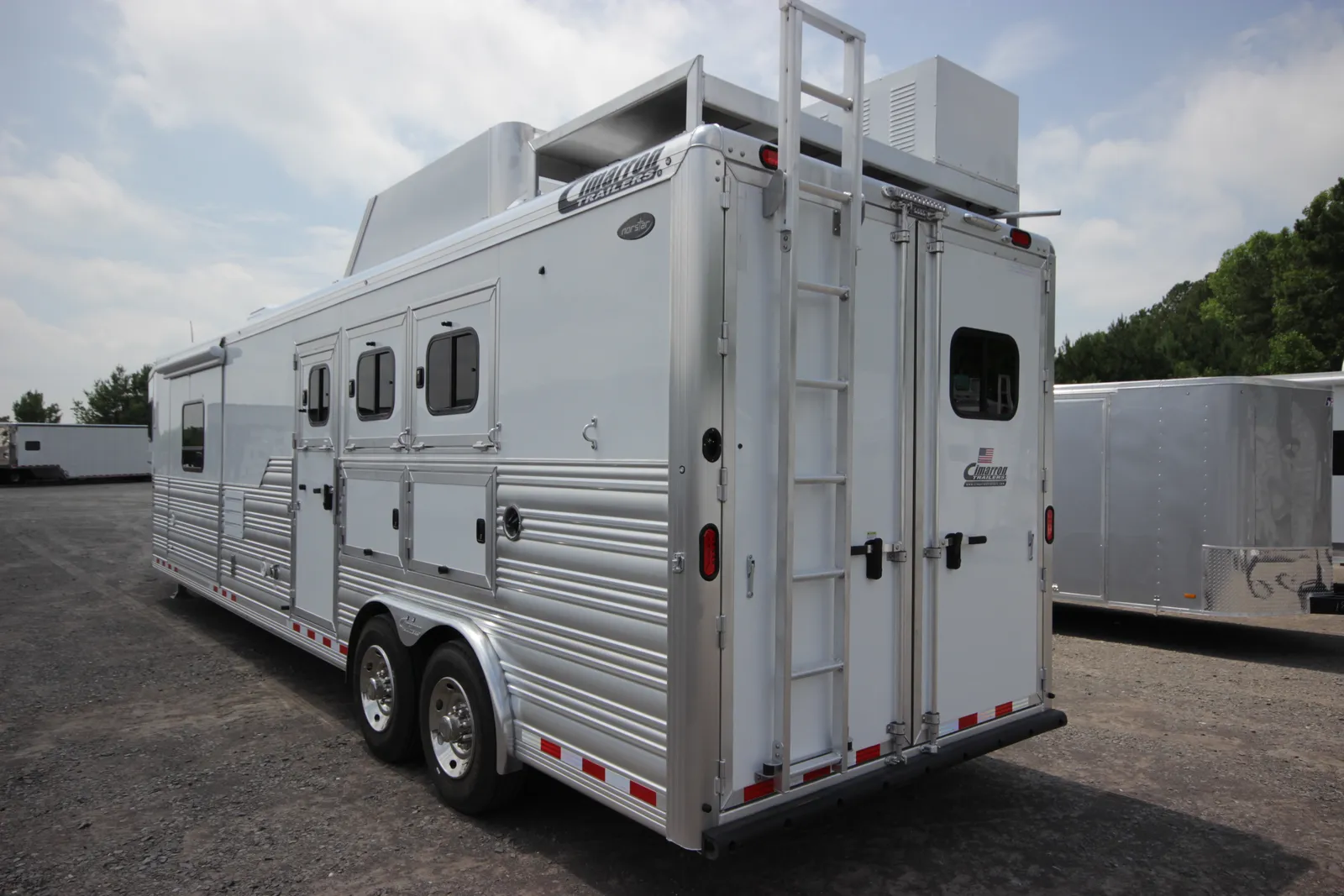
The initial walkthrough can feel overwhelming, and most mistakes first-timers make come from information overload rather than carelessness. The temptation to nod and smile through it in order to hit the road faster is one of the most costly things a new renter can do.
If you rent through a peer-to-peer platform, the owner will typically provide a hands-on walkthrough before your trip. Ask questions, take short video notes on your phone, and know that most renters feel genuinely confident after two or three setups. That video of how the water pump valve works will be more valuable at 10pm at a campsite than any instruction manual.
Nearly three quarters of RVs on major peer-to-peer platforms now offer a delivery option, with almost half of 2024 bookings choosing it, and having the RV set up and explained in place by the owner or delivery driver is considered well worth the added cost, especially for a first-time trip.
Packing for an RV Is Not Like Packing for a Hotel
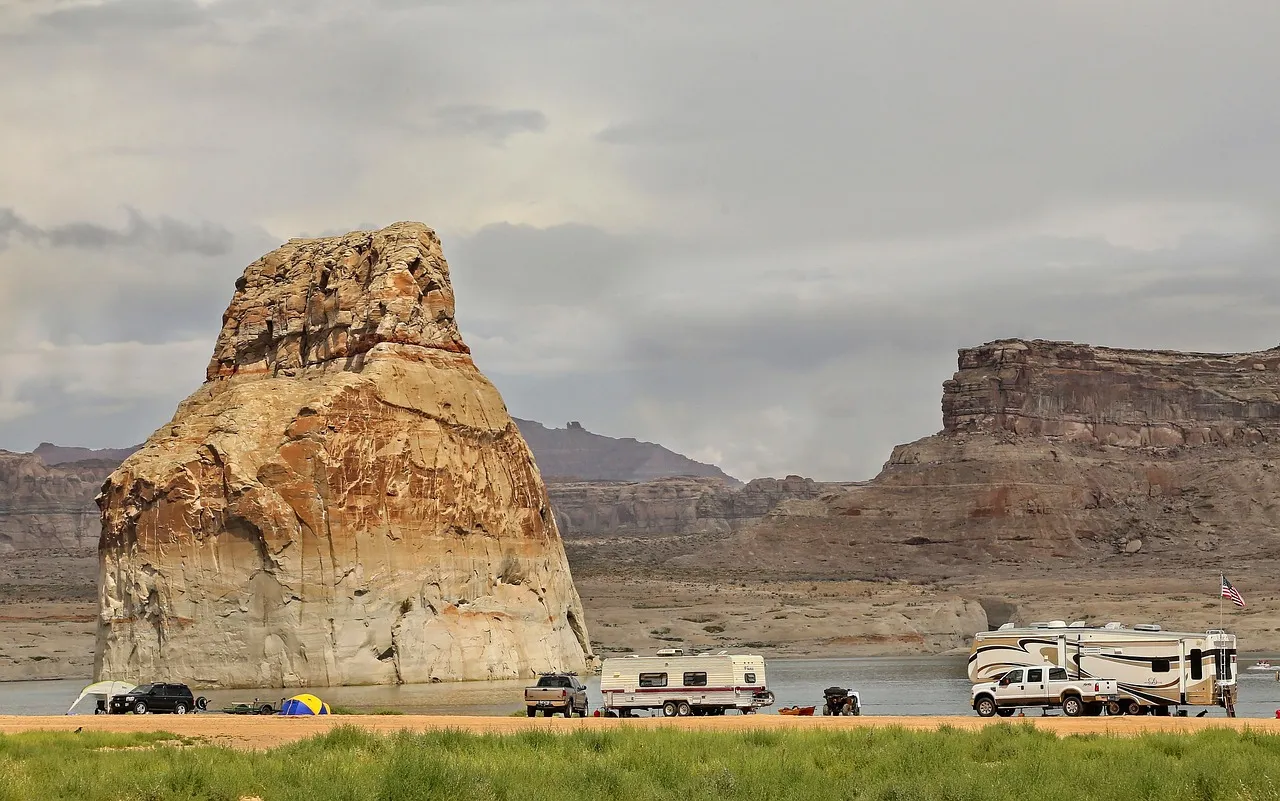
Successful RV packing means thinking flexible, functional, and fewer bags than you expect, since soft-sided luggage like duffel bags works far better than hard suitcases in the tight storage spaces of most rigs. The temptation to pack for every scenario is understandable, but overloading a rental leads to clutter and frustration within hours.
Beyond clothes, the basics most first-timers overlook include RV-safe toilet paper, leveling blocks, and surge protectors if they’re not already included with the rental. Regular toilet paper can cause serious problems with RV waste systems, and that’s not an exaggeration.
A well-organized rig makes for a more enjoyable trip. Bring only what fits comfortably, leave a little breathing room, and remember that you’re not trying to replicate a house on wheels – you’re trying to travel well.
Insurance and Security Deposits Deserve Careful Attention
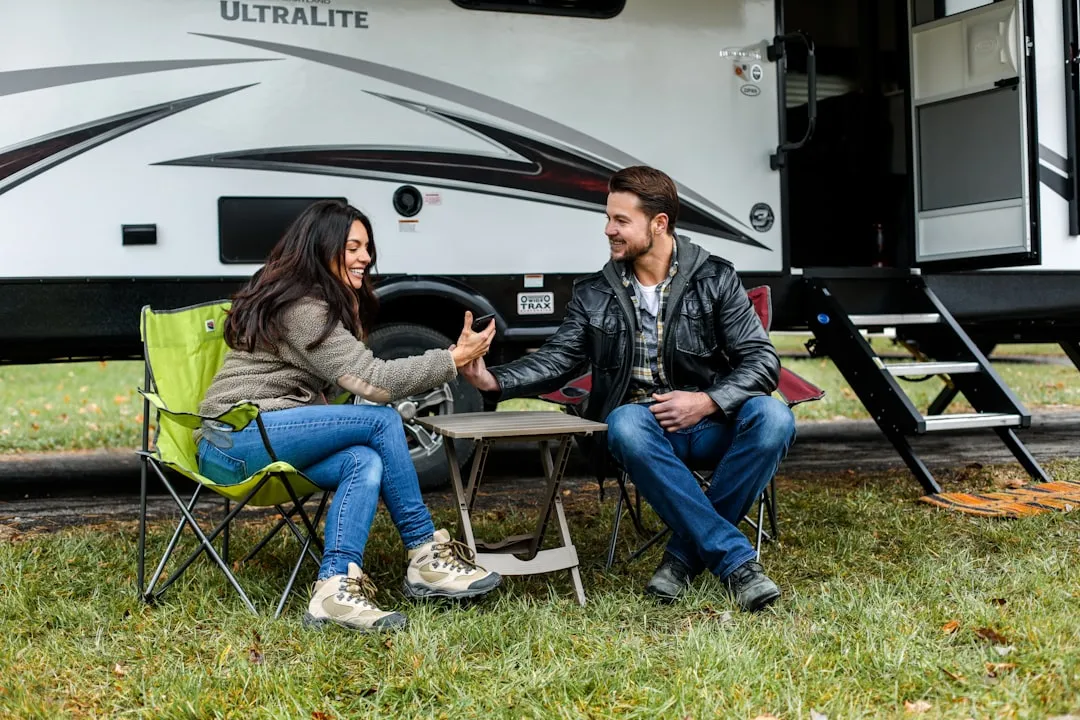
Rental agreements, collision damage waivers, and insurance policies provide protection for both renters and rental companies, but the specifics vary significantly between platforms and private owners. Reading the fine print before you sign is not optional.
Just as with a car rental, carefully inspecting the RV at the start of the trip and documenting any existing damage is essential, including taking photos of the generator hours and, for motorhomes, the odometer. Taking clear photos of all sides of the vehicle, the roof, and any existing interior wear creates a clean baseline that protects your security deposit and prevents post-trip surprises.
Documenting the RV’s condition both at pickup and at return can protect you against false damage claims, which can range from a couple hundred to over a thousand dollars. Ten minutes of photos at the start is cheap insurance.
Generator Use, Fuel, and Propane All Come With Hidden Rules

Many renters are surprised to learn that generator use is often metered and capped, not unlimited. A reasonable daily generator allowance is typically about three free hours when you’re at a campsite with electrical hookups, and running it all day off the grid genuinely consumes more of the owner’s resource.
Filling the propane tank yourself at a gas station typically costs around $20, while having the rental company handle it often runs closer to $50. That’s a straightforward saving that requires almost no effort. Using campground electrical hookups instead of relying on your generator when available can also save $30 to $80 in potential overage fees.
Dumping the waste tanks yourself at a dump station before returning the vehicle costs little to nothing, while letting the rental company handle it typically runs $50 to $75. These small decisions, made consistently, can add up to real savings over a week-long trip.
Campsite Reservations Are Not an Afterthought

First-timers frequently focus all their planning energy on picking the right RV and forget that the campsite itself requires just as much advance thought. One in four leisure trips in the U.S. is now a camping trip, which means competition for desirable sites, especially during summer, is intense.
Location, season, amenities, and hookup type are the biggest price drivers, with sites near popular attractions and coastlines commanding the highest rates, and summer and holiday weekends pushing prices to their peak. Walking into peak season without reservations is a recipe for a night in a parking lot.
Plan your campsite reservations before you finalize the vehicle booking, not after. Knowing exactly where you’ll park each night removes one of the biggest sources of first-trip anxiety and lets you actually enjoy the journey rather than scrambling to find a place to stop.
The Takeaway
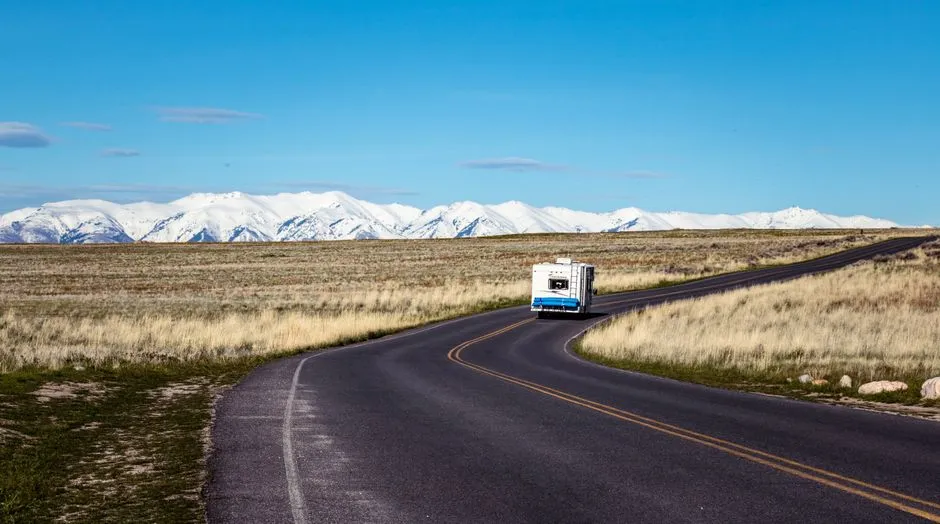
A first RV trip is genuinely wonderful when you go in prepared. The gap between an overwhelming experience and a memorable one usually comes down to a handful of practical details that nobody thought to mention ahead of time. Even with solid preparation, most first-timers make a few rookie mistakes, and being aware of them in advance helps you handle them with patience rather than panic.
The RV rental industry continues to grow because the appeal of the open road is real and enduring. The global RV rental market is forecast to grow by nearly $387 million between 2024 and 2029, driven by travelers who want something more personal than a hotel room and more flexible than a package tour. That appetite isn’t going anywhere.
Go in with clear eyes, a documented pre-trip inspection, and a basic understanding of your tanks and hookups. The road does the rest.
AI Disclaimer: This article was created with the assistance of AI tools and reviewed by a human editor.