
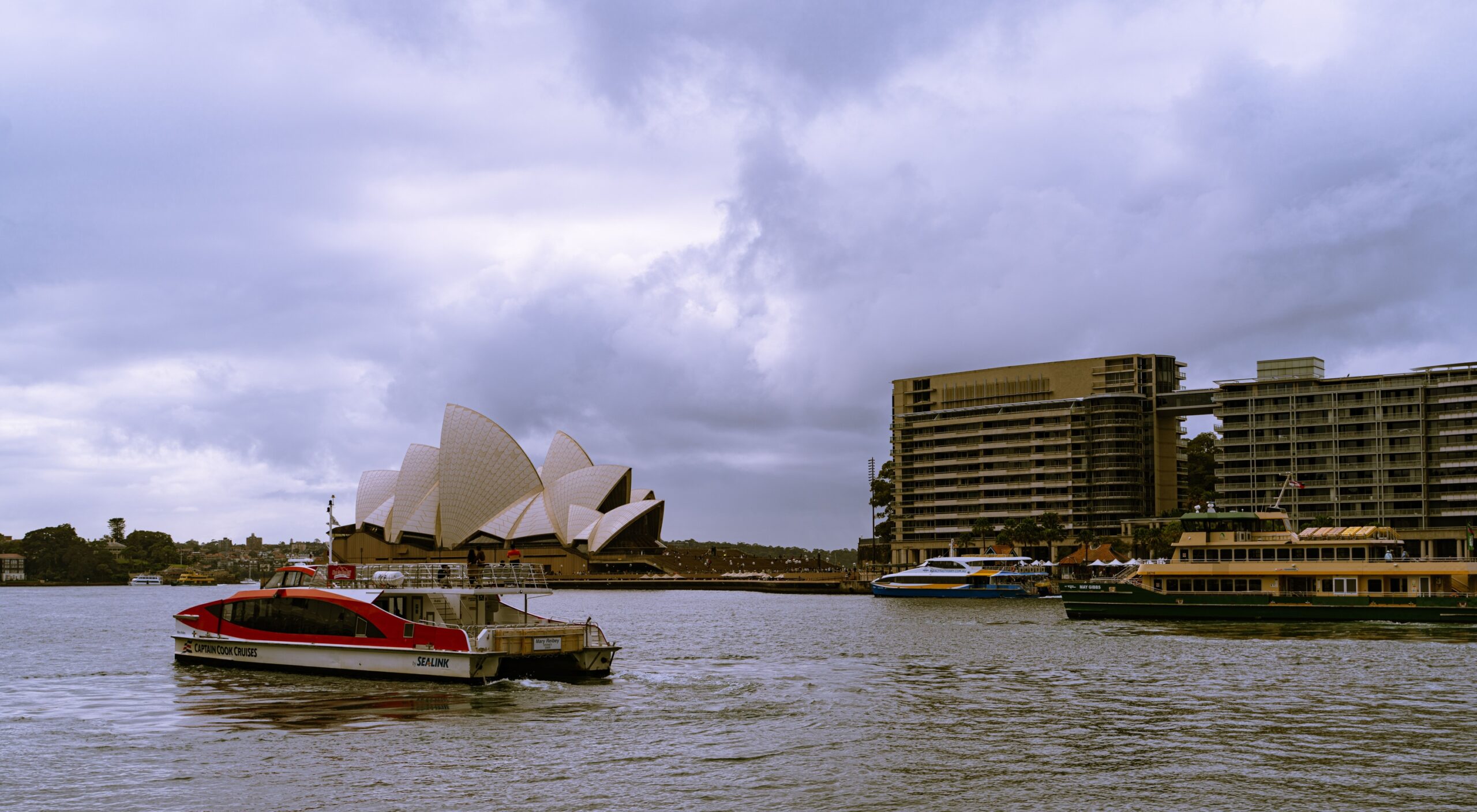

Most people hear “opera house” and picture velvet seats, incomprehensible plots sung in languages they don’t speak, and a dress code that makes them feel underdressed before they’ve even walked in. It’s a reasonable assumption. It’s also only a small part of the story.
The truth is that many of the world’s great opera houses are extraordinary destinations in their own right. Their architecture alone can stop you mid-step. Their histories are layered with scandal, artistry, war, and reinvention. Some let you walk on their roofs. Others harbor legends of ghosts. All of them offer something that belongs entirely to the building itself, quite apart from whatever is performed inside.
Palais Garnier, Paris: A Palace That Happens to Stage Opera
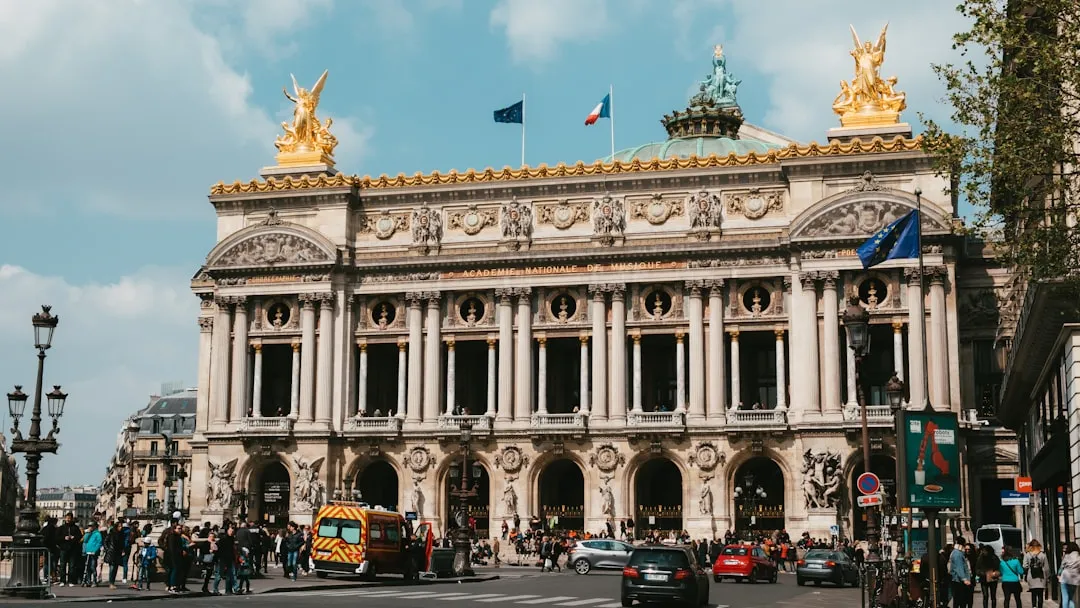
Inaugurated on January 5, 1875, the Palais Garnier was designed by architect Charles Garnier as part of an ambitious project initiated by Napoleon III. The result is a Second Empire masterpiece that harmoniously blends classical, baroque, and Renaissance influences, distinguished by its majesty and extraordinary refinement. The famous chandelier hanging from its ceiling weighs a staggering seven tonnes of pure bronze and crystal and was designed by Garnier himself.
Even if taking in a ballet or opera performance is not on your agenda, you can still experience this magnificent building by simply purchasing an admission ticket for a self-guided tour of the interior. The Palais Garnier draws over a million visitors and nearly 350,000 spectators from all over the world annually, which says a great deal about how many people come purely to see the place itself.
Sydney Opera House, Australia: The World’s Most Recognizable Silhouette
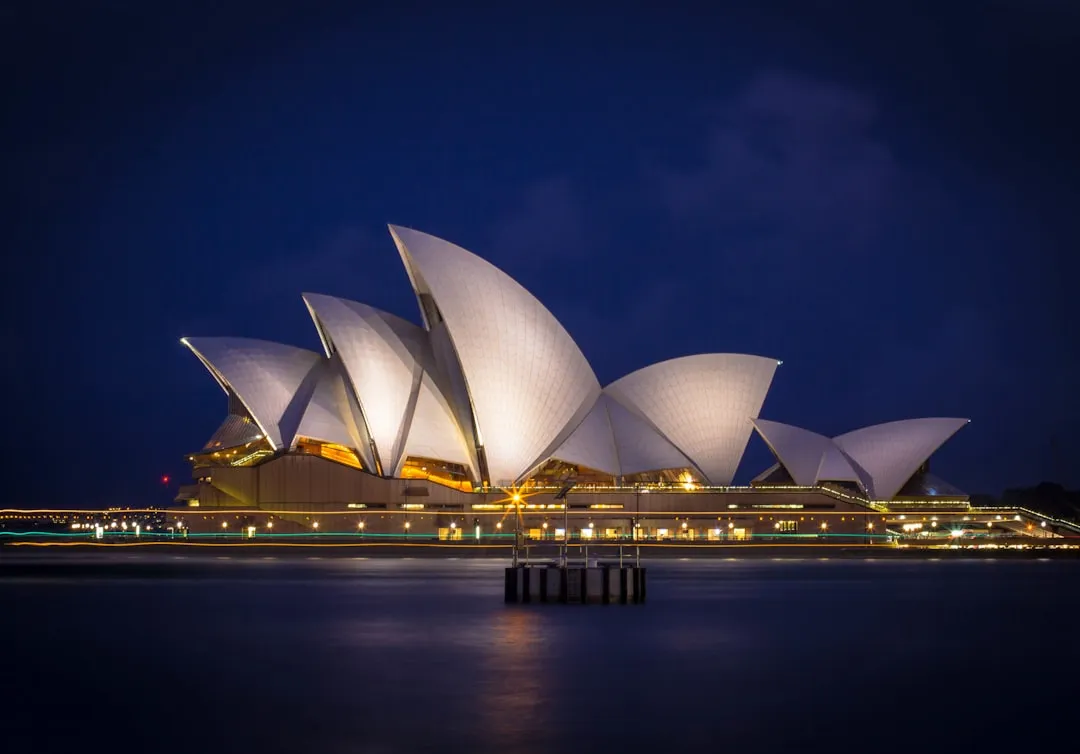
The Sydney Opera House is Australia’s number one tourist destination and its busiest performing arts centre, welcoming more than 10.9 million visitors a year on site and hosting more than 1,800 performances attended by more than 1.4 million people. It is also a World Heritage-listed masterpiece.
The venue recorded approximately 2 million total visitors in 2024, about 83 percent of the pre-pandemic peak. Its design is both practical and beautiful, with concave concert halls that have excellent acoustics, making them ideal for musical and theatrical performances. At the Opera House’s 50th anniversary in 2023, Deloitte estimated its social value had increased over the decade by 38 percent to $11.4 billion.
Vienna State Opera, Austria: Where History Lives in Every Corner
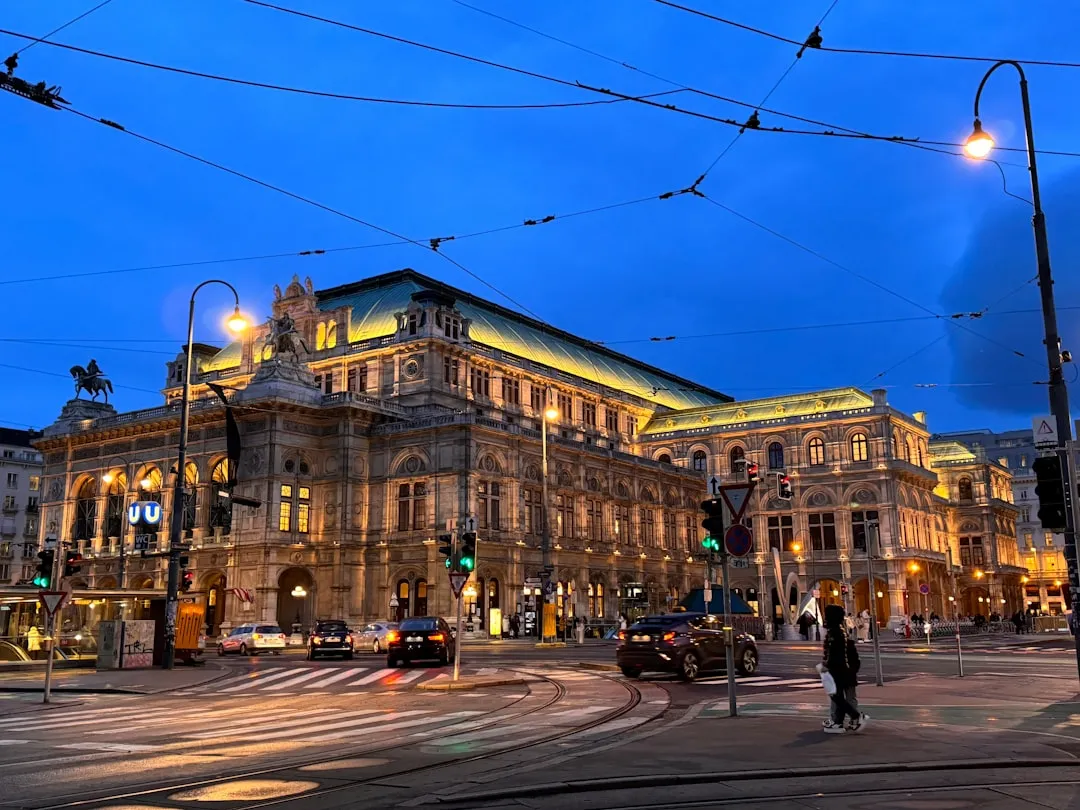
The Vienna State Opera was one of the first buildings constructed along the Ringstrasse, the grand ring of parks, public buildings, and wide boulevards that replaced the city’s old defensive walls, and it was completed in 1869. After the destruction of World War II, a careful restoration in the 1950s brought it back to its original glory. The Vienna State Opera now hosts performances almost daily, and with 50 different productions annually, it has one of the largest opera repertoires in the world.
During the months of April, May, June, and September, opera lovers old and new can experience an opera performance under the stars for free on large screens outside the opera house. It’s one of those rare instances where a grand cultural institution opens itself to the street with no ticket required, and the atmosphere it creates is something genuinely worth planning around.
Oslo Opera House, Norway: The One You Can Actually Walk On
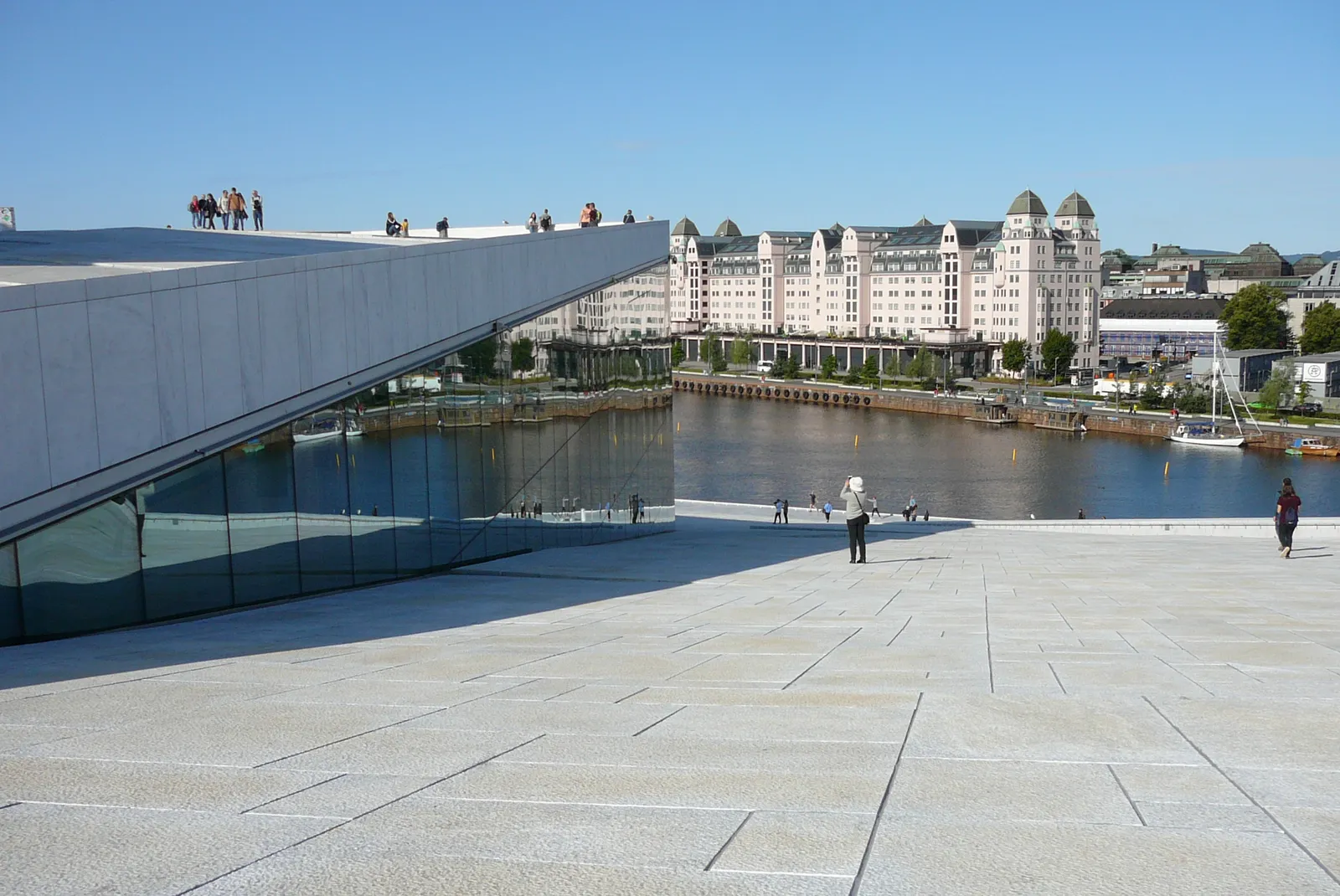
The Oslo Opera House in Norway features a distinctive sloping roof that visitors can walk upon, which makes it unlike almost any other building of its kind on earth. The structure rises from the edge of the Oslofjord and appears to emerge directly from the water, a deliberate design choice that blurs the line between architecture and landscape.
Designed by the Norwegian firm Snøhetta and opened in 2008, the building was conceived as a public space as much as a performance venue. Crowds picnic on the marble roof on warm days, watching the harbor below. The interior is no less considered, with its warm oak surfaces and clean Scandinavian geometry offering a quieter, more contemporary kind of grandeur than the gilded palaces of the 19th century.
Teatro alla Scala, Milan: Two Centuries of Musical History
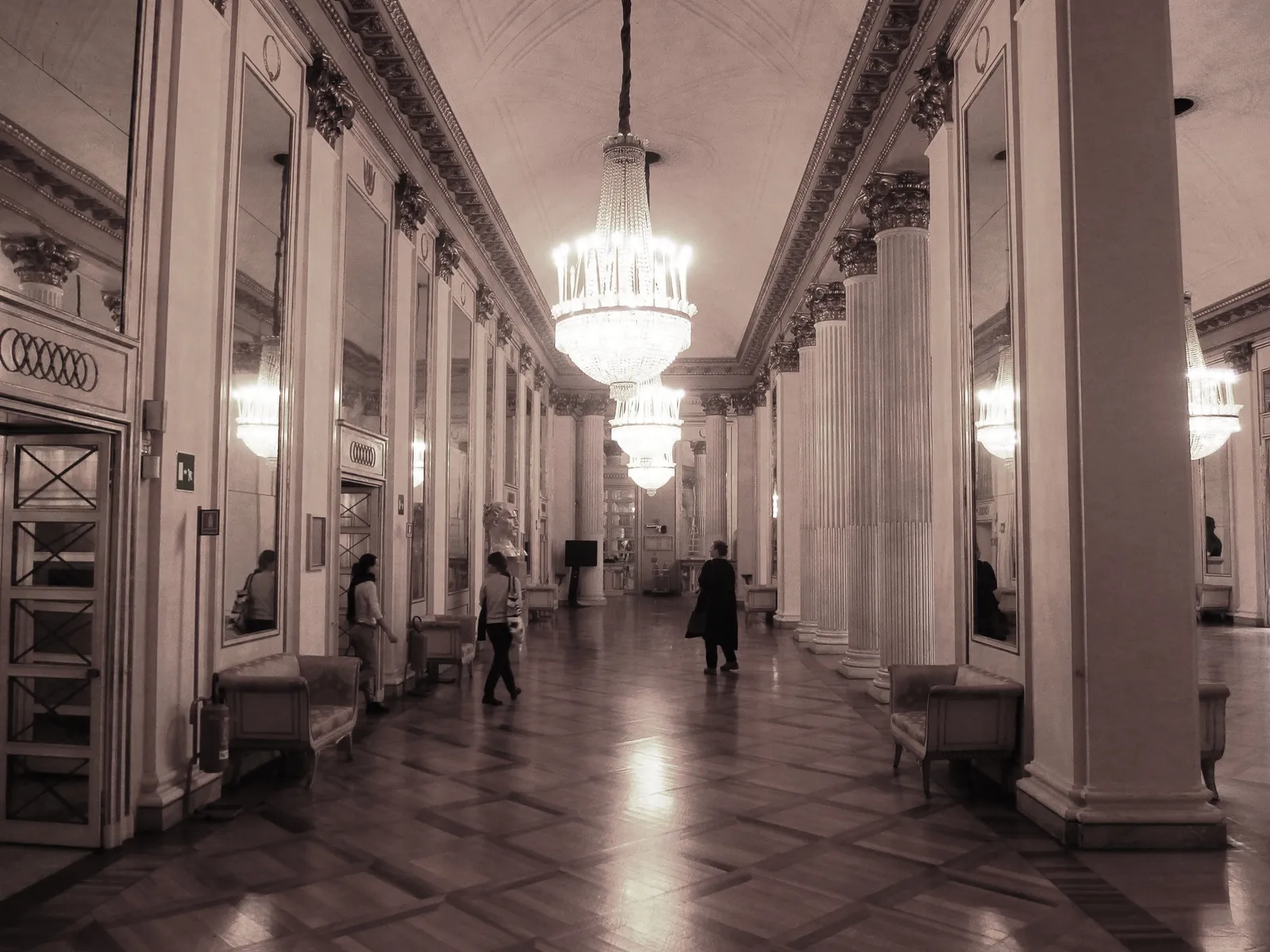
Teatro alla Scala is considered by many to be one of the finest opera venues in the world. Opened in 1778 and built to replace a previous theatre destroyed by fire, it is known for its exceptionally high musical standards, elegance, and glamour. Italy’s greatest singers have appeared at La Scala, and its repertoires include iconic Italian operas by Rossini, Donizetti, Bellini, Verdi, and Puccini.
La Scala is renowned for its perfect acoustics and has premiered works by Verdi, Puccini, and other great composers. The building also houses a museum dedicated to the history of opera and theatrical performance, which is open to visitors independently of any performance. For anyone even casually interested in the art form’s past, it offers a genuinely absorbing afternoon.
Civic Opera House, Chicago: An Architectural Throne in a Skyscraper
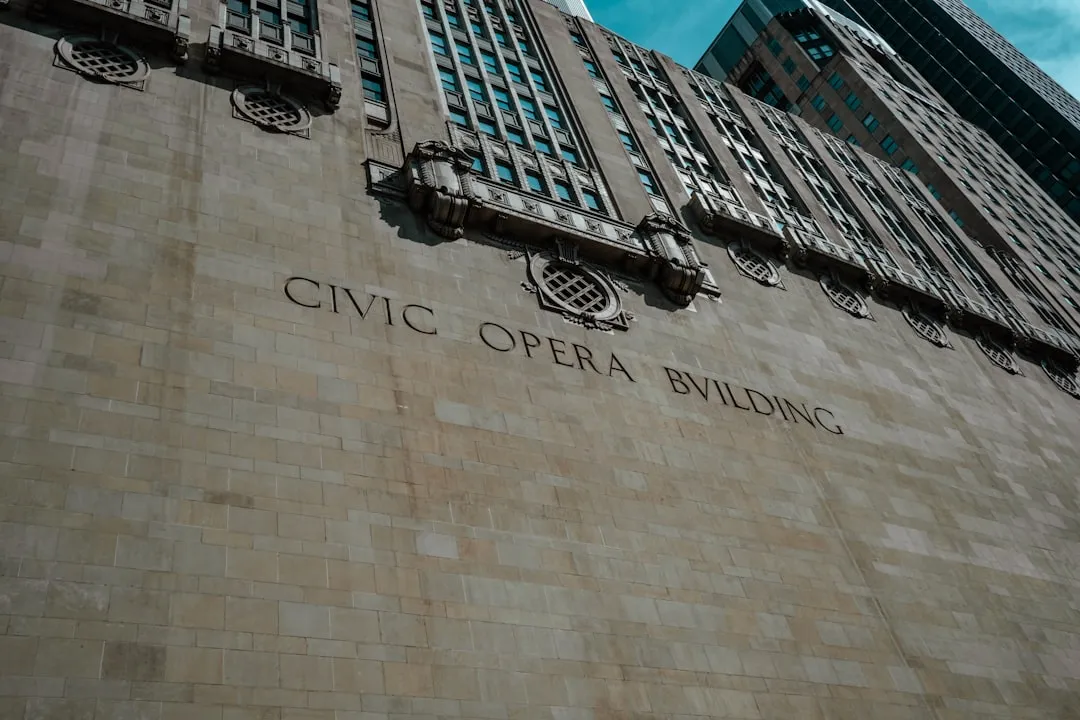
No expense was spared for the construction of Chicago’s Civic Opera House, now home of the Lyric Opera. Built in 1929 and designed to resemble an enormous throne, the 3,270-seat venue is America’s second-largest auditorium as well as the world’s tallest, occupying the first six levels of a 45-storey skyscraper.
Although there’s plenty of opulence, including Austrian crystal chandeliers and elaborately stenciled designs, the main auditorium is surprisingly sparse. The reason? Fears that added extras such as thick velvet curtains would absorb sound. That tension between lavishness and acoustic restraint gives the space a character that few other venues can claim.
Glyndebourne, East Sussex: Opera in a Country Garden
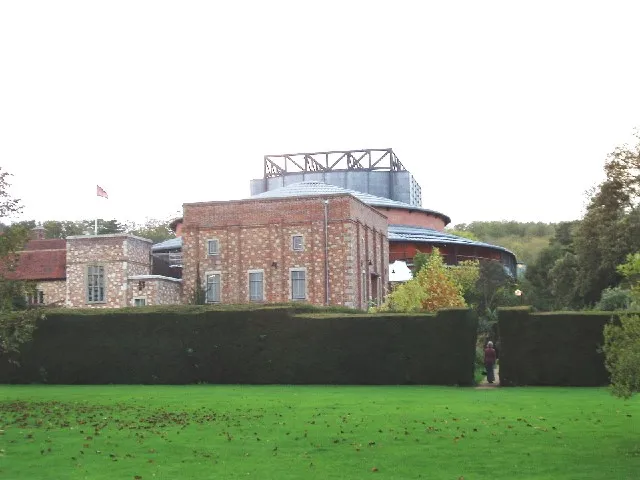
Set in the beautiful English countryside close to the pretty town of Lewes in East Sussex, Glyndebourne Opera House enjoys an idyllic setting in the grounds of a country estate. It is one of the world’s oldest and most celebrated opera festivals and takes place during the summer months. Visitors can picnic in the gardens or dine at an onsite restaurant before enjoying an unforgettable experience.
The tradition of long intervals spent outdoors on the lawn, often with a hamper and a bottle of something chilled, is as much a part of Glyndebourne’s identity as the performances themselves. The dress code is formal but the atmosphere is relaxed in the way that only rural English occasions can be. You don’t need to understand a note of what’s being sung to appreciate the setting.
Semperoper, Dresden: Rebuilt from Ruin
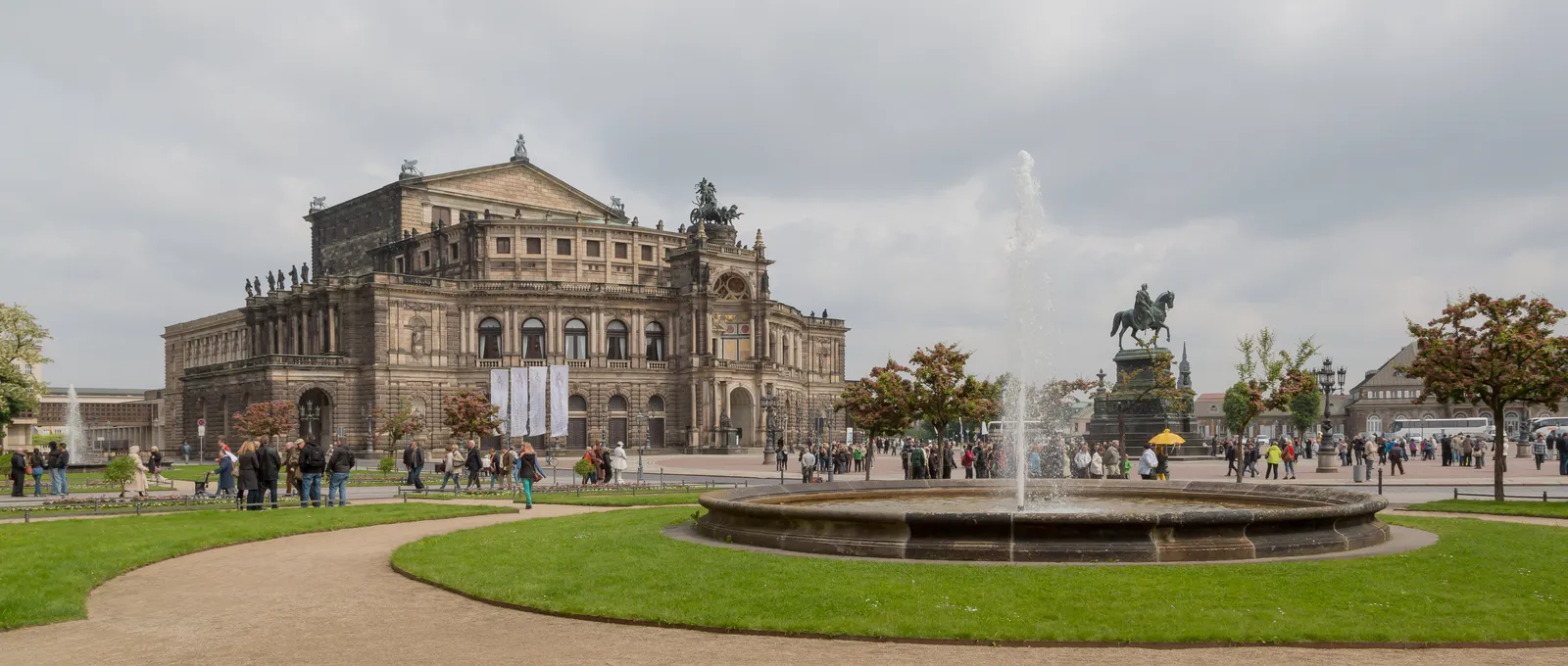
The Semperoper is an impressive opera house located in Dresden, Germany. The building was designed in a very eclectic style, borrowing elements from both Renaissance Revival and Baroque Revival architecture. These two styles are seamlessly blended to create one cohesive building.
What makes the Semperoper especially compelling is its story of survival. The original structure was destroyed by fire in 1869, rebuilt, then bombed to rubble during World War II. The current building is a meticulous reconstruction that reopened in 1985, after decades of careful restoration work in what was then East Germany. Few opera houses carry that kind of weight in their walls.
Guangzhou Opera House, China: Zaha Hadid’s Sculptural Vision
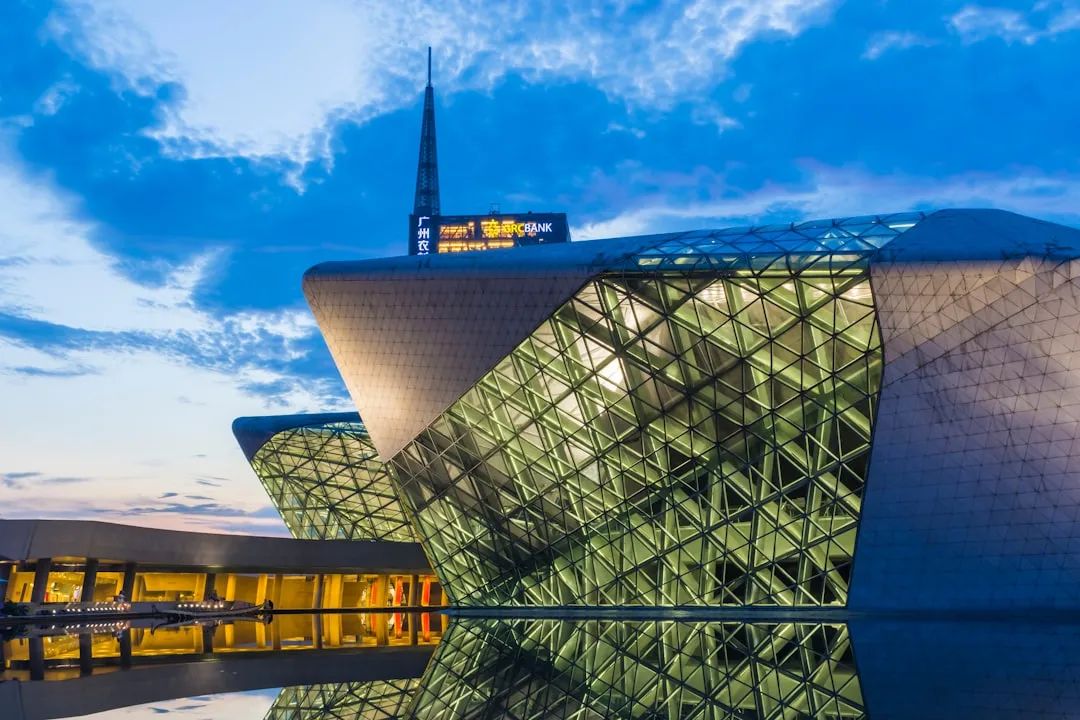
The Guangzhou Opera House in China was designed by Zaha Hadid with a fluid, sculptural form inspired by river valleys. Opened in 2010, the building consists of two boulder-like forms clad in granite and glass that sit along the Pearl River, and from the outside, it looks less like a building and more like something that arrived rather than was constructed.
Inside, the main auditorium seats around 1,800 people and features a complex geometry of angles and surfaces. Hadid described the design as an exploration of natural landscapes translated into built form. Whether or not you attend a performance, the building rewards extended looking from multiple angles, particularly at dusk when its surfaces catch the light differently depending on where you stand.
Hanoi Opera House, Vietnam: Colonial Elegance in Southeast Asia
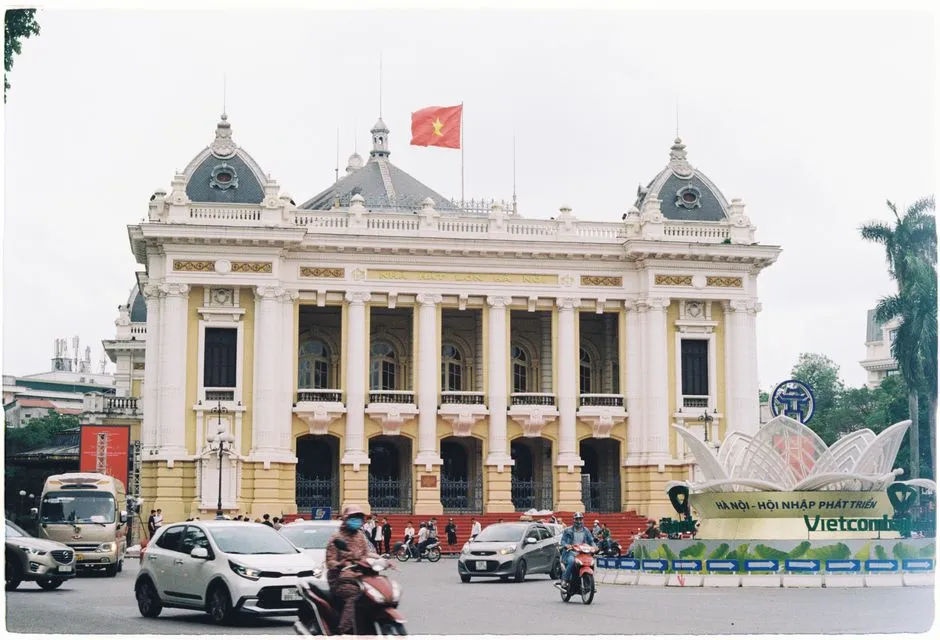
The Hanoi Opera House is home to the Vietnam Symphony Orchestra, Hanoi Philharmonic Orchestra, and Vietnam’s National Ballet. Built by the French colonial administration between 1901 and 1911, it is modeled closely on the Palais Garnier in Paris, bringing that same ornate European aesthetic to the heart of Southeast Asia, where the contrast with the surrounding city makes it all the more striking.
In 2024, a floating opera house design with an igloo-like structure was given the green light to be built on Dam Tri Lake, signaling that Vietnam continues to invest in cultural architecture at a serious level. The existing Hanoi Opera House remains one of the most visited French colonial buildings in the country, and guided tours of the interior are available on most days.
A Final Thought on Opera Houses as Destinations
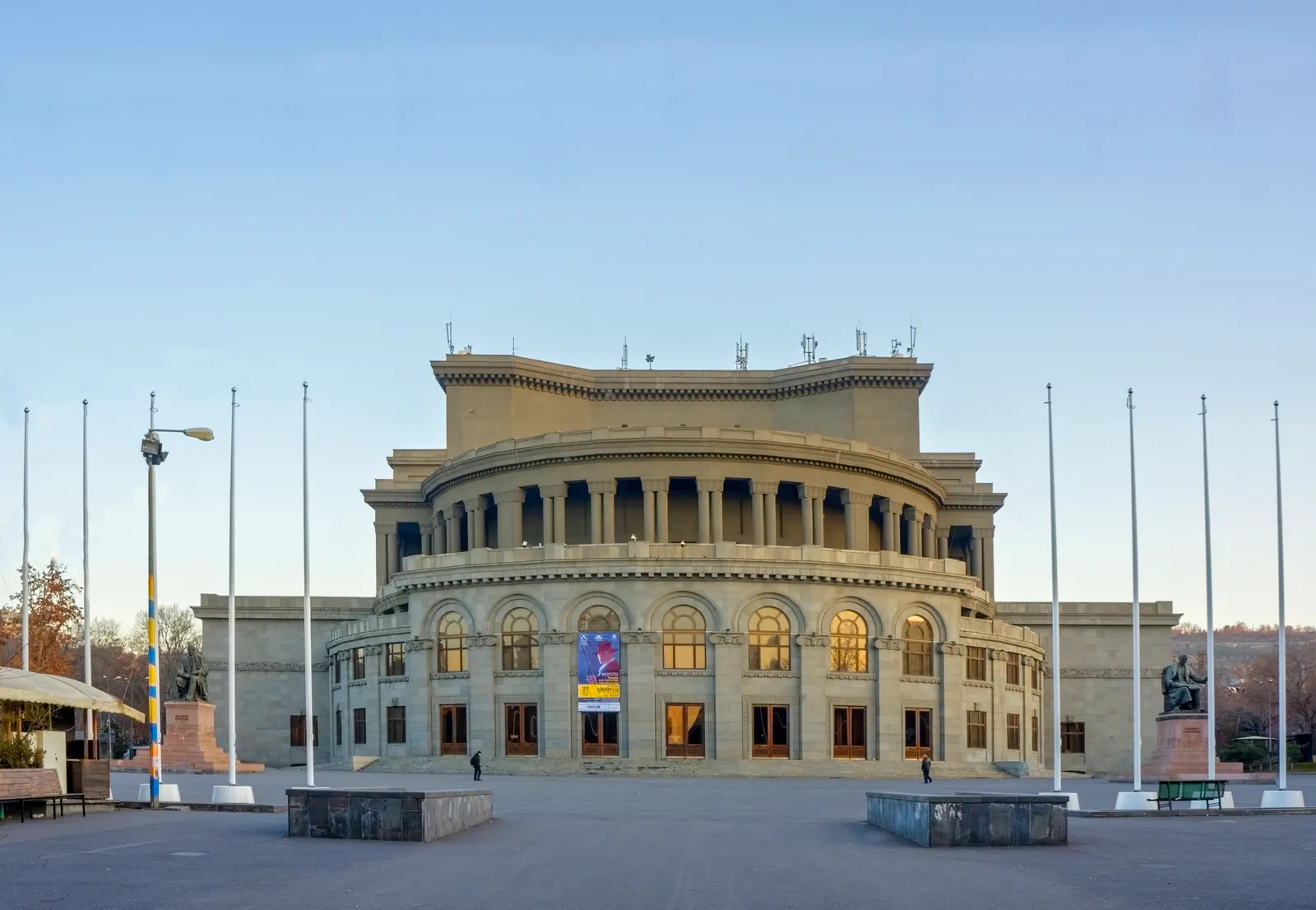
The case for visiting these buildings doesn’t rest on whether you enjoy soprano voices or follow the plot of a three-hour Italian tragedy. It rests on architecture, history, and the particular kind of atmosphere that only a great performance space can generate. Opera houses were designed to move people before anyone opened their mouth to sing.
Whether you walk the inclined marble roof in Oslo, trace the gilded corridors of the Palais Garnier, or simply stand in the forecourt of Sydney Harbour watching the shells catch the afternoon light, these buildings offer something that belongs entirely to you. The music, when it happens, is a bonus.
AI Disclaimer: This article was created with the assistance of AI tools and reviewed by a human editor.