
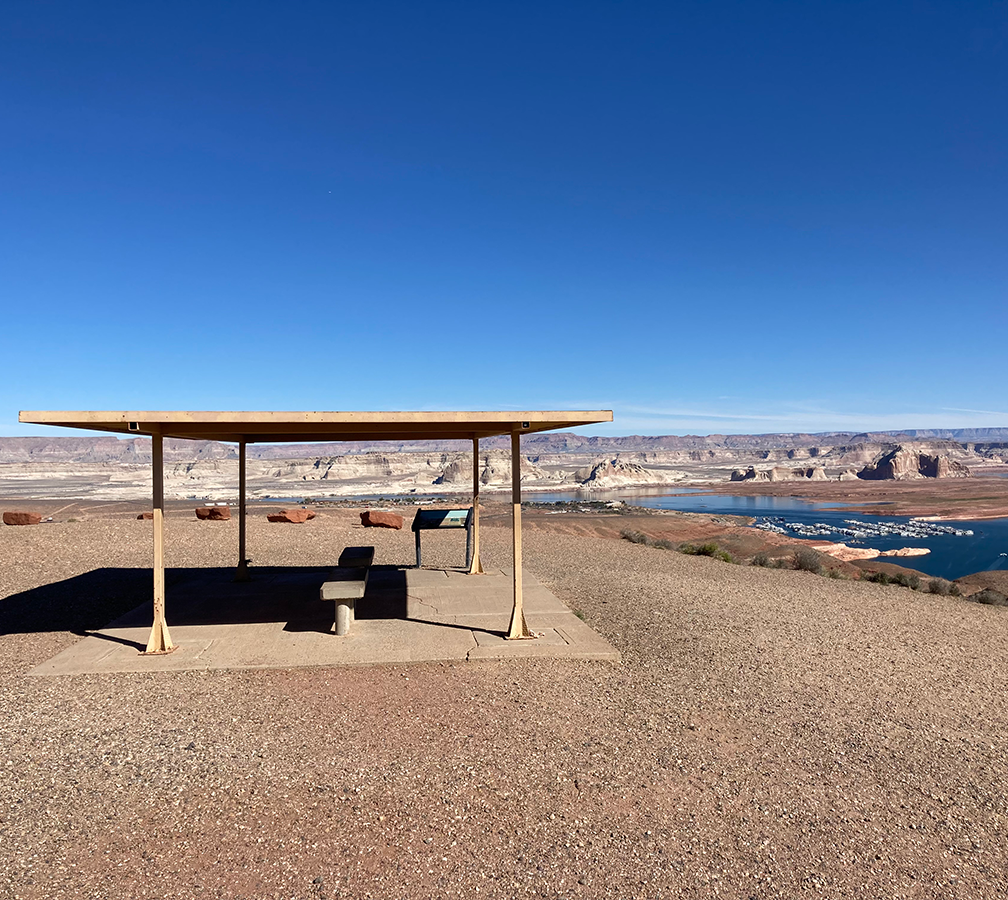

There’s a particular kind of discovery that comes without much fanfare. No ticket line, no shuttle bus, no social media influencer marking the spot with a chalk arrow. You simply turn off a highway, drive a short stretch of gravel, step out of your car, and the desert opens up in front of you in a way that makes the inside of your chest feel strangely large.
Two places in the American Southwest embody that feeling more honestly than almost anywhere else. Wahweap Overlook near Page, Arizona, and Toroweap Overlook on the Grand Canyon’s North Rim are separated by geography and difficulty, but united by one important truth: they remain quietly, stubbornly underrated while the crowds gather miles away at more famous viewpoints.
A Promontory Above an Inland Sea
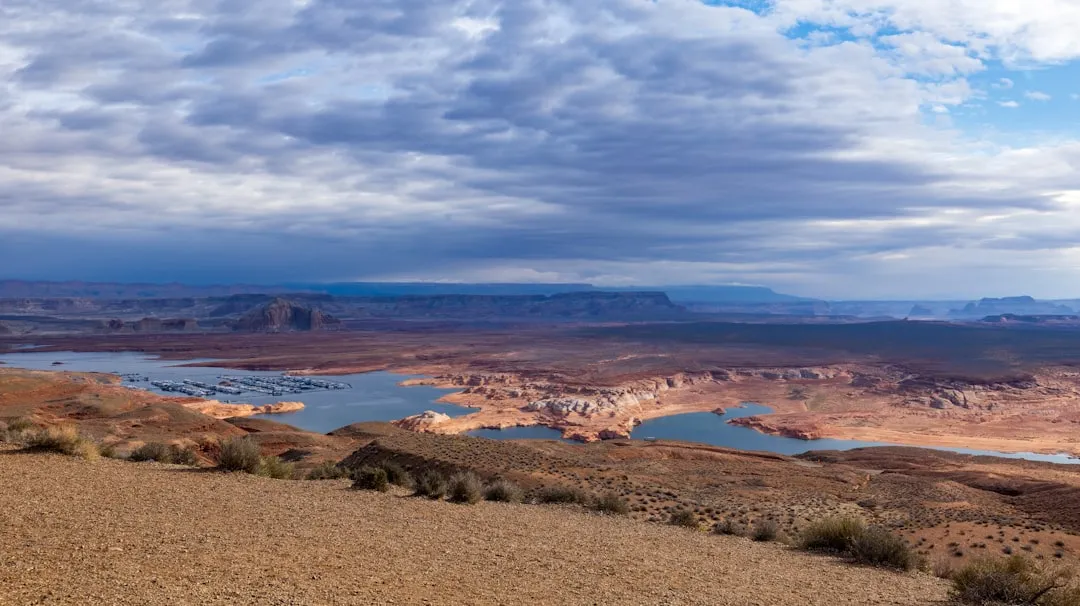
Wahweap Overlook is a drive-up promontory above Lake Powell offering sweeping 360-degree views of Glen Canyon Dam, Navajo Mountain, and the red-rock desert surrounding Page, Arizona. It sits on a sandstone knoll roughly 600 feet above the blue expanse of the lake.
Lake Powell is a vast human-made reservoir, formed in 1963 when the Glen Canyon Dam was constructed on the Colorado River. With long blue fingers extending in every direction at the Arizona-Utah border, the lake is visually striking and serves as a haven for photographers, boaters, and swimmers.
Reached by a short, graded access road off US-89, the overlook is one of the easiest ways to appreciate the scale of Glen Canyon without boarding a boat or hiking long distances. Visitors can trace the sinuous Colorado River, spot the massive arch of Glen Canyon Dam, and watch houseboats glide across Wahweap Bay.
Free to All, Generous with Its Views
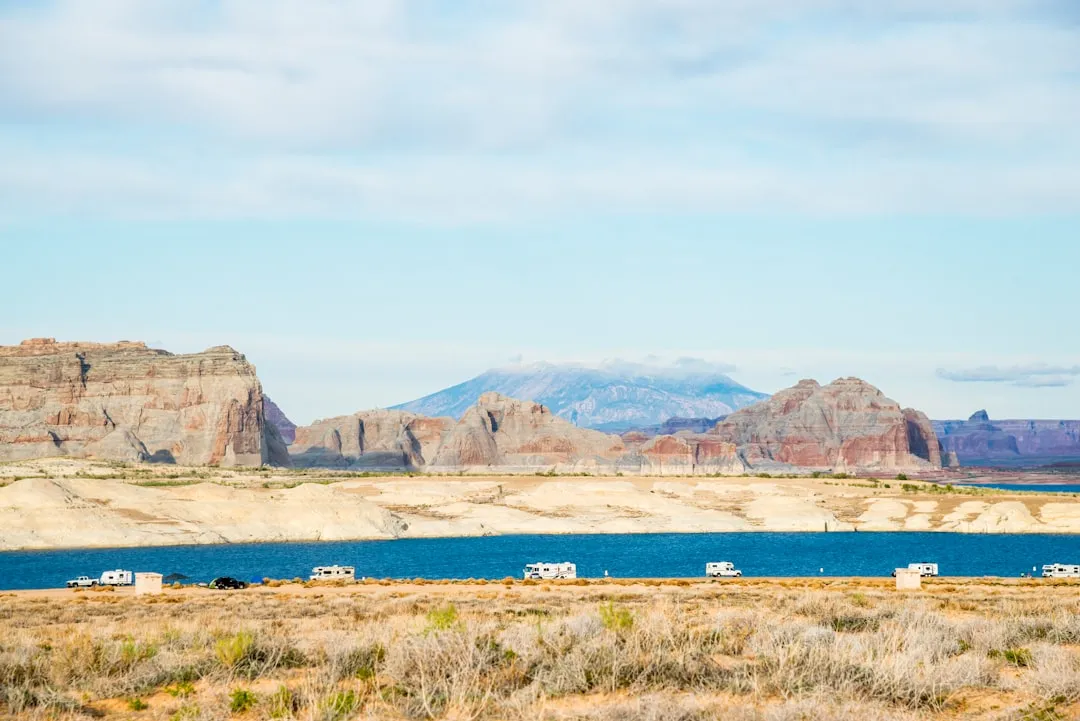
From its elevated perch, the view stretches across Lake Powell, red rock canyons, and the distant Glen Canyon Dam in a way that feels almost too beautiful. You simply turn off US-89, drive a short distance up an unpaved but very manageable road, park, and walk a few steps to one of the most impressive vistas in the American Southwest. Best of all, admission is completely free.
The overlook sits just outside the Glen Canyon National Recreation Area boundary, which means anyone can enjoy it without paying an entrance fee. That kind of accessibility is genuinely rare for a view this spectacular.
Among the Lake Powell overlooks, the Wahweap Overlook offers distinct advantages: panoramic views, shade, benches, and an interpretive sign. Those small comforts matter more than they sound when the Arizona sun is doing its full work overhead.
What You Actually See From Up There
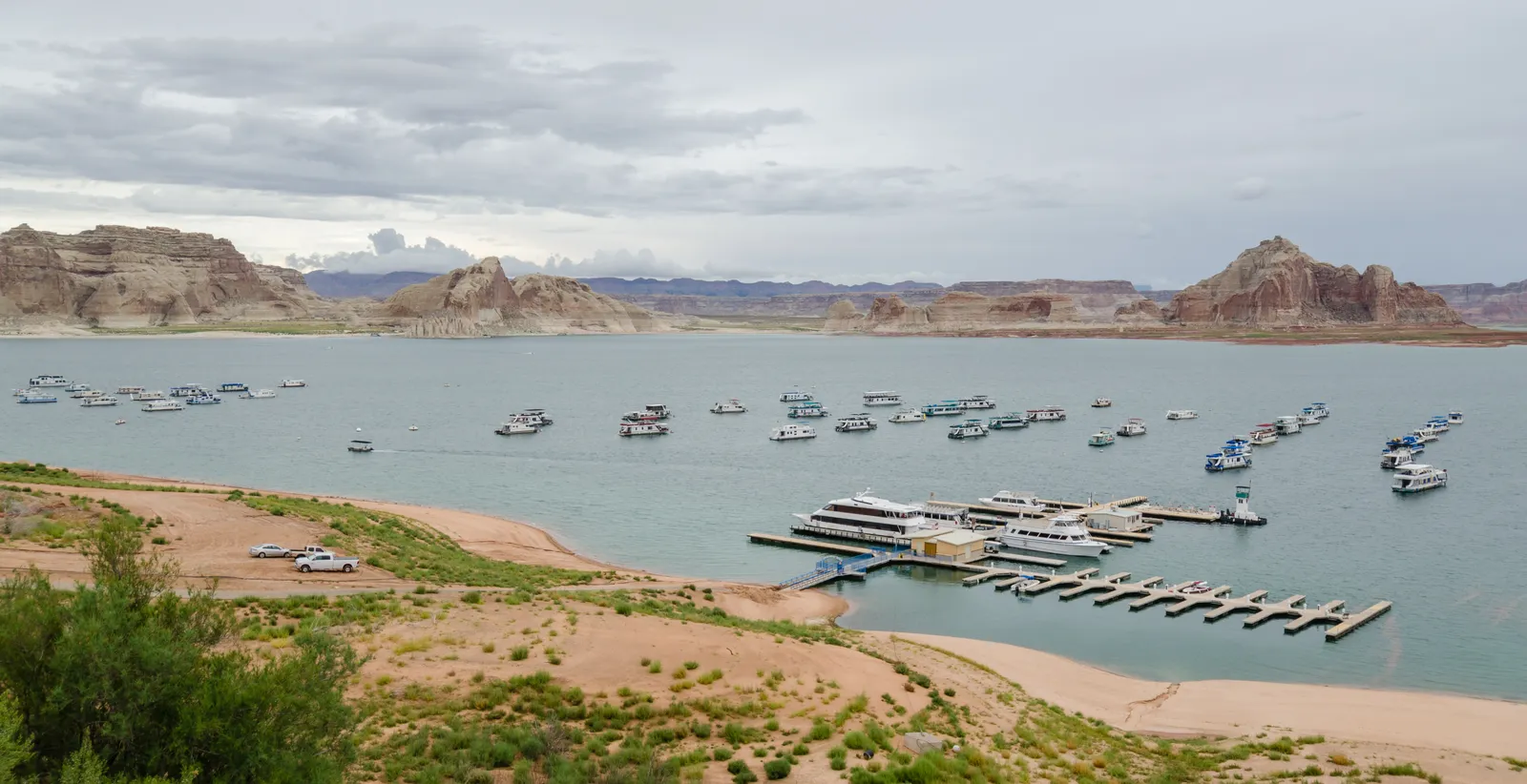
From Wahweap Overlook, there is a magnificent view of the vast Lake Powell with its rugged coastline and numerous canyons, as well as the impressive Glen Canyon Dam. On clear days, visibility extends for many miles, allowing visitors to fully appreciate the scale and rugged beauty of the surrounding desert landscapes.
The overlook offers panoramic views of Lake Powell, the marina, and the surrounding desert terrain. The views are especially stunning at sunrise and sunset.
You can also spot boats or motorboats cruising on the lake in the distance. The scale of it all, the water, the canyon walls, the sky, tends to land quietly rather than dramatically. People go still. That’s usually a good sign.
Getting There Without Drama
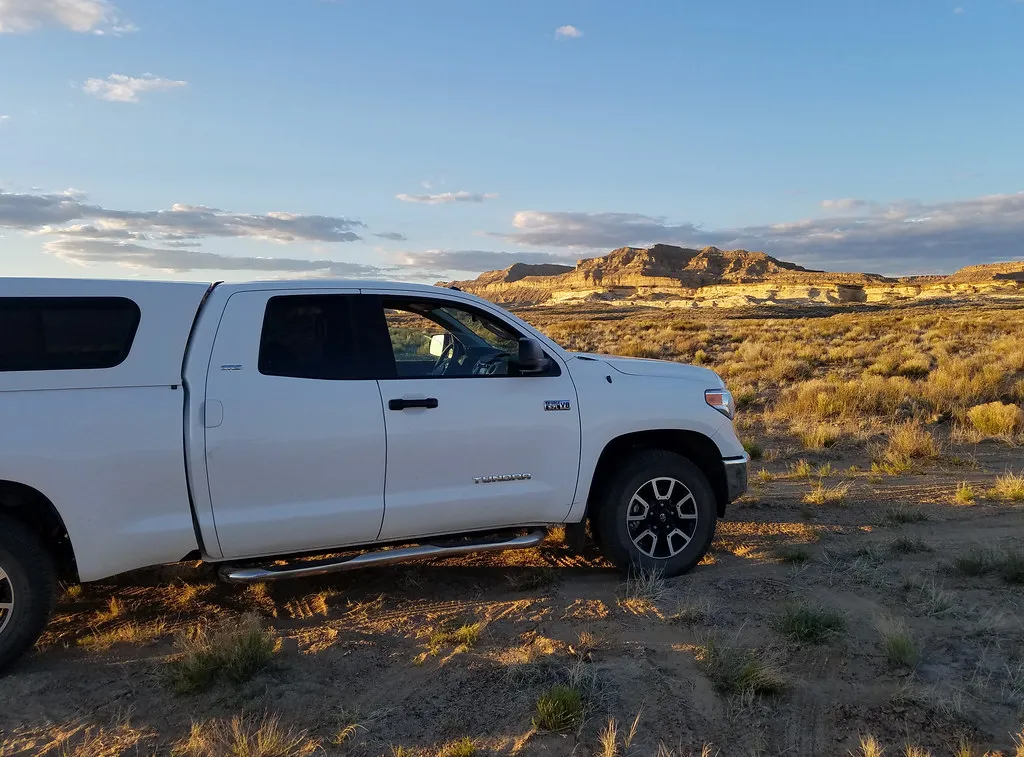
Getting to the overlook from downtown Page is straightforward: the drive takes only about 10 to 15 minutes. Head north on US-89 for approximately three kilometers, then turn left at the sign for Wahweap Overlook. The remaining part of the journey is along a dirt road just over one kilometer long leading to the top of the hill. The road surface is regularly graded, making it accessible for most standard passenger cars, though drivers should exercise caution on sections with loose gravel.
Families with young kids, travelers in regular sedans, and older visitors with limited mobility can all reach this spot comfortably. The terrain near the viewpoint is relatively flat and open, making it welcoming for just about everyone.
Timing Your Visit
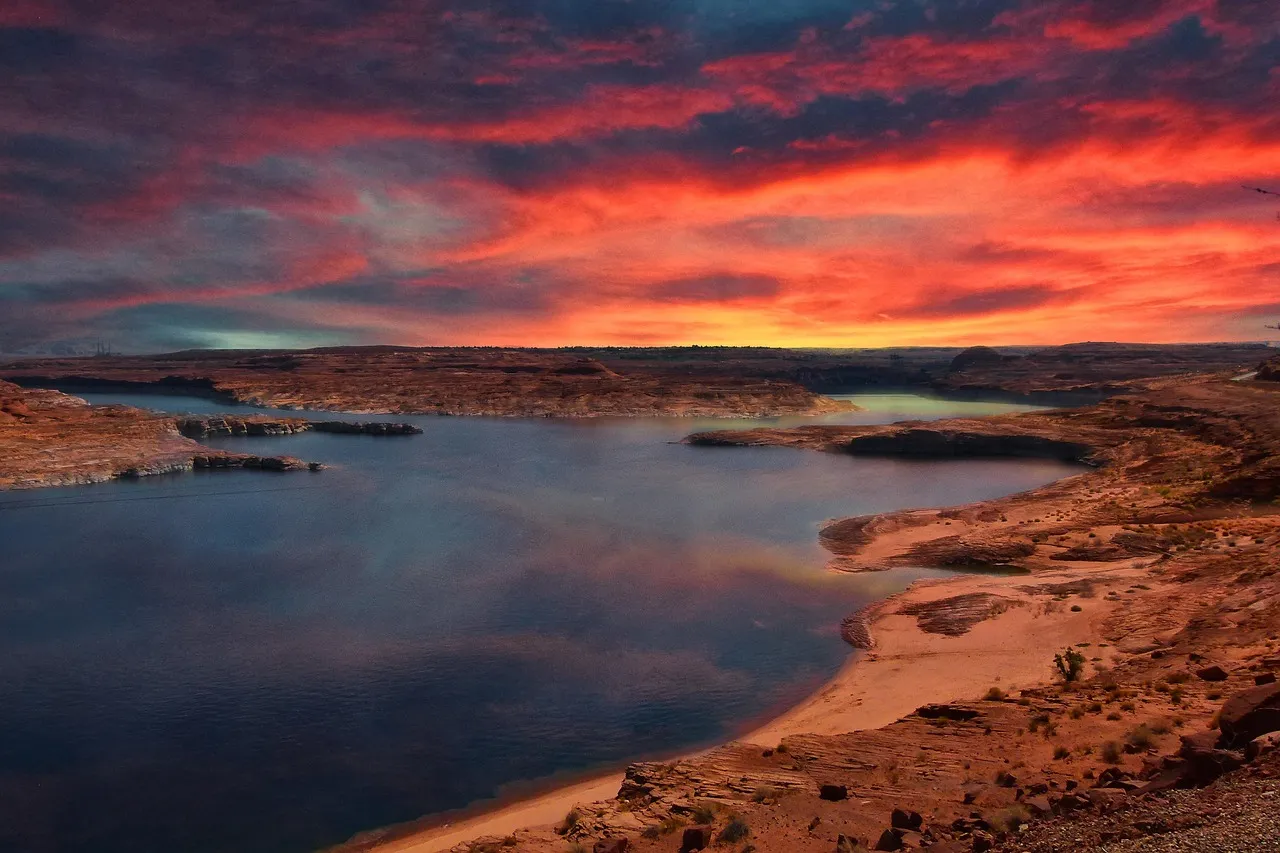
Wahweap Overlook is renowned for its stunning sunrise and sunset views over Lake Powell and the surrounding desert landscape. Arriving early is wise, especially during peak seasons, as this free viewpoint can get busy.
The overlook is accessible from sunrise to sunset, offering ample opportunities to capture the dramatic desert light. Spring and autumn tend to offer the most comfortable temperatures, with the light sitting lower in the sky and casting longer shadows across the canyon walls.
Toroweap: The Other Underrated View, and a Completely Different Journey
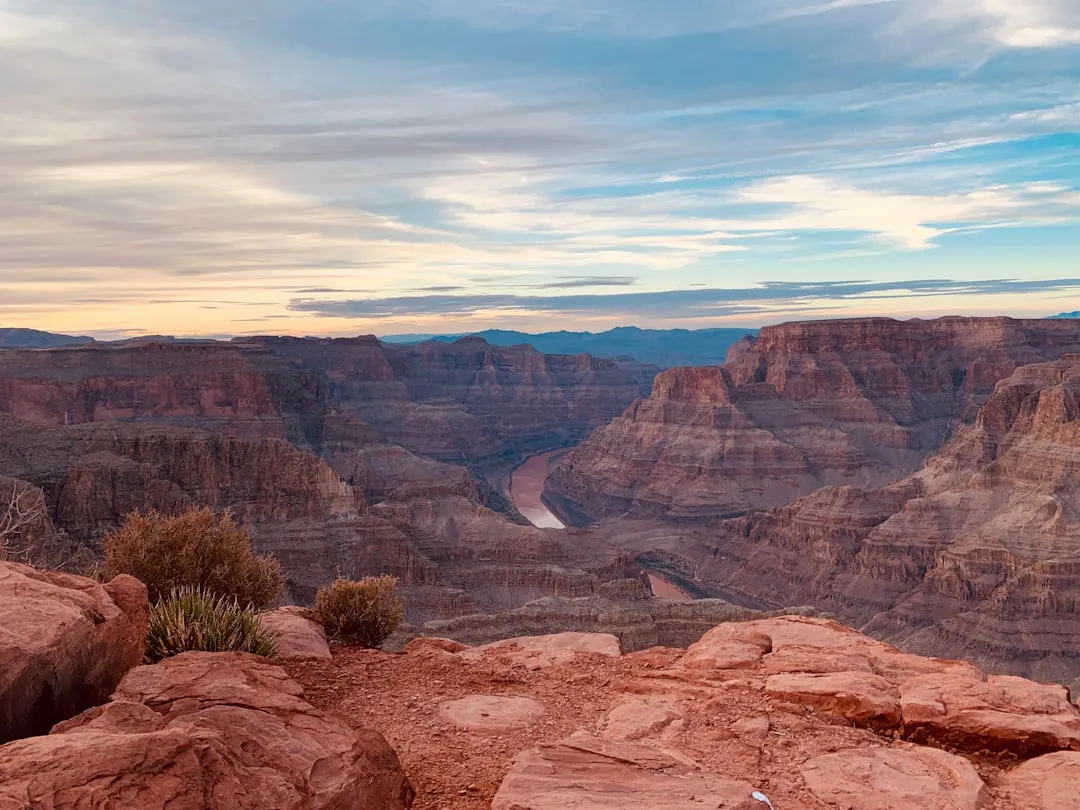
Toroweap Overlook, also known as Tuweep Overlook or Toroweap Point, is a viewpoint within Grand Canyon National Park in Arizona. It is located in a remote area on the North Rim of the Grand Canyon, 55 miles west of the North Rim Headquarters, though 148 miles by road.
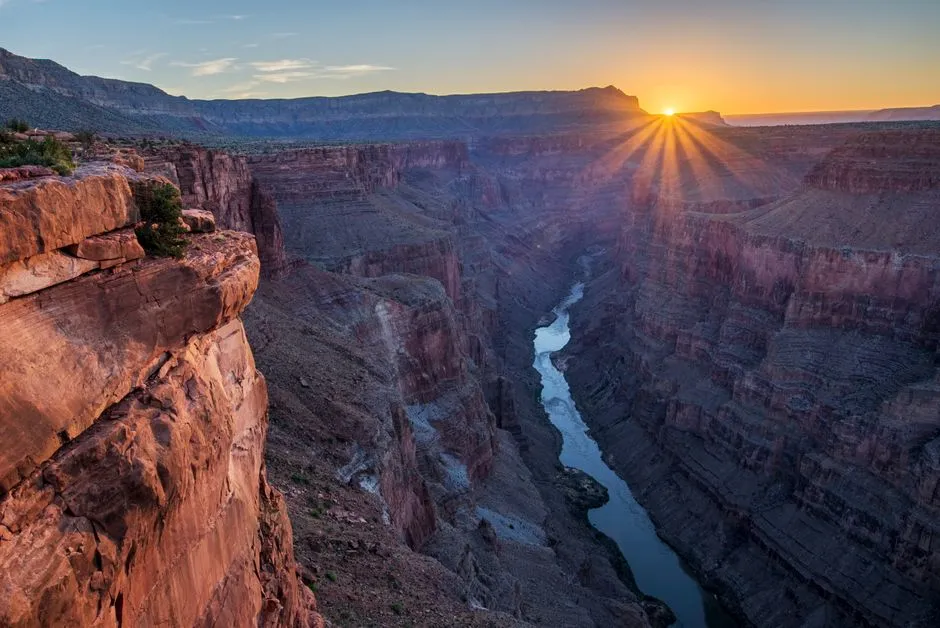
The overlook is the only viewpoint in the National Park from where the Colorado River can be seen vertically below. The overlook stands 3,000 feet above the river. That number is hard to process until you’re standing at the edge looking straight down.
At the Toroweap Overlook on the Grand Canyon’s North Rim, it is 3,000 feet straight down to the Colorado River. This is the greatest vertical drop into the Grand Canyon.
The Road Is the First Test
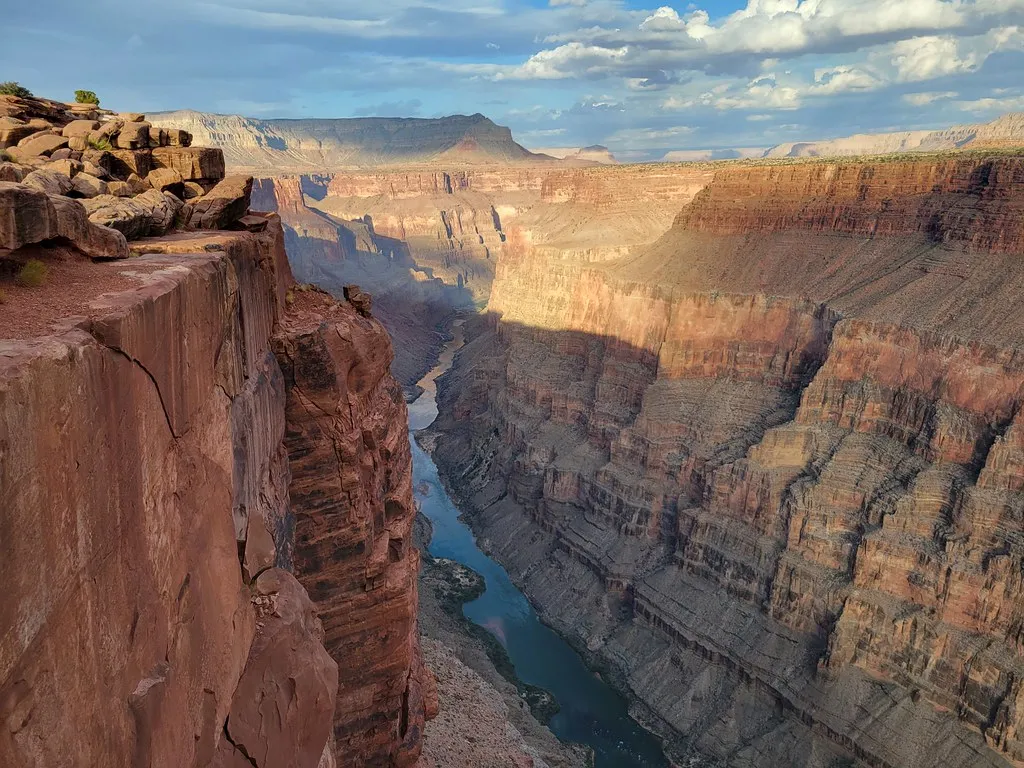
Toroweap Overlook is in the Tuweep region, the longtime home to the southern Paiute people, who named the area. The last 61 miles of the approach is down a gravel road that features sharp rocks, washboarding, and dust. When you finally reach the ranger station, there’s another four miles that requires a high-clearance vehicle, preferably four-wheel drive. In the rainy season it can be impassable, and it’s recommended that you have a way to patch and inflate tires if needed.
There are no amenities or cell service in the area. High-clearance vehicles are required and road conditions are erratic. There is no water at this location.
The trouble taken is rewarded by complete solitude and stunning views over the inner Colorado gorge, with the added attraction of colorful volcanic scenery and very few other people.
A View With Ancient Layers
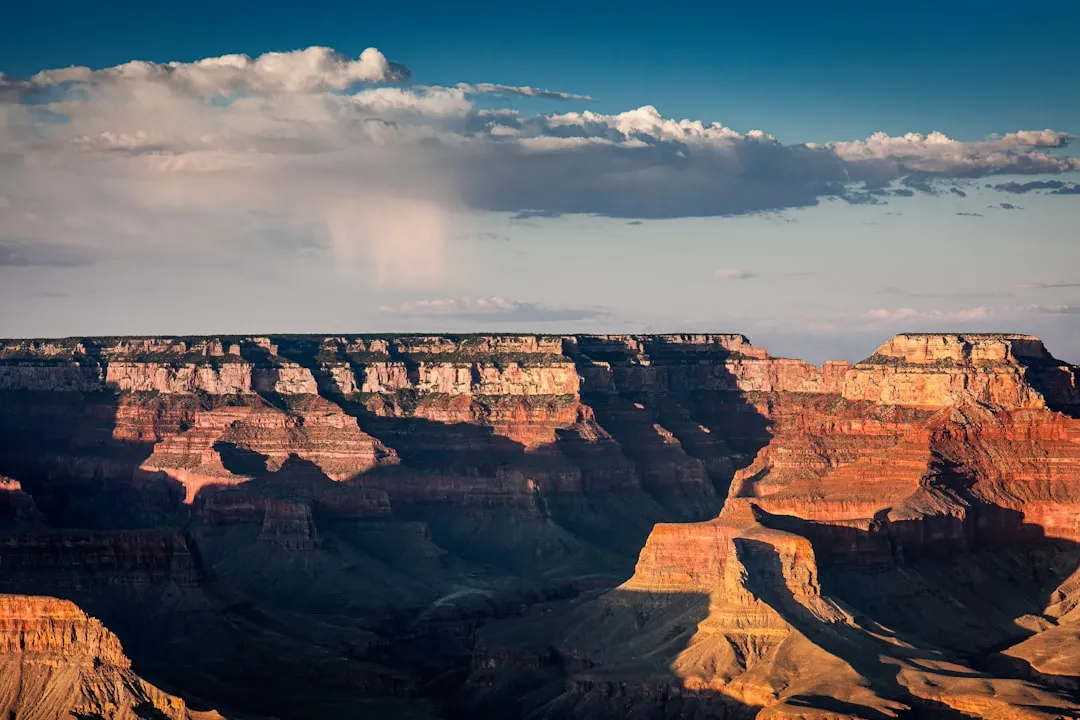
The name Toroweap derives from the Paiute word meaning “barren valley,” while Tuweep, meaning “land,” was used to refer to a settlement of Mormon pioneers who settled in the area.
Around 2,000 years ago, the Ancestral Puebloans, also known as the Anasazi, practiced agriculture in this part of the Grand Canyon. Standing at the rim, that history moves through you in a way that a ranger talk or interpretive board can’t fully replicate.
The vulcanism occurred relatively recently in geological terms compared to the other events that shaped the canyon, with eruptions up until around 30,000 years ago covering the northern plateau with lava over 30 miles in extent, which also poured into the canyon and blocked the river flow for up to two years.
Moonscape Overlook: Utah’s Quietly Alien Third Option
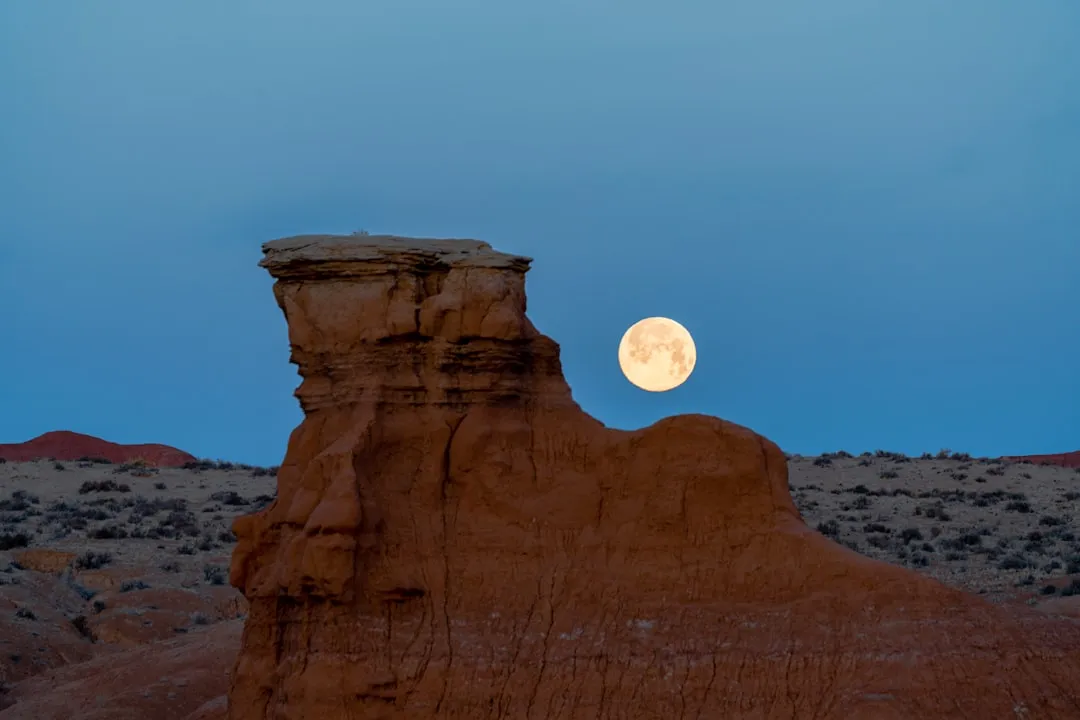
Outdoor enthusiasts seeking a truly adventurous trip should consider Moonscape Overlook, a rugged viewpoint that watches over an alien landscape unlike anywhere else in the country. The region is so otherworldly that the Mars Desert Research Station is located just a few miles from the overlook.
It’s sometimes referred to as Skyline View, but regardless of what you call it, the landscape is among the most unique in Utah. You can visit Moonscape Overlook year-round, though travel might be difficult with snow on the ground in winter. It can also get quite hot in the summer months, so most visitors will want to make the journey in spring or fall.
It’s also a popular boondocking place for campers. For those looking to hike, Capitol Reef National Park is the ideal companion stop, with its visitor center located less than an hour away from Hanksville.
What Makes These Overlooks Different
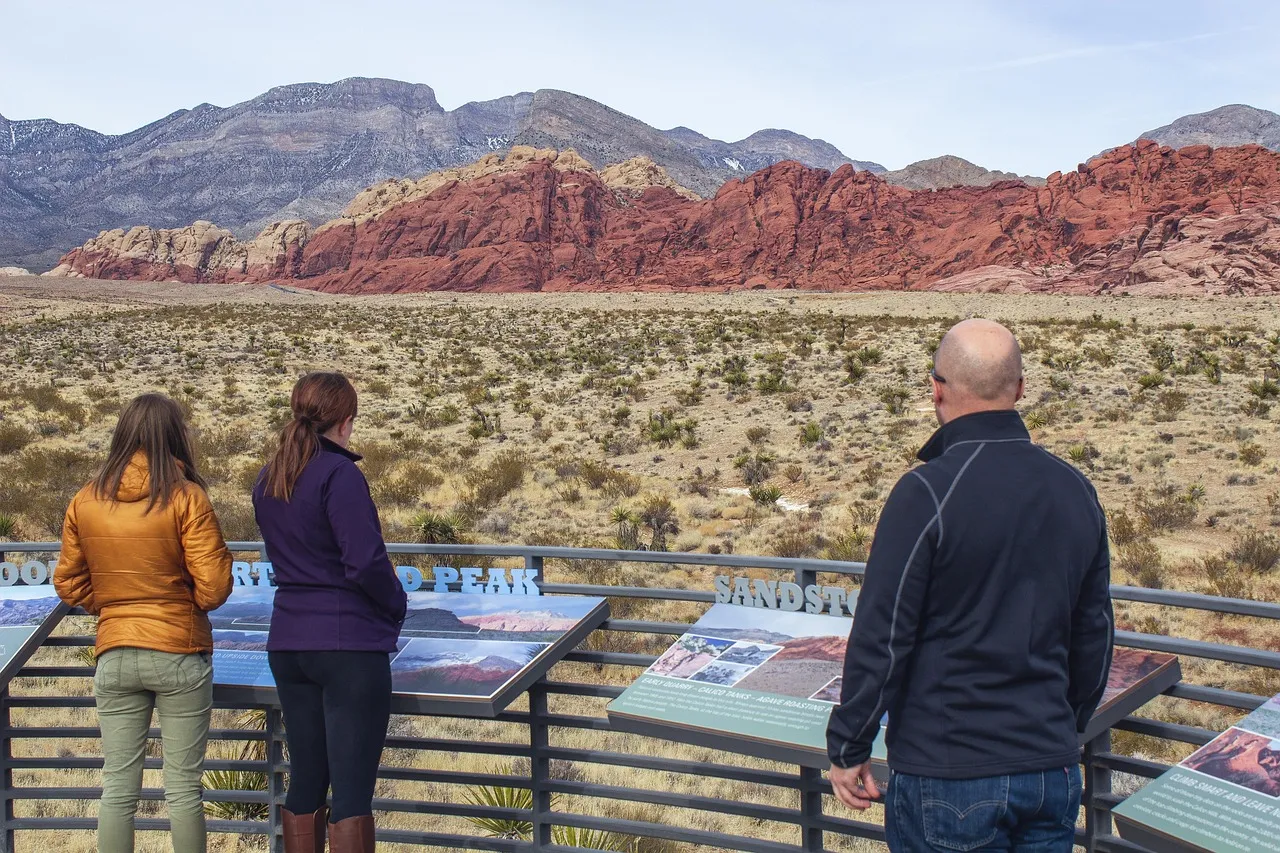
Most popular viewpoints in the Southwest offer a framed, well-worn version of grandeur. You walk to a marked railing, take your photo, and move on. These overlooked spots offer something less tidy: the sense that you found something rather than were led to it.
Several reviewers at Wahweap note the presence of information boards detailing the history of the area. The combination of stunning views, accessibility, and peaceful atmosphere makes Wahweap Overlook a highly recommended destination for those visiting Page and Lake Powell.
It is generally easiest to navigate the roads to Toroweap Point in the spring and fall. However, unpredictable road and weather conditions mean it is crucial to research before setting out regardless of the season. Preparation, not bravado, is what gets you there safely.
The Quiet Reward of Going Off-Script
The Southwest has a generous habit of rewarding travelers who slow down a little. The famous overlooks will always be famous, and they’ve earned their reputations honestly. Still, there is a particular quality to a viewpoint that hasn’t been fully claimed by the tourism infrastructure yet.
Many travelers come to Wahweap not only for spectacular photos but also to simply sit in silence, feel the scale of the surrounding world, and take a break from the city bustle, enjoying the peace and beauty of this picturesque spot near Page.
For Toroweap, the solitude is nearly guaranteed. The payoff for the long, demanding drive is a dramatic view in a tranquil setting. No crowds. In fact, you might be the only one there. The Southwest has been generous enough to leave a few places like that still intact.
AI Disclaimer: This article was created with the assistance of AI tools and reviewed by a human editor.