
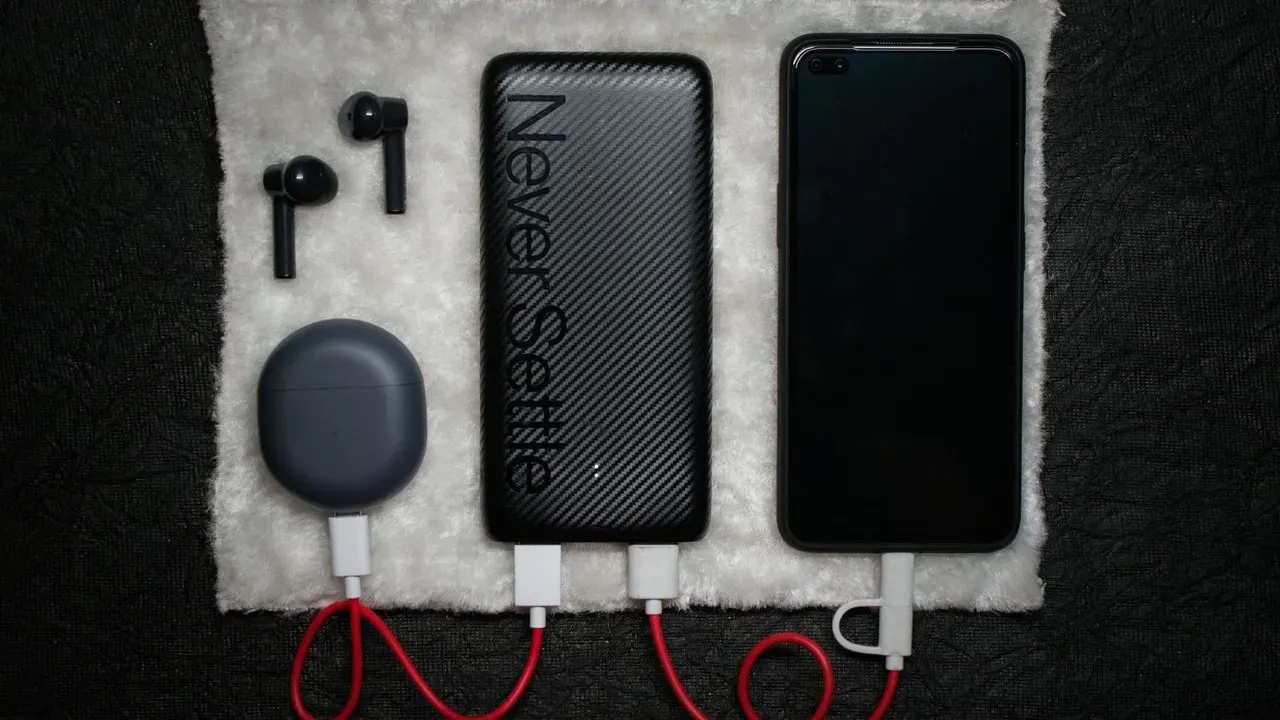

Many travelers select power banks based on capacity and convenience alone, only to encounter questions or delays when the device reaches a security checkpoint. Airline regulations on these portable chargers have remained consistent for years, yet the details often surface only when a unit is flagged for review. A well-chosen model can eliminate that uncertainty and keep essential electronics powered throughout a journey.
Understanding the Carry-On Threshold
Airlines set limits on lithium-ion battery capacity measured in watt-hours, a unit that accounts for both milliamp-hours and voltage. Devices that exceed the standard allowance may be removed at screening, even when packed in carry-on luggage. The INIU P63, rated at 25,000mAh, was selected by one frequent traveler precisely because it aligns closely with the permitted range, removing any need for last-minute decisions at the gate.
Security personnel apply these standards uniformly across carriers, though individual airlines may add their own documentation requirements for borderline units. Travelers who fly regularly note that the rule applies regardless of how many times the same power bank has passed inspection in the past. Clear labeling on the device itself helps staff verify compliance quickly.
Practical Consequences for Travelers
When a power bank is deemed non-compliant, it is typically confiscated before boarding, leaving passengers without backup power for phones, cameras, or tablets during long flights or layovers. The impact extends beyond inconvenience, particularly for those who rely on devices for navigation, translation, or work while abroad. Airlines and security agencies enforce the policy to address safety considerations tied to battery chemistry, not to restrict personal electronics.
Stakeholders include the traveling public, airport security teams, and carriers that must balance operational efficiency with regulatory compliance. The guidelines have been in place long enough that most frequent flyers now plan around them, yet occasional travelers remain the most likely to encounter surprises. Preparation ahead of departure reduces the chance of disruption on the day of travel.
Selecting a Compliant Model
Shoppers benefit from checking the watt-hour rating printed on the power bank or calculating it from the milliamp-hour figure and voltage before purchase. Models that stay at or below the common threshold offer peace of mind without sacrificing useful capacity for most trips. Features such as built-in cables or multiple ports add everyday utility once the device clears security.
Reading product specifications carefully and confirming airline policies for any upcoming itinerary provides an extra layer of assurance. Travelers who carry multiple smaller units sometimes find this approach more flexible than relying on a single large battery. The goal remains reliable power that travels without complication.
Key points to verify before packing:
- Watt-hour rating clearly marked on the device
- Capacity within airline carry-on allowances
- Spare batteries stored in carry-on luggage only
Thoughtful preparation around these details supports smoother journeys and keeps focus on the experiences that make travel worthwhile. A reliable power source chosen with the rules in mind simply becomes one more element of responsible packing.
AI Disclaimer: This article was created with the assistance of AI tools and reviewed by a human editor.