

There’s a particular moment that happens to almost every traveler who arrives in Chiang Mai for the first time. You sit down at a street-side table, order a bowl of khao soi, pay the equivalent of a couple of dollars, and quietly do the math. The numbers don’t add up – at least not in any way you’re used to. What you just spent wouldn’t cover a coffee and a muffin back home.
Chiang Mai, the ancient capital of the former Lanna Kingdom in northern Thailand, has quietly become one of the most remarkable value destinations in the world. Rising rents, grocery bills that never seem to shrink, and stagnant wages have pushed more people than ever to ask a simple question: what if I just lived somewhere else? Across Southeast Asia, Latin America, and the edges of Europe, a handful of cities keep showing up on the shortlists of retirees, remote workers, and young professionals chasing more life for less money. Chiang Mai leads almost every one of those lists.
The Numbers That Make Your Home Budget Blush

The most grounding way to understand Chiang Mai’s value is through hard data, not travel anecdotes. A one-week trip to Chiang Mai usually costs around $436 for one person and $872 for two people, covering accommodation, food, local transportation, and sightseeing. For context, that’s the kind of number that covers a single weekend at a mid-range hotel in most major Western cities.
Most visitors spend between $154 and $1,230 for a one-week trip to Chiang Mai, with the average sitting around $420, and this includes sightseeing, local transportation, food, and hotels. The lower end of that range is genuinely achievable for those who embrace street food and guesthouses. The upper end still represents extraordinary value for a full week of rich cultural experiences.
What a Daily Budget Actually Looks Like on the Ground
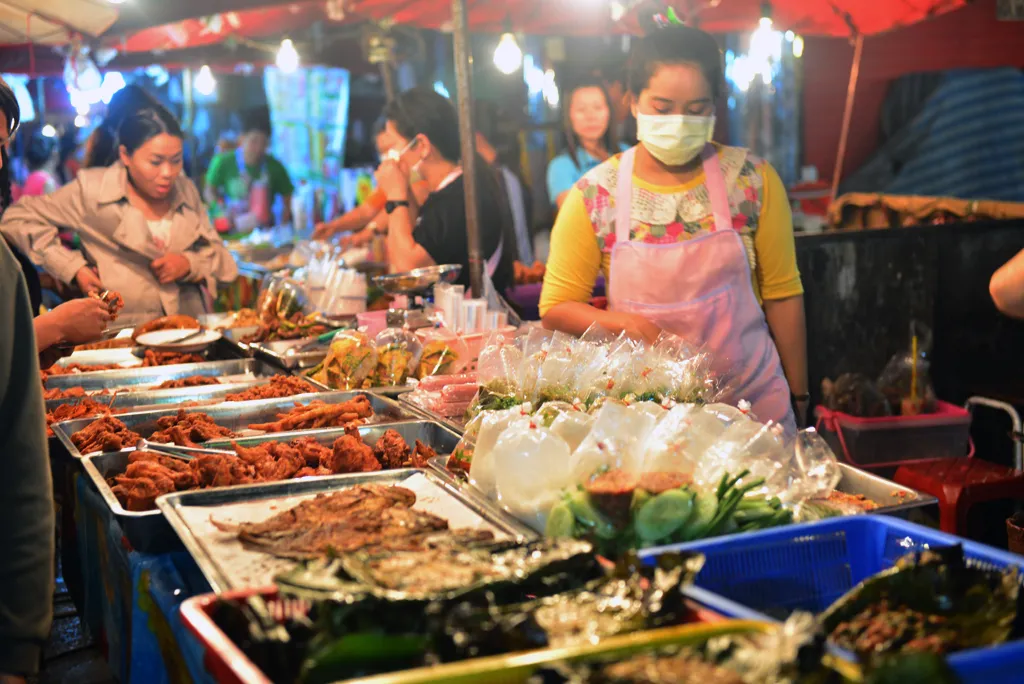
Chiang Mai costs around $33 per day for budget travelers and roughly $121 per day at mid-range. Budget travelers stay in hostels for as little as $6 to $18 per night, eat street food for $1.50 to $3 per meal, and use songthaews for around $1 per ride. These aren’t theoretical figures – they reflect what real travelers actually spend.
A trip to Thailand costs roughly $28 to $46 per day for budget travelers, and northern destinations like Chiang Mai are 40 to 60 percent cheaper than island destinations like Phuket and Koh Samui. That gap is meaningful. Choosing Chiang Mai over the southern resorts doesn’t mean choosing less – it means choosing differently, and in many ways better.
Accommodation: Comfortable, Affordable, and Genuinely Good
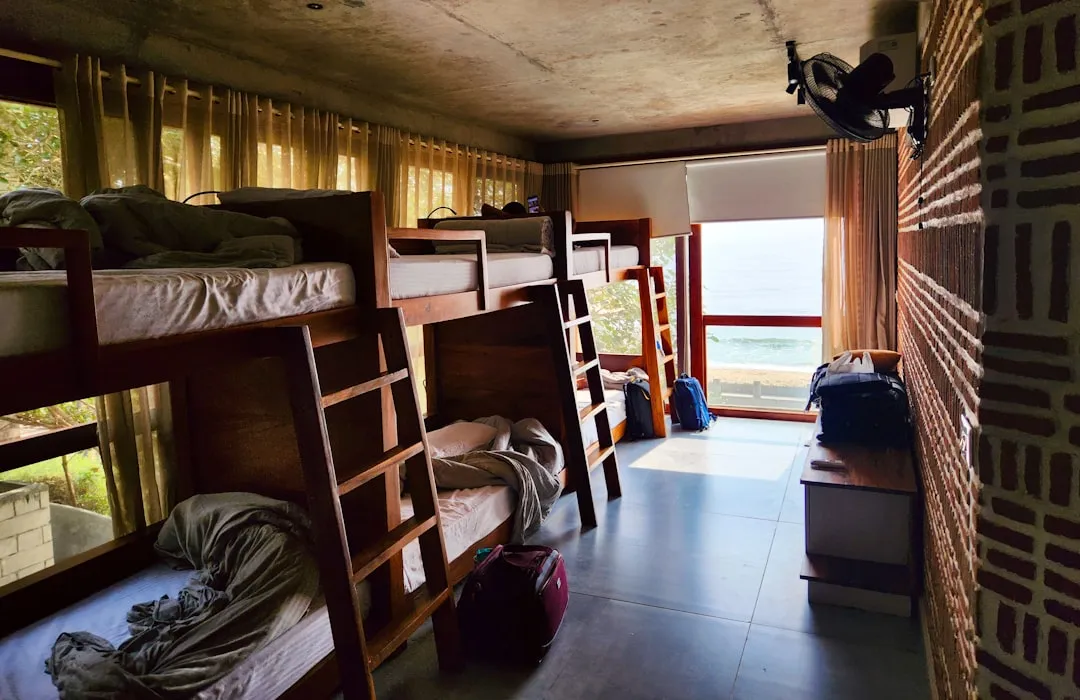
With more than 170 hostels in Chiang Mai, the average price for a dorm bed is around $10 per night, and private rooms are available across a wide spectrum. Hostels are a great way to save money while also staying social. The quality at many of these properties is far above what that price point typically suggests.
A comfortable seven-day stay in Chiang Mai can be had for around $577, while a genuine budget trip for the week runs closer to $357. Even at mid-range boutique hotels, travelers choose properties priced between $45 and $100 per night, dine at sit-down restaurants, and use Grab taxis without the bill ever spiraling out of control.
Food Culture That Rewards Curiosity

Sampling Thailand’s street food is an essential part of the travel experience. Street food culture thrives across cities, towns, and night markets, offering fresh, affordable, and authentic local flavors. In Chiang Mai specifically, the northern Thai food tradition is distinct from what you find in Bangkok or the south, and worth seeking out on its own terms.
Chiang Mai has been recognized with 20 Michelin Bib Gourmand restaurants offering quality under roughly $30, while a famous bowl of khao soi costs between $1.50 and $2.25. The city’s food scene is genuinely layered, from street carts to proper restaurants, without the price ever becoming the barrier it would be elsewhere.
The Night Markets: Shopping, Eating, and Wandering for Almost Nothing
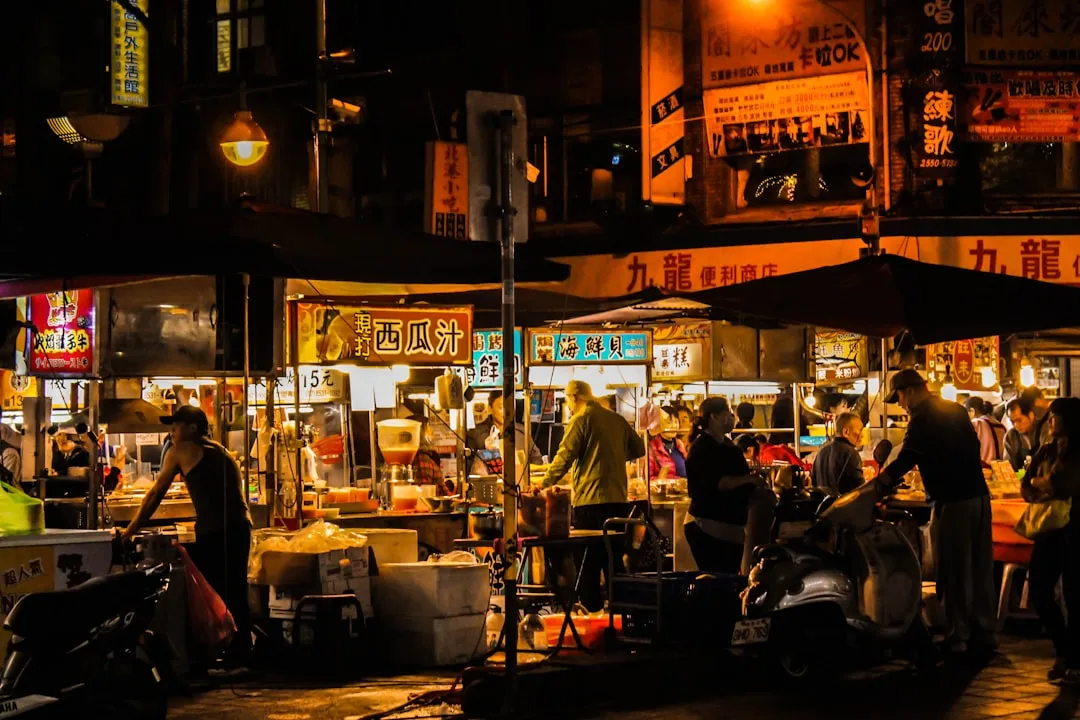
Chiang Mai by day is all golden temples, mountain air, and artisan workshops. By night, it switches rhythm. Streets close to traffic, vendors roll out colorful awnings, grills hiss with lemongrass smoke, and whole neighborhoods turn into open-air bazaars. The cost of an evening like this is almost nothing beyond what you choose to eat and buy.
The Sunday Walking Street runs from Tha Phae Gate along Ratchadamnoen into the Old City, typically from 4pm to 10pm. Temple courtyards transform into artisan showgrounds, student orchestras perform, and families stroll under lanterns. The market leans heavily toward handmade goods and community creativity rather than mass-produced souvenirs.
Temples, Heritage, and Culture That Don’t Cost a Fortune
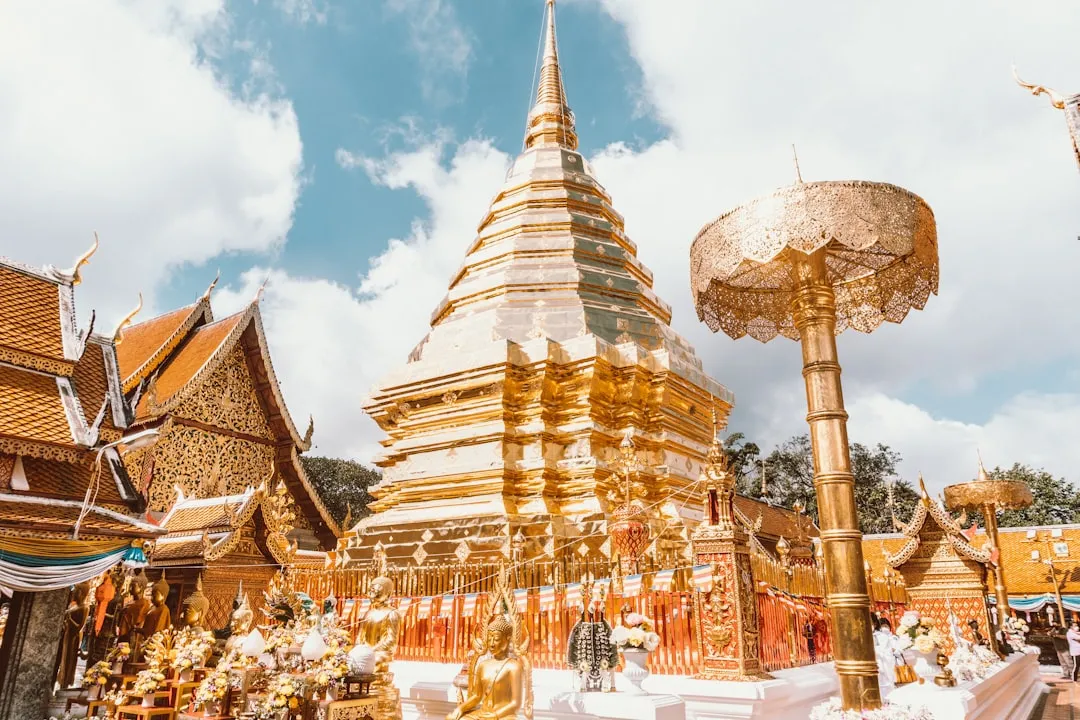
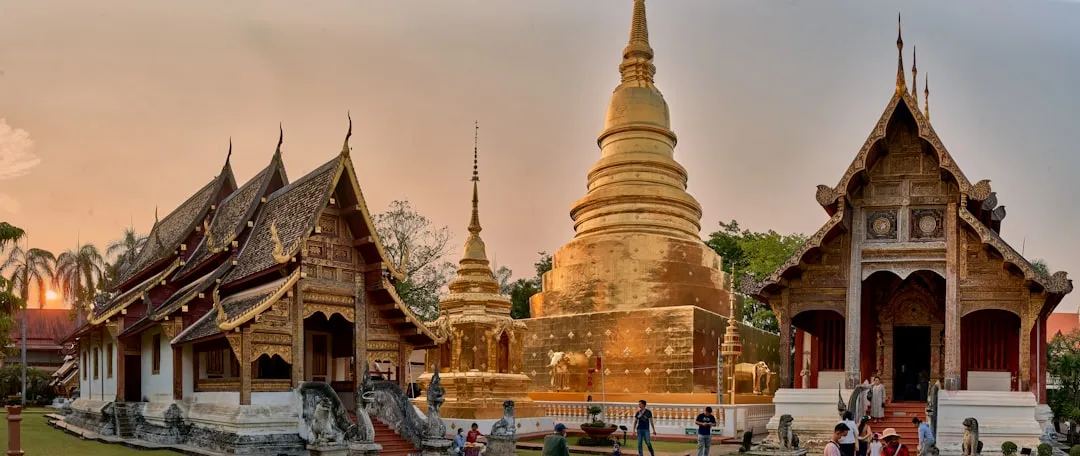
In Chiang Mai, ancient temples like Wat Phra Singh and Wat Chedi Luang provide insight into local religious traditions, daily rituals, and a quieter pace of life. These sacred spaces often host morning alms rounds, traditional chants, and prayer ceremonies that travelers can observe respectfully. Entry fees are minimal, and many are free entirely.
Chiang Mai, the cultural capital of northern Thailand, is a city where centuries-old tradition meets creativity and modern comfort. From mountaintop temples and forest monasteries to artisan coffee shops, night markets, and boutique hotels, it offers a cooler, slower-paced experience altogether. The sheer density of meaningful, low-cost experiences in a single city is genuinely unusual.
Getting Around Without the Taxi Bill Adding Up
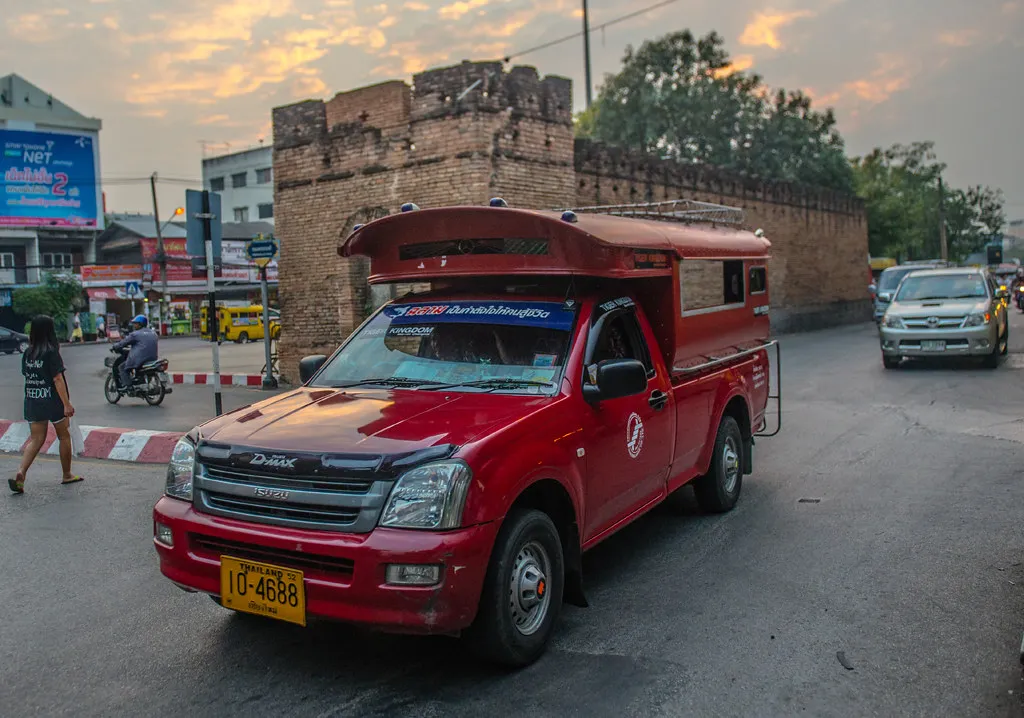
Red songthaews, the shared pickup trucks, are affordable and flexible – just flag one down and negotiate a price. Grab is also widely available and reliable for direct routes. Neither option will drain your daily budget the way urban transport in Europe or North America inevitably does.
A single public transport ticket costs around $0.89, and a monthly pass runs about $24. For those staying a week, the entire transport spend for the trip can remain almost negligible. Motorbikes and scooters are another popular way to get around, with rentals costing between $3 and $15 per day and cheaper rates available for weekly arrangements.
The Rise of Chiang Mai as a Destination for Remote Workers

The digital nomad transformation changed things. Ten years ago, Chiang Mai was a quieter northern cultural city. Now the Nimman neighborhood resembles a trendy creative district, with quality infrastructure, reliable internet, and strong English use across the area. This has made the city appealing to a new generation of travelers who want to blend work and exploration without sacrificing affordability.
The city is also home to one of Thailand’s most celebrated coffee cultures, with local roasters and stylish cafés especially concentrated in Nimmanhaemin, Santitham, and Chang Moi neighborhoods. Working from a beautifully designed café in Chiang Mai, with a quality espresso that costs under a dollar, feels a long way from the desk back home.
Ethical Travel Considerations Worth Taking Seriously

Elephant Nature Park rescues abused and injured elephants and other animals from around the country. It’s a sanctuary where you can visit for a day or spend a week volunteering. While you can no longer feed or bathe the elephants, you can still walk among them and observe their natural behaviors. Choosing this kind of ethical experience matters, and Chiang Mai makes it straightforward to do the right thing.
Ethical animal tourism matters deeply in this region. Riding elephants causes harm – period. Paying the premium for observation-only sanctuaries is the responsible choice. The good news is that Chiang Mai now has well-established, genuinely ethical sanctuaries that have become among the most meaningful experiences the city offers.
When to Go and What to Know Before You Arrive
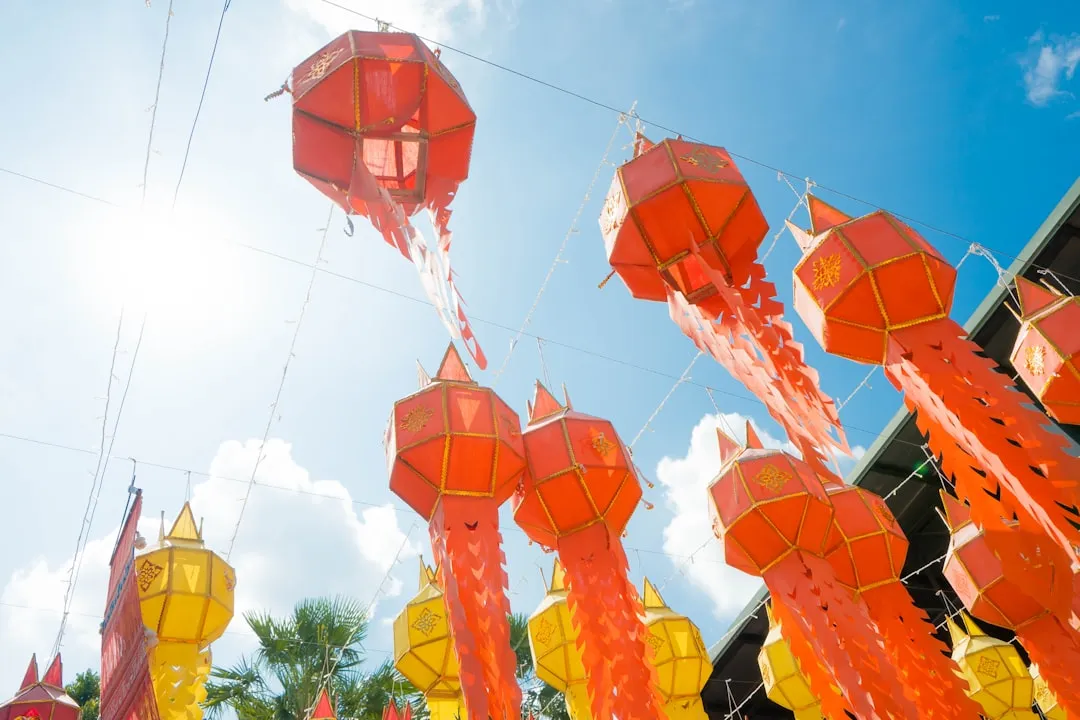
November through January represents the best time to visit Chiang Mai in 2026, offering temperatures between 20 and 28 degrees Celsius, clear mountain views, and minimal rain. November also features the spectacular Yi Peng Lantern Festival when thousands of lanterns illuminate the night sky, while December and January bring the coolest temperatures ideal for temple exploration and mountain treks.
Chiang Mai can experience high air pollution during agricultural burning season, typically from February through April. Travelers should consider wearing an N95 mask, using an air purifier in their accommodation, or timing their visit outside this period entirely. Timing your trip thoughtfully is one of the simplest ways to ensure the experience matches its potential.
The Takeaway
Those looking for the best travel bargains in the world will continue to find almost all of them in Asia and Latin America. Chiang Mai sits at the very top of that category – not just because it’s affordable, but because the depth of culture, food, history, and nature on offer is genuinely extraordinary at any price point.
Chiang Mai is Thailand’s cultural heart – ancient, authentic, increasingly modernized, and deeply rewarding for those who visit with the right mindset. The city doesn’t ask you to sacrifice comfort or meaning for affordability. It offers all three at once, which is rarer than any of us would like to admit. Sometimes the most valuable thing a trip can give you is the simple realization that a full, rich week of travel doesn’t have to cost what you’ve always assumed it would.
AI Disclaimer: This article was created with the assistance of AI tools and reviewed by a human editor.