
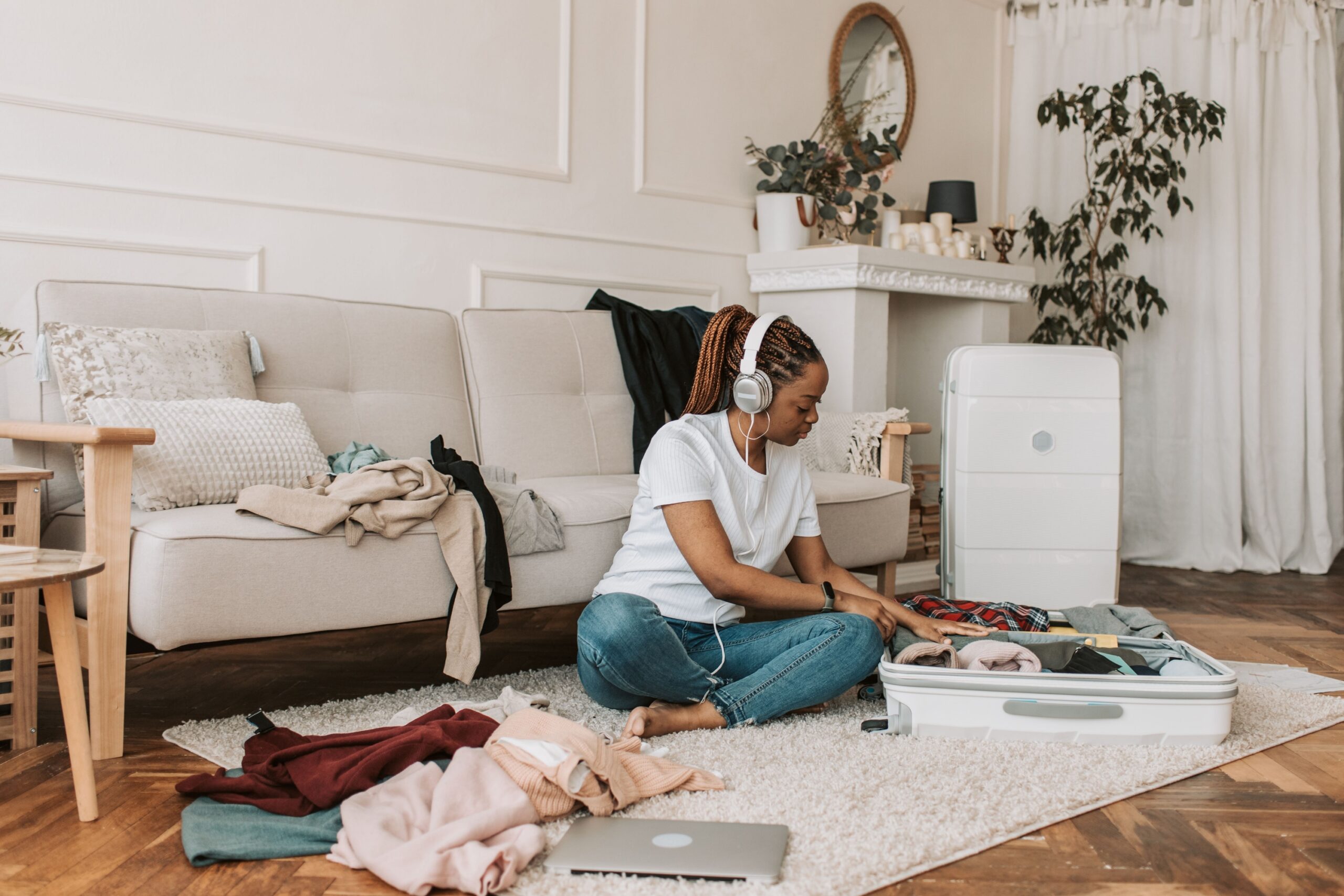

1. Start With a List, Not a Pile
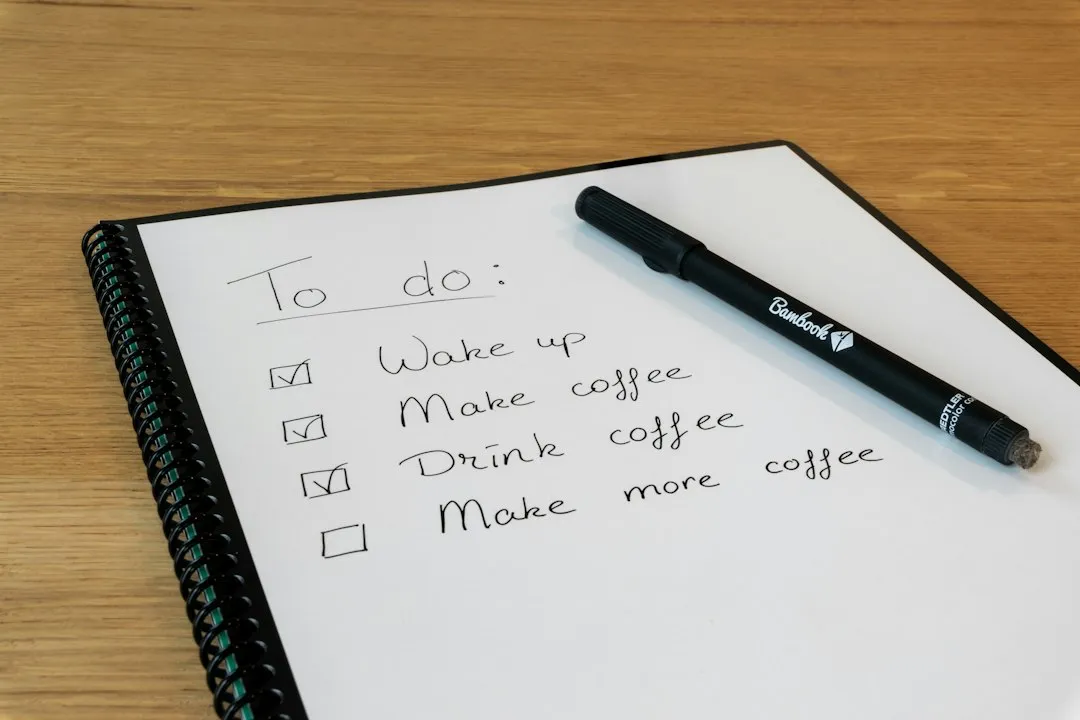
People forget an average of two essential items each time they pack for a trip, with toothbrushes, toothpaste, and phone chargers topping the list of things left behind. A packing list fixes this before it starts. Research shows that nearly three-quarters of travelers make a packing list for each trip, and more than three-quarters of those people say the list makes them less likely to forget things.
Writing the list is not just about not forgetting things. It’s also your first pass at deciding what actually needs to come out at the hotel versus what can stay zipped up. Sorting your intentions before you sort your clothes sets the whole unpacking order in motion.
2. Pack Heaviest Items First, Closest to the Wheels
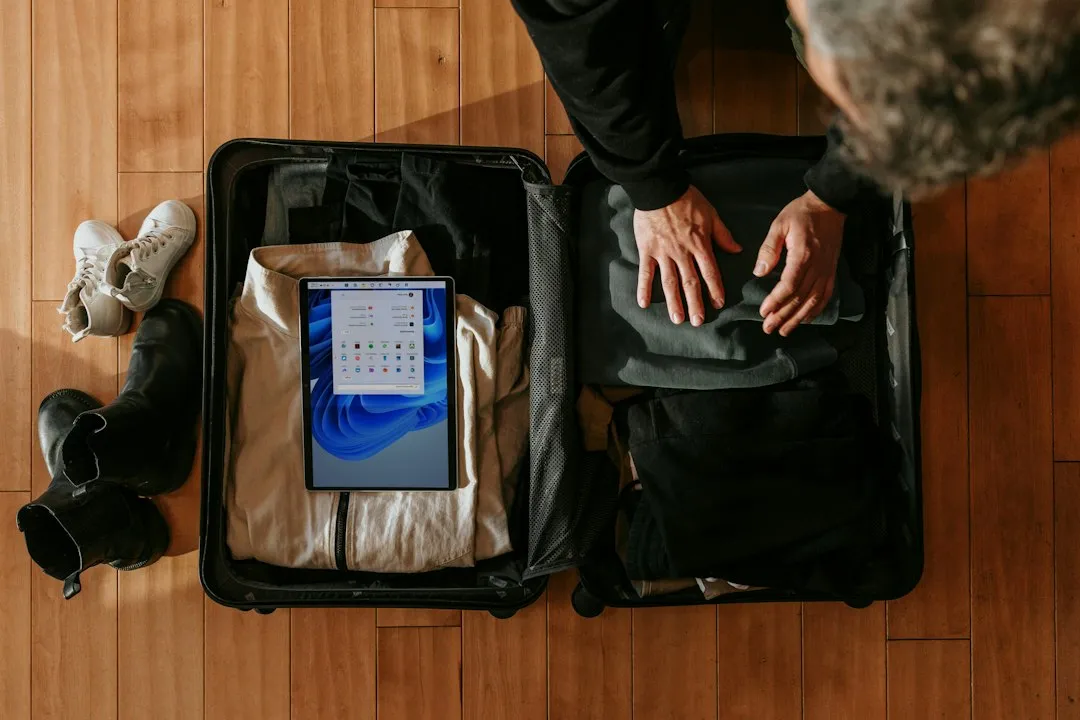
Heaviest cubes should go at the bottom near the wheels, which keeps the suitcase stable both in transit and upright in the hotel room. Shoes, heavy denim, and hardback books all belong at the very base. This isn’t just about balance – it means these items, which you’ll typically need least urgently upon arrival, are already naturally out of the way.
Think of the suitcase as a reverse timeline. The things you need last go in first. When you land, open the case and work upward, and your needs follow naturally.
3. Layer Clothing by Category, Not by Outfit
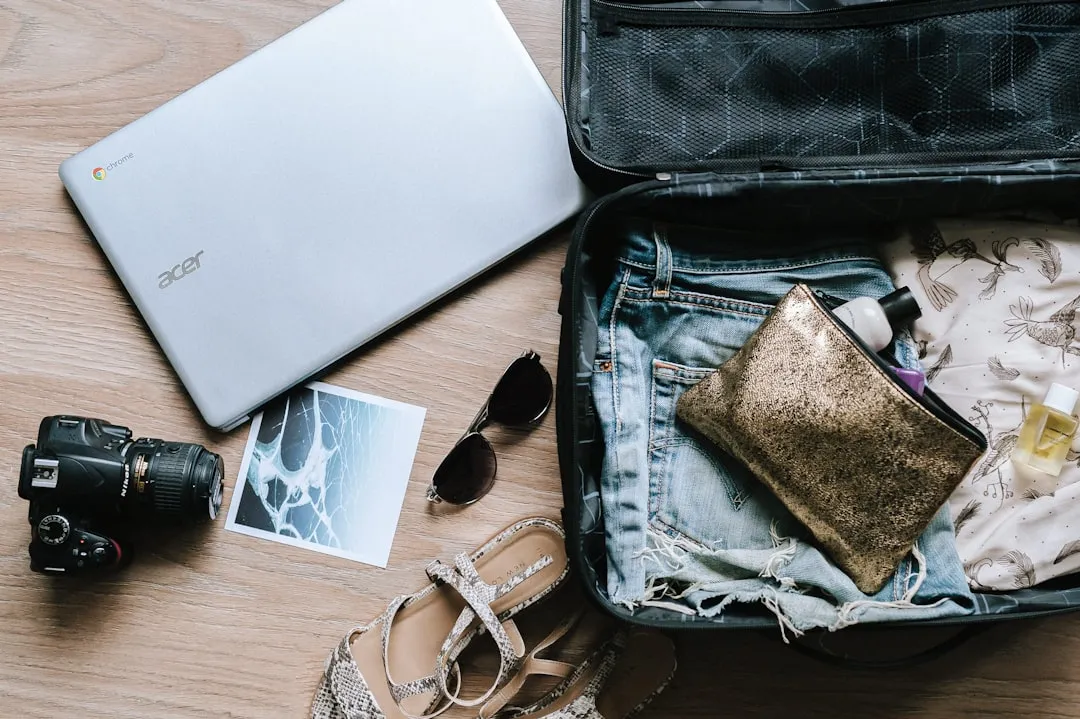
Organize by category – tops, bottoms, accessories – so sightlines are manageable and retrieval is fast. Packing by outfit feels intuitive but creates chaos when you change plans mid-trip. Categories let you see what you have without unpacking everything.
Knowing when to roll or fold your clothes can help you save space, reduce wrinkles, and stay organized. Rolling works well for casual, lightweight items and maximizes luggage capacity, while folding is better for bulkier fabrics and dressier pieces that crease easily. Using the right method for each garment and combining both with packing cubes or garment folders keeps your suitcase neat and your clothes ready to wear.
4. Use Packing Cubes as Portable Drawers
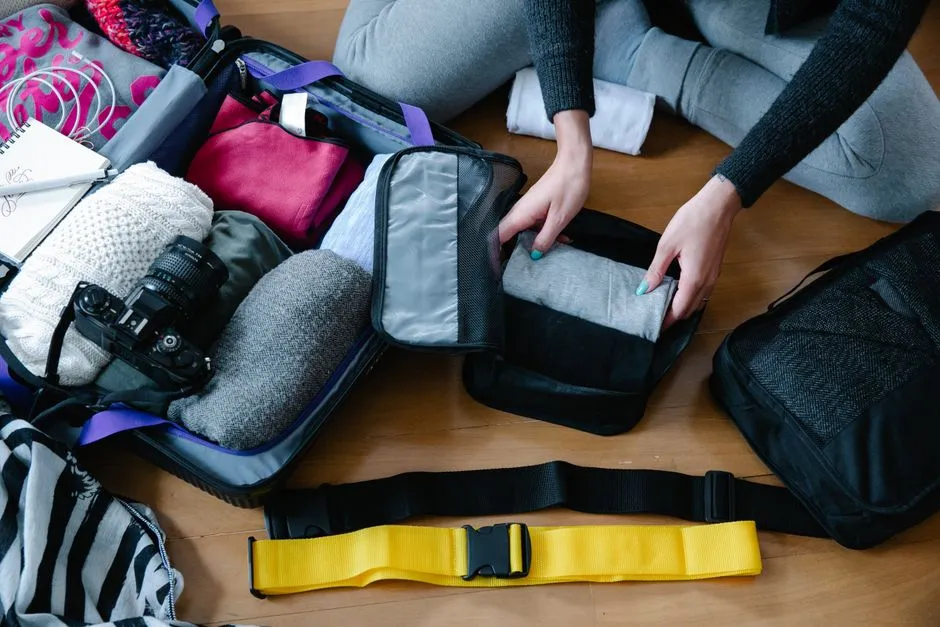
Regular packing cubes primarily save organization, not volume. The real benefit is speed: unpack one cube into a hotel drawer, leave the rest zipped, and repack in minutes. Think of each cube as a drawer that travels with you. Once you’re in the room, you drop the cube in a drawer and you’re done – no sorting, no folding, no decisions.
Once you reach your hotel, the packing cubes can be slipped into the wardrobe, making unpacking simple. This is the closest thing to an actual shortcut that travel organization offers. Compression cubes can also save roughly twenty to thirty percent of space on soft fabrics, which means you can consolidate more into fewer cubes and carry less overall.
5. Put Toiletries Near the Top for Good Reason
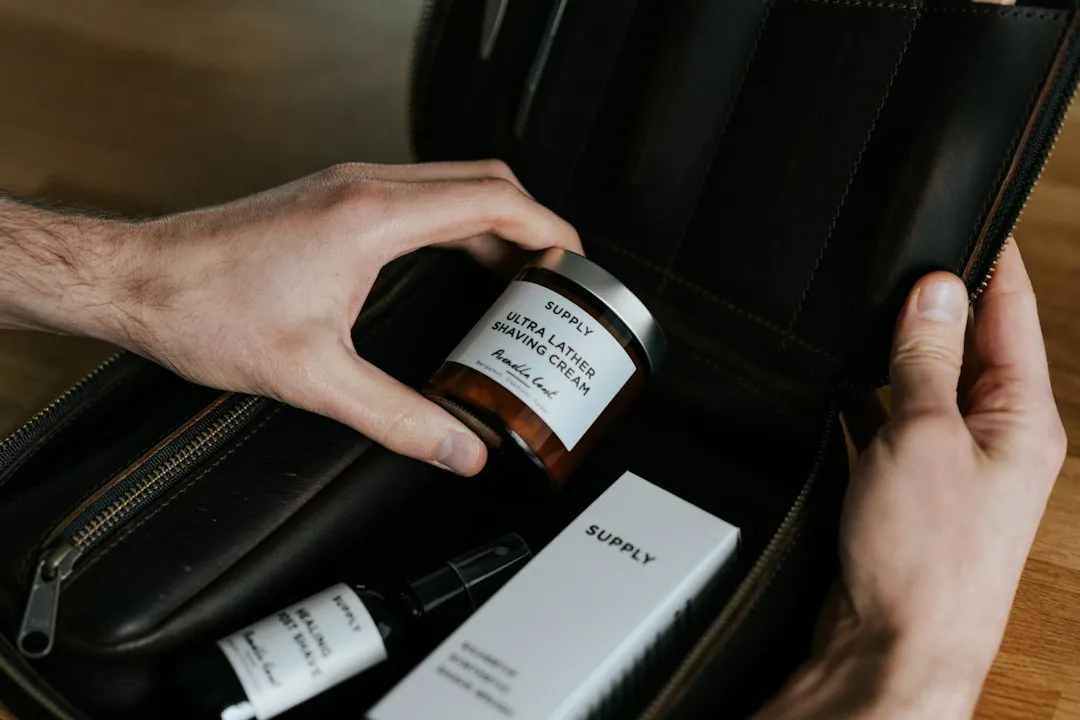
The smart way to pack is to layer everything in a deliberate order: ideally, toiletries should be placed toward the top of your suitcase for easy access during security checks. At the hotel, this same logic applies. You’ll want to wash your face and brush your teeth long before you hang up your blazer. If the toiletries are buried, that process gets irritating fast.
A toiletries and cables cube tucked near the top, ideally in a water-resistant pouch or cube, prevents leaks from reaching your clothes. That water-resistant detail matters more than most people realize. One leaking shampoo bottle near the bottom of a suitcase can ruin more than just your morning.
6. Keep Documents, Chargers, and Daily Essentials Completely Separate

Items that you need to access frequently or quickly – like travel documents, passports, wallets, or snacks – should go on top or in an external pocket if your bag has one. These never belong inside the main compartment with your clothes. They need to be reachable within seconds, not seconds after rummaging.
A large majority of travelers make sure to pack a portable charger when going on a city break, yet chargers remain one of the top forgotten or buried items. A dedicated outer pocket or a small electronics pouch that lives permanently in the same spot solves this immediately. Consistency in placement means you stop looking and start reaching.
7. Roll Casual Clothes, Fold Dress Items, and Never Mix Them

Rolling saves roughly fifteen to twenty percent more space than folding, even in regular packing cubes, and in compression cubes the difference is even bigger because rolled clothes compress more evenly. That’s a meaningful gain on a week-long trip. Still, rolling isn’t universal.
Rolling will not save space when traveling with bulky items like sweaters, and it’s also not a great idea to roll button-up shirts and formal wear, as certain fabrics get bunched up when rolled, causing creasing. In this case, fold them neatly into stacks and use a compression packing cube to save space. Keeping your rolled casuals and folded formals in separate, labeled cubes makes this distinction effortless at the hotel end.
8. Assign a Dedicated Spot for Dirty Laundry
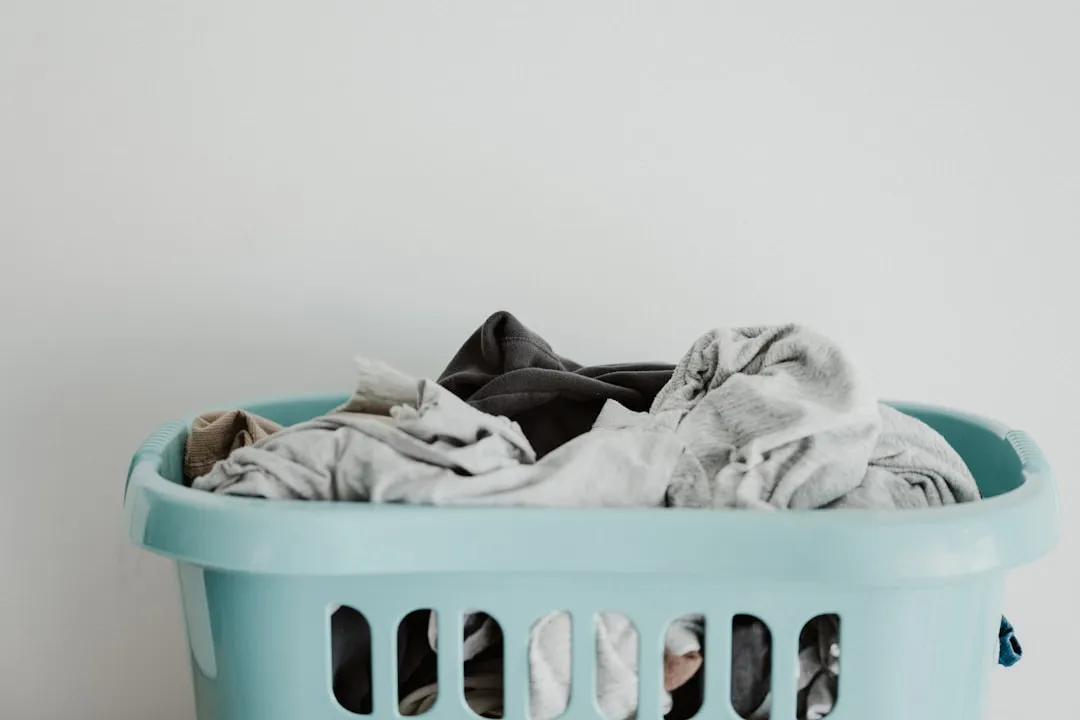
A small cube reserved specifically for dirty laundry, kept separate from clean clothes, keeps your other cubes fresh for the entire trip. This sounds obvious, but it’s the step most travelers skip. Without a dedicated dirty-clothes zone, clean and worn items start mixing by day two, and packing back up becomes genuinely unpleasant.
Keeping dirty clothes apart and compact with a vacuum-sealed or mesh laundry bag is a practical way to manage this throughout a multi-night stay. It also means repacking at the end takes a fraction of the usual time, since everything is already sorted by cleanliness.
9. Place Outerwear Last So It Comes Out First
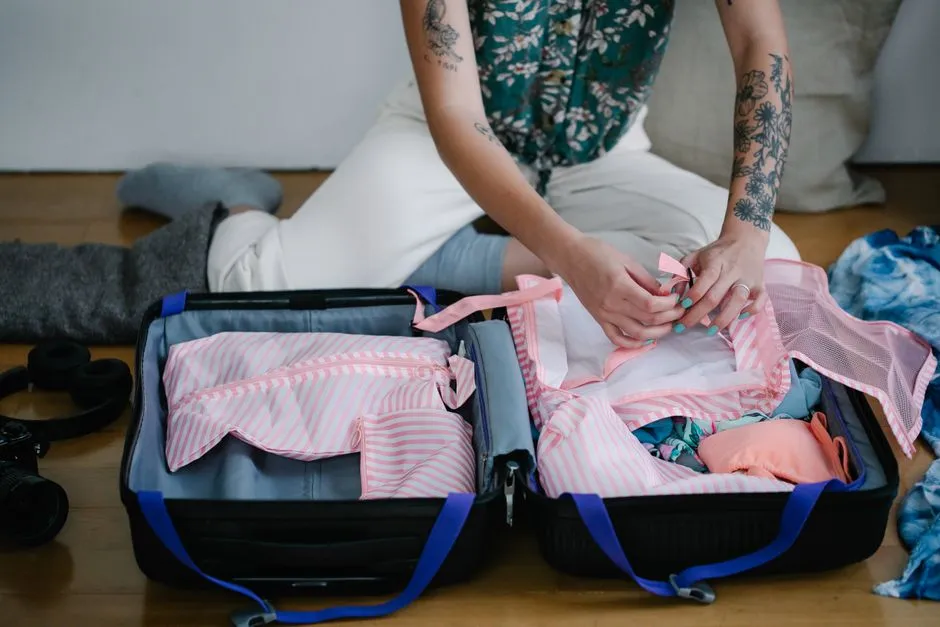
If you’re traveling to a cooler destination or need a change of clothes that is quickly accessible, place outerwear or a change of clothes on top or attached to the compression straps. This is especially relevant in unpredictable weather destinations where you’ll need your jacket within minutes of stepping off the plane.
Outerwear is also typically too bulky to sit inside a packing cube neatly. Laying it flat across the top layer of the suitcase, just under the lid, keeps it accessible without letting it eat into the organized cube system below. It’s a small structural decision that saves a surprising amount of fumbling.
10. Leave One Section Empty for the Return Journey
By leaving one section of your luggage or a separate tote empty, you have a dedicated souvenir space, so you’re not trying to cram things into already-stuffed bags on your return trip. This is the piece of advice most packing guides save for last, which is fitting, because it’s genuinely about protecting your entire system from collapsing on the way home.
An overcrowded suitcase on the return means everything gets mixed up, the cube system breaks down, and you arrive back with a bag that teaches you nothing useful for next time. Protecting that empty space is how the whole packing order stays intact across the full round trip. It also makes repacking at checkout significantly faster, since there’s room to breathe.
The Takeaway
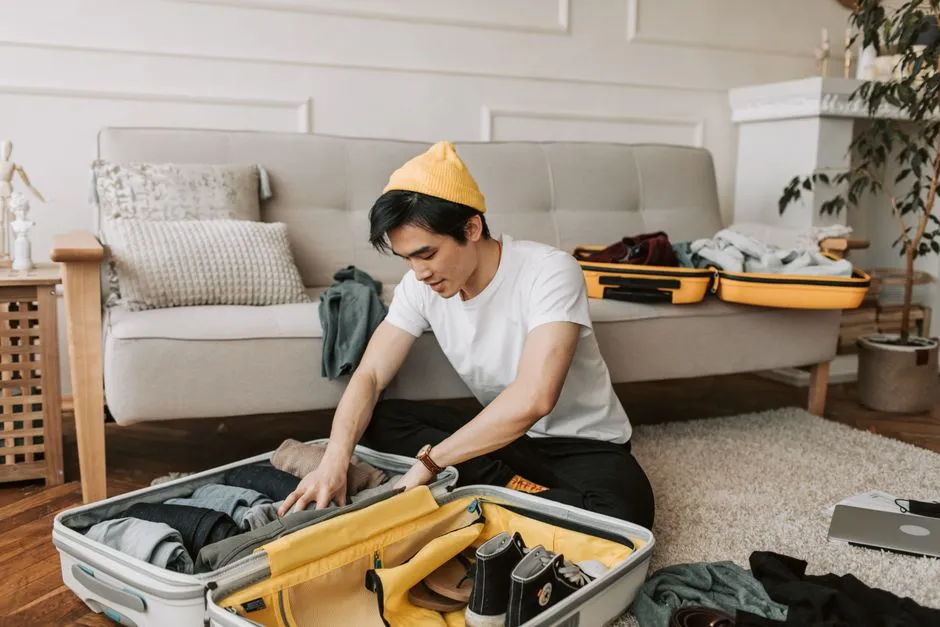
The difference between a suitcase that exhausts you and one that quietly cooperates comes down to sequence. Organization isn’t just for aesthetics – it helps with security checks, reduces stress, and speeds up unpacking. None of these steps are complicated individually. The shift is in treating packing as a system rather than a chore.
Get the order right at home, and the hotel room takes care of itself. You check in, open the bag from the top down, and each layer hands you exactly what the moment requires. That’s not a travel hack. That’s just thinking one step ahead.
AI Disclaimer: This article was created with the assistance of AI tools and reviewed by a human editor.