
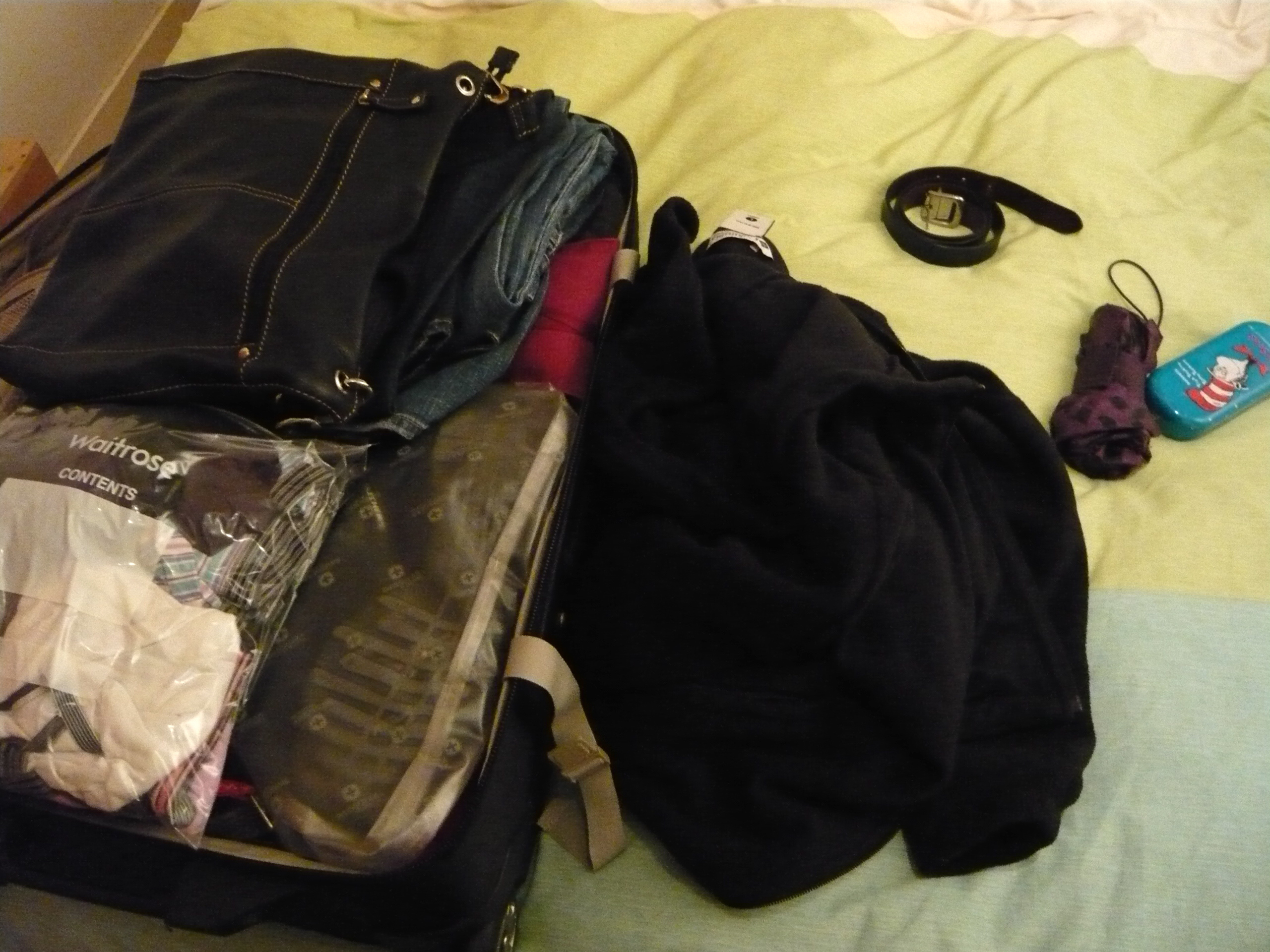

There’s a quiet shift happening at airport gates around the world. More travelers are walking past the bag-drop counter without stopping, boarding flights with everything they need in a single carry-on, and arriving at their destination while their fellow passengers are still standing at the baggage carousel. It doesn’t require a minimalist lifestyle or a wardrobe of three gray t-shirts. It requires a system.
The good news is that the system is learnable, and most of it comes down to one central philosophy: pack for outfits, not for occasions. Once that clicks, everything else follows.
Why Checking a Bag Is Costing You More Than You Realize
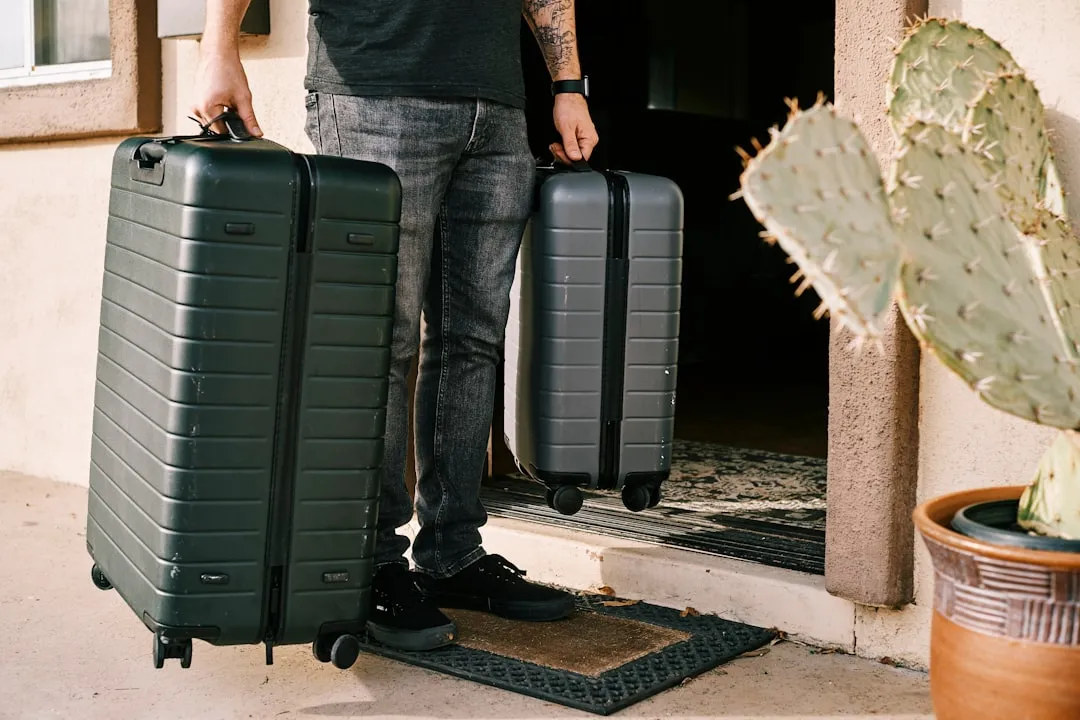
U.S. airlines collected a record $7.27 billion in checked-bag fees in 2024, according to the Bureau of Transportation Statistics. That figure isn’t abstract. It represents millions of individual travelers choosing to hand over $35 to $70 per round trip for the privilege of packing too much.
Southwest Airlines, after 50 years of letting customers check two bags for free, started charging $35 for the first bag and $45 for the second in May 2025. That was the clearest sign yet that the era of lenient baggage policies is genuinely over. JetBlue also introduced Uber-style surge pricing to bag-check fees, making it more costly to check luggage during peak travel periods.
The figures signal a complete rebound from the pandemic’s impact on air travel, when total checked bag revenue fell sharply to $2.84 billion in 2020. The trend only moves in one direction from here.
The Real Risk of Handing Over Your Bag
SITA’s 2025 Baggage IT Insights report found that 36.2 million bags were mishandled globally in 2024, at a rate of 6.3 per 1,000 passengers. That may sound like a small percentage, but at scale, it translates into an enormous number of delayed arrivals and disrupted trips.
About 8% of those mishandled bags, roughly 1.8 million, were lost or stolen permanently, and the industry spent an estimated $5 billion dealing with the fallout. The time cost, the replacement cost, and the sheer stress of a lost bag during a trip are harder to quantify but no less real.
The mishandling rate spikes heavily at arguably the worst times of year, like Thanksgiving and Christmas. Choosing carry-on only during the holidays isn’t just efficient. It’s protective.
Choosing the Right Bag: Size Is Everything
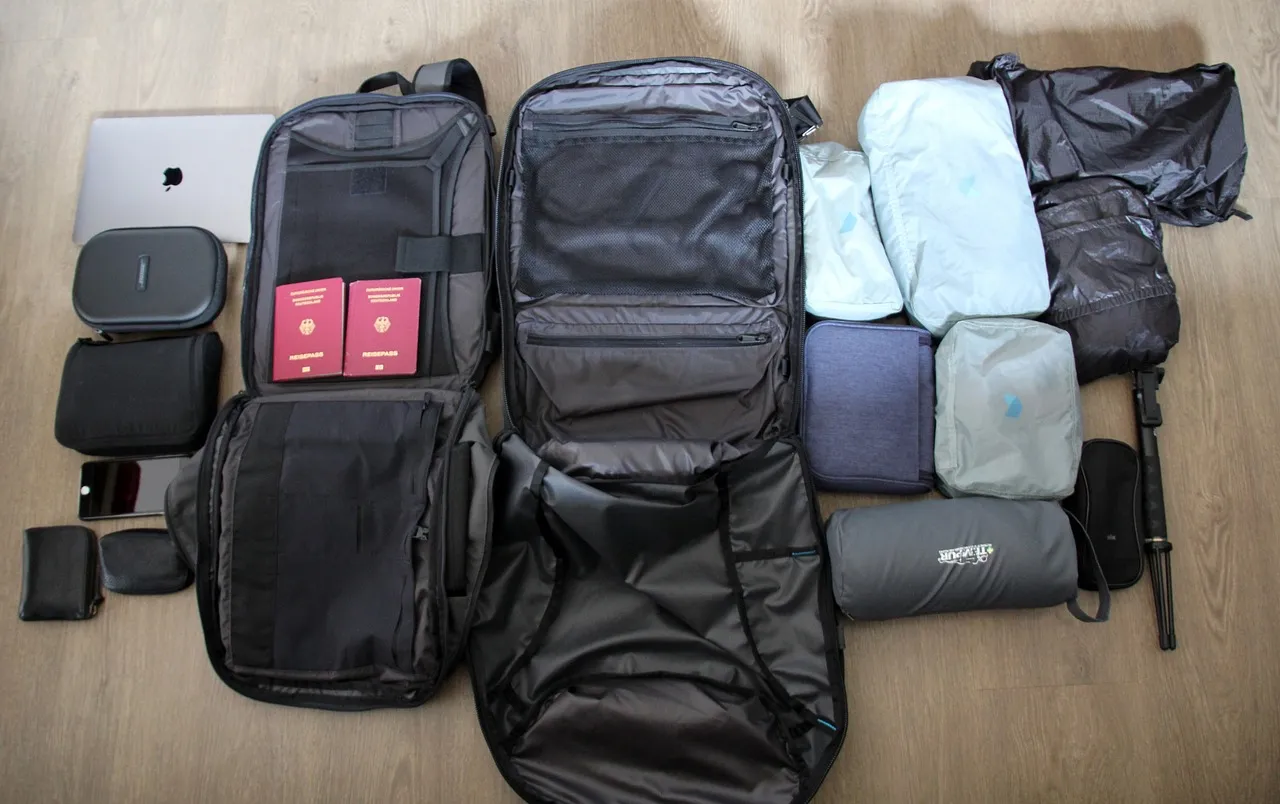
The standard carry-on size rules in 2026 are 22 × 14 × 9 inches for U.S. full-service carriers, 21.6 × 15.7 × 7.8 inches for European budget airlines, and 45 linear inches total as the universal threshold. Get this wrong and even the most expertly packed bag won’t make it onto the plane.
Every major airline publishes carry-on size limits, but the numbers vary by up to 2.2 inches in a single dimension, creating a minefield for travelers who fly multiple carriers. If you’re booking a multi-leg trip across different airlines, always check the most restrictive size on your itinerary.
According to IATA’s 2024 Cabin Baggage Compliance Study, low-cost carriers physically check 89% of passengers’ bags before boarding, compared to 22% for legacy full-service airlines. Tight packing is not just a virtue. On budget carriers, it’s a necessity.
The Ranger Roll: A Military Trick That Actually Works
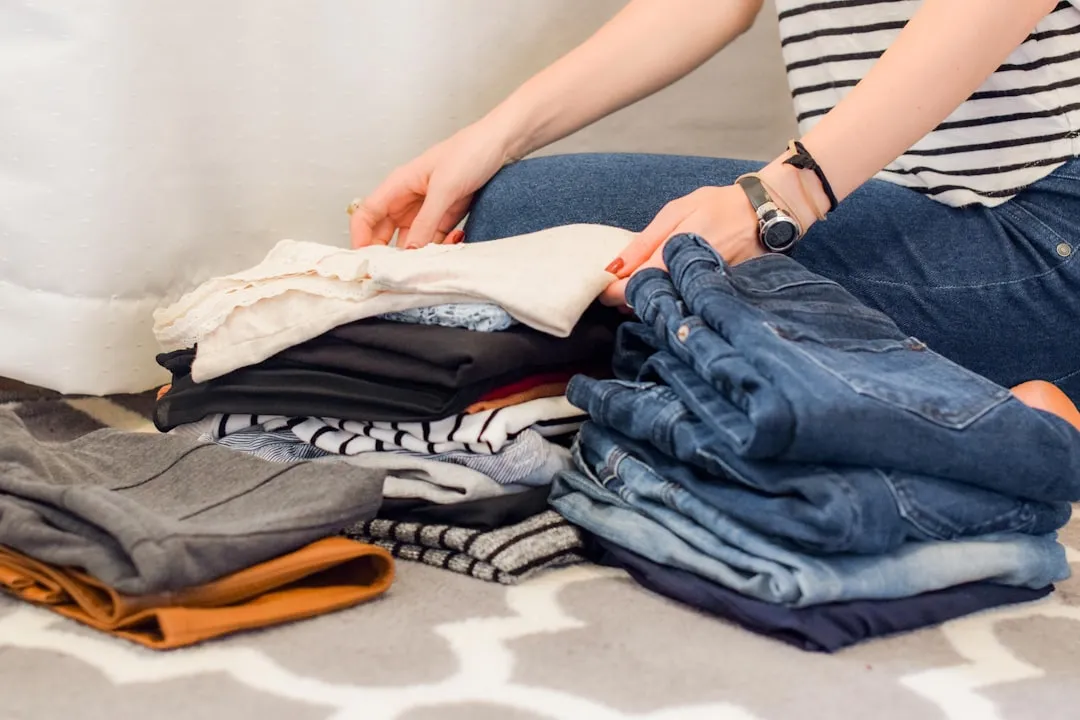
The ranger roll technique, named after the U.S. Army Rangers, is a space-saving method for packing clothes in a way that optimizes space and keeps them wrinkle-free. Soldiers needed to carry everything they needed in a single pack, and they needed to find it fast. Travelers face a surprisingly similar constraint.
This highly efficient technique forces trapped air out of fabrics, condensing your wardrobe into small, manageable units that fit perfectly into any travel bag. Compared to traditional folding, ranger rolling can free up 20% to 30% more space in your bag.
You can ranger roll almost anything, but it works best with soft, flexible clothes: t-shirts, tanks, and lightweight pants. Ranger-rolled clothes take up less space in your suitcase and keep it better organized. You can also roll up full outfits, shirt, socks, and underwear, together into a single, action-ready pouch.
Build a Capsule Wardrobe, Not a Full Closet

A capsule wardrobe approach uses around nine interchangeable garments in a coordinated color palette such as black, grey, or navy: five tops, two bottoms, five sets of underwear, and one layering piece. Every item earns its place by working with at least three others.
A mix-and-match strategy lets you create 15 or more outfits from just a few items. The mental trick is to stop thinking about individual garments and start thinking about combinations. The key is versatility: every top should match every bottom.
You can adapt your capsule wardrobe size based on trip duration and laundry accessibility. Shorter trips require fewer items, while longer journeys may need additional pieces or more frequent washing opportunities. For most one-week trips, eight to ten garments is genuinely sufficient.
Fabric Choice Makes or Breaks the System
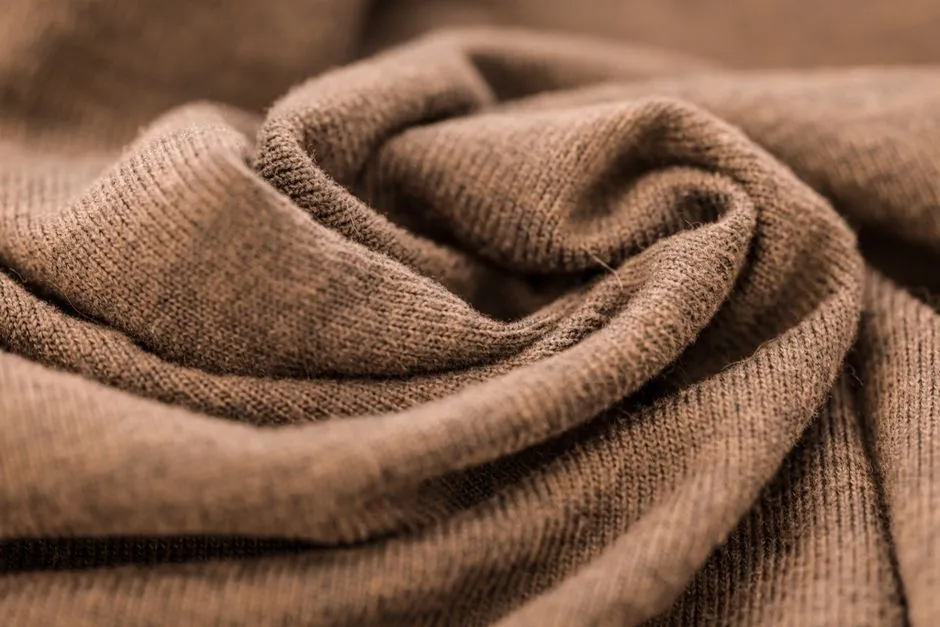
Selecting travel-friendly fabrics that resist wrinkles, dry quickly, and maintain their shape after washing is essential. Merino wool, synthetic blends, and wrinkle-resistant cotton are excellent choices for most travel situations, packing compactly and looking fresh even after being compressed in luggage for hours.
Merino wool and synthetic fabrics dry overnight and resist odor longer than cotton. This matters enormously on longer trips, where doing a quick sink wash and wearing something again the next morning becomes a real strategy. Unbound Merino, for example, offers ultra-light, odor-resistant merino wool basics that pack small and wear well for days without washing, ideal for minimalist packing and long-haul comfort.
It’s worth avoiding fabrics that require special care, wrinkle easily, or take long to dry. Linen, while stylish, wrinkles significantly during travel, and pure cotton can be heavy and slow to dry. Choosing the wrong fabric is often where otherwise careful packers lose the battle.
Compression Packing Cubes: The Real Game Changer
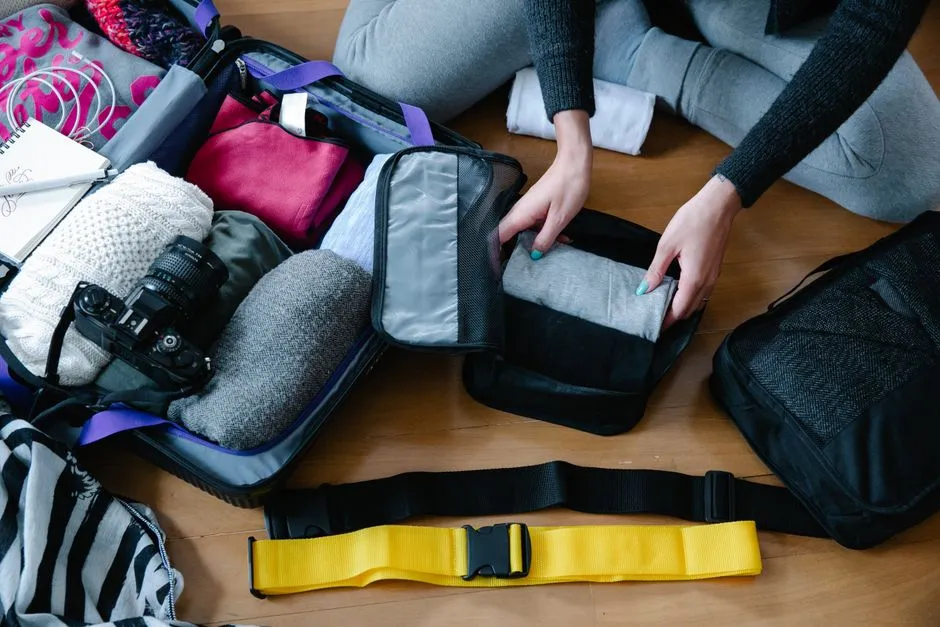
Compression packing cubes can reduce clothing volume by up to 60 percent. That’s not a marginal improvement. That’s the difference between needing a checked bag and sailing through with a carry-on.
Packing cubes allow you to segment your travel wardrobe, and that’s the difference between having six drawers in a dresser or just one. When you need a single article of clothing, you’ll only disrupt the other clothes in that specific cube. Without cubes, if the shirt you want is at the bottom of your bag, you may have to repack everything.
Bundle-wrapping wrinkle-prone items like blazers and dress shirts around a central core object is a useful companion technique for anything that doesn’t roll well. Combining both methods gives you maximum flexibility within a compact space.
Smart Toiletry Strategy to Stay TSA-Compliant

Solid shampoo and conditioner bars, toothpaste tablets, and solid lotion bars bypass TSA liquid limits entirely. This is one of the simplest swaps a traveler can make, and it immediately eliminates the quart-sized plastic bag scramble at security.
Solid toiletry options including shampoo bars, conditioner bars, and solid lotion bars let you sidestep liquid restrictions altogether. Many of these products are also lighter and more compact than their bottled equivalents, which helps with both weight and space.
For anything that must remain liquid, decanting into small, labeled containers and packing them all in one dedicated cube keeps security fast and your bag organized. The goal is to treat toiletries as a problem that’s already been solved before you even start packing clothes.
Wear Your Bulkiest Items on the Plane
Wearing your bulkiest items on the plane frees up precious carry-on space. That chunky sweater, the heaviest pair of shoes, and the winter jacket all belong on your body at boarding, not inside your bag. This one habit alone can make the difference between a bag that closes and one that doesn’t.
Sticking to a maximum of three pairs of shoes, worn on the plane for the bulkiest pair, saves significant weight and space. Shoes are the most space-consuming items most travelers pack, so treating them with the most strategic discipline pays off quickly.
Layering on the plane also tends to be genuinely useful in practice. Aircraft cabins are notoriously unpredictable in temperature, and having your jacket or cardigan accessible during the flight is rarely a burden.
Plan to Wash Mid-Trip, Not Mid-Pack

Washing clothes every four to five days using a portable sink-washing kit is the quiet backbone of any long-term carry-on-only strategy. It’s not inconvenient in practice. Most hotels have a sink, and merino and synthetic fabrics dry overnight with no fuss.
Laundry detergent sheets and travel clotheslines keep your wardrobe fresh on longer trips. Detergent sheets are featherlight, take up almost no space, and dissolve instantly in water. They’re one of those small items that dramatically change what’s possible with a single bag.
Once you accept that you’ll wash clothes during a trip, you’re freed from the mental trap of packing a “just in case” backup for every scenario. That shift in thinking is where the whole carry-on-only approach becomes sustainable, not just possible for a weekend.
The Real Trick Is Trusting the System
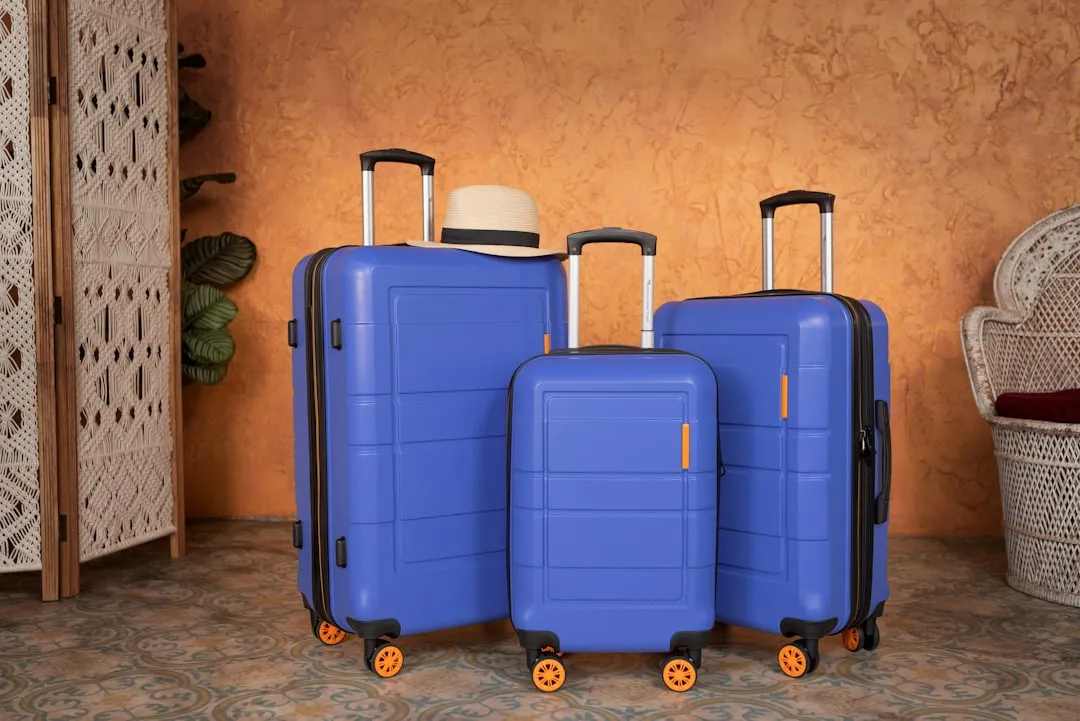
Every piece of this approach has been tested by the millions of travelers who already live by it. The numbers back it up, the techniques work, and the gear is widely available. The hardest part isn’t learning the ranger roll or finding the right packing cubes. It’s resisting the urge to add one more thing just before zipping up.
The checked-bag habit is largely psychological. It feels safer to have more. A checked suitcase stops feeling automatic and starts looking like just another optional expense that needs to justify itself. That is the real reason the carry-on-only habit has spread so widely.
Pack the nine pieces, roll them tight, choose fabrics that work for you, and trust that a good washing sink exists at your destination. The bag carousel will still be there for those who need it. You just won’t be one of them.
AI Disclaimer: This article was created with the assistance of AI tools and reviewed by a human editor.