
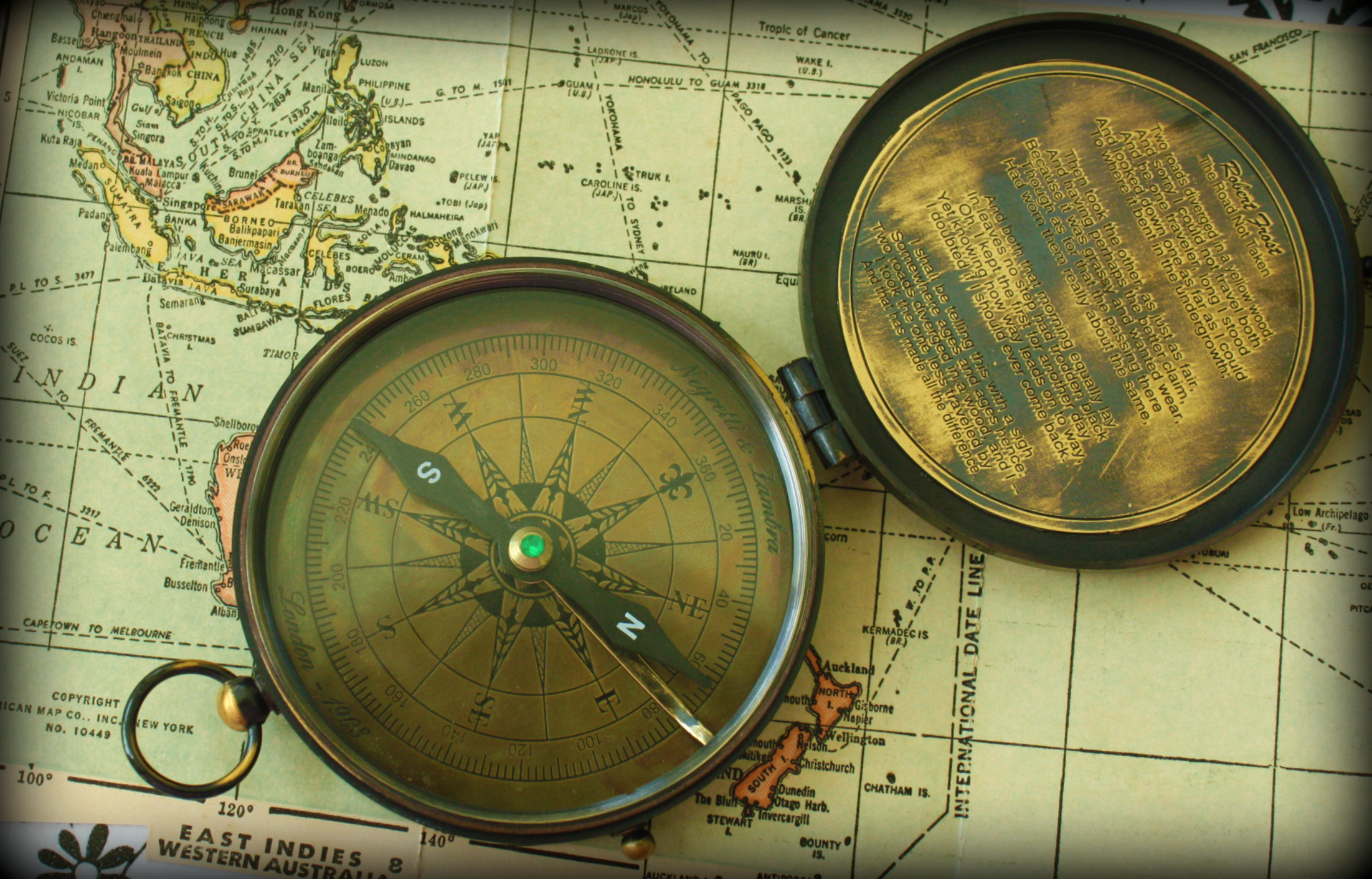
The Numbers Tell a Story Worth Reading
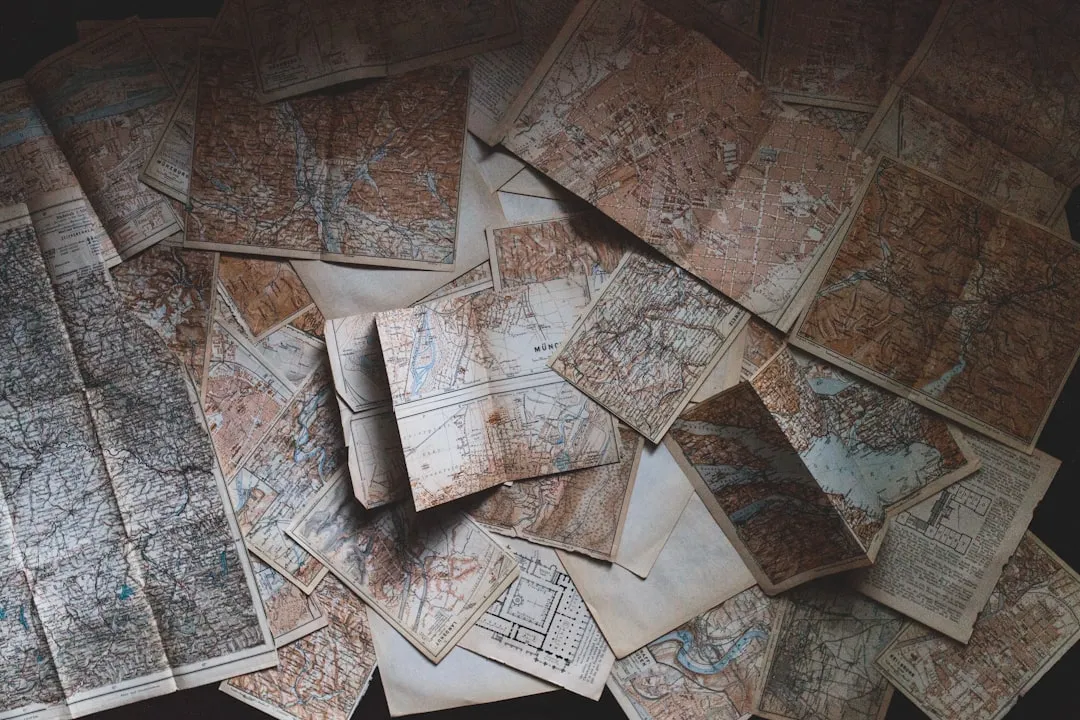
The evidence for this revival is not just anecdotal. According to a report from The Wall Street Journal, paper maps are making a significant comeback, with the AAA producing roughly 123% more maps in 2022 than in 2021. That is not a marginal uptick. That is a category reawakening.
Ordnance Survey, the national mapping agency of Great Britain, reported that sales of custom-made maps exploded in 2020, rising by 144% compared with the year before, followed by a further 28% increase in 2021. Across the Atlantic, the same wave was building.
Since 2021, atlases and paper maps have seen a resurgence in popularity with unit sales increases of greater than 20%, with travelers discovering or rediscovering that paper atlases provide a richer, more comprehensive travel experience versus a GPS device that shows only a small portion of a road trip.
Road Trips Are Back, and Driving the Demand
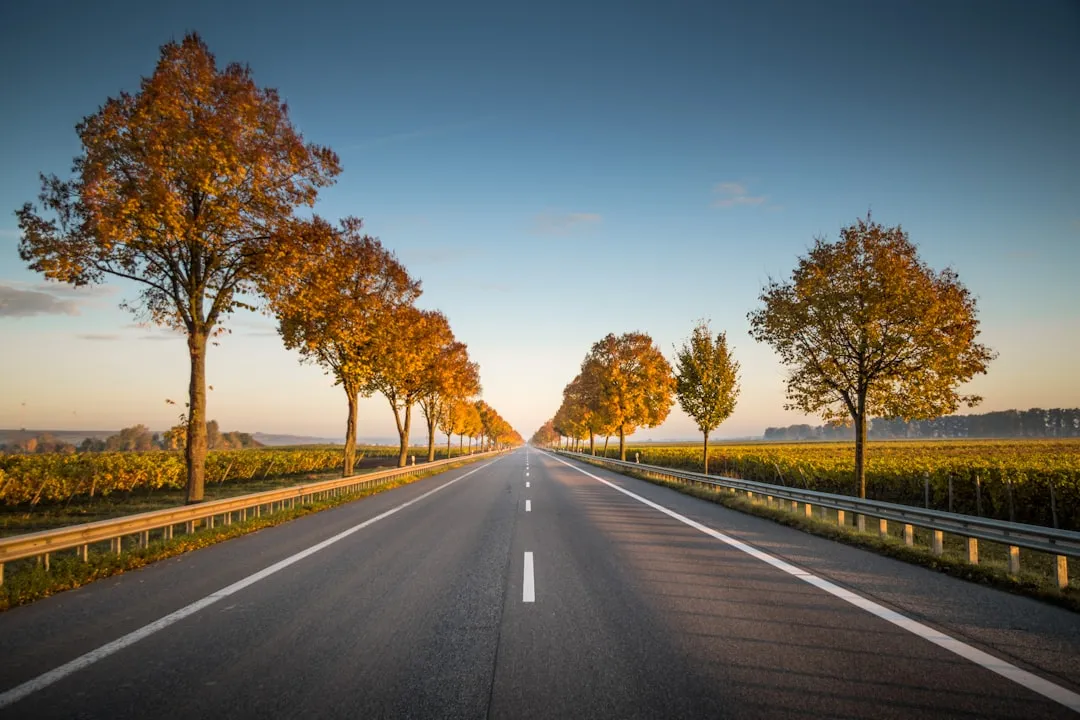
Travel habits have been shifting noticeably, with nearly twice as many Americans choosing to drive instead of fly in 2024, with road trips claiming roughly 40% of all travel styles that year. That cultural pivot toward driving has fueled renewed interest in physical navigation tools.
Enterprise Mobility found that around 60% of surveyed Americans planned to reach their next summer destination by personal or rental vehicle, while Bank of America found that more than 70% of respondents still planned to travel in summer 2025, with lower-income households especially likely to stay within the United States. More drivers on the road means more demand for the experience of mapping those journeys.
What makes the revival interesting is that it is not driven by one motive alone. Cost matters, of course, but so do flexibility, spontaneity, scenic value, and the simple pleasure of setting your own pace, with travelers able to leave early, stop for a small-town detour, or change plans entirely without dealing with airline rules or fixed arrival windows.
Millennials and Gen Z Are Leading the Charge
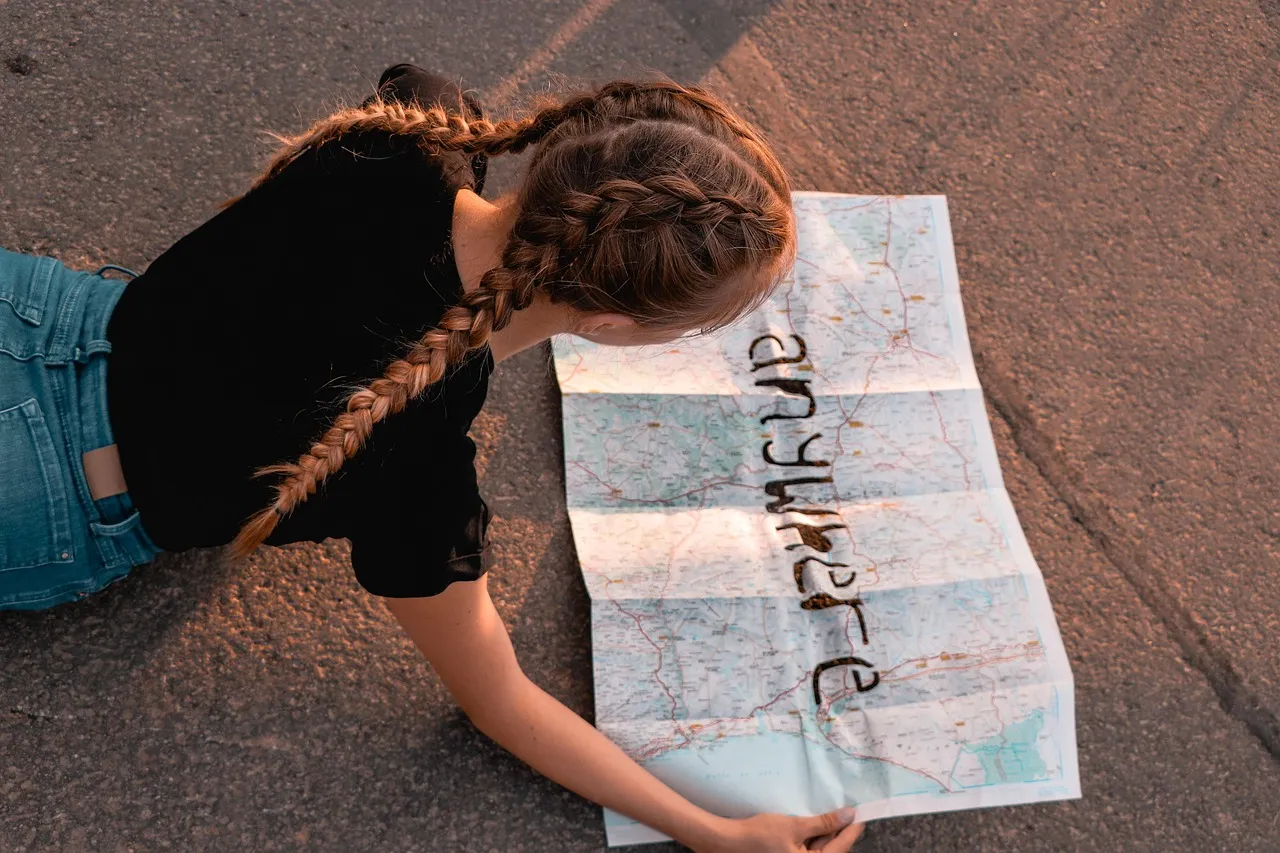
Paper maps are becoming more popular in recent years, with millennials and Gen Zers showing an increased interest in the low-tech travel option. This is perhaps the most surprising dimension of the trend. These are generations that grew up with smartphones in their pockets.
The AAA produced 123% more maps in 2022 than in 2021, with enthusiasm for the organization growing notably among millennials and members of Generation Z. The reasons for this go beyond a simple preference for the old-fashioned. Younger travelers seem drawn to the intentionality a paper map demands.
There is also an aesthetic dimension worth noting. Social media has played a real role here. Maps spread across dashboards or pinned to walls photograph beautifully, and that visibility has quietly normalized the paper map as both a tool and a travel accessory for a new generation of road explorers.
The AAA and the Enduring TripTik Tradition
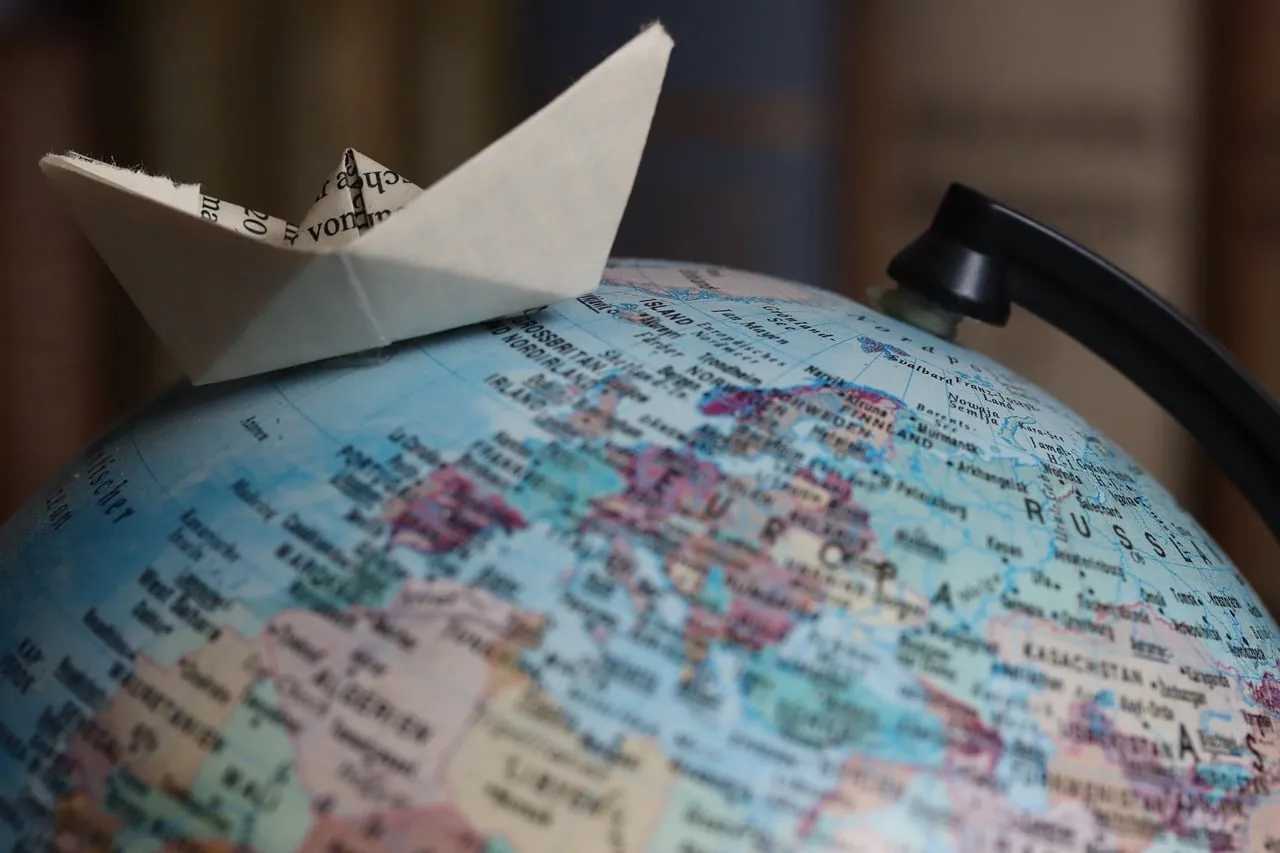
AAA and CAA generate approximately 10 million TripTiks across the U.S. and Canada every year, offering digital versions that can be used similarly to a GPS app, with the option to print. The hybrid model reflects exactly how most travelers actually use maps today: as a pairing, not a replacement.
There has been an increase in demand since the COVID-19 pandemic, as people reintroducing themselves to travel began relying on road trips, with national parks lending themselves to social distancing adventure. That pandemic-era road trip habit appears to have stuck around long after restrictions lifted.
AAA representatives have noted that while there has been an obvious push toward modern and virtual options, there is still something nostalgic and romantic about a paper map. Romantic is a useful word here. It captures something GPS cannot replicate: the feeling of choosing your own path rather than being directed.
Rand McNally’s Century of Road Trip Culture
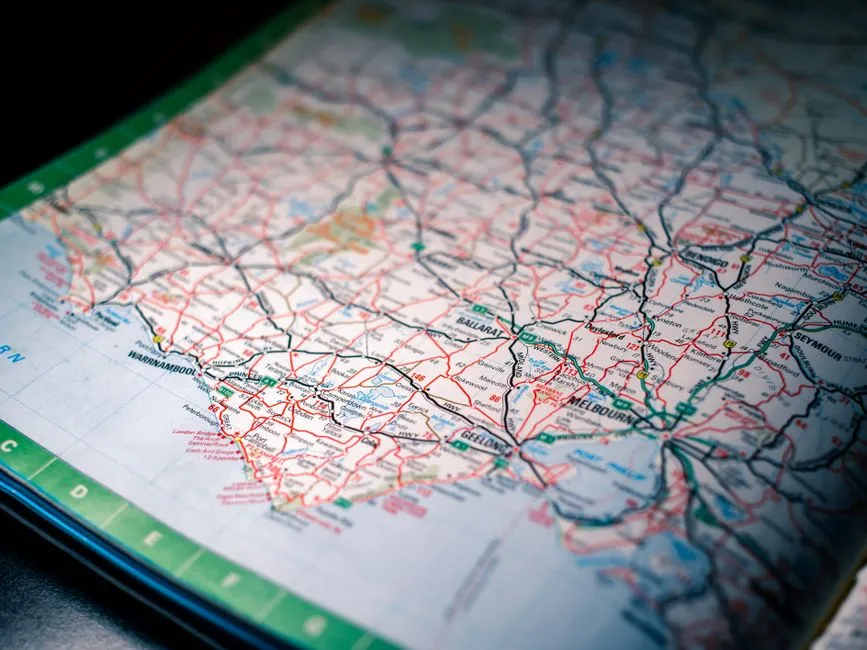
The Rand McNally Road Atlas has been the essential, trusted tool for road travelers for more than 100 years. That longevity alone says something about paper maps, but the company’s recent editions show it is not resting on history alone.
The Rand McNally 2026 Road Atlas celebrates America’s 250th birthday and Route 66’s 100th anniversary, featuring culinary road trip itineraries and a partnership with Atlas Obscura for off-the-beaten-path discoveries. The large scale edition offers state maps that are 35% larger than the regular atlas, with 304 pages and 378 detailed city insets, nearly 10% more than in previous editions.
These are not nostalgic keepsakes sold at antique markets. They are continuously updated, detail-rich planning tools that are out of stock at major retailers, a fairly clear signal of where demand is sitting right now.
What Paper Maps Offer That Screens Simply Cannot
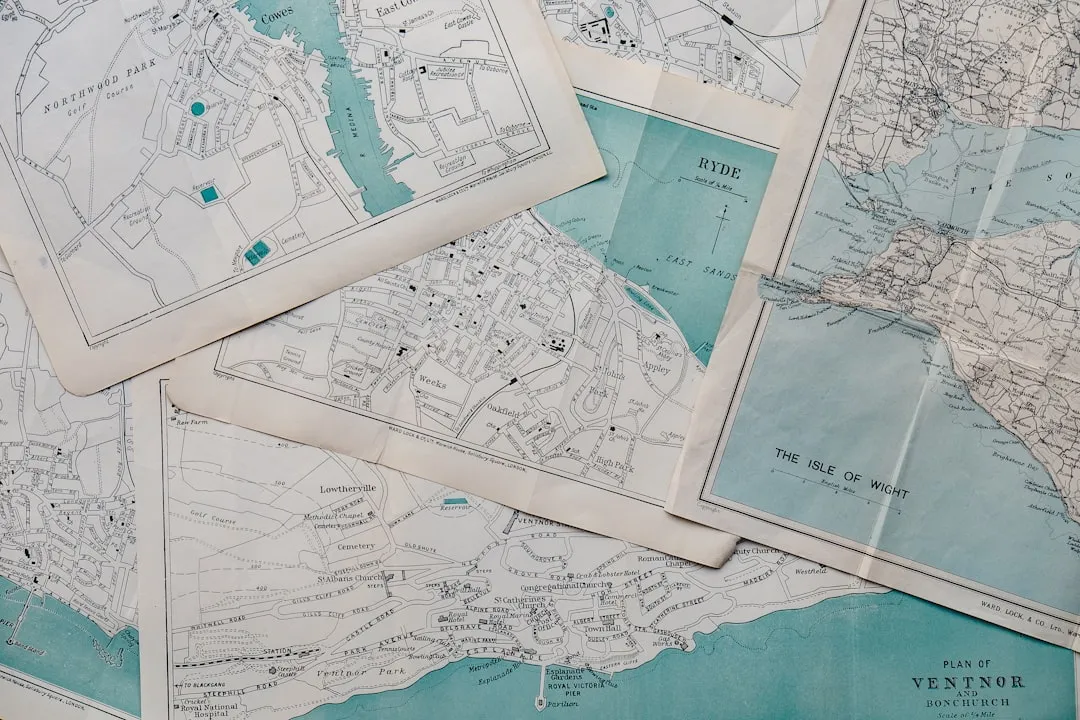
A paper map gives you spatial context in a single glance. You can see the mountain range to the west, the coastline to the east, the small town halfway between two major cities that never appears as a suggested stop in an app. That peripheral awareness changes how you plan and how you travel.
Even with services like Google Maps housing enormous volumes of geographic data and covering over 75% of the world’s roads, there does not appear to be a purely practical reason for the surge in paper maps. Instead, it is more a desire for the paper map itself. That distinction matters. Desire drives a different kind of engagement than utility alone.
Travelers are either discovering or rediscovering that paper atlases provide a richer, more comprehensive travel experience versus a GPS device that shows only a small portion of a road trip. The full picture, literally, makes the journey feel larger and more deliberate.
Paper Maps as Backup: A Quietly Practical Case
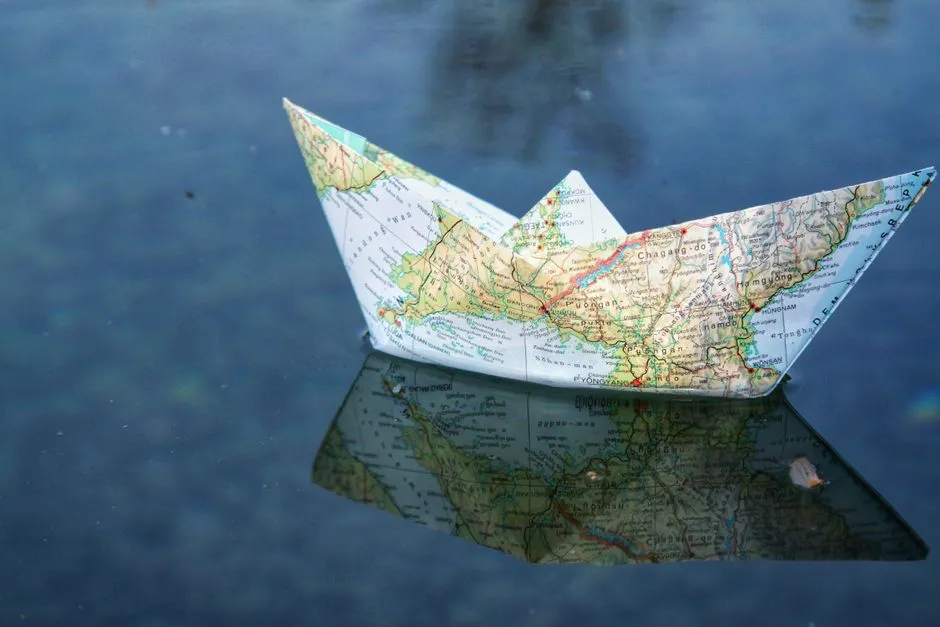
GPS signals get lost and phones die, but paper maps are forever. That simple observation from AAA Northeast captures the practical undercurrent that keeps paper maps relevant even in a world saturated with digital navigation.
Consumers increasingly see the traditional map as an accompanying tool to be used alongside digital navigation, a complementary pairing of paper and digital. That framing removes the either-or pressure and opens up a more balanced approach to how people actually navigate.
Remote stretches of the American West, rural coastal routes, and dense national park corridors are all places where cell service disappears without warning. Having a physical map in those moments is not retrograde thinking. It is just sensible preparation, the kind of thing experienced road trippers rarely skip.
The Slow Travel Movement and Its Natural Companion
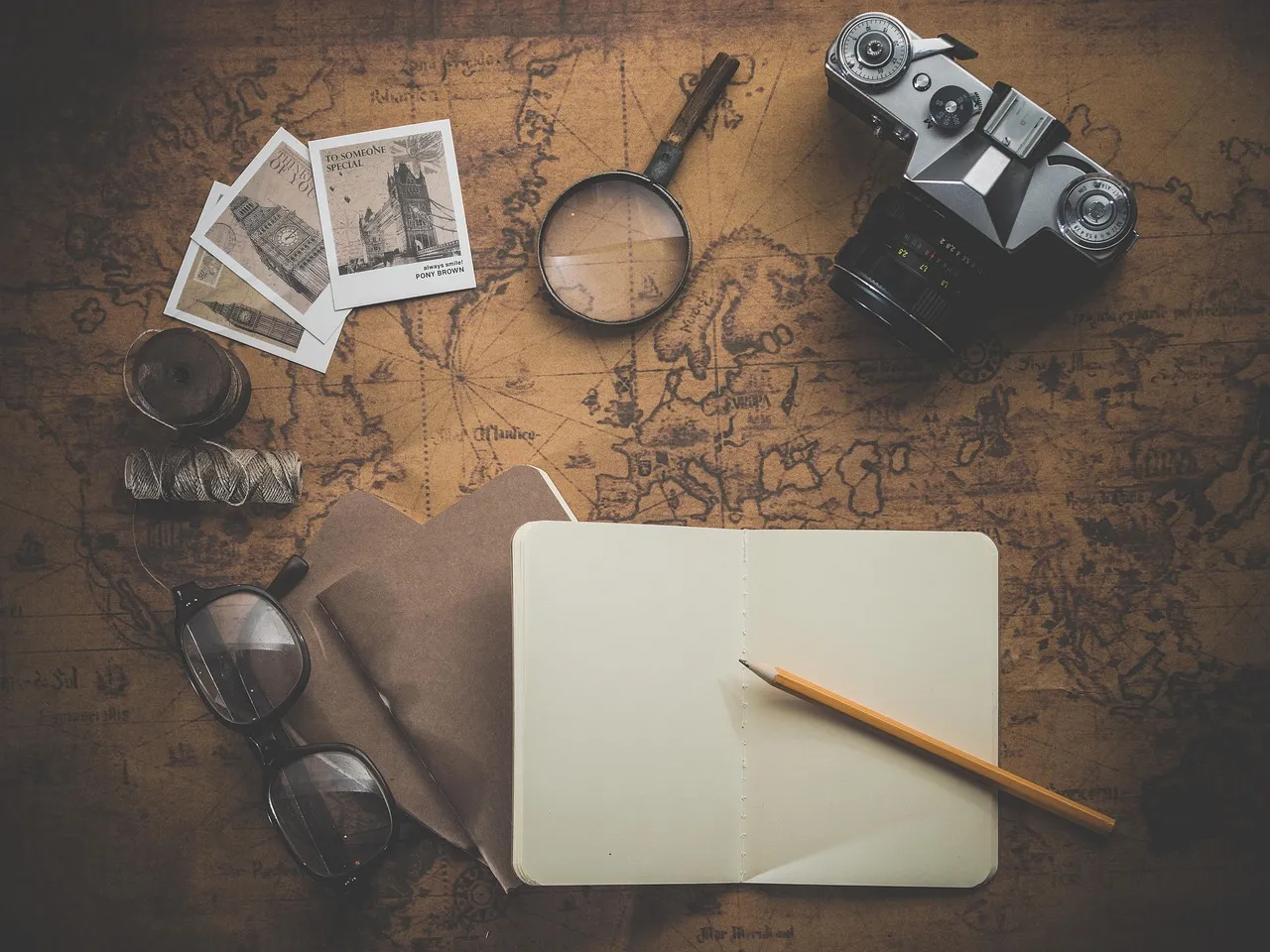
Slow travel has emerged as one of the defining travel styles in recent years, with nearly a quarter of travelers naming it as their preferred approach. Paper maps and slow travel are natural partners. One encourages lingering; the other makes lingering visible on the page.
In recent years, the road trip experience has shifted away from the classic “see it all” approach toward journeys that are intentional, personal, and filled with enriching experiences, encouraging travelers to slow down, savor each stop, and venture off the beaten track. A paper map rewards exactly that kind of attention.
When you are planning slowly, with a physical map spread out on a table, you notice things. You spot a back road that parallels the highway. You see a town with an interesting name forty miles from your planned route. Serendipity, it turns out, needs a little surface area to land on.
Maps as Art, Decor, and Cultural Artifacts
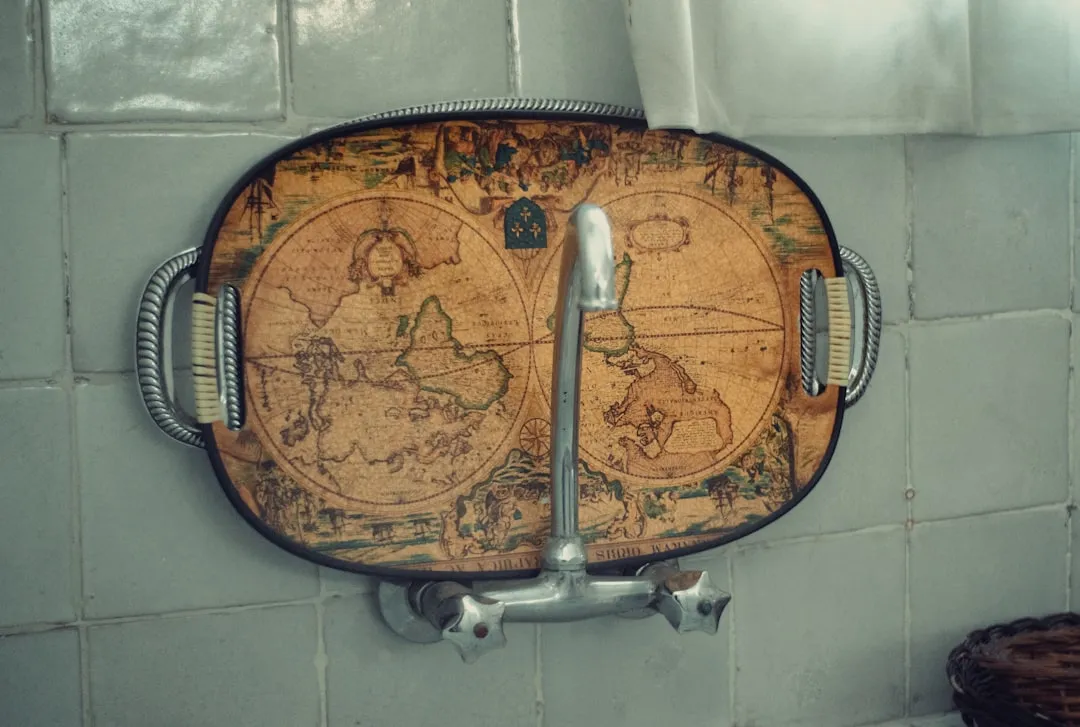
TripTiks and paper maps are enjoying a resurgence not only as navigational tools but as an aesthetic appearing on social media, being used on trips, and gracing walls as home decor. This dual life as both functional object and visual art is part of what makes the paper map trend culturally interesting.
Cartography has always carried a certain beauty. Topographic lines, illustrated coastlines, and the color-coded logic of a road atlas have a visual coherence that a phone screen, however capable, does not naturally produce. People are displaying maps the way they display prints, as a way of saying something about where they have been, or where they dream of going.
Publishers have responded to this. Vintage-style maps, collector editions, and illustrated regional atlases have all expanded their presence in bookstores and online. The market is clearly serving more than one kind of customer, the practical planner and the person who just wants something beautiful on the wall.
The Broader “Analog Revival” Context
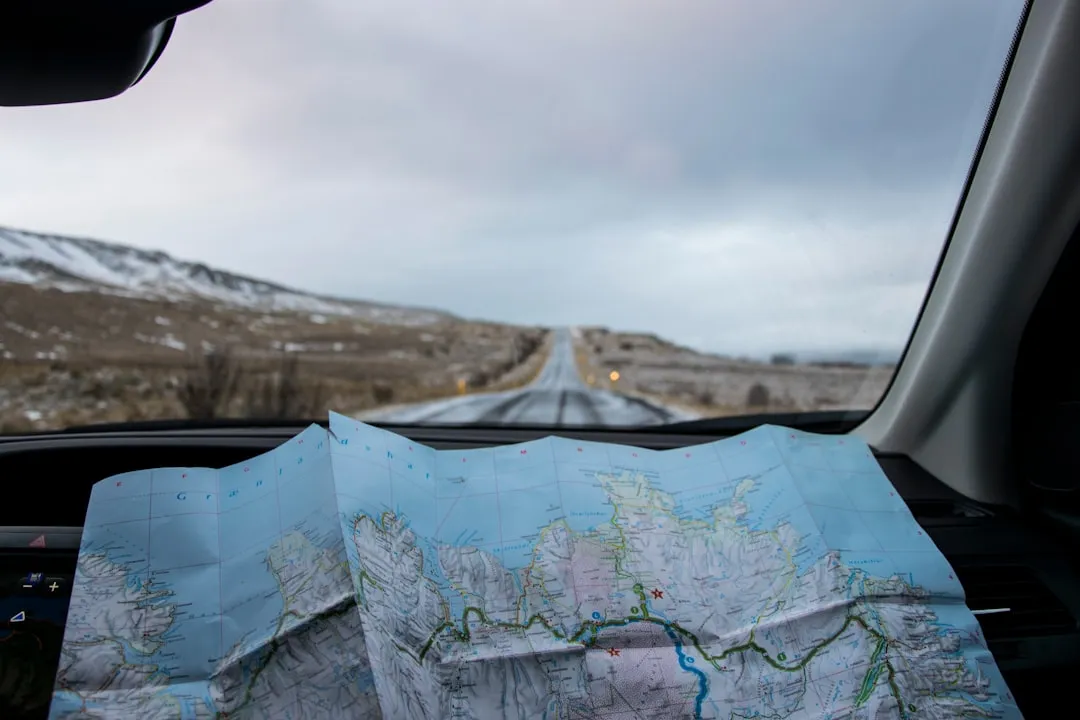
Paper maps don’t exist in isolation. They are part of a wider cultural pattern in which physical, tactile objects are regaining ground after years of digital dominance. Vinyl records, printed books, film photography, and now road atlases all share a similar narrative: technology did not kill them. It created space for people to understand what they valued about them.
The analog revival is, in many ways, a search for presence. A paper map requires your hands, your eyes, and your full attention. There are no notifications interrupting the process. No algorithm suggesting a route based on your previous behavior. The map offers you a blank possibility, and you fill it in.
That quality is increasingly rare and increasingly valued. The road trip, historically, has always been about a certain kind of freedom. A paper map, it turns out, is one of the more honest expressions of what that freedom actually feels like in practice.
Where the Road Map Trend Is Heading
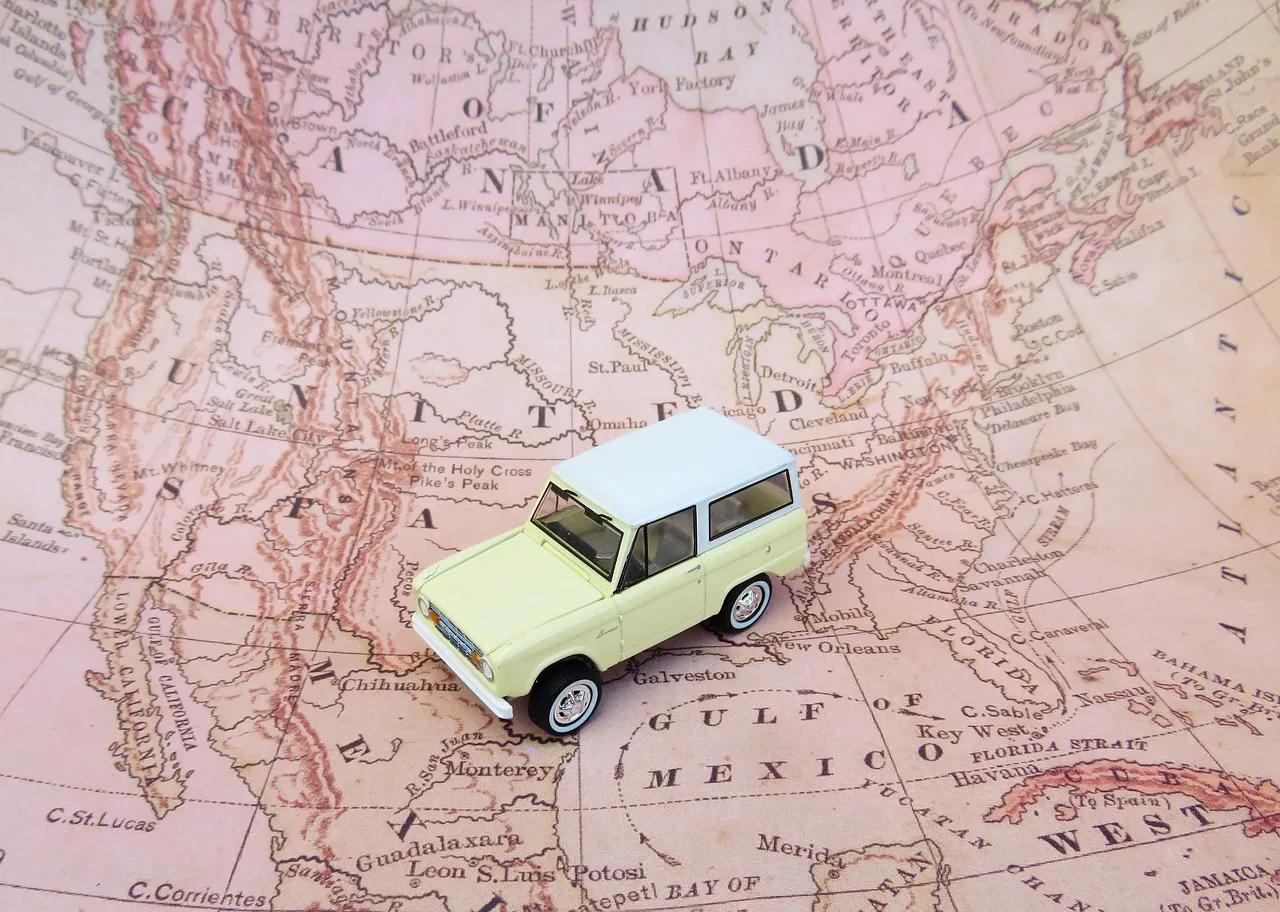
The trajectory looks steady. Publishers like Rand McNally continue releasing updated, annually revised editions that respond to current traveler interests, from national park guides to culinary road trip itineraries. The product is evolving, not fossilizing.
Looking ahead, the open road is expected to remain popular as a travel style, with around a third of travelers planning road trips and short getaways staying strong. That sustained enthusiasm for driving as a form of travel is the foundation on which the paper map market continues to stand.
There is also something generational passing between travelers on the road. Older drivers with decades of atlas experience are sharing routes with younger passengers who find the whole exercise genuinely novel. That exchange, around a folded map on someone’s kitchen table the night before a trip, might be the most enduring image of the revival.
The Takeaway
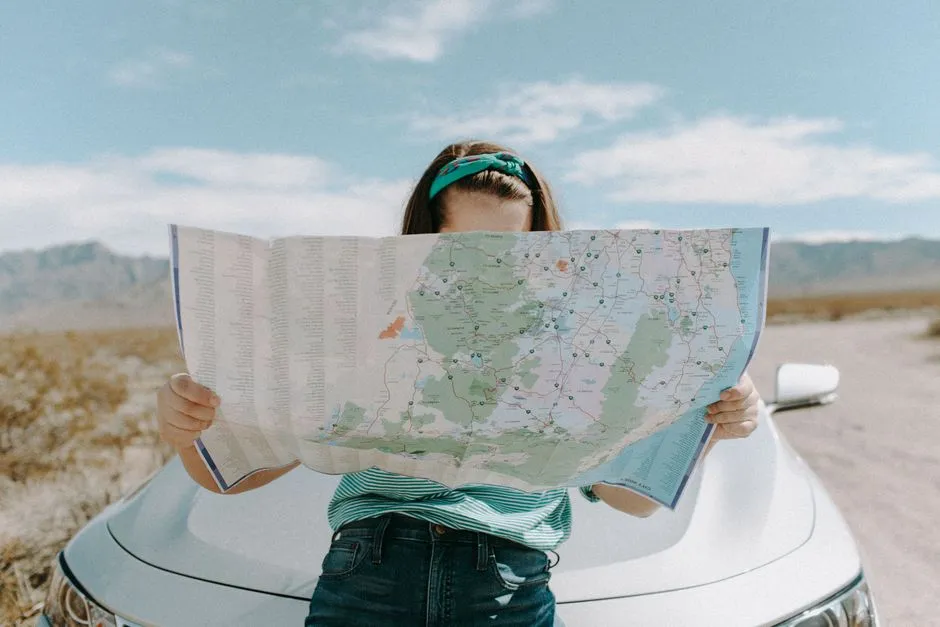
The paper map’s return is not a rejection of technology. It is a correction. When navigation became fully automated, something was quietly lost: the sense of participation in your own journey. A map puts that back.
Road trips feel like treasure hunts when you’re holding a map because, in a real sense, you are the one drawing the route. You decide where to stop, what to skip, and which unmarked road to follow on instinct. No app calculates that for you.
Whether tucked into a glove box as a backup or spread across a dining table the evening before departure, the paper map carries a promise that screens, for all their precision, have never quite managed to replicate. Some journeys are worth holding in your hands.
AI Disclaimer: This article was created with the assistance of AI tools and reviewed by a human editor.