
A Record-Breaking Volume of Applications
In fiscal year 2025, the Department of State issued a record-setting 27.3 million passport books and cards, while receiving a record-setting 23.3 million applications. To put that in perspective, the Bureau of Consular Affairs issued over 5.5 million passports in fiscal year 1996, and that figure more than doubled by fiscal year 2006, reaching over 12 million. The country’s appetite for international travel has grown dramatically over a generation, and the system built to support it has been scrambling to keep pace.
The State Department has indicated that the share of Americans holding a passport has increased from roughly five percent in 1990 to nearly half of all Americans in 2024. That shift represents tens of millions of new passport holders entering the renewal cycle simultaneously, creating a structural pressure on processing centers that isn’t going away anytime soon.
What the 2023 Backlog Revealed About the System
In 2023, U.S. citizens applying for a passport faced serious delays, with processing times for routine applications rising from six to nine weeks in January of that year to ten to thirteen weeks by March. The backlog exposed long-standing vulnerabilities in how the State Department managed staffing, technology, and surging demand all at once.
As COVID-era travel restrictions began to ease, international travel boomed, and so did demand for new passports and passport renewals. This demand, paired with other challenges at the State Department, resulted in passport processing delays that left many travelers frustrated. The consequences were not just bureaucratic. The passport processing delays caused many travelers to postpone or cancel international trips.
Staffing Shortages Were a Root Cause

In fiscal years 2017 and 2018, a hiring freeze resulted in staffing shortages. Although the State Department was initially able to maintain processing timeframes during this period, the shortages required processing specialists to work extensive overtime to compensate for resource constraints. Those hiring gaps never fully recovered before travel demand surged back after the pandemic.
To manage the fiscal year 2023 backlog, the State Department required passport specialists to work up to 24 hours of overtime per month, and data show that specialists worked more than 250,000 hours of overtime during that fiscal year. That’s a significant human cost behind the numbers, and a signal that the system was being held together largely through sheer effort rather than structural capacity.
How Processing Times Improved – and Where They Stand Today
On October 3, 2024, the State Department announced that processing times had been reduced from the prior commitment of six to eight weeks down to four to six weeks for routine applications. Expedited passport processing remained at two to three weeks. That improvement was meaningful, though many travelers discovered that the official numbers don’t capture the full picture.
According to the U.S. Department of State, passport processing times in 2026 range from four to six weeks for routine service to two to three weeks for expedited processing, not including mailing times that can add up to two additional weeks to the total timeframe Americans need to receive their travel documents. That extra mailing window is often what catches people off guard.
The Hidden Timeline Nobody Warns You About
The primary reason for much of the frustration lies in how the government calculates its processing windows versus how a traveler actually experiences the wait. The clock does not start the moment you drop your envelope at the post office, nor does it end when the printing press finishes your passport book. This discrepancy has created a hidden timeline that can catch even the most organized travelers off guard during the busiest months of the year.
The official processing window covers only the processing itself. When you factor in mailing, typically adding another two to four weeks, the total timeline stretches considerably longer than most applicants expect. Passport demand also spikes from late winter through summer, and if you’re planning to travel during busy periods like spring break, summer vacations, or the holidays, expect longer wait times due to increased application volume.
The Rise of Online Passport Renewal

The State Department fully launched its online passport renewal system to the public in September 2024. It marked a genuine shift in how millions of Americans can now manage the process, cutting out a trip to the post office for eligible applicants. Renewing a passport online can be completed in around ten minutes, which is a meaningful convenience improvement over the traditional paper route.
To renew online, the passport being renewed must be valid for ten years and either expiring within one year or having expired less than five years ago, the applicant must be age 25 or older, and the applicant must not be traveling for at least six weeks from the date of submission. Online passport renewal is not available to renew children’s passports, to apply for a first-time passport, or to renew a passport while living outside the United States.
REAL ID and the Unexpected Passport Surge
As the REAL ID requirement took effect in 2025, some Americans chose to obtain a passport book or passport card as an alternative federally accepted form of identification. This added a layer of demand that wasn’t strictly travel-driven, drawing in people who simply wanted a reliable federal ID without the hassle of updating their driver’s license.
Several factors converged to create what amounts to a permanent surge in 2026. The combination of post-pandemic travel rebounds, pandemic-era application backlogs finally clearing, and REAL ID-driven demand created a moment where the passport system faced pressures from multiple directions at once. The result is sustained high volume that processing centers continue to absorb.
Common Mistakes That Add Weeks to Your Wait
Many passport renewal delays are caused by simple mistakes like typos, incomplete fields, or using the wrong form. These errors can add weeks to the processing time. The irony is that the most preventable delays tend to be the most common ones, and they’re rarely caught until the application is already in the mail.
Signing errors are another frequent problem. Applicants should follow form instructions carefully and sign only where and when directed, as incorrect signatures can invalidate an application and require resubmission. Travelers should also avoid scheduling international travel within the expected processing window unless they’ve chosen expedited or urgent service, as departing too soon is one of the most common causes of last-minute complications.
Passport Scams Are Getting More Sophisticated

The only official, authorized place to renew a U.S. passport online is opr.travel.state.gov. Other websites or companies claiming to renew passports online may be fraudulent. These websites and companies charge extra fees and put personal data at risk. Even if a company has “Gov” in its name, it is not authorized to accept or process online renewal applications.
Travelers should never send payment to an individual who contacts them through messaging apps and claims to privately accelerate government processing. Legitimate passport fees should be handled through the payment methods specified by the responsible authority. With millions of anxious travelers looking for shortcuts, scammers have found a reliable and growing audience.
What the Government Is Doing Long-Term
The State Department is developing a long-term plan known as the Transformation Roadmap for projects to modernize processing and avoid future delays. As of November 2024, the department had developed 83 projects that included improving information technology and opening six new passport agencies. The scope of the effort signals that officials understand the current infrastructure wasn’t built for this volume.
Congress has also required the State Department to pursue modernization priorities, including the creation of a mobile app to allow passport applicants to communicate more closely with the department during the adjudication process, and the expansion of eligibility criteria for online renewal to include most passport applicants, including adults applying for a passport for the first time. The GAO has noted that the department still needs to identify specific resource needs, including staffing and funding, to ensure the success of its passport modernization projects. Progress is real, but so is the work still ahead.
The Practical Takeaway for Every Traveler
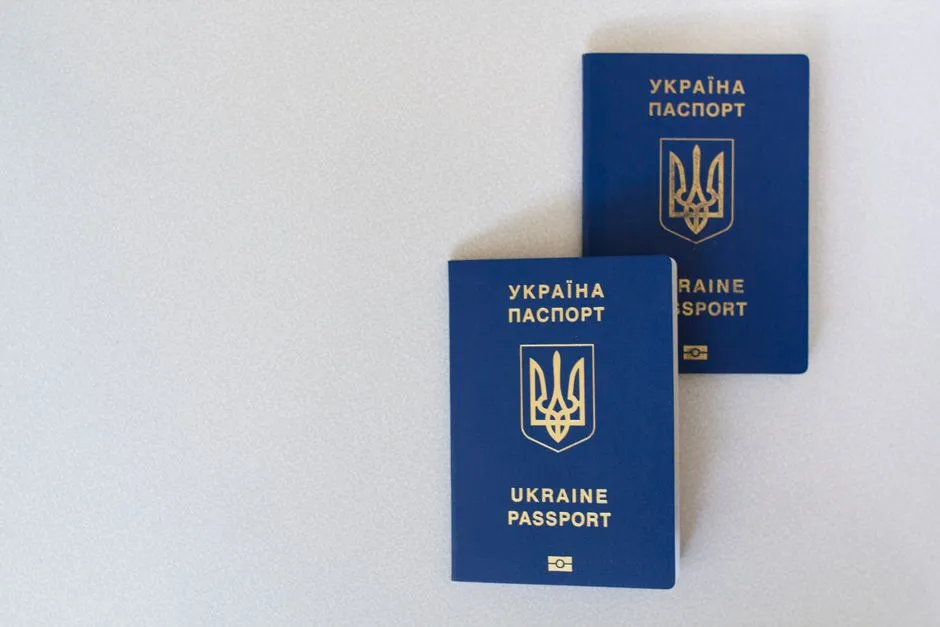
As of January 2026, the standard processing time for a U.S. passport is four to six weeks. If a trip is coming up soon, travelers should not rely on routine processing times alone, as mailing delays, application errors, and seasonal demand can all add extra time. The safest posture, backed by every travel professional and government guidance, is to apply at least three months before an international departure.
To sidestep delays, consider renewing your passport during slower months, typically October through December. Emergency passports may be issued in fewer than three business days, but only for life-and-death emergencies or travel within 14 days. Same-day passport issuance is technically possible, but only at one of 26 U.S. passport agencies with both an appointment and proof of urgent travel. Knowing your options before you need them is the clearest advantage any traveler can have.
Planning Ahead Is the Only Real Fix
AI Disclaimer: This article was created with the assistance of AI tools and reviewed by a human editor.