


Picture this: you’ve booked your flights, packed your bags, and arrived at the check-in counter, only to be told you won’t be boarding. Not because of visa issues. Not because of a security flag. Simply because of how much time is left on your passport. It happens to thousands of travelers every year, and the frustrating part is that it’s entirely avoidable.
Most people assume a passport is valid as long as it hasn’t expired. That assumption is where the trouble starts. The rules are more layered than the expiration date stamped on the back page, and missing even one of them can unravel a trip you spent months planning.
What the Six-Month Rule Actually Means
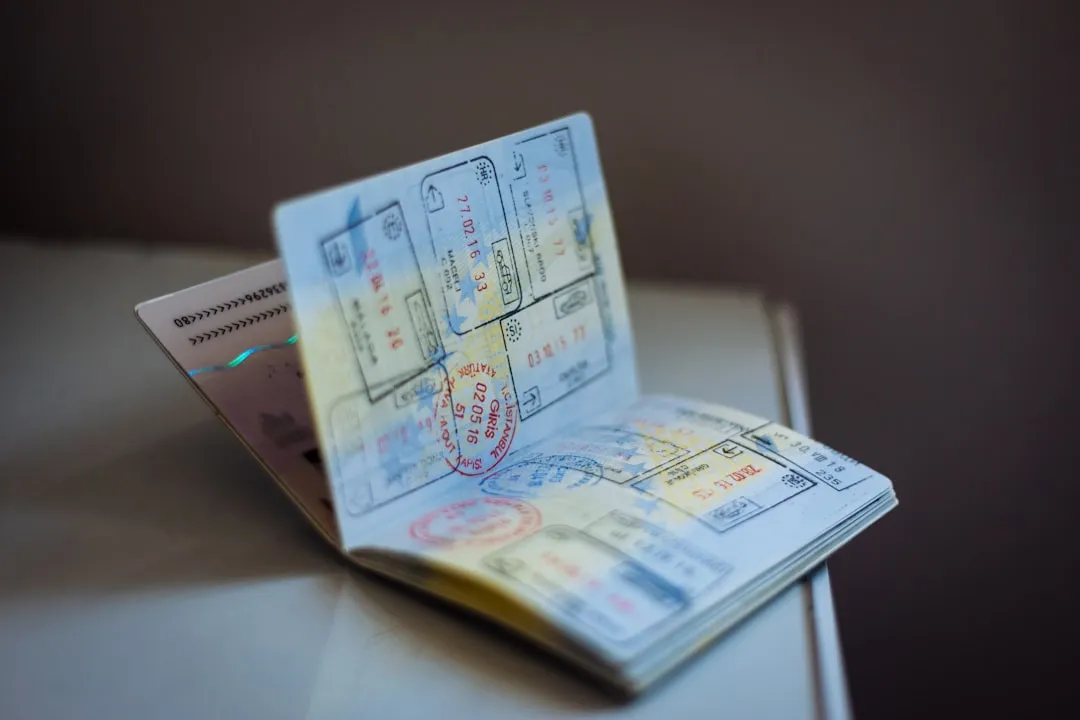
The six-month passport rule states that your passport must be valid for another six months before you depart for international travel. It sounds simple, but the specifics matter enormously. Depending on which country you are traveling to, the six-month period may begin from the date you leave that country or the date you arrive.
Many countries enforce what’s known as the six-month passport validity rule, a requirement that your passport remain valid for at least six months beyond your date of entry. Failing to meet this rule can result in denied boarding or being turned away at immigration.
Many countries mandate that your passport remains valid for a set buffer period beyond your planned departure date. This buffer safeguards against delays, unexpected trip extensions, or emergencies that may arise while you’re abroad. This period, often six months but sometimes less, prevents cases where travelers get stranded in a foreign country with an invalid passport.
The Three-Month Rule: Europe’s Different Standard

For travel to the EU, your passport must be valid for at least three months beyond your planned departure from the EU. You need to ensure your passport is valid for your entire stay plus an additional three months. This is a less demanding threshold than the six-month rule, but it still catches people off guard.
For travelers heading to Europe, the rules are quite specific. Your passport must be valid for at least three months beyond your planned date of exit from the Schengen Zone. Additionally, the passport should not be older than ten years at the time of arrival.
Several countries, including those within the Schengen Area, require your passport to be valid for three months beyond your intended departure date. These countries include many popular European destinations: Austria, Belgium, Czech Republic, Croatia, Denmark, Estonia, Finland, France, Germany, Greece, Hungary, Iceland, Italy, Latvia, Liechtenstein, Lithuania, Luxembourg, Malta, Netherlands, Norway, Poland, Portugal, Slovakia, Slovenia, Spain, Sweden, and Switzerland.
Where the Six-Month Rule Is Strictly Enforced

Your passport must be valid for at least six months beyond your departure date if you are heading to most Asian, African, and Middle Eastern countries. These regions represent some of the world’s most popular travel destinations, from Thailand and Indonesia to Kenya and Morocco.
India requires most travelers to have a passport valid for at least six months upon entry, along with two blank pages for visa stamps. This applies to traditional and eVisa entries alike. Indonesia enforces a similar standard.
Nearly all African nations strictly mandate six months of validity upon arrival. Zambia and Senegal are known for strictly enforcing both the six-month rule and the blank page requirement. Travelers who overlook these rules often discover the problem only when it’s too late to fix it.
Countries With More Flexible Requirements
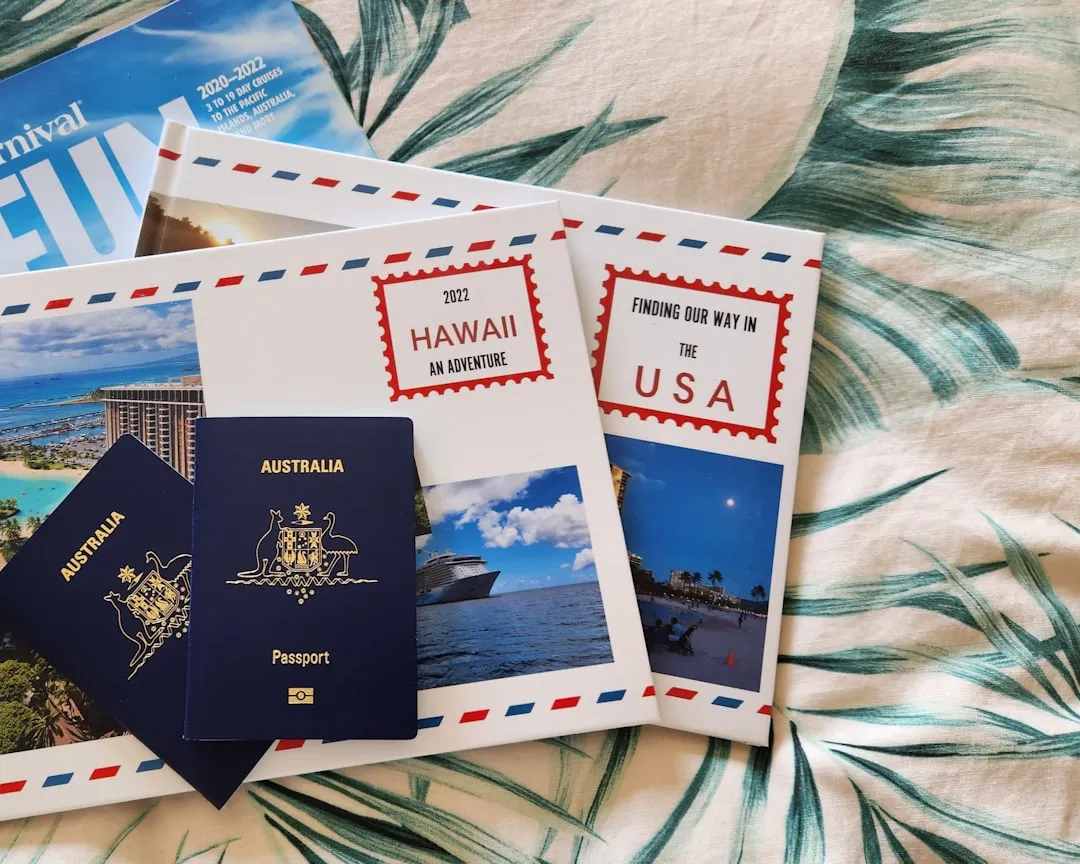
A few countries, like the UK, USA, and Australia, only require your passport to be valid for the length of your visit, but having six months validity is still recommended. This is a meaningful exception for North American and European travelers.
Some countries, like Australia, Mexico, Canada, and Schengen countries, allow US passport holders to enter even if their documents expire in under six months. Still, these exceptions should not be treated as a license to travel carelessly close to the expiry date.
Certain countries may have bilateral agreements with one another to shorten the six-month passport requirement or eliminate it altogether. Certain countries such as France or Germany may have slightly different requirements, especially if you are applying for a visa. In all cases, consulting official consulate or embassy websites remains the most reliable way to confirm the latest policies.
How Airlines Enforce the Rule Before You Even Board

Airlines check validity requirements at check-in using systems like TIMATIC. Failing to meet requirements results in denied boarding. This happens before you reach immigration, which means even a perfectly arranged visa cannot save you at the gate.
Airlines are legally responsible for ensuring passengers meet destination entry requirements. If your passport doesn’t meet validity requirements, airlines can and regularly do deny boarding at check-in.
Airlines will refuse boarding if your passport is close to expiring. Many countries require at least six to twelve months of validity before issuing a visa. Flights, hotels, and other bookings may go to waste if you’re unable to enter the country.
The CBP Update That Changed Rules for U.S.-Bound Travelers

On December 18, 2025, the U.S. Customs and Border Protection published a revised list of countries whose citizens do not need six months of remaining passport validity beyond their intended U.S. stay. Travelers from these countries are only required to present a passport valid for the intended period of stay, not six months beyond it.
The current list contains more than 100 countries across Europe, Asia, Africa and the Americas, ranging from Albania to Zimbabwe. Travelers not from an exempt country must still comply with the longstanding U.S. requirement that passports be valid six months beyond the intended period of stay.
This rule is crucial for maintaining orderly and secure international travel, as it prevents situations where a visitor’s passport expires while they are still in the United States, which could complicate their ability to return to their home country. By ensuring that travelers have sufficient time to address any unforeseen circumstances that might delay their departure, this rule helps to avoid complications arising from an expired passport.
The Blank Pages Rule: The Other Requirement Nobody Checks
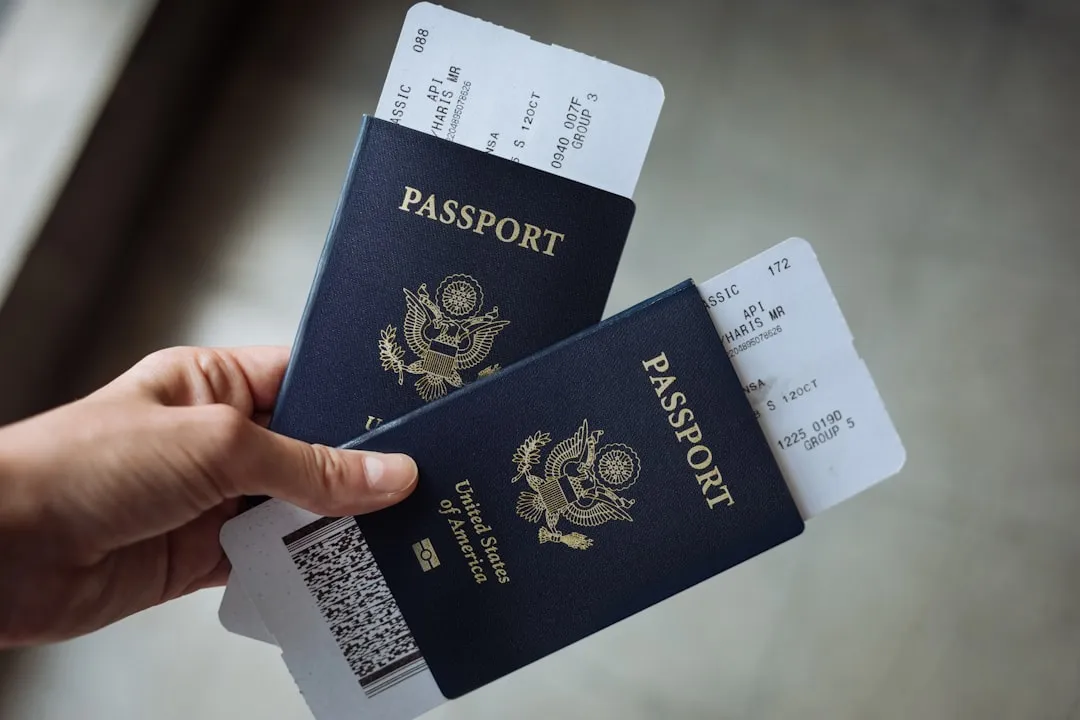
When planning an international trip, most travelers obsess over visa requirements and passport expiration dates, completely overlooking a silent trip-killer: blank pages. A passport might be valid for another five years, but if it lacks the requisite empty pages, you could be denied boarding before your vacation even begins.
Out of 199 countries, 152 require only one blank visa page, 43 require two or three pages, and four have no specified requirements. Countries requiring two blank pages include China, Laos, Kenya, and South Africa. South Africa is one of the countries that requires two consecutive blank pages, and they’re known for being especially strict. There have been reports of travelers being denied boarding for not having two consecutive blank pages available.
If you’re denied boarding due to insufficient pages, airlines are not obliged to refund your ticket, and very few travel insurance policies will cover the cost. The only solution for a full passport is to renew it, which takes time.
Passport Processing Times in 2026 Are Still Weeks-Long
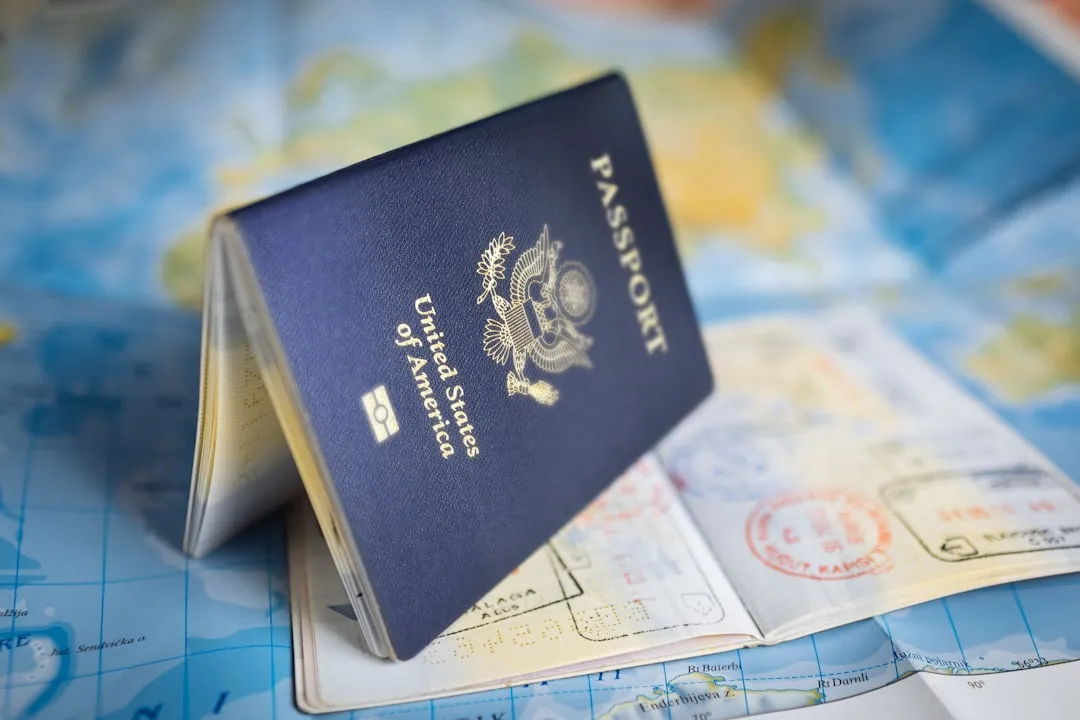
The U.S. issued a record 27.3 million passports in fiscal year 2025, the highest volume in history. That surge has kept processing times elevated heading into 2026, making last-minute renewals a genuine gamble.
Routine processing takes four to six weeks. Expedited processing takes two to three weeks. It may take up to two weeks for your application to get to the processing center. Add another two weeks to receive your new passport after it is mailed. When you add up all those stages, the total window can stretch to ten weeks or more.
Urgent travel requires an appointment at a passport agency and proof of international travel within 14 calendar days. That option exists, though it requires documentation and scheduling, which adds stress to an already pressured situation. The single most important takeaway is to renew your passport when it has 12 to 18 months of remaining validity. This simple habit prevents last-minute scrambles, eliminates stress over the six-month rule, and ensures you’re always ready for spontaneous international opportunities.
Europe’s New Digital Border System Adds Another Layer

As of October 12, 2025, U.S. citizens need to go through the EU’s new Entry and Exit System when traveling to 29 European countries. This applies to any visits lasting up to 90 days within a 180-day period. Fingerprints, facial image, passport details, and entry and exit dates are collected upon entry and stored digitally.
In October 2025, the European Union rolled out its new digital border-management system called the Entry/Exit System, which caused hours-long delays at some European airports. Upon arrival, EES records travelers’ biometric data, including fingerprints and facial scans, along with the entry and exit dates of non-EU passport holders.
The EU’s ETIAS system is also expected to launch in Q4 of 2026, and travelers will need a valid passport to obtain authorization. These back-to-back system rollouts mean passports are now under more scrutiny at European borders than at any point in recent memory. Getting your documents in order before you book is simply responsible travel planning.
How to Check and Stay Ready Before You Travel
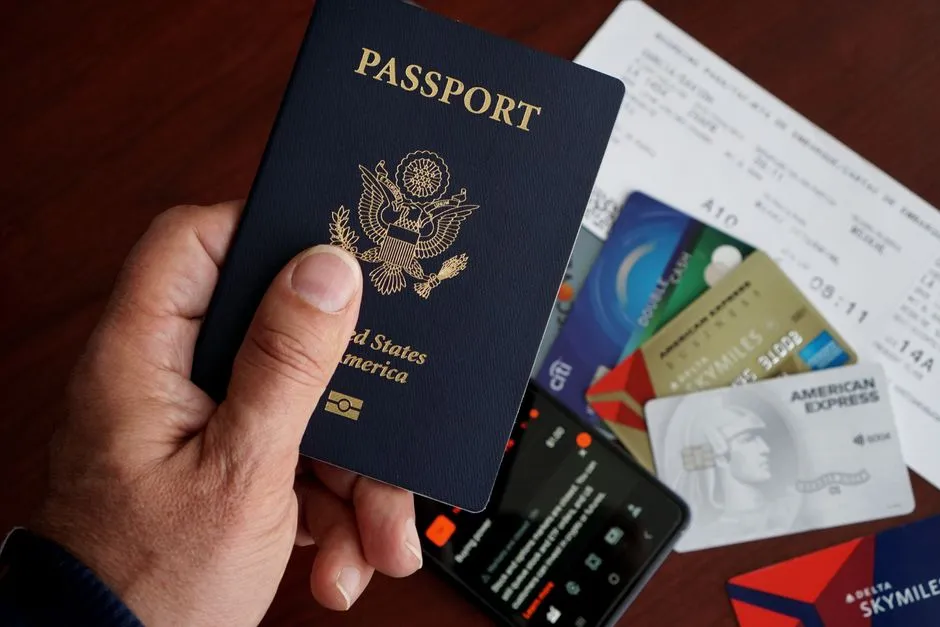
The U.S. Department of State recommends travelers have at least six months of validity remaining before any international trip. That advice applies broadly, even when a specific destination’s official rules technically allow for less.
Your passport details must match the information on your airline ticket and travel documents. Even minor differences in spelling can cause issues at check-in or immigration. This is especially important for travelers who have recently changed their name due to marriage or legal reasons. Always update your passport before booking international travel to avoid complications.
Many visas are tied directly to passport validity. Some countries will not issue a visa if your passport is close to expiring. Others may issue a visa that expires on the same date as your passport. This means a short passport validity could limit your length of stay. Renewing your passport early can help you qualify for longer or multiple-entry visas.
The Practical Habit That Prevents All of This
It is generally recommended to renew your passport at least nine to twelve months before it expires, especially if you travel frequently. That window gives you ample time to handle processing delays, fix any application errors, and still have a passport ready well before the six-month buffer kicks in.
When applying for a U.S. passport, you can choose between a regular book with 22 blank visa pages or a large book with 42 blank visa pages. Since 2016, you can no longer add pages to a U.S. passport, so when you run out of space, you must renew. Since the passport fee is the same for both sizes, frequent travelers typically choose the large book.
The share of Americans holding a passport has increased from about five percent in 1990 to nearly half of the population in 2024, according to U.S. Department of State data. With most adult passports valid for ten years, that growth means significantly more renewals are cycling through the passport system each year. The lesson is a simple one: check your passport early, check it thoroughly, and renew before any ambiguity creeps in. The best passport is the one you never have to think about at the airport.
AI Disclaimer: This article was created with the assistance of AI tools and reviewed by a human editor.