


Millions of travelers have stood at an airport check-in counter, passport in hand, only to be stopped cold. The document is valid. The trip is planned. The hotel is booked. Yet something is wrong, and the gate agent won’t budge. In most cases, the culprit is one of the most widely misunderstood rules in international travel: the six-month passport validity requirement.
It sounds almost absurd at first. A passport that technically hasn’t expired can still get you denied boarding or turned back at the border. The gap between what travelers assume and what immigration authorities actually require is exactly where thousands of trips go sideways every year.
What the Six-Month Rule Actually Means
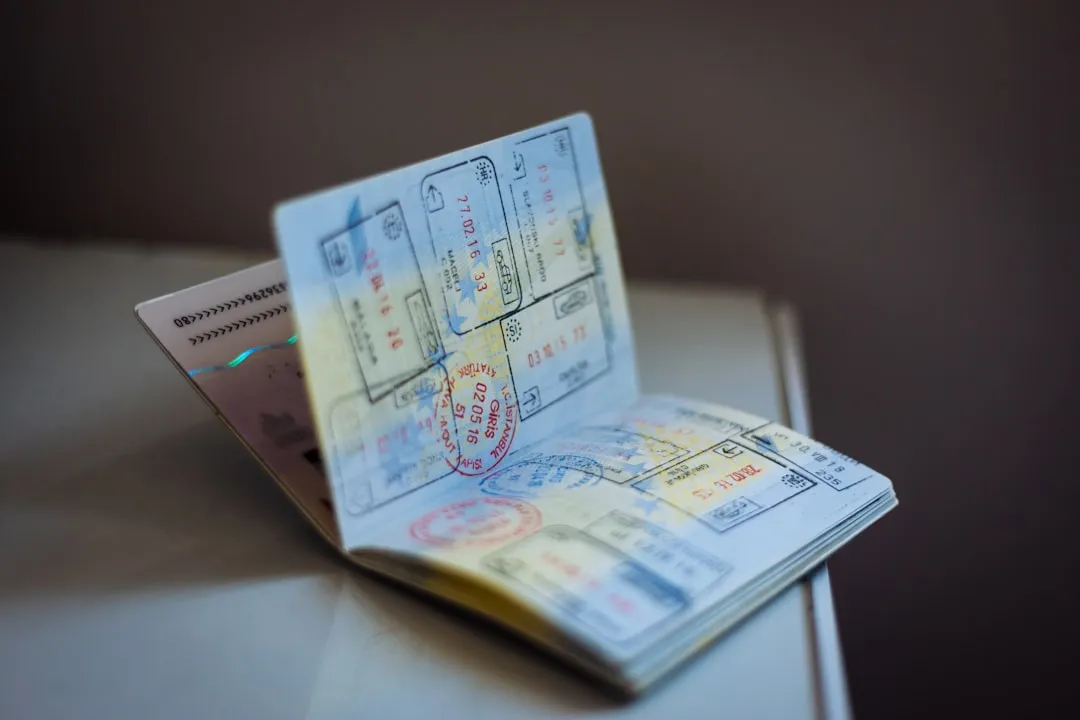
Many countries enforce what’s known as the six-month passport validity rule, a requirement that your passport remain valid for at least six months beyond your date of entry. This is the part that surprises most people. Your passport may show an expiry date of, say, three months from now, and for everyday purposes that still feels “valid.” To a border officer in dozens of countries, it isn’t.
In plain terms, the rule means your passport must still be valid for at least six months after your arrival date, departure date, or intended stay, depending on the country’s specific rules. The exact measurement point varies by destination, which adds another layer of confusion. The rule is simple in concept but inconsistent in practice, and that inconsistency is exactly why travelers face issues with it.
Where the Rule Applies and Where It Doesn’t
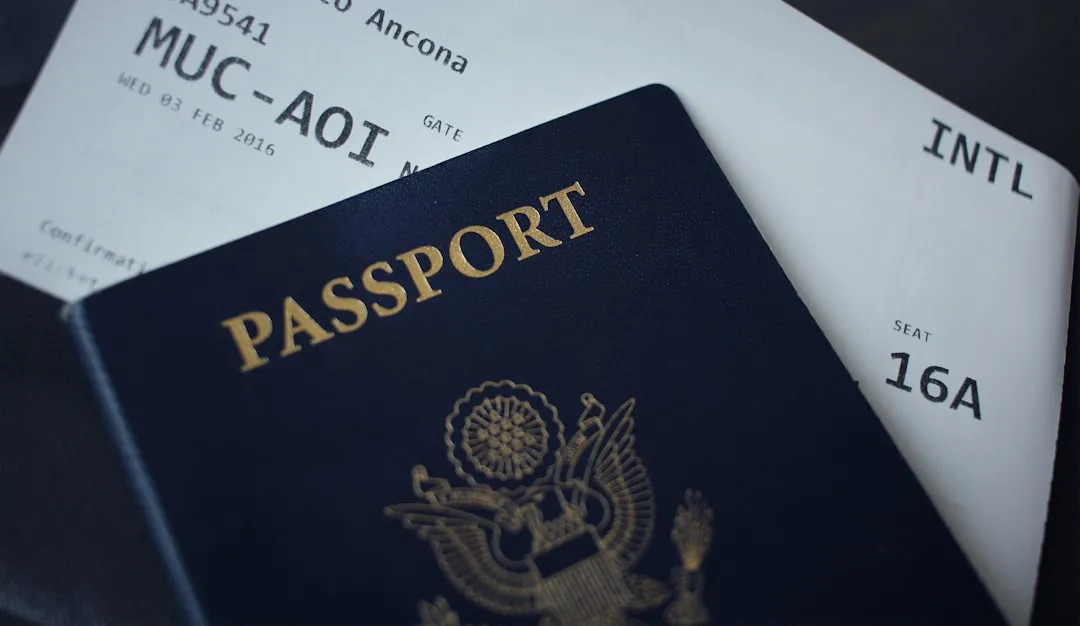
Over 70 countries enforce what’s commonly called the “six-month rule,” requiring passports to remain valid for at least six months beyond your departure date. This affects travel to major destinations including China, Thailand, Brazil, and Russia. That list covers a significant slice of global travel.
Not all countries apply it: Schengen Area countries require only three months, and destinations like Canada, Mexico, and Japan require only entry-day validity. So where you’re going matters enormously. Countries requiring six months of passport validity from your date of entry include China, India, Indonesia, Thailand, Vietnam, Cambodia, Philippines, Malaysia, Singapore, Turkey, UAE, Saudi Arabia, Kenya, Tanzania, Brazil, Ecuador, and many others.
For EU travel, passports must be issued within the last 10 years and maintain at least three months of validity from your planned departure. That’s a lower threshold than the six-month rule, but the 10-year issuance date catches travelers who renewed early or received extended validity periods.
Why the Rule Exists in the First Place
Bad weather, medical emergencies, labor strikes, and family crises can leave people stuck abroad longer than expected. By requiring extra passport validity, governments lower the risk that someone ends up stranded with an expired document during the trip. It’s a practical buffer, not a bureaucratic quirk.
The rule exists to ensure travelers maintain legal status if flights are delayed, itineraries change, or emergencies extend stays. From a government’s perspective, the logic is sound. A traveler whose passport expires while they’re in the country creates a documentation problem that’s difficult for everyone to untangle, including the traveler themselves.
You Can Be Stopped Before You Even Board the Plane
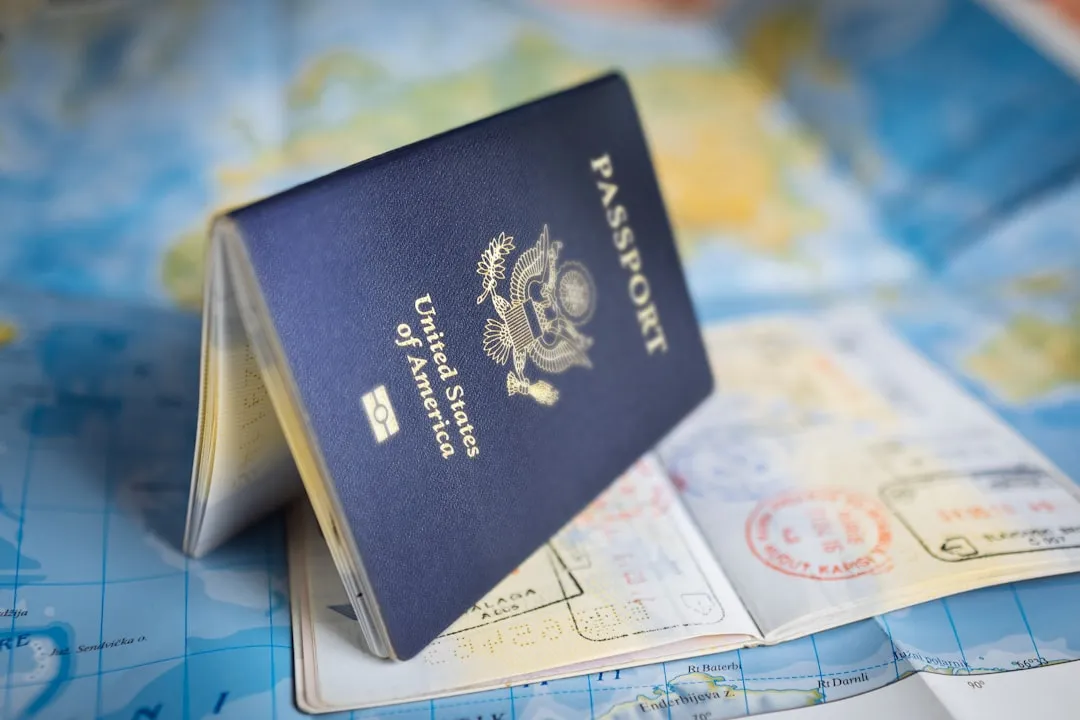
Airlines check entry requirements at check-in using TIMATIC. If your passport doesn’t meet the destination’s rule, you can be denied boarding even if nothing flagged it when you booked. This is the part of the process most travelers have no idea exists. The refusal can happen hours before you ever get near a customs officer.
Airlines bear the cost of returning passengers who are denied entry at the destination. For this reason, airlines enforce passport validity rules strictly, often more strictly than the actual immigration authorities. A gate agent will deny you boarding if your passport does not clearly meet the requirement, even in edge cases where immigration might let you through.
Airlines enforce these rules at check-in because they face financial penalties if passengers are refused entry at destination borders. The liability pushes enforcement to the departure gate, where gate agents verify passport validity against destination country requirements before issuing boarding passes.
The System Airlines Use to Check Your Documents

TIMATIC (Travel Information Manual Automatic) is the database that airlines use to decide whether you have the right documents to board an international flight. Managed by the International Air Transport Association (IATA) and first established in 1963, it stores entry requirements for over 220 countries and territories, drawing from more than 2,000 government and airline sources.
The Timatic eligibility engine takes the verified document data and checks it against the entry, transit, and exit requirements for the whole journey, not just the leg. That detail matters more than most people realize. Your transit country’s rules apply, too. Expiry is measured against arrival, not departure. On a long-haul flight, a passport can be valid at the gate and expired by landing.
How Many Travelers Are Actually Affected

In 2025, 1.2 million travelers worldwide were denied boarding or entry due to passport issues, a 15% increase from 2024. Of those, 250,000 were US citizens, with roughly two-fifths cited for passport validity under six months. Those are not small numbers. They represent missed weddings, canceled business trips, and lost holiday deposits.
Denials spike during peak travel seasons when travelers dig out passports they haven’t checked in months. Summer vacations, winter holidays, and spring breaks generate the highest refusal rates, particularly among families traveling with children whose passports may have been issued years earlier.
The Exemption List That Changes Regularly

On December 18, 2025, U.S. Customs and Border Protection (CBP) announced an update to the Carrier Liaison Program (CLP), including a revised list of countries whose citizens are exempt from the six-month passport validity rule. These updates happen periodically, which means a rule that didn’t apply to your nationality last year may apply today.
The U.S. has reciprocal agreements with select countries that exempt their citizens from the six-month passport validity requirement. These countries are part of the “Six-Month Club.” Citizens of these countries need only a passport valid for the duration of their intended stay in the United States. The list is not permanent, and travelers should confirm their country’s status on the official CBP or U.S. State Department websites before traveling.
The Schengen Complication Many Americans Miss

The U.S. State Department advises travelers to have at least six months of validity remaining when traveling abroad to avoid disruptions, and at least three months of validity beyond your planned departure date when traveling in Europe. The lower threshold for Europe lulls some travelers into complacency, but the Schengen zone adds a different wrinkle: the passport issuance date.
Passports issued more than 10 years ago are not accepted in the Schengen Area even if they haven’t technically expired. This traps travelers who used their full 10-year passport validity and assumed everything was fine. Keeping six months on your passport at all times covers the strictest tier and reduces the risk of a boarding denial at check-in. That’s the simplest universal approach, regardless of destination.
Renewing Your Passport Now Takes Longer Than You’d Expect

The U.S. issued a record 27.3 million passport books and cards in fiscal year 2025, the highest volume in history. Demand like that puts pressure on processing times in ways that booking websites rarely flag when you purchase a flight months in advance.
Passport wait times in 2026 are still running four to six weeks for routine processing and two to three weeks for expedited service, and that’s before factoring in mailing time. In some cases, total wait times, from the day you mail your application to the day it arrives at your door, could stretch to 10 to 12 weeks. That’s a long time to spend anxious about a trip you’ve already paid for.
Emergency passports may be issued in less than three business days, but only for life-and-death emergencies or travel within 14 days. Same-day passport issuance is technically possible, but only at one of 26 U.S. passport agencies with both an appointment and proof of urgent travel.
How to Check Before You Book, Not After

Travelers can search the TIMATIC database themselves through IATA’s free online portal before heading to the airport. This is one of the most underused tools in travel planning. Most people have no idea it exists. Typing in your nationality, destination, and travel dates gives you the same information the check-in agent will be consulting when you arrive.
The honest answer to ‘can I travel if my passport expires in five months’ is: don’t guess. Check the destination, check any transit point, and check the airline’s documentation rules before you go. The U.S. State Department’s own website lists country-specific entry requirements as well, and it’s updated regularly.
If your passport has less than nine months of validity, renewing it as soon as possible is strongly advised. Nine months provides enough runway to handle processing times and still comfortably satisfy the strictest six-month rules you’re likely to encounter anywhere in the world.
A Final Word on a Rule Worth Taking Seriously
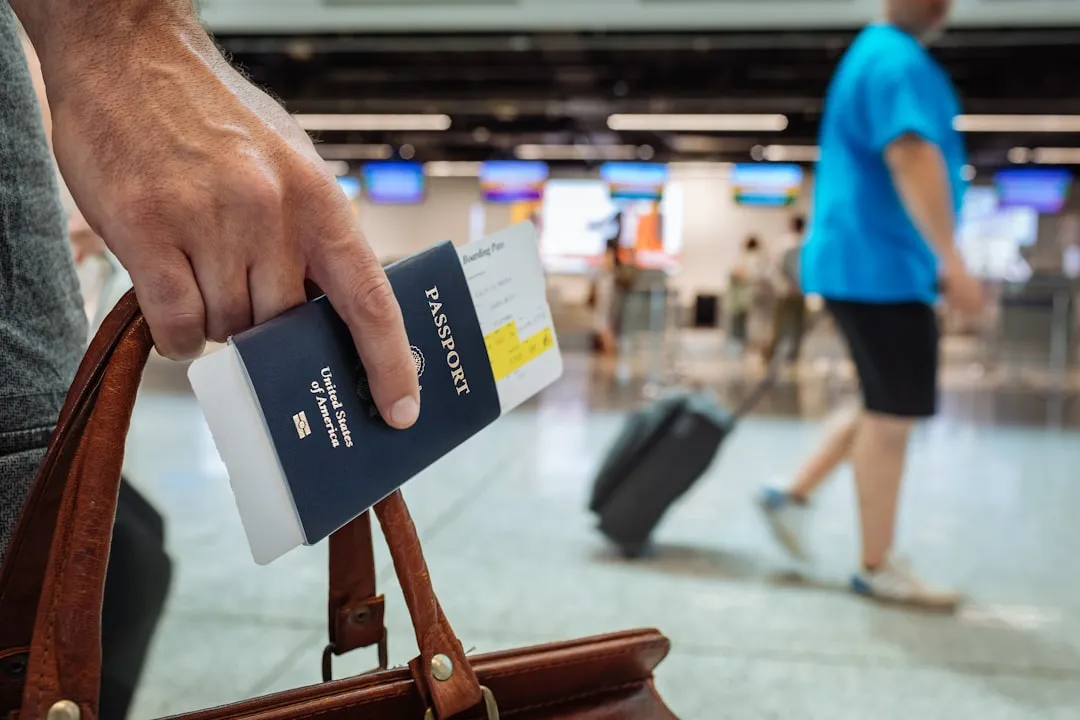
The six-month rule isn’t going away. If anything, it’s being enforced more consistently as airlines rely on automated verification tools that leave little room for discretion at the gate. Failing to meet this rule can result in denied boarding or being turned away at immigration. The financial and emotional cost of that outcome, especially mid-journey, is significant.
The fix is genuinely simple: check your passport’s expiry date against the specific requirements of every country on your itinerary, including transit stops, well before you travel. The U.S. Department of State recommends travelers have at least six months of validity remaining before any international trip. Following that guidance, regardless of where you’re going, is the single most reliable way to make sure the only thing standing between you and your destination is the boarding gate itself.
AI Disclaimer: This article was created with the assistance of AI tools and reviewed by a human editor.