
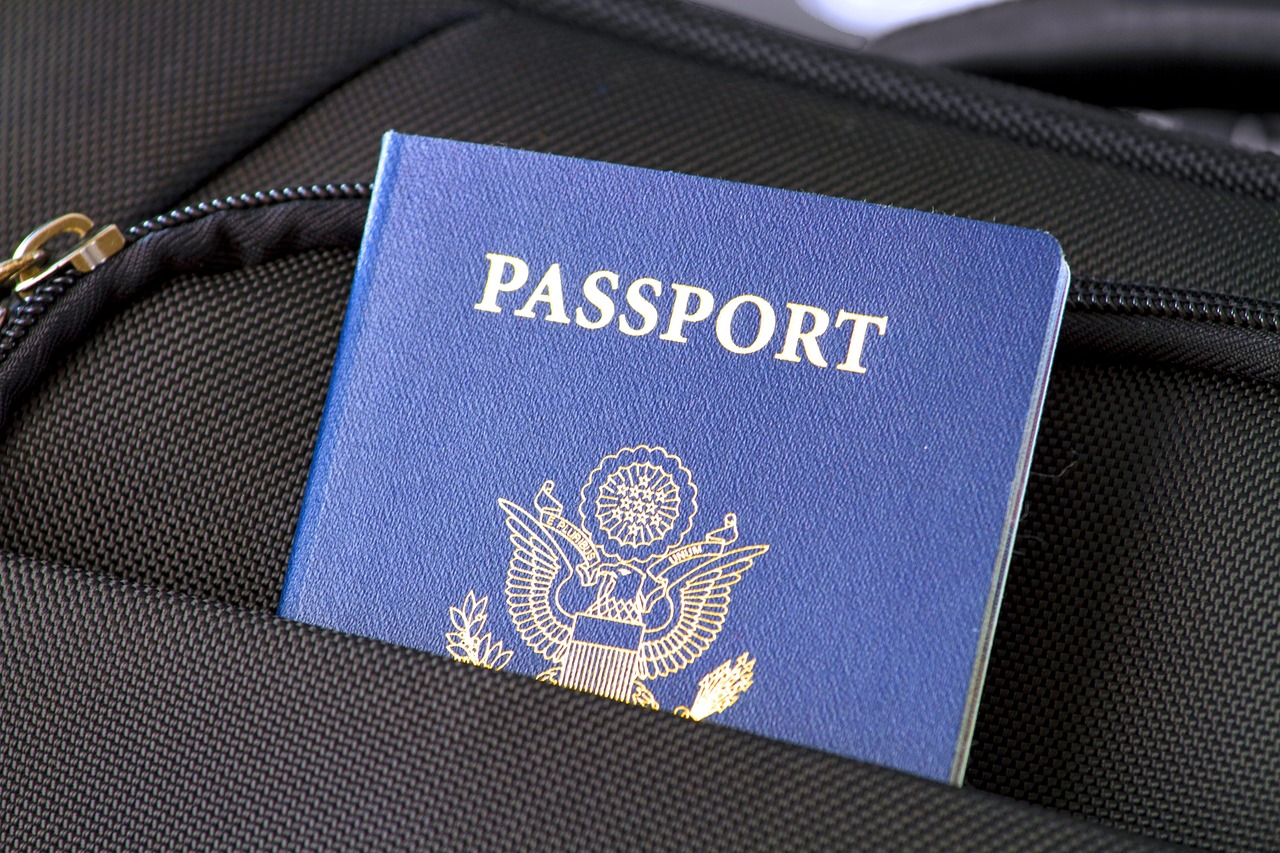

Most travelers spend months planning the perfect trip. They research flights, book accommodations, map out itineraries. Then they toss their passport into a bag without a second thought. That single, overlooked habit is responsible for far more ruined vacations than any flight delay or hotel mix-up ever could be.
Passport problems are remarkably common, and they rarely announce themselves in advance. Each year, thousands of travelers see their carefully planned vacations or business trips derailed by simple passport mistakes. The good news is that most of these situations are entirely preventable, as long as you know what to avoid.
Leaving Your Passport in Checked Luggage
Putting your passport into checked baggage is one of the most consequential storage mistakes a traveler can make. Luggage gets stolen or pilfered by dishonest airline workers, hotel employees, and others who may have access to your luggage when it’s out of your sight. The document that proves your identity and allows you to cross borders should never be out of your physical control.
In 2024, around 33 million bags were mishandled globally, and airlines mishandled 6.3 bags per 1,000 passengers. Even if the odds feel remote, the consequences of losing your passport inside a misrouted suitcase are significant enough to warrant serious caution. Your passport belongs on your person, not in the hold of an aircraft.
Storing It in the Back Pocket or an Open Bag
According to the U.S. State Department, over 300,000 American passports are lost or stolen every year. A meaningful share of those cases trace back to careless carry habits, specifically the habit of keeping a passport loose and accessible in a back pocket or an unzipped bag.
Italy topped a 2024 Quotezone report on pickpocketing with 478 reported incidents per million visitors, while France followed with 251 mentions, and Spain and Germany each recorded 111 mentions per million visitors. Passports are easy targets because their shape and size make them instantly recognizable, and pickpockets know exactly what that little book sticking out of your bag is.
Keeping All Family Passports in One Person’s Hands
Traveling with a family or group comes with its own storage trap. Some people make the mistake of keeping all the passports together and held by one person, which simply means losing more passports at once rather than keeping them all safe. A single theft or moment of distraction can compromise every traveler in the group simultaneously.
Each person who is old enough should carry their own passport, and for younger children, spreading their passports among multiple adults minimizes the impact of a single theft. It’s a simple precaution that dramatically changes the outcome of a bad situation.
Exposing It to Heat and Humidity
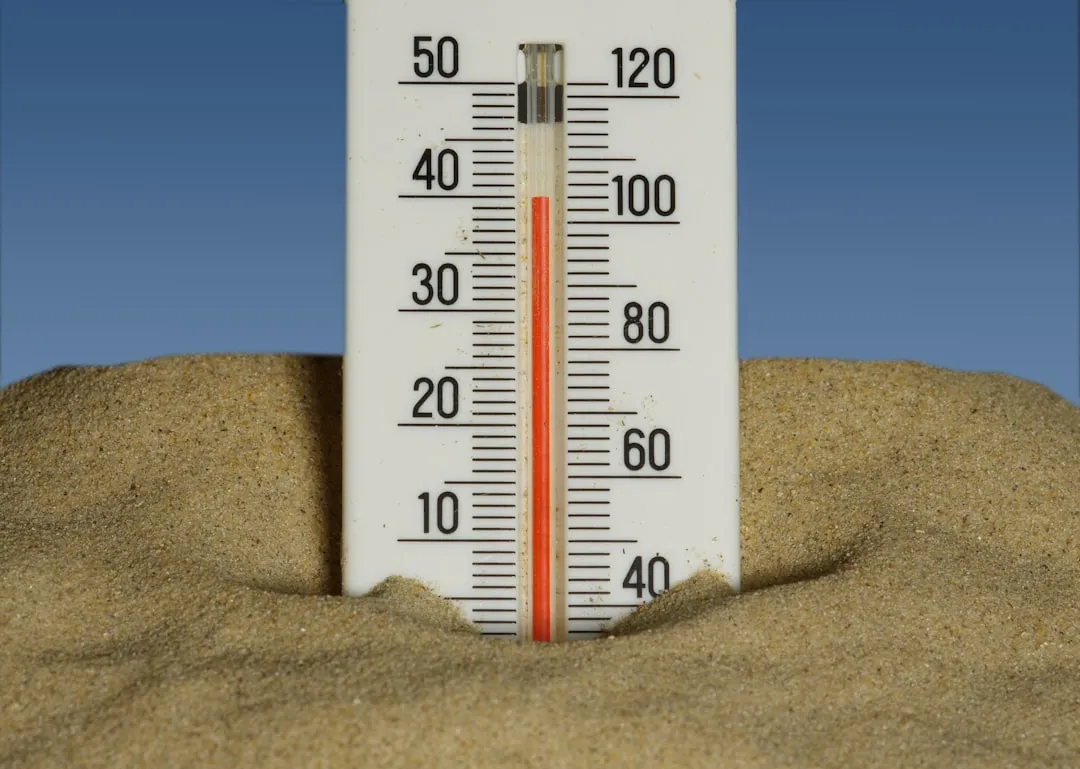
Physical damage from environmental exposure is one of the quietest ways to invalidate a passport before you even realize what’s happening. When relative humidity climbs above 70%, the cellulose fibers in passport paper absorb moisture, softening the surface and activating residual sizing agents and adhesives used in binding. Tropical destinations make this especially relevant.
Storing your passport in environments with extreme temperatures or high humidity can be detrimental, as high heat can cause the lamination on the photo page to peel or bubble. Excessive heat can also cause the passport cover to shrink or warp, so natural air drying or desiccants are better options than heat sources.
Keeping It in a Sealed Plastic Bag in Tropical Climates
Many travelers think they’re being smart by zipping their passport into a plastic sleeve or sealed bag in humid destinations. In reality, this creates the opposite effect. Never store your passport inside a ziplock bag or sealed plastic sleeve while traveling in the tropics, because trapped moisture condenses and accelerates page fusion. Breathability is non-negotiable.
In tropical zones where temperatures hover between 26 and 32 degrees Celsius and humidity routinely hits 80 to 95 percent, paper moisture content rises sharply, intensifying hydrogen bonding between adjacent pages. Heat then accelerates chemical migration, where plasticizers from PVC laminates can migrate into paper edges and ink solvents re-emulsify. A breathable waterproof sleeve is a far better solution than a sealed one.
Ignoring Water and Rain Damage Risks
A surprise downpour, a spilled water bottle, a sweaty beach bag. These everyday moments can permanently compromise a passport that was never given any physical protection. Many passports use a laminated photo page, but the laminate can separate from the paper if water seeps in from the edges, and a peeling or bubbling photo page is one of the top reasons passports get flagged as damaged at border checkpoints.
Most passports issued after 2006 contain an electronic chip that stores biometric data, and water can short circuit this chip or corrode its antenna. If the chip fails, automated passport scanners cannot read the document, and while some countries will still process you manually, others may refuse entry entirely. A basic waterproof sleeve costs very little and guards against all of this.
Leaving a Visibly Damaged Passport Unreplaced
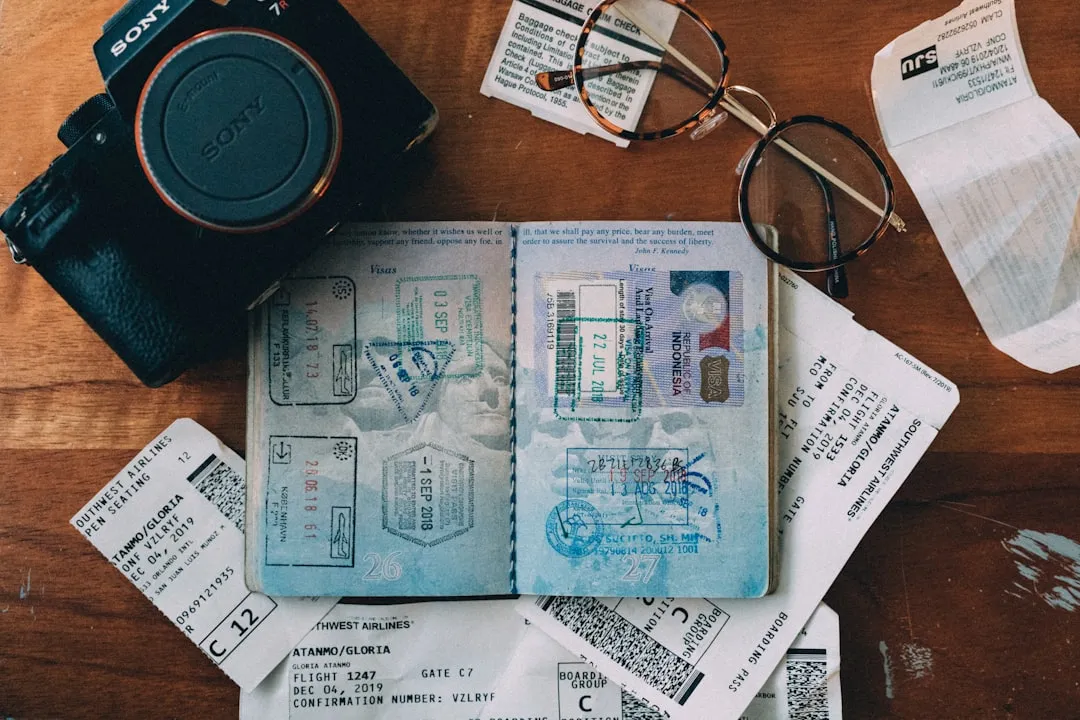
Worn-out passports that have seen years of travel can look perfectly functional to their owner but raise serious red flags at a border. A passport is a government document used for identification as well as entry in and out of a country, and a significant tear in the booklet, missing pages, or damage to the personal information page are all causes for concern.
The edge of a passport can delaminate in hot, humid weather or from prolonged storage in a money belt, and at least one documented traveler was denied entry into Nicaragua for exactly this reason. Torn, stained, or water-damaged passports may not be accepted at border control, even if they are technically still within their validity period. Replacing a worn passport before departure is a straightforward fix that travelers frequently postpone until it’s too late.
Skipping a Digital Backup of Your Passport
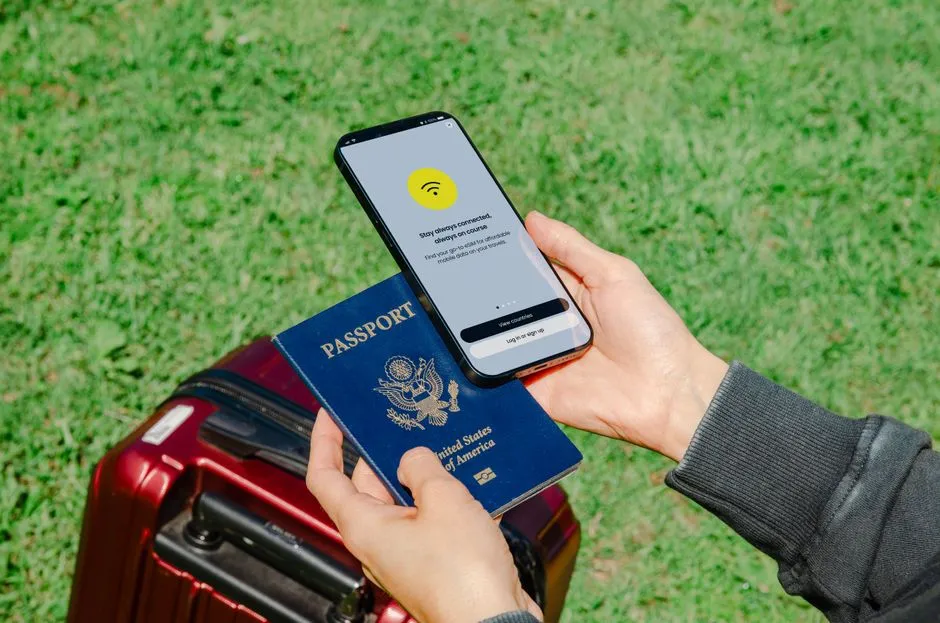
Losing a passport abroad with no record of its details extends a stressful situation into a genuinely difficult one. Losing your passport abroad without a backup can delay your return for days, so the practical fix is to scan or photograph your passport and email a copy to yourself and a trusted contact, then store it securely in cloud storage.
If the worst does happen, having a clear digital copy ready speeds up the process considerably. Replacing a compromised passport involves proving citizenship, submitting a signed statement describing the damage, providing new photos, and filing the correct application form at an authorized acceptance facility, and timely action helps avoid travel delays. Keeping two printed copies in separate bags alongside the digital version is genuinely useful preparation, not overcaution.
Storing It Carelessly in a Hotel Room
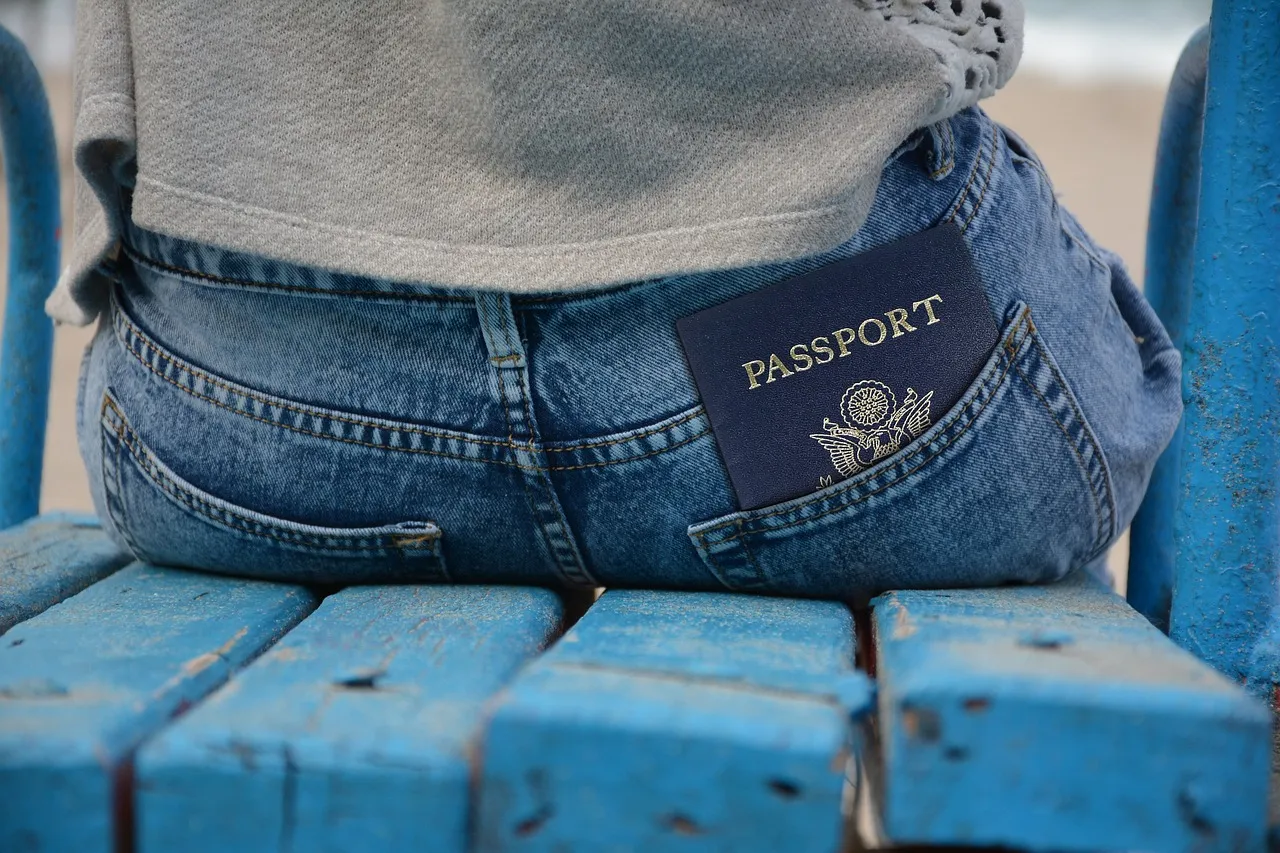
The hotel room feels safe, so travelers often leave their passports lying on the desk, stuffed in a coat pocket, or tucked into a suitcase pocket. None of those options offer meaningful protection. If you don’t need your passport on a particular day, locking it in the hotel safe is the right move.
If your passport is stored in a fire-safe box or similar container, it’s important to open it regularly to allow ventilation. Air circulation prevents the buildup of humidity, and a lack of airflow inside an airtight storage container will always increase the chances of mold growth. Passports are made from materials prone to mold growth, and a moldy passport, if bad enough, can result in sufficient damage that it becomes invalid for international travel. Mold can flourish on the binding materials, paper pages, polycarbonate coatings, and even the ink.
Overlooking the RFID Chip While Handling Your Passport in Public

Modern passports contain embedded chips that store biometric information, and while the technology is designed with security in mind, leaving your passport carelessly open or exposed in crowded spaces comes with some genuine considerations. Unauthorized data skimming is a recognized risk with RFID-enabled passports, where a device reads the chip without the passport holder’s knowledge, and this can theoretically happen from several feet away.
That said, the built-in protections are worth understanding. The passport cover has RFID-blocking tape built in, so unless your passport is open, no RFID signal will reach the chip. While RFID theft is possible, the practical likelihood is relatively low, as several factors mitigate the risk, including the short range of RFID signals, the encryption used in e-passports, and the fact that most RFID readers used by criminals are not powerful enough to read passports from a distance. The real exposure happens when passports are left open and unattended, not simply when they’re being carried.
The Takeaway
Passport protection isn’t a complicated subject, but it does require deliberate habits rather than casual assumptions. The mistake most travelers make isn’t dramatic ignorance. It’s the quiet confidence that nothing will go wrong, paired with storage choices that leave the most important travel document vulnerable to heat, water, theft, and simple carelessness.
As of 2025, the standard fee for replacing an adult passport book is $130 plus a $35 acceptance fee, and emergency processing comes with additional costs, with some embassies only accepting cash or money orders. The cost of replacing a passport abroad goes well beyond money. It costs days of your trip, significant stress, and sometimes the journey itself.
Keep your passport dry, keep it breathable, keep it on your person or locked up, and keep a backup of it somewhere separate. That’s really the whole story. Travel far, travel smart, and treat that small booklet with the respect it deserves.
AI Disclaimer: This article was created with the assistance of AI tools and reviewed by a human editor.