
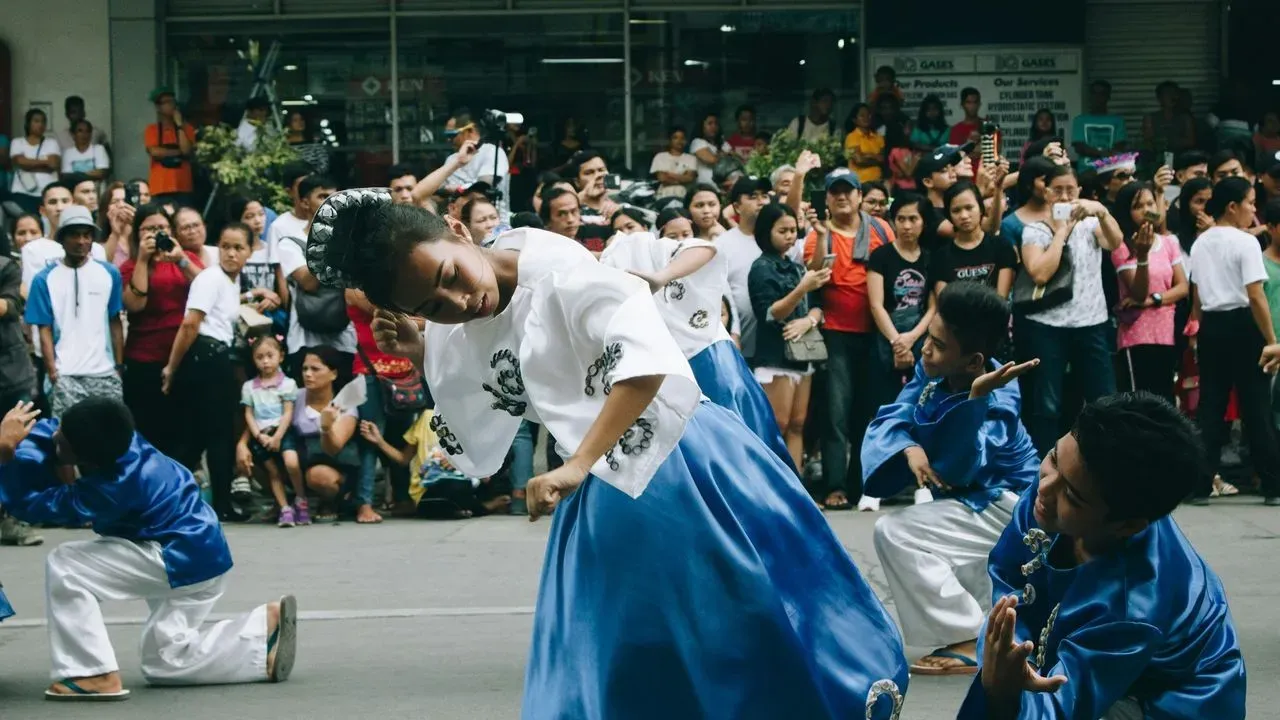

Tagbilaran City stands at the center of Bohol’s annual Sandugo Festival, a celebration rooted in one of the earliest recorded diplomatic encounters in Philippine history. The event recalls the 1565 blood compact between Datu Sikatuna and Miguel López de Legazpi, a ritual that sealed an alliance between local leadership and arriving Spanish forces. Today the festival transforms that moment into a month-long expression of heritage, community, and shared identity across the province.
The 1565 Encounter That Gave the Festival Its Name
The story begins with Legazpi’s arrival in Bohol during Spain’s expanding presence in the archipelago. Datu Sikatuna, a respected local leader, met the explorer and proposed the sandugo, or “one blood,” ceremony. Each man made a small cut, mixed the blood with wine, and drank from the same cup as a pledge of friendship and mutual respect. The gesture carried weight in both cultures and marked an early attempt at peaceful negotiation rather than immediate conflict. A monument at the Blood Compact Shrine in Tagbilaran now marks the site associated with the event, offering visitors a quiet place to reflect on its meaning. The shrine’s seaside setting further connects the historical moment to the island’s enduring relationship with the sea.
July Celebrations That Bring History Into the Present
Modern Sandugo observances take place primarily in July, though the broader Sandugo sa Bohol program sometimes stretches from June into August. Activities shift slightly each year, yet the core remains consistent: public performances, fairs, and a dramatic reenactment of the original compact. The Provincial Government of Bohol now oversees much of the programming, which also serves as a homecoming for Boholanos living elsewhere. Street dancing contingents in elaborate costumes move through the city, while cultural presentations highlight traditional music and dance. Evening concerts and trade fairs add layers of contemporary celebration without overshadowing the historical thread.
Experiences That Deepen Understanding of Bohol’s Heritage
Attending the blood compact reenactment provides the clearest window into the festival’s purpose. Performers recreate the 1565 ritual with attention to its diplomatic significance, allowing audiences to witness rather than simply read about the event. The National Museum Bohol, housed in the former Provincial Capitol building, offers additional context through exhibits on the Spanish colonial period and local history. Festival fairs showcase agricultural products, handicrafts, and regional delicacies such as calamay and peanut kisses, giving visitors direct contact with Boholano craftsmanship and cuisine. Many of these activities remain free to the public, though some special events carry separate fees. Arriving early for parades and performances helps secure good viewing positions amid the crowds that gather each year.
Using Tagbilaran as a Base for Wider Exploration
Tagbilaran’s central location makes it practical for combining festival attendance with visits to other Bohol sites. The nearby Blood Compact Shrine and St. Joseph the Worker Cathedral sit within easy reach, while short trips lead to Panglao Island’s beaches or the inland Chocolate Hills. Transportation options include tricycles for short distances, jeepneys and multicabs for routes around the city, and taxis or ride-hailing services for longer hops. During festival weeks, road closures around performance routes can extend travel times, so allowing extra margin proves useful. Accommodations range from centrally located hotels such as Kew Hotel Tagbilaran and Metrocentre Hotel to resort-style properties like Bohol Tropics. Staying in the city keeps festival venues accessible while still permitting day trips to surrounding attractions.
Approaching the Festival With Respect and Preparation
July falls within the rainy season, so lightweight clothing, sun protection, and a compact umbrella or rain jacket help manage shifting weather. Cash remains helpful for smaller vendors and tricycle drivers even as digital payments grow more common. The festival’s value lies in its connection to a specific historical episode rather than spectacle alone. Visitors who take time to visit the shrine beforehand often find the street performances and reenactments carry greater resonance. Extending a stay beyond the main events allows travelers to experience Bohol’s landscapes and communities in a more measured rhythm. The Sandugo Festival continues to serve as both commemoration and living tradition, inviting participants to consider how early acts of diplomacy still shape cultural memory today.
AI Disclaimer: This article was created with the assistance of AI tools and reviewed by a human editor.