
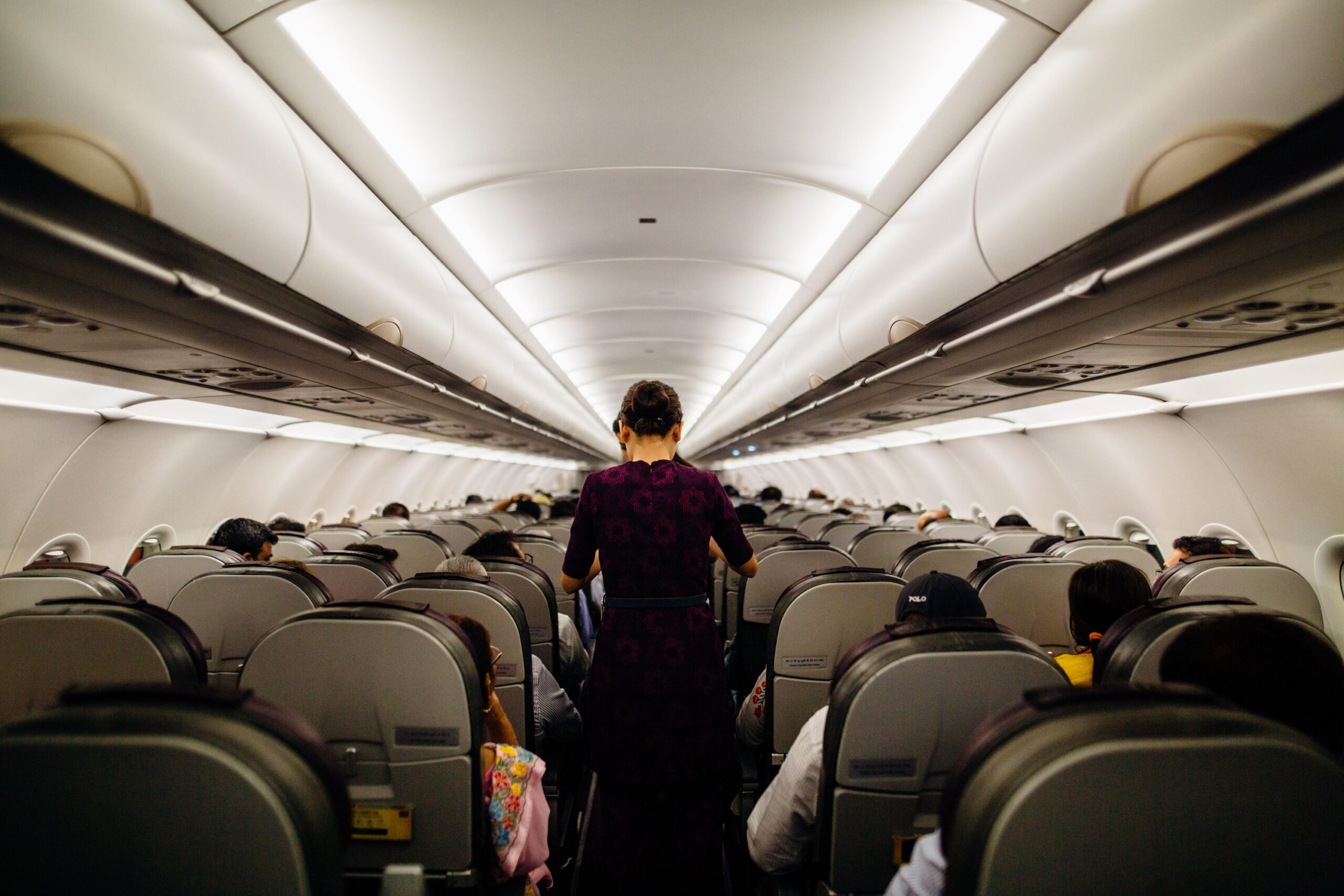
There are few things in modern travel that spark as much quiet fury as an elbow nudging yours off a shared armrest at 35,000 feet. It’s a small injustice in the grand scheme of things, but in the compressed, cabin-pressurized world of economy class, small injustices feel enormous. The armrest debate is one of those curious social problems that exposes something real about how we negotiate shared space with strangers.
The argument isn’t simply about comfort. It’s about fairness, unspoken social contracts, and what happens when no authority steps in to set the rules. As flights get busier and seats get tighter, the stakes around that three-inch strip of molded plastic seem to grow with every passing year.
A Debate Without an Official Rulebook
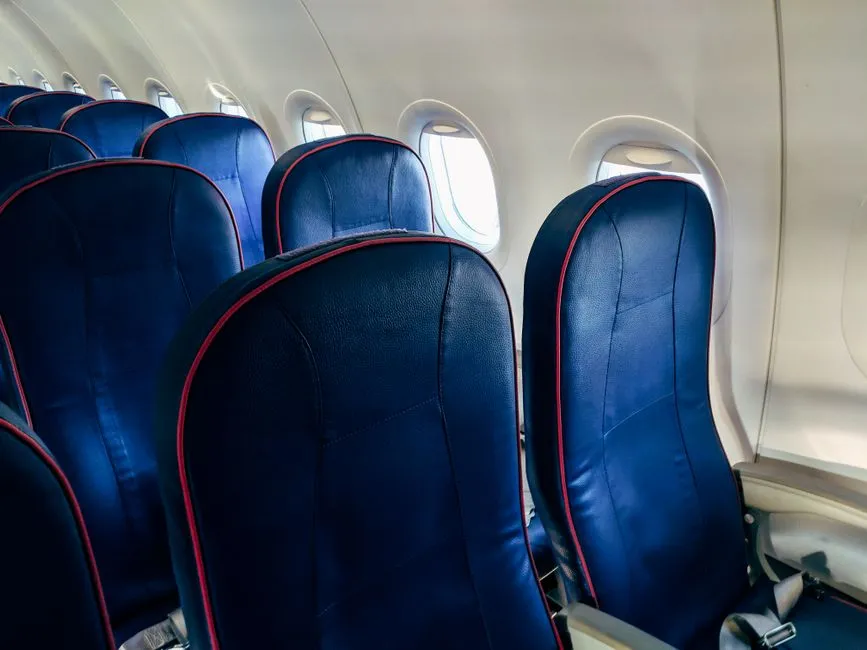
One of the most striking things about the armrest debate is that no airline has officially settled it. There are no formal or clear-cut rules around which passenger is entitled to the two armrests that straddle the middle seat, and airlines don’t address the issue in writing or in safety demonstration videos before takeoff, leaving passengers to negotiate the shared space with little guidance.
In the airplane context, the armrest has gained an outsized symbolic importance in the passenger experience. As airlines move toward more tightly packed seating arrangements, the armrest has become a flashpoint for the issue of the lack of personal space on the plane, provoking numerous “armrest wars” among adjacent passengers.
Flying is rife with frustrations, particularly as airlines shrink the space between seats to shoehorn in more passengers. The uncozy confines are fueling debate over proper flight etiquette, from what is appropriate when it comes to reclining your seat to who has the right to use an even smaller, more contested zone: armrests.
What the Survey Data Actually Shows
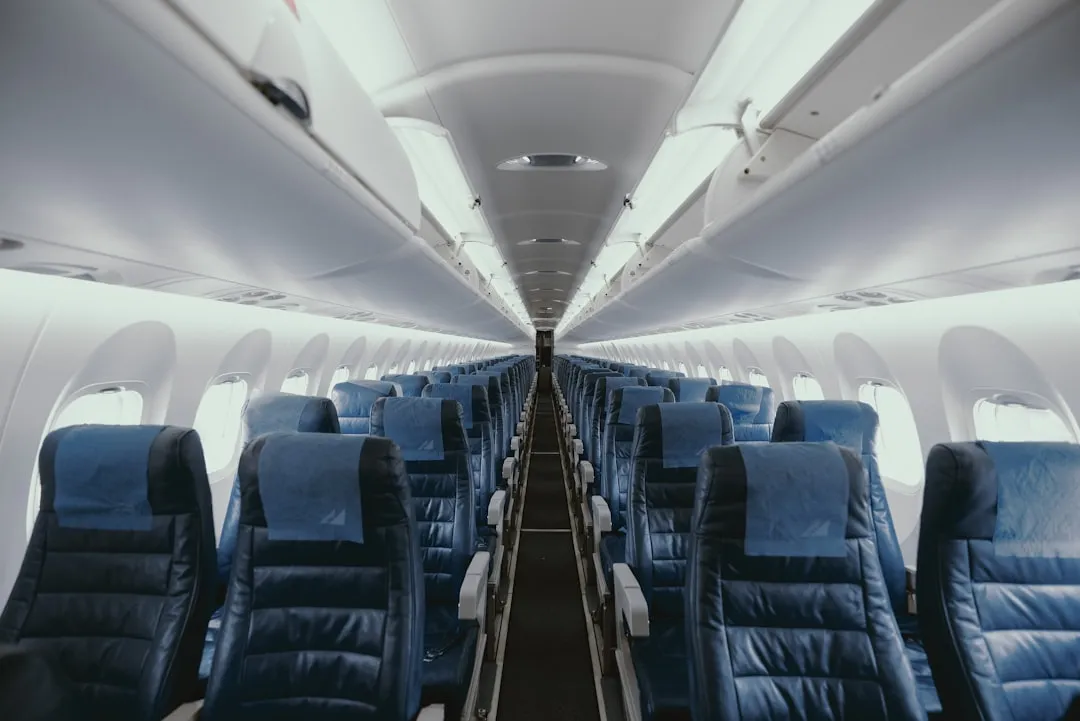
A survey from travel planning site Kayak found that roughly 57 out of every 100 respondents believe the middle seat passenger is not entitled to both armrests. That number is worth sitting with for a moment. The majority of flying travelers believe the person stuck in the most uncomfortable seat on the plane deserves no particular consolation for it.
A Kayak survey around the “Unspoken Rules of Air Travel” found that armrests are essentially up for grabs, with more than half of respondents saying the middle seat passenger is not entitled to both armrests. Not even Kayak’s own marketing team could agree on which passenger should cede the space to their seatmate.
Separately, survey data from The Vacationer found that nearly four in ten people are annoyed when someone hogs the armrest, and more than seven percent of travelers admit they never give the middle seat the armrest at all. The numbers paint a picture of a cabin full of people with genuinely conflicting ideas about basic courtesy.
The Case for the Middle Seat Passenger
The person on the aisle has the benefit of being able to move freely and has stretching room into the aisle. The person at the window has the benefit of leaning against the window or being able to see the view. Both the aisle and window passengers are only being potentially touched by one other person. The person in the middle is not able to easily move or stretch, nor is there anywhere to lean, and they are potentially being touched by two others. Therefore, they have control over the armrests.
Etiquette expert Thomas Farley, known as Mister Manners, says the middle seat passenger should get both armrests in a three-seat configuration, noting that adjacent passengers in the window and aisle seats will still each have one armrest. The logic is straightforward: the math still works out in everyone’s favor, provided the window and aisle passengers are willing to be reasonable about it.
While traveler opinions are mixed, the general consensus among etiquette professionals is that the middle seat passenger gets first dibs on both armrests. After all, the window seat passenger gets control of the window shade, while the aisle seat passenger has easy access to get up and use the lavatory.
The Case for Sharing and Negotiation
Not all experts land in the same place. Etiquette expert and corporate trainer Diane Gottsman has argued that the middle seat passenger generally has their choice but should only use one armrest or the other, rather than claiming both. This is a more measured position, one that acknowledges the middle passenger’s disadvantage without declaring total ownership.
The Emily Post Institute notes that the middle seat armrests are shared property, but that it is generous for the aisle and window seat holders to give the middle passenger a chance to claim them first. Generosity, notably, is framed as optional rather than obligatory.
Airline analyst Timothy O’Neil-Dunne takes an even broader view, arguing that the middle seat armrests belong to no one and are common space that passengers ought to treat accordingly. It’s a pragmatic stance, though one that assumes a level of goodwill that airport stress doesn’t always bring out in people.
The Four-Seat Row Problem Nobody Talks About
The situation gets considerably more complicated in a row of four seats, where two middle passengers have to jockey for control of the single armrest between them. The way to resolve this, according to travel journalist Pauline Frommer, simply comes down to common decency.
Two passengers stuck in what are essentially the same bad seats simply need to share the middle armrest, which may mean one elbow is toward the front of the rest while the other is closer to the seat, or that they take turns using the armrest. It’s a practical compromise, even if it requires more coordination than most strangers are inclined to attempt.
For a row with two seats, the middle armrest is shared. For a row with three seats, both middle armrests belong to the person in the middle. For a row with four seats, the armrest between the two middle seats is shared, and those two middle-seat passengers also have ownership of the armrests beside the outer passengers. That’s the expert framework, at least. Reality, of course, varies considerably.
Why Seats Are Getting Smaller and Tensions Are Getting Higher
Economy seats have lost roughly two to five inches of pitch and up to two inches of width since the 1990s, while the average American now stands five feet nine inches tall and weighs 194 pounds, with no one in federal government having set a single binding minimum for how much space a passenger gets in economy class.
Economy seats have shrunk to allow for higher passenger density, especially after 2008 and during COVID-19 recovery periods, with more passengers per plane translating to more revenue per flight hour. Boeing 777s originally built for nine-abreast economy seating are now commonly configured ten-abreast, and Airbus A350s are often configured in a tighter arrangement than they were designed for in past decades.
Economy seat widths currently range from 16 to 18.5 inches, with no FAA minimum in effect as of 2025, leaving configuration decisions to individual carriers. That regulatory vacuum is a significant reason why the armrest debate intensifies year after year. There’s no floor, which means there’s no guarantee of even a reasonable baseline of personal space.
The Psychology of Personal Space at Altitude
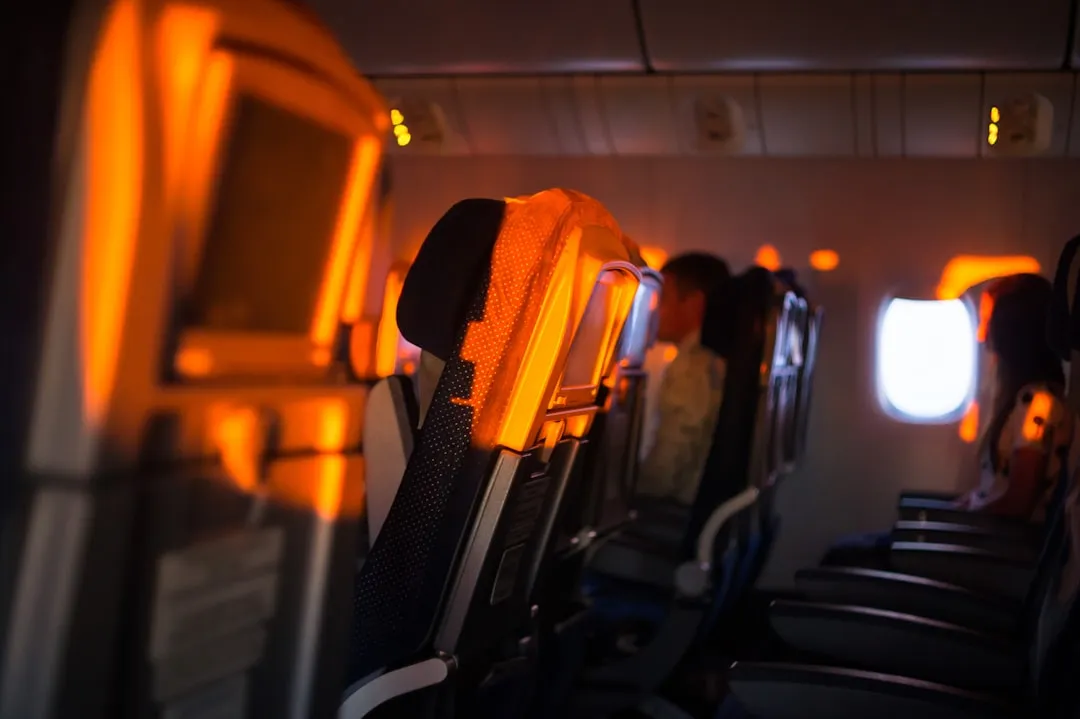
Passenger comfort is becoming an increasingly important issue with the rise in air travel, and a common cause of passenger discomfort and distress is the invasion of the passenger’s personal space. Academic research has started to treat this not just as an inconvenience but as a measurable psychological stressor.
The invasion of personal space is often a contributory factor to the experience of discomfort in aircraft passengers, and research has investigated how air travellers are affected by invasions of personal space and how they attempt to adapt to or counter these invasions.
Research indicates that the invasion of personal space is not only caused by physical factors such as physical contact with humans or objects, but also other sensory factors such as noise, smells, or unwanted eye contact. The armrest, then, is just one dimension of a broader comfort problem that plays out on a psychological level as much as a physical one.
How Gender and Generation Factor In
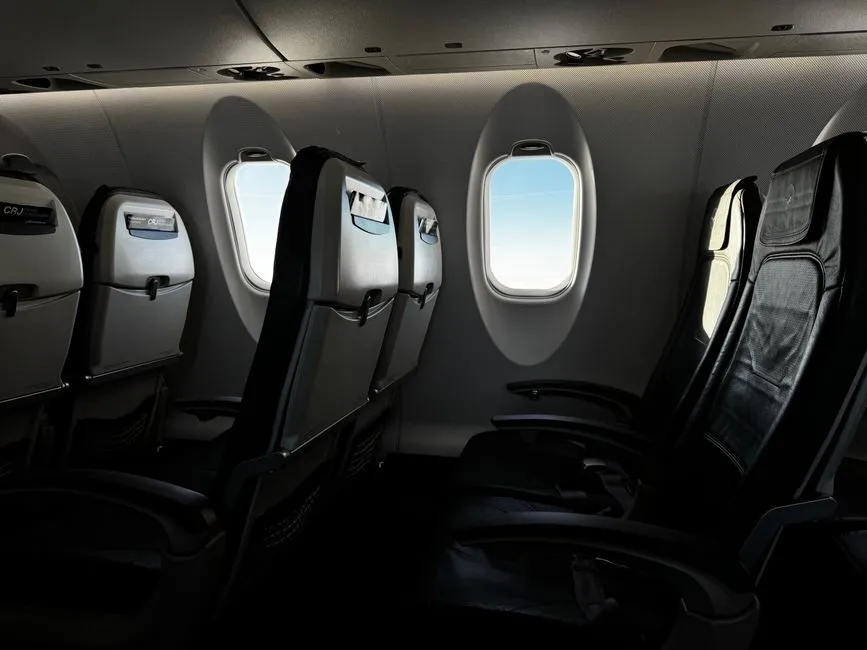
A survey of 1,095 US respondents conducted in December 2024 found meaningful variation by gender and age in how passengers approach airplane seating overall. The respondents were 69.6 percent male and 29.9 percent female, with a confidence level of 95 percent and a margin of error of 3 percent.
Preferences vary by gender and generation. Women strongly favor window seats compared to men, while men are slightly more open to middle seats. Generational trends show that Gen Zers and Baby Boomers favor window seats, while Gen Xers and Millennials are more open to middle or aisle configurations.
Research on personal space invasion shows it has different effects on the comfort of passengers depending on gender, age, education levels, and the interpersonal relationships involved. Who feels entitled to an armrest, and who feels comfortable asserting that entitlement, is not uniform across the flying public.
What to Do When You’re in the Middle
If you find yourself in a cramped middle seat with seatmates who have claimed the armrests, one communication expert advises to approach the situation with kindness, noting that establishing some sort of relationship with your neighbors is key. The idea is to create a human connection before asking for a practical concession.
Simply asking nicely if the person next to you would mind giving up an armrest works most of the time. If it doesn’t, it’s better not to escalate and instead let it go or ask a flight attendant to help mediate. Flight attendants, who deal with these situations routinely, generally prefer calm conversation to confrontation.
As with any shared space, communication is key. Most armrest conflicts don’t come from malice. They come from two people sitting down and each defaulting to what feels naturally theirs, without either one pausing to acknowledge the other’s position. A simple word can resolve what a silent standoff never will.
The Broader Picture: Flights Are More Crowded Than Ever
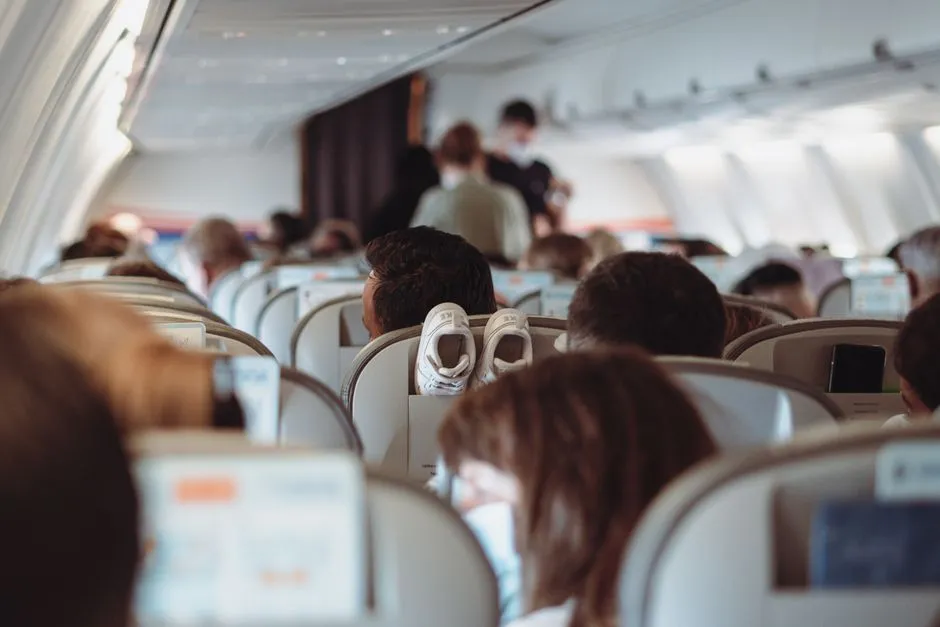
In 2025, global air passenger counts set a new record, with flights worldwide running at 83.5 percent full on average, according to the International Air Transport Association (IATA). A nearly full flight is now the norm rather than the exception, which means that empty middle seats are increasingly rare.
Travelers are increasingly willing to pay extra for a more comfortable journey, highlighting a clear divergence between airline priorities and passenger preferences. Surveys have consistently revealed that most passengers view seat dimensions, both width and pitch, as their highest priority when selecting an airline.
As more carriers recognize that seat comfort is a competitive differentiator rather than simply a cost center, market pressure may accomplish what Congress and the FAA have not. Until then, passengers in economy continue to negotiate micro-territories of personal space with neither law nor airline policy to guide them. The armrest is the clearest example of that negotiation, and it plays out thousands of times a day, at altitude, in silence.
The Takeaway
The armrest debate doesn’t have a legal answer, and it doesn’t have a perfectly universal etiquette answer either. What it does have is a clear moral logic: the middle seat passenger has fewer advantages than everyone else in the row, and a small gesture of consideration from window and aisle passengers costs very little. Most etiquette experts agree the middle seat passenger should get both armrests in a three-seat configuration, since adjacent passengers in the window and aisle seats will still each have one armrest of their own.
The real issue is that airlines have created a scarcity problem and left passengers to solve it among themselves. The middle seat armrest problem only exists because of cabin densification in economy class. The armrest conflict is a symptom, not the disease. Compress enough people into tight enough quarters and the fight over a few inches of padded plastic is almost inevitable.
Maybe the wisest frame isn’t ownership at all. It’s the recognition that everyone on a full flight is making a small sacrifice, and that the person drawing the shortest straw deserves a little more grace from the people drawing longer ones.
AI Disclaimer: This article was created with the assistance of AI tools and reviewed by a human editor.