
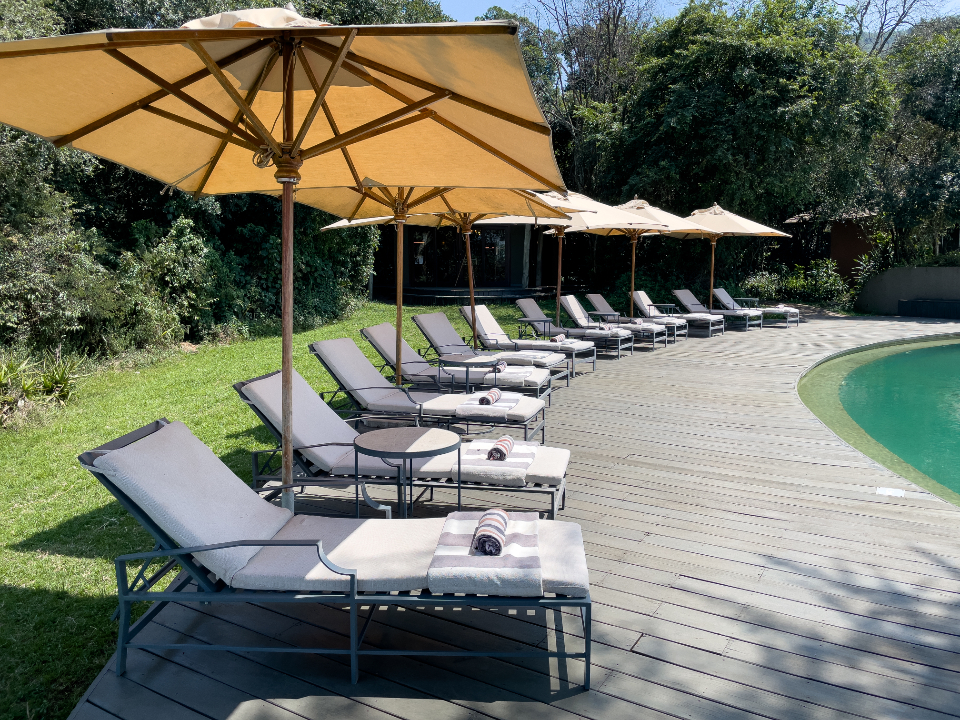

Picture this: you’re on vacation, the sun is warm, breakfast was perfect, and you stroll to the pool at a reasonable hour. Every single lounger has a towel on it. There’s barely a soul in sight. It’s 9 a.m.
All the available loungers have been “reserved” by other guests who rushed out early in the morning to mark their territory with towels and other items, guests who may not show up for hours, if at all. This scene has become so familiar that it now has a name, a growing body of policy, and in at least one notable case, a court ruling. The pool chair wars are officially a serious matter.
The Scene That’s Become All Too Familiar
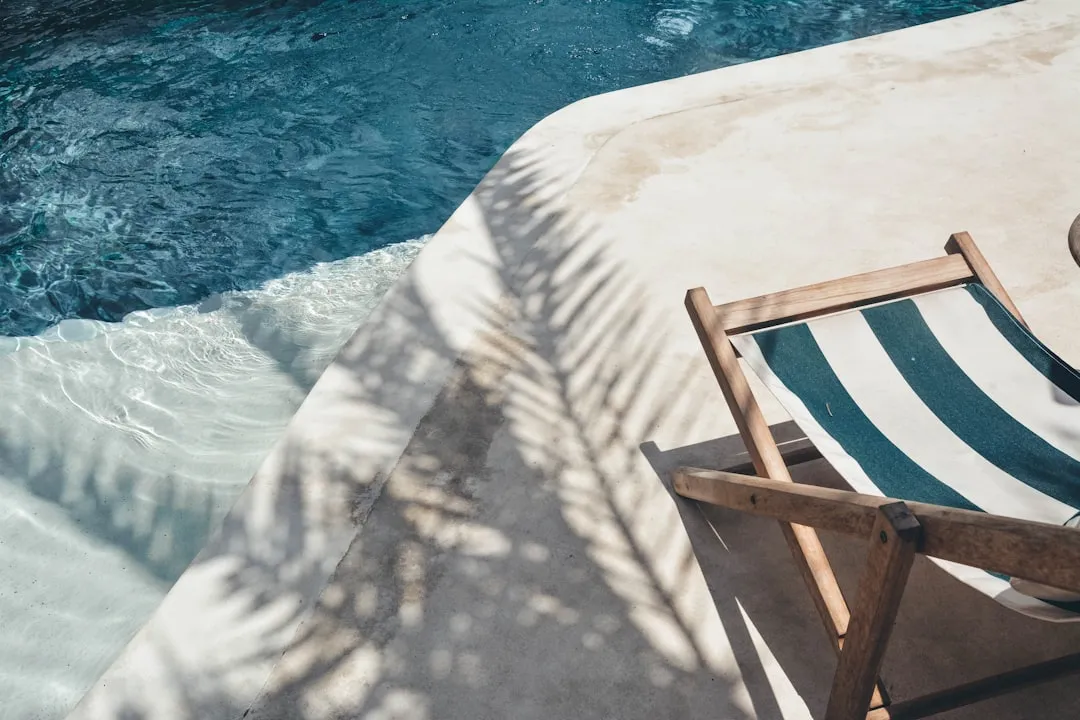
Guests are allegedly putting towels on loungers from around 6 a.m., then leaving them unused for hours at a time. It’s a behavior that plays out in the Canary Islands, the Greek islands, the Mexican Caribbean, cruise ship decks, and countless resort pools in between.
Travelers are setting alarms before dawn to drape towels over loungers they may not actually use for hours. Other guests then wander the pool deck staring at rows of technically occupied but physically empty chairs. The frustration isn’t subtle. It’s become one of the defining frictions of the modern resort experience.
According to Dawn Gilbertson, a travel columnist for The Wall Street Journal, pool chair hogging is one of the biggest complaints many resorts face. The gap between what a resort promises and what a guest actually experiences at the water’s edge has grown wide enough to spark legal action.
A German Family Took It to Court – and Won

A German family booked an 11-night package holiday to Kos, Greece, in August 2024 at the Grecotel Kos Imperial through TUI Deutschland for approximately €7,186. The resort had six pools and a large number of loungers, and hotel rules banned reserving loungers with towels. Guests were nevertheless putting towels on loungers from around 6 a.m. and leaving them unused for hours.
Despite waking up at the crack of dawn every morning and conducting a 20-minute search for sun loungers, the father was unable to actually secure any throughout the entire stay. On one “lucky” day, the family managed to secure two chairs, but their children, ages 9 and 12, still had to sit on towels on the ground because there weren’t enough loungers available.
According to a report from The New York Times, a German court ruled in favor of the tourist, and the Hanover District Court ultimately ordered the tour operator to partially reimburse the family – about $1,200 from an approximately $8,500 package vacation – after determining the situation qualified as a “travel defect” under the law.
What the Court Actually Said

The court ruled that even though guests may not always get a lounger, the onus is on the tour operator, in partnership with the hotel, to ensure that there’s a system in place to allow a “reasonable” relationship between the number of sunbeds and the number of guests.
According to the court, the traveler is not expected to remove towels left by other guests themselves and risk fights between guests. The tour operator was held liable, not just the hotel, because under travel package rules the organizer is responsible for proper performance of the travel services included in the package.
It’s not the first time the same court ruled this way over hotel pool loungers, with a similar penalty applied in an earlier 2023 case. Now, resorts across Europe “are scrambling to change rules and policies regarding the availability of sun-loungers.” The legal pressure is real, and the hospitality industry is starting to take notice.
The Psychology Behind the Towel Dash
Clinical psychologist Augusto Blanco attributes the behavior to anxiety and entitlement. “Some people have a scarcity mindset that makes them anxious about finding available space, and they decide to hog chairs or sunbeds even if they won’t use them for hours on end,” he explained.
Clinical psychologist Irene S. Levine adds that people who have spent a great deal of money on a vacation feel entitled to their lounge chairs. She explains that there is also an anonymity factor, and notes that “people are more likely to be rule breakers away from home.”
Author Julie Blouin frames it this way: reserving a pool chair isn’t really about the chair. It’s about the perceived fear of scarcity. When people believe resources are limited, they often prioritize certainty over courtesy, even if it comes at the expense of others. Understanding the mindset doesn’t make it less frustrating for the family who showed up at 9 a.m. and found nothing.
Resorts in Europe and Mexico Move to Enforce
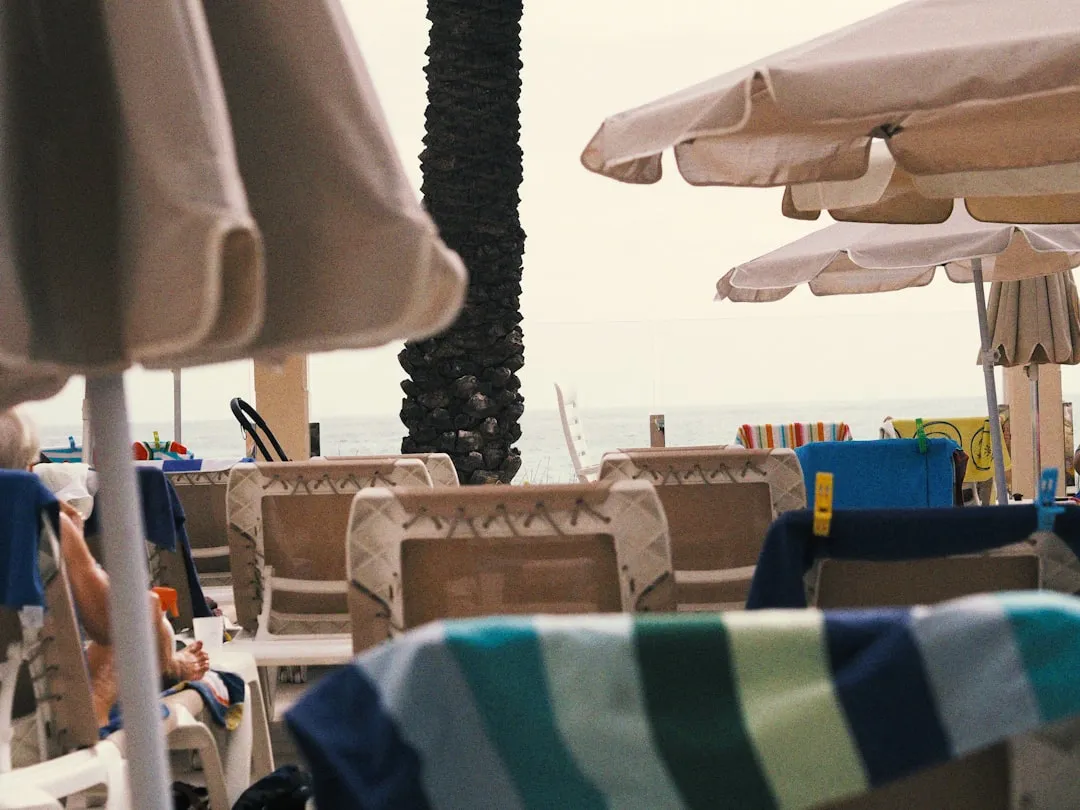
In the wake of the recent court ruling, some hotels, such as the St. George Beach Hotel and Spa Resort in Crete, Greece, are assigning spots, while others are cracking down on guests who camp out with a few towels and beach bags. At the Gloria Palace San Agustin resort in Spain’s Canary Islands, guests are required to be physically present on lounge chairs before 10 a.m. or their towel may be removed by staff.
The era of the phantom chair-holder is finally coming to an end at several major resorts in the Mexican Caribbean, which are officially cracking down on pool chair hoarding and enforcing the “60-Minute Rule.” If you leave your lounge chair unattended with just a towel or a bag, resort staff will keep an eye on it, and if you don’t return within a set timeframe, usually 45 to 60 minutes, your belongings are neatly folded, bagged, and sent to the towel hut or front desk.
Moon Palace Cancun recently caused a significant stir in travel groups by cracking down hard on chair reservations. They posted new signs clearly stating that towels do not guarantee a spot, and staff will now swiftly remove belongings from unattended loungers to free up space for active guests.
Cruise Lines Step In With Sticker Systems and Firm Rules
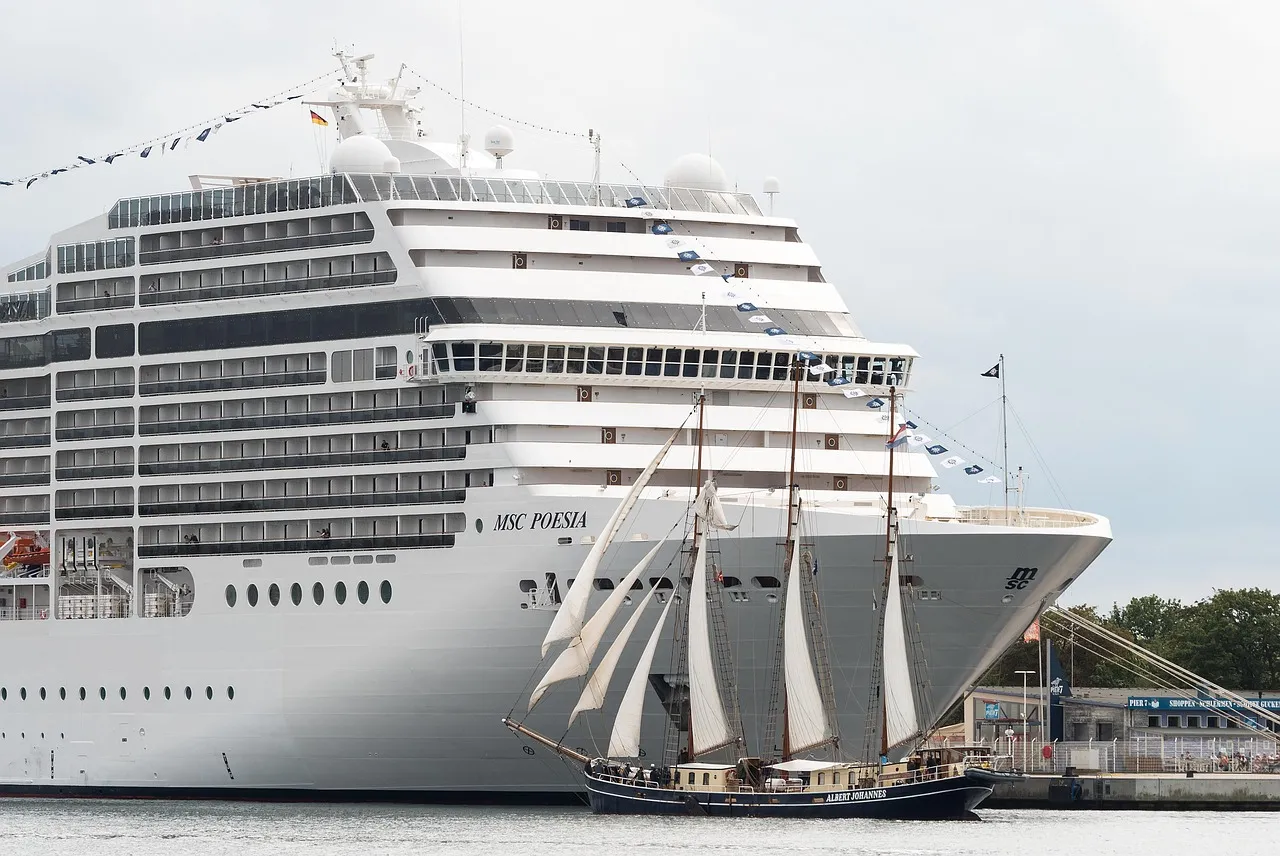
Carnival Cruise Line has implemented a timed sticker system. If staff observe an unoccupied pool lounger with only a towel or personal belongings, they can place a sticker on the chair with a timestamp. If it remains unoccupied 40 minutes later, the towel or belongings will be removed.
In late 2025, Norwegian Cruise Line outshone Royal Caribbean for taking its chair-hogging ban to the next level and is once again in the spotlight, praised for an even stricter crackdown on chair hogging using stickers. Crew members are being more hands-on in enforcing the cruise line’s chair-hogging rules. Crew members began marking reserved chairs with stickers at approximately 10 a.m. If chairs were not occupied an hour later, crew members began removing items so other guests could take advantage of the space.
Celebrity Cruises, Princess Cruises, and Virgin Voyages all have 30-to-40-minute grace periods for item removals from unattended chairs as well. P&O has also tightened its approach to chair-hogging since 2024, with visible enforcement concentrated on Britannia. Since early 2024, the deck team has placed a warning sticker on any lounger left unattended for 30 minutes, with items removed if nobody returns within 30 minutes of that. Passenger reports through 2024 and 2025 confirm the team is genuinely active, particularly on Mediterranean sea days.
The Enforcement Gap: Signs Without Consequences
While many resort pools have signs informing guests that belongings used to “hold” sun loungers will be removed after a set period of time, usually 30 minutes to an hour, few have actually empowered their employees to enforce the rule. That gap between policy on paper and practice at the pool deck is precisely what made the German court case possible in the first place.
Even if a resort does not have giant official signs posted about its time rule, it almost always has a quiet policy in place. Resort managers dislike the Towel Game just as much as guests do, because it leads to angry guests and bad reviews.
Hotels would need more from their staff, and potentially more staff, to police chair hogging versus serving drinks that generate revenue. That adds cost and potentially reduces income. That financial reality has long made enforcement a lower priority than it should have been, but the legal landscape is shifting that calculus.
The “Poolice” – A Resort’s Human Solution
While resorts try to encourage guests to be considerate of one another, one resort in Hawaii has taken enforcement of pool chair rules a step further. The enforcer’s name is Tom Cooper, and he’s been called many things, including the “poolice.”
His approach is disarmingly simple: patrol the deck, track unoccupied chairs, and remove items from loungers that have been abandoned well past any reasonable window. What makes his model notable is not just the enforcement itself, but the fairness of its application. He has a requisite sense of humor but is completely fair and does not play favorites, and notably, he actually removed his own wife’s towels when she visited because they had been there too long.
The existence of dedicated pool enforcement staff signals something important. Resorts are starting to recognize that vague signage isn’t enough. Guests need to see consistent, human-led action to change behavior at a meaningful scale, and a single empowered staff member can make a genuine difference to the pool-day experience for every other guest on the property.
Technology Enters the Lounger Wars

Services like Solay and Reservato now allow users to reserve a spot to sunbathe right from their phones at participating properties. The premise is straightforward: rather than a physical towel race at sunrise, guests reserve digitally and show up when the chair is actually theirs to use.
Jill Fielding of digital sunlounger reservation system Reservato notes that the recent legal case has helped shift sunbed management from being seen as a day-to-day operational issue to something with more direct financial and liability implications, making the problem much more tangible for hotel groups and operators and driving stronger demand for a solution.
Forward-thinking hotels are moving away from old-fashioned “towel-based systems” and into the world of in-app reservations. Conversations with hotel managers and cruise directors revealed a consistent theme: while policies existed, the tools to enforce them did not, creating ongoing ambiguity and conflict. Technology is now closing that gap in a way that manual enforcement alone simply cannot.
A Creative Policy Model Worth Watching

Jo Hayes, founder of EtiquetteExpert.org, has offered a structural solution to hotels and resorts seeking to curb this behavior: dividing their sunbeds into two separate sections. One section would be unreservable and available strictly on a first-come, first-served basis for guests who are actually present. The other half would allow timed bookings.
Guests could book, for example, from 10 a.m. to noon and be guaranteed their sunbed during that period. If they fail to show within 15 minutes of their booking, the booking would be canceled and the sunbed made available to another guest if all other unreservable sunbeds are taken. It’s a model that balances planning with accountability, something neither pure first-come-first-served nor a free-for-all towel system achieves.
At the Hyatt Regency Aruba, guests need to reserve beach and pool chairs in advance and must claim them by 9 a.m. each day. If they oversleep, their reservation is given away. If guests do not have a reservation, they need to appear by 9:05 a.m. to grab any lounger bookings that went unclaimed. It’s a strict system, but one that at least operates with predictable, transparent rules for everyone.
What This Means for the Future of Resort Poolside Culture

Resorts across Europe are now scrambling to change rules and policies regarding the availability of sun-loungers. This means real enforcement of no-reservation rules, not just decorative signs, pool attendants removing towels after 30 to 60 minutes of non-use, and more loungers or shaded seating where demand routinely exceeds supply.
Ultimately, a guest on a package holiday can reasonably expect hotel amenities to be usable in practice, not just exist in theory. Relaxing by the pool is part of the vacation value. If loungers are effectively unavailable because the hotel permits systematic towel reservations, the pool lounger amenity is not being delivered as promised.
The shift happening now across resorts, cruise lines, and courtrooms points toward something simple: shared amenities require shared accountability. A towel draped over a chair before sunrise was never a genuine reservation. It was a small act of self-interest that accumulated, across thousands of pools and millions of guests, into one of travel’s most reliably maddening problems. The fact that resorts are now enforcing, litigating, and building technology around it suggests that poolside fairness, quiet but stubbornly important, is finally getting its moment in the sun.
AI Disclaimer: This article was created with the assistance of AI tools and reviewed by a human editor.