
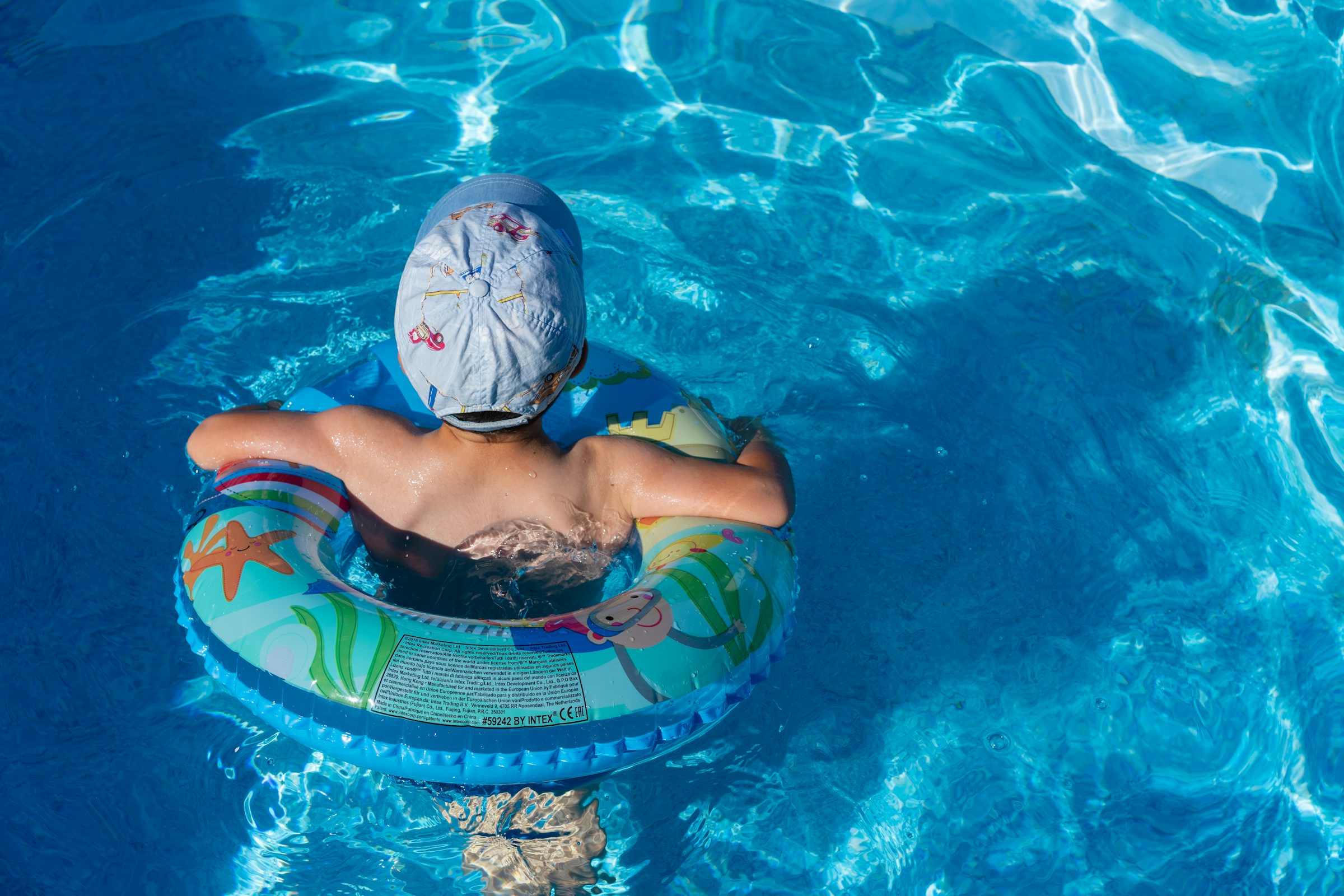

Summer at a hotel pool is supposed to be simple: you pack the kids into their swimsuits, slather on the sunscreen, and head downstairs for a few carefree hours in the water. What many families don’t realize is that hotels have quietly expanded and tightened their pool policies in recent years, and some of those rules are catching parents completely off guard.
From swim diaper requirements to chair-hogging crackdowns, the policies themselves aren’t new. What’s changed is how seriously properties are now enforcing them. Getting asked to leave the pool area, or being turned away at the gate altogether, is becoming a more common vacation story than most families expect.
The Swim Diaper Rule: More Complicated Than You Think
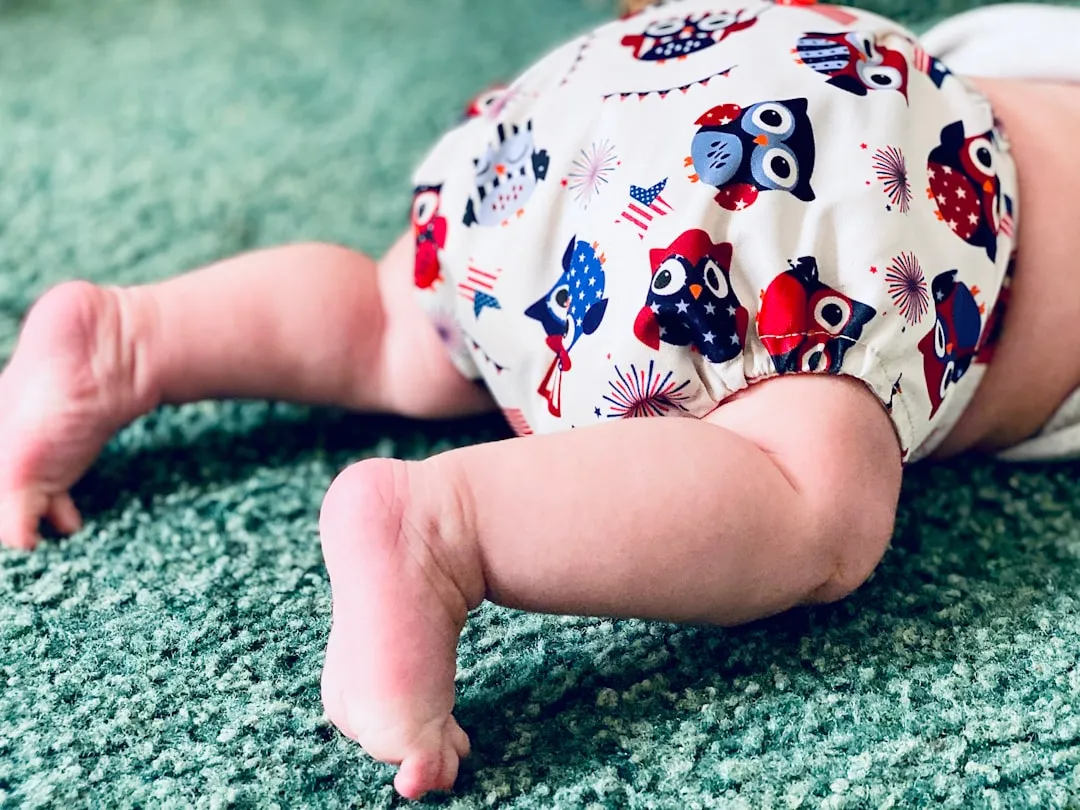
At many hotel pools, any diaper-age child must wear a swim diaper, and this rule exists for safety and sanitation purposes. That seems clear enough. The problem is that many parents show up with regular disposable diapers or nothing at all, and staff are required to turn them away.
According to the CDC, swim diapers can delay diarrhea-causing germs like Cryptosporidium from leaking into the water. However, the CDC also notes that even swim diapers and swim pants might hold in some solid feces but are not leakproof. This is exactly why hotels take the rule so seriously, and why enforcement has tightened as public health awareness around pool contamination has grown.
Why Hotels Are So Worried About Water Contamination

Just one diarrheal incident in the water can release millions of diarrhea-causing germs, which can make other swimmers sick if they swallow even a small amount of contaminated water. Although most germs are killed within minutes by chlorine at recommended levels, Cryptosporidium is a germ that can survive in properly treated water for more than 7 days.
During 2009 through 2017, 444 cryptosporidiosis outbreaks resulting in 7,465 cases were reported across 40 states and Puerto Rico, and the number of reported outbreaks increased an average of roughly 13 percent per year. For hotel management, those are not abstract statistics. A contaminated pool means closing the facility, losing bookings, and facing potential legal liability.
Hotels and Resorts Are at the Center of the Problem

Among treated recreational water outbreaks reported to the CDC, roughly one third were associated with a hotel, motel, lodge, or inn, or a resort, and more than half started during June through August. That timing maps almost exactly onto peak family travel season, which is part of why summer pool rules are enforced so much more aggressively than at other times of year.
Incidents involving pool-related accidents can seriously harm a hotel’s reputation. Negative experiences can result in unfavorable ratings and a drop in guest bookings, affecting a hotel’s profitability and brand image. So when staff ask a family to leave because a toddler is wearing the wrong type of diaper, there’s a genuine business and public health logic behind it, even if the conversation doesn’t always go well.
The Chair-Hogging Crackdown That’s Escalating
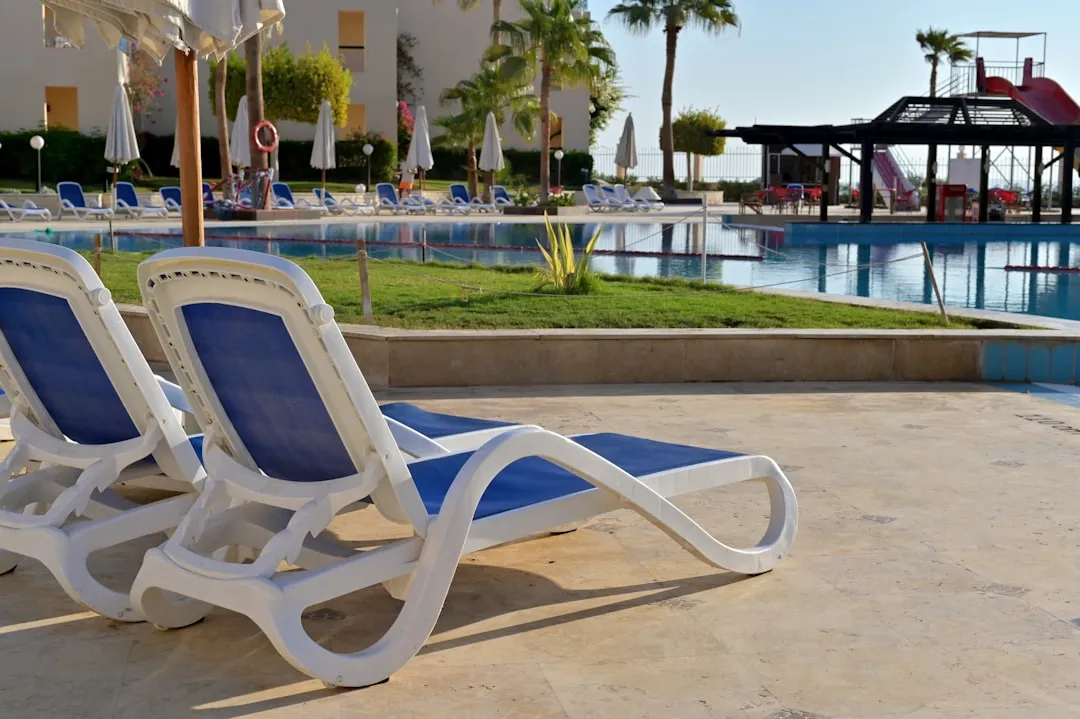
Pool chair disputes remain one of the most frequent complaints at full-service resorts, according to hospitality staff. Families are often the ones most affected by this, both as the people doing the reserving and the ones who end up with their items removed.
One of the most common hidden pool rules is the quiet crackdown on empty lounge chairs. Staff at upscale beach resorts say guests often assume they can claim a front-row seat at sunrise by dropping off a towel, a book, or a flip-flop. In practice, many luxury properties now limit how long a chair can sit unused before attendants remove the items. Families who head to breakfast and return to find their towels in a lost-and-found bin often feel blindsided, even though the policy was technically posted somewhere.
The “Towel Reservation” Habit Has Real Consequences
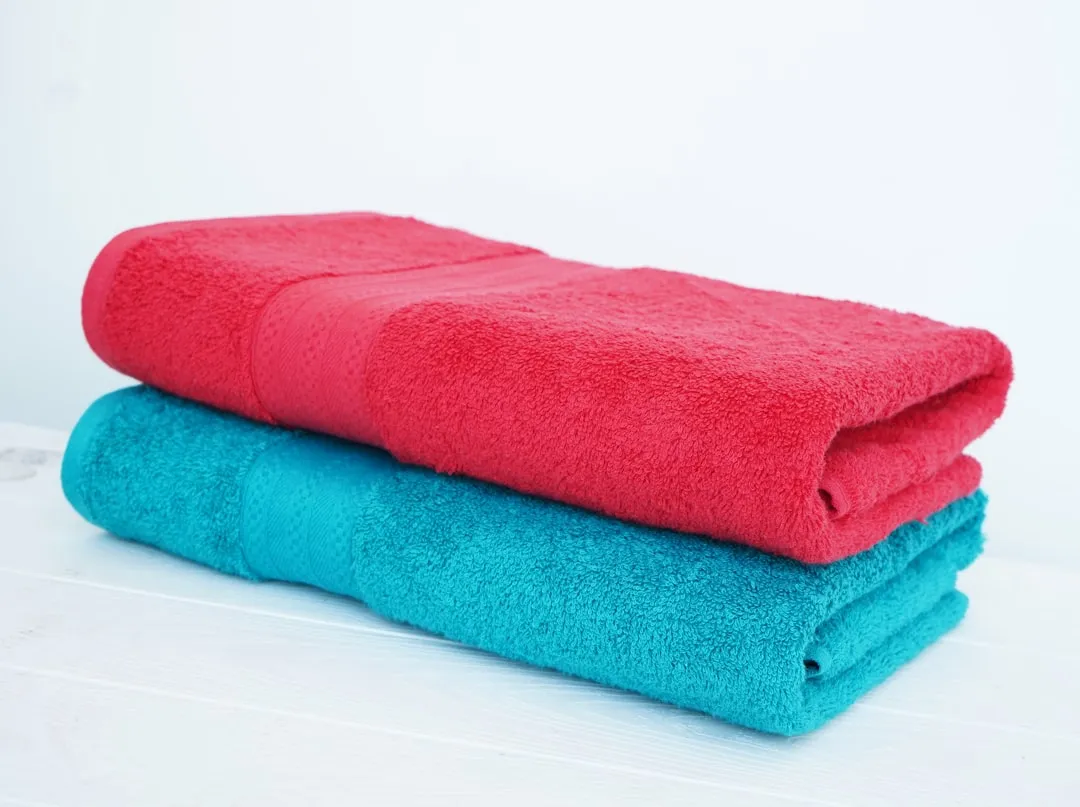
The “towel reservation” has become one of summer travel’s most hotly debated vacation habits. At resorts around the world, guests set alarms, claim pool chairs with towels, hats, or paperback novels at sunrise, then disappear for breakfast, a workout, or even hours-long excursions. By the time other travelers arrive, the best spots appear to be taken despite sitting empty.
The practice creates a domino effect: as more people worry they won’t find a chair later, they begin reserving them earlier too. Hotels that now enforce strict time limits are doing so in response to this escalating dynamic, and families who unknowingly cross the line are the ones most likely to face an awkward confrontation with a pool attendant. Pool chair hogging is one of the biggest complaints many resorts face, according to travel journalists who have studied the issue closely.
The Legal Complexity Around Children at Pools

Under the federal Fair Housing Act, associations can’t treat families with children differently than other residents by unreasonably limiting their use of privileges, services, or facilities associated with a dwelling. While this primarily applies to residential communities, the underlying principle matters: rules that effectively exclude children need to be carefully crafted and genuinely neutral.
Rules that target children and their conduct may be considered discriminatory. There are cases that have held that rules banning children who wear swim diapers from swimming in a community pool are discriminatory because they are not the least restrictive means for accomplishing the goal. Hotels walking this legal line often land on policies that apply equally to all guests, regardless of age, but the practical impact still falls most heavily on families with young children.
Adults-Only Pool Zones Are Growing in Popularity

Hotels, like other private businesses, have the right to operate per their own policy and rules, but the trend of policies excluding children raises concerns. Experts have pointed out that businesses have the discretion to decide whether to be family-friendly or not, as they are not state-run or welfare organizations. This shift is increasingly visible at premium resorts, where a quiet adults-only pool area has become a standard amenity.
Age disputes at resort pools are rarely about being unfriendly to families. They are usually tied to liability, guest complaints, or noise management. At high-end resorts trying to serve multiple audiences at once, time-based separation has become a common operating rule. Parents who wander into a designated adult section with their kids are likely to be redirected, sometimes firmly, without much explanation.
The Large Inflatable Problem Nobody Talks About
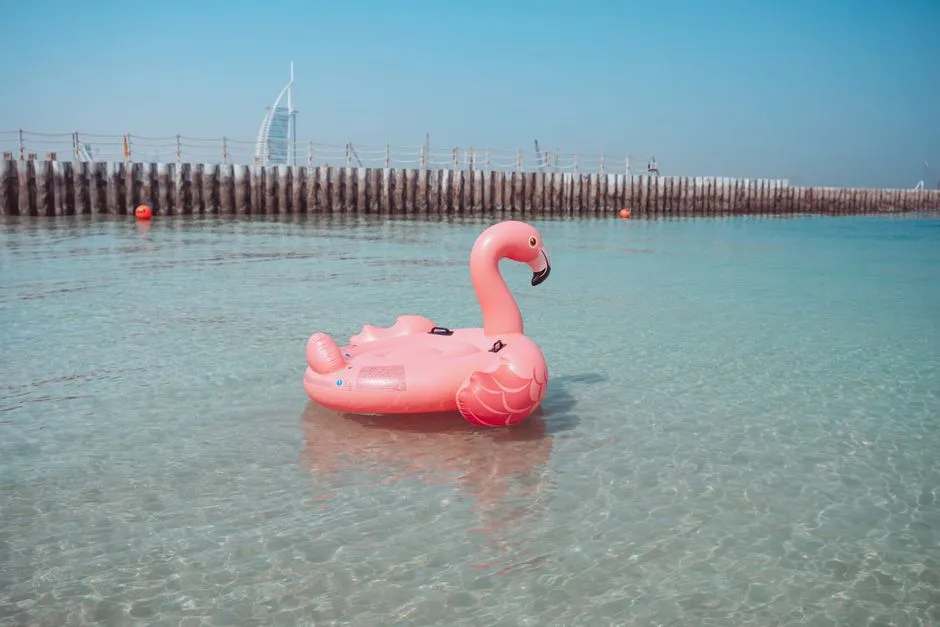
Large inflatables have become a vacation staple, especially for families and social media-minded travelers. Staff at luxury beach resorts say they are also one of the fastest ways to trigger a pool rule most guests never read. Many properties restrict floats by size, shape, time of day, or by which pool a guest is using. Workers said giant swans, loungers, and novelty rafts are often banned from main pools because they block sightlines for lifeguards and take up room during busy hours.
At multi-pool resorts, floats may be allowed only in family activity pools and prohibited in quiet pools, adults-only pools, or infinity-edge areas. A family that packs an oversized inflatable flamingo without checking the fine print may find themselves storing it back in the room before they even get it inflated.
Sudden Pool Closures and What Really Causes Them
Staff say temporary pool closures are often tied to strict water quality protocols that resorts do not always explain in detail, to avoid alarming other guests. Still, the closures are common, and they can disrupt a vacation day with little notice. Current and former employees said the most frequent causes include chemical imbalance, filtration issues, storm debris, and what staff describe as biological incidents.
When a Cryptosporidium outbreak occurs, swimmers can become gravely ill, the pool must shut down until the parasite is eliminated, and the facility can be exposed to lawsuits covering medical bills and other expenses. Families who notice a pool closed without warning are usually not getting the full picture from front desk staff, which can make an already frustrating situation feel worse than it is.
What Families Can Do Before They Arrive

Pool rules are usually disclosed in small print on signage or in resort apps, but many guests never notice them. That helps explain why removals can feel abrupt. At luxury properties, the pool deck may look relaxed, yet seating control is often tightly managed from the first hour of the morning. Reading the resort’s pool policy before packing is genuinely worth the two minutes it takes.
When selecting a hotel in the first place, it matters to consider what kind of vacation you actually want. If you want kids to have the freedom to splash and play, look for a resort with a pool designated just for families. Matching the property to the family rather than assuming all hotels are equally accommodating is the most practical way to avoid a poolside conflict before it starts.
The Bigger Picture: Rules Exist for Real Reasons
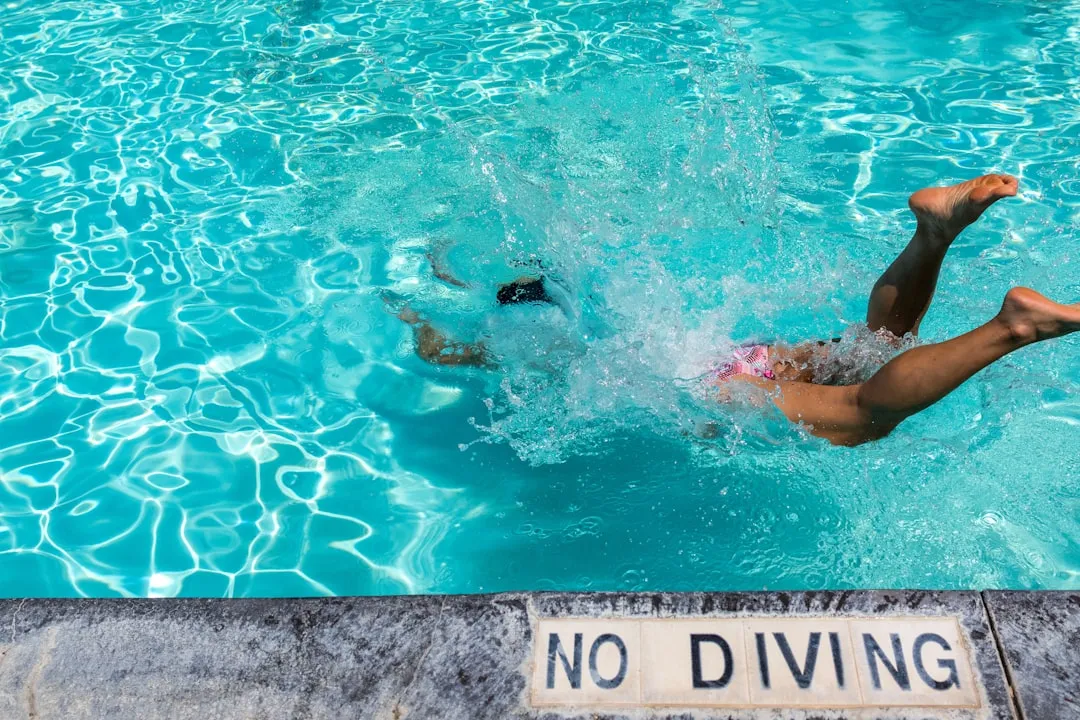
The rules getting families turned away this summer aren’t arbitrary. Most of them trace back to documented public health concerns, liability exposure, or the competing needs of a full resort with multiple guest demographics to serve. Understanding that context doesn’t make a tense encounter with a pool attendant easier, but it does make the policies feel less like a personal affront.
There is no single nationwide rulebook for pool safety. Instead, commercial properties must comply with a combination of local, state, and federal regulations. These laws are designed to create layers of protection because no single safety measure can prevent drowning or illness on its own. The result is a patchwork of policies that varies from property to property, and that families are largely expected to figure out on their own.
The simplest takeaway is probably this: pool rules at hotels have always existed, but they’re now being enforced with more consistency than ever before. A little research before check-in, the right swim gear for young children, and a realistic sense of what the property is actually set up to offer can make the difference between a frustrating standoff and a genuinely enjoyable summer afternoon by the water.
AI Disclaimer: This article was created with the assistance of AI tools and reviewed by a human editor.