
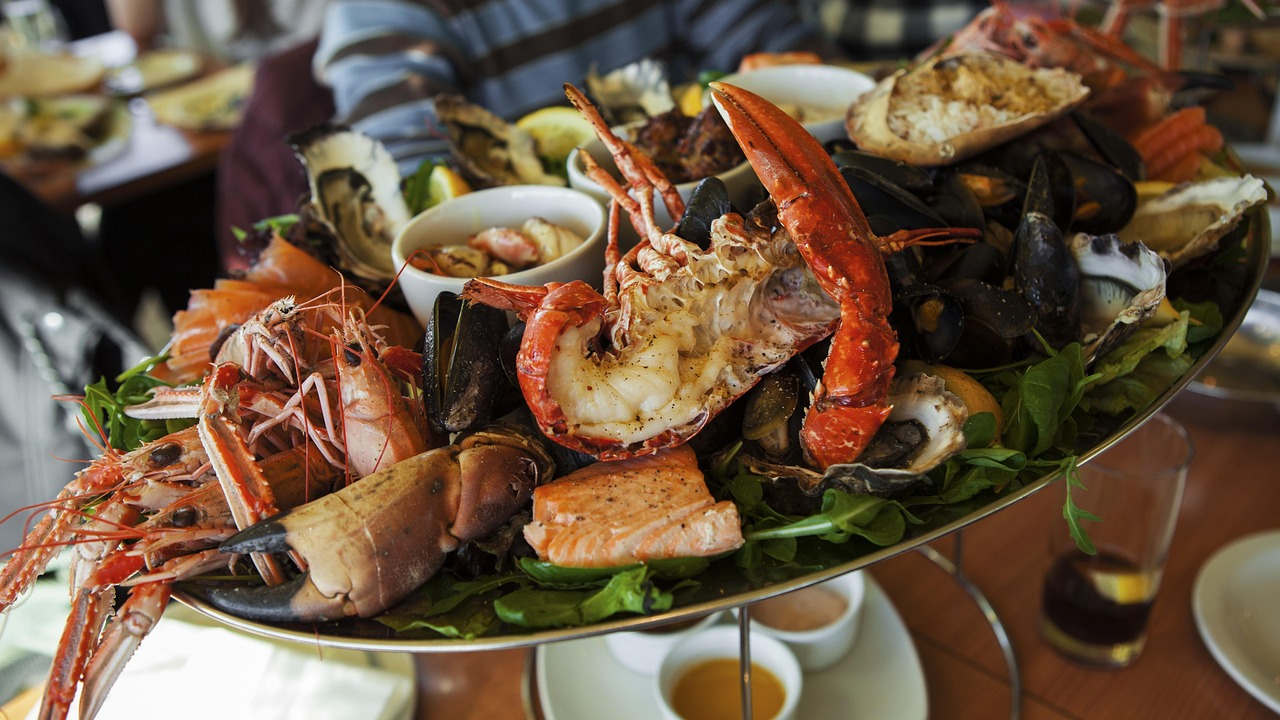

There’s a stretch of the Portuguese coast where the gap between ocean and table is practically nonexistent. In towns like Matosinhos, Olhão, and Peniche, fishing isn’t a romantic backdrop for tourists. It’s the pulse of daily life, and the seafood you eat for lunch was almost certainly still in the Atlantic that same morning.
Portugal’s relationship with the sea is ancient and sincere. For centuries, fishermen ventured into the Atlantic, bringing back not only sustenance but also stories, traditions, and a way of life that continues to shape the country’s coastal charm. What you find along this coastline isn’t performance. It’s continuity.
Matosinhos: Where the Market Is the Message
Situated along twelve kilometers of Atlantic coastline, Matosinhos has flourished into a vibrant urban centre where maritime heritage and gastronomy are at the heart of its cultural identity. It sits just north of Porto, reachable by metro, yet it feels like its own world entirely.
Home to one of Portugal’s largest fishing ports, Matosinhos is a national reference for seafood and grilled fish. It is no coincidence that the city’s motto is “the best fish in the world.” That’s not tourist copy. It’s a genuine civic boast, backed by the density of its restaurant culture.
Matosinhos’ fishing tradition has resulted in the city having the highest concentration of fish restaurants per square metre in Europe, approximately six hundred in total. Walking down Rua Herois de França on a weekday lunchtime, with charcoal smoke curling out from a dozen open grills, you understand why that number feels entirely believable.
The UNESCO Recognition That Changed the Conversation

Matosinhos offers everything from humble fish grills to ambitious contemporary projects that helped earn the city recognition as a UNESCO Creative City of Gastronomy in 2025. This designation isn’t handed out lightly, and for Matosinhos, it formalized what locals already knew.
Matosinhos’ culinary identity is deeply linked to the Atlantic Diet and traditional fishing, seaweed collection, and canning activities that shaped the urban landscape and social fabric. This heritage is still visible today at the Roman Salting Tanks in Angeiras, a testament to ancient maritime trade and early methods of fish preservation.
The city’s seafood culture is vividly experienced at the bustling Municipal Fresh Market, where fresh catch and local producers embody the living memory of the Atlantic. The UNESCO title brought international eyes to something that had quietly existed here for generations.
Olhão: The Algarve’s Fishing Heartbeat
Olhão is the largest fishing port of the Algarve, while it still has that authentic Algarve charm. Just ten minutes from Faro, Olhão is known for its vibrant waterfront markets, traditional seafood cuisine, and as the perfect launch point to explore the stunning Ria Formosa Natural Park.
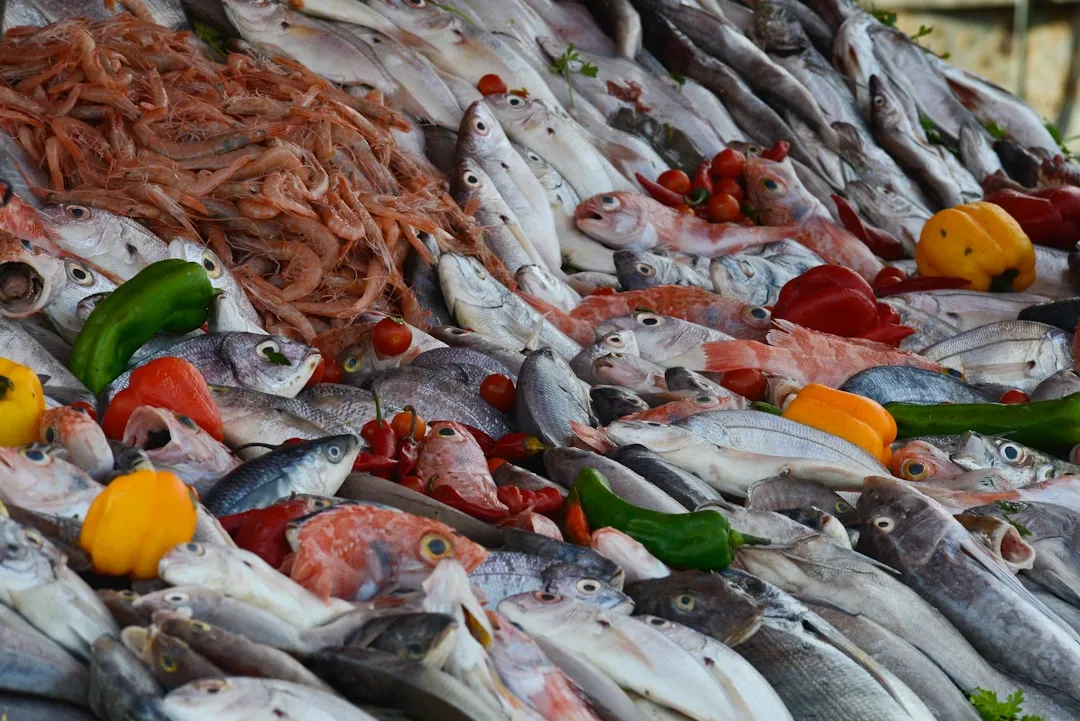
Olhão is the main fishing port in the eastern Algarve, and its market, two iron-and-tile pavilions by the waterfront, one for fish and one for fruit and vegetables, sells the catch directly from the boats that landed it that morning. The architecture alone is worth the visit, but the fish is the real reason to come early.
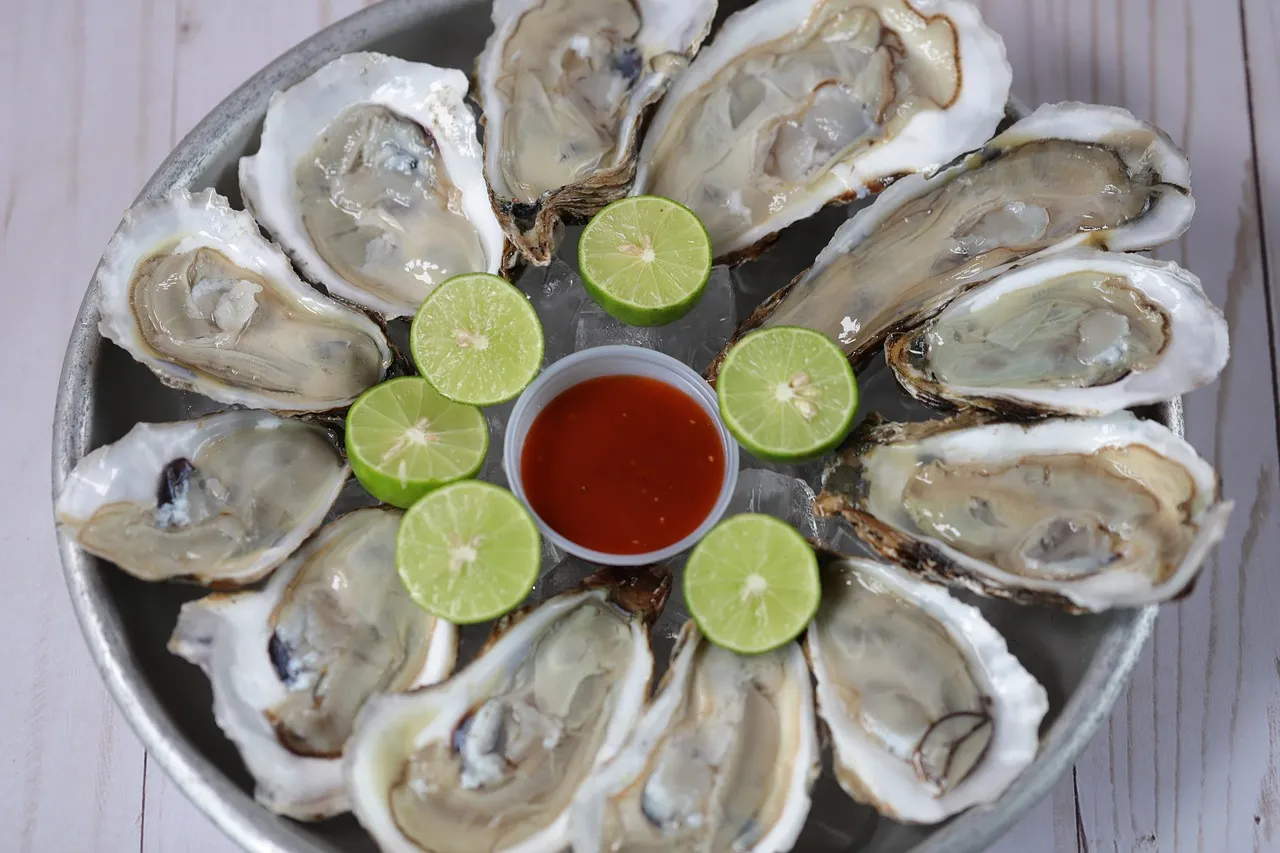
Going through the fish and food stands, you witness the local daily catch: prawns, numerous clams, octopus, squid, bass, breams, snapper, and sardines, just to name a few. Fresh oysters, clams, and grilled fish are a daily highlight, especially during the annual Seafood Festival.
Peniche: A Port Town That Still Works Hard
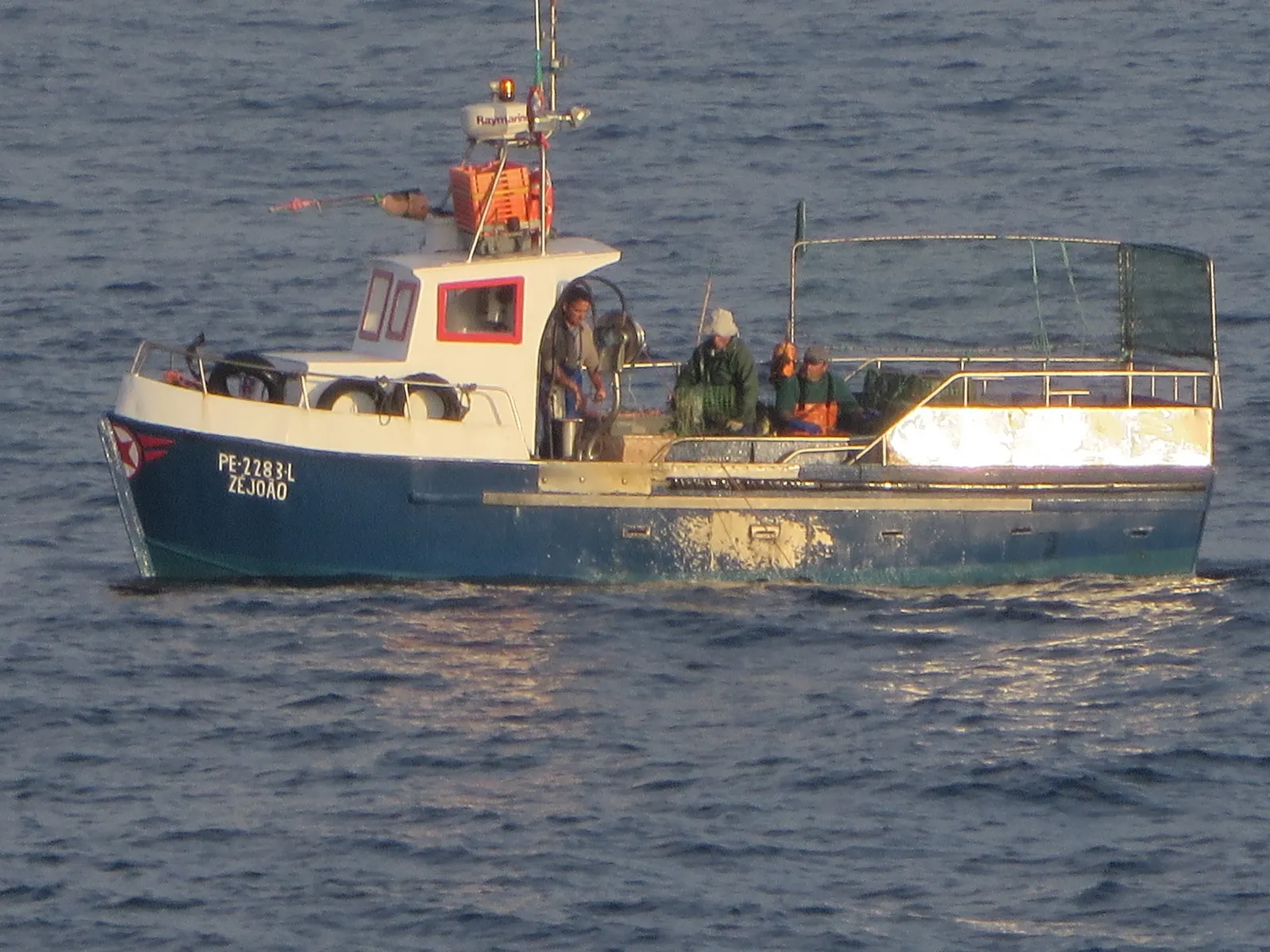
Peniche has one of the most active fishing ports in Portugal and a strong maritime identity. The town was historically known for its lace-making traditions, but today it’s also celebrated for seafood and surfing. A visit to the bustling fish market offers an authentic glimpse of local life.
Peniche is a paradise for seafood lovers. Fishermen still use traditional methods to catch their haul, and the local restaurants serve up delectable seafood dishes. There’s a plainness to the way food is presented here, a refusal to overcomplicate what the ocean already made perfect.
Peniche is also known for its breathtaking beaches, where surfers flock to catch some of the best waves in Europe. The combination of working port and surf culture gives the town a dual energy that’s unusual even by Portuguese standards.
Ericeira: Fishing Boats and Surfboards on the Same Shore
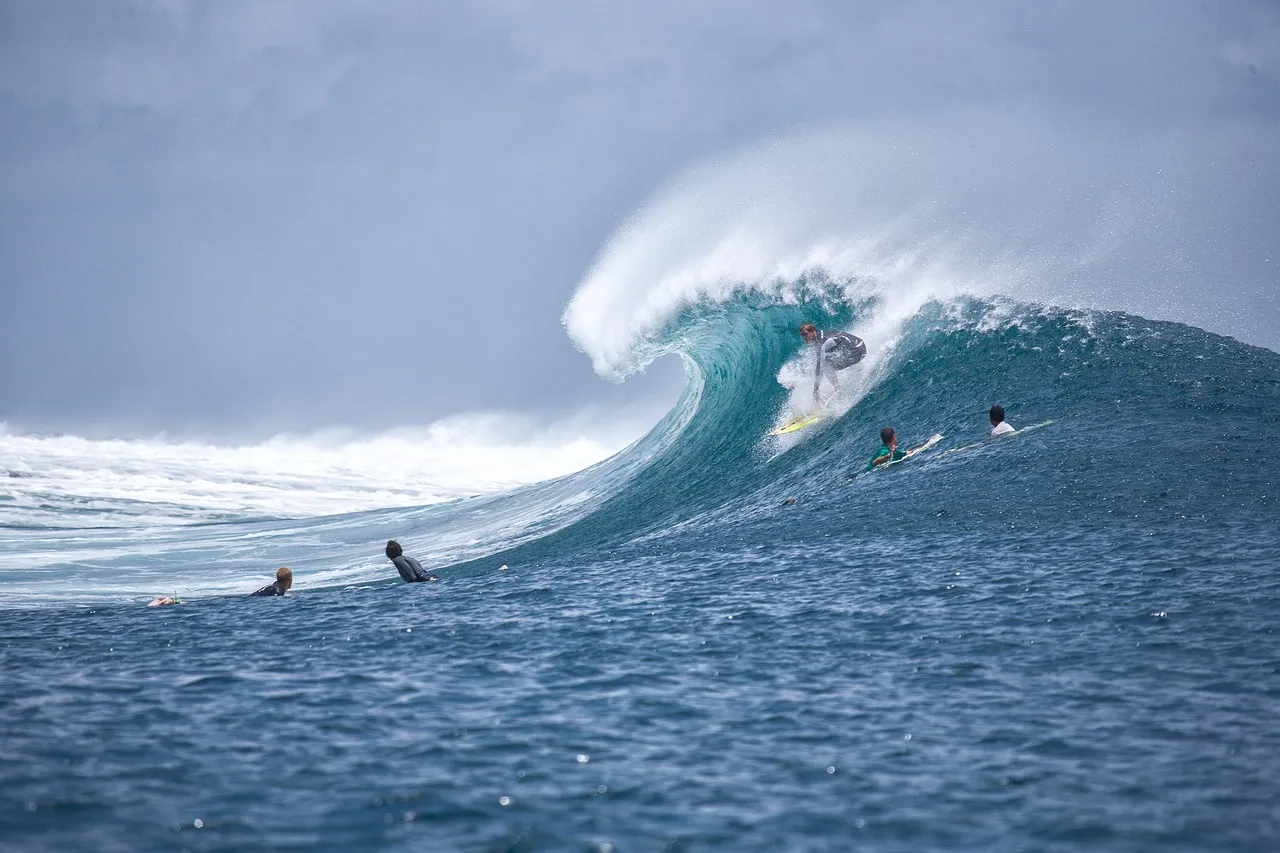
Just forty minutes from Lisbon, Ericeira combines fishing heritage with a modern surf culture. This charming seaside town still has an active fishing port where locals unload fresh catches every morning.
Wandering through its cobbled streets, lined with blue-and-white houses, you’ll find both traditional fishmongers and chic seafood restaurants. One highlight is dining at Mar d’Areia, where the menu changes daily depending on the fishermen’s haul. That kind of radical freshness is only possible when the supply chain is this short.
Famous for its surf breaks and fresh seafood, including sole fish, Ericeira serves this type of flatfish known for its delicate flavor and light, flaky consistency. In Ericeira, it is frequently pan-fried or baked and served with fresh vegetables or a lemon-butter sauce. Ericeira is also part of a World Surfing Reserve, so it’s one of the few places where fishing boats and surfboards share the same coastline.
Sesimbra: The Bay That Shelters the Best Catch
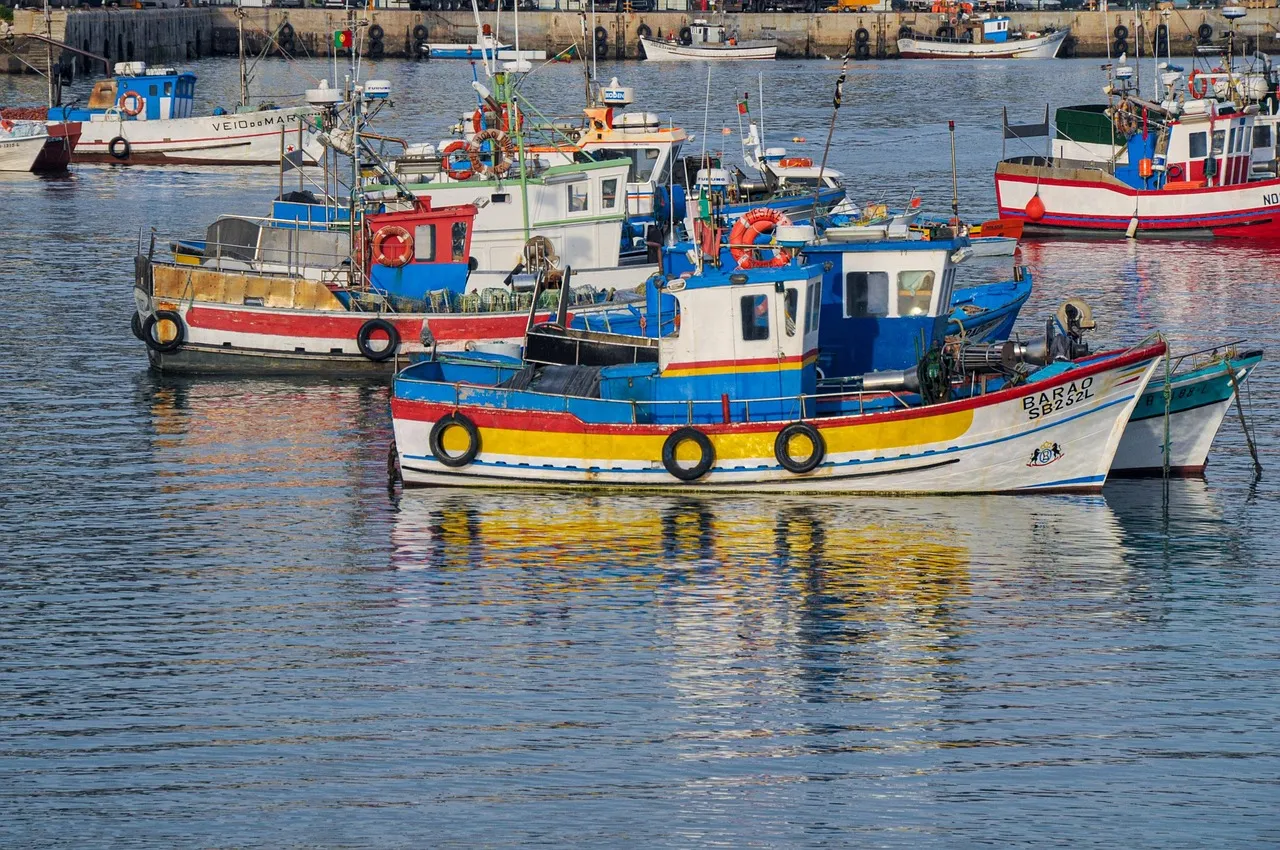
Nestled against the Arrábida mountains, Sesimbra is a fishing village that has become a beloved weekend retreat for Lisbon locals. The town’s bay shelters dozens of brightly painted fishing boats, and the promenade is lined with family-run seafood restaurants.
The specialty here is choco frito, fried cuttlefish, but you’ll also find some of the freshest clams and lobster in Portugal. The natural shelter of the bay means boats can go out and return in all but the roughest conditions, which keeps the supply remarkably consistent year-round.
The setting itself is striking. Mountains to the back, the Atlantic ahead, and a row of painted hulls bobbing between the two. Sesimbra is a reminder that Portugal’s seafood culture isn’t just a northern phenomenon.
Nazaré: Tradition Dried in the Wind
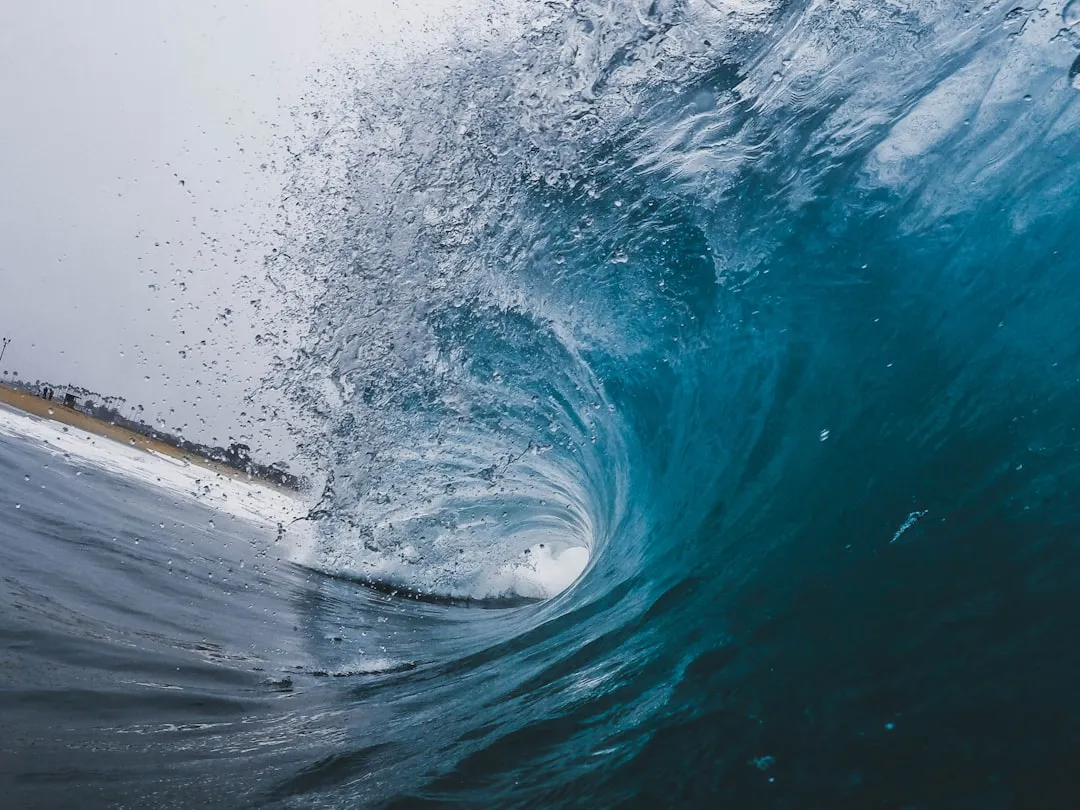
Nazaré is famous for its massive waves that attract surfers from around the world. Stroll along the promenade and witness the fishermen expertly mend their nets, or indulge in a delicious seafood feast at one of the local restaurants.
Nazaré’s seafood culture extends beyond the dining table, with opportunities to learn more about the town’s maritime heritage. Visitors can embark on fishing boat tours or visit local markets to witness firsthand the vibrant seafood trade that sustains the community.
The town’s cliff-top neighborhood, the Sítio, still has women in traditional black dress drying fish on wooden racks in the open air. It’s a practice centuries old, and it continues not as a performance but as a practical way of preserving the catch. The town’s harbor bustles with fishing boats, while the upper neighborhood, Sítio da Nazaré, offers sweeping ocean views and a charming main square.
What’s Actually on the Plate: The Seafood Itself
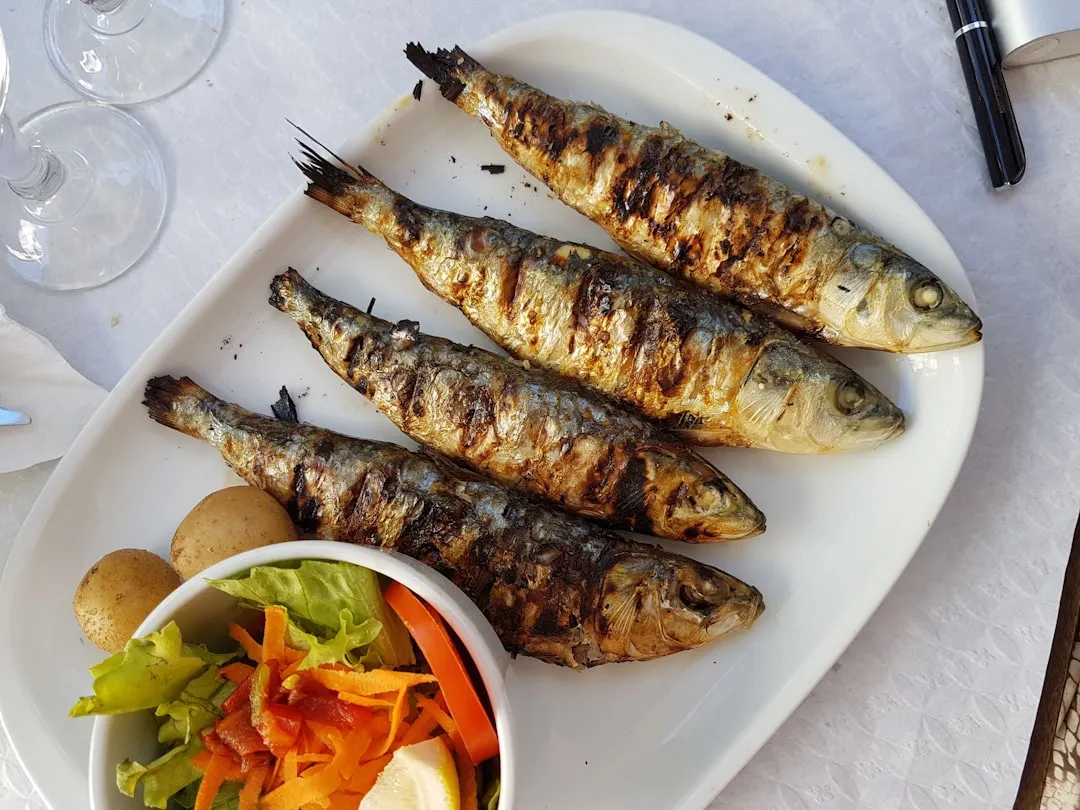
The coastal towns between Lagos and Tavira have the widest range: grilled sea bream, cataplana (a copper-pot stew of clams, chouriço, and white wine), percebes (barnacles eaten by pulling them apart with your fingers), and the ubiquitous grilled sardines that appear everywhere from June onward.
Portugal’s waters hold a wide mix of Atlantic and Mediterranean species. Offshore, you can target bluefin tuna, swordfish, mahi mahi, and marlin, while reefs and coastal areas hold seabream, European seabass, dentex, and amberjack. That biodiversity is what makes a single coastline capable of producing such varied menus.
Travel from the cooler, rougher waters of the north to the warmer bays of the Algarve and the rhythm barely changes: markets open early, fish is sold whole and unadorned, and meals are built around immediacy rather than interpretation.
The Boat-to-Plate Experience Worth Seeking Out
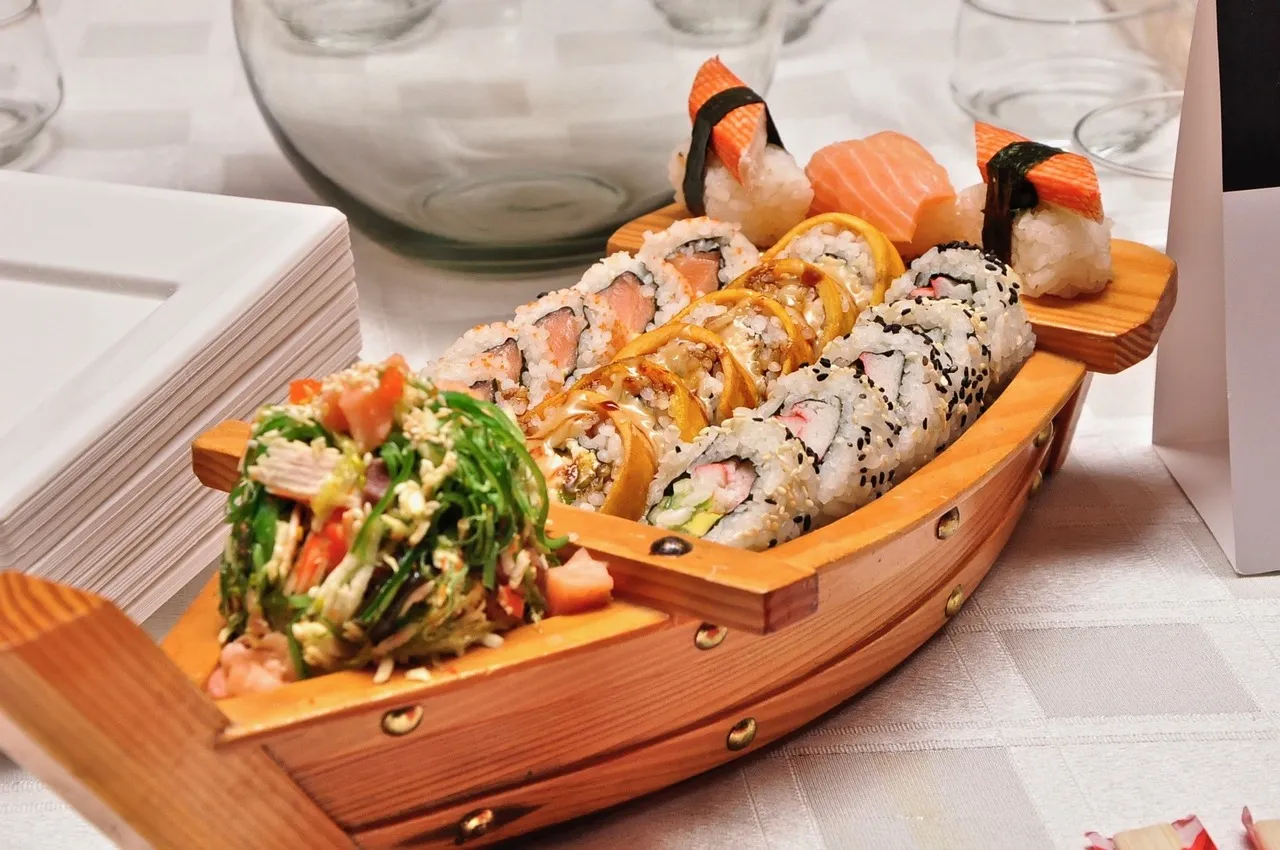
Visitors in Matosinhos can witness the journey of fresh fish from the sea to their plate, delighting in hand-selected freshly caught fish. The city is a bustling fishing community renowned for its exceptional seafood and rich maritime heritage, and this excursion offers the exciting option of hand-selecting your own freshly caught fish straight from the ocean, ensuring the highest level of freshness and quality.
Thanks to the proximity to the sea, the fish caught at dawn is sold fresh in the early hours of the morning. Though small, markets on northern Portugal’s Atlantic Coast are renowned for their high-quality fish and seafood, as well as the opportunity to interact with local fishermen.
One authentic boat-to-plate experience at Mercado de Matosinhos involves walking through the bustling market, handpicking a fish straight from the stalls, and taking it to a nearby restaurant, where they grill it to perfection: just salt, fire, olive oil, and lemon. Few meals anywhere in the world are this honest.
The Northern Fishing Towns: Póvoa de Varzim and Beyond
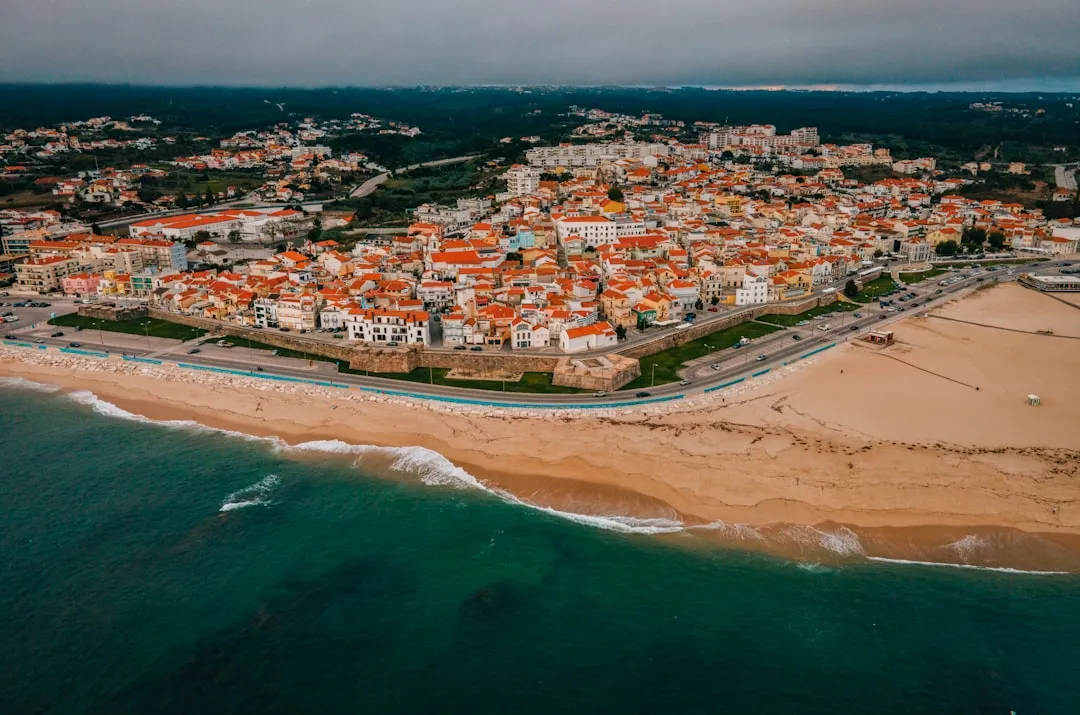
Póvoa de Varzim is one of Portugal’s most iconic fishing towns, making its Municipal Market a must-visit for fresh fish and high-quality seafood. Located in the town centre, the market dates back to 1903 and was reconstructed into an enclosed space in 1982. Its historic and unique market offers a fantastic range of fish and seafood straight from the local fishing boats that dock in this Atlantic Coast town.
The coast north of Porto around Viana do Castelo and Caminha has a different character altogether: wide estuaries, green hills dropping to beaches, and fishing villages that receive visitors but haven’t been reorganised around them. That’s a meaningful distinction. These are places where tourism arrived gently, without rewriting the place entirely.
The Minho region also produces the vinho verde that pairs with local seafood better than anything imported, and the combination of mineral white wine and whatever came off the boats that week is the simplest argument for eating in northern Portugal.
The Quiet Intelligence of Eating Where the Boats Land
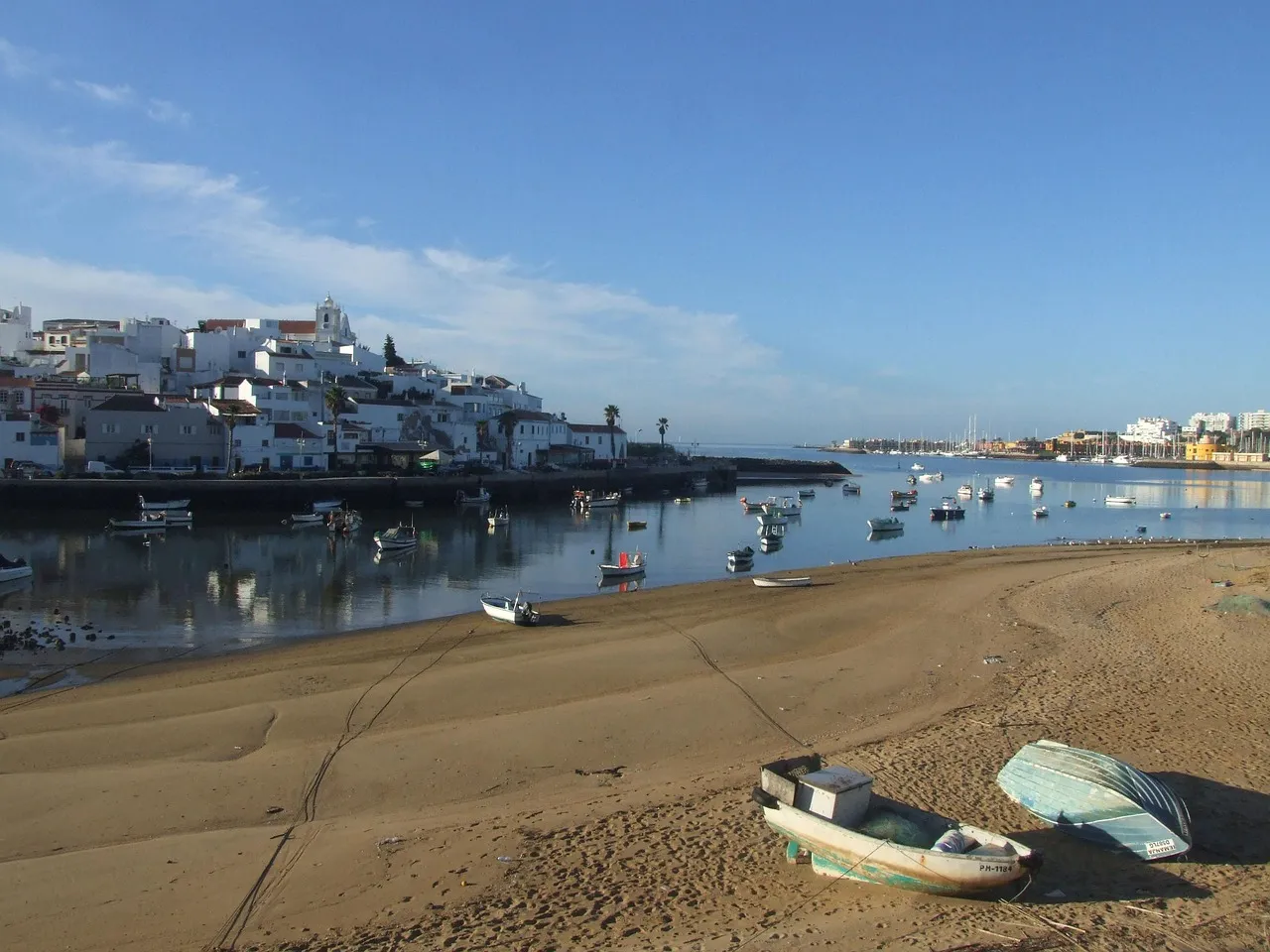
Many of Portugal’s fishing villages retain their authenticity while welcoming visitors with a mix of rustic beauty, fresh seafood, and timeless maritime culture. For discerning travelers, these villages are not just places to visit – they are destinations to savor slowly. Whether it’s tasting grilled sardines in a harbor-side taverna, strolling through cobbled lanes lined with colorful boats, or watching fishermen mend their nets at sunset, the experience is deeply immersive.
In a country shaped by the Atlantic, the beach in Portugal is no mere summer escape. It’s where daily life plays out: fish arriving at small ports in the morning, grills smoking by lunchtime, tables set as close to the tide as possible. Along the coastline, seafood is the constant.
There’s a kind of low-key wisdom in how these coastal communities eat. Nothing is wasted, nothing is overcomplicated, and nothing travels far. The fish was in the sea this morning. That simple fact, repeated across dozens of towns and thousands of meals, is what makes Portugal’s coast unlike anywhere else in Europe.
AI Disclaimer: This article was created with the assistance of AI tools and reviewed by a human editor.