
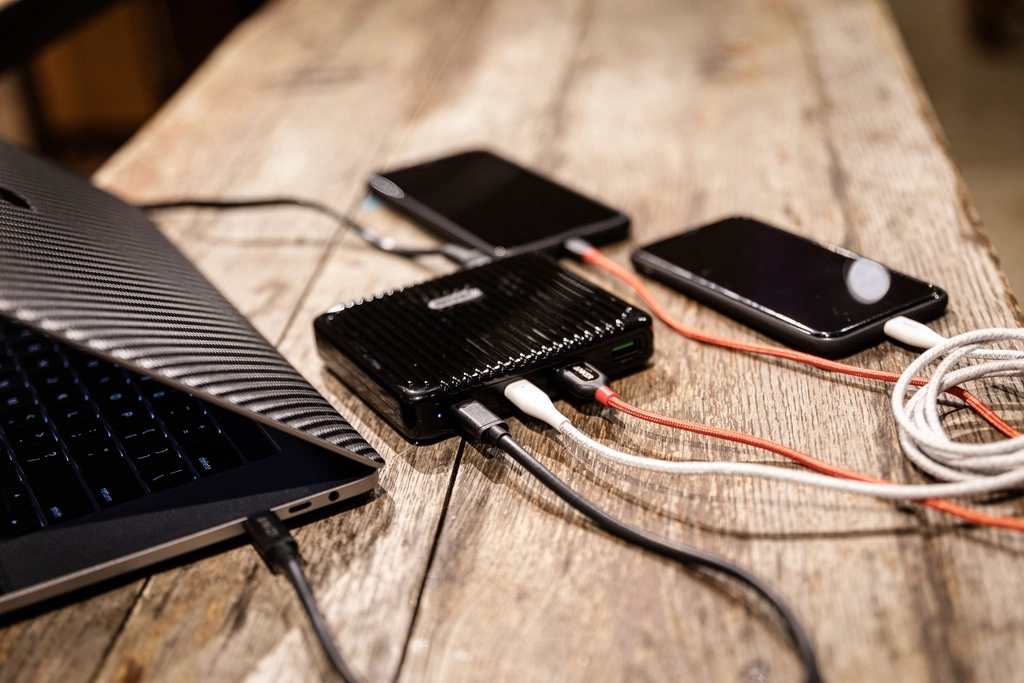

The Core Rule: Carry-On Only, Always
The single most important thing to understand is where your power bank is allowed to be. Portable chargers or power banks containing a lithium-ion battery must be packed in carry-on bags, and spare lithium batteries, which include power banks and phone chargers, are prohibited in checked luggage.
This isn’t a suggestion. TSA rules state that power banks must be packed in your carry-on luggage and are not allowed in checked baggage because they contain lithium-ion batteries, which can pose fire hazards if stored in the cargo hold. The logic is straightforward: if something goes wrong in the cabin, crew members can respond immediately. In the hold, they cannot.
Power banks contain lithium-ion batteries which can pose fire hazards if stored in the cargo hold, and by keeping them in the cabin, airline staff can more easily address any safety issues. This is the foundation of every power bank rule that follows.
Why Watt-Hours Are the Metric That Matters
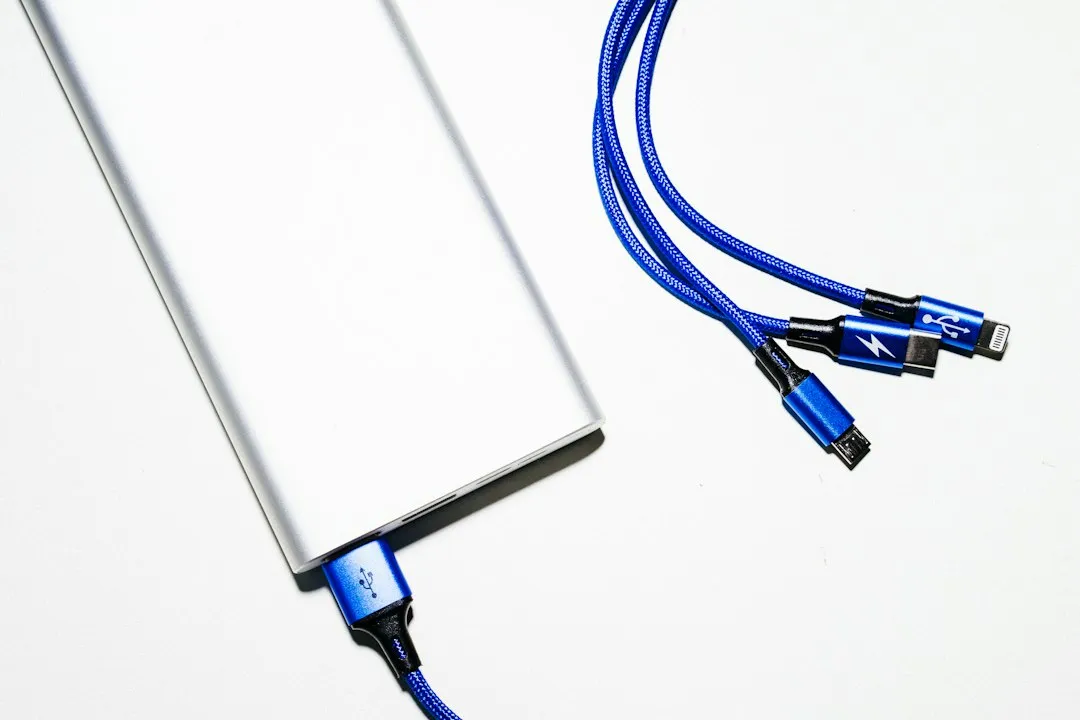
Here’s where travelers regularly trip up. A common mistake travelers make is searching for airline rules using milliamp-hours (mAh), while airport security measures everything in watt-hours (Wh). These are not the same thing, and the difference matters when it comes to compliance.
The capacity is what matters, not the milliamp-hour rating directly. The conversion is: watt-hours (Wh) equals milliamp-hours (mAh) multiplied by volts (V), divided by 1000. For consumer lithium-ion power banks, the internal cell voltage is 3.7V (nominal).
So a 20,000 mAh power bank, which sounds enormous, works out to roughly 74 Wh when you run the numbers. A 10,000 mAh power bank is allowed in your carry-on as it falls below the 100 Wh limit. Similarly, a 20,000 mAh portable charger would be approximately 74 Wh, also within the allowed range for carry-on luggage.
The Three-Tier Capacity System
Airlines categorize power banks into three distinct tiers based on their energy capacity, and these limits are standardized globally by the IATA. Knowing which tier your device falls into determines exactly what you’re allowed to do at any airport in the world.
Lithium-ion batteries are allowed based on watt hours. Batteries from 0 to 100 Wh are allowed on passenger aircraft, 101 to 160 Wh require an air carrier’s approval, and batteries exceeding 160 Wh are forbidden. That third category isn’t just confiscated at security. It cannot fly on a commercial passenger flight at all.
For the middle tier, the process isn’t automatic. To fly with a power bank in the 100 to 160 Wh range, you must receive airline approval, which usually involves notifying airline staff at the check-in counter or the gate. Showing up at security without that approval, even with a technically allowed device, can create serious delays.
Unlabeled Power Banks Are a Real Problem
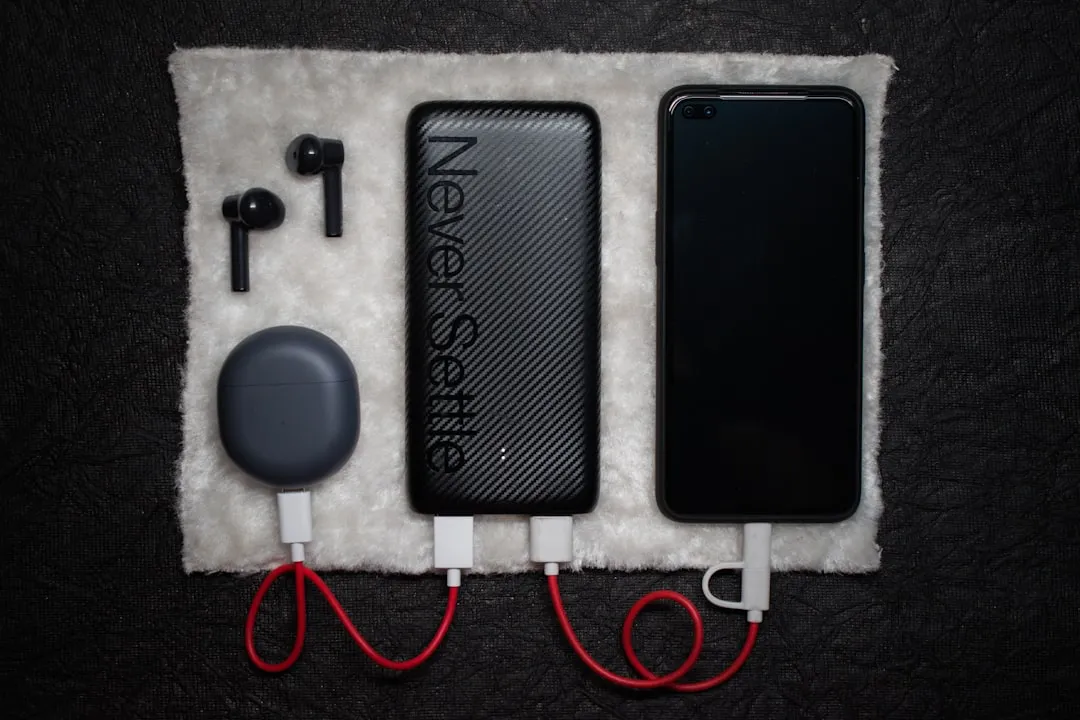
One of the most common reasons a bag gets flagged has nothing to do with the actual capacity of the device. Power banks must be clearly labeled with their capacity for verification. If the label is missing, worn off, or printed in a way that’s hard to read, security agents have no straightforward way to confirm compliance.
Airline employees may rely on the manufacturer’s printed rating, and a power bank with no readable capacity label could be questioned or refused, especially on an international itinerary. This is a risk that’s easy to avoid and easy to overlook.
TSA agents may ask you to identify the capacity of an unlabeled power bank. If you can calculate it using the mAh times voltage divided by 1000 formula and show it’s under 100 Wh, you’ll usually be fine. For peace of mind, bring power banks with clear capacity labeling.
What Happens When a Power Bank Is Found in Checked Baggage
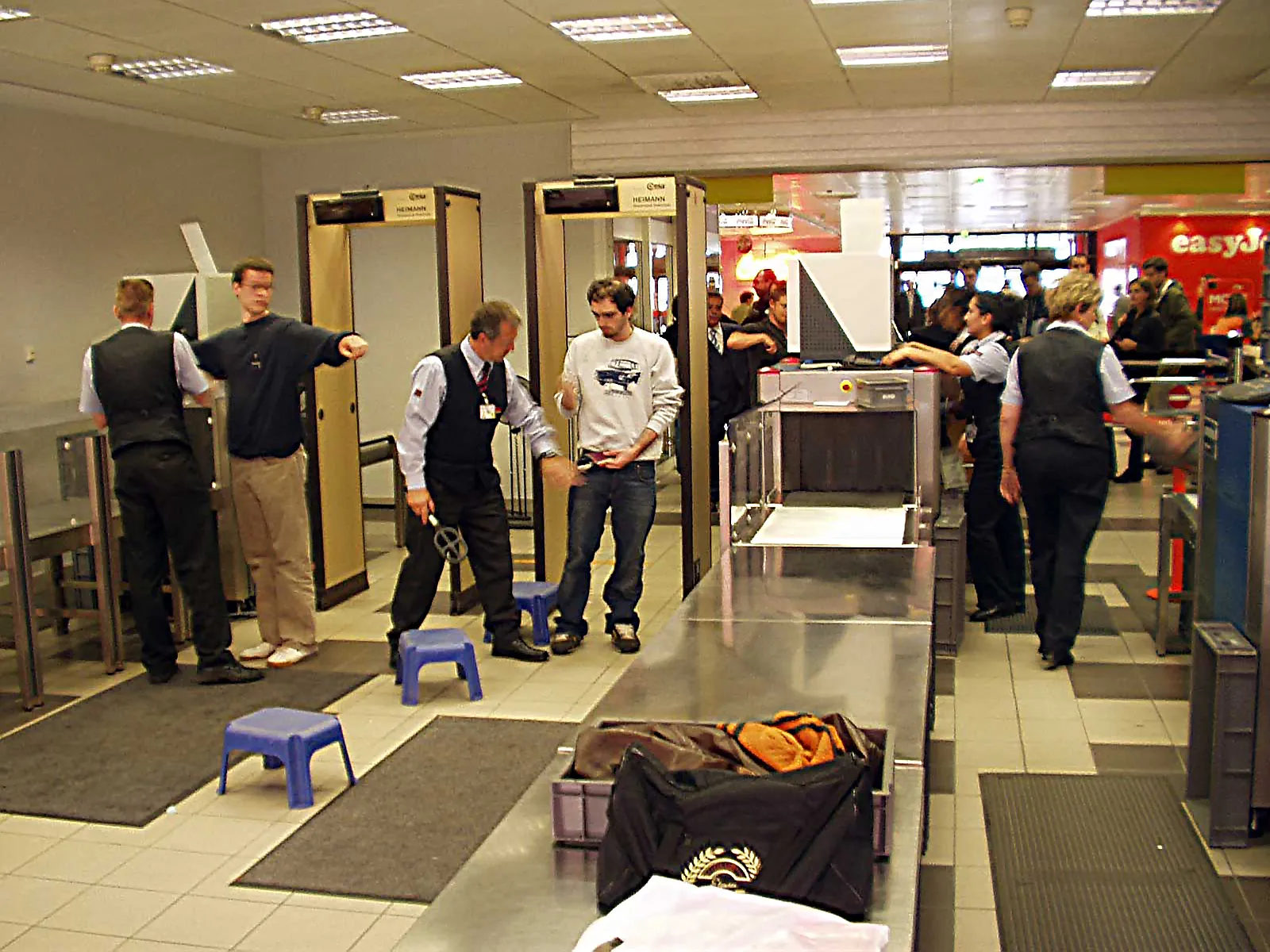
Travelers who forget to move a power bank out of their suitcase before checking it in face a specific sequence of events at the airport. Checked bags are X-rayed for lithium batteries. If TSA flags your bag, they’ll typically remove the battery. You may be asked to retrieve it at the checkpoint before your bag is checked, or it may be confiscated. In either case, you could miss your flight.
Confiscated items generally can’t be reclaimed. TSA occasionally has a process for retrieving items left at checkpoints, but it varies by airport and is not guaranteed. A sixty-dollar power bank isn’t worth a missed connection or an impounded bag.
Airlines Are Adding Their Own Rules on Top of TSA Guidelines
In the United States, the Federal Aviation Administration sets the baseline rules, and airlines can then impose stricter limits of their own. This layering of regulations means that even a fully TSA-compliant power bank might not pass muster with a specific carrier.
The basic rule hasn’t changed: power banks belong in the cabin, not in checked luggage. What has changed is the amount of attention airlines are paying to where the charger is stored and how it is used. Southwest and Avelo now specifically require portable chargers to remain visible while powering another device, and other airlines may eventually adopt similar rules.
Internationally, the changes have been even more pronounced. Popular carriers such as Singapore Airlines, Scoot, China Airlines, Thai Airways, Korean Airlines, and Asiana Airlines have updated their in-flight battery policies in recent years. Emirates went a step further. From October 2025, Emirates passengers can still carry a power bank onboard, but it cannot be used to charge devices in-flight.
The Real Safety Numbers Behind the Rules

The regulations aren’t bureaucratic theater. They respond to a documented and growing pattern of incidents. The FAA’s latest report on lithium battery aviation incidents shows 93 incidents that involved a battery smoking, igniting, or producing extreme heat aboard aircraft in 2025. That figure was up from 89 verified incidents the year before, which itself represented a sixteen percent increase from the previous year, according to compliance reporting.
The FAA logged 97 verified incidents involving smoke, fire or extreme heat in 2025, and by late April 2026 its running total since 2006 had passed 717. Nearly four in ten of those involved portable battery packs.
Real incidents have had real consequences. A January 2025 fire aboard an Air Busan aircraft at Busan, which investigators linked to a power bank insulation breakdown and short circuit, resulted in a total aircraft loss, though all 176 occupants evacuated safely. In May 2026, an EasyJet flight from Egypt to the UK diverted to Rome after a passenger disclosed a power bank was charging in checked baggage in the hold.
Why Thermal Runaway Makes This Particularly Serious
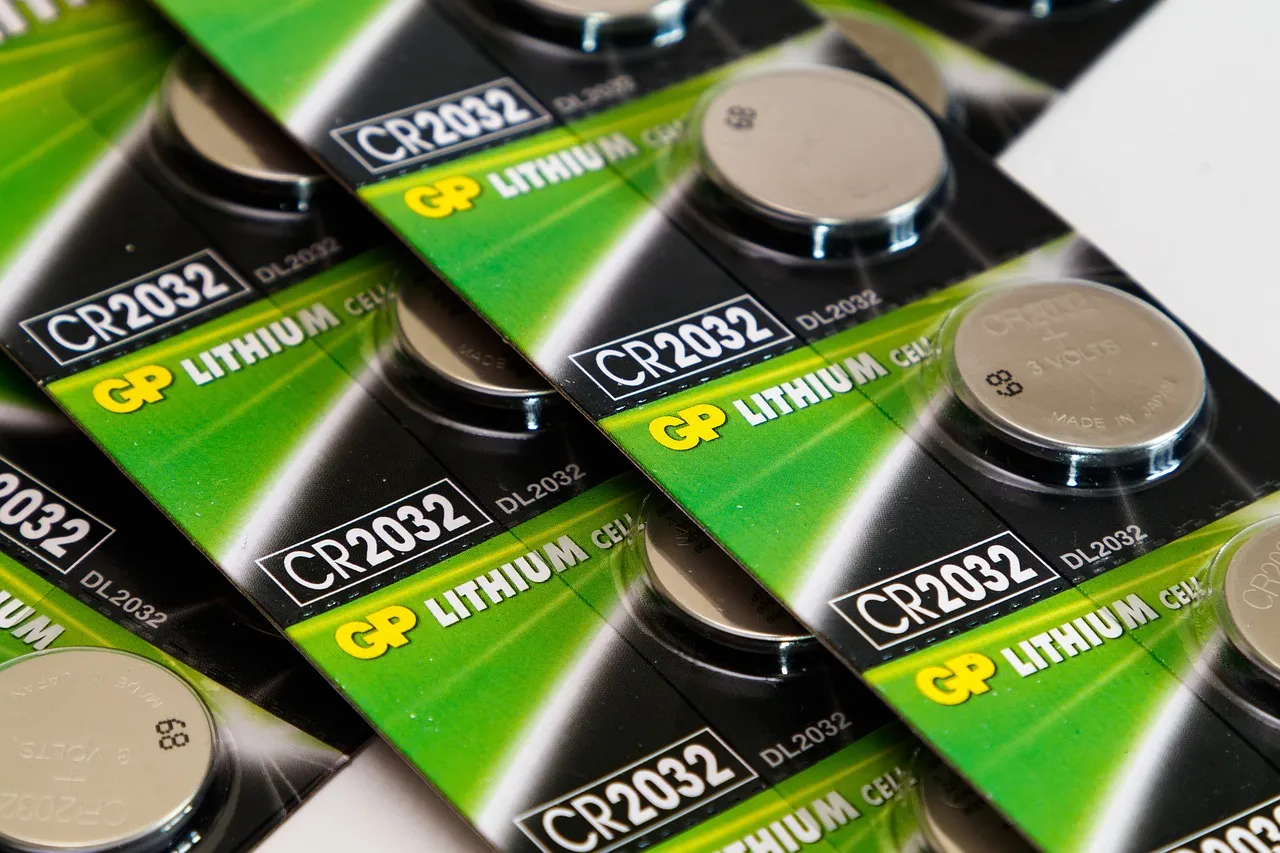
The primary risk is that lithium batteries can overheat and go into thermal runaway, a chain reaction in which a lithium-ion cell enters an uncontrollable, self-heating state, resulting in extremely high temperatures, smoke and, ultimately, a fire that is especially difficult to put out and can reignite even after being seemingly extinguished.
Of incidents that occurred on aircraft, nearly one in five forced a diverted landing, return to gate, emergency evacuation, or unplanned deplaning. That statistic puts the stakes in plain terms. Nearly sixty percent of thermal runaway incidents on aircraft happen near the passenger’s seat. Cabin placement isn’t just a rule. It’s the response mechanism.
The UK’s aviation regulator has taken note as well. The Civil Aviation Authority now calls lithium battery fire the number one safety risk to aircraft. Reports of passenger devices overheating or malfunctioning rose from 123 in 2024 to 206 in 2025, and detections of lithium devices wrongly packed into hold bags climbed ninety-one percent over the same period.
How Many Power Banks Can You Actually Bring?
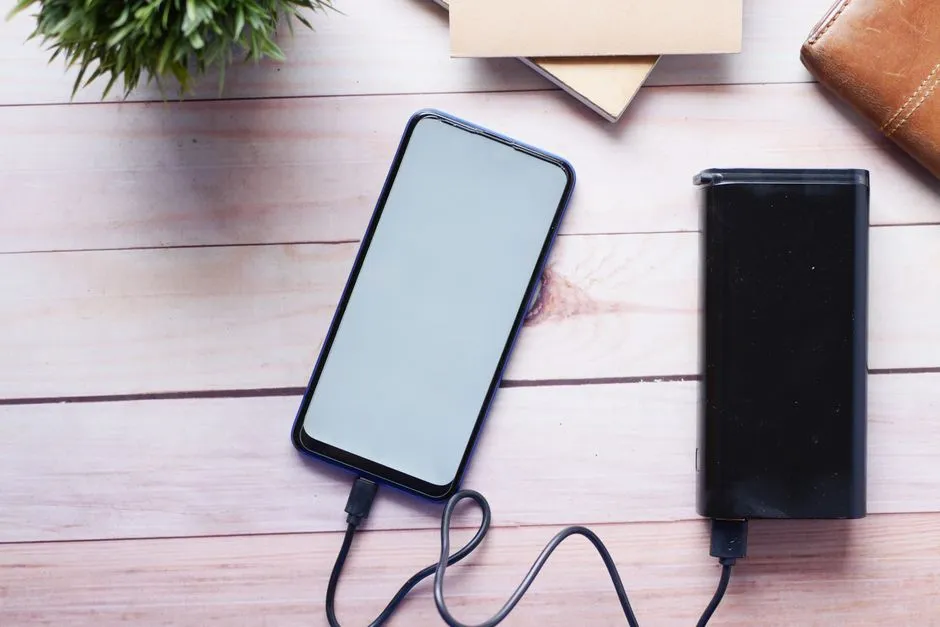
Surprisingly, this question has a fairly generous answer, as long as you stay within the lower capacity tier. TSA and FAA guidelines allow you to bring more than one power bank in your carry-on, with unlimited power banks permitted under 100 Wh. The quantity limit only kicks in once you cross into the restricted tier.
Travelers can carry multiple smaller power banks, staying within the airline’s overall watt-hour limit. For batteries between 100 Wh and 160 Wh, most airlines allow up to two units with prior approval. Stacking multiple large-capacity chargers without that approval is where travelers get into trouble.
There’s one quiet caveat worth noting. There’s no specific rule limiting the number of sub-100 Wh chargers, though airlines can use discretion for unusually large quantities. Showing up with eight power banks, even small ones, is the kind of thing that invites a longer conversation at the checkpoint.
Passengers Are Still Getting It Wrong Regularly

Despite how widely available this information is, non-compliance remains stubbornly common. Passengers are disregarding FAA PackSafe guidance, with rechargeable devices still being packed in checked luggage. Over a quarter of travelers stored portable chargers and e-cigarettes in checked luggage. That’s a significant proportion of passengers boarding flights with an immediate safety violation.
One major challenge is the sheer volume of lithium batteries traveling on any given flight. The average U.S. traveler brings four devices on a plane, most commonly smartphones, laptops, wireless headphones, and tablets, according to a 2024 survey of over 12,000 adults. Every one of those devices carries lithium-ion chemistry, and power banks add yet another layer to that picture.
The enforcement side has a notable limitation too. The final decision rests with the TSA officer on whether an item is allowed through the checkpoint. That discretion means outcomes can vary, and assuming that a friendly interaction last time guarantees the same result next time is a risky approach.
The Practical Checklist Before You Fly
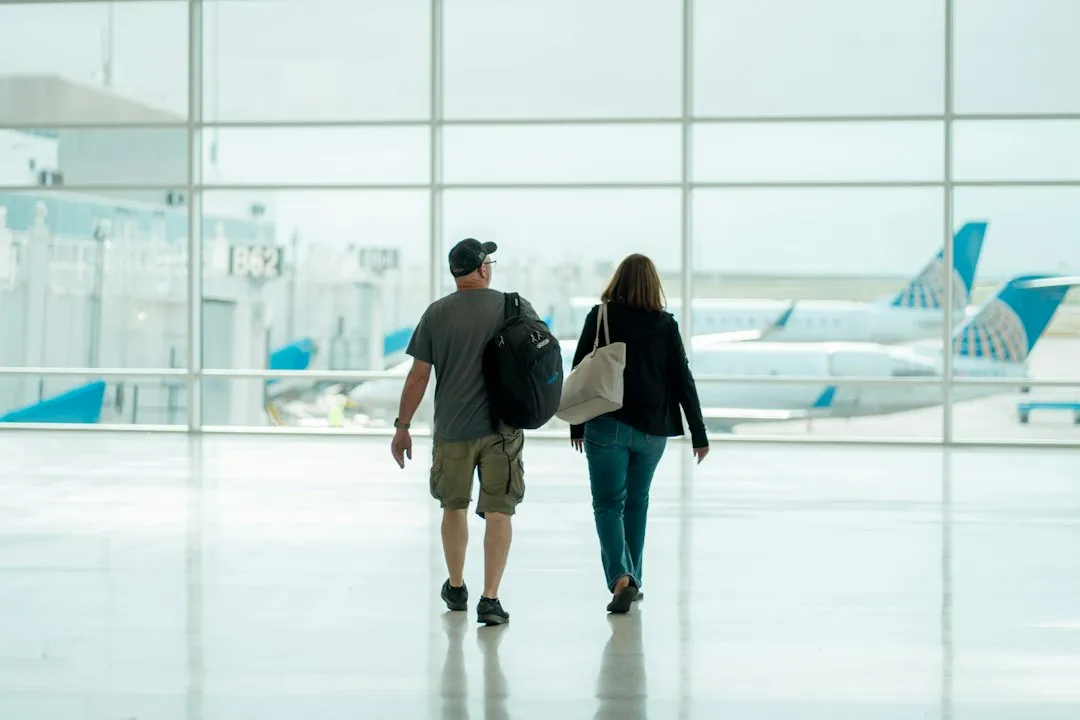
Getting through security without a pull is mostly a matter of preparation. Check the watt-hour rating on your power bank before you leave home, not at the checkpoint. Check your power bank’s spec sheet or look on the battery itself, as many manufacturers print the Wh directly on the label. If you see a figure like 37 Wh, you’re under the limit without any math needed.
TSA may request the device be powered on to confirm it functions, so ensure a partial charge before travel. Devices must show mAh or Wh capacity clearly, and the power bank should be kept in an easy-to-reach area in your carry-on. Burying it at the bottom of a packed bag when you know security may ask for it is a small avoidable friction that compounds under travel stress.
For international travel, the home-country rules are only the starting point. For all international travel, check the airline’s website and the destination country’s aviation authority rules. Policies that diverge most sharply from standard IATA guidelines tend to be found on Asia-Pacific and Middle Eastern carriers, so a quick pre-trip check is worth the three minutes it takes.
The Bigger Picture Worth Keeping in Mind
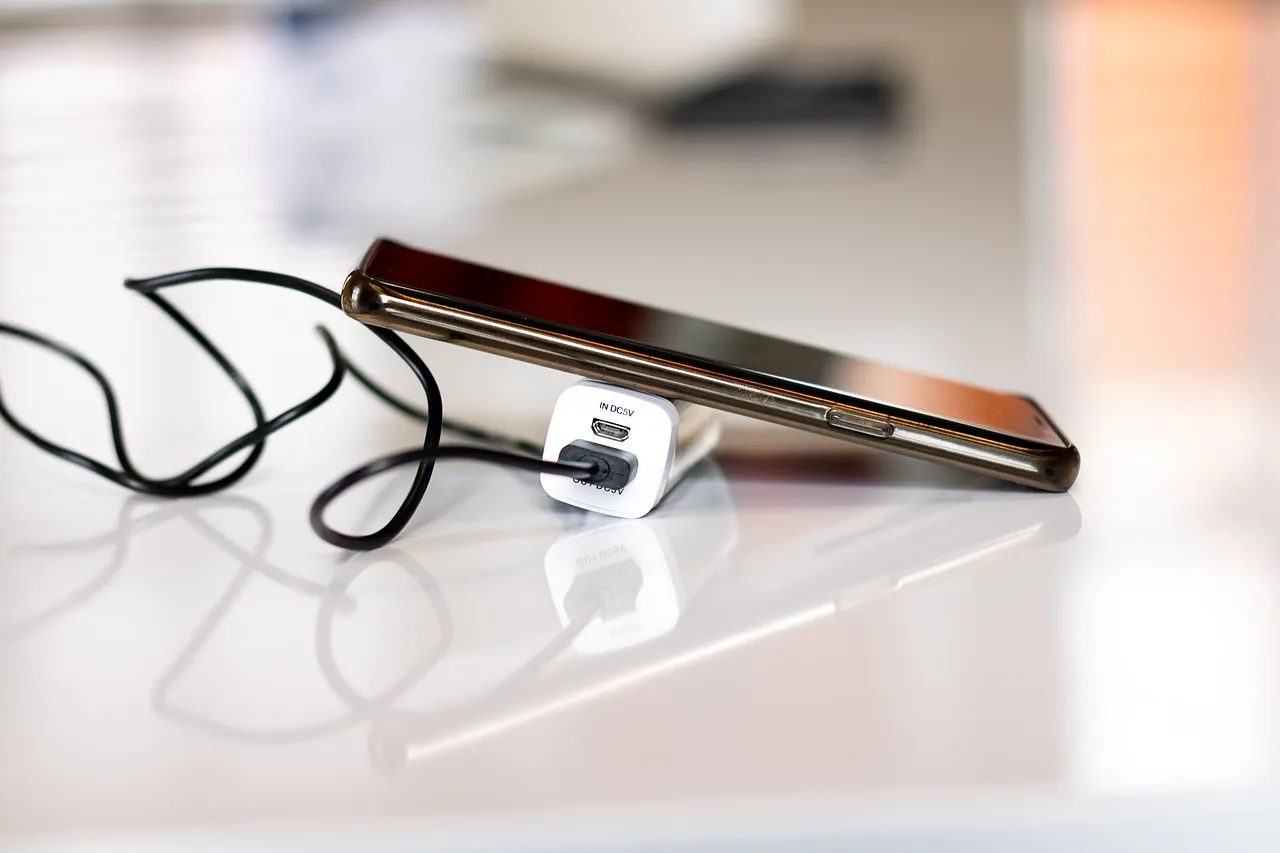
There’s something clarifying about understanding why these rules exist, rather than just memorizing them. The watt-hour limit, the carry-on requirement, the labeling rules, they all trace back to the same underlying physics: lithium-ion batteries under certain conditions can fail catastrophically and fast, in a way that’s genuinely hard to contain mid-flight.
Lithium-ion power banks have specific rules on airplanes because of the genuine fire risk if a battery shorts or fails. The rules are mostly consistent across airlines and countries because they originate from the same IATA Dangerous Goods Regulations, though airline-specific details vary.
Knowing the rule is one thing. Knowing the reason behind it tends to make compliance feel less like inconvenient bureaucracy and more like a reasonable agreement between you, the crew, and everyone else sharing that cabin at 35,000 feet. Keep it in your carry-on, keep the label visible, and know your watt-hours before you get in line.
AI Disclaimer: This article was created with the assistance of AI tools and reviewed by a human editor.