


Solo travel is growing at a pace that few industries predicted. Online searches for the term “solo travel” increased by more than seventy percent in just one year between April 2023 and April 2024. That number says something important: millions of people are planning journeys alone, often for the first time, and a quiet but significant question sits behind every itinerary. How do you leave feeling ready?
The answer, for a growing number of experienced solo travelers, isn’t found in a packing list or a booking confirmation. It’s found in the ritual they build before they ever leave home. A pre-departure practice, one that feels personal, consistent, and genuinely calming, can shift the entire emotional tone of a trip. A daily routine, even a simple one, can act as a grounding force in the midst of the unfamiliar. It provides a sense of stability, especially helpful when facing potentially chaotic travel days or unexpected situations, and helps anchor your mind in a sea of change.
Why Solo Travel Brings Its Own Kind of Pressure
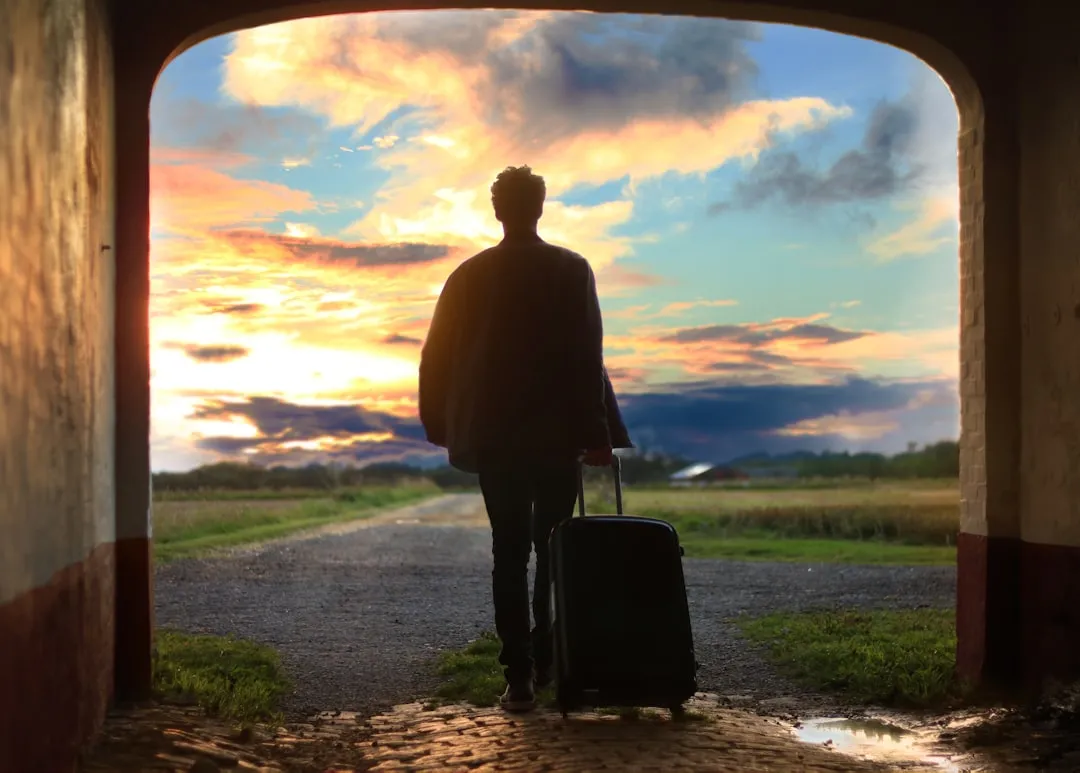
There’s something uniquely activating about traveling alone. Every decision sits entirely with you, from the route you take to the restaurant you choose for dinner. Solo travel inevitably involves problem-solving scenarios: missed connections, language misunderstandings, navigation errors, and unexpected obstacles. Rather than representing failures, these challenges serve as crucial learning experiences. Still, the anticipation of those unknowns can unsettle even seasoned travelers.
Travel anxiety peaks before packing or departure because you’re imagining unknowns, replaying past problems, and feeling rushed, which builds nervous-system tension, sleep disruption, stomach upset, and racing thoughts. Understanding that this response is physiologically normal is the first step. The second step is having a ritual that gently counters it.
Seven out of ten U.S. respondents in a Global Rescue survey cited a solo travel trip as being important for their mental health wellness. The desire to travel alone is tied to wellbeing from the start, which means protecting that wellbeing before you even board a flight is part of the journey itself.
Setting an Intention Before You Pack a Single Item

The most grounding thing you can do before a solo trip isn’t organizational. It’s directional. Setting an intention for your trip means considering what you hope to achieve or experience through your travels, and mindfully reflecting on this intention throughout your journey. This small act transforms a trip from a series of logistics into something with personal meaning.
Developing a pre-travel mindfulness routine might include meditation, visualizing positive experiences, or setting specific intentions for your journey. This practice helps cultivate an open and receptive mindset before departure. It doesn’t need to take long. Even ten minutes of quiet sitting with a clear question, “What do I want to feel on this trip?”, can reorient your nervous system toward curiosity rather than dread.
The Pre-Trip Journal: Writing Your Way to Calm

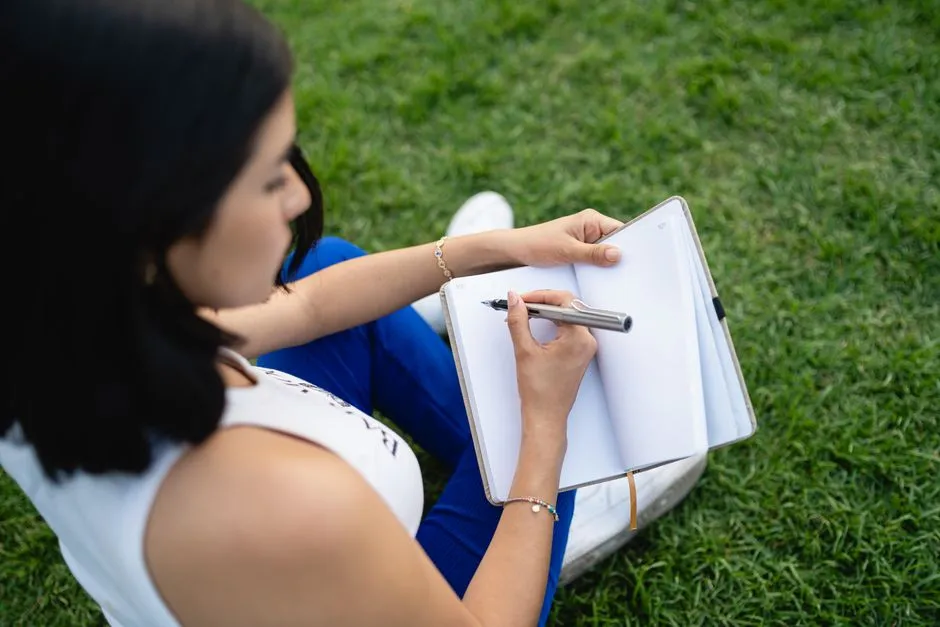
One of the most researched grounding tools available to solo travelers is also one of the simplest. Beginning a pre-trip journal to note your fears and hopes creates a private space where anxiety loses some of its charge. Putting feelings into words tends to organize what otherwise spirals in your head.
Research shows that journaling creates measurable changes in brain function, helping people make connections more easily and process information better, making it a powerful tool for mental well-being. Applied to travel, this means a few pages written in the days before departure can genuinely change how prepared you feel emotionally. Multiple clinical studies demonstrate that regular journaling practice can reduce symptoms of depression and anxiety by between twenty and forty-five percent.
According to Emotional Disclosure Theory by psychologist James Pennebaker at the University of Texas at Austin, writing about emotional experiences helps process events by organizing chaotic thoughts and releasing pent-up emotions, which can lead to improved mental clarity and resilience. Pre-travel, that emotional organization is exactly what most solo travelers need.
Mindful Packing as a Grounding Practice
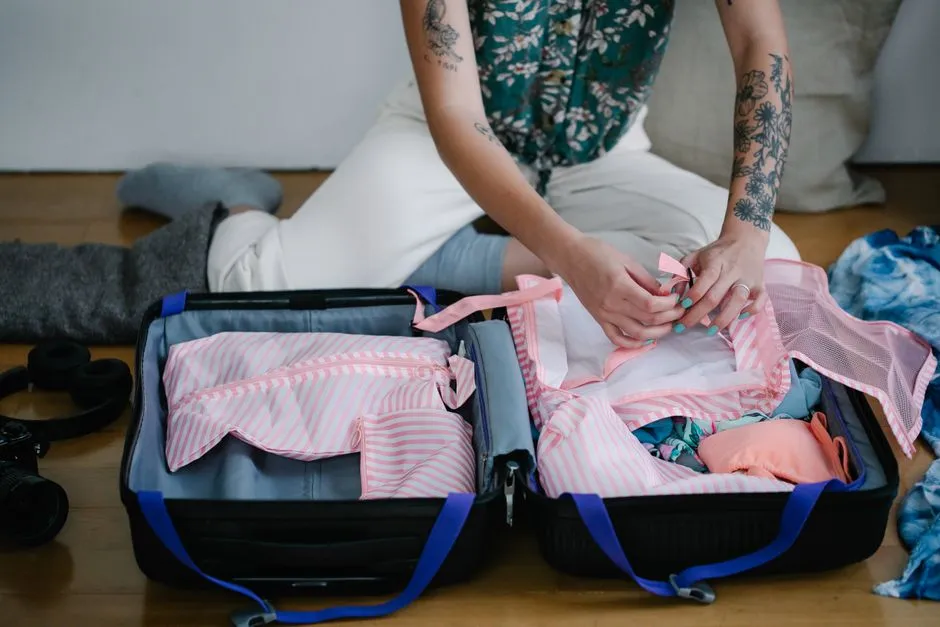
Packing is rarely thought of as a mindfulness exercise, but it can be one. Packing and preparation are often sources of travel stress. Mindful strategies that help include minimalist packing, keeping luggage organized with cubes and labeled compartments, and planning outfits, documents, and travel essentials in advance. Each deliberate choice grounds you in the physical reality of the trip ahead.
Packing mindfully isn’t about being perfect; it’s about supporting your body so you can actually enjoy where you are. The more you handle before you go, the more present you’ll be once you’re there. Many experienced solo travelers report that a thoughtfully packed bag gives them a sense of control that eases the anxiety of departure day.
The Digital Reset: Clearing Your Attention Before You Leave
One of the most overlooked parts of pre-departure preparation is clearing your digital life before the journey begins. Setting your email auto-reply and checking off the final items on your to-do list matters because lingering tasks nag you mid-flight. Make sure you’ve downloaded everything you’ll need, including boarding passes, reservations, and offline maps, and decide in advance on key logistics such as airport transportation and your first night’s plan.
Unfinished digital business is a specific kind of cognitive drain. When your attention is split between a work thread and a flight gate, neither gets your full presence. Resolving what you can, and consciously releasing what you can’t, is a genuine act of self-care before solo travel.
Breathwork: The Simplest Ritual with Real Science Behind It
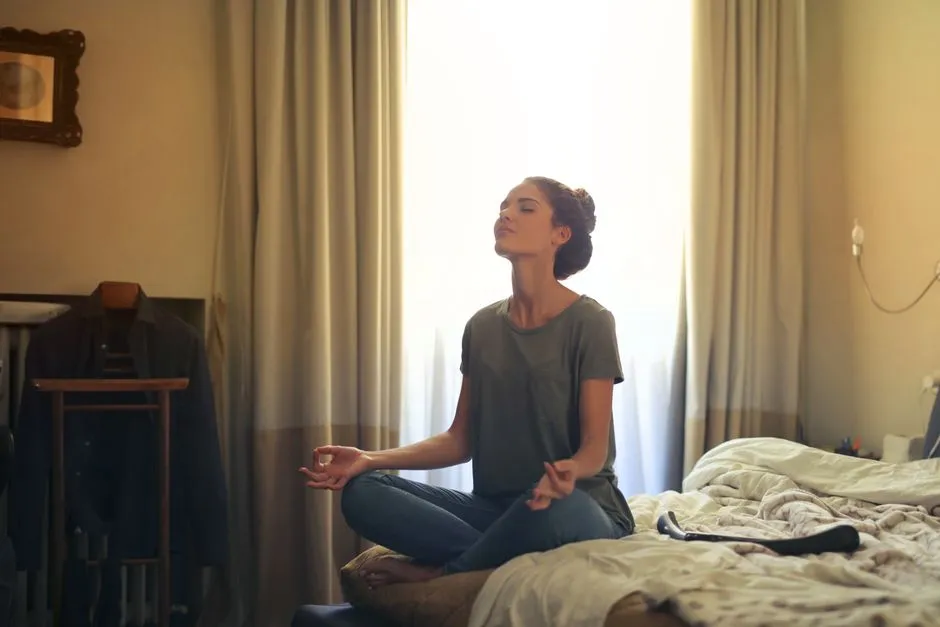
Breathing exercises tend to get dismissed as overly simple, but the physiological evidence for them is solid. Inhaling for four counts and exhaling for six counts, repeated until your heart rate slows and your shoulders drop, is a practical technique that works at a nervous system level. Practiced in the days leading up to a departure, it trains your body to find calm on demand.
Quick techniques that calm pre-travel anxiety include grounding exercises, breathwork using a four-count inhale and a six-count exhale or box breathing, a one-minute body scan, and sensory imagery to shift focus. These aren’t alternatives to preparation. They work best alongside it. Simple techniques allow travelers to stay present and centered, even in busy environments, and deep breathing is a powerful tool for instant calm.
Calling Your People: The Importance of Anchoring Connections
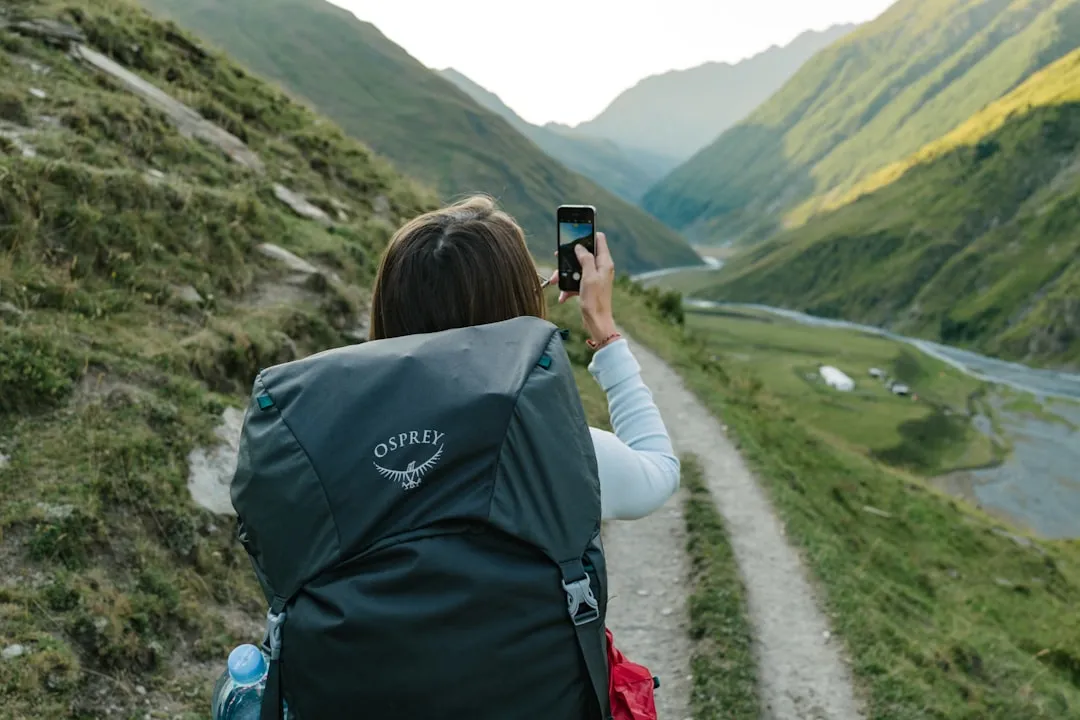
Grounding before solo travel isn’t only an internal practice. Deliberately connecting with the people who matter most before you leave creates a sense of relational anchor that carries through the trip. Setting regular video calls with family, keeping a travel journal to process emotions, and creating a “buddy system” with a fellow traveler for night-time plans or shared excursions all keep you connected even when traveling alone.
A pre-departure call with someone who knows you well, where you share where you’re going and why, does something quietly important. It affirms that your journey is witnessed. Sharing an itinerary with trusted contacts and arranging a daily check-in time for longer solo legs are practical safety measures that double as emotional anchors. The ritual of connection before departure is as grounding as any internal practice.
Small Solo Rehearsals: Practicing Aloneness Before You Go
For travelers heading out alone for the first time, one of the most effective pre-departure rituals costs nothing. Mentally preparing by practicing small solo activities at home, like dining alone or visiting a museum by yourself, builds genuine readiness. These micro-exercises aren’t dramatic, but they do something real: they normalize the feeling of being alone in public, which is one of the anxieties that stops people before they even book.
Psychological research recommends starting small, beginning with shorter and nearby trips before extended international travel, developing realistic expectations, identifying potential challenges, and planning coping strategies. A solo coffee at a café, a solo afternoon at a gallery, a solo walk through an unfamiliar neighborhood of your own city: each one is a rehearsal that builds the quiet confidence that solo travel rewards.
The Cultural Preparation Ritual
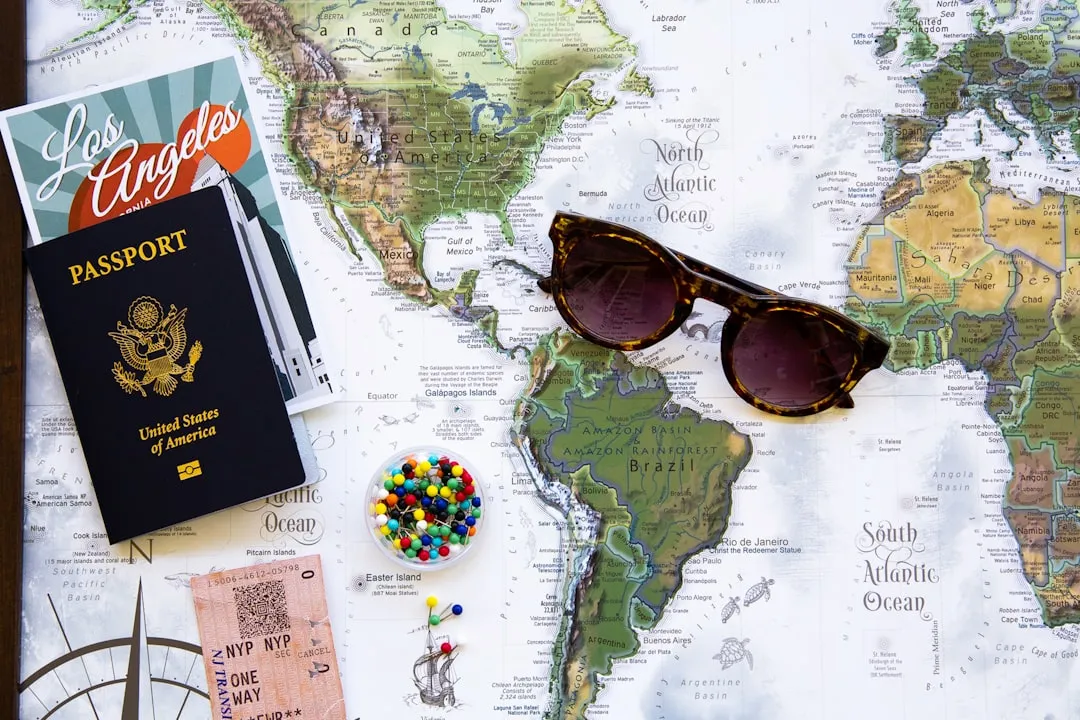
Grounding isn’t only about calming anxiety. It’s also about arriving somewhere with real curiosity and respect. Researching the culture and customs of your travel destination can lead to a more mindful and respectful travel experience. Learning a few phrases in the local language and reading about the cultural dos and don’ts transforms pre-departure preparation from a checklist exercise into something richer.
This cultural groundwork matters ethically, too. Arriving somewhere with even basic knowledge of local customs means you engage as a participant rather than a passive observer. Visiting places that resonate with a personal interest, whether art history, hiking, or food markets, ensures intrinsic motivation drives your exploration and deepens your connection to the destination from the very first day.
Scheduling a Gentle First Day
One of the most practical and underused pre-departure decisions a solo traveler can make is the decision about arrival day. Scheduling a light first day to acclimatize without pressure creates a container of safety, allowing your mind the freedom to explore and grow. Arriving somewhere new and immediately cramming in sights is a fast way to feel overwhelmed.
The first day is itself a ritual. A slow morning in a new place, a walk without a destination, a meal eaten without rushing: these small freedoms signal to your nervous system that this is a safe space. Embracing the freedom to change plans based on your mood, a core luxury of solo travel, is a practice in listening to your own desires that strengthens self-trust. That self-trust, built carefully before and right after departure, is what makes solo travel genuinely transformative.
The Takeaway
Solo travel is one of the most self-affirming things a person can choose to do. Research published in late 2025 found that solo travelers experience measurable improvements in self-efficacy, resilience, and interpersonal skills, alongside reductions in anxiety and stress. Those benefits don’t arrive by accident. They’re cultivated, and the cultivation starts before you ever leave home.
A pre-departure ritual doesn’t need to be elaborate. It needs to be honest. Journaling your hopes and fears, breathing deliberately, packing with care, calling someone who loves you, spending an afternoon alone in your own city: these are small acts with a larger purpose. They remind you, quietly and practically, that you are already ready for what’s ahead.
There is a growing awareness of the ‘self’ as a result of more conversations happening around mental health, and many travel experts agree that solo travel is on the rise as a direct reflection of this. The pre-departure ritual is where that inward journey begins. Long before the boarding gate, something in you has already arrived.
AI Disclaimer: This article was created with the assistance of AI tools and reviewed by a human editor.