


There’s a certain kind of chaos that descends on a household the night before a family trip. Someone can’t find their passport. Someone else forgot to tell you they outgrew their only pair of walking shoes. The excitement is real, but so is the frantic energy. What separates the families who board their flight feeling calm from those who arrive at the gate already exhausted isn’t luck. It’s a ritual, built before the bags are ever zipped.
Vacation planning can be a significant source of stress, especially for international trips or those involving the whole family. The good news is that most of that stress is preventable. A deliberate, repeatable pre-trip routine gives families a practical framework, a way to feel genuinely ready rather than just hopeful. These ten steps form the foundation of that ritual.
Start Planning Early Enough to Actually Enjoy It
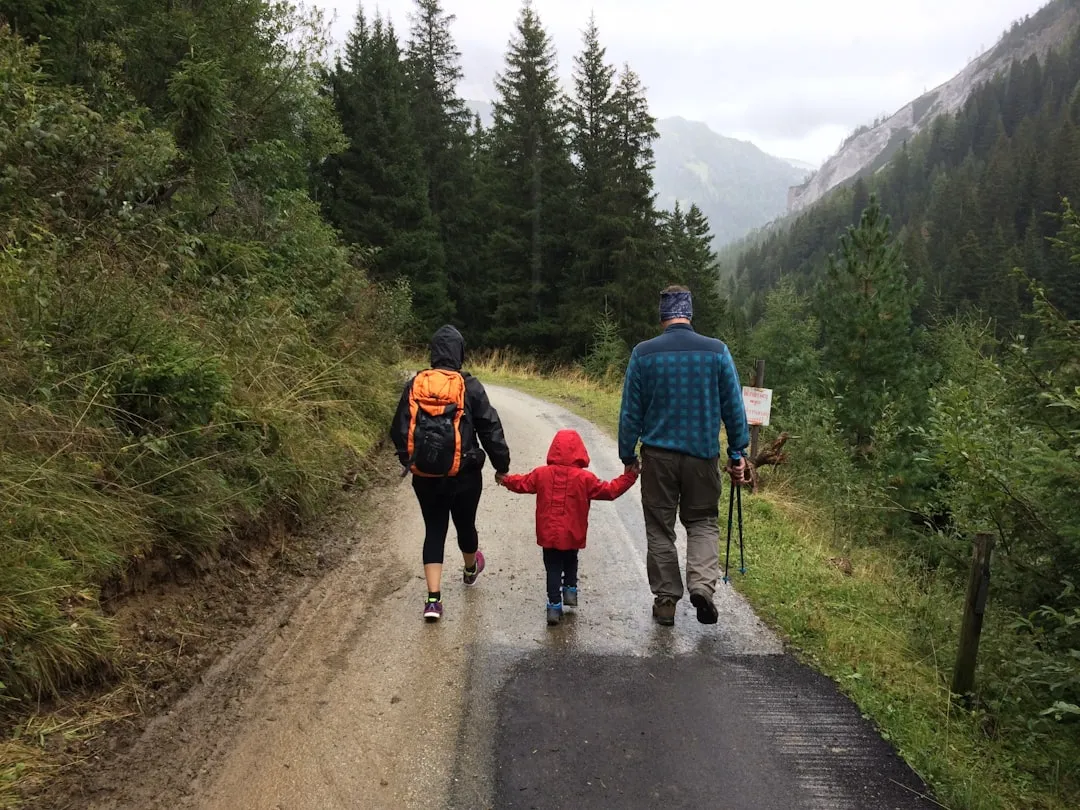
The families who enjoy their trips the most tend to be the ones who started preparing weeks in advance, not days. Planning a family trip can feel like juggling a dozen things at once, especially when kids are in the mix, and without a clear checklist, it’s easy to overlook important steps that keep a trip smooth and safe. A week-by-week approach takes the pressure off any single day.
Scientists and psychologists call this phenomenon vacation anticipation or anticipatory happiness. It’s the period before your trip when you’re looking forward to the adventure ahead, and it releases dopamine, the so-called “anticipation molecule,” which boosts feelings of pleasure and motivation. In other words, the preparation itself becomes part of the experience.
Some studies find that even the act of planning a vacation that won’t happen for months or years can give you the same stress relief as actually packing your bags and hitting the road. Starting early transforms preparation from a chore into something that genuinely builds excitement for everyone in the family.
Get the Documents Sorted First, Before Anything Else
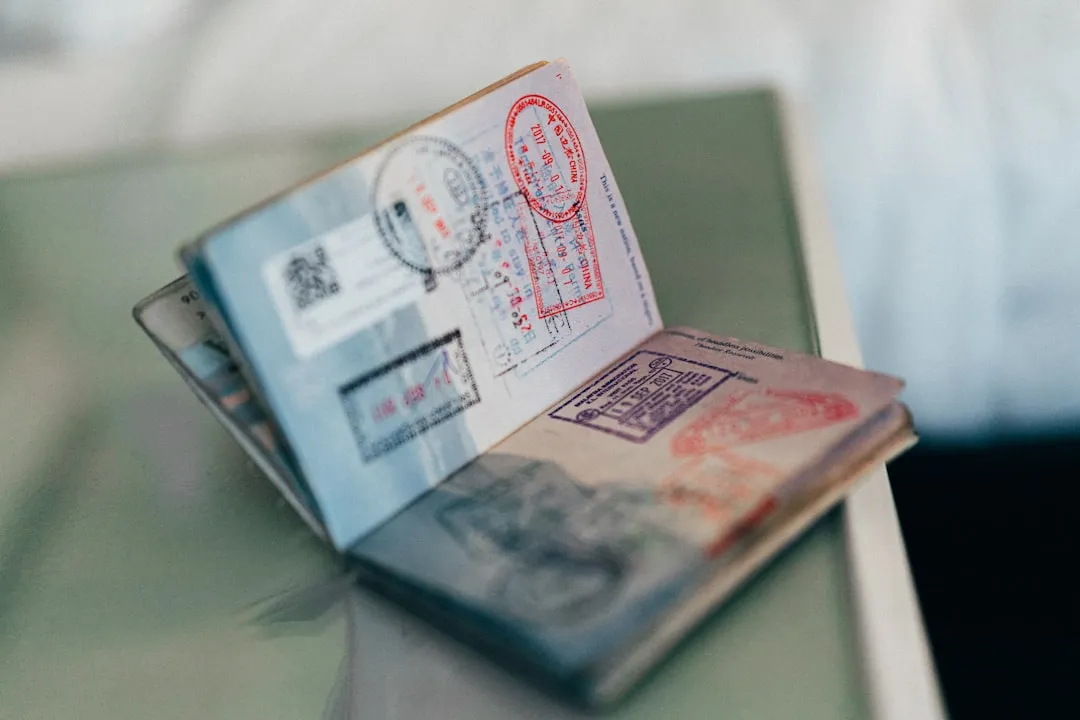
Having all the essential travel documents in hand is the first step to a successful family trip. For international travel especially, this category deserves its own dedicated session, not a frantic check at midnight before departure.
For international travel, gather all necessary documents in a secure travel wallet. This includes passports, visas, insurance papers, and any necessary health documents. Having these on hand makes navigating checkpoints much easier. One well-organized wallet or folder can eliminate a significant category of travel anxiety entirely.
Check the validity of all passports early. Many countries require the passport to be valid for at least six months beyond your travel dates. It’s the kind of detail that’s easy to overlook and painful to discover too late. Domestic travelers should also note that REAL ID enforcement for domestic flights began on May 7, 2025, and travelers who arrive without one now face a separate TSA ConfirmID verification fee.
Schedule a Pre-Travel Health Check for the Kids
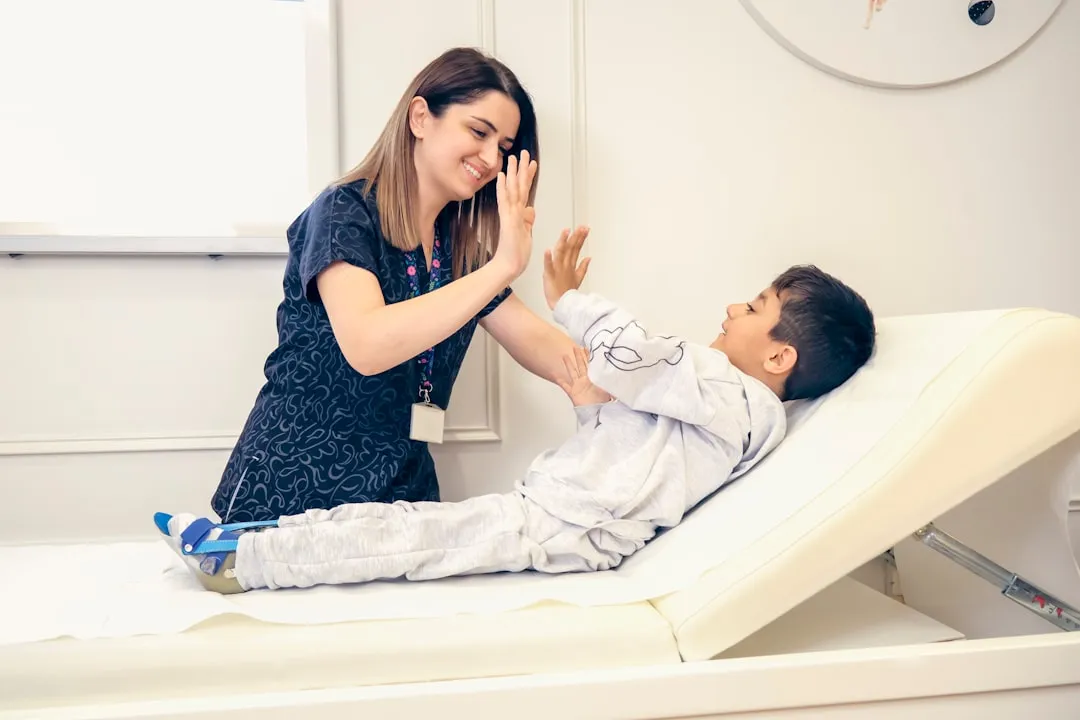
Spring break and summer travel with kids requires more preparation than booking flights and packing sunscreen. A little advance planning prevents vacation-ruining illness and gives you resources if problems arise.
If your child has any ongoing health concerns, chronic conditions, or takes daily medications, schedule a visit two to three weeks before departure. This allows time to address any issues and ensure you have adequate medication supplies for the trip. That buffer window matters more than most parents realize.
According to the Centers for Disease Control and Prevention, children with asthma, allergies, diabetes, or other chronic conditions need specific travel preparations including medication adjustments, emergency action plans, and provider contact information. Even children without chronic conditions benefit from a pre-travel check if they’re traveling internationally, to confirm vaccines are current and discuss destination-specific health risks.
Build a Family Travel Medicine Kit
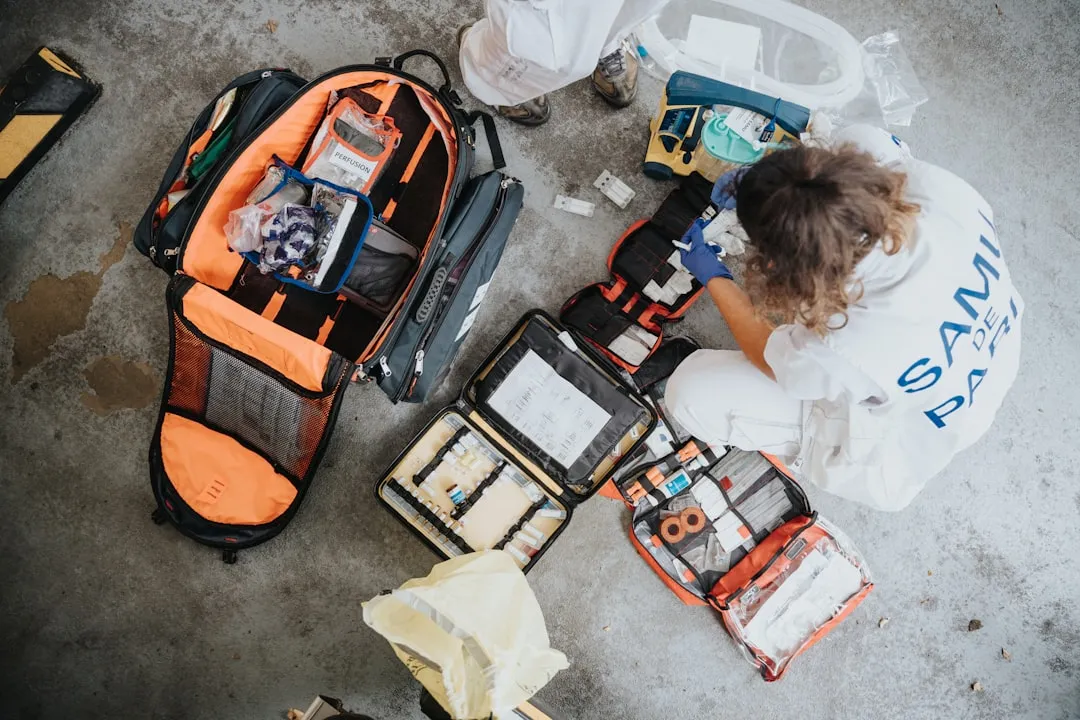
When packing for a vacation with kids, the checklist can feel long. In addition to healthy snacks and weather-appropriate clothes, consider packing a travel health kit with kid-appropriate medicines and first aid items, because you never know when you’ll need them or whether you’ll have easy access to a pharmacy.
Prescription medications should be packed in more quantity than you think you’ll need, kept in original containers with pharmacy labels, and always carried in your carry-on bag, never checked luggage. If your child has known allergies, pack antihistamines and any prescribed epinephrine auto-injectors, and make sure they’re not expired.
First aid basics should include adhesive bandages, antibiotic ointment, tweezers, a digital thermometer, and any over-the-counter medications your pediatrician recommends for your child’s age. It sounds like a lot, but a small, well-organized pouch takes almost no space and offers enormous peace of mind on the road.
Create Individual Packing Lists for Every Family Member

Having a well-planned family travel packing list can reduce a lot of stress while saving time for parents. By having a solid list, you can ensure that only essential travel items are packed and keep luggage light. The key word here is individual: one shared list almost always misses something specific to one person.
Packing efficiently is key to a stress-free trip. Create a detailed packing list for each family member, including clothing, toiletries, and essentials like chargers and medications. Don’t forget comfort items for your kids, such as favorite toys or blankets.
Adapt each checklist to the destination’s weather. For example, sunscreen and insect repellents are must-haves for tropical destinations. Letting older children pack their own bags using their list gives them ownership of the process and quietly builds responsibility along the way.
Address the Emotional Prep, Not Just the Logistical Kind

Ensuring anxiety-free travel begins weeks before departure. Research shows that preparation should include intentional mental health provisions alongside booking accommodations and planning activities. This is especially true for children who find transitions or unfamiliar environments challenging.
By being exposed to multiple new locations in a short period of time, but with the safety of their primary attachment figures, a child learns that they can cope in novel situations. It is natural to feel nervous at something new, and travel is a wonderful opportunity to expose young people to these feelings in small, manageable ways.
Clear, comprehensive travel information and ample planning and preparation can help mitigate stress and anxiety for the whole family. Talk to kids about what they’ll see and experience before you leave. Show them photos, find a book set in the destination, or watch a short film together. Curiosity is a natural antidote to nervousness.
Have an Honest Family Conversation About Expectations

One underrated part of pre-trip preparation is the conversation nobody has until something goes wrong on day two. What does each person actually hope to get out of this trip? Who needs a slow morning? Who wants the packed itinerary?
The act of travelling together, time spent talking on long journeys and sharing amazing views and food, not only helps create individual identities but also helps form the family identity. It is an opportunity to create shared core memories, fostering greater cohesiveness. That cohesion starts before you ever leave home.
Family travel in 2025 is all about experiences over excess, as parents prioritize adventure, affordability, and hassle-free planning in an ever-changing travel landscape. Setting shared expectations beforehand, including what you’re willing to leave flexible, reduces the friction that derails otherwise lovely trips.
Set Up Safety Protocols the Whole Family Knows

Every family trip, whether a weekend road trip or an international adventure, benefits from a clear, simple safety plan. Children especially need to understand what to do if they get separated from the group in an unfamiliar place.
Technology can enhance your travel experience and provide safety. Equip your family’s devices with travel apps that offer navigation, translation, and local tips. Consider getting an eSIM for easy international connectivity. A portable charger is a lifesaver for keeping devices ready.
Write down emergency contacts and keep a copy in each child’s bag. Agree on a meeting point at airports and busy tourist sites before you arrive. These aren’t dramatic measures; they’re quiet reassurances that let everyone explore with more freedom rather than less.
Protect Your Routines So Kids Stay Grounded on the Road

Kids thrive on routine, and travel is one of the most reliable routine-disruptors there is. The families who fare best are usually the ones who preserve a few anchor points rather than abandoning structure entirely.
Adhering to a routine while away from home can also protect your mental health while traveling. For children, this might mean keeping consistent meal times, maintaining a bedtime window, or continuing a small daily habit they love, even if everything else looks different.
Even though vacation can mean a break from regular schedules, try to maintain healthy sleep and eating habits as much as possible. Overtired, underfed children are the single largest source of mid-trip friction. Protecting sleep is, genuinely, one of the highest-return investments a traveling family can make.
Let the Children Help Plan Something They Care About
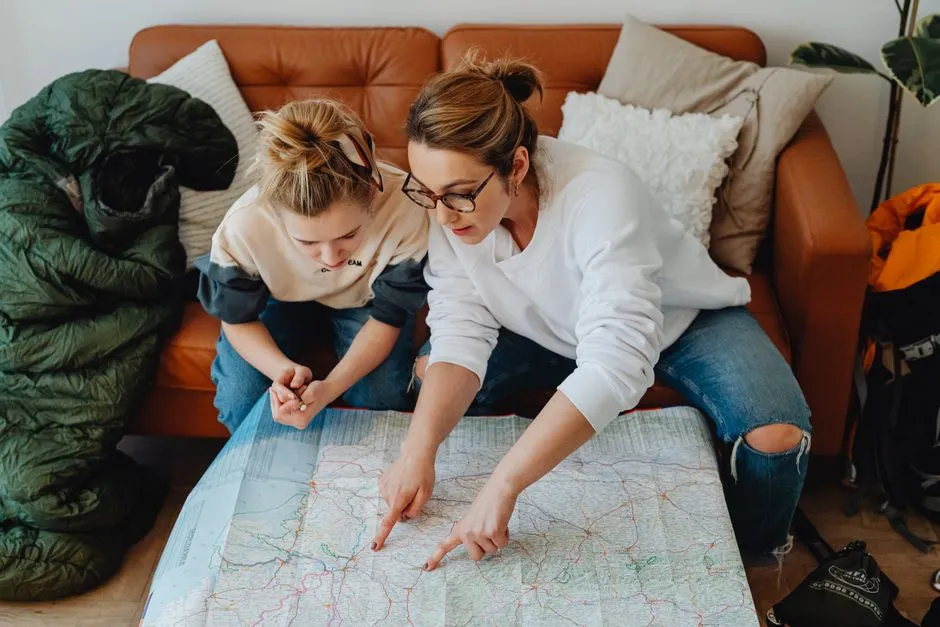
One of the most effective and most overlooked parts of any family pre-trip ritual is giving children a genuine role in the planning. Not a token one. When kids have agency, they arrive invested rather than reluctant.
A family vacation can become a fun adventure for the child when there’s a new place to explore. Going to a different place increases kids’ curiosity. There’s a vast canvas to absorb from, not just for children but also for adults. Ask each child to choose one activity, one meal, or one place they want to visit. Then actually follow through.
A study published in the Journal of Consumer Research states that experiential gifts produce greater improvements in relationship strength than material gifts. Instead of gifting toys to the little ones, planning a special getaway would keep children engaged longer. Letting them co-create the adventure transforms the trip from something that happens to them into something they helped build.
A Quiet Kind of Readiness

The best pre-trip ritual doesn’t look dramatic. It looks like a family sitting around a kitchen table with a checklist, talking about what they’re excited to see. It’s a health kit packed the week before, a document wallet that’s actually organized, and a conversation about what a slow morning might look like on day three.
Approaching vacation planning mindfully can reduce anxiety significantly. Breaking down the process into manageable steps, delegating tasks when possible, and setting realistic expectations can help avoid overwhelm. That’s the whole of it, really.
Families who feel prepared for anything aren’t prepared because nothing will go wrong. They’re prepared because they’ve done enough together beforehand that they trust each other to handle whatever does. That quiet confidence is, in the end, the best thing you can pack.
AI Disclaimer: This article was created with the assistance of AI tools and reviewed by a human editor.