
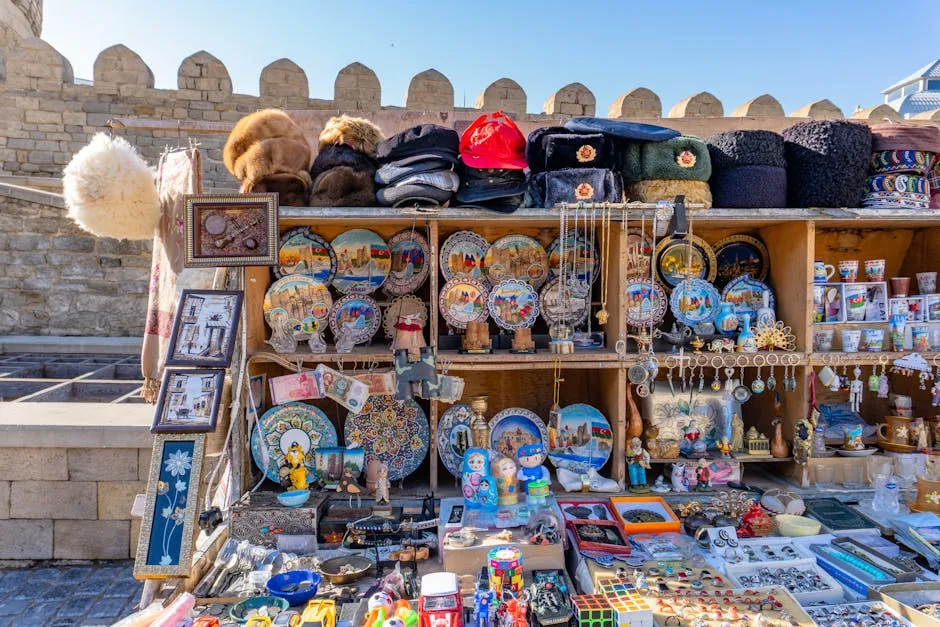

Most of us have done it. Stood in a crowded market stall, holding something small and slightly overpriced, and felt a quiet but unmistakable pull. Not because we needed the item, but because putting it back felt like leaving something of the trip behind. That tension, trivial on the surface, turns out to say a great deal about how human memory and identity actually work.
Purchasing a trinket, magnet, or t-shirt from a distant location might seem trivial, but the underlying psychological motivations can be quite profound. Souvenirs sit at a curious crossroads between commerce and emotion, between the physical and the deeply personal. The reasons we reach for them are worth understanding.
More Than a Trinket: What Souvenirs Actually Are
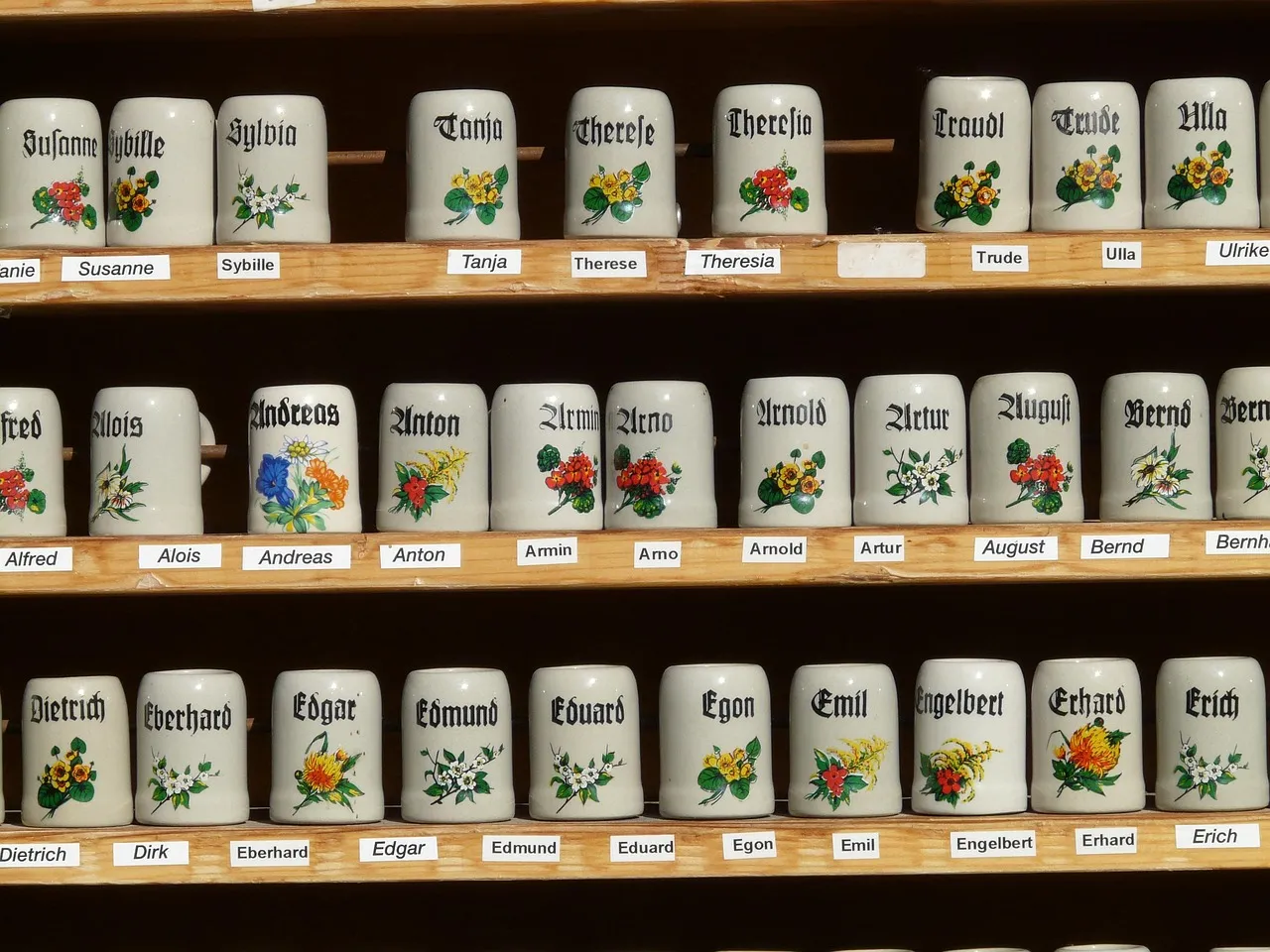
Souvenirs are more than just keepsakes that travelers bring back from their journeys. They serve as a way to preserve memories, express identity, connect with others, and promote cultural heritage. That is a lot of weight for a small ceramic mug to carry.
These objects not only encapsulate the memories of travel but also the intangible emotions associated with a tourist’s journey, facilitating connections to cherished times and places, and reconstructing the essence and significance of their travels.
For tourists, souvenirs can help “locate, define, and freeze in time a fleeting, transitory experience,” turning something brief and perishable into something you can hold in your hand years later.
The Memory Machine: How Objects Trigger Recall
Memories are powerful emotional triggers, and souvenirs serve as physical reminders of past experiences. When people buy souvenirs, they are often seeking to capture the essence of a place or experience.
Souvenirs can serve as tangible carriers, reminding tourists of their fond memories about their journeys at any time and providing a practical avenue for practitioners to foster sustained tourists’ well-being. The object itself matters less than what it unlocks in the mind.
Research grounded in the levels of processing theory delves into how souvenirs shape tourists’ emotional experiences and their role in emotional regulation, behavior, and overall well-being within tourism. Through semi-structured interviews, researchers uncovered that souvenirs play a pivotal role in managing emotions and boosting psychological well-being.
Proof of Adventure: The Need to Document Our Lives
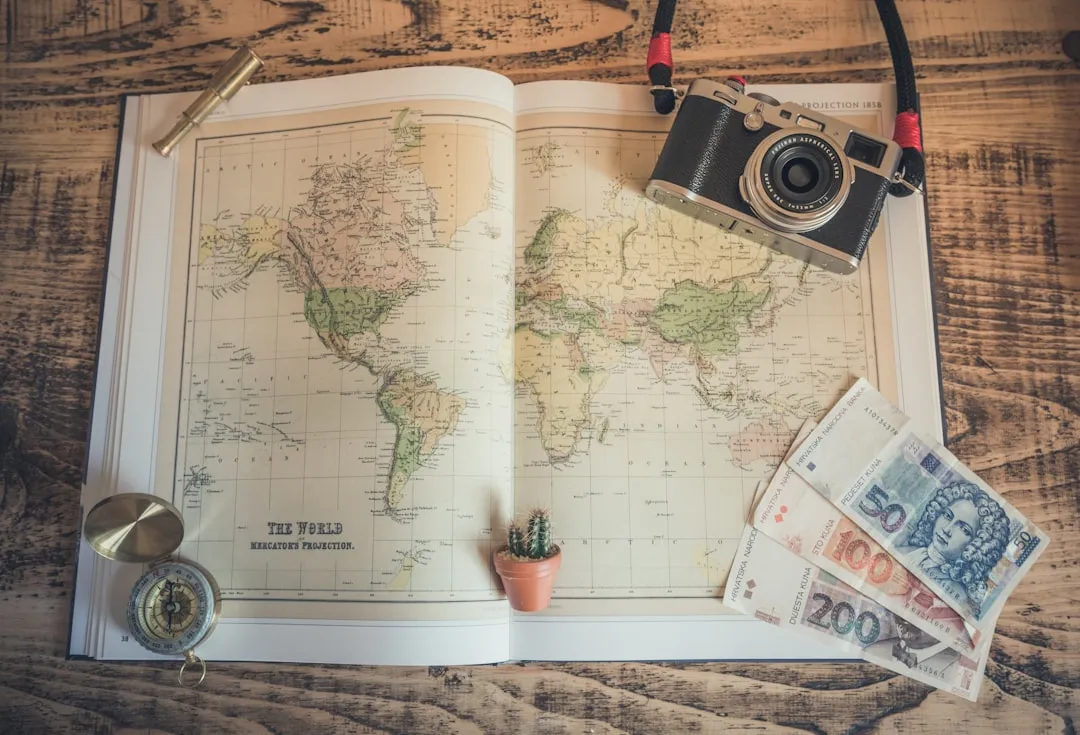
One of the simplest reasons for buying souvenirs is to provide evidence of our adventures. Displaying that wall hanging from Indonesia in the living room, or serving wine to your friends in the carafe from Spain, creates talking points and encourages people to enquire about your travels.
Souvenir buying has previously been thought to be all about status, filling our homes with evidence that we are adventurers who have been to exotic far-away places. More recently it has come to be seen as more nuanced than that, with souvenir buying offering opportunities for self-expression, personal development, and maintaining social connections (Morgan and Pritchard, 2005).
Research has found that travelers who post pictures on social media are more apt to use souvenirs as gifts and as evidence of travel, and are also more prone to purchase local and regional specialty items. The physical souvenir and the digital record of travel increasingly reinforce each other.
The Nostalgia Connection: Why the Past Feels Like Home

Nostalgia originates from the Greek words nostos (return) and algos (pain), literally meaning “the pain of returning home.” Coined in the 17th century by Swiss physician Johannes Hofer to describe homesickness among soldiers, it was once classified as a medical disease. By the late 20th century, researchers began to reinterpret nostalgia not as pathology, but as a complex emotion that integrates longing, affection, and reflection.
Nostalgia is associated with, or confers, psychological benefits. The benefits include more positive views of one’s past and future, increased sociality, and higher psychological well-being. In addition, nostalgia buffers against adversity.
Nostalgia is prevalent across ages and cultures, confers multiple psychological benefits, and has wider appeal in arts, humanities, media, and the popular imagination. A souvenir on the shelf is, in many ways, a nostalgia device waiting to be activated.
Identity in Object Form: What We Buy Reveals Who We Are
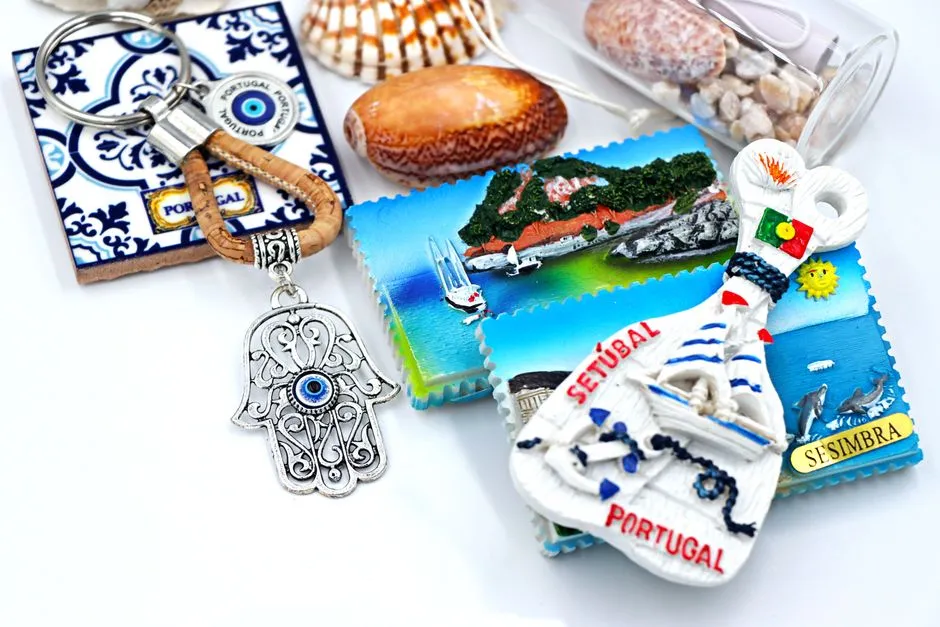
Emerging themes in research, such as tangible reminders, narrative triggers, expressive artifacts, emotional catalysts, relaxation tools, and means of identity expression, align with the levels of processing theory. In short, souvenirs are a form of self-narration.
As people report stronger feelings of nostalgia toward meaningful objects, they view them as more self-defining. People use nostalgia in constructing their sense of who they are, dwelling on particular past episodes in a way that helps cement these moments in defining who they are.
Self-continuity is the sense of connectedness between one’s past and present self. The concept first emerged when William James proposed the idea of an active-self constantly evaluating our own behavior to compose a continuous sense of life out of discrete events. A souvenir, then, is a small anchor in that ongoing story.
The Brain on Novelty: Why Unfamiliar Objects Pull Us In
Purchases that we deem unique light up different parts of our brain. Research scientists used a functional MRI to prove that when shown extraordinary objects alongside commonplace things, our excitement is sharpened.
The way our brains are hardwired lends itself to the addictive nature of consumerism and collecting, but also to the excitement of shopping while on our travels, where unfamiliar items appear exotic and alluring. Distance and context change how we value things.
The psychology behind retail therapy is well-documented. There are therapeutic benefits, like a chemical dopamine release, that come with buying objects simply for their aesthetic qualities. On holiday, that effect is amplified by novelty and an unusually relaxed state of mind.
The Gift Impulse: Buying for Others, Feeling It for Ourselves
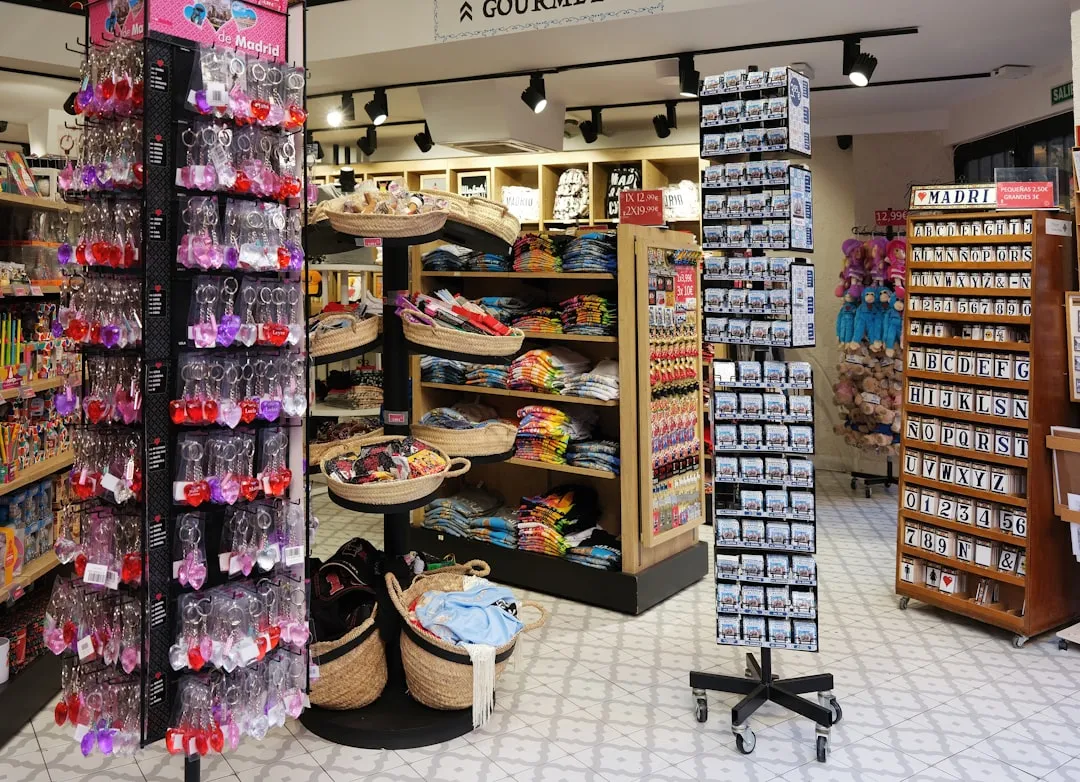
One of the main reasons people buy souvenirs is as gifts for the people back home. Virtually every traveler has at some point stood in a shop trying to remember whether their aunt collects anything in particular.
While giving gifts might come with good intentions, researchers have asked whether we are actually just assuaging our own itch to consume without the guilt of ownership. The gift frame makes the purchase feel generous rather than indulgent. That distinction matters psychologically.
Souvenir co-creation is also observed to be an important activity that connects the tourist and the destination. Souvenir co-creation experiences are ways that boost tourist engagement with the destination, and that deeper engagement can make the act of gifting feel more meaningful for the buyer.
Authenticity and Its Weight: Why “Made in China” Disappoints
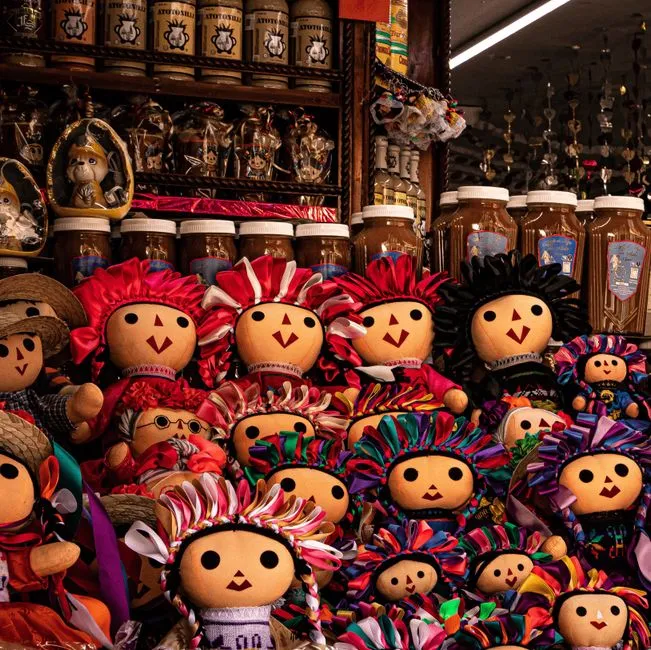
Not all souvenirs are created equal, and many sightseers are still buying mass-produced plastic items. In 2022 in the USA alone, more than 21 billion dollars was spent in souvenir and novelty stores, and the vast majority of modern items are made inexpensively overseas. The scale of the industry does not always align with the depth of feeling behind the purchase.
Authentic souvenirs have gained attention in the recent past as they reflect the authenticity and identity of the destination’s culture and heritage. Travelers increasingly sense the difference between a piece genuinely rooted in local craft and something printed in bulk.
Research has revealed that when the authenticity of souvenirs is low, only convenience and perceived usefulness drive purchasing. Conversely, when authenticity is high, the offline single-channel path works, and perceived scarcity and perceived value play a sequential mediating role. We pay more, emotionally and financially, for something that feels real.
Post-Trip Well-Being: The Souvenir as a Psychological Tool
Memorable travel experiences exert a profound and lasting impact on tourists’ well-being after they return to their everyday lives. The challenge is that the glow of a trip can fade faster than we expect.
Research specifically explores how tourists use souvenirs to regulate their emotions in the workplace after a vacation and how these souvenirs influence their overall well-being. A small object on a desk, it turns out, can do quiet psychological work long after the bags are unpacked.
Hedonic adaptation theory suggests that sustained well-being results from savoring travel-related memories. A complementary theory, the bottom-up spillover theory, argues that satisfaction gained from a tourism experience can improve overall quality of life. The souvenir serves both mechanisms, giving the mind something to return to.
The Souvenir in the Digital Age: Has Anything Changed?
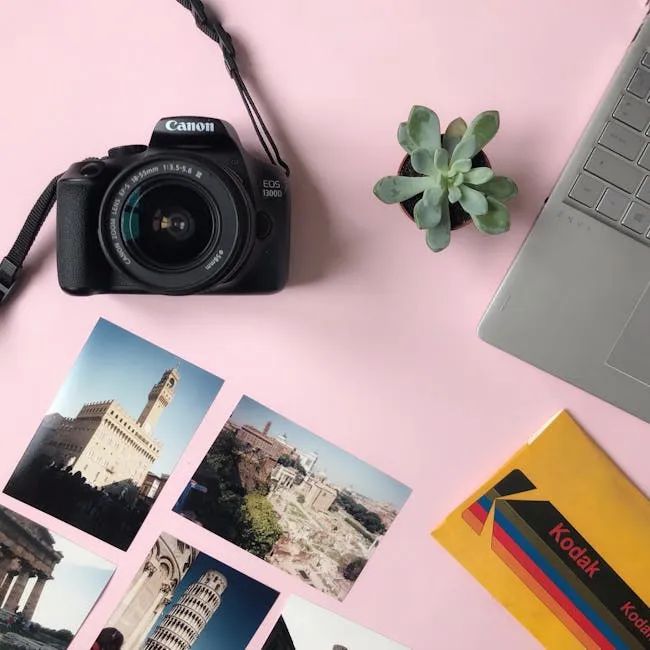
Souvenir shopping has always been a subject of significant tourism research, but the impact of different purchase channels, including the internet, on tourists’ souvenir purchase behavior has been largely underexplored. That gap is narrowing as online souvenir markets have grown considerably.
Research findings suggest that nostalgia operates as a bridge between past and present, fostering resilience and continuity in an increasingly fragmented digital age. Physical objects may actually gain emotional weight in a world where so much experience is screen-based and ephemeral.
Research based on a sample of 450 tourists revealed that souvenir authenticity and co-creation of experiences can influence tourists’ souvenir repurchase intention. The impulse to hold onto a journey does not weaken when we have photos and posts. If anything, the tangible object fills a different, harder-to-replace need.
A Final Thought on Small, Meaningful Things
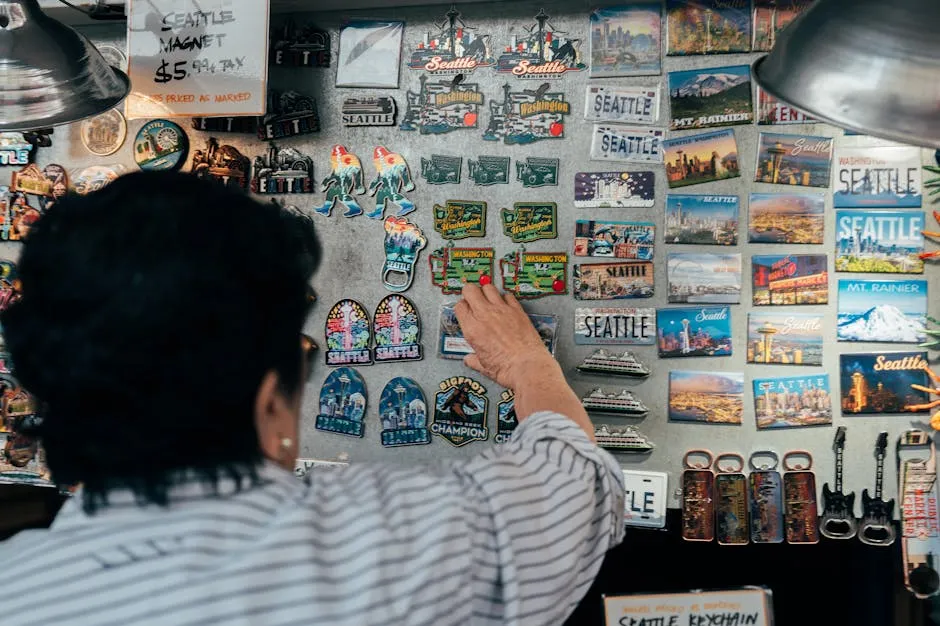
The psychology of the souvenir is, at its core, the psychology of time and loss. Trips end. Places change. People we traveled with move on. The object on the shelf cannot stop any of that, but it holds a thread back to something real.
Souvenirs are tangible reminders of destinations that help tourists reconstruct their memories and the significance of their visit. That reconstruction is not passive or merely sentimental. It is an active, ongoing process through which we understand who we have been, and therefore who we are.
There is something quietly honest about that impulse. We know the fridge magnet is not the beach, and the woven bracelet is not the market. We buy them anyway, because the mind needs handles on experience. The souvenir is one of the oldest and most human ways we have found to say: this mattered, and I was here.
AI Disclaimer: This article was created with the assistance of AI tools and reviewed by a human editor.