
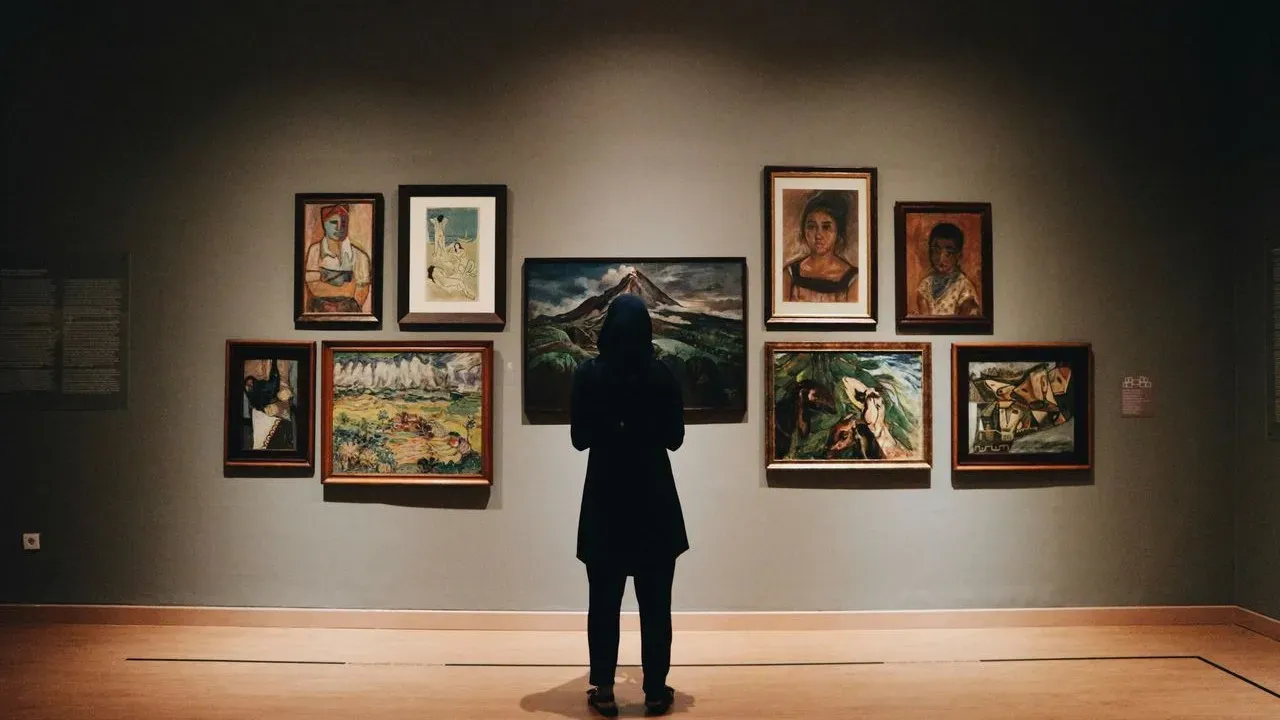

Chios, Greece – Far from the bustle of more familiar Aegean routes, the northwestern region of Amani offers a measured pace that suits extended stays and unhurried exploration. This summer, the island’s sole contemporary art organization has once again chosen an unexpected venue for its annual exhibition, turning a village school into a gathering point for artists and visitors from several countries. The setting itself carries weight: the building survived last year’s wildfires and remains the last operating public school in the municipal unit, giving the project a tangible connection to local continuity and recovery.
Why This Gathering Matters in 2026
The exhibition arrives at a moment when many travelers seek experiences that combine cultural depth with respect for place. International artists and local residents share the same modest spaces, creating exchanges that extend beyond typical gallery visits. The timing aligns with the island’s seasonal rhythm, when cicadas fill the afternoons and village squares come alive with traditional festivals.
Organizers have emphasized that remoteness here serves as an invitation rather than a barrier. Fewer overlapping events allow conversations to unfold at their own speed, and the absence of heavy commercial pressure keeps attention on the work and the surroundings. For visitors interested in purposeful travel, the project demonstrates how cultural programming can support communities still processing environmental loss while offering outsiders a grounded way to engage with the island’s present realities.
The School as Both Venue and Metaphor
The sixth edition of the project occupies the School of Volissos, a stone structure that escaped the major fires of August 2025. Its title, “Letter to an Ailing Father,” draws on the building’s own circumstances to explore broader questions of care, inheritance, and institutional responsibility. The exhibition runs through August 30, 2026, and welcomes roughly one hundred visitors daily, many of them former students or longtime residents who return with fresh perspectives on familiar rooms.
Works are installed throughout classrooms, the laboratory, and the stage area, allowing the architecture to shape how pieces are experienced. The choice of location underscores a deliberate curatorial approach: serious contemporary art placed where daily life continues rather than in isolated white cubes. Local memory surfaces naturally, as visitors sometimes recognize family photographs still hanging on walls or point out land donated generations ago for the school’s construction.
Art That Engages Landscape and Memory
Several commissions respond directly to Amani’s recent history and longer traditions. Real-time simulations of a smoke-emitting tree, brass imprints of fire-scarred ground placed inside hotel minibars, and hybrid figures carrying locally loaned textiles all invite reflection on resilience and loss without sensational framing. A series documenting unfinished bridges in Bangladesh resonates with themes of broken infrastructure and distance from decision-making centers.
Other contributions draw on Chios-specific materials and stories. Tapestries woven from photographs of the region, paintings on raw silk and jute that reference local legend, and installations using fire-resistant clay and mastic-infused beeswax connect artistic practice to the island’s geology and communal customs. These pieces sit alongside established names such as Cindy Sherman and Danh Võ, whose letter-based work explores intergenerational transmission through patient, repeated transcription.
Public Programs That Strengthen Local Ties
Alongside the exhibition, a schedule of talks, musical performances, and children’s workshops runs throughout the summer. Weaving sessions organized with a women’s association founded in 1956 introduce visitors to techniques that preserve folk knowledge while opening pathways for those who might otherwise feel distant from contemporary art. The same association now serves as a custodian of traditional skills, and its involvement keeps the programming anchored in lived island experience.
These activities create practical entry points for residents and travelers alike. Artists converse with farmers and families during opening days, while schoolchildren move through the same rooms where international works are displayed. The result is a temporary commons where contemporary practice and local heritage meet without hierarchy, offering a model of cultural exchange that respects both the island’s quiet character and its capacity to host thoughtful dialogue.
The project illustrates how a remote corner of Greece can host meaningful artistic encounters that honor community memory and support measured recovery. For travelers seeking substance over spectacle, Chios continues to reward those willing to venture beyond well-trodden paths.
AI Disclaimer: This article was created with the assistance of AI tools and reviewed by a human editor.